

Things to Do in Rabat – Exploring Morocco’s Modern Capital
Morocco’s capital surprises every visitor.
While tourists flock to the bustling souks of Marrakech and the commercial energy of Casablanca, Rabat quietly offers something far more authentic. This UNESCO World Heritage city balances ancient medinas with French colonial boulevards, creating a uniquely Moroccan experience without the overwhelming crowds. We’ve explored every corner of this underrated destination to bring you the essential experiences that showcase why Rabat deserves a prominent place on your Morocco itinerary.
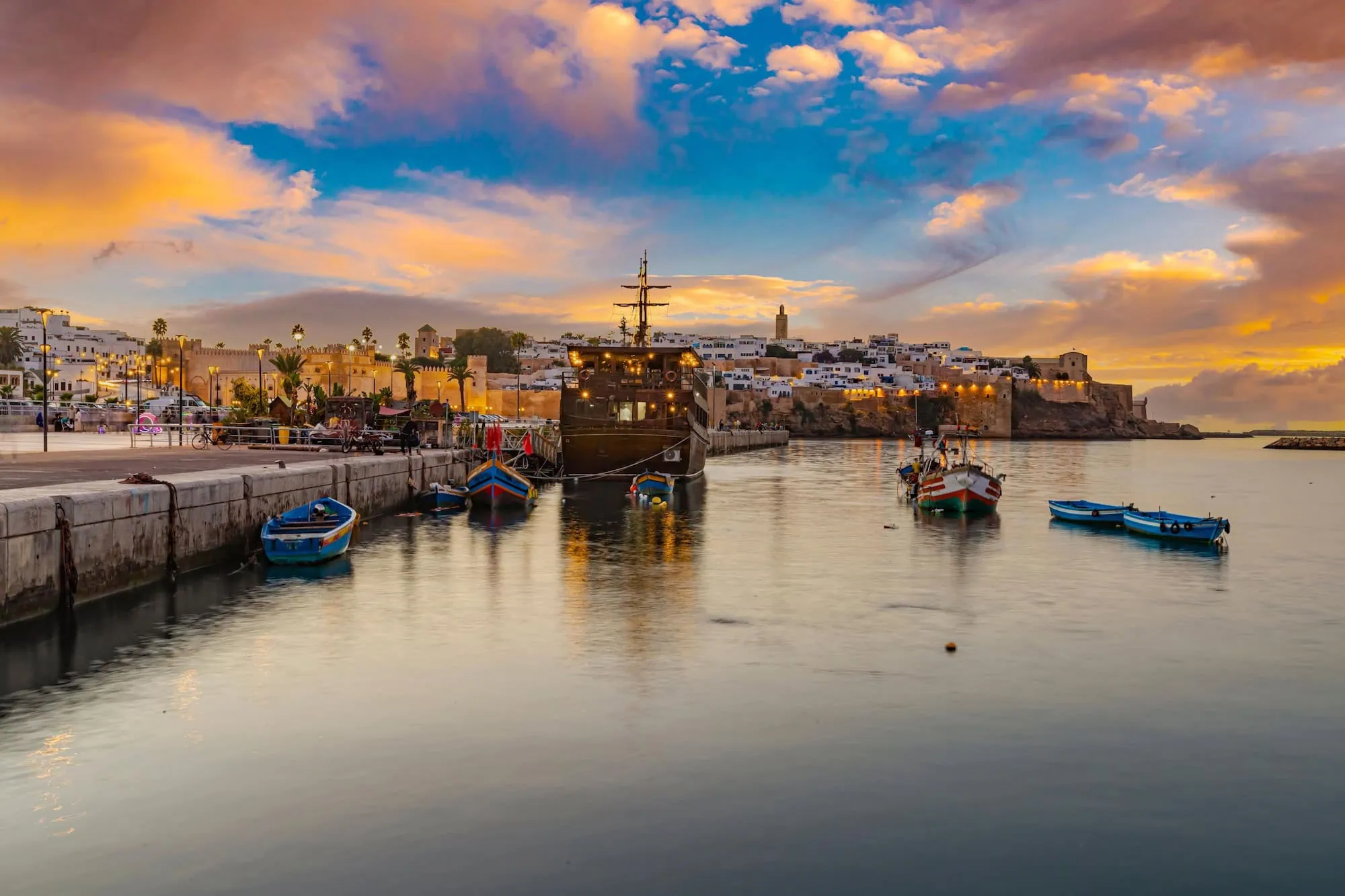
Located along the Atlantic coast, Rabat serves as both Morocco’s political heart and cultural treasure trove. The city’s strategic position has shaped centuries of history, visible today in its remarkable blend of architectural styles and laid-back atmosphere.
Historic Monuments That Define Rabat’s Character
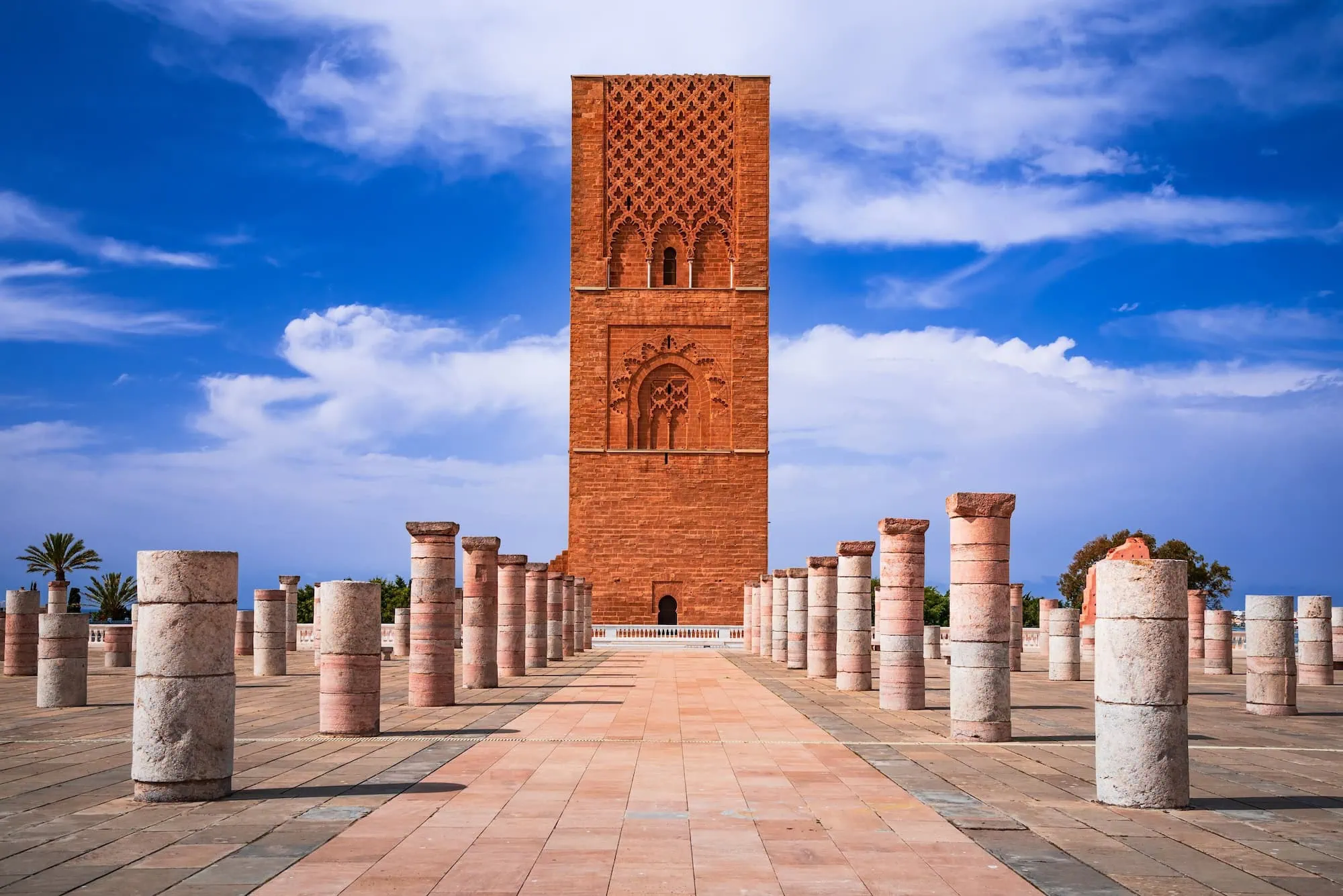
The Hassan Tower stands as Rabat’s most iconic landmark, its red sandstone minaret reaching 44 meters (144 feet) into the sky. Construction began in 1195 under Almohad Caliph Yaqub al-Mansur, intended to become the world’s largest mosque. Though never completed due to the sultan’s death, the tower’s intricate geometric patterns and remaining columns create an atmospheric archaeological site that captures Morocco’s medieval grandeur.
Mausoleum of Mohammed V: Royal Splendor
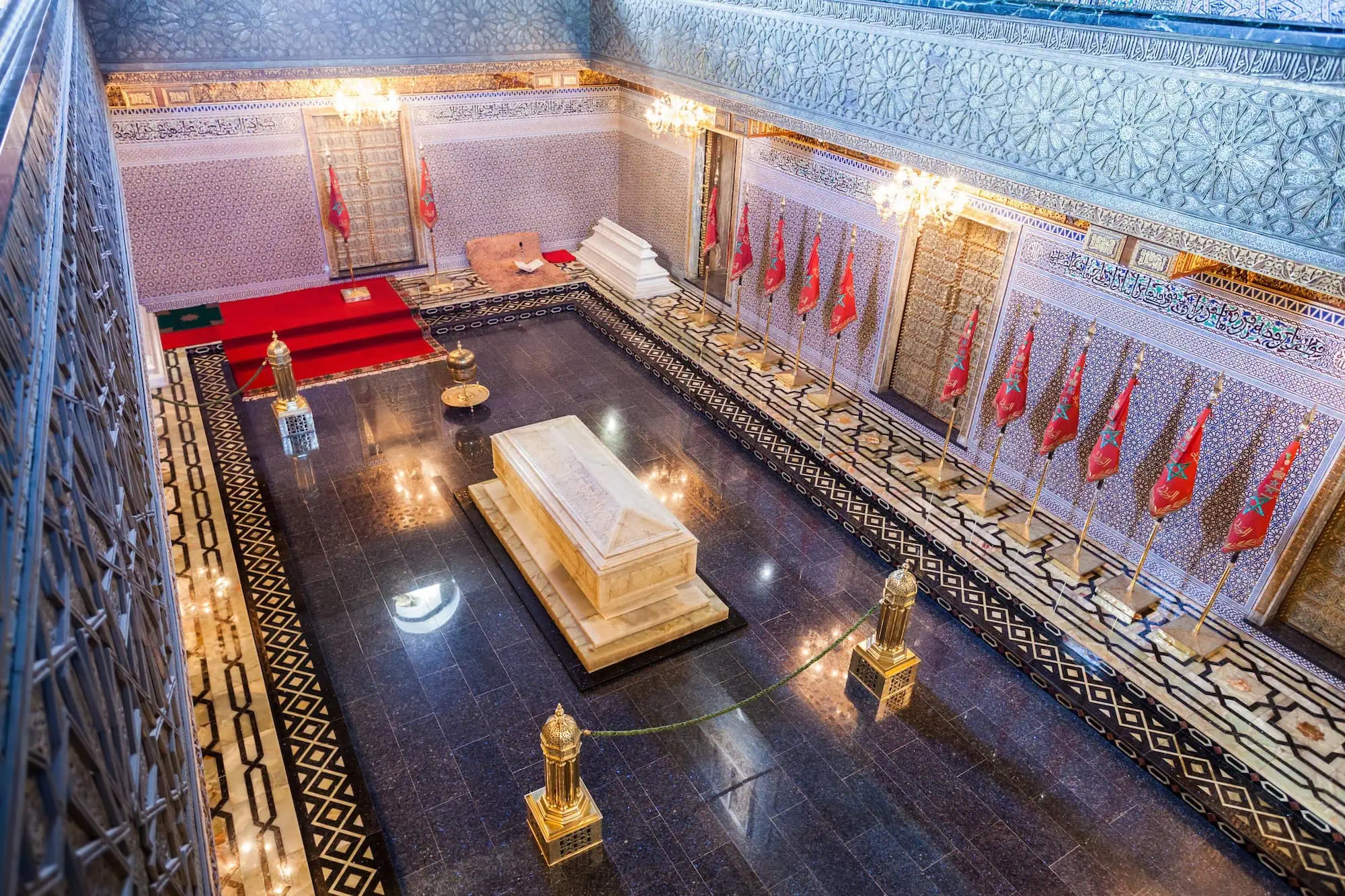
Adjacent to Hassan Tower, the Mausoleum of Mohammed V showcases modern Moroccan craftsmanship at its finest. White marble, gold accents, and traditional zellige tilework create a stunning tribute to Morocco’s beloved king. The changing of the guard ceremony occurs daily at 2:00 pm (14:00), offering visitors a glimpse into royal protocol.
Kasbah of the Udayas: Coastal Fortress Views
Perched dramatically above the Bou Regreg River, the Kasbah des Oudaias transports visitors back to the 12th century. Blue and white painted walls line narrow cobblestone streets, creating picture-perfect moments around every corner. The Andalusian Gardens within the kasbah provide peaceful respite with their formal Islamic garden design, orange trees, and fountain centerpiece.
Chellah Archaeological Site: Ancient Roman Legacy
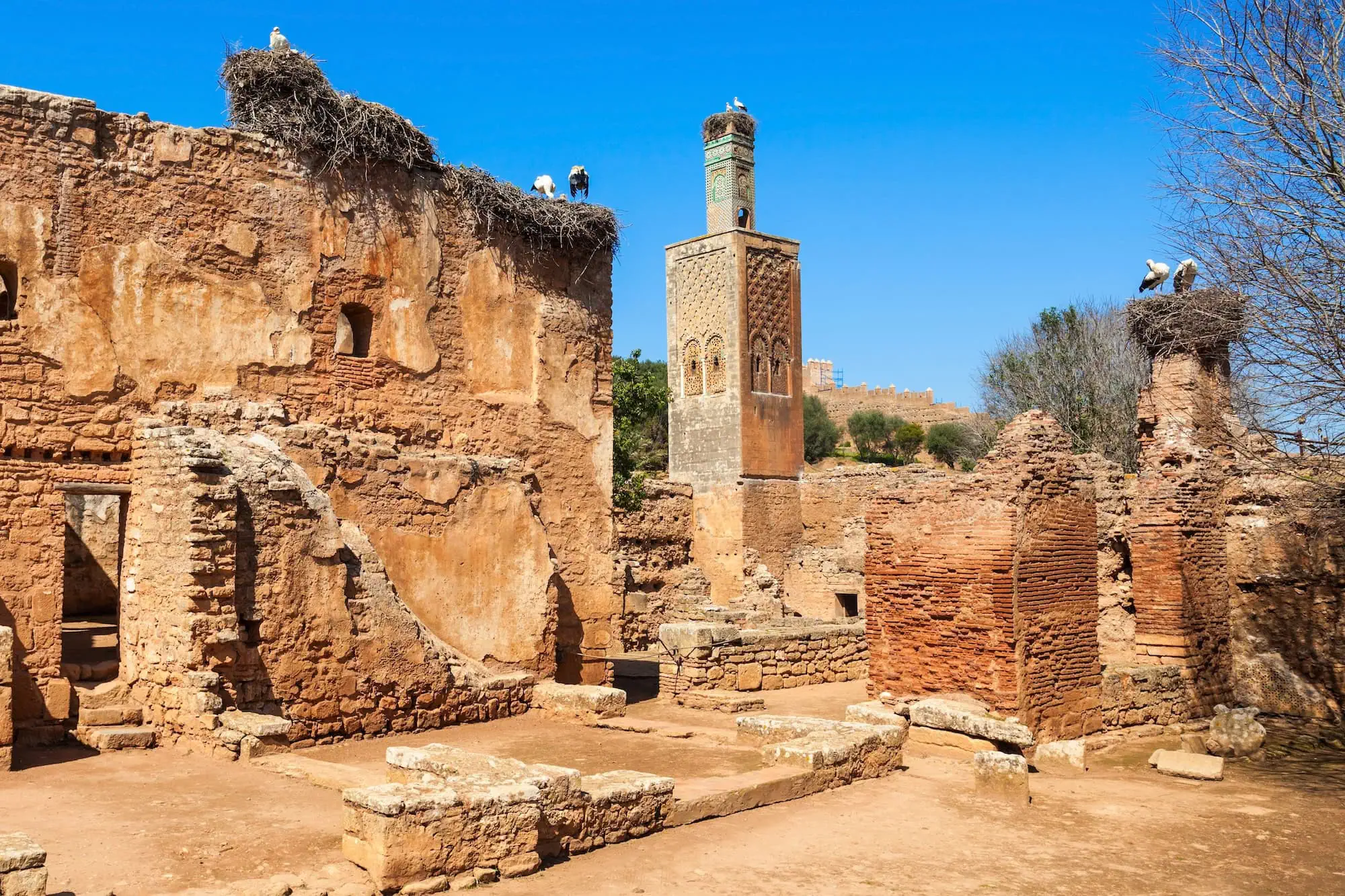
Beyond the medina walls, Chellah reveals layers of history from Roman ruins to Islamic monuments. Storks nest atop ancient minarets while wild flowers grow between Roman stones, creating an enchanting atmosphere. The site costs 20 MAD (approximately $2) for entry and offers some of Rabat’s most photogenic ruins.
Exploring Rabat’s Living Culture
Rabat’s medina presents a refreshingly manageable alternative to Morocco’s more chaotic old towns. Local vendors sell traditional crafts without aggressive salesmanship, while cafes serve mint tea alongside conversations that flow naturally between Arabic, French, and Berber languages.
The Royal Palace, though closed to public tours, commands respect with its massive gates and pristine gardens. Guards in traditional dress stand ceremoniously while the golden details of the main entrance catch afternoon light. We recommend viewing from the exterior plaza where local families gather for evening strolls.
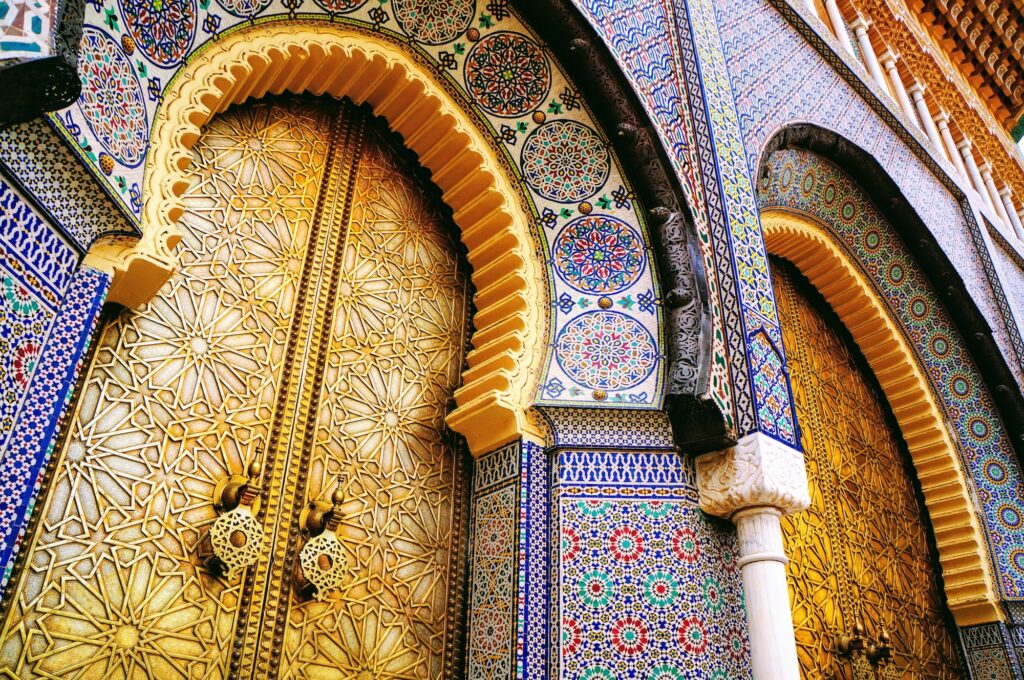
Ville Nouvelle represents Rabat’s French colonial heritage through wide boulevards, art deco buildings, and sidewalk cafes. Avenue Mohammed V serves as the city’s main artery, connecting historic and modern quarters. The contrast between medieval walls and European-style architecture illustrates Morocco’s complex cultural evolution.
Hammam Experience: Traditional Wellness
Public hammams throughout Rabat offer authentic spa experiences starting around 15 MAD ($1.50). Women’s hours typically run from 8:00 am to 6:00 pm (08:00-18:00), while men’s sessions occur during evening hours. Bring your own towels and soap, or purchase supplies from attendants.
Culinary Discoveries Beyond Tourist Traps
Street food vendors near the medina serve exceptional pastilla, Morocco’s savory-sweet pastry traditionally filled with pigeon or chicken. Prices range from 15-25 MAD ($1.50-2.50) per portion. Local favorites include Cafe Maure within the Kasbah, where traditional sweets accompany panoramic river views.
Restaurant Paul in Ville Nouvelle offers French-Moroccan fusion cuisine in an elegant colonial setting. Their tagines incorporate European techniques while respecting traditional spice combinations. Dinner reservations are recommended, especially during weekend evenings.
For authentic local atmosphere, explore the small eateries along Rue des Consuls where families gather for hearty bowls of harira soup and fresh bread. These establishments rarely have English menus, but pointing at neighboring tables usually results in delicious discoveries.
The central market near Boulevard Hassan II provides fresh ingredients and local specialties. Vendors offer samples of olives, preserved lemons, and various spice blends. Prices are generally fixed, eliminating bargaining pressure common in other Moroccan cities.
Modern Attractions and Activities
Mohammed VI Museum of Modern Art
This striking contemporary building houses Morocco’s most impressive collection of modern art. Rotating exhibitions feature both Moroccan and international artists, while the permanent collection showcases the evolution of North African artistic expression. Entry costs 30 MAD ($3) for adults, with guided tours available in multiple languages.
Rabat Beach and Coastal Activities
The Atlantic coastline offers surfing opportunities year-round, with optimal conditions from September through April. Local surf schools provide equipment rental and lessons starting at 200 MAD ($20) for beginners. The beach stretches for several kilometers, providing space for both active water sports and relaxation.
Tramway System: Modern Transportation
Rabat’s efficient tramway connects major attractions while offering glimpses of daily local life. Single tickets cost 6 MAD ($0.60), while day passes provide unlimited travel for 20 MAD ($2). The system operates from 5:30 am to 11:00 pm (05:30-23:00) with frequent service during peak hours.
Day Trip Opportunities
Sale, Rabat’s sister city across the Bou Regreg River, maintains a more traditional medina atmosphere. The morning fish market showcases the day’s catch while local artisans work in small workshops throughout the old quarter. Regular boats connect the two cities for 2.50 MAD ($0.25) per person.
Temara Beach, located 15 kilometers (9 miles) south of Rabat, offers excellent surfing conditions and beachside restaurants specializing in fresh seafood. Buses run hourly from central Rabat for 8 MAD ($0.80) each way.
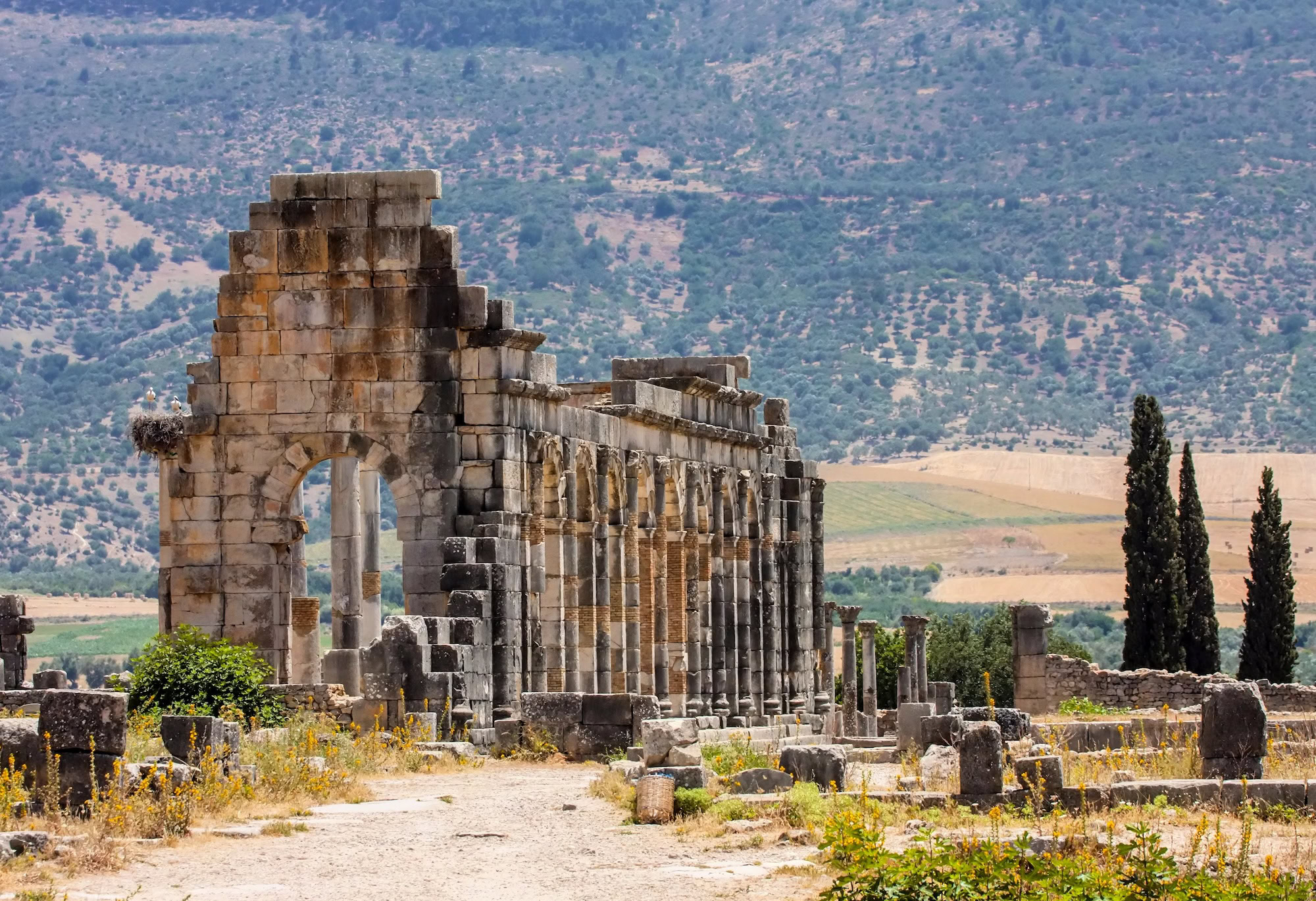
The Roman ruins at Volubilis, though requiring a full day excursion, provide Morocco’s best-preserved Roman mosaics. Private tours through Egypt Tours Plus include expert guides who explain the site’s historical significance while ensuring comfortable transportation in modern vehicles.
Practical Information for Visitors
Best Time to Visit
Rabat enjoys a Mediterranean climate with mild winters and warm, dry summers. Spring (March-May) and autumn (September-November) offer ideal weather for walking tours and outdoor activities. Summer temperatures average 25°C (77°F), while winter rarely drops below 10°C (50°F).
Getting Around the City
Taxis in Rabat use meters and maintain reasonable rates. Short journeys within the city center typically cost 15-25 MAD ($1.50-2.50). For longer distances or multiple stops, our private drivers provide air-conditioned comfort and local expertise at competitive rates.
Safety and Cultural Considerations
Rabat maintains Morocco’s reputation as a safe destination for international visitors. Standard travel precautions apply, particularly regarding valuables and late-night activities. Women traveling alone report feeling comfortable exploring during daylight hours.
Local customs appreciate modest dress, especially when visiting religious sites. Covering shoulders and knees shows respect while ensuring access to all attractions. Friday prayers may temporarily limit access to certain mosques and religious areas.
Planning Your Rabat Experience
Most visitors spend 2-3 days exploring Rabat’s main attractions while allowing time for spontaneous discoveries. The city’s compact size enables walking between most sites, though the tramway provides convenient connections during hot weather or when carrying luggage.
Egypt Tours Plus designs personalized Rabat itineraries that combine must-see monuments with authentic local experiences. Our qualified guides share historical context while recommending hidden gems based on your specific interests and travel style.
Early morning visits to major attractions avoid crowds while providing optimal lighting for photography. The Hassan Tower and Kasbah des Oudaias offer particularly stunning views during the golden hour before sunset.
Budget-conscious travelers find excellent value in Rabat compared to other Moroccan destinations. Accommodation, dining, and transportation costs remain reasonable while the experience quality rivals more expensive tourist centers.
Frequently Asked Questions
Two to three days allow thorough exploration of major sites while experiencing local culture at a relaxed pace.
Yes, Rabat is considered Morocco’s safest city with low crime rates and respectful local attitudes toward international visitors.
Rabat offers authentic Moroccan culture without overwhelming tourist pressure, making it ideal for first-time Morocco visitors.
Early morning (8:00 am/08:00) or late afternoon (5:00 pm/17:00) provide the best lighting and fewer crowds.
No, the Royal Palace remains closed to public tours, but the exterior gates and gardens are accessible for viewing.
Budget travelers spend $25-35 daily, while mid-range visitors average $50-75 including meals, attractions, and local transportation.
French is widely spoken in tourist areas, though basic Arabic phrases are appreciated by locals.
The train takes 45 minutes and costs 43 MAD ($4.30), while private transfers offer door-to-door convenience.
Yes, Moroccan cuisine includes many vegetarian dishes, and restaurants accommodate dietary restrictions easily.
Light bargaining is expected in the medina, but prices are generally fair compared to other Moroccan tourist destinations.
Cover shoulders, arms, and legs completely. Women should bring a headscarf for religious sites.
Rabat provides a gentler introduction to Moroccan culture with fewer crowds and pressure, making it ideal for cultural immersion.
Design Your Custom Tour
Explore Egypt & Morocco your way by selecting only the attractions you want to visit