

Private, personalized, and expertly crafted since 1955
Egypt and Dubai Tours
Our Egypt and Dubai Tours are backed by 70+ years of experience, ensuring every detail is expertly handled. From ancient wonders to modern marvels, we’ll help you shape the unforgettable adventure you’ve been dreaming of.
Egypt and Dubai: Two Destinations, One Trip Worth Making
5,000 years of pharaonic heritage on one end, the most ambitious modern skyline on the planet on the other — and a 3-hour flight in between.

Egypt and Dubai work as a pair because they don’t try to do the same thing. Cairo and the Nile deliver the deepest historical experience available anywhere on earth. Dubai delivers the opposite: a city that has built itself into a global hub in a single generation. Most travelers come for one and end up grateful they made room for the other.
The geography helps. Direct Cairo–Dubai flights run multiple times daily, around 3 hours each way, and Dubai International (DXB) is one of the world’s busiest hubs, so onward connections home are typically straightforward. The two destinations also share a high season, October through April, which means the trip flows on consistent weather rather than chasing two separate windows.
We’ve been crafting Egypt journeys since 1955, and our Egypt and Jordan itineraries are built as one continuous trip, around your dates, pace, and budget — flights, transfers, hotels, and guides coordinated end-to-end so you don’t notice the country line you’re crossing.
Table of Contents
Why Egypt and Dubai Pair So Well
The pairing earns its keep on three fronts.
Historical depth meets modern ambition
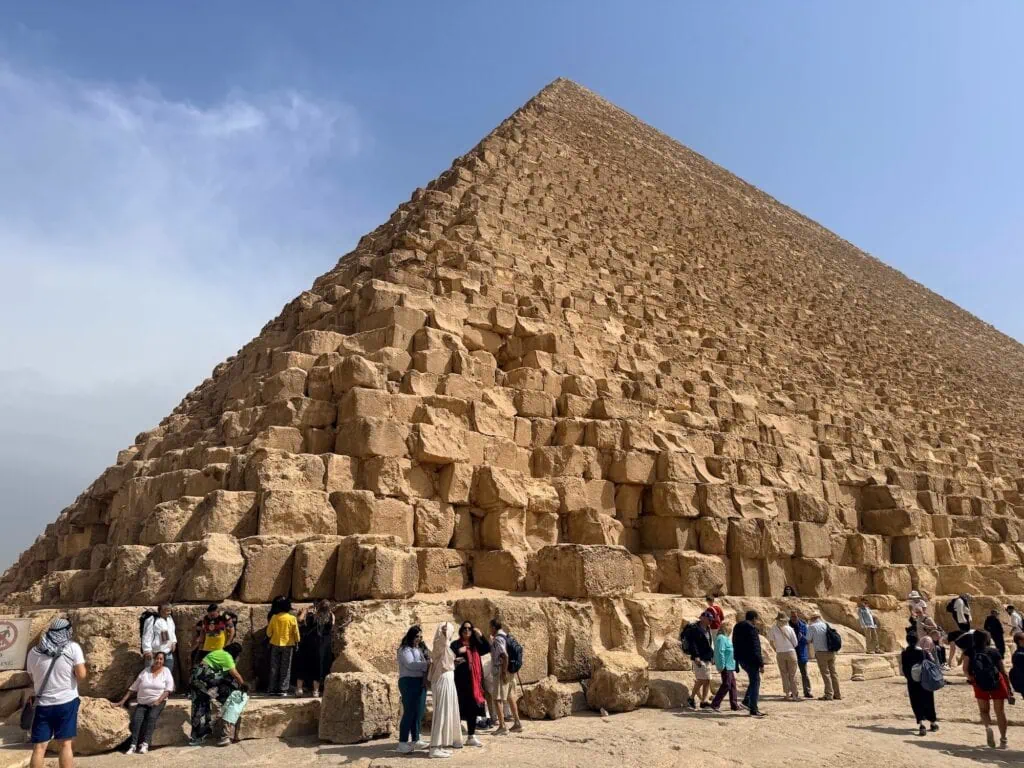
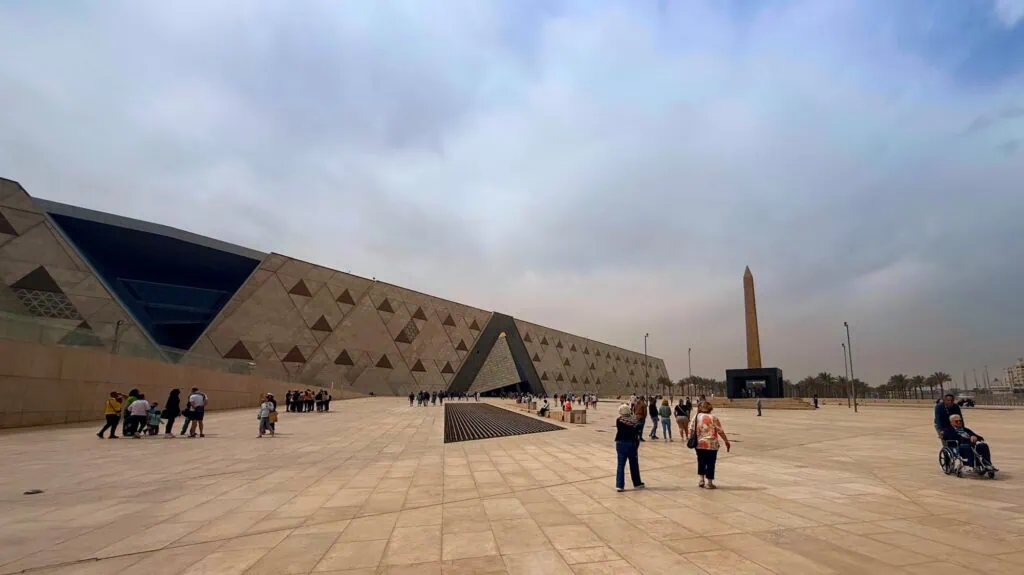
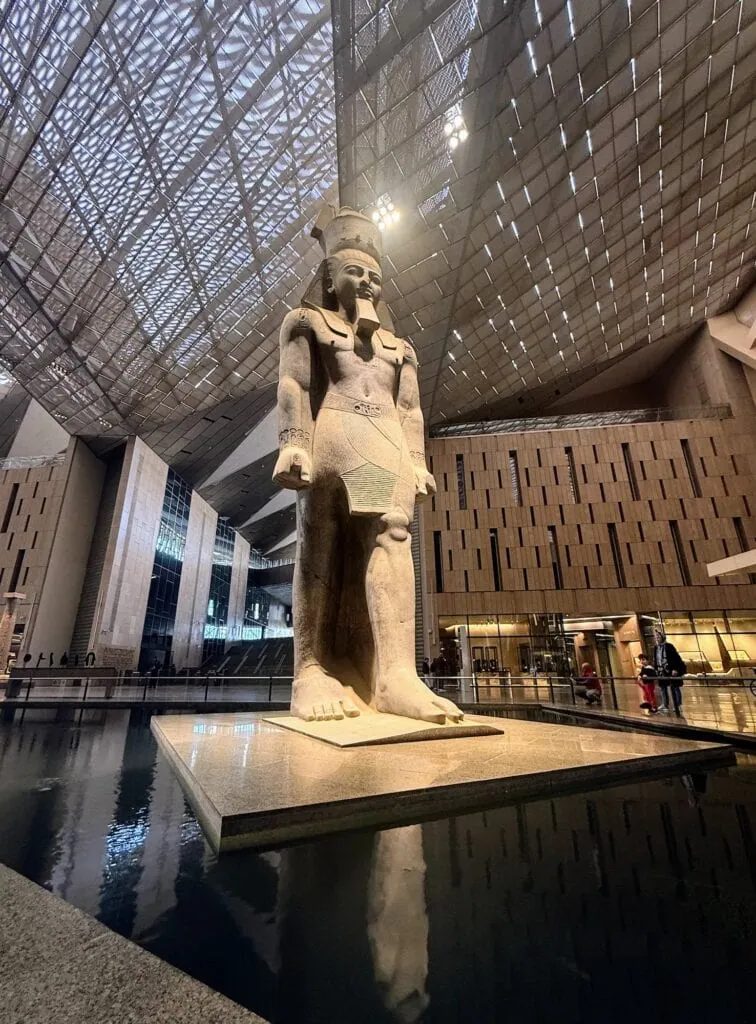
Cairo gives you the Grand Egyptian Museum (now fully open and home to the complete Tutankhamun collection — the golden mask, the inner shrines, and 5,000+ items displayed together for the first time), the Pyramids of Giza, the Sphinx, the medieval Khan El Khalili bazaar, and the Coptic Quarter’s early Christian heritage. From Luxor and Aswan, the Nile adds Karnak, the Valley of the Kings, Philae, Edfu, Kom Ombo, and Abu Simbel.
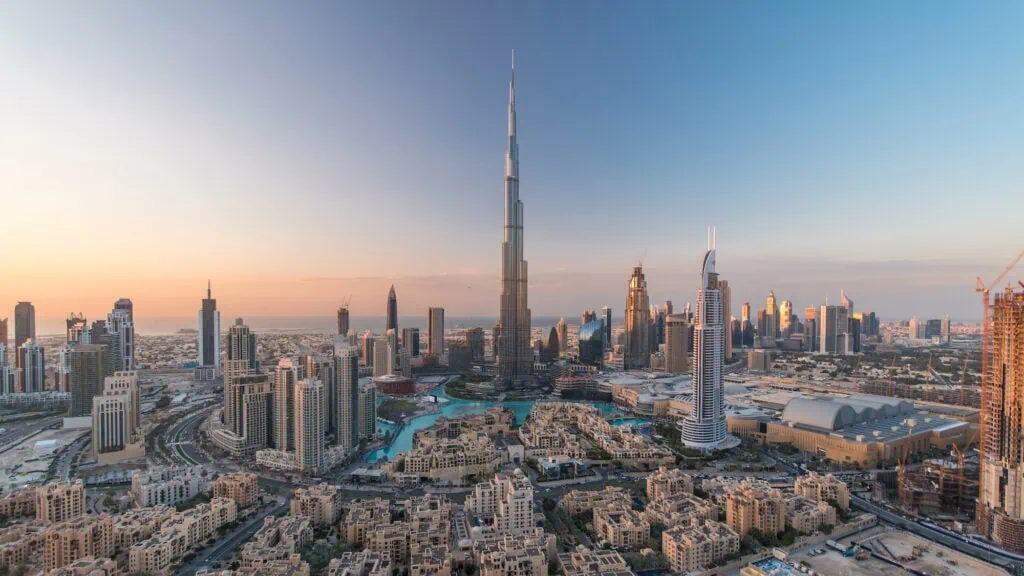
Dubai then offers the most aggressive modern counterpoint on the planet: the world’s tallest building, the world’s largest mall, an artificial archipelago shaped like a palm, and the world’s busiest international airport. Both places impress, in opposite directions, and the contrast is part of why the trip works.
Logistically straightforward
Cairo–Dubai is a 3-hour flight with multiple daily options on Emirates, EgyptAir, and Flydubai. Both cities have efficient international airports and well-developed inbound tourist infrastructure. Visa processes are simple for most nationalities (more on that below), and the time zones are 2 hours apart, so jet lag between the two cities is non-existent. We coordinate the international flights, the Cairo–Dubai connection, and all transfers as one continuous booking.
Same season, no compromise
Both Egypt and Dubai run their high season October through April, with daytime temperatures in the comfortable 20–28°C range. Summer months (May–September) push 35°C+ in both countries, with Dubai often exceeding 40°C. There’s no point in the year where one destination is in season and the other isn’t, which makes the trip honest in a way some multi-country pairings aren’t.
Your Egyptian experiences with traditional bazaars in Khan El Khalili provide context for understanding Dubai’s modern souks and gold districts.
How We Build an Egypt + Dubai Trip
Every Egypt + Dubai itinerary we run is built privately, around the travelers booking it. There’s no fixed-departure version. Your party travels with its own Egyptologist guide and personal driver in Egypt, and with established private partners in Dubai. The Egypt side is 100% private by default; the Dubai side is mostly private with a few exceptions worth being honest about (covered further down).
A typical Egypt + Dubai trip runs 8 to 15 days. The split that works for most travelers:
- 3 to 4 days in Cairo (Pyramids, GEM, Khan El Khalili, Coptic Cairo, Islamic Cairo)
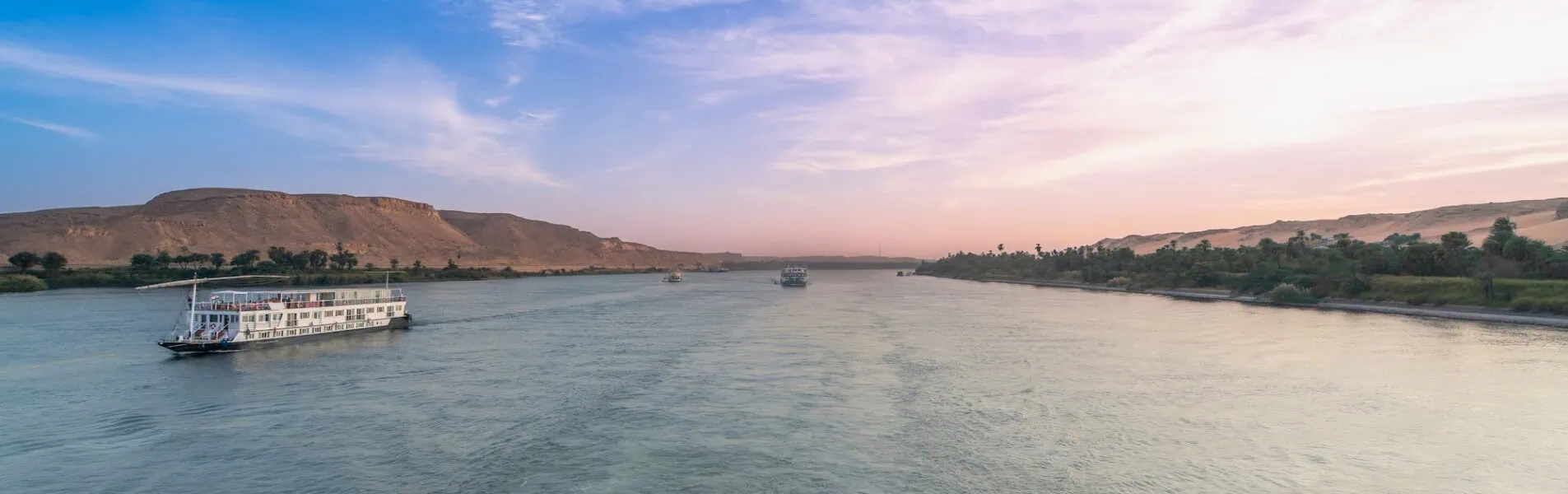
- 3 to 4 days on the Nile (Luxor → Aswan, optionally with Abu Simbel)
- 3 to 4 days in Dubai (skyline, desert, traditional Dubai, Abu Dhabi day trip)
Shorter pairings (8–9 days) drop the Nile cruise and run Cairo + Dubai only. Longer pairings (12–15 days) add a Red Sea segment, an Abu Simbel extension via Lake Nasser, or a third country (Jordan being the most popular add-on).
Order of travel
We sequence Egypt first, Dubai second, in almost every case. Two reasons. The first is energy: Cairo is intense, Dubai is restful by comparison, and finishing in Dubai gives travelers a softer landing before the long flight home. The second is logistics: Dubai’s airport is the stronger long-haul hub, so flying out of DXB rather than Cairo opens up more direct flight options on the way home.
The exception is travelers flying in from Asia or Australia who want to acclimatise gradually. For them, Dubai-first sometimes makes more sense.
Cruise or no cruise
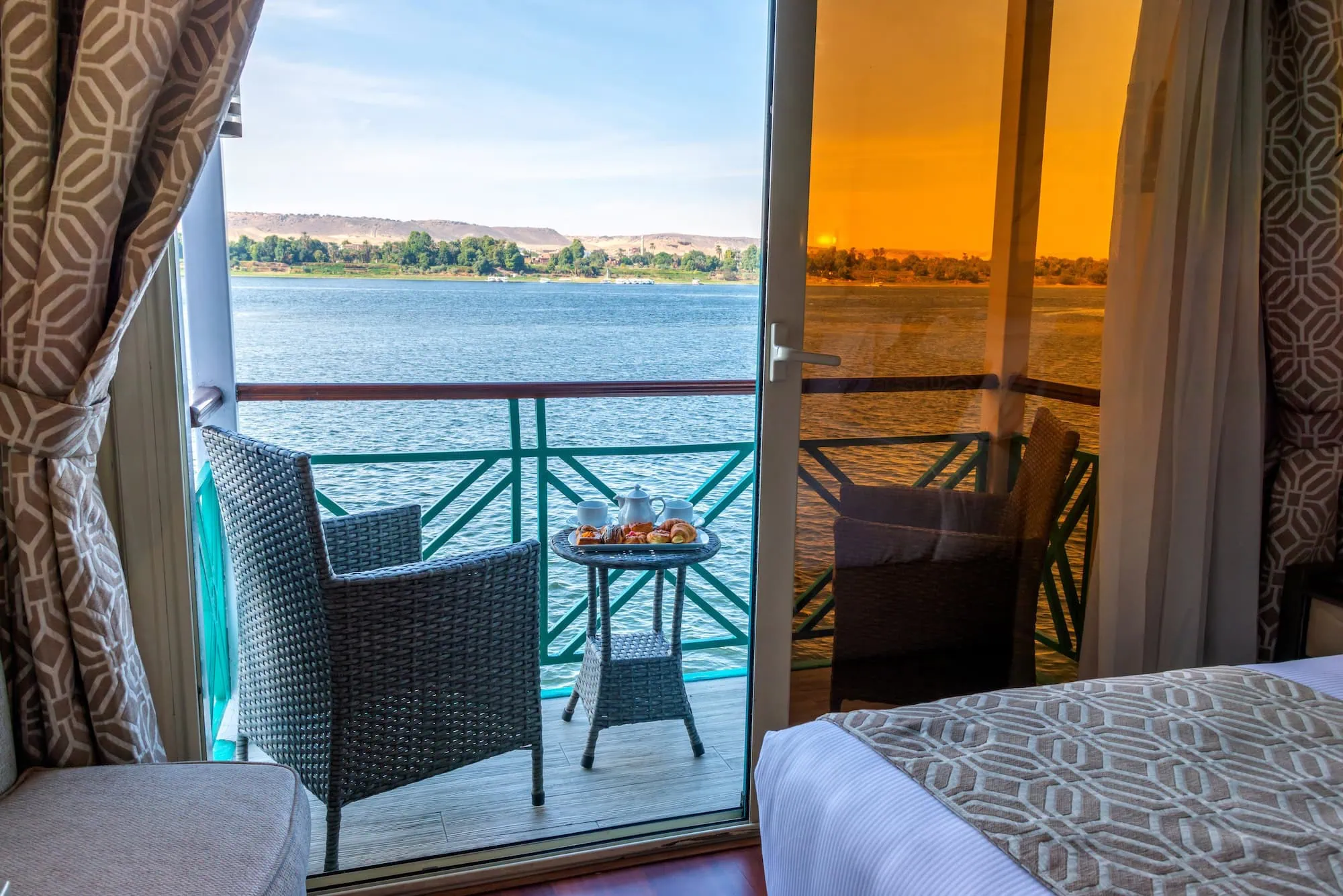
The Nile cruise is the strongest single experience in Egypt, but it’s optional. Itineraries with a cruise spend 4 days / 3 nights between Luxor and Aswan on either a Luxury Nile Cruise (50–150 guests, 5-star, panoramic cabins) or a Dahabiya Nile Cruise (8–16 guests, traditional twin-mast sailing vessel). We also offer 5, 6, 7, and 8-day cruise options on select Luxury Nile Cruise vessels for travelers wanting more time on the river.
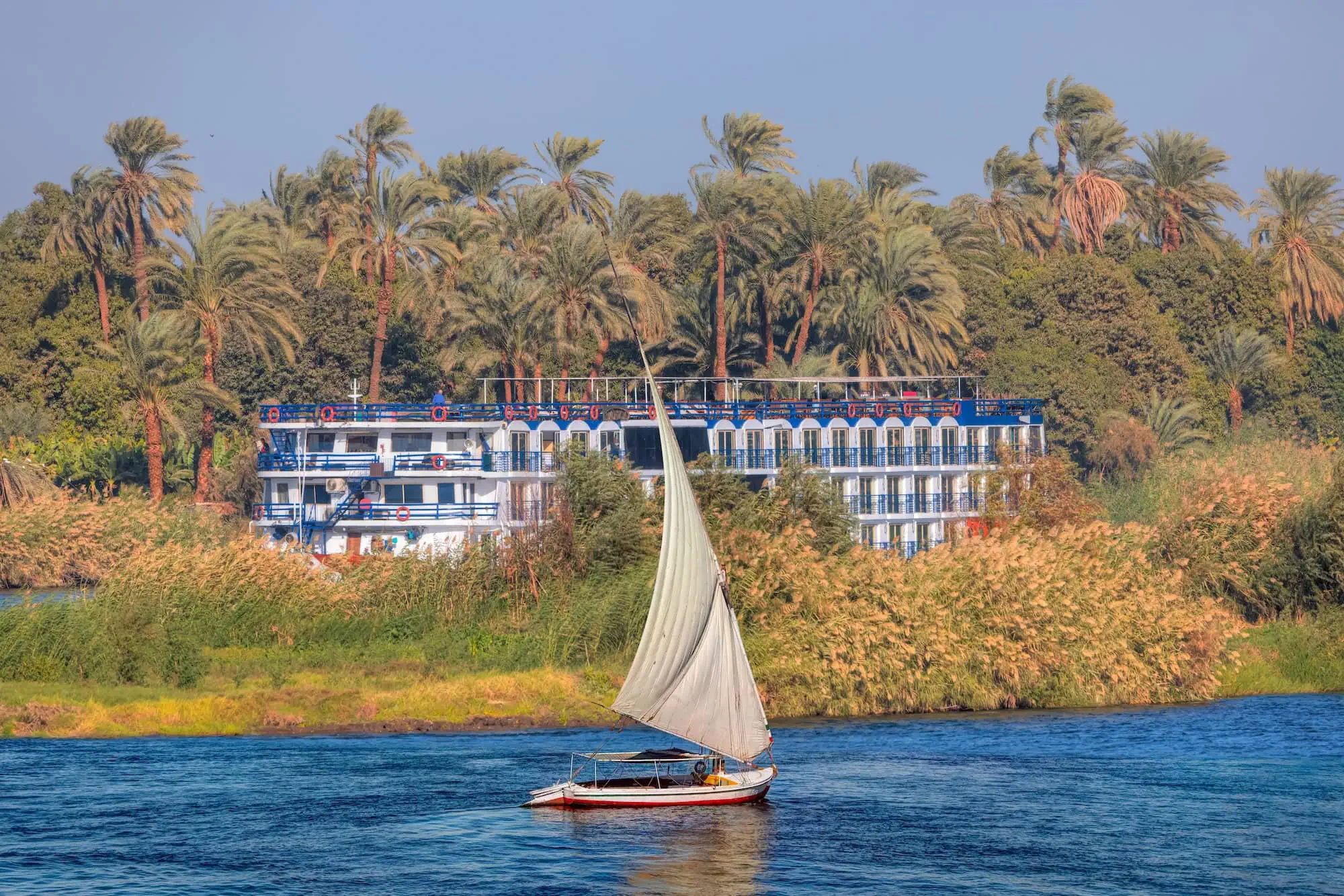
A note on cruise shore excursions, since this is where some operators over-promise. On Luxury Nile Cruises, shore excursions run as small group experiences (around 12 guests per Egyptologist), shared with fellow ship passengers. Fully private excursions can be arranged on request at additional cost. On Dahabiyas, the boat itself is small enough that excursions feel essentially private. All your land-based touring in Cairo, Luxor, Aswan, and Dubai is fully private throughout: just your party plus your guide and driver.
What Cairo Gives You
Each tour itinerary on the site lists what’s included as standard. Below is the broader picture — what Cairo can deliver across an Egypt + Dubai trip.
The Grand Egyptian Museum is now the dominant draw. The complete Tutankhamun collection is housed here, displayed together for the first time in history, alongside the world’s most comprehensive pharaonic collection. A half-day visit is the minimum; serious enthusiasts can spend most of a full day.
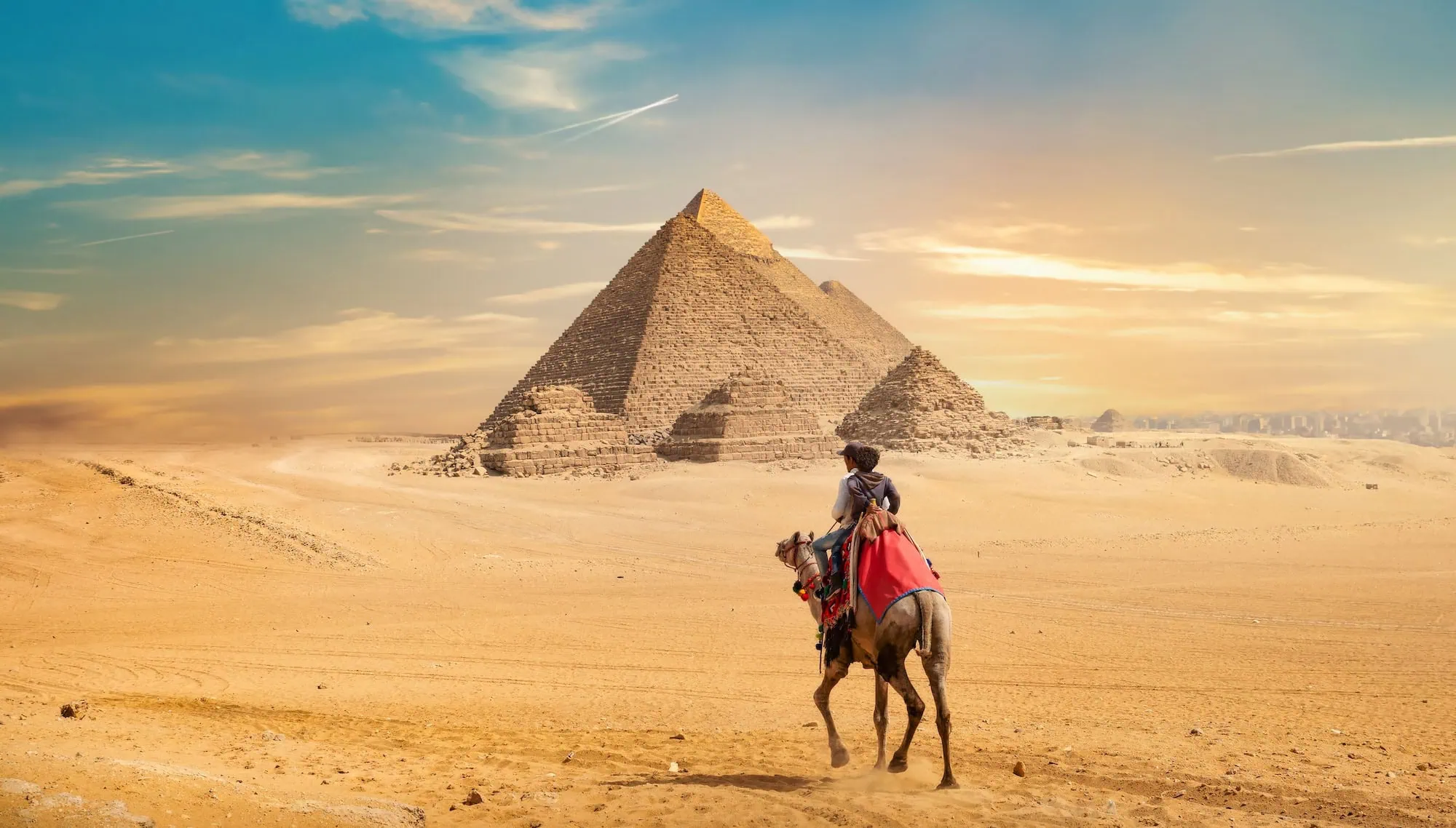
The Pyramids of Giza remain the moment most travelers came for. The Great Pyramid is roughly 4,500 years old and remains the largest of the three. Interior access (a separate ticket with a daily quota) can be added on request if you want to climb into the burial chamber.
Khan El Khalili is the medieval bazaar quarter, alive since the 14th century — spice traders, silver workshops, perfume shops, and tea houses still operating in the same alleys they’ve occupied for centuries. Coptic Cairo anchors the early Christian heritage of the country, with the Hanging Church (Al-Muallaqa) at its centre. The Citadel of Saladin offers the best panoramic view of Cairo and houses the Mosque of Muhammad Ali.
A note on logistics: Cairo is a 22-million-person city and traffic moves slowly. Your private driver and Egyptologist guide build the day around traffic patterns rather than the other way around, and morning starts are typically 7:30–8:00 to stay ahead of the worst congestion.
What Dubai Gives You
Dubai delivers a different intensity. Three days is enough for the headline experiences; four to five if you want to stretch into Abu Dhabi and the desert.
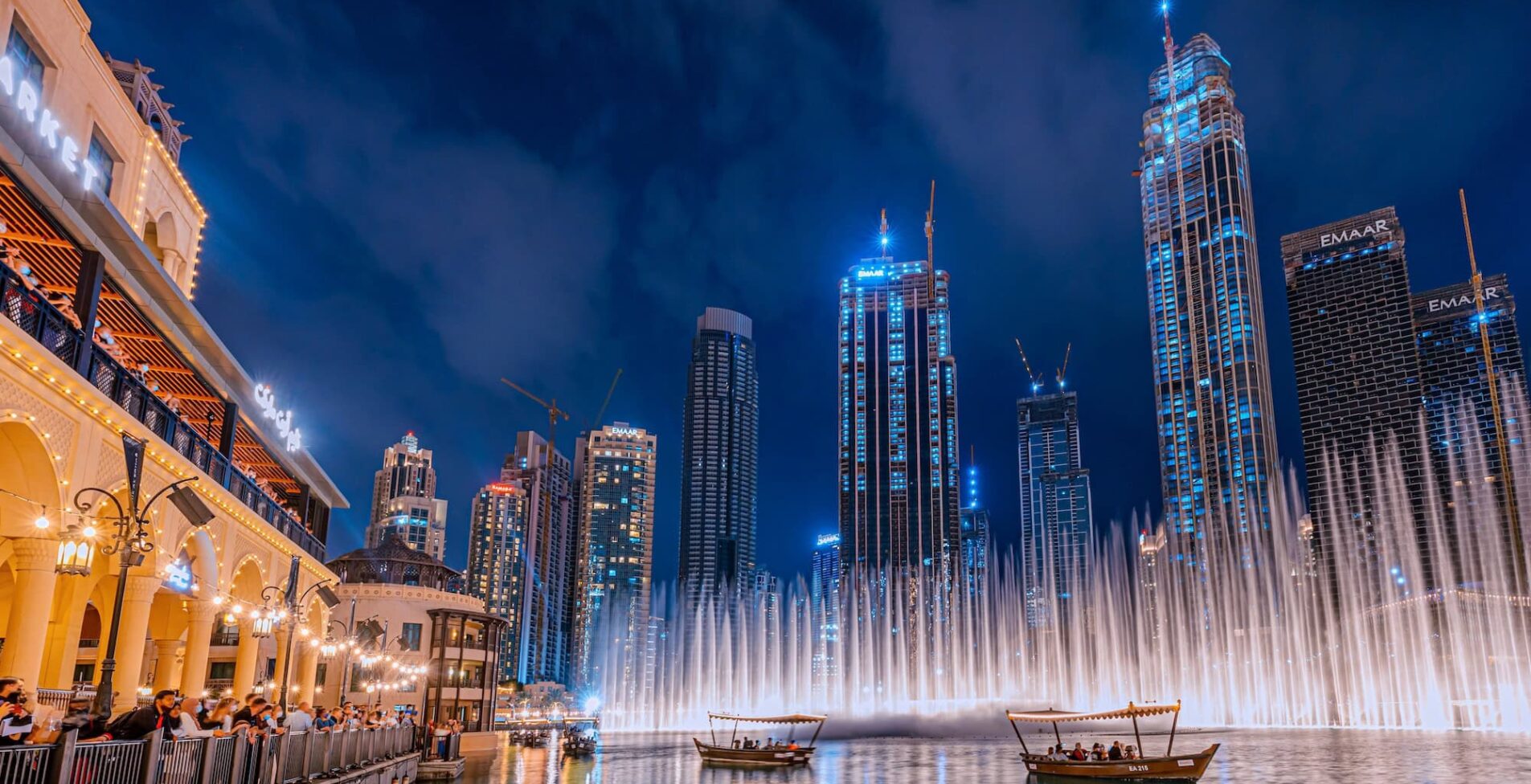
The Burj Khalifa sits at the centre of every Dubai itinerary — 828 metres tall, with observation decks on the 124th, 125th, and 148th floors. We arrange skip-the-line tickets and time the visit for sunset, which is when the desert horizon and the urban skyline meet most dramatically. The adjacent Dubai Mall holds the Dubai Aquarium, the Olympic-sized ice rink, and 1,200+ shops, with the Dubai Fountain show running every 30 minutes after sundown in the lake outside.

Traditional Dubai still exists and is worth time. The Al Fahidi Historical Neighbourhood preserves the wind-tower architecture of pre-oil Dubai, with the Dubai Museum at its centre. Cross Dubai Creek by abra (the traditional 1-dirham water taxi) to reach the Spice Souk and Gold Souk in Deira — both still operating much as they have for generations.
A desert safari is the standard half-day add-on. Dune bashing in 4×4 vehicles, camel riding, sandboarding, and an evening at a Bedouin-style camp with falconry, henna, dinner, and entertainment under the stars.
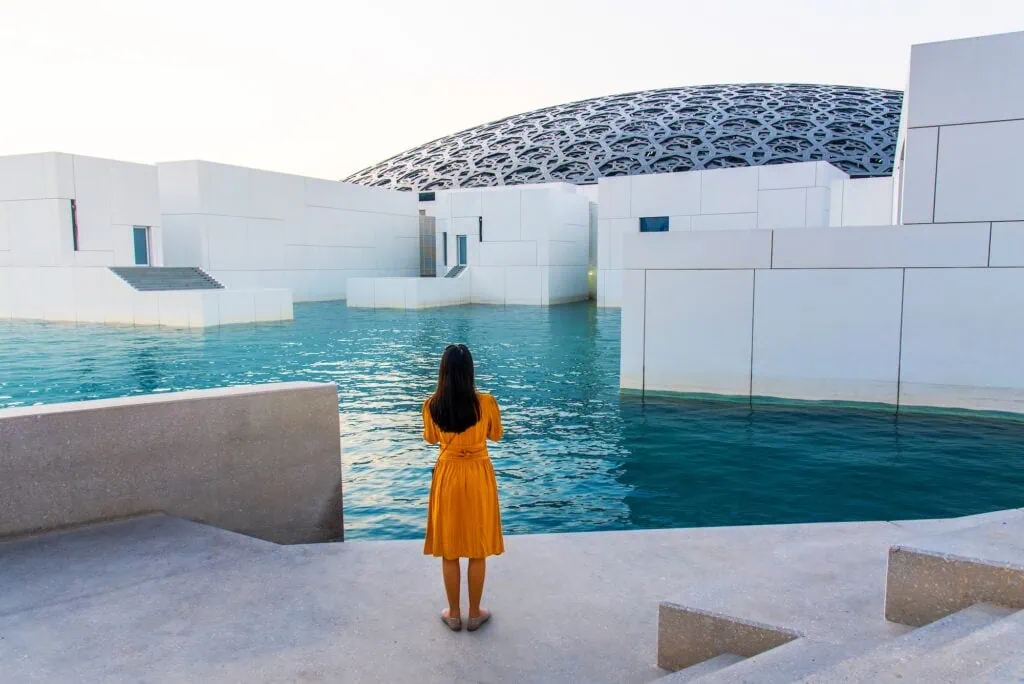
Abu Dhabi is a full-day add-on, usually built around the Sheikh Zayed Grand Mosque (one of the largest mosques in the world, white marble, free to enter) and the Louvre Abu Dhabi on Saadiyat Island. About 90 minutes from Dubai by road.
A note on Dubai’s private vs small-group structure: Cairo, Luxor, Aswan, and Dubai’s transfers and city touring are all fully private. Two specific Dubai add-ons — the desert safari and the dhow cruise dinner — typically run as small-group experiences (around 12 guests) shared with other travelers. Fully private versions of both can be arranged on request at additional cost.
Hotels Across Both Countries
Each tour itinerary on the site lists the specific hotels included in that package. Those are our recommended starting points, picked for location, comfort, and consistency of service. Anything below is alternatives or upgrades you can request when you’re tuning the trip with your Travel Concierge.
In Egypt, the historic anchor properties are worth knowing about even if you end up choosing something else: Marriott Mena House in Giza (pyramid views from the room balcony), Sofitel Winter Palace in Luxor (late-19th-century landmark, walking distance to Luxor Temple), and Sofitel Legend Old Cataract in Aswan (colonial-era property overlooking the Nile and Elephantine Island). For modern Cairo luxury, Four Seasons-tier downtown and Nile-side hotels are the alternative.
In Dubai, the categories run from boutique heritage (Al Fahidi area), to Dubai Marina high-rise (skyline-and-beach), to The Palm (resort-style, with Atlantis as the most recognisable address), to downtown landmarks (Burj Khalifa-adjacent, including Address Downtown, Armani Hotel, and the Burj Al Arab itself).
Cabin upgrades on the Nile cruise from standard to suite are also worth flagging if you want extra space.
Visas, Practicalities, and Money
Most travelers, including U.S., U.K., E.U., Canadian, Australian, and many Latin American nationalities, can obtain a 30-day Egypt tourist visa on arrival at Cairo Airport for $25 USD, or apply for an e-visa online before departure. Dubai entry requirements vary by passport — many nationalities receive a free 30- or 90-day visa-on-arrival, while others require pre-arranged entry permits. Always verify current regulations for your specific nationality, and our Travel Concierge can provide complete documentation guidance for both countries.
A dedicated representative meets you in the arrivals area at Cairo International Airport and guides you through immigration, baggage claim, and customs. The same applies on arrival in Dubai.
Whatever your language, you’ll be matched with an Egyptologist guide who speaks it — English, Italian, Spanish, Portuguese, German, French, and others available on request. Dubai guides are typically fluent in English and Arabic, with other languages available on request.
Money: Egypt uses the Egyptian Pound (EGP); Dubai uses the UAE Dirham (AED). Major cards are accepted across hotels, restaurants, and most shops in both countries. Cash is useful for tips, taxis, and souk shopping in both Cairo and Dubai’s traditional districts.
Best Time to Travel
October through April offers ideal weather conditions across both countries, with daytime temperatures of 20–28°C (68–82°F) and cool, comfortable evenings. Summer months can exceed 35°C in Egypt and 40°C in Dubai, making outdoor sightseeing genuinely difficult, though our private tours adjust pacing where needed.
The peak weeks within the high season are Christmas/New Year and Easter in Egypt, and late January/February in Dubai (when the Dubai Shopping Festival runs and the city’s events calendar peaks). Pricing reflects demand in both windows, and hotel inventory tightens months ahead. Shoulder seasons (October–November and March–April) are the best balance of weather, availability, and pricing.
Pairing Egypt and Dubai With a Third Country
Two weeks or more is what you need to comfortably add a third country. The most popular pairings:
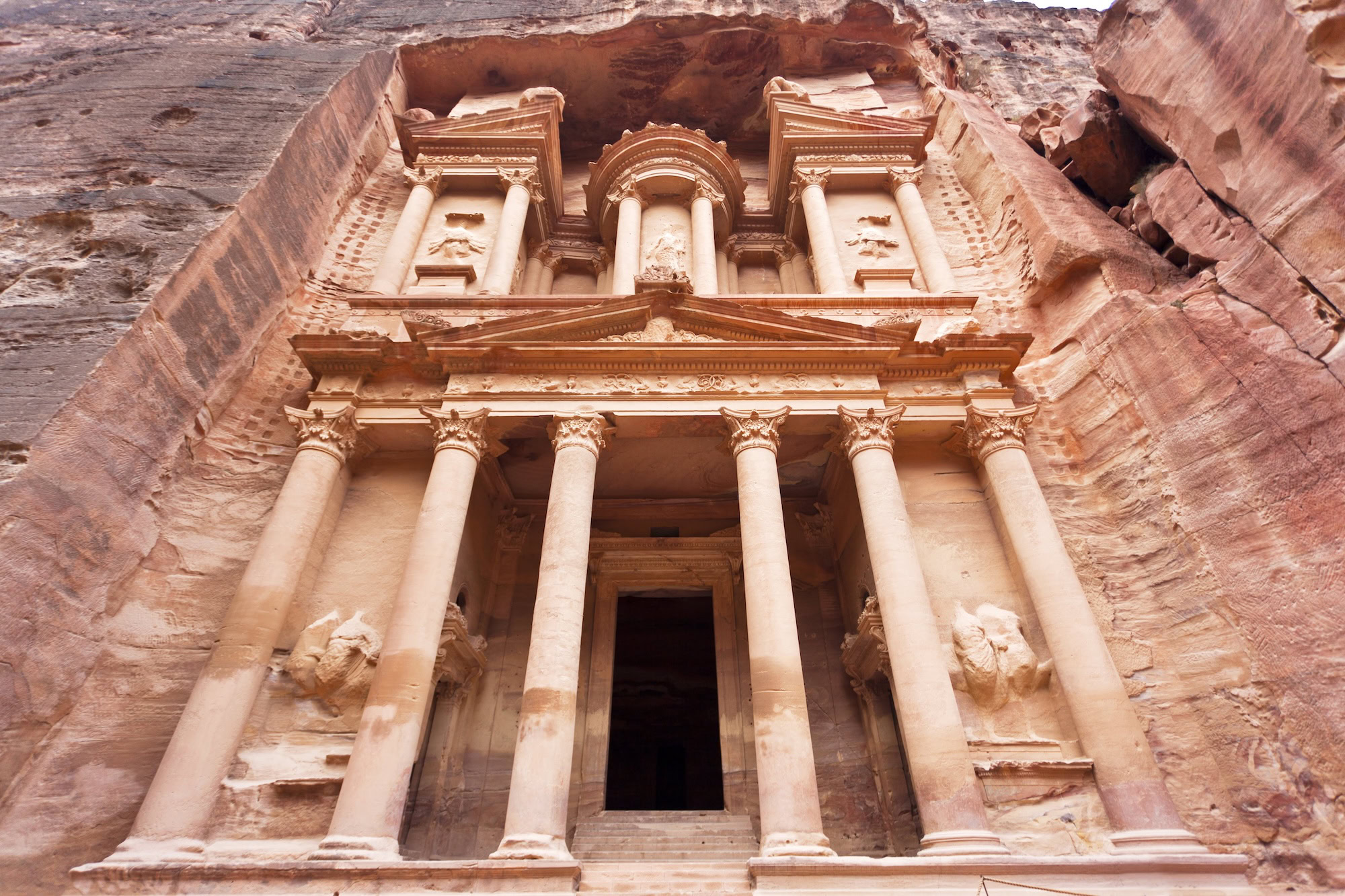
- Egypt + Dubai + Jordan. The classic three-country Middle East circuit. Petra at sunrise, Wadi Rum overnight in a luxury Bedouin camp, then Dubai. 13–15 days does this comfortably.
- Egypt + Dubai + Saudi Arabia. AlUla and Hegra (Saudi Arabia’s first UNESCO site, the Nabataean sister city to Petra) are emerging as a serious add-on, especially for travelers who’ve already done Petra.
- Egypt + Dubai + Turkey. Istanbul on the Bosphorus, sunrise ballooning over Cappadocia, then Dubai. Heavier pacing but well-loved.
Mention which countries interest you and your Travel Concierge will model durations and pricing across the options. You can also start your custom trip directly and select your preferred countries in the planner.
How the Planning Process Actually Works
Egypt + Dubai trips have more moving parts than a single-country itinerary. Two countries, one international flight in, one inter-region flight, one international flight out, two visa contexts, two currencies, two sets of hotel choices, and the question of whether to add a Nile cruise, an Abu Dhabi day, a desert safari, or a third country. The planning process is built to handle all of it without making you do the coordination yourself.
Your Travel Concierge builds a first-draft itinerary based on one conversation: your dates, who’s travelling, what you want included, pace preferences, hotel category, and how the time should split between Cairo, the Nile, and Dubai. The first draft typically lands in your inbox within 1 to 12 hours.
What follows is the back-and-forth, and it’s the part that matters most. We swap hotels, change cabin categories on the cruise, adjust the Cairo-Dubai split, layer in or pull out the desert safari and Abu Dhabi day, model Jordan or Saudi Arabia extensions, and rework the trip until every piece sits right. Most travelers go through two to four rounds of revisions before booking, though some take significantly more until every detail is locked. There’s no pressure to commit at any stage. The itinerary is finalised only when you’re 100% satisfied and ready to confirm.
Ready to Plan Your Egypt and Dubai Tour?
Cairo, the Pyramids, the Nile, Abu Simbel, Burj Khalifa, the Dubai desert, Abu Dhabi, the Palm — all on the table, in any combination that fits your dates and pace.
Tell us your dates, who’s travelling, and what matters most, and your dedicated Travel Concierge will have a tailor-made Egypt and Dubai itinerary back in your inbox within 1 to 12 hours. We’ve been crafting Egypt journeys since 1955, with TripAdvisor Travelers’ Choice 2020 through 2026 in our pocket, with one Travel Concierge coordinating the entire trip from first email to return home.
Frequently Asked Questions
Eight days is the minimum to cover Cairo and Dubai without rushing. Twelve days lets you add a 4-day Nile cruise. Fifteen days opens up Abu Simbel, the Red Sea, or a third country (most commonly Jordan).
Egypt first, Dubai second, in nearly all cases. Cairo is intense and Dubai is restful by comparison, so finishing in Dubai gives a softer landing before the long flight home. Dubai’s airport is also the stronger long-haul hub for return connections.
Approximately 3 hours, with multiple daily options on Emirates, EgyptAir, and Flydubai. We coordinate the connection as part of one continuous booking.
Yes, and the combination works particularly well for kids 8 and up. The Pyramids and the Tutankhamun gallery at GEM hit hard in Egypt; Burj Khalifa, the Dubai Aquarium, KidZania, and the desert safari deliver the Dubai end. Pacing can be adjusted for younger travelers.
Yes. Egypt requires a $25 tourist visa for most nationalities (visa-on-arrival or e-visa). Dubai’s entry requirements depend on your passport — many nationalities receive 30 or 90 days visa-free, others need pre-arranged entry permits. Your Travel Concierge will confirm what applies to your specific passport.
Standard inclusions: domestic flights, accommodations across both countries, a 4-day Nile cruise (full board on the cruise) where included, entrance fees to standard sites, your private Egyptologist guide and driver throughout the Egypt portion, private transfers and city touring in Dubai, airport meet-and-greet at Cairo and Dubai, and 24/7 support throughout.
Not included: international flights to/from your home country and and inter-country flights, tipping, and optional add-ons (interior pyramid access, desert safari upgrades, Abu Dhabi day trip beyond what your package specifies, Burj Khalifa high-floor tickets).
Some meals (typically lunches and some dinners outside the cruise) are quoted separately.
Each tour itinerary on the site lists the precise inclusions and exclusions for that specific package — those are the authoritative reference, and your Travel Concierge will confirm everything in your final itinerary.
October through April: comfortable, 20–28°C in both countries, ideal for outdoor sightseeing. May through September: extremely hot, with Dubai often exceeding 40°C. The high season runs the same months in both countries, so the trip flows on consistent weather.
Yes, and most travelers do. Eleven to twelve days is the comfortable duration for Cairo + 4-day Nile cruise + Dubai. The cruise is the strongest single experience in Egypt and is well worth the extra days if your trip allows it.
Yes. Abu Dhabi is a full-day excursion from Dubai (about 90 minutes by road each way), typically built around the Sheikh Zayed Grand Mosque, the Louvre Abu Dhabi, and Qasr Al Watan (the Presidential Palace). It’s the most popular add-on within the UAE.
Yes. Jordan (Petra, Wadi Rum) is the most popular three-country pairing. Saudi Arabia (AlUla, Hegra) is the emerging option. Turkey (Istanbul, Cappadocia) works for travelers comfortable with heavier pacing. Two weeks or more is the realistic window for any of these.
Whatever your language, you’ll be matched with a guide who speaks it — English, Italian, Spanish, Portuguese, German, French, and others available on request. Dubai guides are typically fluent in English and Arabic, with other languages available on request.
Tourist areas in Egypt (Cairo, Luxor, Aswan, the Nile cruise route) and across the UAE are well-policed and have strong safety records. The UAE consistently ranks among the safest countries in the world for international visitors. Our 24/7 worldwide customer service is on call throughout your trip, and your dedicated Travel Concierge stays your point of contact from booking through return home.
Yes, across both countries. Egyptian cuisine has strong vegetarian roots (foul, koshari, vine leaves, baba ghanoush, dozens of vegetable dishes), and Dubai’s international food scene is one of the most accommodating in the world for vegetarian, vegan, gluten-free, halal, kosher, and most other dietary needs. Mention specifics during planning so your Travel Concierge can flag them with each property.
Three things. First, depth on the Egypt side: 70+ years of operational experience, our own fleet of vehicles, private Egyptologist guides, and the relationships that come with running Egypt as our home market since 1955. Second, the Egypt + Dubai side is built as one trip, not two trips taped together — coordinated flights, coordinated transfers, one Travel Concierge, one point of contact. Third, the trip is genuinely customisable: dates, pace, hotels, inclusions, and the split between countries are all designed around you.
Design Your Custom Tour
Explore Egypt and Dubai your way by selecting only the attractions you want to visit