

Everything you need to plan your perfect Cairo trip
Cairo Travel Guide
Welcome to our complete Cairo Travel Guide — written by specialists who’ve been guiding travelers through Egypt’s capital since 1955. Below you’ll find answers to the most common questions, an in-depth guide covering everything from the Pyramids to where to stay, plus our handpicked Cairo excursions and a deeper look at the city’s must-see attractions.
Cairo Travel Guide: Your Complete Journey Through Egypt’s Captivating Capital
Cairo will change the way you see the world.
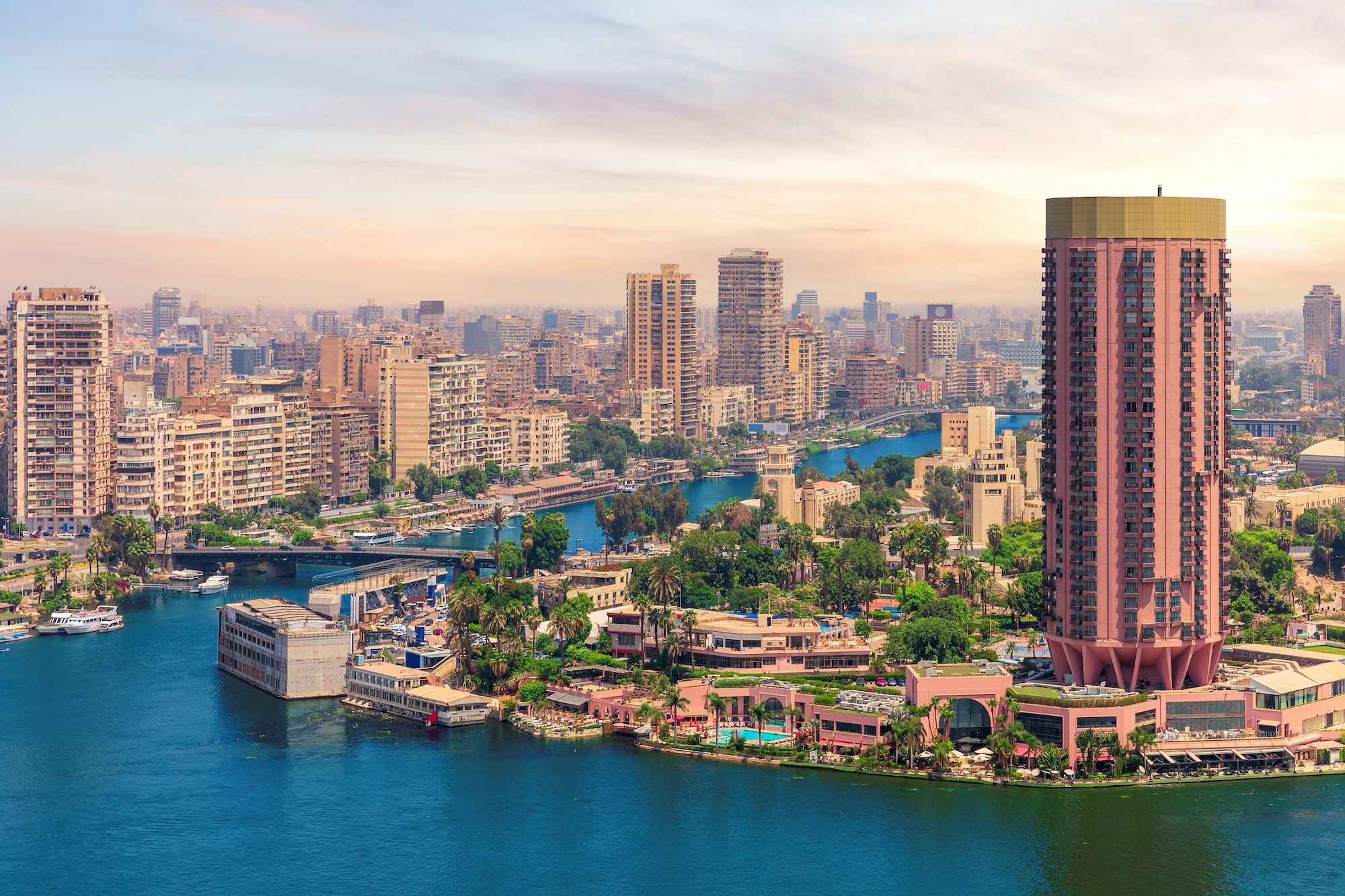
This sprawling metropolis of over 20 million people pulses with an energy that’s impossible to replicate anywhere else on earth. Ancient pyramids rise from the desert just minutes from bustling modern neighborhoods, while the Nile River cuts through the city like a liquid timeline connecting pharaohs to the present day. From the moment you step off the plane, you’ll find yourself immersed in a city where 5,000 years of history collide with contemporary Egyptian life in the most extraordinary ways.
Whether you’re planning your first visit or returning to explore deeper, this guide will help you navigate Cairo’s fascinating complexity with confidence and purpose — and when you’re ready to turn that planning into reality, our Cairo tour packages make it effortless.
Table of Contents
Why Cairo Should Be Your Next Adventure
Cairo isn’t just Egypt’s capital – it’s the beating heart of the Arab world and Africa’s largest urban area.
The city houses one-third of Egypt’s entire population, making it a true megacity where ancient traditions blend seamlessly with modern ambitions. You’ll discover that Cairo actually encompasses several distinct areas, each with its own personality: Historic Cairo with its medieval Islamic architecture, Coptic Cairo where early Christians built their communities, modern Downtown with its European-influenced buildings, and the affluent Zamalek district on Gezira Island.
The Pyramids of Giza: Your Gateway to Ancient Wonders
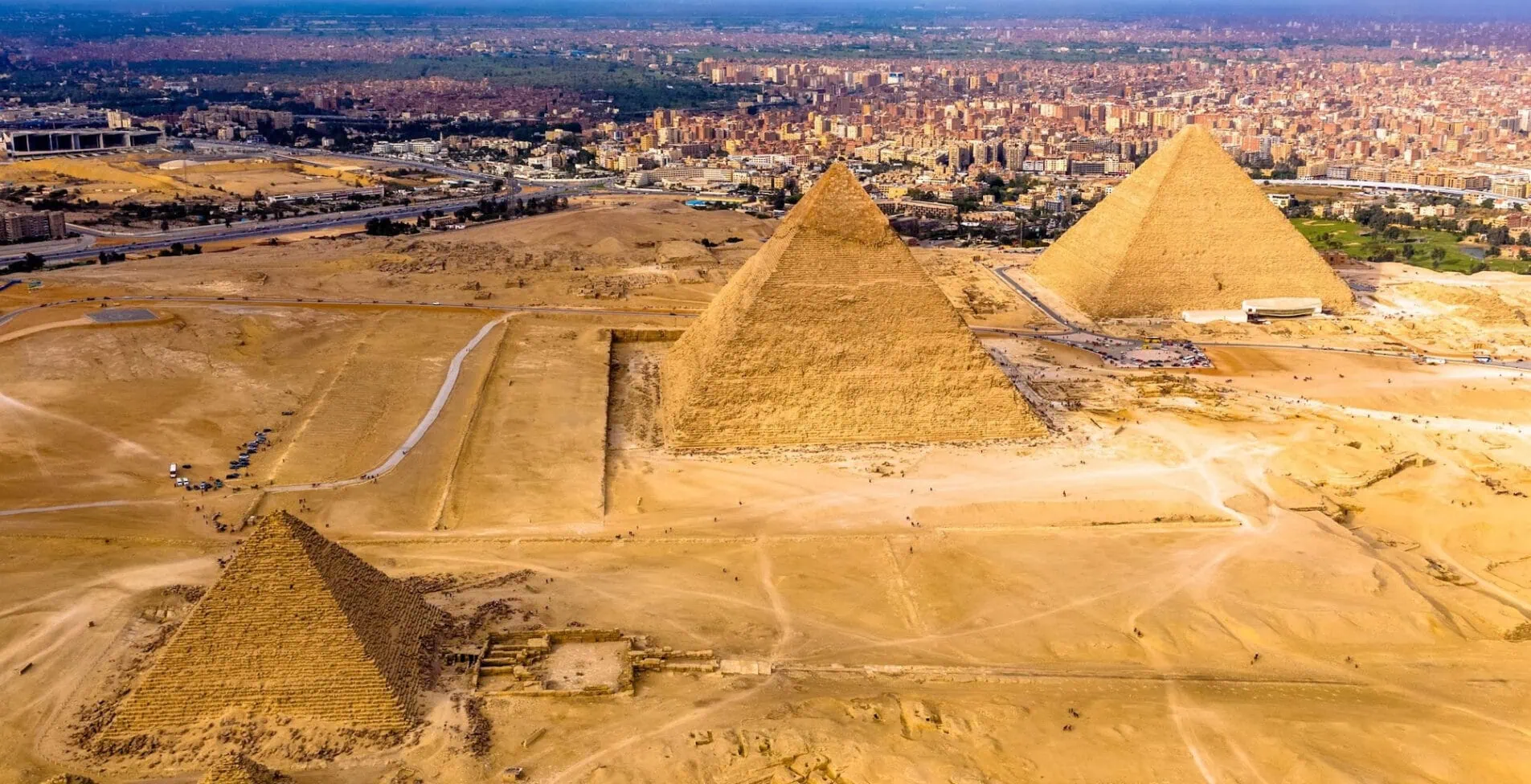
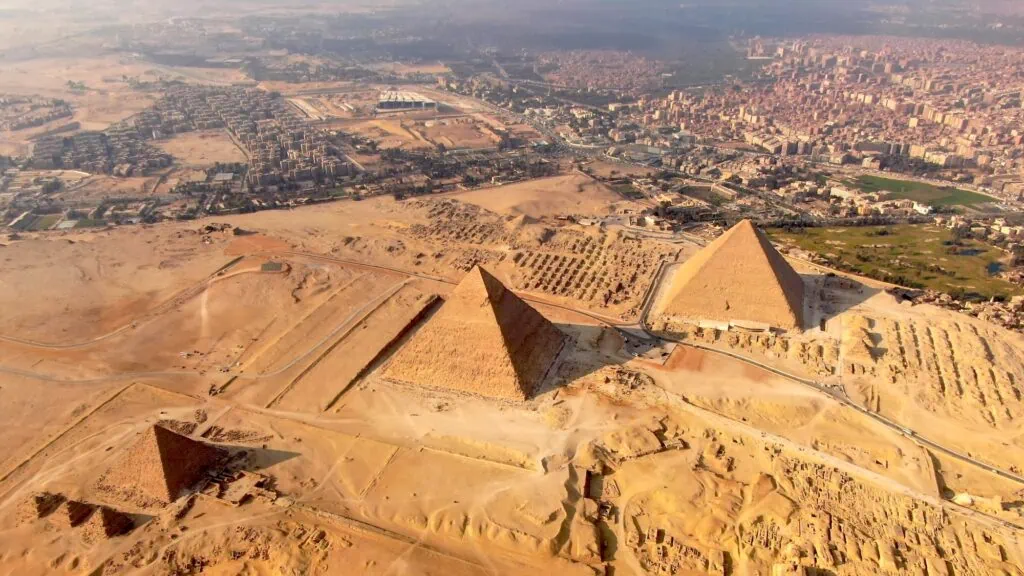
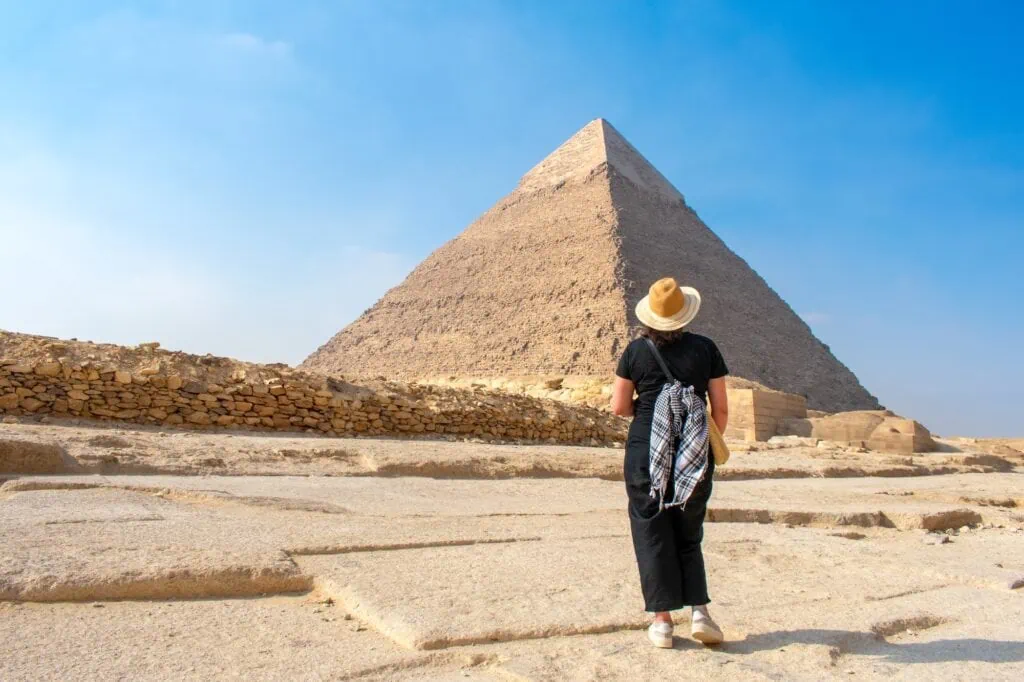
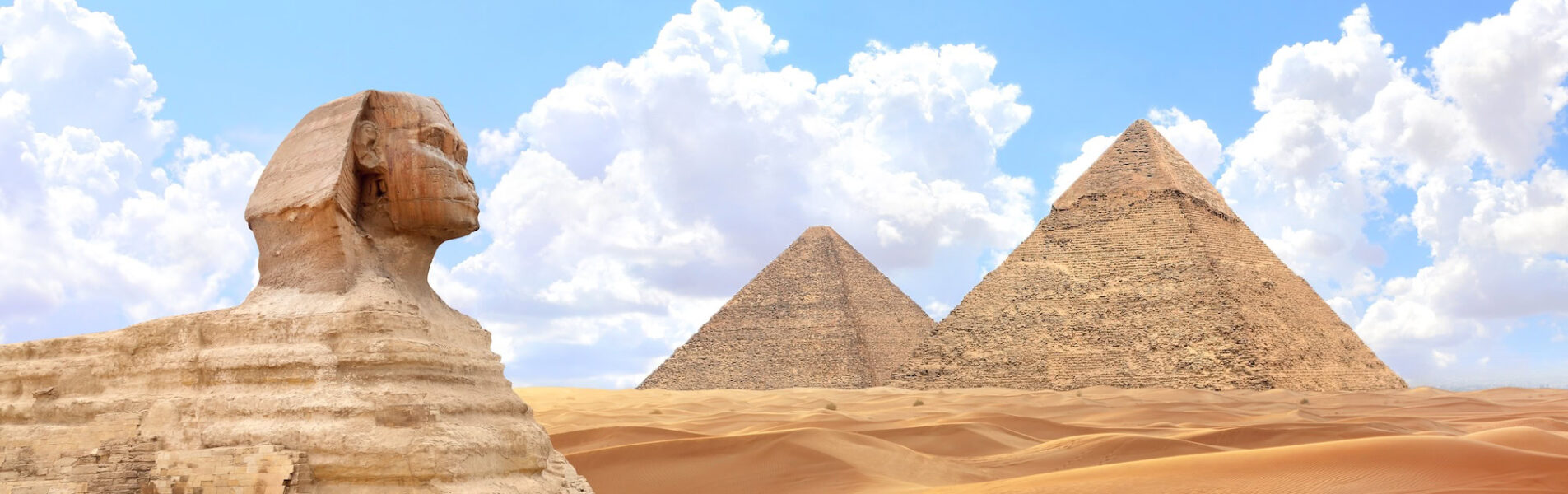
Just 18 kilometers (11 miles) southwest of central Cairo, the Giza pyramid complex stands as humanity’s most recognizable ancient achievement. The Great Pyramid, built for Pharaoh Khufu around 2580 BC, remained the world’s tallest structure for over 3,800 years.
We recommend arriving early morning around 8:00 am (08:00) to avoid crowds and capture the best photographs. The complex includes three major pyramids, the Great Sphinx, and several smaller pyramids and temples. Allow at least four hours for a thorough exploration.
Khan Al-Khalili: Where Medieval Commerce Lives On
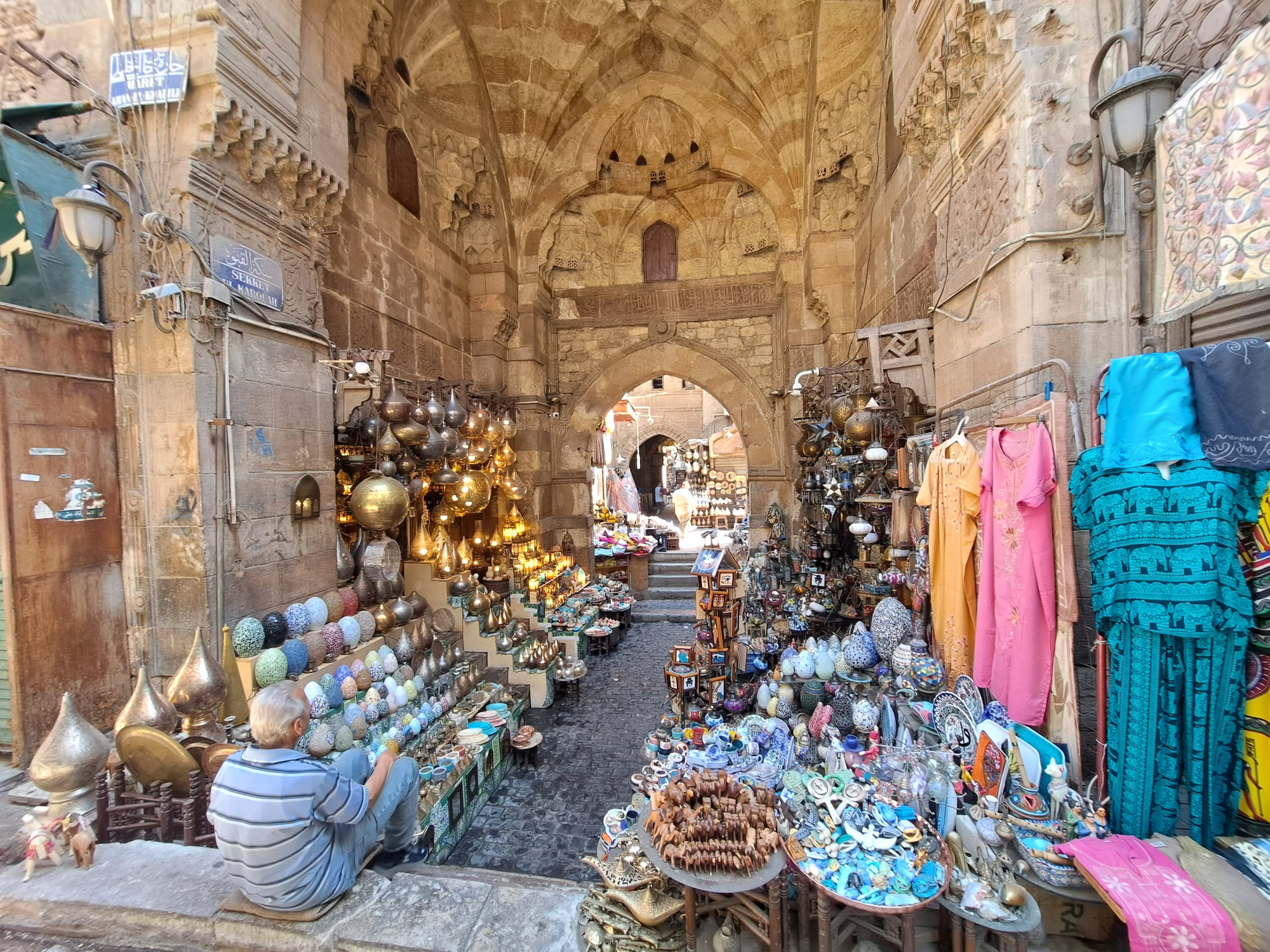
This 600-year-old bazaar represents one of Cairo’s most authentic experiences. Located in the heart of Islamic Cairo, Khan Al-Khalili has served as a major trading hub since the 14th century.
Navigate the narrow alleyways filled with spice vendors, antique dealers, and traditional craftsmen. The aroma of cardamom and cinnamon fills the air while artisans work silver, create intricate wood inlays, and weave textiles using techniques passed down through generations.
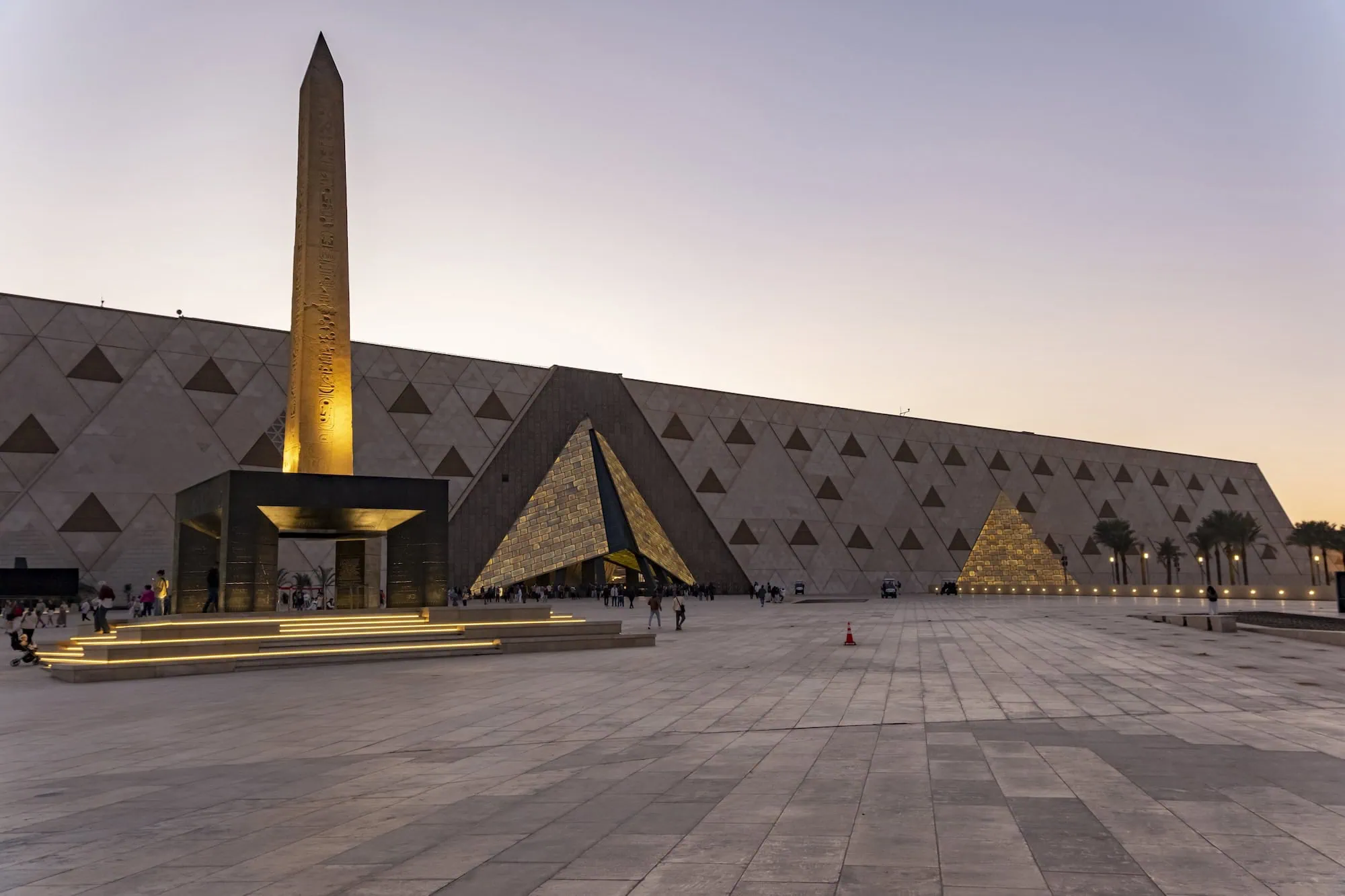
The Grand Egyptian Museum: A Modern Marvel
The Grand Egyptian Museum, located near the Giza pyramids, houses over 100,000 ancient Egyptian artifacts under one roof. Its galleries showcase treasures from Tutankhamun’s tomb alongside pieces spanning Egypt’s entire dynastic history, from the Old Kingdom to the Greco-Roman era.
The museum’s striking modern architecture frames spectacular views of the pyramids themselves, while climate-controlled galleries preserve delicate artifacts for generations to come.
Planning Your Cairo Experience
Timing makes all the difference in Cairo. October through April provides the most comfortable weather, with daytime temperatures ranging from 20-25°C (68-77°F) and cool evenings perfect for exploring outdoor sites.
Suggested Reading: When is the Best Time to Visit Cairo?
Getting Around Cairo
Cairo’s transportation network offers multiple options for different comfort levels and budgets. The Cairo Metro system, the first subway in Africa and the Arab world, connects major districts efficiently and costs less than $1 per ride. Line 1 runs north-south through central areas, while Line 2 crosses east-west, and Line 3 serves newer developments.
Ride-sharing apps like Uber and Careem operate throughout Cairo, providing reliable service with upfront pricing that eliminates haggling. Traditional taxis remain abundant but require negotiation skills and basic Arabic phrases for destinations.
Where to Stay in Cairo
Downtown Cairo puts you walking distance from the “Old” Egyptian Museum, Tahrir Square, and numerous restaurants and cafés. The area buzzes with local energy but can feel overwhelming for first-time visitors.
Zamalek District offers upscale accommodations on Gezira Island in the Nile River. This quieter neighborhood features art galleries, bookshops, and international restaurants while remaining accessible to major attractions.
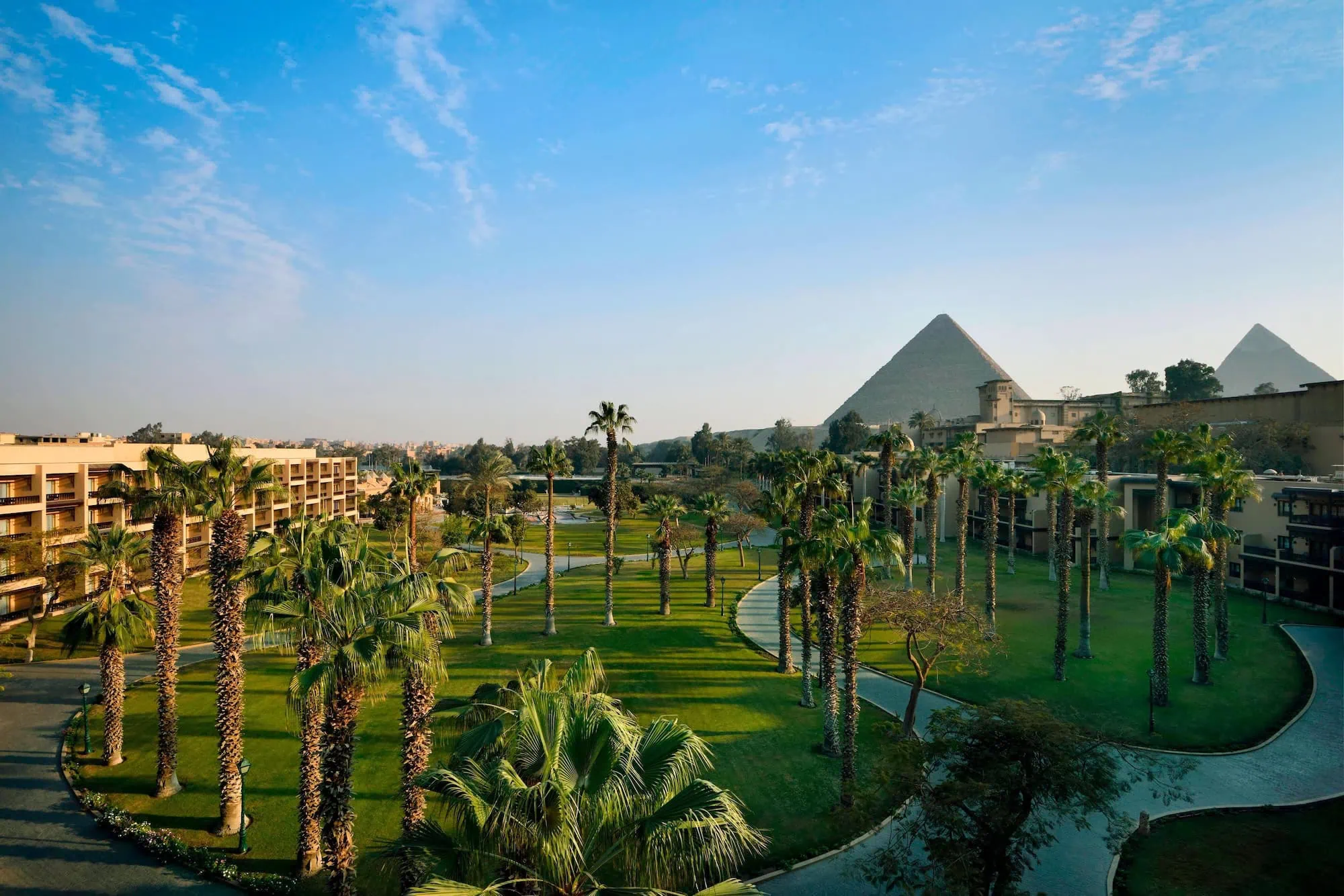
Near the Pyramids provides easy access to Giza but requires longer travel times to reach other Cairo attractions. The famous Marriott Mena House offers luxury with pyramid views from your room.
Essential Cairo Experiences Beyond the Pyramids
The Egyptian Museum in Tahrir Square remains a landmark for Egyptology, showcasing a vast collection of ancient artifacts in a historic setting.
Today, the museum’s ground floor still presents a chronological journey from the Old Kingdom through the Greco-Roman period. On the upper floor, you’ll find a selection of highlights, including key pieces from Tutankhamun’s collection—though many of his most famous treasures, including the full collection and iconic mask, have now been relocated to the Grand Egyptian Museum (GEM).
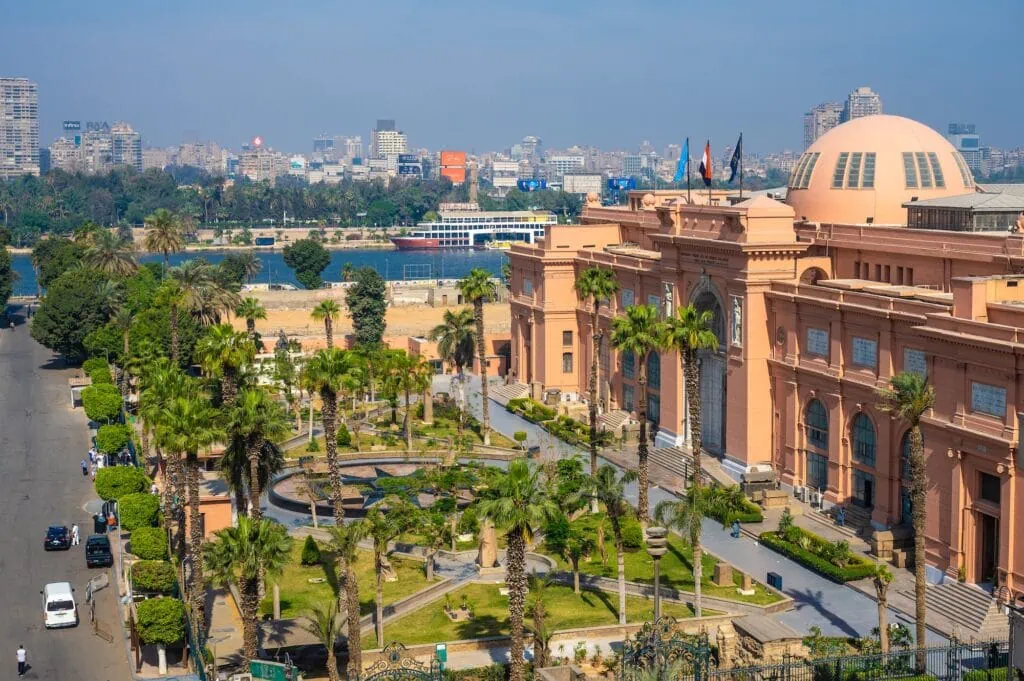
Plan around two to three hours for your visit. An expert guide is highly recommended to navigate the museum’s dense layout and provide context that brings the collection to life—especially as the distribution of key artifacts has evolved in recent years.
Coptic Cairo: Christianity’s Ancient Foothold
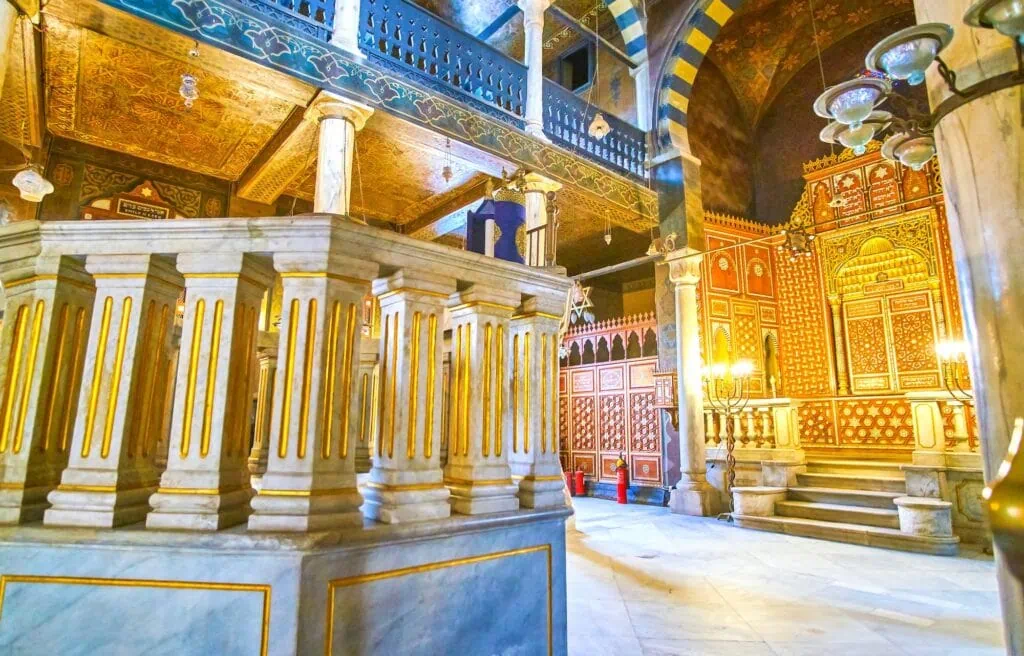
Old Cairo’s Coptic Quarter preserves Egypt’s Christian heritage in a compact area easily explored on foot. The Hanging Church, built above a Roman fortress, dates to the 3rd century and showcases beautiful Coptic architecture with its wooden roof designed like Noah’s ark.
Ben Ezra Synagogue stands nearby, representing Cairo’s once-thriving Jewish community. According to tradition, this site marks where baby Moses was found in the bulrushes by Pharaoh’s daughter.
The Coptic Museum displays one of the world’s largest collections of Coptic Christian artifacts, including textiles, manuscripts, and religious art spanning over 1,000 years.
Islamic Cairo: A UNESCO World Heritage Masterpiece
Medieval Islamic Cairo contains the highest concentration of historic Islamic architecture in the world. The area encompasses over 600 mosques, madrasas, hammams, and fountains dating from the Islamic era.
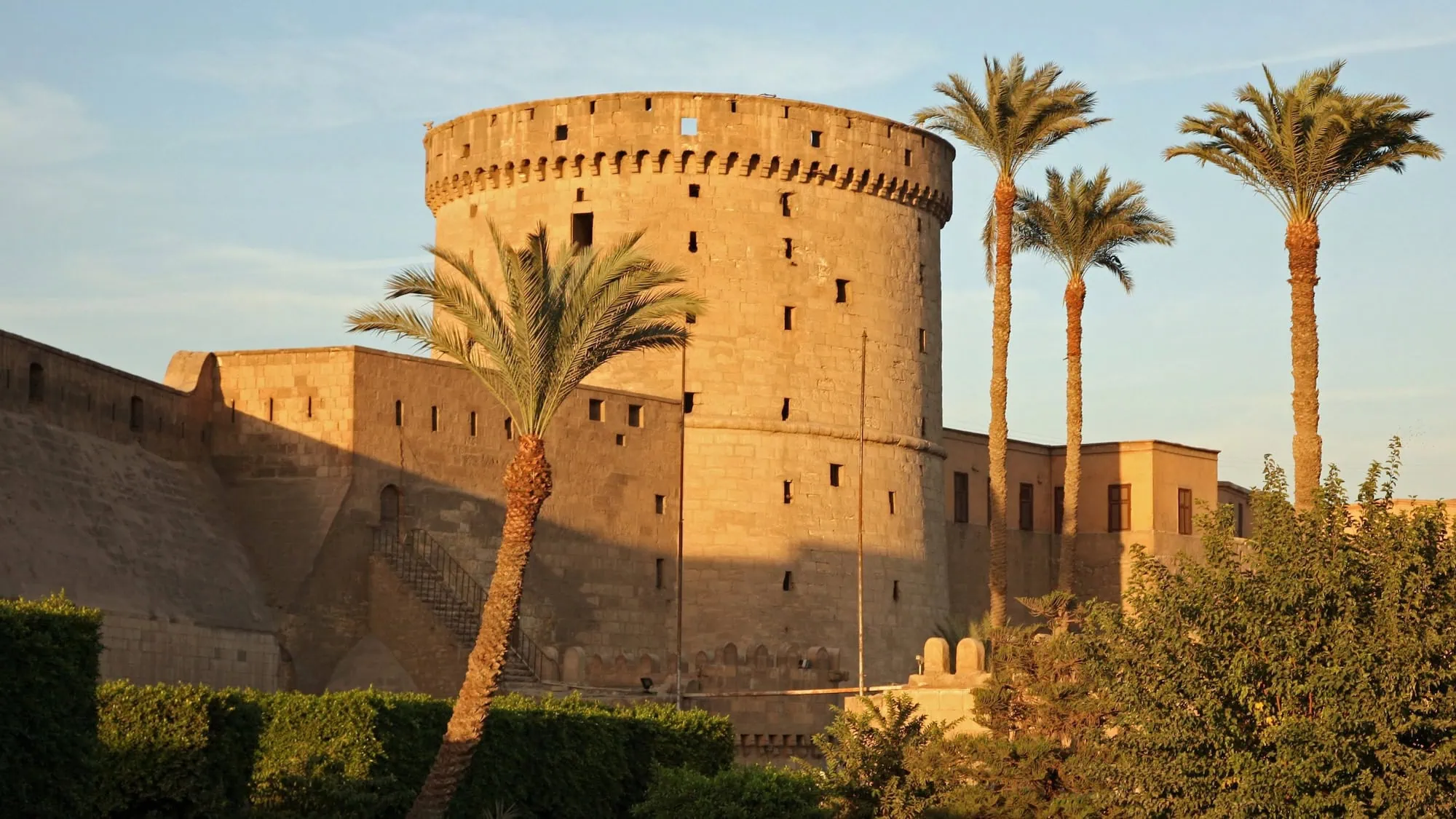
Start at the Cairo Citadel of Saladin, built in the 12th century to defend against Crusader attacks. The massive fortress offers panoramic city views and houses several museums and mosques, including the impressive Mohammad Ali Mosque with its distinctive Ottoman architecture.
Al-Azhar Mosque, founded in 970 AD, continues operating as one of Islam’s most important centers of learning. The university here has educated Muslim scholars for over 1,000 years.
Walk along Al-Muez Street, a UNESCO-protected thoroughfare lined with Fatimid, Ayyubid, Mamluk, and Ottoman monuments. The street connects Bab al-Futuh gate in the north to Bab Zuweila in the south, passing dozens of architectural treasures.
Practical Cairo Navigation
Understanding Cairo’s layout prevents confusion and saves time during your visit.
The Nile River serves as your primary reference point, flowing north through the city center. East of the Nile lies Historic Cairo with its Islamic and Coptic quarters. West of the river, you’ll find Giza with its famous pyramids. Central Cairo spreads along both banks, connected by numerous bridges.
Money Matters and Costs
Egyptian pounds (EGP) are the local currency, though US dollars and euros are widely accepted at tourist sites. ATMs are plentiful in central areas and tourist zones. Credit cards work at upscale restaurants and hotels but cash remains essential for markets, street food, and local transport.
Expect to pay 15-25 EGP for metro rides, 50-100 EGP for taxi trips within central Cairo, and 200-400 EGP for guided tours of major sites. Restaurant meals range from 30-50 EGP for local places to 200-500 EGP for upscale establishments.
Recommended Reading: Cash Requirements for Egypt
Language and Communication
Arabic is Egypt’s official language, but English is widely spoken in tourist areas, hotels, and restaurants. Learning a few basic Arabic phrases — even just simple greetings” shows respect and often results in friendlier service.
“Shukran” (thank you), “ahlan wa sahlan” (welcome/hello), and “ma’salama” (goodbye) cover most social interactions. Numbers are particularly useful when negotiating prices or asking for directions.
Cultural Considerations for Visitors
Egypt is a predominantly Muslim country with conservative social norms. Dress modestly when visiting religious sites – long pants and covered shoulders for everyone, headscarves for women in mosques. Many sites provide coverings at entrances.
Friday prayers (around 12:00 pm/12:00) can affect opening hours at some attractions. Ramadan brings earlier closing times and different meal schedules. However, Cairo’s tourism infrastructure operates year-round regardless of religious observances.
Cairo’s Culinary Landscape
Egyptian cuisine reflects the country’s position at the crossroads of Africa, Asia, and the Mediterranean.
Must-Try Traditional Dishes
Koshari represents Egypt’s national dish – a hearty combination of rice, lentils, pasta, and chickpeas topped with spiced tomato sauce and crispy onions. This vegetarian favorite costs 15-30 EGP at local restaurants and provides filling, flavorful sustenance.
Ful medames, slow-cooked fava beans seasoned with garlic, lemon, and olive oil, appears on breakfast tables across Egypt. Street vendors serve it with fresh bread, tomatoes, and pickled vegetables.
Mahshi features vegetables like zucchini, eggplant, and grape leaves stuffed with spiced rice mixture and slowly cooked in tomato broth.
Suggested Reading: Traditional Egyptian Foods
Where to Eat Like a Local
Downtown Cairo’s street food scene offers authentic flavors at incredible values. Tahrir Square area features numerous small restaurants and food stalls serving traditional dishes.
For a more upscale experience, try Sequoia in Zamalek, which serves modern takes on Egyptian classics with Nile views. Abou El Sid offers traditional atmosphere with folkloric décor and live music.
Don’t miss Cairo’s famous coffee culture. Traditional ahwa (coffee houses) serve strong Turkish coffee and sweet tea while patrons play backgammon and smoke shisha. These establishments have served as social centers for centuries.
Day Trips and Extended Explorations
Memphis and Saqqara: Expanding Your Pyramid Experience
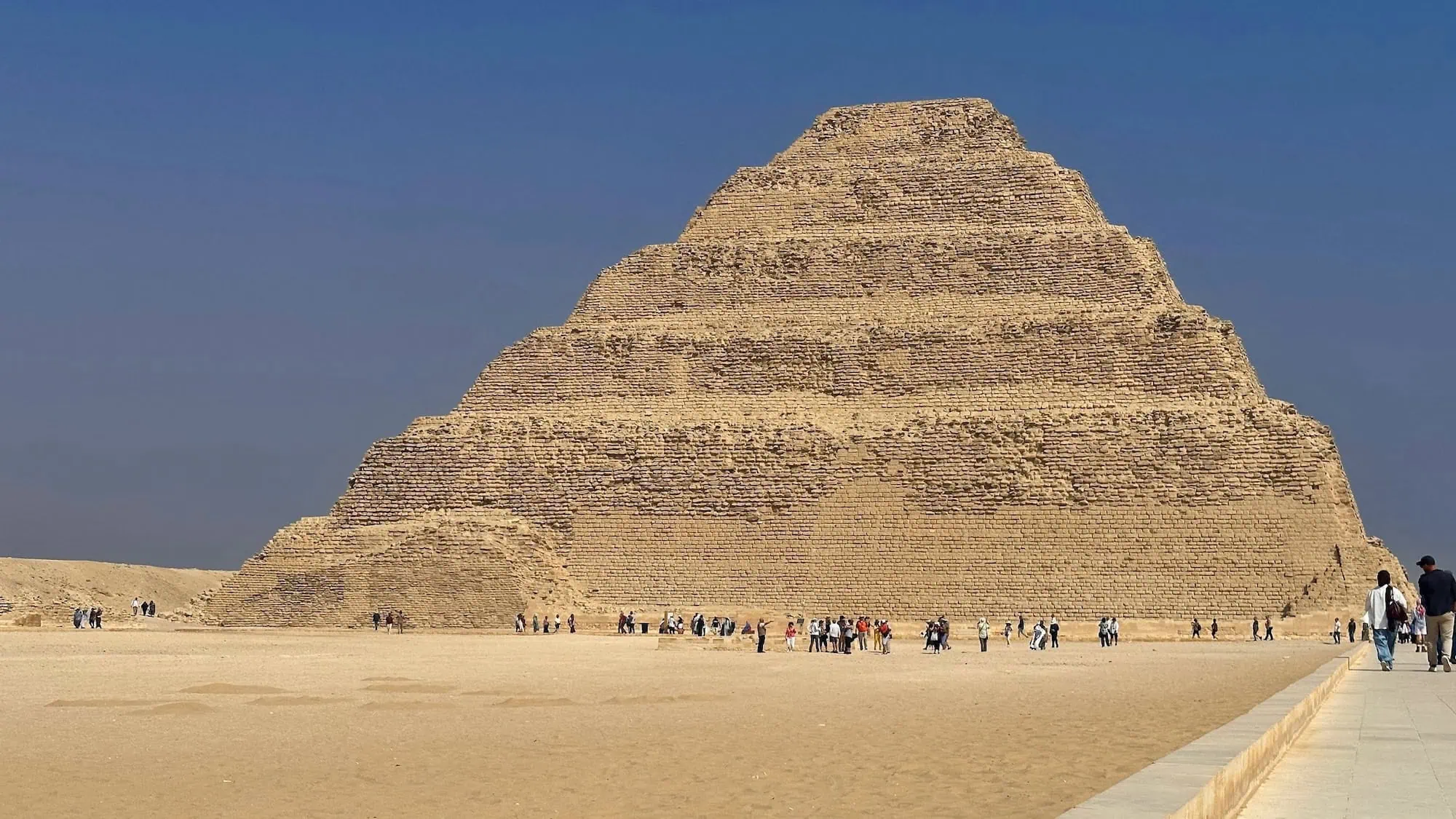
Located 30 kilometers (19 miles) south of Cairo, these sites complement your Giza visit perfectly. Saqqara contains Egypt’s oldest pyramid – the Step Pyramid of Pharaoh Djoser, built around 2650 BC and considered the world’s first monumental stone building.
Memphis served as Egypt’s capital for over 1,000 years during the Old Kingdom period. The outdoor museum displays colossal statues of Ramesses II and other pharaohs alongside artifacts discovered in the ancient city.
Combine all sites in a day trip, allowing six to seven hours total including travel time.
Learn More: Giza, Memphis and Saqqara Day Tour
Alexandria Day Trip: Mediterranean Coastal Charm
Egypt’s second-largest city lies 220 kilometers (137 miles) north of Cairo along the Mediterranean coast. Founded by Alexander the Great in 331 BC, Alexandria once housed the ancient world’s greatest library and lighthouse.
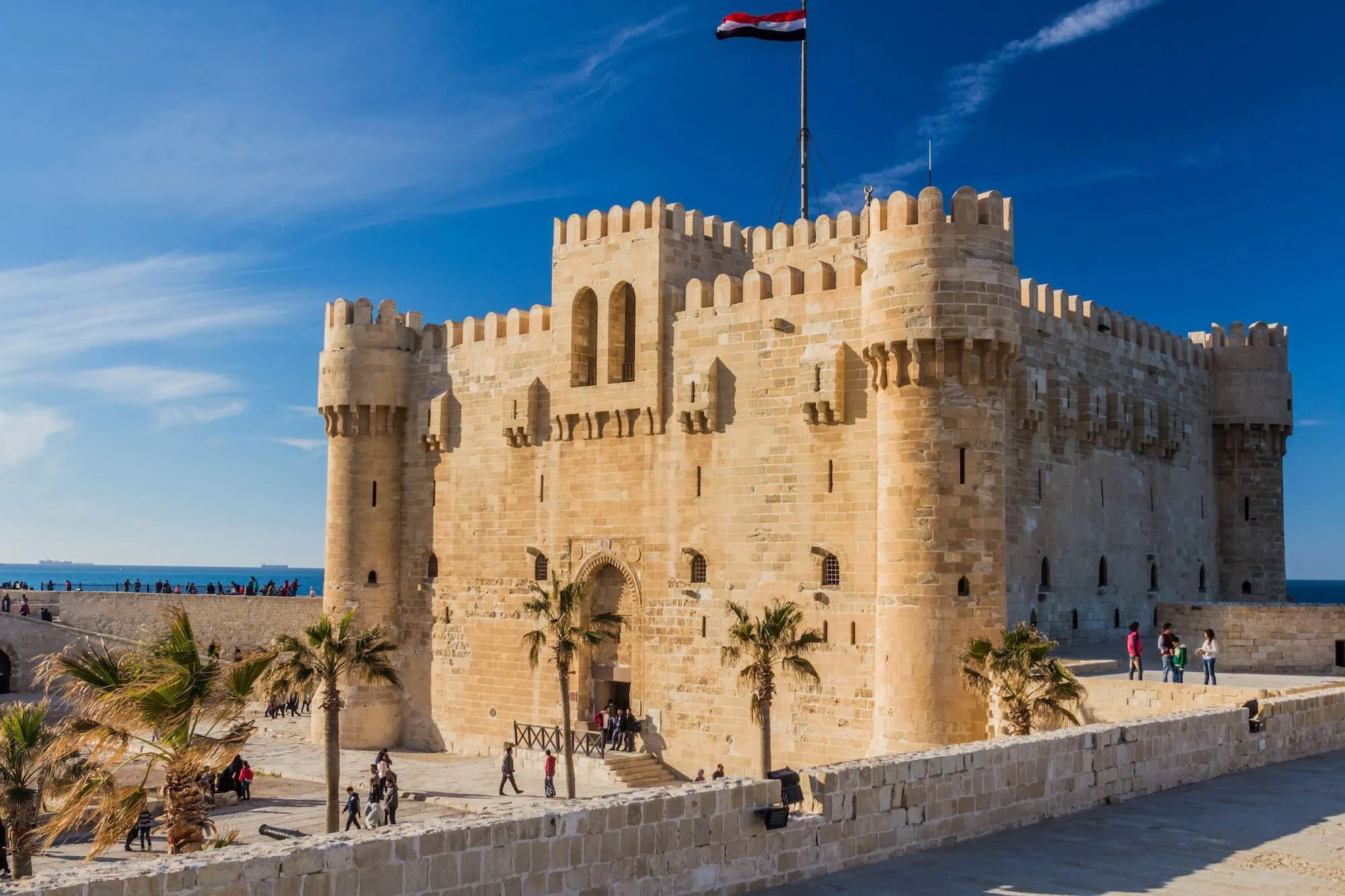
Modern Alexandria offers beautiful seaside atmosphere, fresh seafood, and several interesting museums. The Bibliotheca Alexandrina, opened in 2002, honors the ancient library’s memory with contemporary architecture and extensive collections. Nearby, the Citadel of Qaitbay stands guard at the harbor entrance, built in the 15th century on the exact spot where the legendary Lighthouse of Alexandria once rose.
Take the morning train from Cairo’s Ramses Station (journey time: 2.5 hours) or arrange private transport for more flexibility.
Suggested: Alexandria Day Tour from Cairo
Shopping and Souvenirs
Traditional Crafts and Authentic Purchases
Egyptian craftsmen excel at several traditional arts perfect for meaningful souvenirs. Hand-woven textiles, particularly cotton products, offer excellent quality at reasonable prices. Look for galabiya (traditional robes), scarves, and bedding made from Egyptian cotton.
Jewelry featuring ancient Egyptian motifs – cartouches with your name in hieroglyphs, scarab beetles, ankh symbols – makes popular gifts. Ensure silver items bear hallmarks indicating genuine silver content.
Papyrus paintings depicting pharaohs, gods, and hieroglyphic scenes are widely available. Authentic papyrus feels different from paper imitations – it’s thicker, more textured, and slightly translucent when held to light.
Spices and Culinary Treasures
Khan Al-Khalili’s spice market offers aromatic treasures difficult to find elsewhere. Egyptian dukkah – a mixture of nuts, seeds, and spices – makes an excellent addition to any kitchen. Dried hibiscus flowers for brewing karkadeh (hibiscus tea), premium saffron, and various spice blends represent authentic Egyptian flavors.
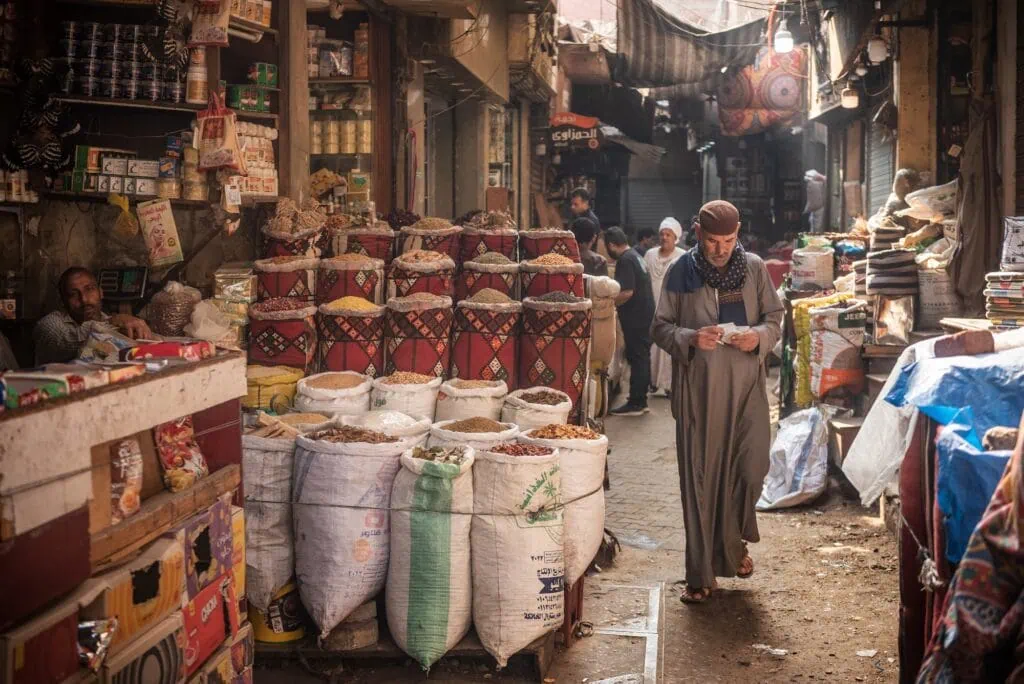
Tea culture runs deep in Egypt. Take home high-quality black tea blends, mint for traditional preparation, or chamomile flowers widely used for evening relaxation.
Seasonal Considerations and Weather Planning
Cairo experiences a desert climate with hot, dry summers and mild winters.
Winter months (December through February) provide the most comfortable touring conditions with daytime temperatures around 18-22°C (64-72°F). Evenings can be quite cool, dropping to 8-12°C (46-54°F), so pack layers.
Spring (March through May) offers warm, pleasant days perfect for outdoor exploration. Occasional sandstorms called “khamaseen” can occur during this period, creating hazy conditions that typically last 1-2 days.
Summer (June through August) brings intense heat with temperatures often exceeding 35°C (95°F). If visiting during summer, plan indoor activities during midday hours and explore outdoor sites early morning or evening.
Fall (September through November) provides another excellent window for Cairo visits, with comfortable temperatures and generally clear skies ideal for photography.
At Egypt Tours Plus, our decades of expertise in Egyptian travel help visitors maximize their Cairo experience regardless of season. Our private guides, modern vehicles, and 24/7 customer support ensure comfortable exploration of this remarkable city. Every one of our Egypt tour packages features Cairo’s must-see attractions — the Pyramids of Giza, the Grand Egyptian Museum, Khan el-Khalili, and beyond — woven together with hidden gems and personalized touches that match your interests, pace, and schedule.
Frequently Asked Questions
October through April offers the most comfortable weather, with daytime temperatures between 20-25°C (68-77°F) and pleasant evenings for exploring.
Allow minimum three to four days to see major attractions like the Pyramids, Egyptian Museum, and Islamic Cairo without feeling rushed.
Yes, Cairo is generally safe for tourists who take normal precautions. Stay aware of your surroundings, use reputable transport, and follow local guidance.
U.S. citizens need a tourist visa, available on arrival for $25 or online in advance. Europeans, Latin Americans, and most other nationalities have similar requirements.
Budget $30-50 per day for mid-range travel including meals, transport, and attraction entries, or $80-150 for more comfortable experiences.
Both options work well. Independent visits offer flexibility, while guided tours provide historical context and handle logistics efficiently.
Cover shoulders and legs completely. Women should bring headscarves for mosque visits. Many sites provide coverings at entrances.
Tipping (baksheesh) is expected for most services including restaurant servers, tour guides, and hotel staff. 10-15% is standard.
Official airport taxis, pre-booked transfers, or ride-sharing apps provide reliable transport. The journey takes 45-90 minutes depending on traffic.
Credit cards work at upscale hotels and restaurants, but cash remains essential for markets, street food, local transport, and smaller establishments.
Base yourself in central Cairo and take day trips to Giza, or split your stay between downtown and pyramid-area hotels for easy access to both.
Dress modestly, especially at religious sites. Learn basic Arabic greetings, respect prayer times, and always ask permission before photographing people.
Explore Egypt Your Way
Share your travel wishes — our experts will craft the perfect experience just for you.