

Dar Si Said Museum – A Monument to Morocco’s “Master Artisans”
Step inside one of Marrakech’s most underrated treasures.
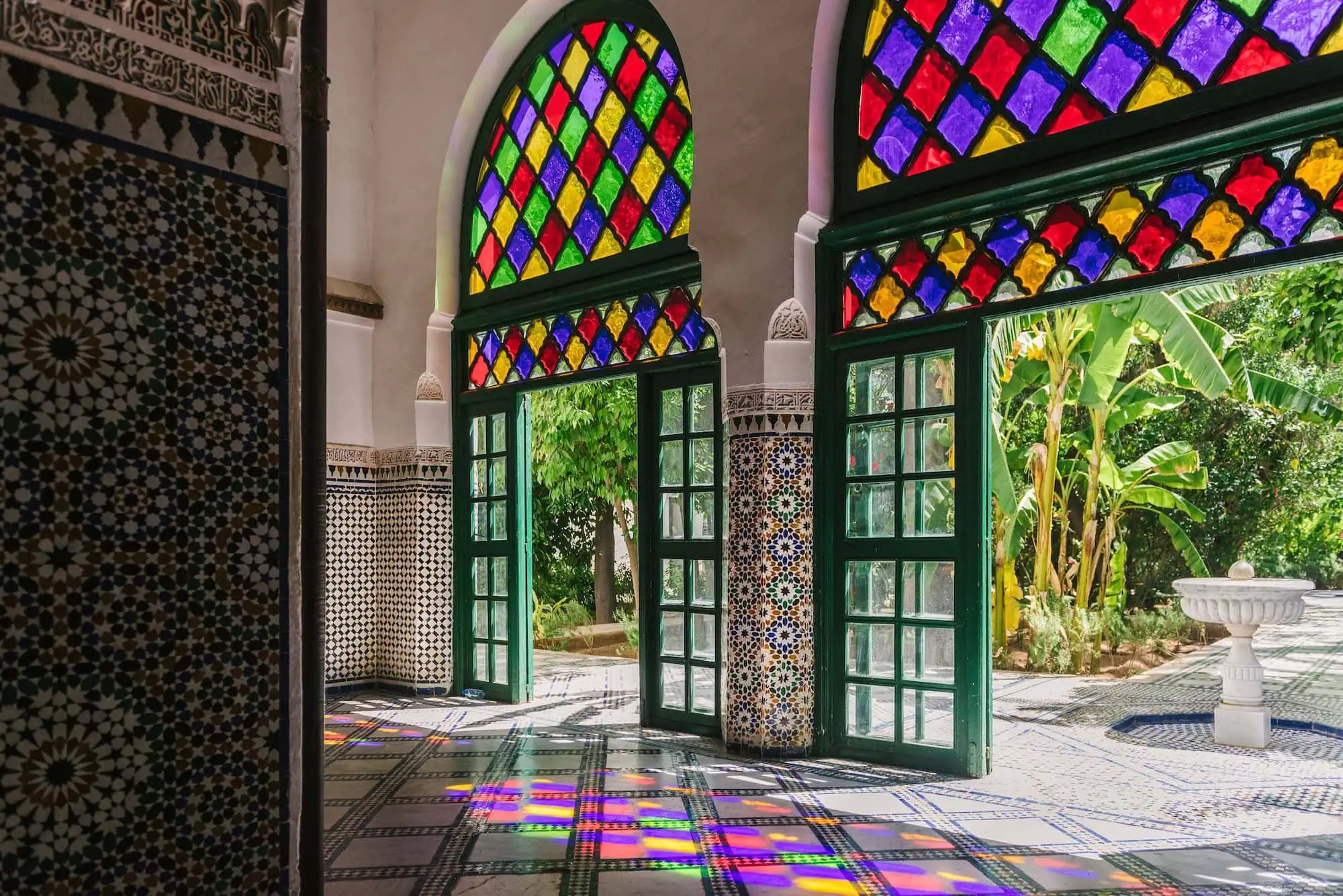
The Dar Si Said Museum stands as a testament to Morocco’s rich artistic heritage, housed within a stunning 19th-century palace that once belonged to the brother of Grand Vizier Ba Ahmad ibn Musa. This remarkable institution showcases one of the largest collections of traditional Moroccan arts and crafts in Marrakech, including Berber jewelry, intricate woodwork, and historic carpets.
Dar Si Said Museum can be included in our Egypt and Morocco tour packages, where Morocco’s cultural highlights are combined with its historic cities and Egypt’s ancient wonders for a rich and immersive travel experience.
What makes this museum especially unique is its setting—the palace itself is part of the experience. Visitors move through beautifully decorated rooms that reflect Morocco’s architectural elegance while discovering its artistic traditions.
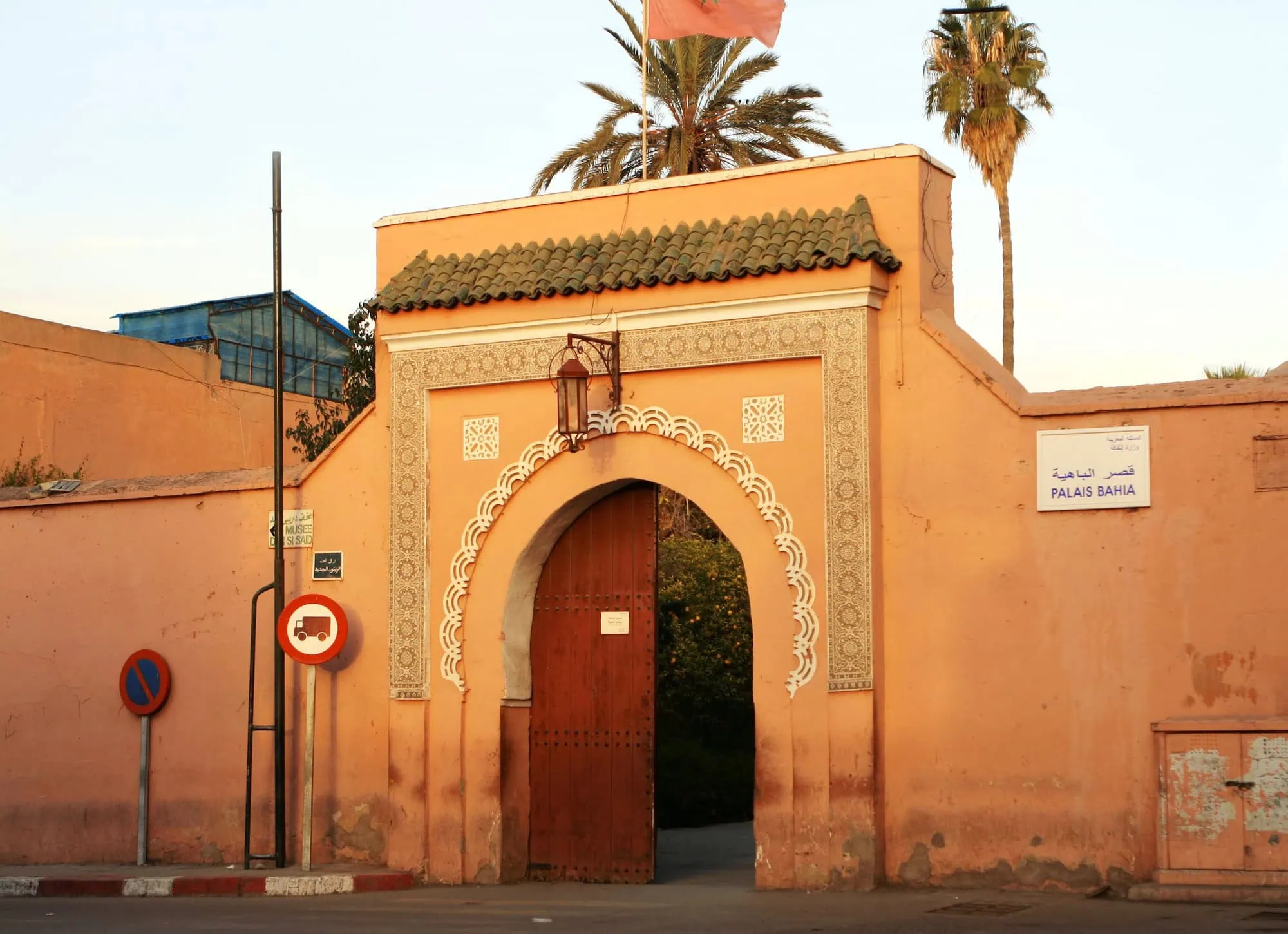
Located just steps from Bahia Palace in the medina, this quieter site offers a more relaxed and authentic alternative to Marrakech’s more crowded attractions.
The Fascinating History Behind Dar Si Said
The palace’s origins trace back to the late 1800s when Si Said ibn Musa commissioned its construction between 1894 and 1900. As the younger brother of Ba Ahmad ibn Musa, who served as Grand Vizier to Sultan Hassan I, Si Said held considerable influence in the Moroccan court during this pivotal period in the nation’s history.
From Private Residence to Cultural Institution
Originally designed as a lavish family residence, the palace reflected the wealth and sophistication of Morocco’s ruling elite during the pre-protectorate era. The building showcased traditional Moroccan architectural elements while incorporating innovative design features that would later influence palace construction throughout the region.
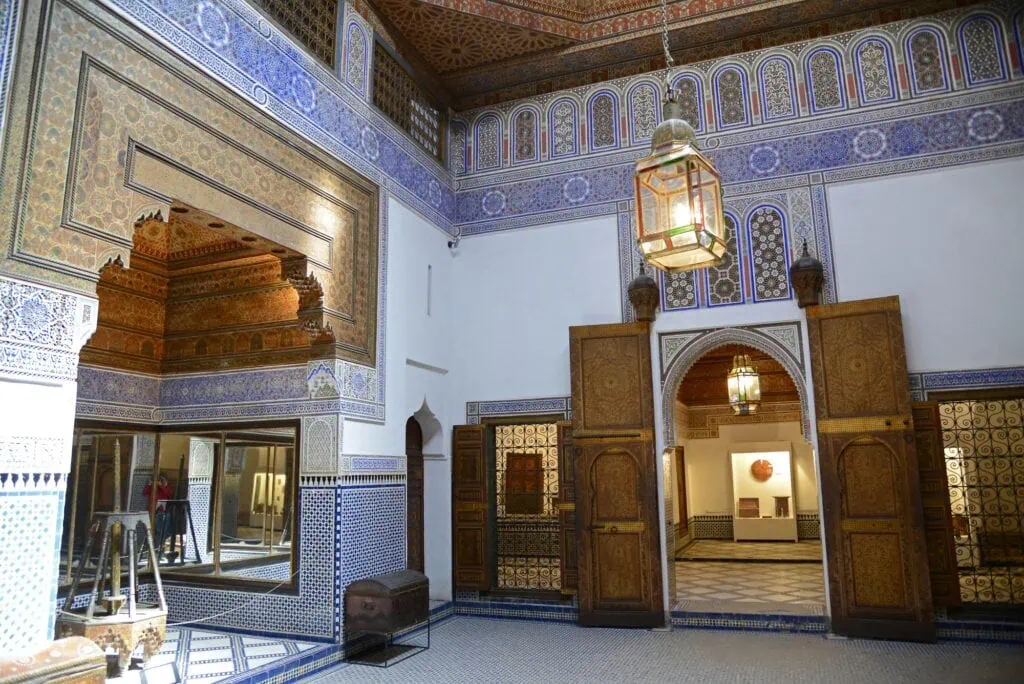
Following Morocco’s independence, the government recognized the palace’s cultural significance and transformed it into the National Museum of Weaving and Carpets. This transition preserved not only the building’s architectural integrity but also created a dedicated space for displaying Morocco’s rich textile traditions.
Recent Challenges and Restoration Efforts
The September 2023 earthquake that struck the region caused significant damage to the museum’s structure, forcing a temporary closure for safety assessments and repairs. This natural disaster highlighted the vulnerability of Morocco’s historic buildings while also demonstrating the commitment to preserving these cultural treasures for future generations.
Restoration work has focused on maintaining the palace’s original architectural features while implementing modern conservation techniques to protect the valuable collections housed within its walls.
Architectural Marvels Within the Palace Walls
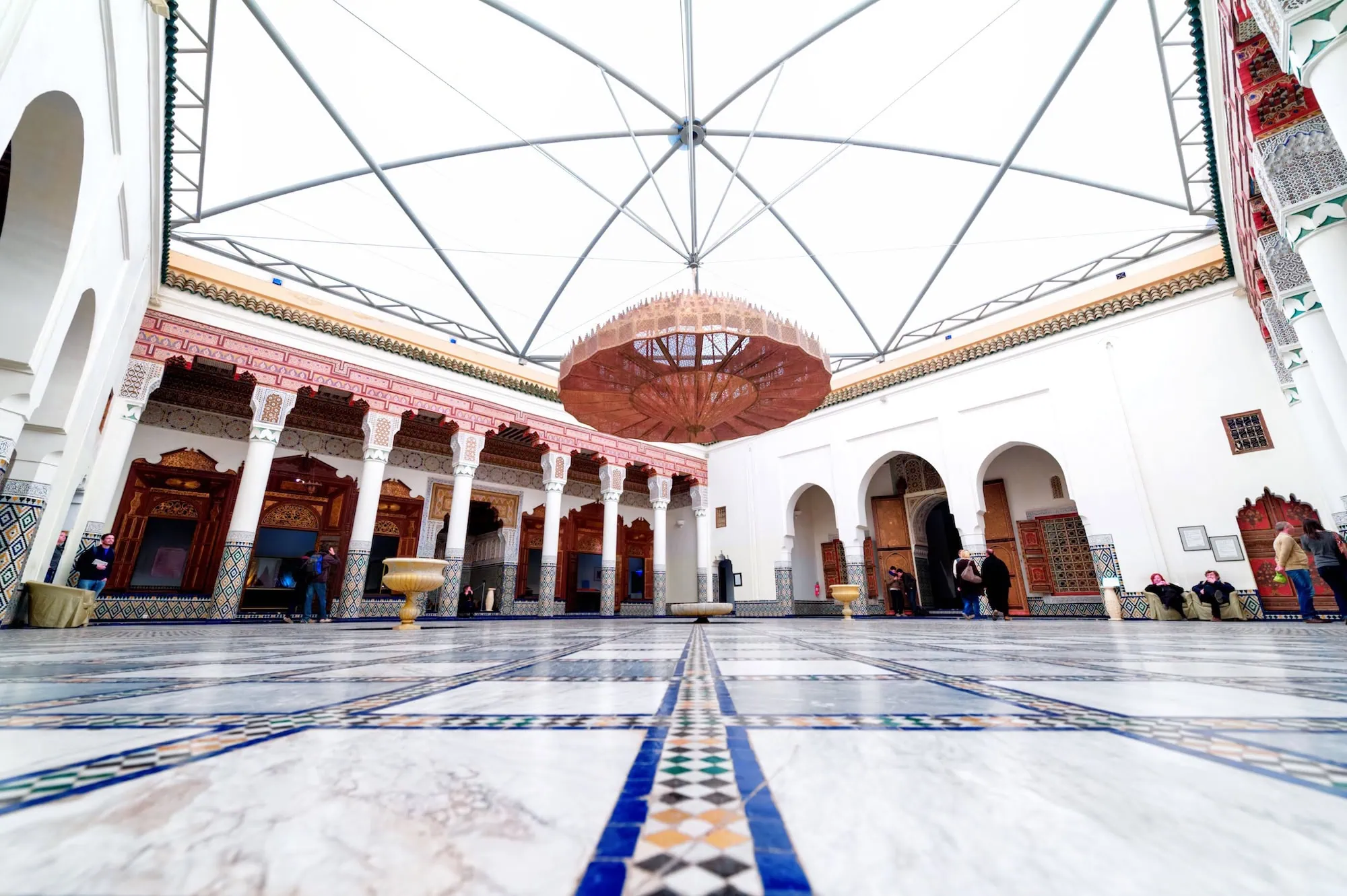
Walking through Dar Si Said feels like stepping into a living example of Moroccan craftsmanship at its finest. The palace exemplifies the riad architectural style, with rooms organized around a central courtyard that serves as both a practical and aesthetic focal point.
The grand reception hall stands as the building’s crown jewel, featuring intricate geometric patterns carved into cedar wood panels and elaborate plasterwork that demonstrates the sophisticated artistic techniques of 19th-century Moroccan artisans. Visitors often spend considerable time in this space, marveling at the detailed ceiling work that combines traditional Islamic motifs with Byzantine influences.
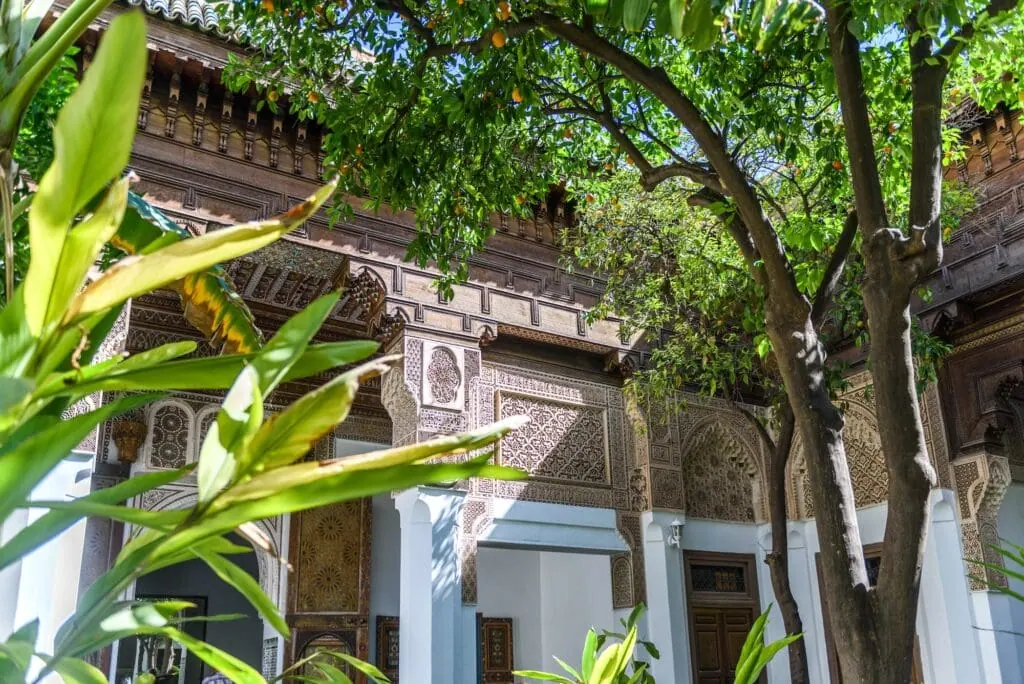
Decorative elements throughout the building include hand-painted tiles, known locally as zellij, which create stunning geometric patterns on walls and floors. These tiles, combined with the palace’s signature carved stucco and painted wood ceilings, create an immersive environment that transports visitors to Morocco’s golden age of palace construction.
The central courtyard garden provides a peaceful retreat from the museum’s interior galleries, featuring traditional Moroccan landscaping with orange trees and geometric fountain designs that reflect classical Islamic garden principles.
Unique Architectural Details
Each room within the palace showcases different aspects of Moroccan decorative arts, from the intricate door frames carved from local cedar to the delicate metalwork that adorns windows and interior screens. The building’s layout follows traditional Moroccan design principles, with private family areas separated from public reception spaces through carefully planned architectural elements.
Museum Collections: Morocco’s Artistic Heritage on Display
The Dar Si Said Museum houses an impressive array of traditional Moroccan arts and crafts, making it the largest collection of its kind in Marrakech. The museum’s curatorial approach focuses on presenting these artifacts within their historical and cultural context, helping visitors understand the significance of each piece within Morocco’s broader artistic tradition.
Berber Jewelry and Metalwork
One of the museum’s most celebrated collections features traditional Berber jewelry, including silver amulets, elaborate necklaces, and ceremonial pieces that showcase the sophisticated metalworking techniques developed by Morocco’s indigenous communities. These artifacts represent centuries of cultural exchange between Berber tribes and other North African civilizations.
The metalwork collection extends beyond jewelry to include household items, religious objects, and decorative pieces that demonstrate the practical and artistic applications of traditional Moroccan craftsmanship.
Textile Arts and Carpet Collection
As the former National Museum of Weaving and Carpets, Dar Si Said maintains an exceptional collection of traditional Moroccan textiles. Visitors can examine rare carpets from different regions of Morocco, each displaying unique patterns and weaving techniques that reflect local cultural traditions.
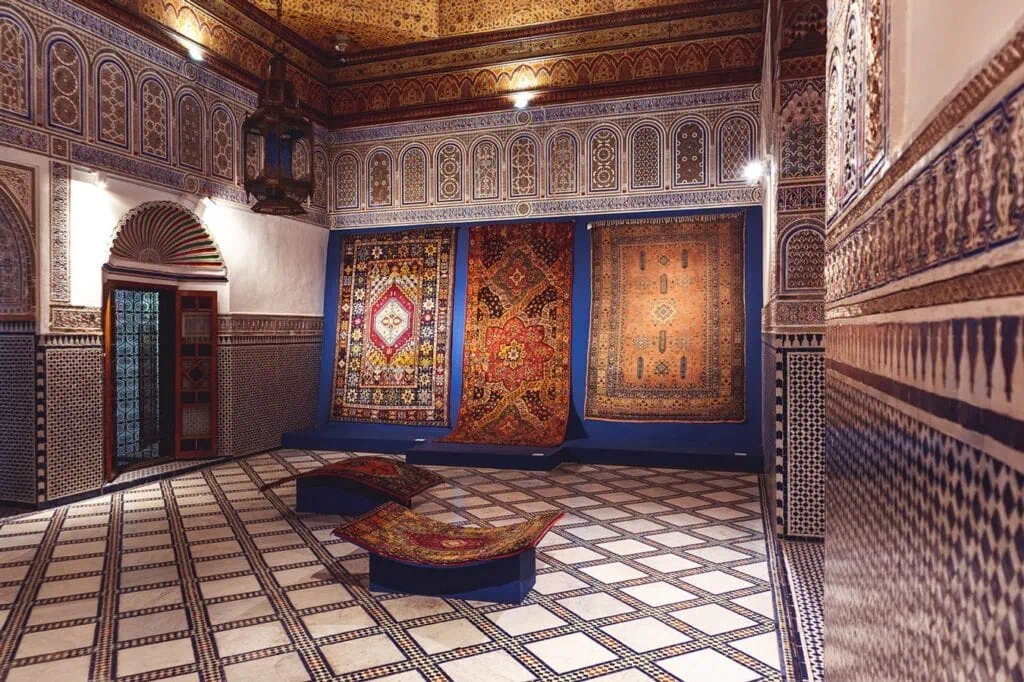
The textile displays include examples of traditional clothing, ceremonial garments, and household textiles that illustrate the important role of weaving in Moroccan society. These pieces demonstrate the connection between artistic expression and daily life in traditional Moroccan communities.
Woodwork and Decorative Arts
The museum’s woodwork collection showcases the sophisticated carpentry techniques that made Moroccan furniture and architectural elements famous throughout the Islamic world. Intricate marquetry, carved panels, and painted wooden objects demonstrate the high level of skill achieved by Moroccan artisans.
Planning Your Visit to Dar Si Said Museum
Current visitor information reflects the museum’s status following the 2023 earthquake damage, with reopening plans dependent on completion of restoration work. Prior to the temporary closure, the museum operated with standard hours and maintained an entrance fee of approximately 70 dirhams for international visitors.
The museum’s location in the historic medina, near the Bahia Palace and other major attractions, makes it an excellent addition to walking tours of Marrakech’s cultural sites. The proximity to these landmarks allows visitors to experience multiple aspects of Moroccan palace architecture within a single area.
Getting There and What to Expect
Located in the heart of Marrakech’s medina, the museum sits within walking distance of major landmarks including the Bahia Palace and the bustling souks. The narrow streets leading to the museum provide an authentic medina experience, though first-time visitors may want to use GPS navigation or hire a local guide to avoid getting lost in the maze-like layout.
When the museum reopens, visitors should plan to spend approximately 60-90 minutes exploring the collections and admiring the palace architecture. The relatively intimate size of the building makes it possible to see everything without feeling rushed, unlike some of Marrakech’s larger tourist attractions.
The museum’s peaceful atmosphere offers a welcome respite from the energy of the nearby souks and main squares, making it an ideal place to appreciate Moroccan art and culture at a more contemplative pace.
Combining Your Visit with Other Attractions
Many visitors combine their trip to Dar Si Said with tours of the nearby Bahia Palace, creating an opportunity to compare different examples of 19th-century Moroccan palace architecture. The two sites complement each other well, with Dar Si Said offering a more focused cultural experience while Bahia Palace provides grander architectural spectacles.
The museum’s location also makes it convenient to explore the surrounding neighborhood, which features traditional workshops where visitors can observe artisans practicing the same crafts displayed in the museum’s collections.
Comparing Dar Si Said to Other Marrakech Museums
Among Marrakech’s cultural institutions, Dar Si Said occupies a unique position as both architectural monument and specialized museum. While the Marrakech Museum focuses on contemporary and historical art in a broader sense, Dar Si Said concentrates specifically on traditional crafts and decorative arts.
The museum’s intimate scale sets it apart from larger institutions, creating opportunities for closer examination of individual artifacts and more personal engagement with Morocco’s artistic traditions. This focused approach appeals particularly to visitors interested in understanding the technical aspects of traditional Moroccan craftsmanship.
Unlike some of Marrakech’s more tourist-oriented attractions, Dar Si Said maintains an authentic educational mission that prioritizes cultural preservation and scholarly presentation over entertainment value.
Cultural Significance in Modern Morocco
Dar Si Said represents more than just a collection of beautiful objects – it serves as a repository of cultural knowledge that connects contemporary Morocco with its artistic heritage. The museum plays an important role in preserving traditional craft techniques and educating both locals and international visitors about Morocco’s rich cultural legacy.
The institution’s focus on traditional arts helps maintain awareness of Morocco’s pre-modern cultural achievements while providing context for understanding the country’s contemporary artistic developments. This educational mission becomes increasingly important as globalization and modernization challenge the continuity of traditional craft practices.
For many visitors, the museum provides their first in-depth exposure to the sophistication and beauty of traditional Moroccan arts, creating appreciation for cultural traditions that might otherwise remain invisible to international tourists focused on more obvious attractions.
Frequently Asked Questions
The museum remains temporarily closed following earthquake damage in September 2023, with no confirmed reopening date.
Before the closure, admission was approximately 70 dirhams for international visitors, though prices may change upon reopening.
Most visitors need 60-90 minutes to thoroughly explore the collections and appreciate the palace architecture.
The museum works well for families, though children may find the Bahia Palace more visually engaging due to its larger scale.
Dar Si Said focuses specifically on traditional Moroccan crafts within an authentic palace setting, offering intimate cultural experience.
Photography policies vary, so visitors should check current regulations when the museum reopens.
The historic building’s traditional design includes steps and narrow passages that may present challenges for some visitors.
Morning visits typically offer cooler temperatures and smaller crowds, especially important given the museum’s medina location.
Professional guides familiar with Moroccan art history can enhance the experience, though individual exploration is equally rewarding.
While Bahia Palace impresses with grand scale, Dar Si Said offers more focused collection and intimate setting.
The Marrakech Museum and Maison de la Photographie complement Dar Si Said’s focus with broader historical perspectives.
Modest clothing covering shoulders and knees shows cultural respect, while comfortable walking shoes help navigate the palace.
Design Your Custom Tour
Explore Egypt & Morocco your way by selecting only the attractions you want to visit