

Things to Do in Morocco – Your Guide to the Pearl of Africa
Planning your first trip to Morocco? This North African gem rewards curious travelers with stunning contrasts.
We’ve spent decades guiding adventurers through Morocco’s most captivating destinations, from bustling medinas to silent desert dunes. Our experience has taught us that Morocco’s magic lies in its diversity – imperial cities steeped in history, mountain villages where Berber traditions thrive, and coastal towns where Atlantic breezes carry the scent of tagines. Every journey here becomes a collection of unforgettable moments, whether you’re watching the sunrise paint the Sahara golden or getting lost in the maze-like souks of Marrakech.
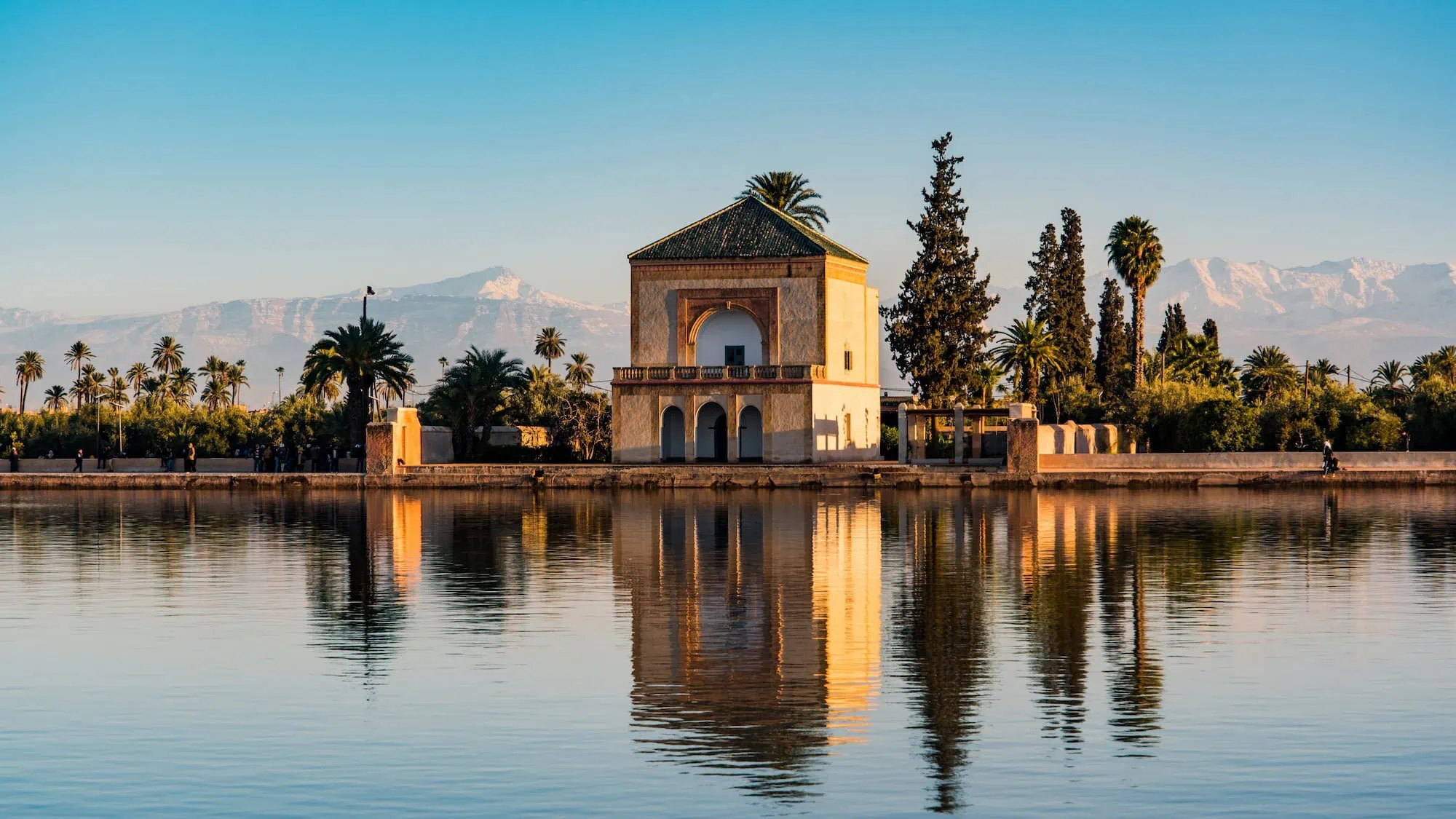
This comprehensive guide reveals Morocco’s most essential experiences based on our years of creating personalized itineraries. From desert camping under star-filled skies to exploring UNESCO World Heritage sites, you’ll discover why Morocco consistently ranks among the world’s most rewarding destinations.
Desert Adventures: Sahara Magic Awaits
Morocco’s crown jewel remains the Sahara Desert, where endless dunes create an otherworldly landscape that transforms with each passing hour.
Camel Trekking Through Golden Dunes
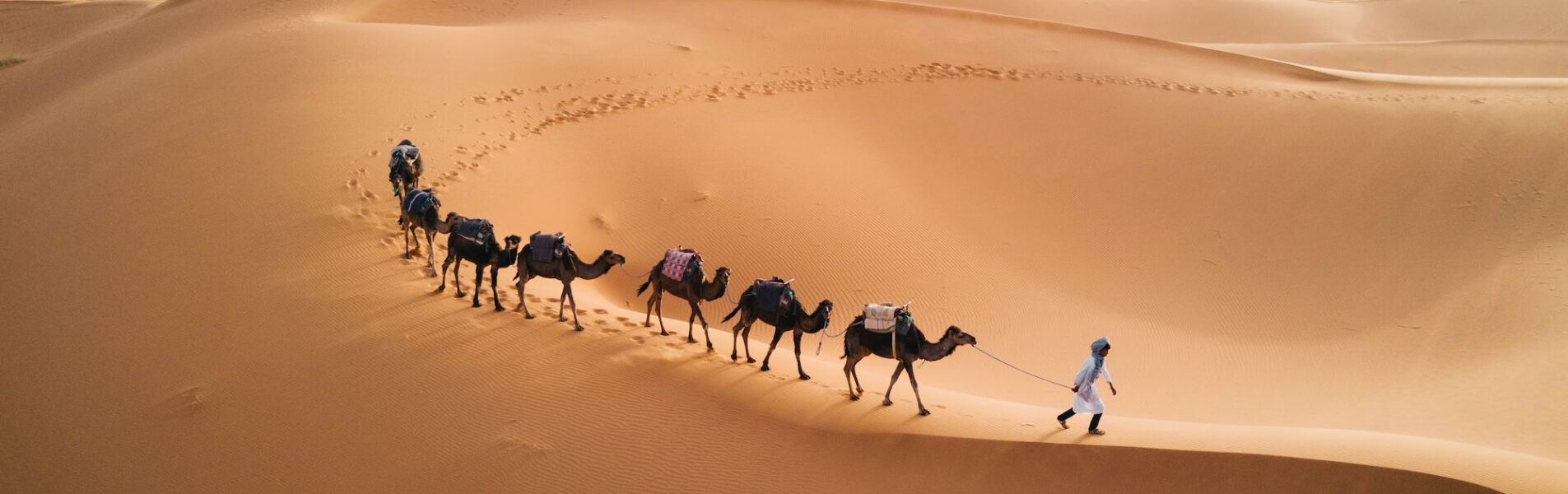
Nothing prepares you for that first glimpse of the Sahara’s towering sand mountains. The traditional approach involves camel trekking from Merzouga, where these gentle giants carry you across rolling dunes as the afternoon sun casts long shadows. Most treks last 1-2 hours, giving you time to find your desert rhythm before reaching your luxury camp.
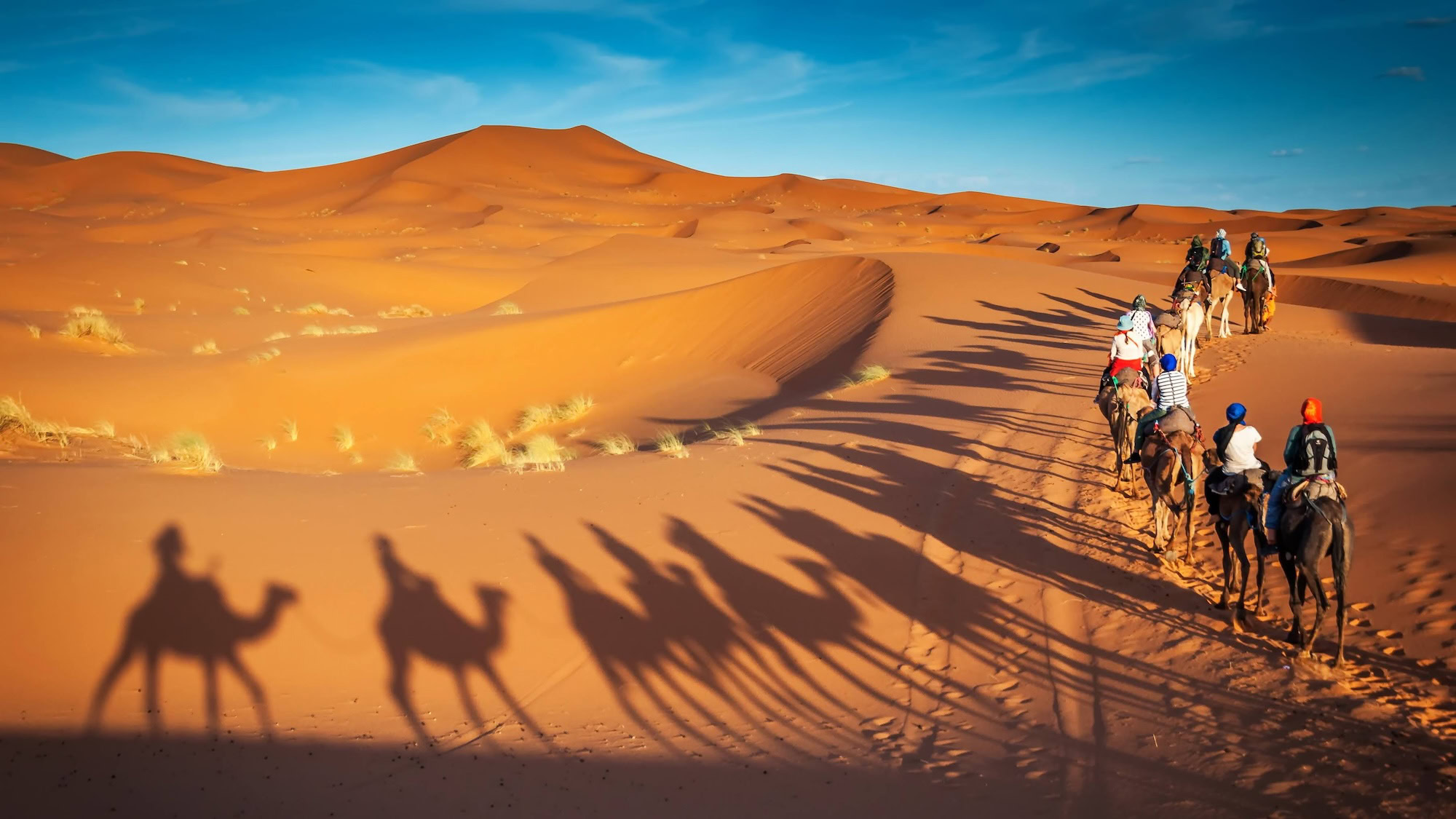
The experience transcends simple transportation. Local guides share stories passed down through generations while you sway with the camel’s steady gait. Photography opportunities abound, especially during golden hour when the entire landscape glows amber.
Luxury Desert Camping Under Stars
Desert camps range from basic Berber tents to luxury accommodations featuring private bathrooms and comfortable beds. We recommend camps that balance authentic atmosphere with modern comfort – think traditional Berber carpets, proper mattresses, and communal areas where travelers gather around fires.
Night in the Sahara offers something impossible in light-polluted cities: absolute darkness punctuated by millions of stars. The Milky Way appears so clearly you can distinguish individual stellar formations. Many camps provide telescopes for stargazing sessions led by knowledgeable guides.
Sunrise Experiences You’ll Never Forget
Desert sunrise ranks among Morocco’s most magical moments. Wake early (around 5:30 am / 05:30) to climb nearby dunes before dawn breaks. The silence feels profound – no traffic, no bustling crowds, just wind-carved sand extending toward the horizon.
As the sun emerges, watch the landscape transform from deep purple shadows to brilliant orange peaks. Temperatures shift dramatically, so bring layers. Many travelers describe this as their trip’s defining moment.
Imperial Cities: Living History Everywhere
Morocco’s four imperial cities – Marrakech, Fez, Meknes, and Rabat – showcase centuries of Islamic architecture and cultural heritage.
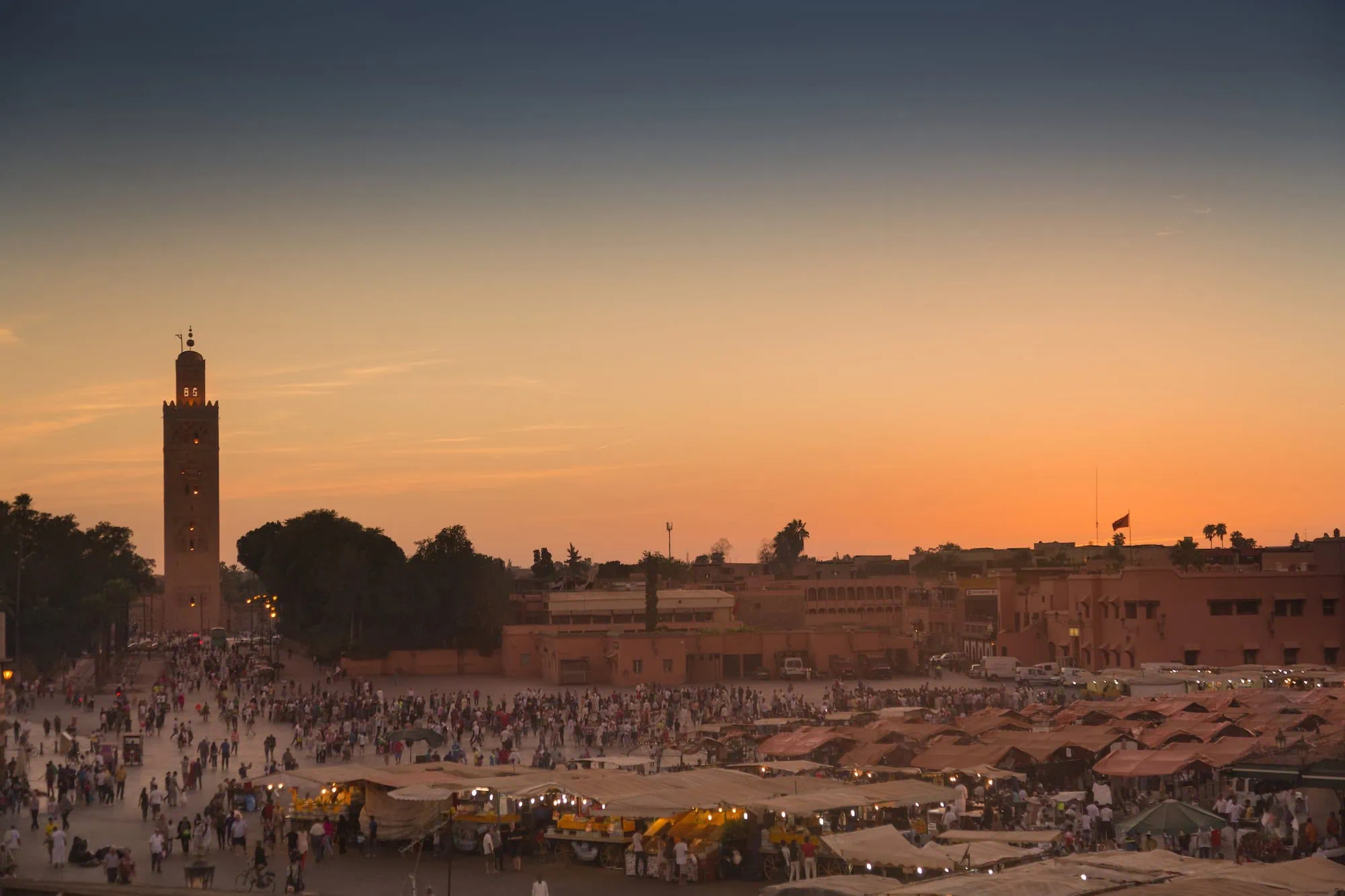
Marrakech captivates visitors from the moment they enter Jemaa el-Fnaa, the world-famous square that transforms throughout the day. Morning brings fresh orange juice vendors and snake charmers. Afternoon sees storytellers gathering crowds with animated tales told in Arabic and French. Evening transforms the space into an open-air restaurant where the aroma of grilled meats and tagines fills the air. The energy never stops, creating Morocco’s most dynamic urban experience.
The city’s souks spread through narrow alleys where centuries-old trading traditions continue unchanged. Local artisans craft leather goods, metalwork, and textiles using techniques their grandfathers taught them. Haggling remains expected – start at roughly one-third of the quoted price and negotiate with good humor. Quality varies significantly, so examine items carefully before purchasing.
Fez presents Morocco’s most intact medieval city, where donkeys still transport goods through passages too narrow for cars. The medina contains over 9,000 streets and alleys, making navigation challenging even for locals. UNESCO recognition protects this remarkable urban fabric that has remained essentially unchanged for 700 years. Private guides prove invaluable here – they know shortcuts, historical context, and which artisan workshops welcome visitors.
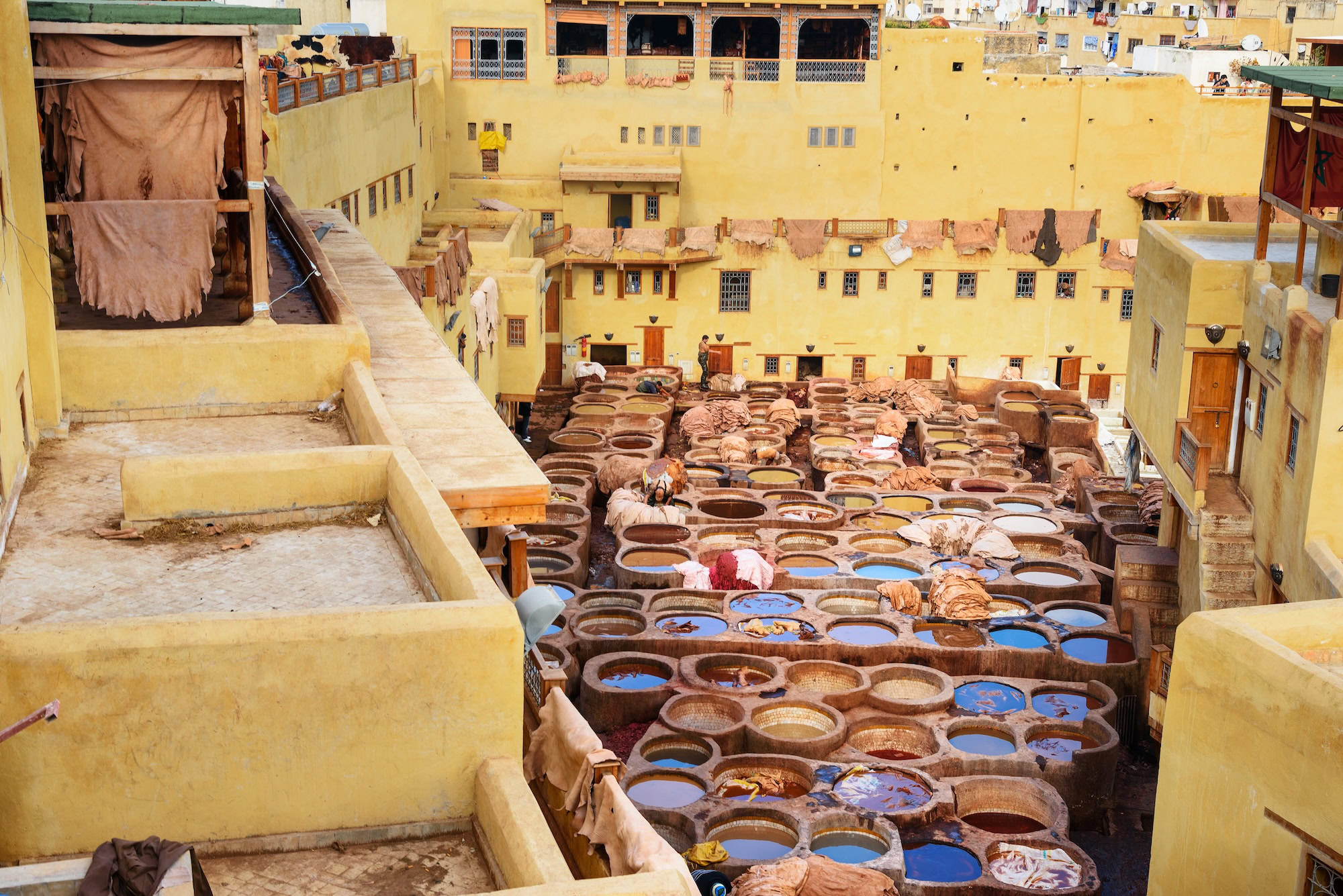
The famous Chouara Tannery offers glimpses into leather-making processes that have persisted for centuries. Workers still use traditional methods involving natural dyes and ancient techniques. The smell can overwhelm sensitive visitors, but the colorful vats create stunning photographs. Many nearby shops sell high-quality leather goods produced using these traditional methods.
Atlas Mountains: Berber Villages and Trails
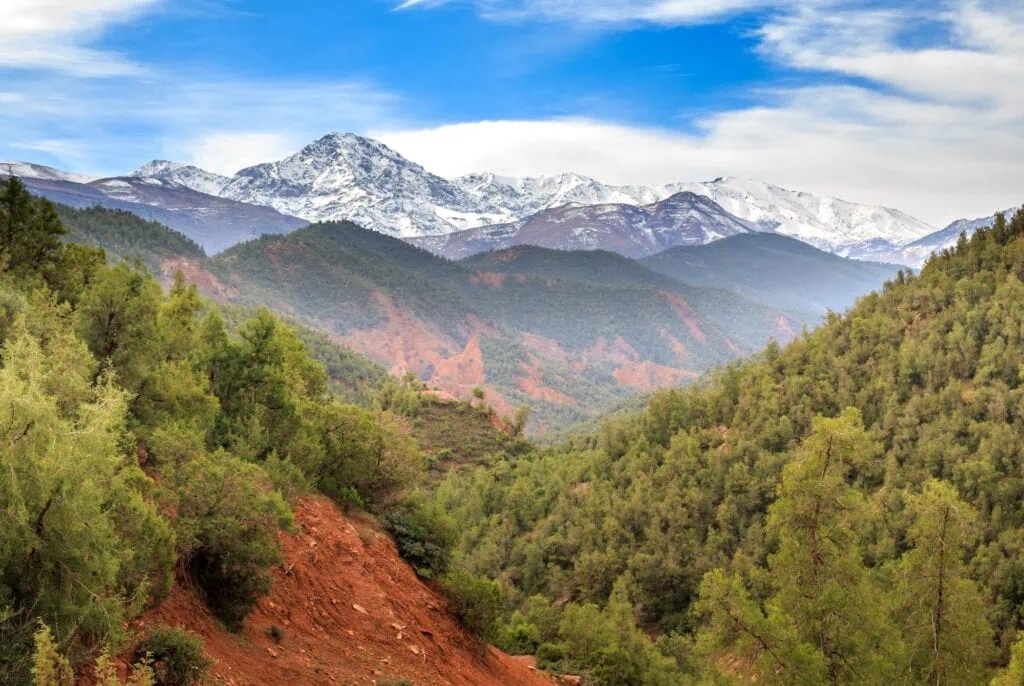
The High Atlas Mountains provide Morocco’s most dramatic scenery, where snow-capped peaks rise above traditional Berber villages.
Toubkal National Park Adventures
Mount Toubkal, North Africa’s highest peak at 4,167 meters (13,671 feet), attracts serious hikers seeking challenging mountain experiences. The standard ascent requires two days with overnight stays in mountain refuges. Base camp at Imlil village (1,740 meters / 5,709 feet) provides final preparation opportunities before the climb begins.
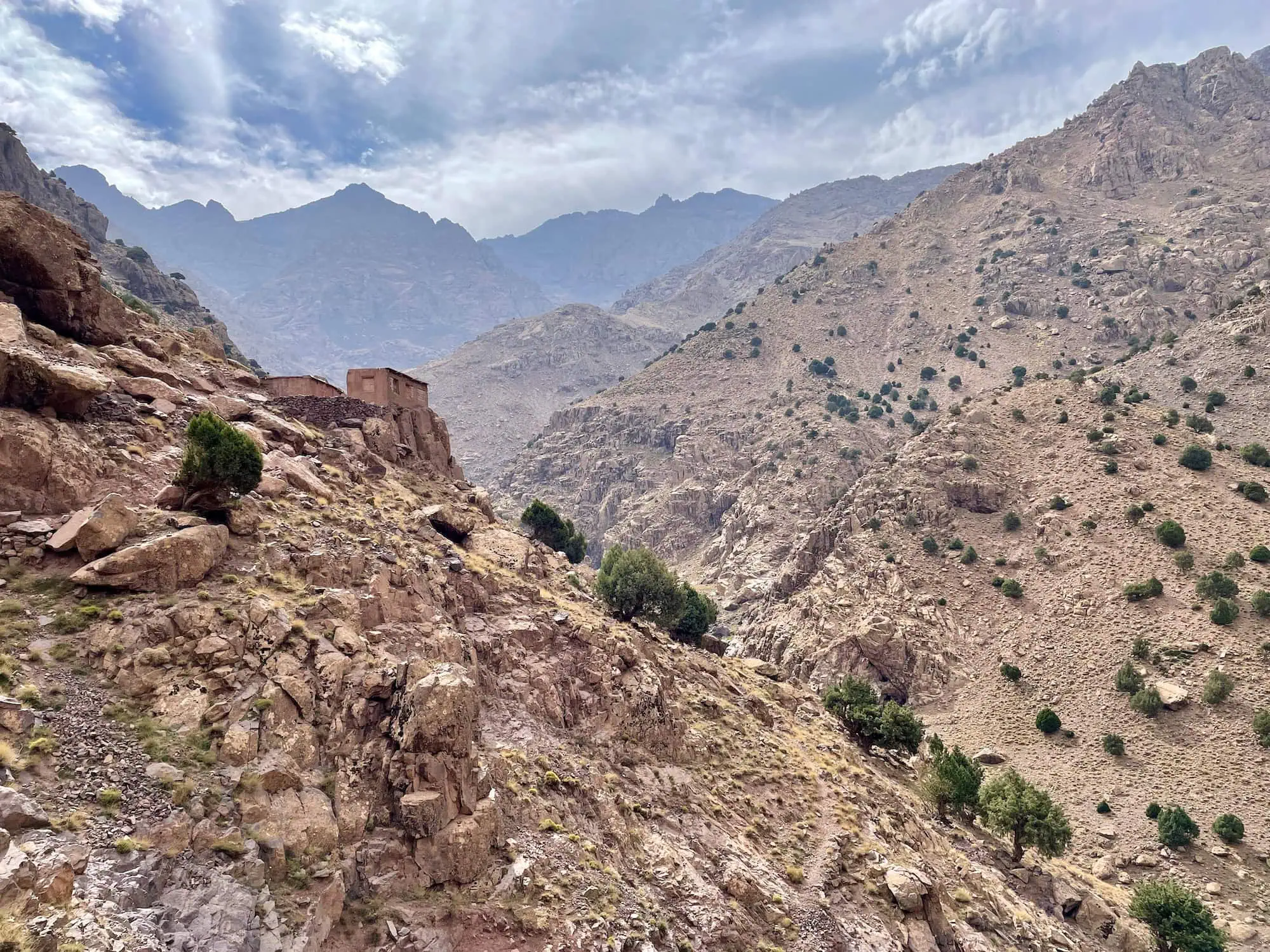
Summer months (June-September) offer the best climbing conditions, though temperatures can still drop below freezing at night. Proper equipment becomes essential – we can arrange mountain guides and gear rental in advance. The summit rewards climbers with panoramic views extending to the Sahara Desert on clear days.
Traditional Berber Villages
Atlas Mountain villages preserve ancient ways of life largely unchanged by modernity. Imlil, Setti Fatma, and Ouirgane offer authentic experiences where Berber hospitality shines. Local families often invite visitors for mint tea and traditional meals featuring tagines cooked in clay pots over wood fires.
Architecture reflects practical mountain living – thick walls provide insulation while flat roofs serve as gathering spaces during warmer months. Many villages feature weekly markets where locals trade goods and socialize. These markets reveal agricultural products grown in mountain valleys: walnuts, apples, and aromatic herbs.
Village walks require moderate fitness levels but reward participants with stunning mountain vistas and cultural encounters. Local guides enhance these experiences by explaining traditional farming techniques, architectural features, and social customs that have sustained these communities for generations.
Coastal Treasures: Ocean Meets Culture
Morocco’s coastline stretches along both Atlantic and Mediterranean waters, offering diverse maritime experiences from surfing beaches to historic port cities.
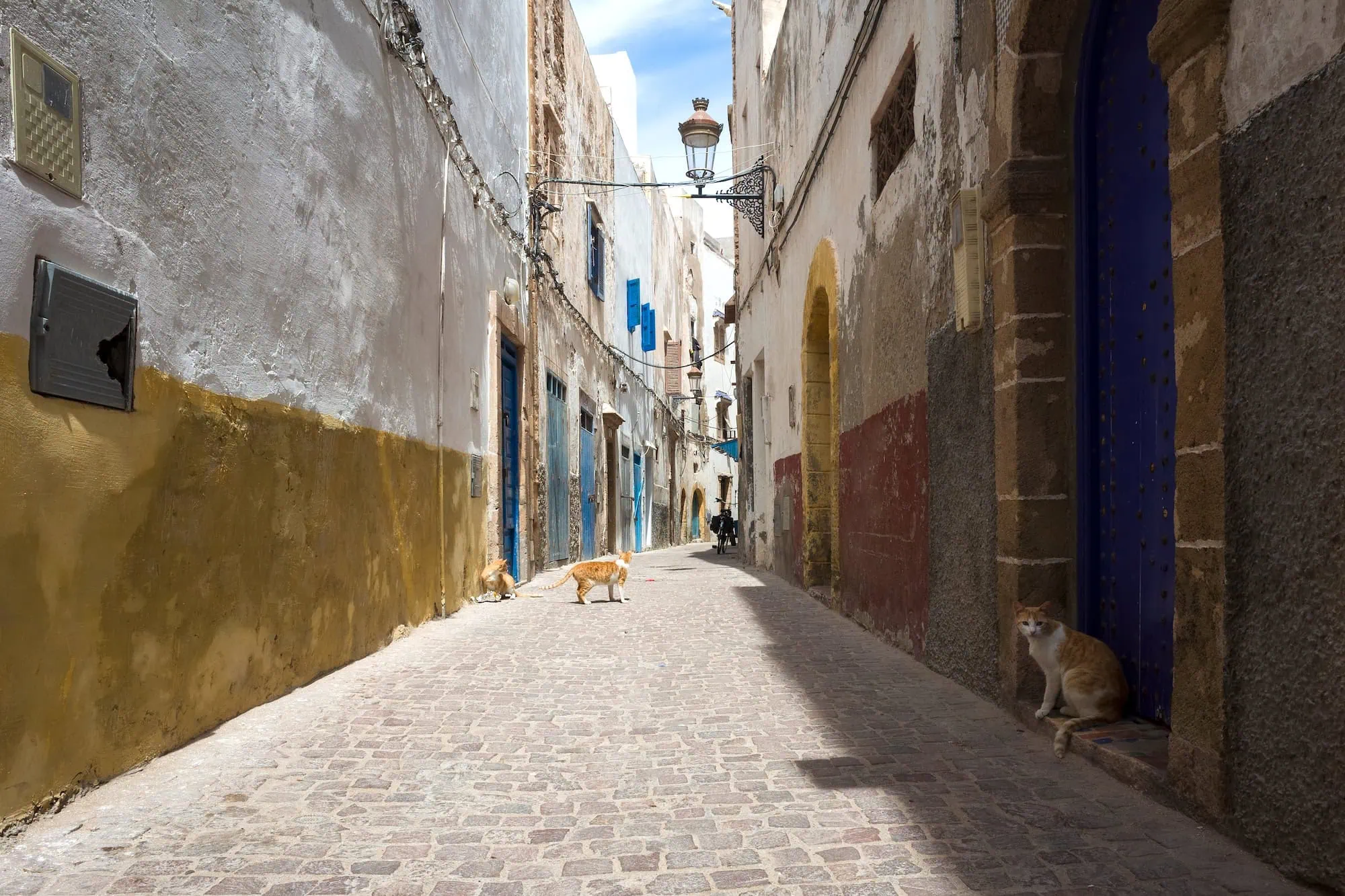
Essaouira stands out as Morocco’s most charming coastal destination, where Portuguese-influenced architecture creates a unique atmosphere. The medina, protected by ancient ramparts, feels more relaxed than inland imperial cities. Wide streets make navigation easier while maintaining historic character. Local artisans specialize in woodworking, particularly items crafted from aromatic thuya wood.
The harbor bustles with traditional fishing boats painted in bright blues and whites. Fresh seafood restaurants line the waterfront where you can watch fishermen return with daily catches. Grilled sardines, sea bream, and prawns prepared with Moroccan spices create memorable dining experiences. Many restaurants allow you to select your fish directly from morning catches.
Casablanca’s Hassan II Mosque represents one of Morocco’s architectural marvels and the only mosque in Morocco that welcomes non-Muslim visitors. The structure incorporates traditional Moroccan craftsmanship with modern engineering – its minaret rises 210 meters (689 feet), making it the world’s tallest. Interior tours reveal intricate zellige tilework, carved cedar ceilings, and marble details that showcase centuries of Moroccan artistic traditions.
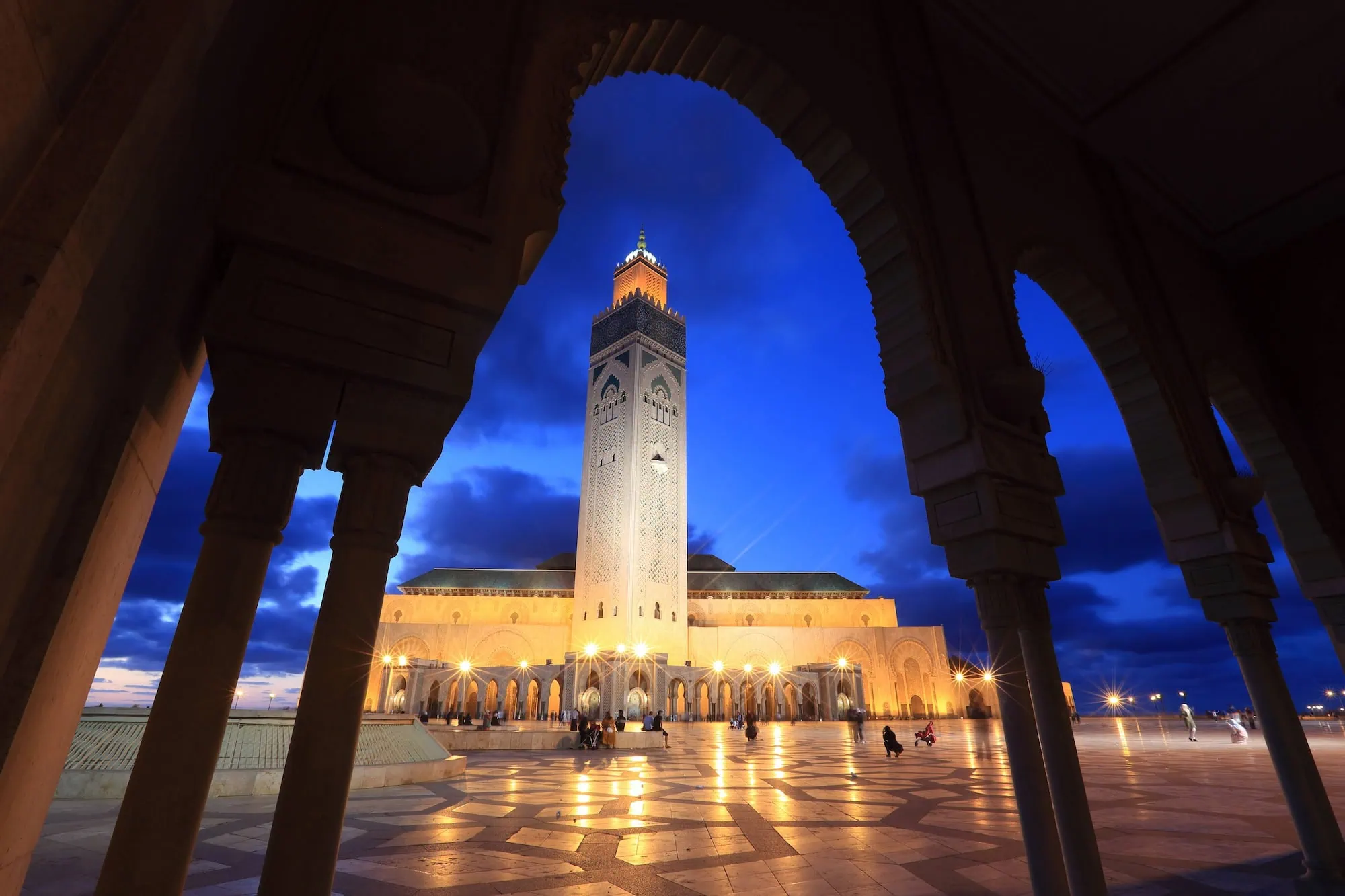
The mosque’s seaside location creates dramatic sunset photography opportunities. Waves crash against the foundation while the call to prayer echoes across the water. Guided tours operate several times daily and provide historical context about Islamic architecture and Moroccan religious traditions.
UNESCO World Heritage Wonders
Morocco contains nine UNESCO World Heritage Sites that preserve the country’s most significant cultural and natural treasures.
Ait Benhaddou: Hollywood’s Favorite
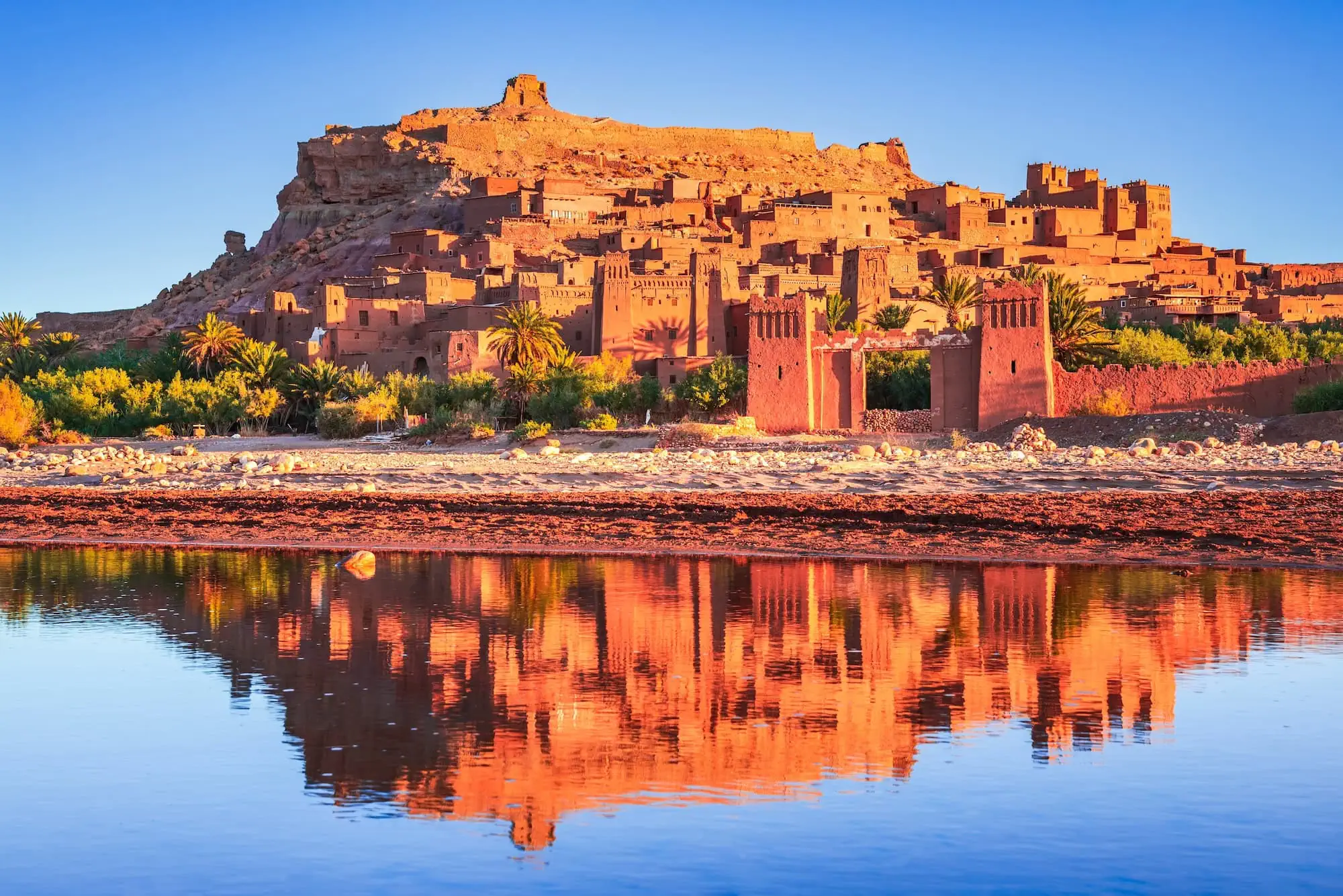
This fortified village has appeared in countless films including Lawrence of Arabia, Gladiator, and Game of Thrones. The earthen clay architecture represents traditional Moroccan building techniques that create naturally climate-controlled living spaces.
Ait Benhaddou sits strategically along ancient caravan routes where traders carrying gold, salt, and slaves once rested. Today, only a few families maintain permanent residence within the kasbah walls, but restoration efforts preserve the structure for future generations. Early morning or late afternoon visits avoid midday heat while providing the best lighting for photography.
Volubilis: Roman Ruins in Morocco
These remarkably preserved Roman ruins showcase Morocco’s diverse historical influences. Occupied from the 3rd century BC through the 11th century AD, Volubilis developed into one of Rome’s southernmost outposts. Intricate mosaics depicting mythological scenes remain largely intact, protected by modern shelters that allow detailed viewing.
The site sprawls across rolling hills 33 kilometers (20.5 miles) from Meknes, making day trips convenient from either Fez or Meknes. Spring wildflowers create colorful carpets around ancient columns and foundations. A small museum displays artifacts discovered during excavations, including coins, pottery, and bronze implements that illuminate daily life during Roman occupation.
Cultural Immersion: Authentic Experiences
Morocco rewards travelers who venture beyond surface attractions to engage with local customs and traditions.
Traditional hammams provide authentic relaxation experiences that have served Moroccan communities for centuries. These public bathhouses operate according to time-honored rituals involving steam rooms, exfoliation, and massage techniques passed through generations. Many hotels offer private hammam services, but neighborhood hammams provide more authentic cultural experiences where locals gather for weekly cleansing rituals.
The process typically involves three rooms with increasing temperatures, culminating in vigorous scrubbing with rough mitts that remove dead skin. Afterwards, relaxation areas serve mint tea while you adjust to normal temperatures. Proper etiquette requires modest swimwear and respect for gender-segregated facilities.
Moroccan cooking classes reveal secrets behind the country’s renowned cuisine. Tagines, named after the cone-shaped clay vessels used for cooking, develop complex flavors through slow braising techniques. Lamb with prunes and almonds represents one classic combination, while chicken with preserved lemons showcases Morocco’s unique preserved citrus preparations.
Spice markets provide ingredients impossible to replicate elsewhere. Ras el hanout, Morocco’s signature spice blend, contains dozens of components including cinnamon, cumin, coriander, and rose petals. Each spice merchant guards their unique formula, creating subtle variations that distinguish one vendor from another.
Adventure Activities Beyond Ordinary
Morocco’s diverse landscapes support adventure sports ranging from desert sandboarding to mountain trekking.
Sandboarding down Sahara dunes offers thrilling alternatives to traditional camel experiences. Several operators near Merzouga provide boards and instruction for beginners. The sport requires similar techniques to snowboarding, though sand provides different friction characteristics. Morning sessions avoid afternoon heat while ensuring optimal sand conditions.
Atlas Mountain hiking encompasses difficulty levels from gentle valley walks to challenging multi-day treks. The Ounila Valley offers moderate hikes through almond groves and traditional villages. More adventurous travelers can attempt circuits connecting multiple mountain villages over several days. Local guides prove essential for navigation and cultural interpretation.
White-water rafting becomes possible during spring months when Atlas Mountain snowmelt feeds rivers throughout central Morocco. The Ourika River provides Class II-III rapids suitable for intermediate paddlers. Professional outfitters ensure safety while maximizing excitement during these seasonal adventures.
When to Visit and Packing
Morocco’s climate varies significantly between desert, mountain, and coastal regions, making packing strategies crucial for comfort.
October through April offers the most comfortable temperatures for desert exploration, with daytime highs around 25°C (77°F) and nighttime lows near 5°C (41°F). Summer desert travel becomes challenging as temperatures exceed 45°C (113°F) during midday hours. Mountain regions remain pleasant year-round, though winter brings snow to higher elevations above 2,000 meters (6,562 feet).
Coastal areas maintain moderate temperatures throughout the year, though Atlantic waters remain cool even during summer months. Essaouira benefits from consistent ocean breezes that moderate temperatures, making it comfortable during Morocco’s hottest months.
Essential packing items include layers for temperature variations, especially in desert regions where 30°C (54°F) swings occur between day and night. Modest clothing proves important for cultural sensitivity – long pants and covered shoulders show respect for local customs while providing sun protection. Comfortable walking shoes with ankle support help navigate uneven surfaces in medinas and mountain trails.
Transportation and Getting Around
Morocco’s transportation infrastructure accommodates various travel styles from budget backpackers to luxury tourists seeking private experiences.
Trains connect major cities efficiently, with comfortable first-class carriages offering air conditioning and reserved seating. The Casablanca-Marrakech route operates frequently throughout the day, covering 237 kilometers (147 miles) in approximately three hours. Fez to Casablanca takes similar time, making these connections convenient for multi-city itineraries.
Private transportation provides maximum flexibility, especially for Atlas Mountain destinations and smaller towns not served by trains. Professional drivers know mountain roads, speak multiple languages, and can adjust schedules based on your interests. Modern vehicles ensure comfort and safety on winding mountain passes and desert tracks.
Domestic flights connect major cities quickly but limit opportunities for scenery appreciation. Royal Air Maroc operates regular services between Casablanca, Marrakech, and Fez. Budget carriers also serve some routes, though schedules may change seasonally.
Frequently Asked Questions
October through March offers optimal desert conditions with comfortable daytime temperatures and cool nights perfect for stargazing.
No permits required for most trails, but hiring local guides ensures safety and supports mountain communities.
Yes, with standard precautions. Dress modestly, stay in reputable accommodations, and consider joining small group tours for added security.
Riads are traditional courtyard houses converted to accommodations, offering authentic architecture while hotels provide modern amenities.
Minimum one week for imperial cities and desert; two weeks allows thorough exploration including mountains and coast.
Arabic and Berber are official languages; French is widely spoken, with English common in tourist areas.
Only Hassan II Mosque in Casablanca allows non-Muslim visitors; others can be admired from outside.
Tagines, couscous, and pastries feature prominently; vegetarian options exist though meat dishes dominate traditional menus.
Quality items range from 50-500 dirhams; always negotiate prices and examine craftsmanship before purchasing.
Yes, 10-15% in restaurants; small amounts for guides, drivers, and helpful locals are appreciated.
Moroccan dirham (MAD) is the currency; credit cards work in hotels and upscale restaurants but cash needed for markets.
Dress modestly, ask permission before photographing people, remove shoes when entering homes, and show interest in local culture.
Design Your Custom Tour
Explore Egypt & Morocco your way by selecting only the attractions you want to visit