Luxor Tour Packages
You’re about to discover why millions choose Luxor as their gateway to ancient Egypt.
This city holds more archaeological treasures per square kilometer than anywhere else on Earth. From the Valley of the Kings where pharaohs rest eternally to the towering columns of Karnak Temple, Luxor offers an unmatched journey through 3,000 years of history. Our comprehensive guide breaks down everything you need to know about selecting the perfect tour package for your Egyptian adventure.
Whether you’re seeking private guided experiences, multi-day explorations, or unique activities like hot air balloon rides over ancient monuments, we’ll help you navigate the options and create memories that last a lifetime.
Essential Luxor Tour Package Types
Most visitors underestimate the variety of tour packages available in Luxor. The options extend far beyond basic sightseeing trips.
Private Day Tours
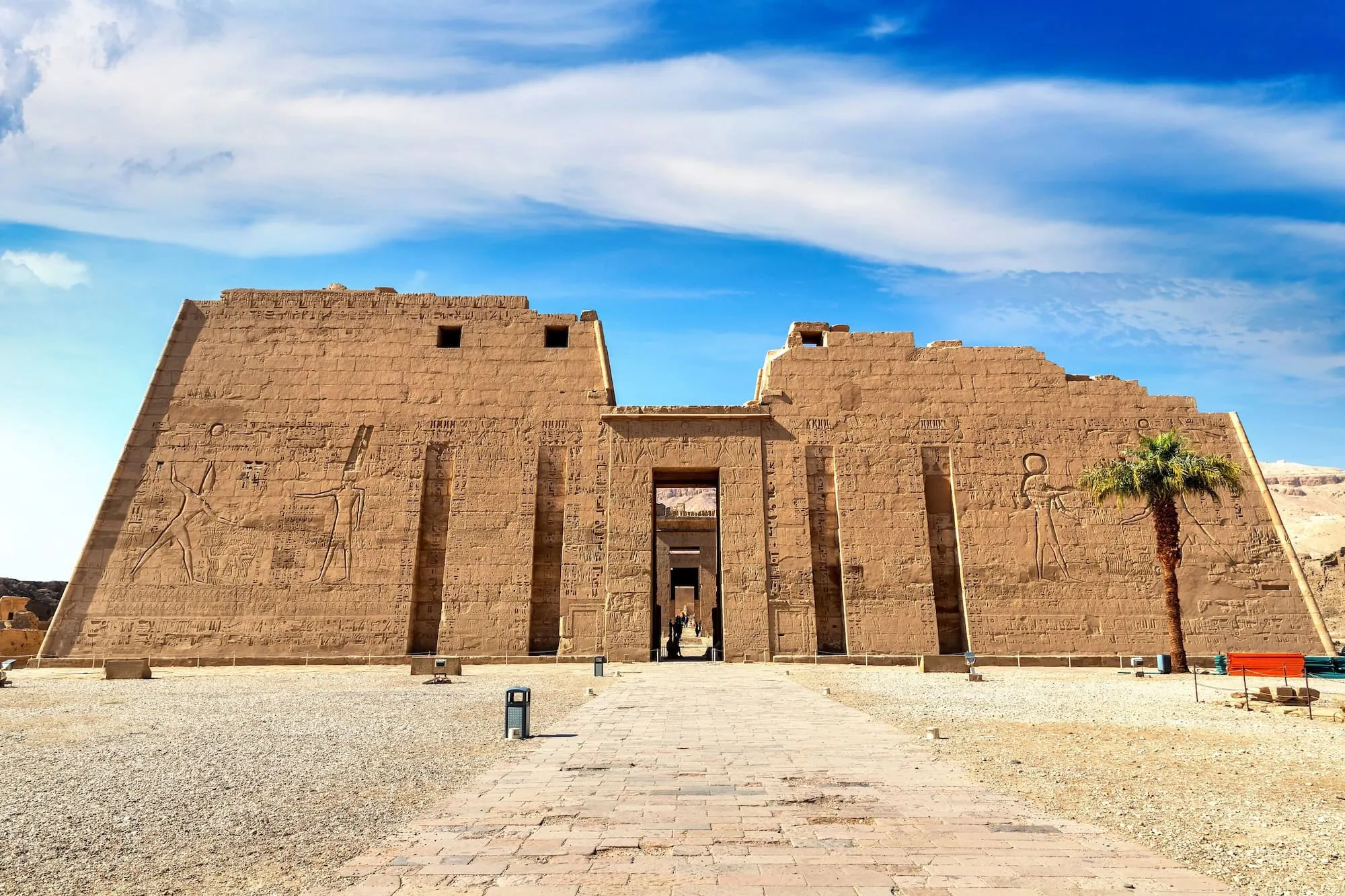
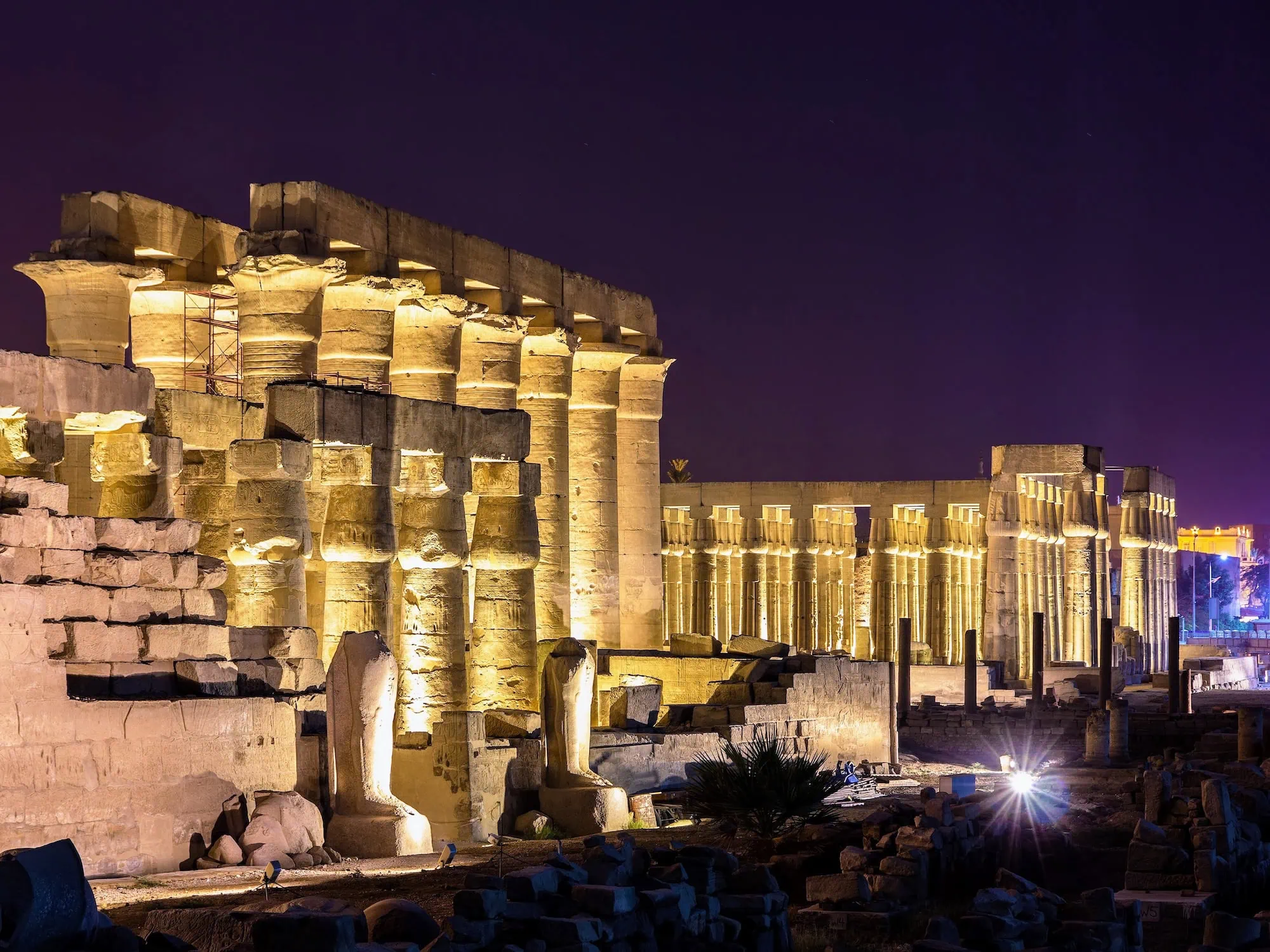
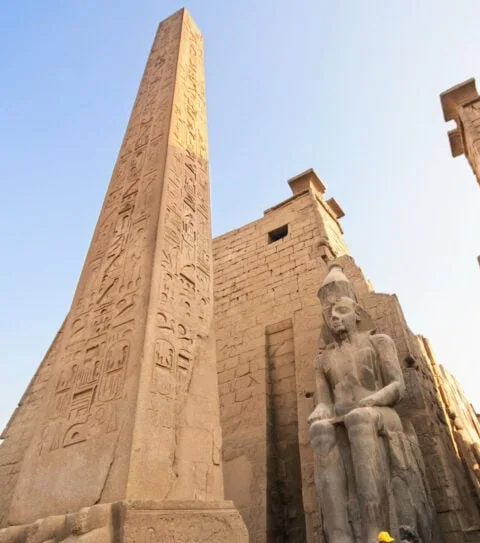
Private tours offer the ultimate flexibility and personalized attention. You’ll work directly with qualified Egyptologists who bring ancient stories to life through detailed explanations and historical context. These packages typically include the Valley of the Kings, Luxor Temple, and Karnak Temple Complex in a single day.
The advantage lies in customized pacing and exclusive access to your guide’s expertise. Groups remain small, often just your party, allowing for deeper questions and focused learning. Transportation comes via air-conditioned vehicles with professional drivers who know the best routes and timing for each site.
Multi-Day Combination Packages
Five-day packages combining Cairo and Luxor represent exceptional value for international travelers. These comprehensive tours include domestic flights, accommodation, and guided visits to both destinations’ major attractions.
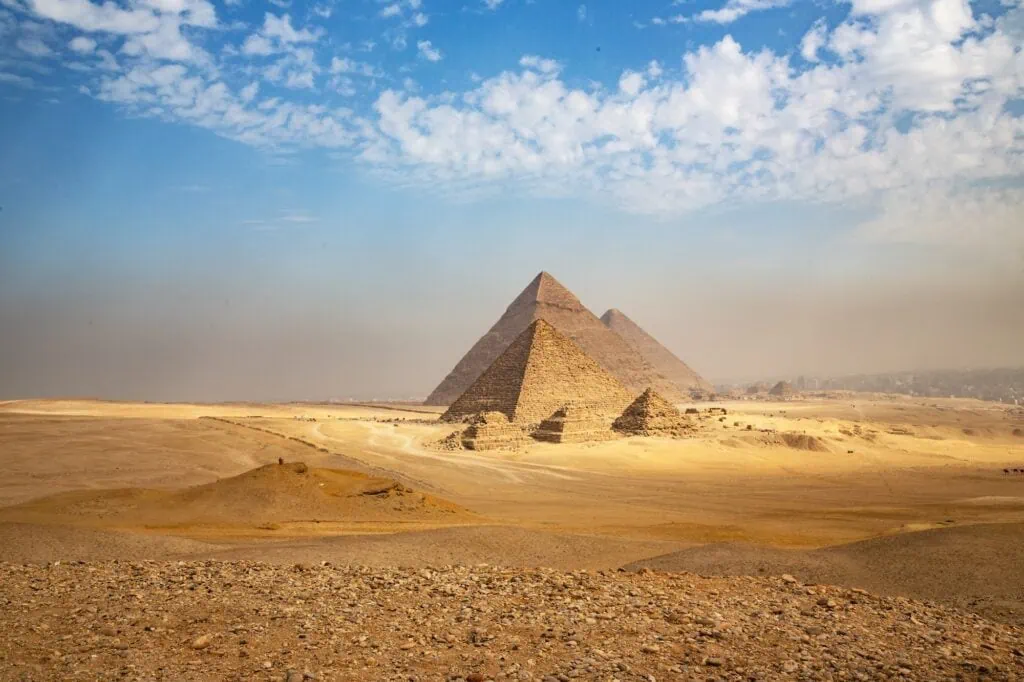
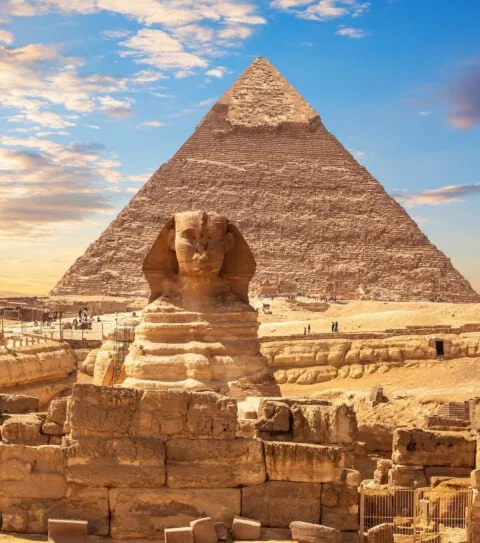
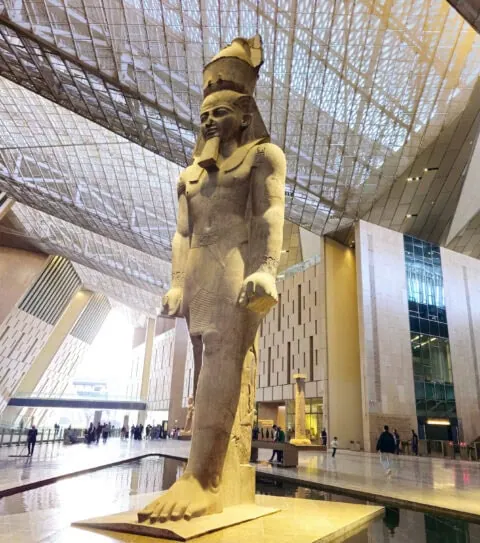
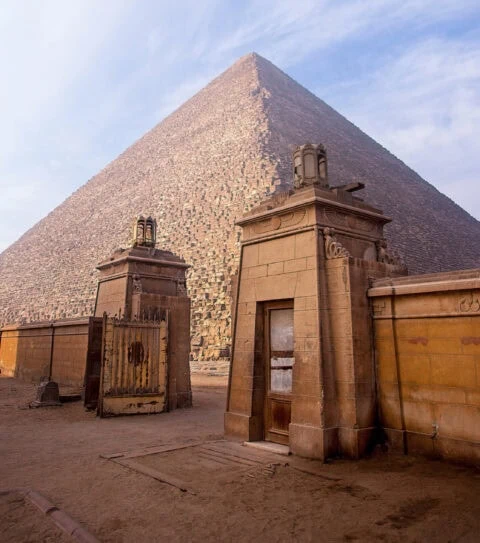
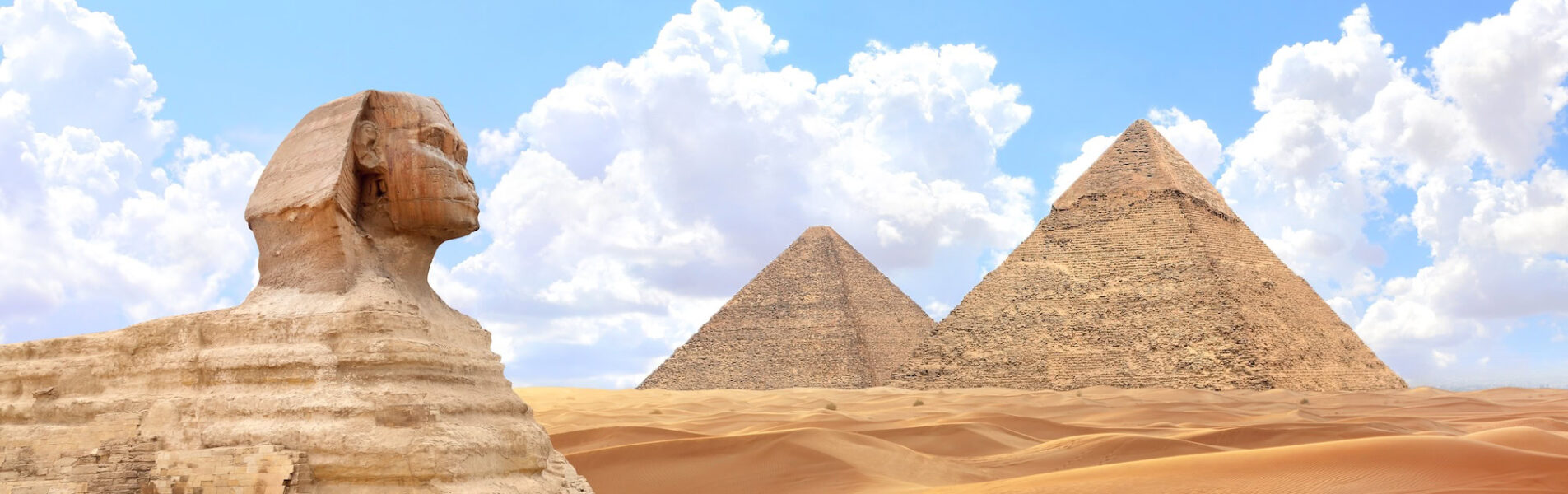
You’ll experience the Giza Pyramids Complex and Grand Egyptian Museum in Cairo before flying south to explore Luxor’s west and east bank monuments. The seamless logistics eliminate travel planning stress while maximizing your time at each location.
Nile Cruise Integration
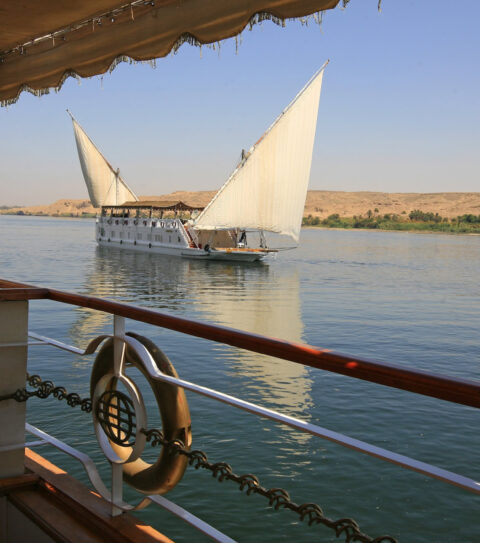
Three to four-day Nile cruise packages between Luxor and Aswan create unforgettable cultural immersion experiences. These floating hotels provide comfortable accommodation while visiting temples at Edfu, Kom Ombo, and Dendera along the river route.
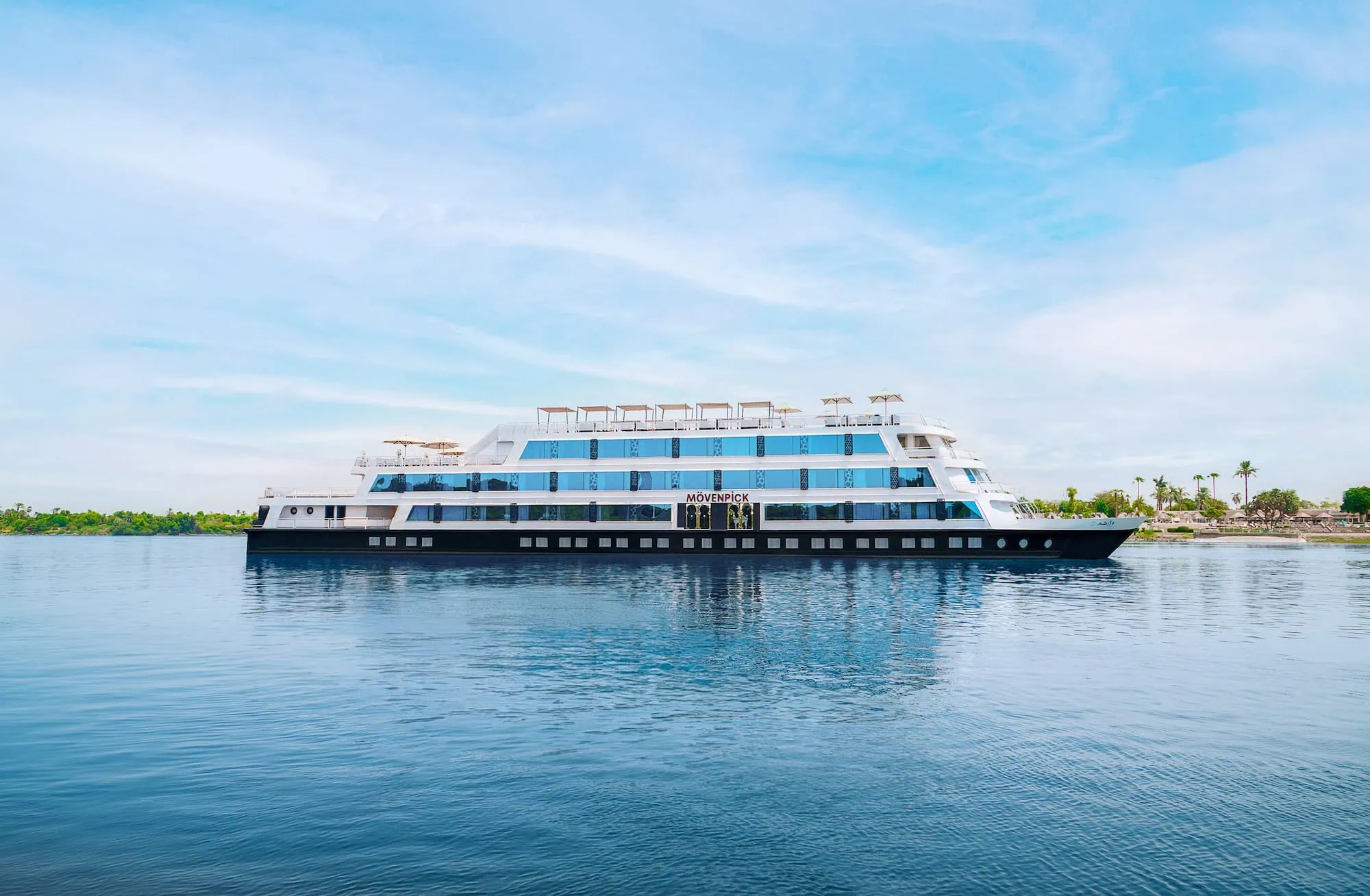
Meals, entertainment, and guided excursions are included, though note that cruise excursions operate as small group experiences with up to 12 participants. This maintains an intimate atmosphere while keeping costs reasonable for travelers seeking comprehensive Nile Valley exploration.
Premium Luxury Travel Experiences
Sunrise hot air balloon rides over Luxor’s archaeological sites create once-in-a-lifetime memories that justify their premium pricing.
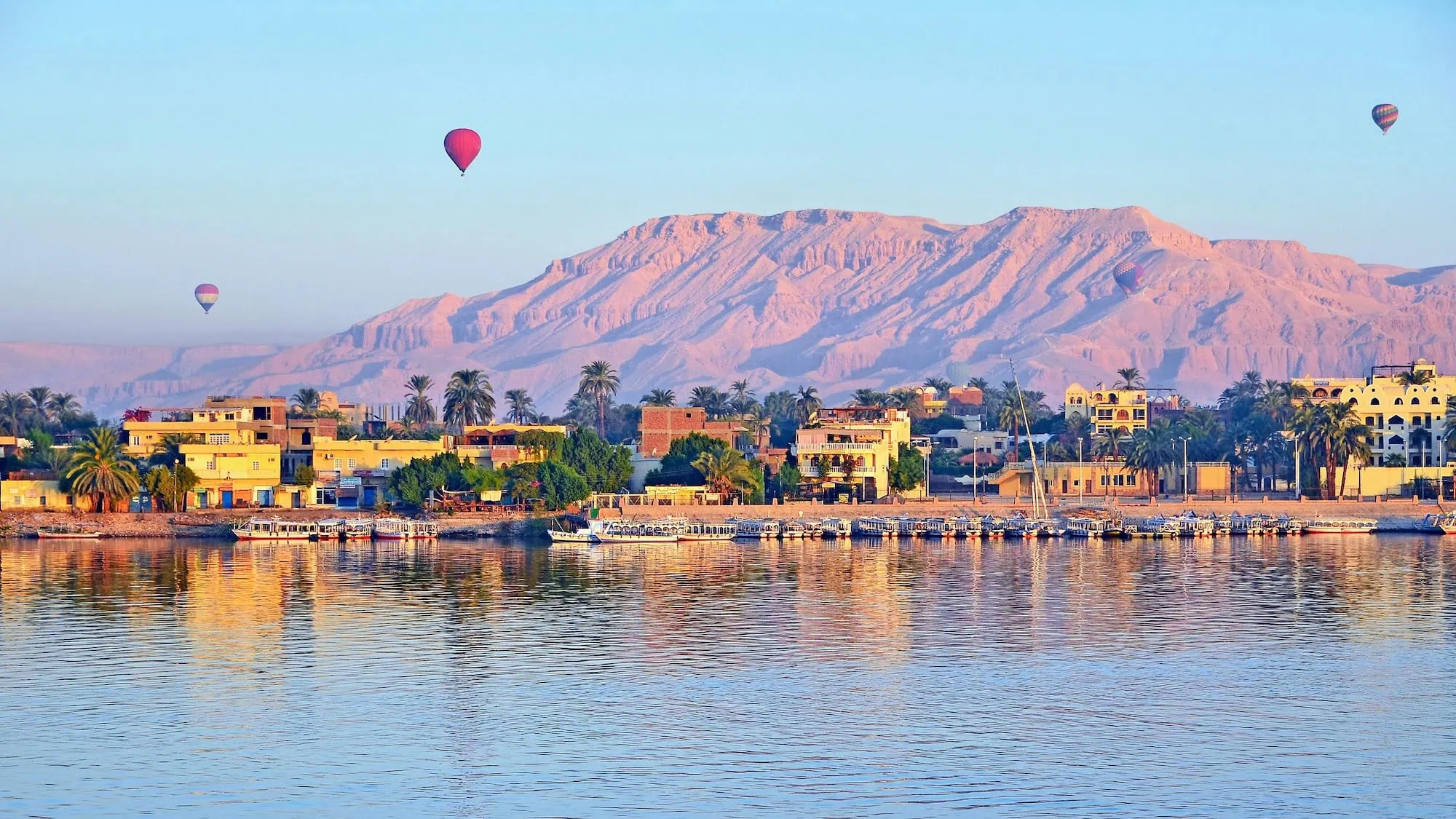
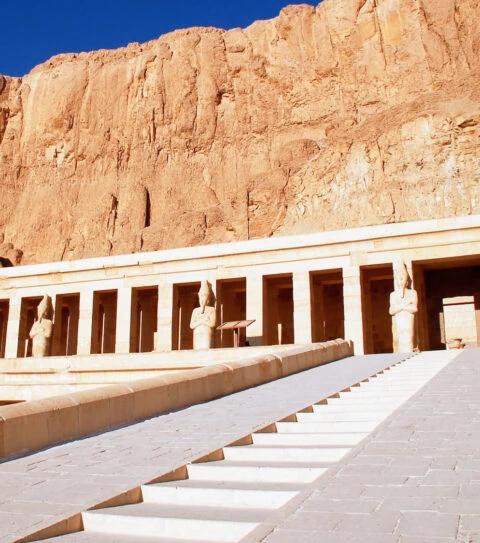
These early morning flights launch at dawn, providing spectacular aerial views of the Valley of the Kings, Hatshepsut Temple, and Memnoncolossi as golden light illuminates the desert landscape. Professional balloon operators maintain strict safety standards while offering champagne celebrations upon landing. The entire experience lasts approximately three hours, including hotel transfers and flight time of 45-60 minutes.
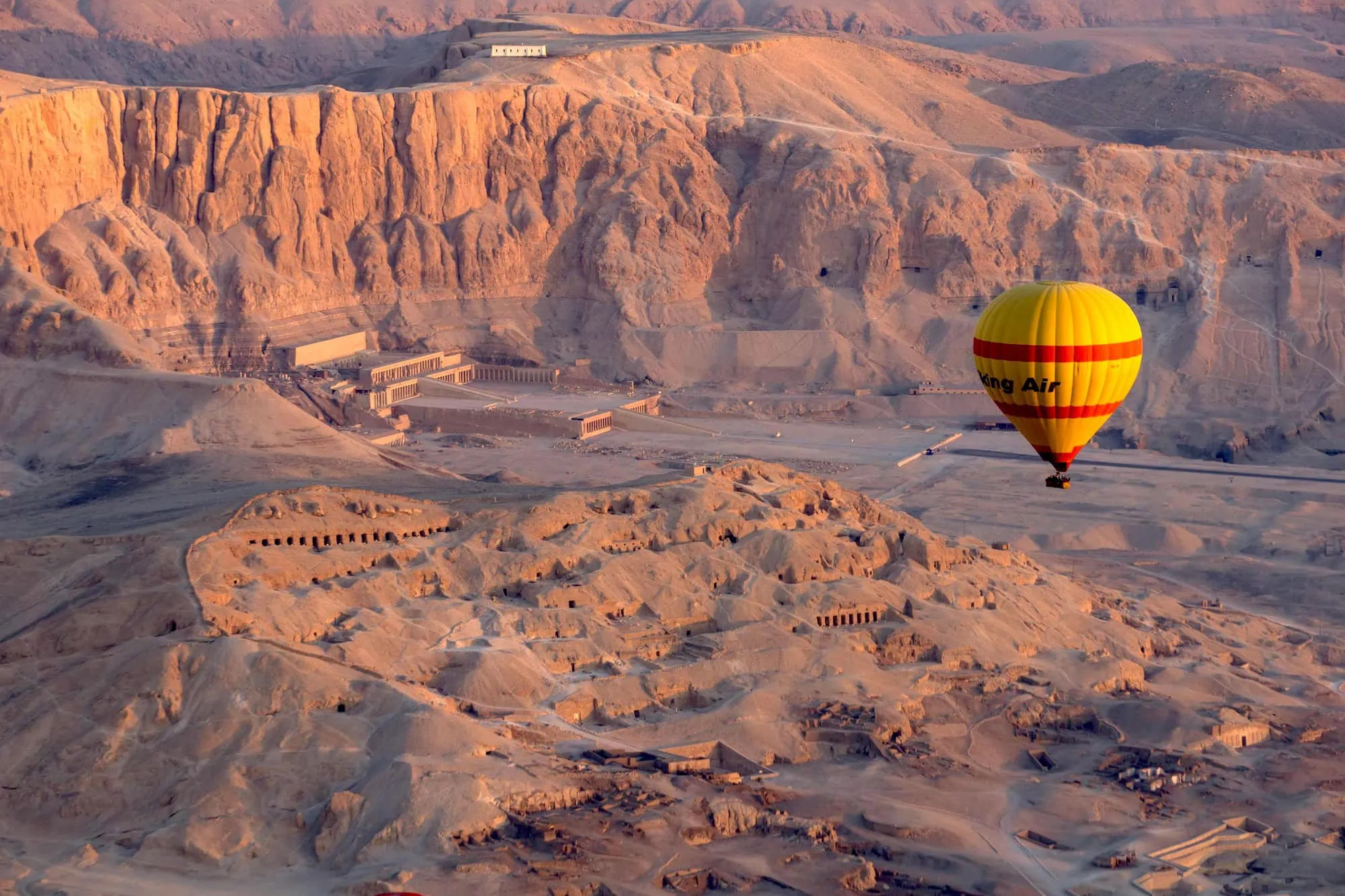
Many travelers combine balloon rides with full-day ground tours for maximum impact. This pairing allows you to appreciate Luxor’s monuments from both aerial and ground perspectives in a single day. We recommend booking balloon flights early in your stay as weather conditions can cause cancellations, and having backup days ensures you don’t miss this extraordinary experience.
Luxury packages often include five-star hotel accommodation, private transfers, and exclusive dining experiences. These elevated offerings justify higher costs through superior service, comfort, and access to premium facilities throughout your stay.
Practical Planning and Logistics
Smart travelers allocate minimum three days for Luxor to avoid rushed experiences. Single-day visits barely scratch the surface of available monuments and cultural sites.
The optimal timeframe spans four to five days, allowing thorough exploration of both west bank tombs and east bank temples. This duration includes rest periods between intensive touring days and flexibility for additional activities like hot air ballooning or Nile dinner cruises. Longer stays of seven days or more accommodate extended Nile cruise experiences or day trips to nearby destinations like Dendera Temple.
Weather considerations significantly impact touring comfort. Winter months from November through February offer ideal temperatures averaging 24°C (75°F) during the day and 10°C (50°F) at night. Summer temperatures regularly exceed 40°C (104°F), making early morning and late afternoon tours essential for comfort and safety.
Transportation and Airport
Luxor International Airport connects directly to Cairo, with multiple daily flights reducing travel time to just over one hour. International visitors typically fly into Cairo first, then take domestic connections to Luxor.
Private airport transfers eliminate taxi negotiations and ensure reliable transportation to your hotel. Professional drivers familiar with tourist schedules provide punctual service and local insights during the 20-minute journey from airport to city center.
Hotel Integration Benefits
Tour packages including accommodation offer significant savings compared to booking components separately. Bundle discounts often reach 20-30% below individual pricing while guaranteeing compatible logistics between hotels, tours, and transportation.
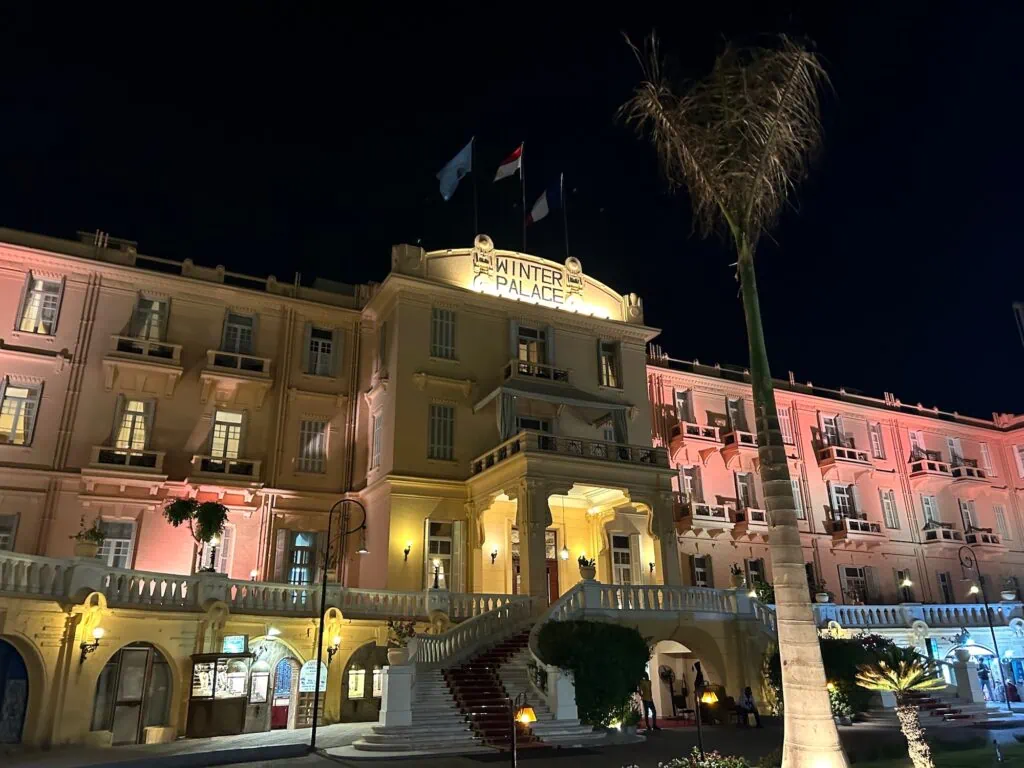
Five-star properties like Winter Palace and Sofitel provide luxury amenities including pools, spas, and Nile views. Mid-range options maintain comfort standards while reducing costs for budget-conscious travelers. Location matters significantly – hotels near Luxor Temple offer walking access to attractions and local restaurants.
Specialized Tour Extensions
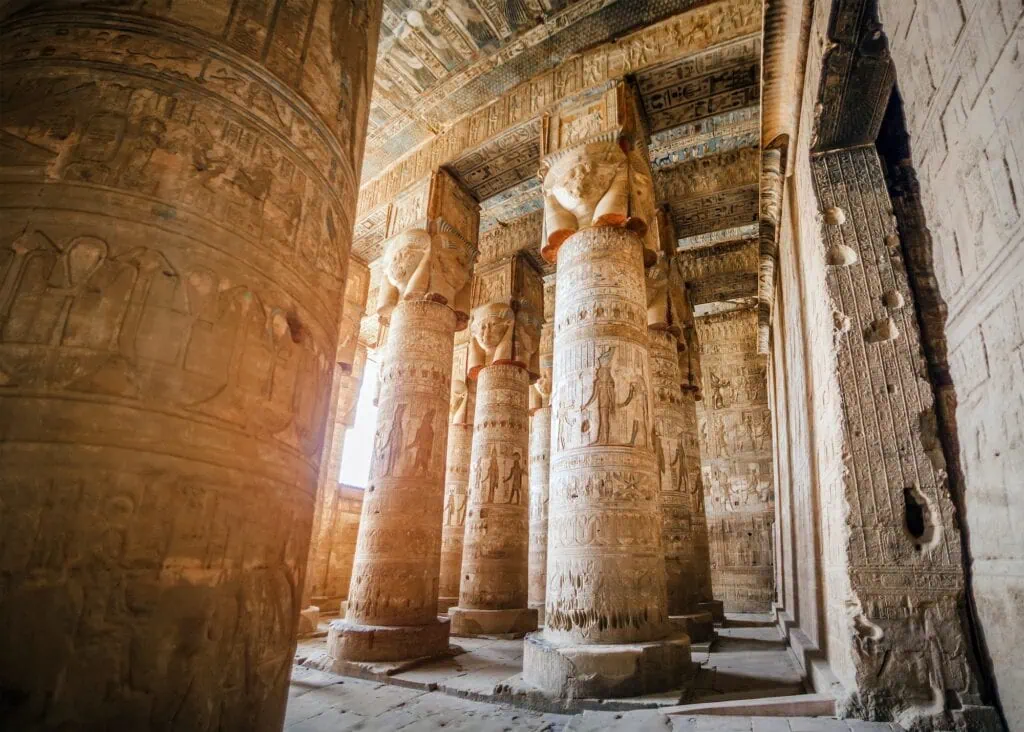
Dendera Temple day trips from Luxor reveal some of Egypt’s best-preserved ancient artwork and astronomical ceiling decorations.
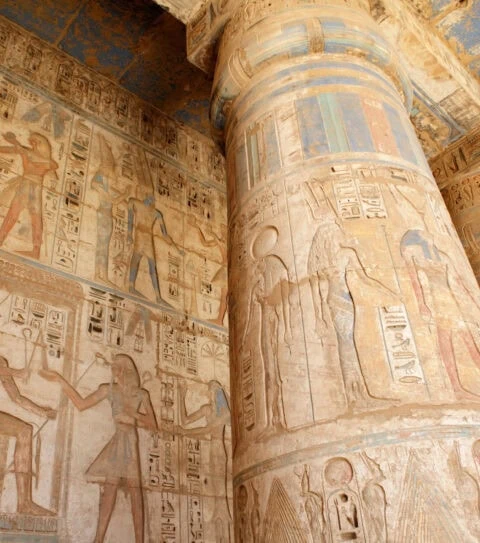
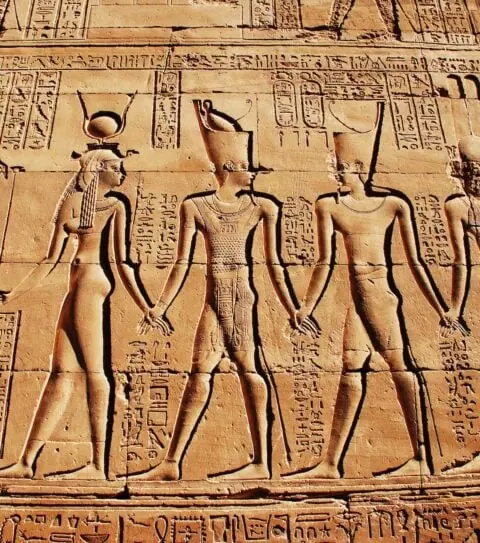
This 90-minute drive north takes you to a Ptolemaic temple complex dedicated to Hathor, goddess of love and music. The site receives fewer visitors than Luxor’s main attractions, creating more peaceful exploration opportunities. Well-preserved hieroglyphics and colorful reliefs showcase artistic techniques that survived over 2,000 years.
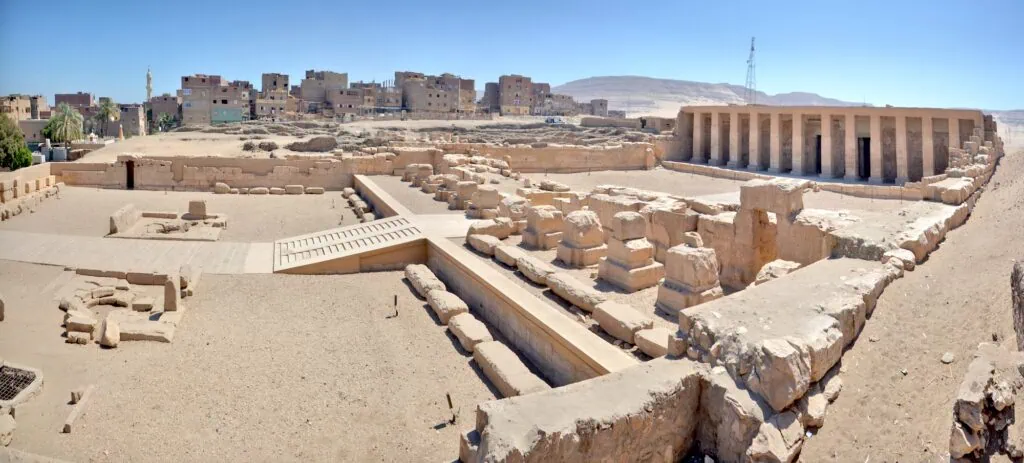
Combined Dendera and Abydos tours maximize travel time by visiting two significant temples in a single day. Abydos contains the famous King List of Seti I, providing historical context for pharaonic chronology. These extended tours require full days but offer deeper understanding of ancient Egyptian religious practices and artistic evolution.
Day trips to Aswan expand your Nile Valley experience without requiring overnight stays. The three-hour journey south passes rural Egyptian villages and agricultural landscapes rarely seen by tourists. Aswan’s attractions include the Philae Temple complex, relocated to Agilkia Island after the construction of the High Dam.
Understanding Costs and Value
Tour package pricing varies dramatically based on group size, accommodation standards, and included services. Budget-conscious travelers can expect day tours starting from $80-120 per person for small group experiences.
Private tours command premium pricing, typically 50-100% higher than group alternatives, but deliver personalized attention and flexible scheduling worth the investment for many visitors. Multi-day packages offer better per-day value as transportation, guide services, and accommodation bundle efficiencies reduce individual component costs.
International flight and hotel combinations through travel platforms can generate savings exceeding $1,000 per person compared to separate bookings. These packages particularly benefit first-time visitors to Egypt who prefer coordinated logistics over independent travel planning.
Seasonal pricing fluctuations affect tour costs significantly. Peak season from December through February commands highest prices while summer months offer substantial discounts despite challenging weather conditions. Shoulder seasons in spring and fall balance reasonable pricing with comfortable touring conditions.
Hidden costs often surprise budget planners. Entry fees to tombs in the Valley of the Kings require separate payments ranging from $10-50 per tomb depending on significance and preservation status. Photography tickets add $5-20 per site. Tipping for guides, drivers, and service staff follows local customs but can accumulate to $30-50 per day for private tours.
Frequently Asked Questions
We recommend minimum three days to cover major attractions without rushing.
Transportation, professional guide services, entrance fees, and hotel transfers are typically included.
November through February offers ideal weather with comfortable daytime temperatures around 24°C.
Private tours provide personalized attention and flexible pacing worth the 50-100% premium.
Multi-day packages commonly combine Luxor with Cairo, Aswan, or Nile cruises.
We recommend booking 2-4 weeks ahead for standard tours, longer for premium experiences.
Dawn flights provide spectacular aerial views of Valley of Kings with champagne celebrations.
Nile cruises offer family-friendly accommodation with small group shore excursions for quality.
Summer heat limits touring times while winter offers optimal weather but higher prices.
East bank features living temples like Karnak while west bank contains tombs.
Most comprehensive packages include airport transfers while day tours may require separate arrangements.
Private tour operators offer significant customization options for routes and timing.
Design Your Custom Tour
Explore Egypt your way by selecting only the attractions you want to visit