

Pera District In Istanbul – The City’s Most Vibrant Area
The heartbeat of modern Istanbul lives in the cobblestone streets of Pera.
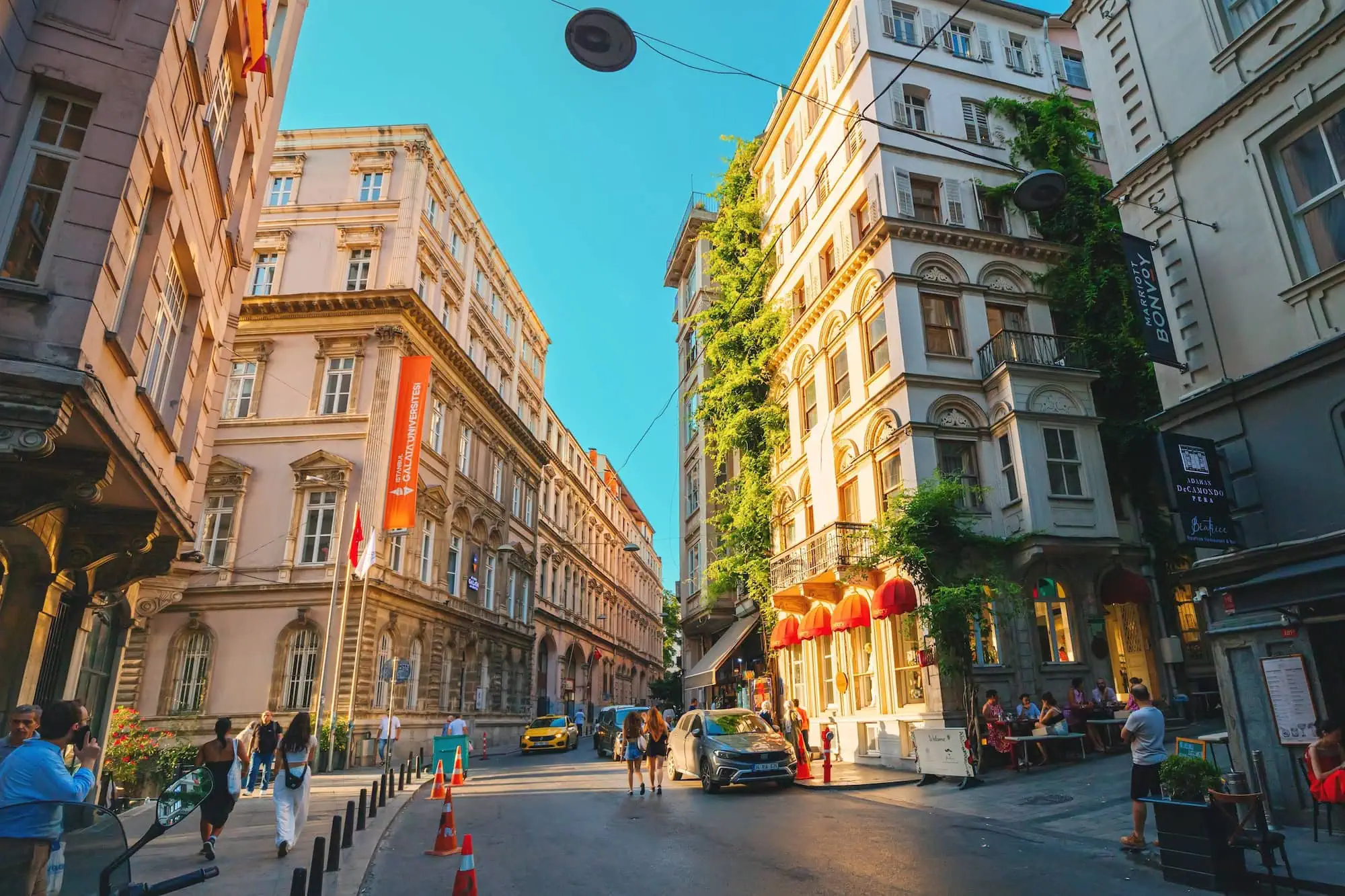
This dynamic neighborhood has witnessed centuries of transformation—from Byzantine trade routes to Ottoman elegance—and today stands as a cultural crossroads where East meets West. Its unique atmosphere blends historic architecture with contemporary creativity, offering everything from art galleries and theaters to traditional cafés and European-style patisseries.
Pera District can be included in our Egypt and Turkey Travel Packages, where Istanbul’s cultural neighborhoods are combined with its iconic landmarks and Egypt’s ancient wonders for a rich and immersive travel experience.
Exploring Pera reveals layers of history at every turn, where old churches stand beside modern venues and heritage meets innovation. With extensive experience guiding travelers through Istanbul, we know this district offers a deeper, more authentic connection to the city’s cultural identity.
Table of Contents
Historic Evolution: From Genoese Colony to Cultural Capital
Pera’s story begins in the 13th century when Genoese traders established their settlement across the Golden Horn from Constantinople. The Byzantine Empire granted these merchants special privileges, allowing them to create what would become one of the most cosmopolitan quarters in the Eastern Mediterranean.
Medieval Foundations and Ottoman Integration
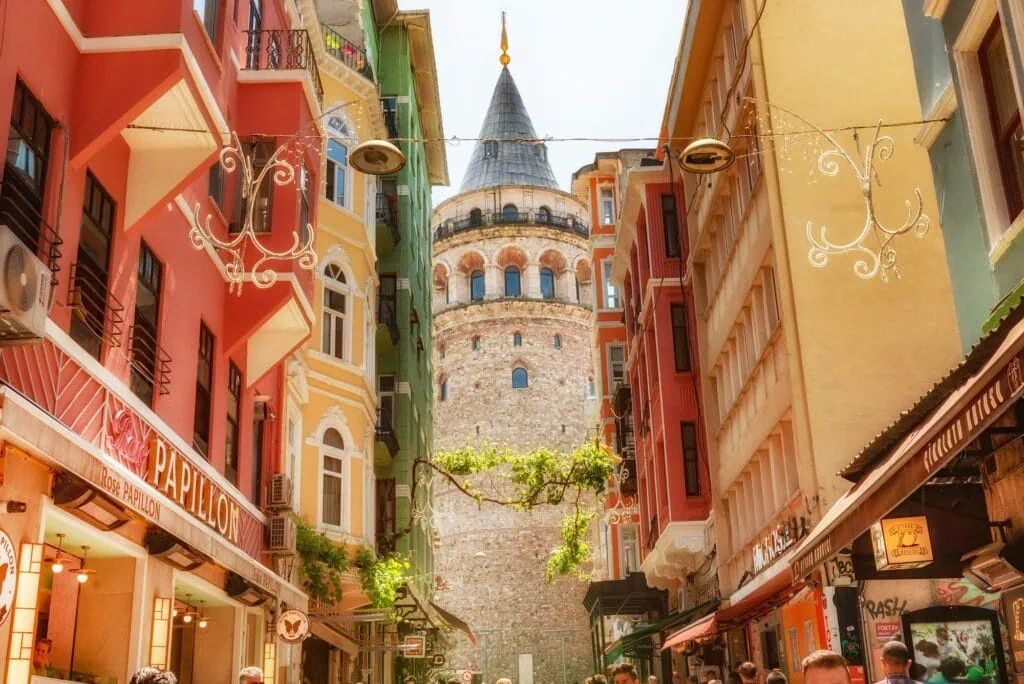
The Genoese built the iconic Galata Tower in 1348, which still dominates the skyline today. Their colony thrived on maritime trade, connecting Constantinople to European markets. When the Ottomans conquered the city in 1453, they wisely preserved this commercial hub rather than destroying it.
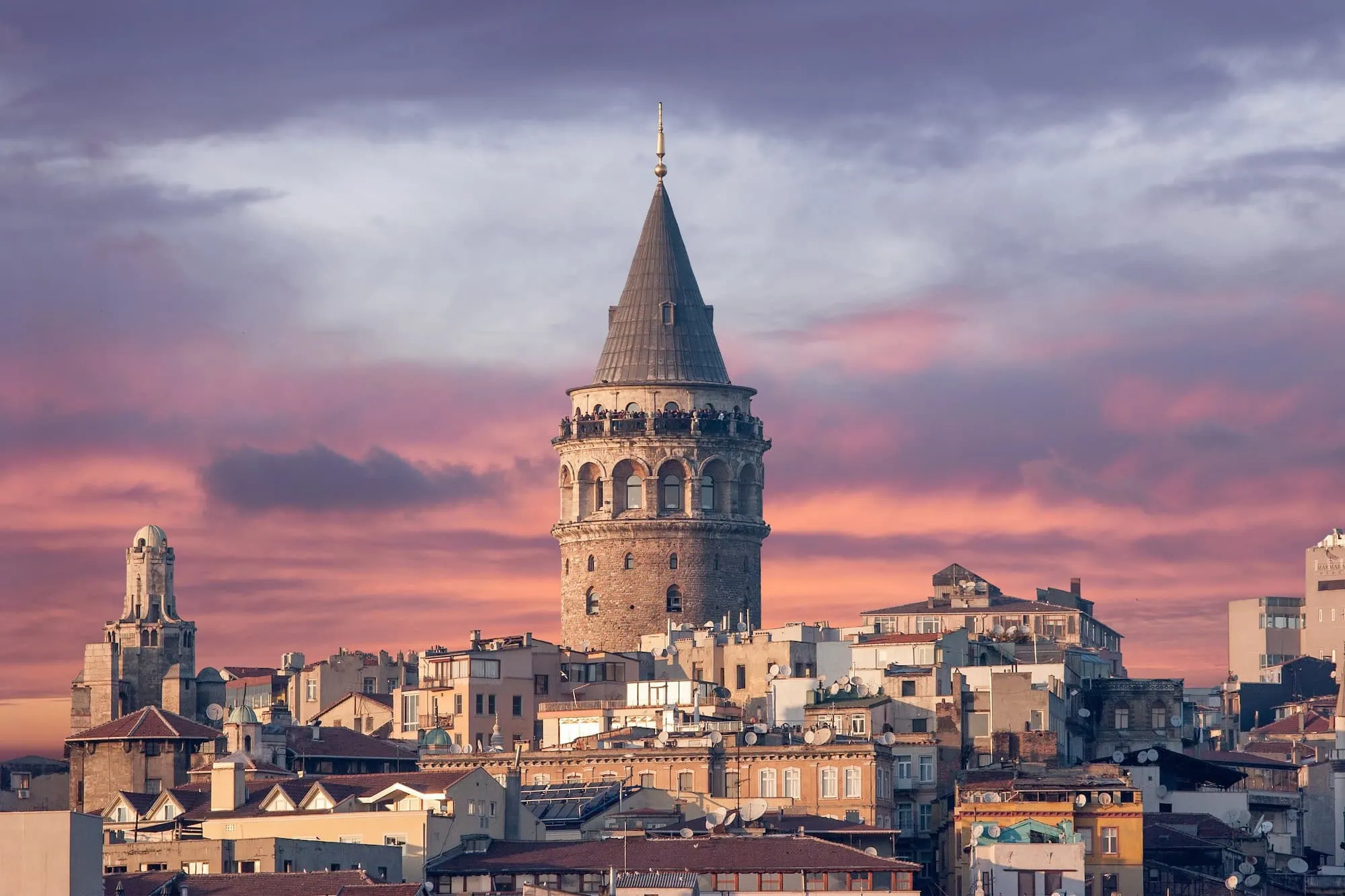
Ottoman rulers encouraged foreign merchants, diplomats, and artisans to settle in Pera. By the 19th century, the population was largely composed of foreigners of European origin – French, Italian, British, and Austrian families who built embassies, schools, and churches that still define the neighborhood’s architectural character.
The Grand Transformation Era
The construction of the Orient Express terminus at Sirkeci Station in 1889 connected Pera directly to European capitals. Wealthy Ottoman officials and foreign dignitaries flocked to the area, creating demand for luxury hotels like the famous Pera Palace Hotel, where Agatha Christie penned parts of “Murder on the Orient Express.”
Republican Modernization
After the Turkish Republic was established in 1923, the main thoroughfare Grand Rue de Pera was renamed Istiklal Caddesi (Independence Street). This symbolic change marked the beginning of modern Turkey’s cultural renaissance, with Pera leading the transformation.
Architectural Marvels and Cultural Landmarks
Walking through Pera feels like stepping into an open-air museum. Every building tells a story of cultural exchange, religious diversity, and architectural innovation.
The neighborhood showcases an extraordinary variety of churches representing different Christian denominations. Santa Maria Draperis, built by Franciscan friars in 1789, stands alongside the massive Sankt Anton Catholic Church. Jewish heritage lives on in the Neve Shalom Synagogue, while the architecture reflects Italian, French, and Austro-Hungarian influences throughout the district.
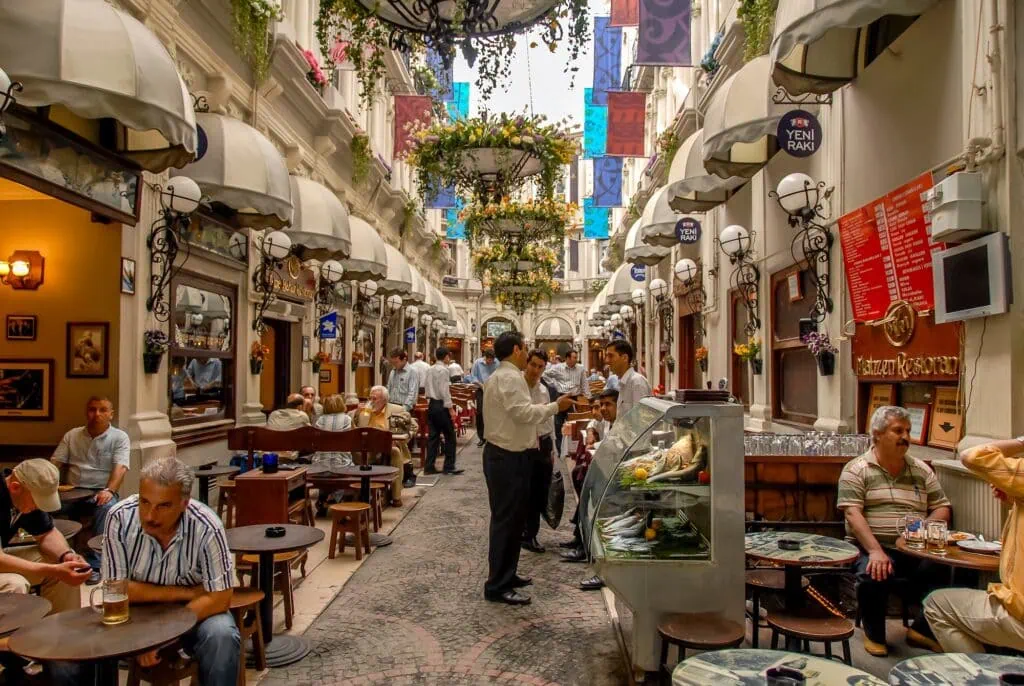
Our expert guides often point out the beautiful Ottoman hans (commercial buildings) that housed merchants and their goods. These structures, with their distinctive courtyards and arcades, represent the commercial heart that made Pera prosperous. The Galata Mevlevihanesi, a former dervish lodge turned museum, offers insight into the mystical traditions that flourished alongside commercial activities.
Istiklal Caddesi: The Pulse of Modern Istanbul
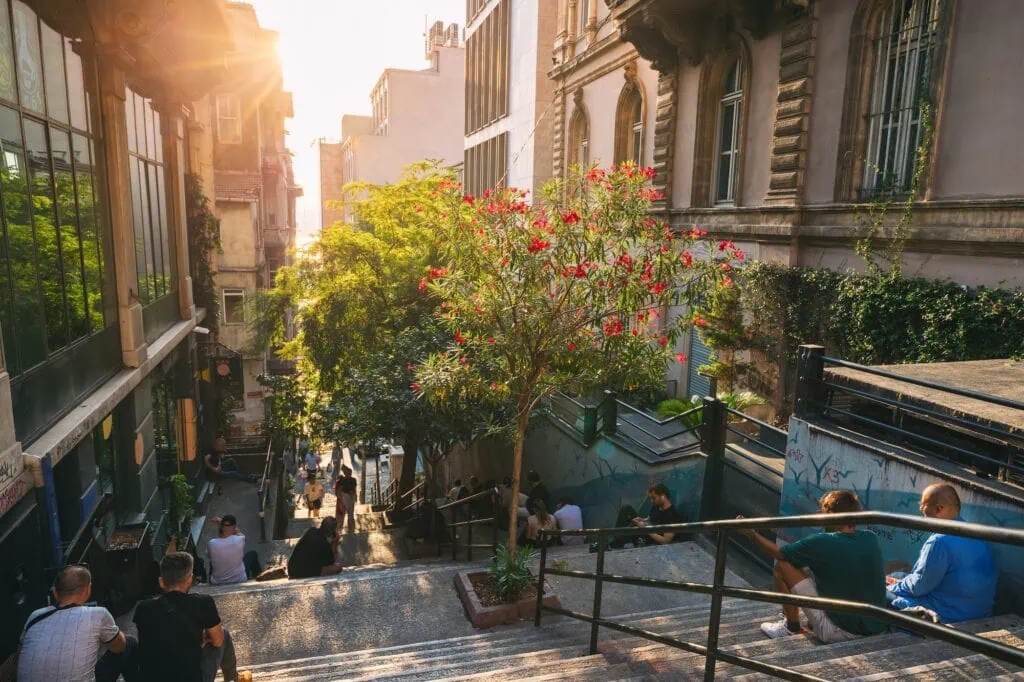
This 1.2-kilometer pedestrianized street connects Taksim Square to the Galata Bridge area. The historic red tram, restored to its early 20th-century glory, carries visitors along the route while street musicians, artists, and vendors create a vibrant atmosphere throughout the day and night.
Art Scene and Museums: Where Creativity Thrives
Pera Museum holds treasures of late Ottoman and early modern Turkish art, including the world’s finest collection of Orientalist paintings. The museum’s rotating exhibitions feature works by Osman Hamdi Bey and contemporary Turkish artists who continue pushing creative boundaries.
Contemporary Galleries and Cultural Spaces
The district pulses with creativity through galleries like Galerist and ArtOn, which showcase international artists alongside emerging Turkish talent. These spaces have transformed Pera into Istanbul’s primary art destination, attracting collectors and art enthusiasts from around the world.
Young artists like Burcu Erden and Ali Elmacı have studios throughout the neighborhood, contributing to an artistic renaissance that rivals any European cultural quarter. The Istanbul Modern Art Museum’s satellite exhibitions often pop up in converted Ottoman buildings, creating unique viewing experiences.
Literary Heritage and Cultural Events
Writers have long found inspiration in Pera’s cosmopolitan atmosphere. Ernest Hemingway arrived in the 1920s as a correspondent, frequently mentioning the neighborhood’s cafes and characters in his dispatches. The annual Istanbul Literature Festival transforms historic venues into reading spaces, continuing this literary tradition.
The Kiraathane Literature House hosts readings, book launches, and cultural discussions in both Turkish and international languages. These events maintain Pera’s reputation as an intellectual gathering place.
Culinary Excellence: A Gastronomic Journey
Food culture in Pera reflects the neighborhood’s multicultural heritage. Traditional Turkish cuisine blends seamlessly with European influences, creating unique dining experiences you won’t find elsewhere in Istanbul.
Traditional Turkish Specialties
Authentic meyhanes (Turkish taverns) serve classic meze platters alongside rakı, Turkey’s national drink. These establishments, some operating for over a century, maintain recipes passed down through generations of Greek, Armenian, and Turkish families who called Pera home.
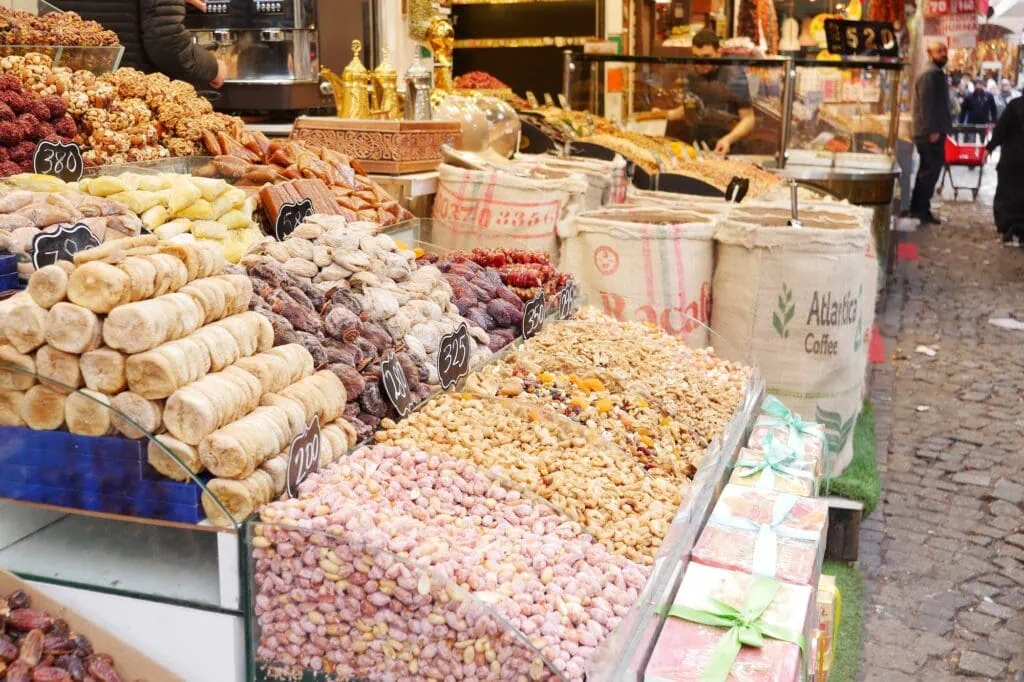
Street vendors offer döner kebab, balık ekmek (fish sandwiches), and Turkish sweets from the same corners their ancestors occupied decades ago. The quality remains exceptional because competition demands excellence.
International Cuisine and Modern Fusion
European-style patisseries like Patisserie Pera Bakery create exquisite French pastries using traditional techniques. Stylish establishments like Café Noir Pit offer relaxing ambiance for afternoon coffee or evening cocktails, attracting both locals and international visitors.
Contemporary restaurants experiment with Ottoman court cuisine, recreating dishes once served to sultans while incorporating modern culinary techniques. These venues provide dining experiences that connect diners to Istanbul’s imperial past through taste.
Transport and Accessibility: Getting Around Pera
The Golden Horn separates Pera from Istanbul’s historic peninsula, but multiple transportation options ensure easy access. The M2 metro line connects Taksim Square to other major districts, while the historic Tünel underground funicular, built in 1875, provides a charming journey between upper and lower Galata.
Modern Infrastructure Meets Historic Charm
The restored tram system along Istiklal Caddesi operates as both transportation and tourist attraction. Walking remains the best way to experience Pera’s narrow side streets, hidden courtyards, and architectural details that larger vehicles cannot access.
Ferry services from Karaköy connect the district to Asian districts like Üsküdar and Kadıköy, offering scenic Bosphorus views during the crossing. The Galata Bridge provides pedestrian walkways for those who prefer walking between the historic peninsula and Pera.
Navigation Tips for Visitors
Taksim Square serves as the central orientation point. From here, Istiklal Caddesi leads downhill toward Galata Tower and the Bosphorus. Side streets branch off at regular intervals, each offering different architectural styles and cultural attractions.
The terrain includes steep hills and cobblestone streets that require comfortable walking shoes. However, the effort rewards visitors with stunning views across the Golden Horn to the historic peninsula’s mosques and palaces.
Modern Revival and Urban Transformation
Rapid gentrification began in the 1980s and 1990s as Istanbul’s cultural renaissance attracted artists, intellectuals, and young professionals to Pera. Historic buildings underwent restoration while maintaining their architectural integrity.
Cultural events like the Istanbul Film Festival established the neighborhood as Turkey’s entertainment capital. Theaters, concert halls, and cultural centers transformed former commercial spaces into venues for contemporary arts and performances.
The successful drive to revitalize Pera into one of Istanbul’s prime areas has attracted tourists from around the world. However, this renaissance maintains respect for the neighborhood’s multicultural heritage and architectural significance.
Balancing Preservation with Progress
Urban planners worked carefully to preserve Pera’s character while accommodating modern needs. Building height restrictions protect skyline views, while restoration projects maintain historical facades even as interiors receive modern updates.
This thoughtful approach ensures that Pera remains authentic rather than becoming a theme park version of its historic self. Locals still live and work in the neighborhood alongside tourist attractions, maintaining the authentic urban atmosphere that makes Pera special.
Frequently Asked Questions
Pera uniquely combines Ottoman, European, and modern Turkish cultures with preserved architecture, active arts scene, and authentic local life alongside tourism.
A full day allows thorough exploration of major attractions, while 2-3 days enable deeper cultural experiences including museums, galleries, and dining.
Yes, Pera is one of Istanbul’s safest tourist areas with regular police presence, well-lit streets, and active nightlife creating natural security.
Late afternoon around 4:00 pm through evening offers optimal experience with active street life, open shops, and pleasant walking conditions.
Absolutely, though professional guides enhance understanding of historical significance and architectural details that independent visitors might miss.
Museum admission typically costs around 25-30 Turkish Lira for adults, with discounts available for students and seniors.
Turkish primarily, but English, French, and Arabic are widely understood in tourist areas, restaurants, and cultural venues.
Yes, from luxury hotels like Pera Palace to boutique accommodations and budget-friendly options throughout the neighborhood.
Metro M1 to M2 lines connect the airport to Taksim Square in approximately 90 minutes, or private transfers take 45-60 minutes depending on traffic.
Most establishments offer vegetarian options, and many provide halal, kosher, or vegan alternatives given the neighborhood’s diverse cultural heritage.
Comfortable walking shoes for cobblestone streets, modest clothing for religious sites, and layers for changing weather throughout the day.
Excellent transportation links via metro, tram, ferry, and walking paths connect Pera to Sultanahmet, Bosphorus tours, and Asian districts within 30-45 minutes.

Design Your Custom Tour
Explore Egypt and Turkey your way by selecting only the attractions you want to visit