12 Days in Egypt – What to see in Egypt in 12 Days
Egypt awaits with ancient wonders that have captivated travelers for millennia.
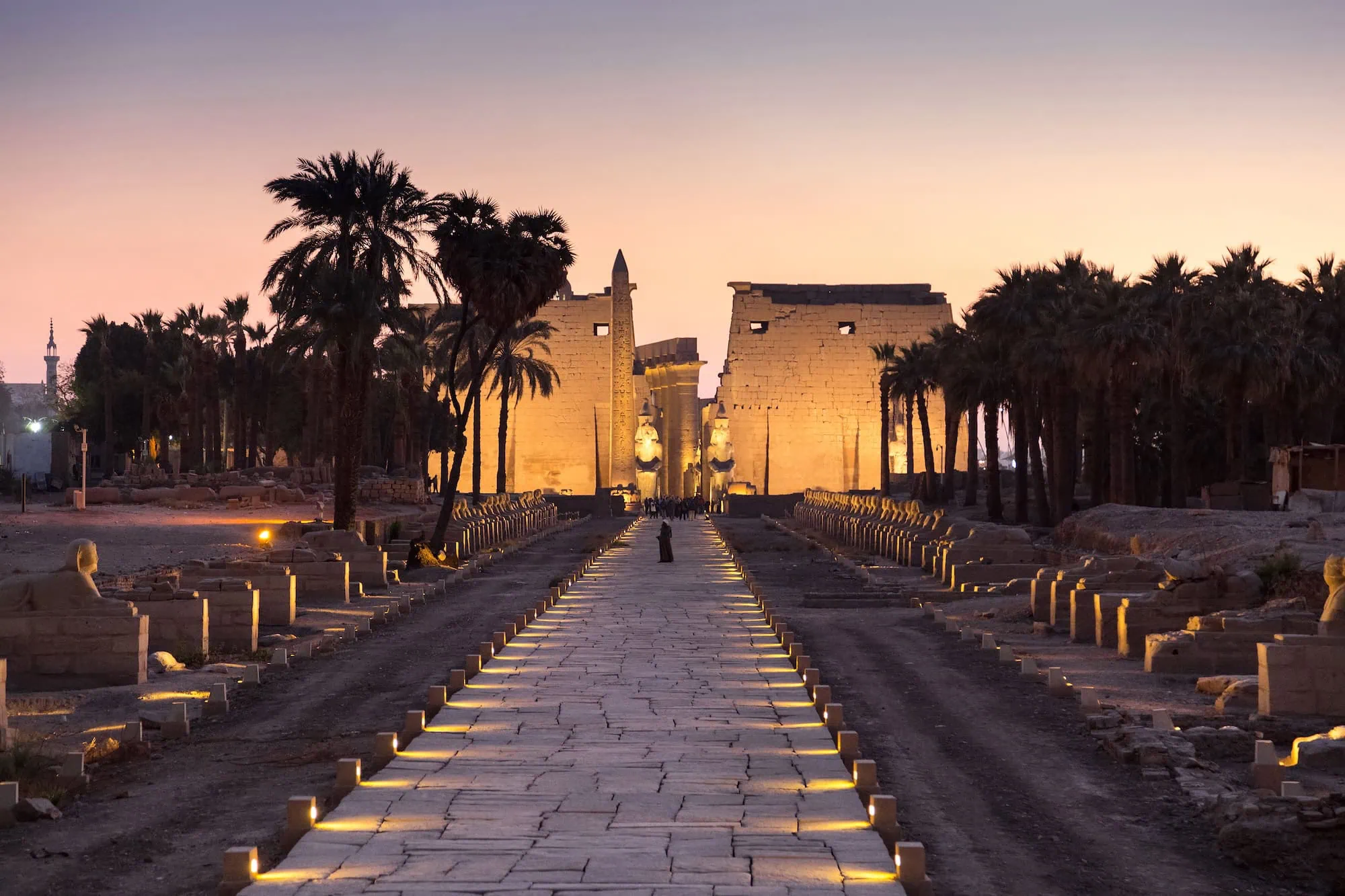
Twelve days provides the perfect window to experience Egypt’s most iconic destinations without rushing through temples, tombs, and treasures. From the pyramids of Giza to the temples of Abu Simbel, from bustling Cairo streets to serene Nile waters, this timeframe allows you to absorb the country’s rich history while enjoying comfortable travel between regions. We’ve crafted countless 12-day Egypt itineraries, and our experience shows this duration strikes the ideal balance between comprehensive exploration and meaningful connections with Egypt’s cultural heritage.
Your Egyptian adventure can unfold in multiple ways. Some travelers prefer front-loading archaeological sites before relaxing on Red Sea beaches, while others choose to weave ancient sites throughout their journey for consistent discovery.
Table of Contents
Cairo and Giza: Starting Your Journey
Most international flights arrive in Cairo, making it the natural starting point for your 12-day adventure. The capital demands at least three full days to properly explore its layered history and vibrant modern culture.
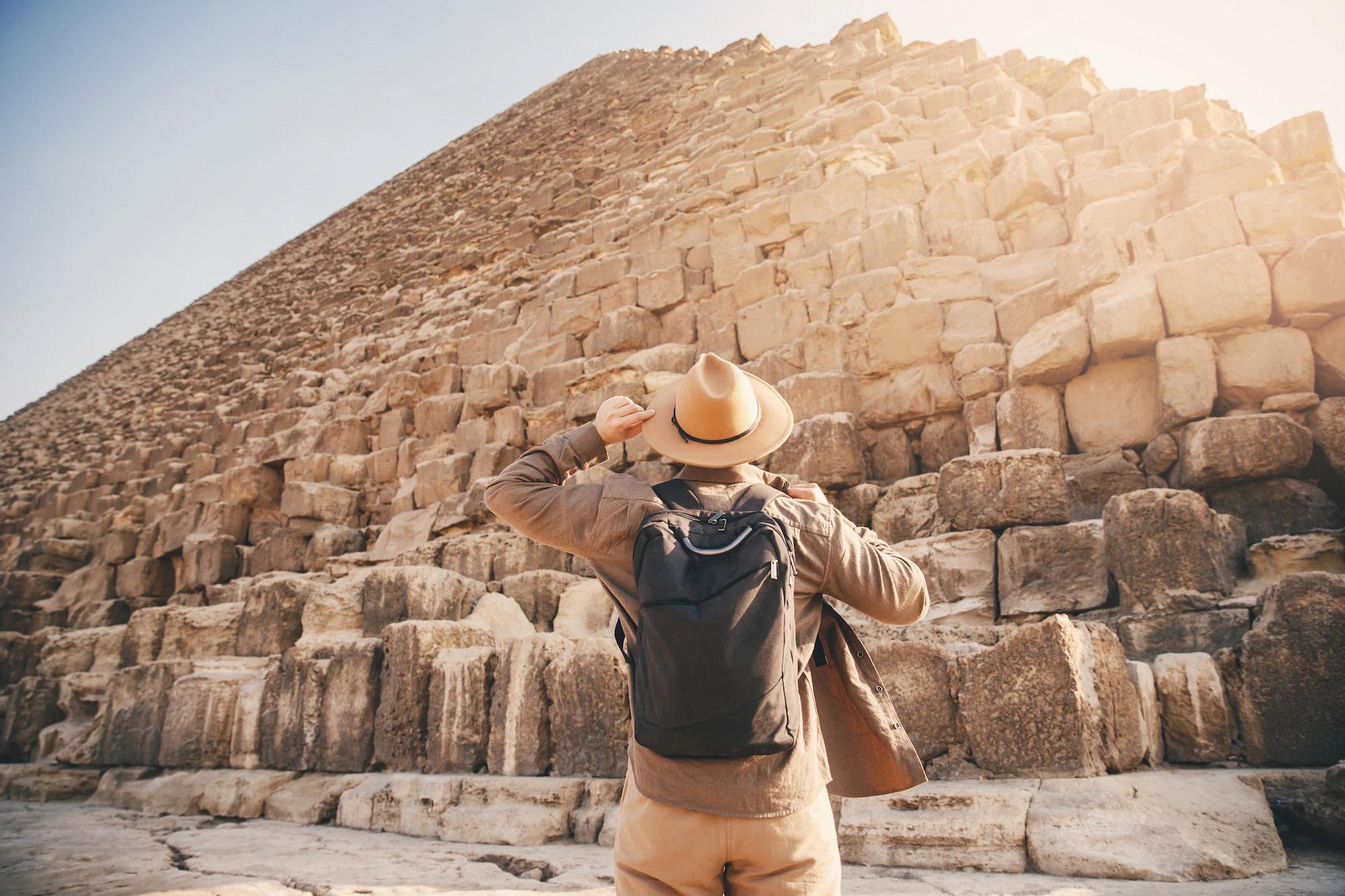
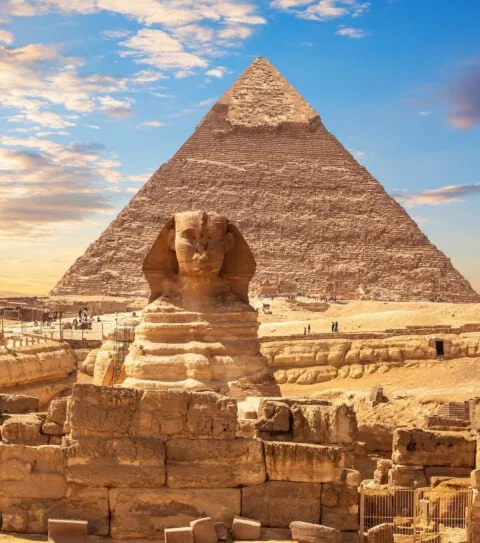
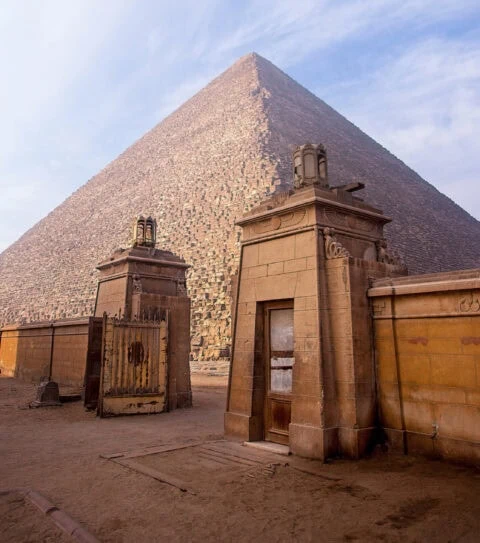
Begin with the Giza Pyramids complex on your first morning when crowds are lighter and temperatures more comfortable. The Great Pyramid of Khufu stands as the last remaining Wonder of the Ancient World, while the Sphinx guards these monuments with enigmatic grace. Professional guides enhance this experience significantly – they navigate crowds efficiently and share stories that bring these 4,500-year-old structures to life.
Grand Egyptian Museum and Islamic Cairo
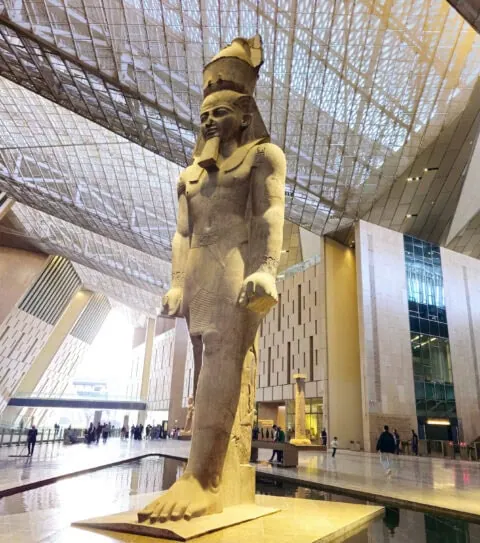
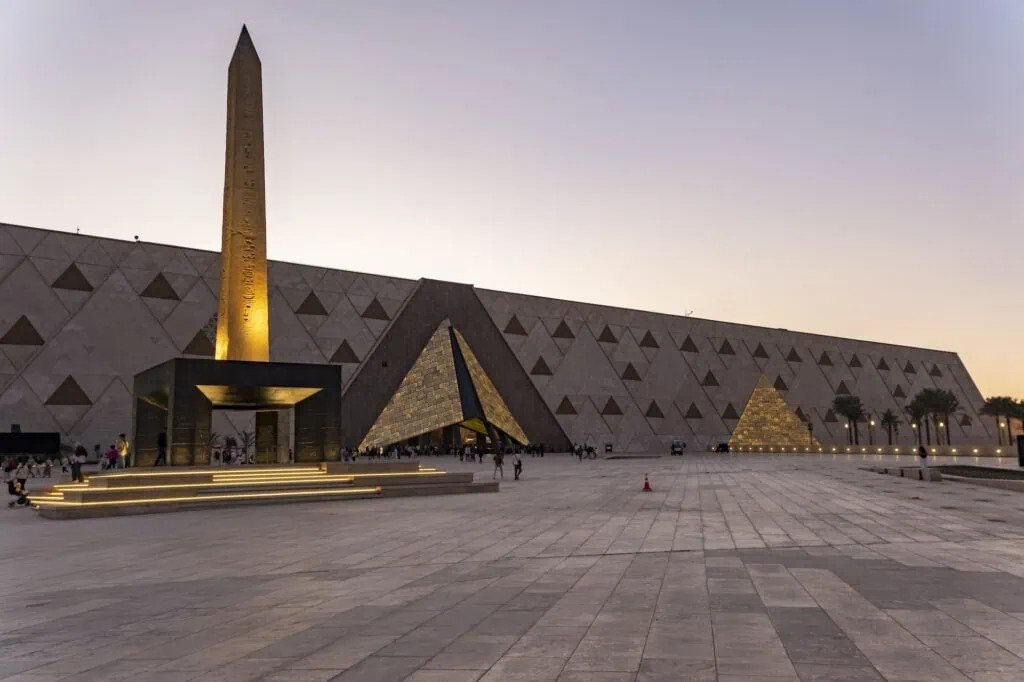
The Grand Egyptian Museum presents one of the world’s most extensive collections of ancient Egyptian artifacts in a modern, purpose-built setting. The complete Tutankhamun collection is displayed across multiple galleries, while the royal mummy exhibits offer a close view of Egypt’s pharaohs in carefully controlled conditions. Plan a minimum of three hours for a comprehensive visit.
Islamic Cairo reveals centuries of medieval Islamic architecture through narrow streets lined with mosques, madrasas, and historic hammams. The Citadel of Saladin offers panoramic views over the city, and the Mosque of Muhammad Ali stands out with its Ottoman design above the surrounding Fatimid-era monuments.
Khan el-Khalili and Modern Cairo
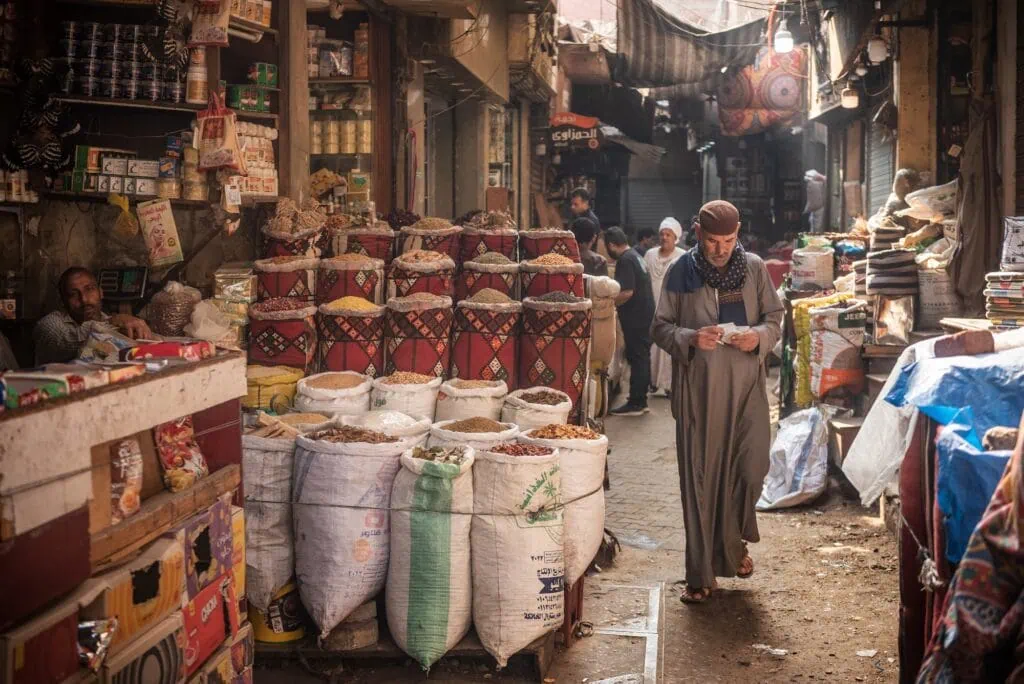
Khan el-Khalili bazaar buzzes with activity from morning until late evening. Skilled artisans create traditional crafts in workshops hidden behind vendor stalls. Haggling remains part of the cultural experience, but approach it respectfully rather than aggressively.
Modern Cairo reveals itself in neighborhoods like Zamalek and Heliopolis, where art galleries, contemporary restaurants, and rooftop bars provide balance to ancient site visits. The contrast between pharaonic temples and 21st-century life defines much of the Egyptian experience.
Luxor: The World’s Greatest Open-Air Museum
Luxor concentrates more ancient monuments per square kilometer than anywhere else on Earth. Four days here allows thorough exploration of both East and West Bank treasures while maintaining a comfortable pace.
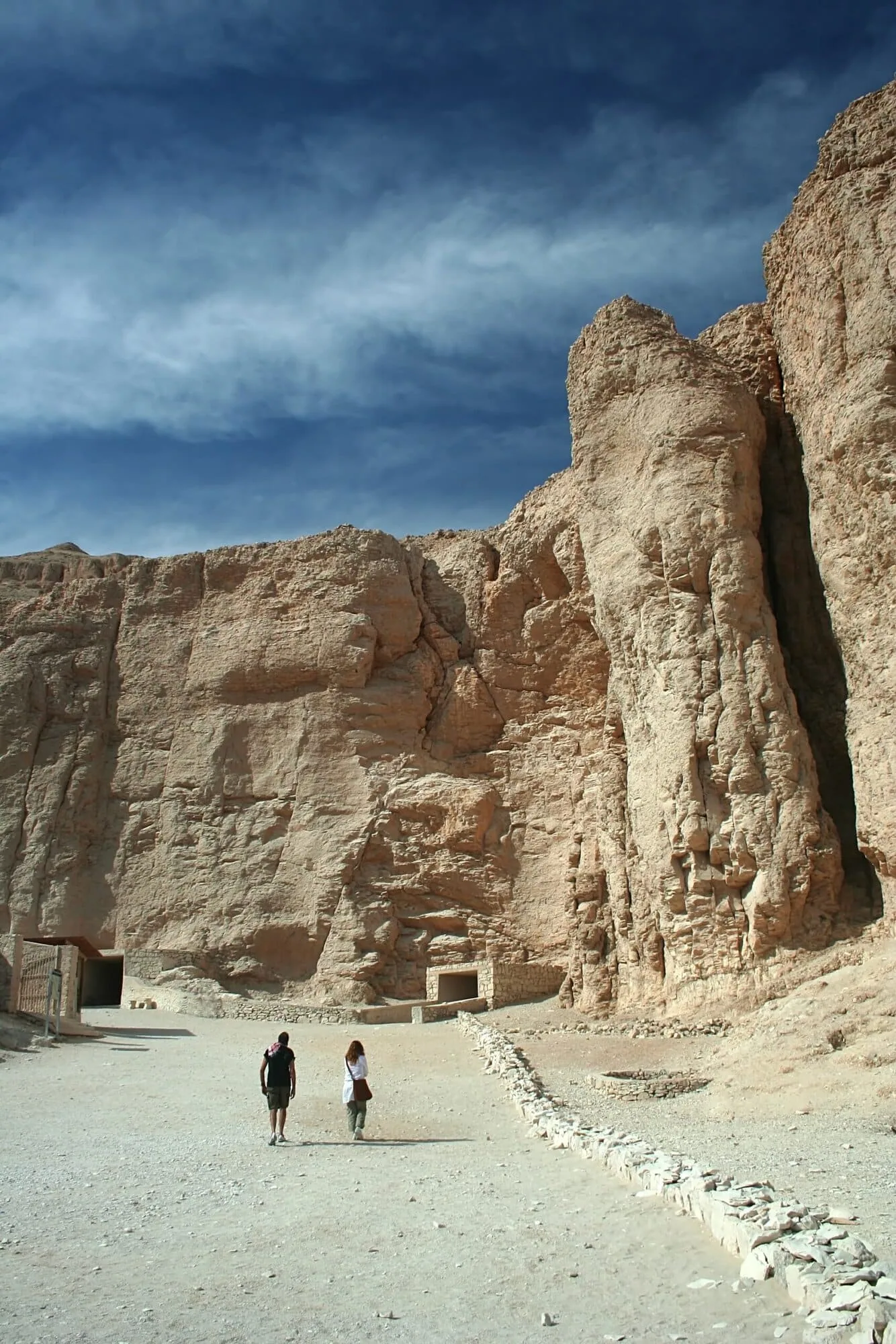
The Valley of the Kings contains over 60 royal tombs carved into limestone cliffs. King Tutankhamun’s tomb, though smaller than others, offers intimate access to original wall paintings and the pharaoh’s golden sarcophagus. Ramesses VI’s tomb displays some of Egypt’s finest astronomical ceiling decorations. Each tomb tells unique stories through hieroglyphic texts and colorful scenes depicting the journey to the afterlife. Professional Egyptologists reveal hidden meanings in these ancient symbols that casual visitors often miss.
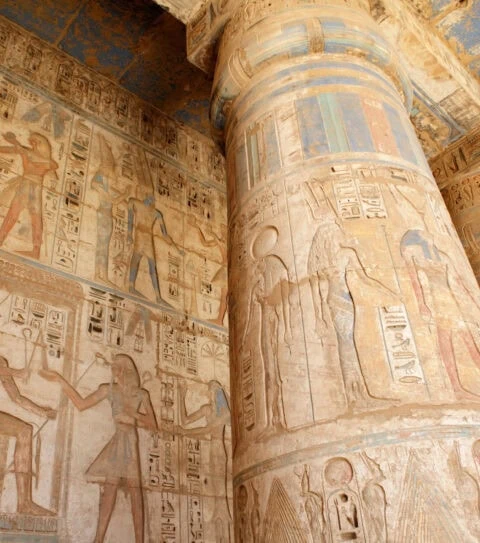
Karnak Temple complex spans over 100 hectares and represents 2,000 years of continuous construction by successive pharaohs. The Great Hypostyle Hall contains 134 massive columns, each capable of holding 50 people on its capital. Sound and light shows here occur nightly in multiple languages, transforming daytime visits into magical evening experiences.
West Bank Wonders
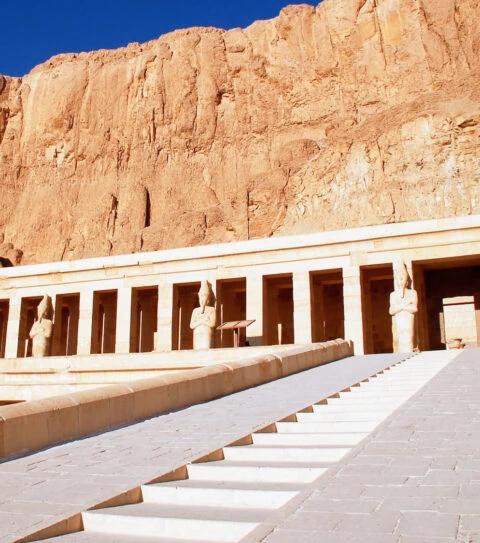
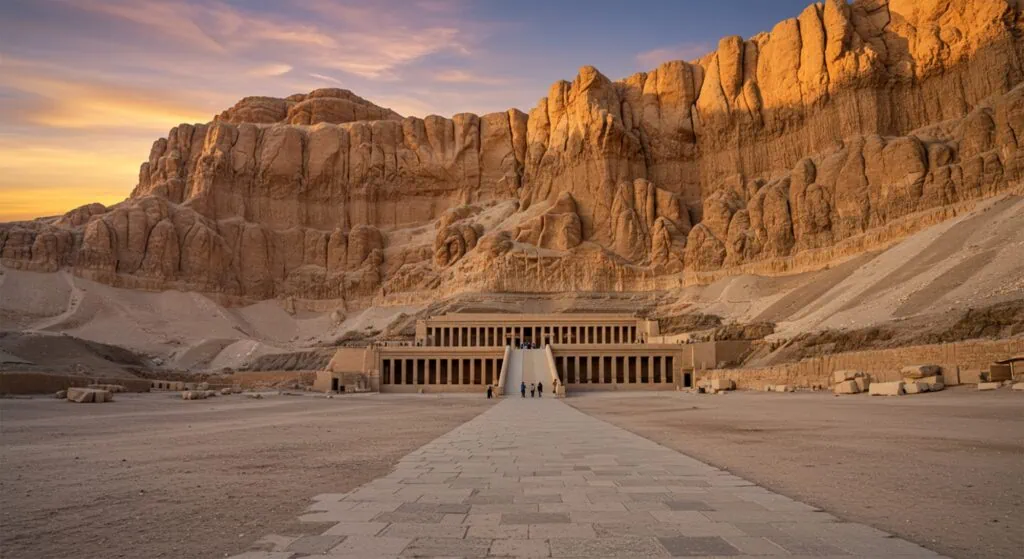
Queen Hatshepsut’s Mortuary Temple rises from desert cliffs in three elegant terraces. This female pharaoh ruled Egypt for 22 years during the 18th Dynasty, and her temple’s unique architecture reflects her innovative reign. The nearby Deir el-Medina village housed the artists and craftsmen who created royal tombs, and their own burial sites contain remarkably preserved paintings depicting daily life 3,000 years ago.
The Colossi of Memnon stand as silent guardians over the Theban necropolis. These 18-meter (59-foot) statues once marked the entrance to Amenhotep III’s mortuary temple, now mostly vanished beneath agricultural fields.
Nile Cruise: Ancient Egypt from Water
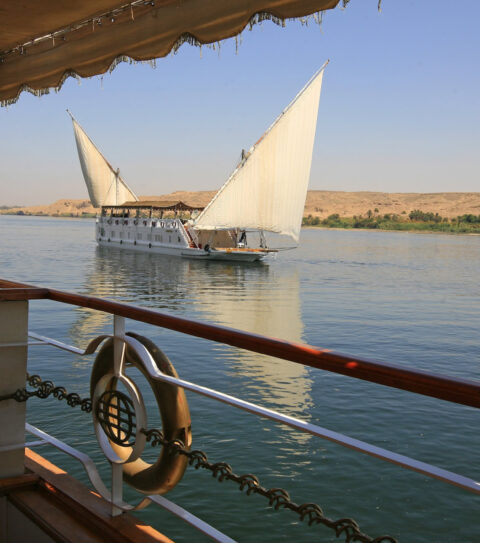
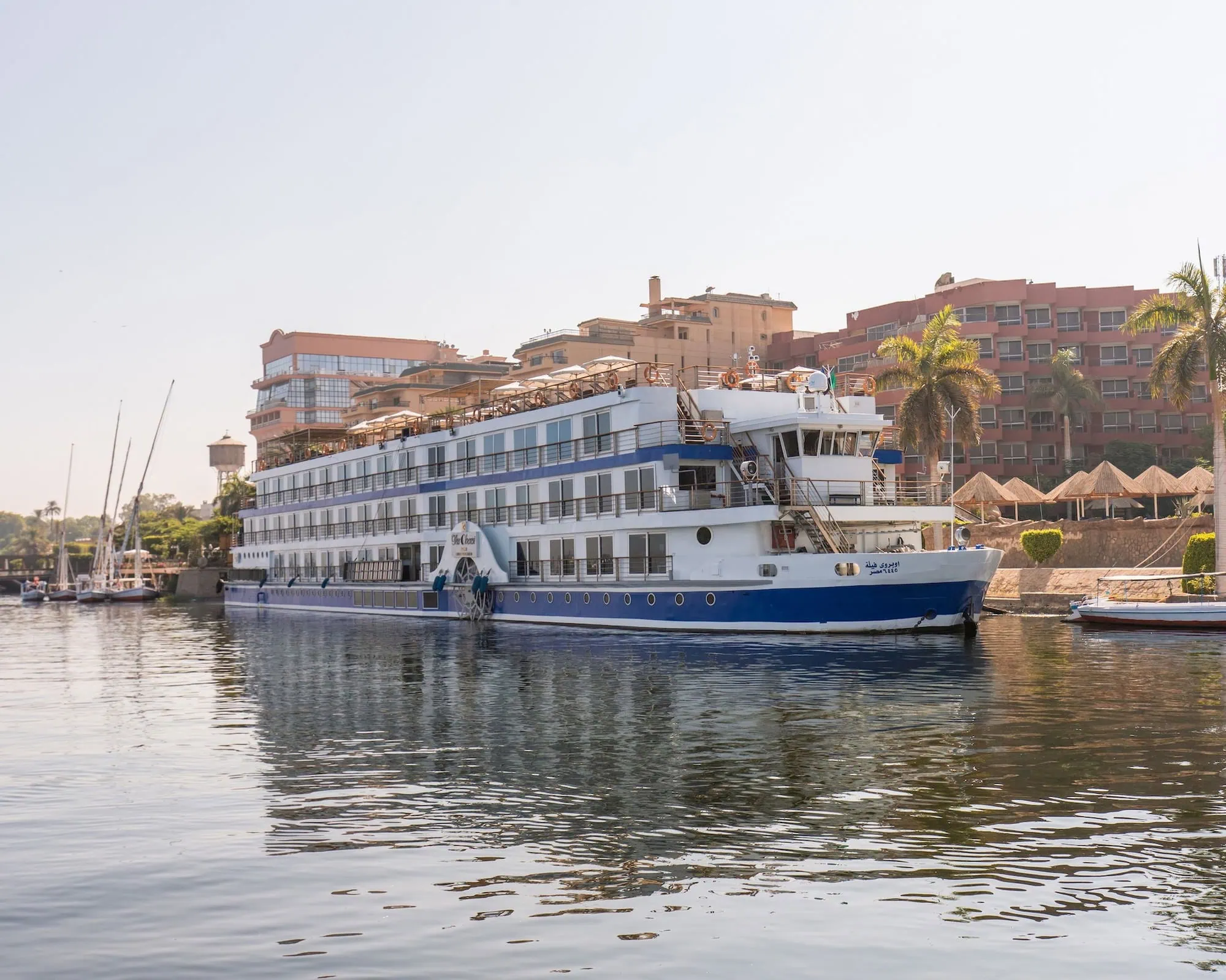
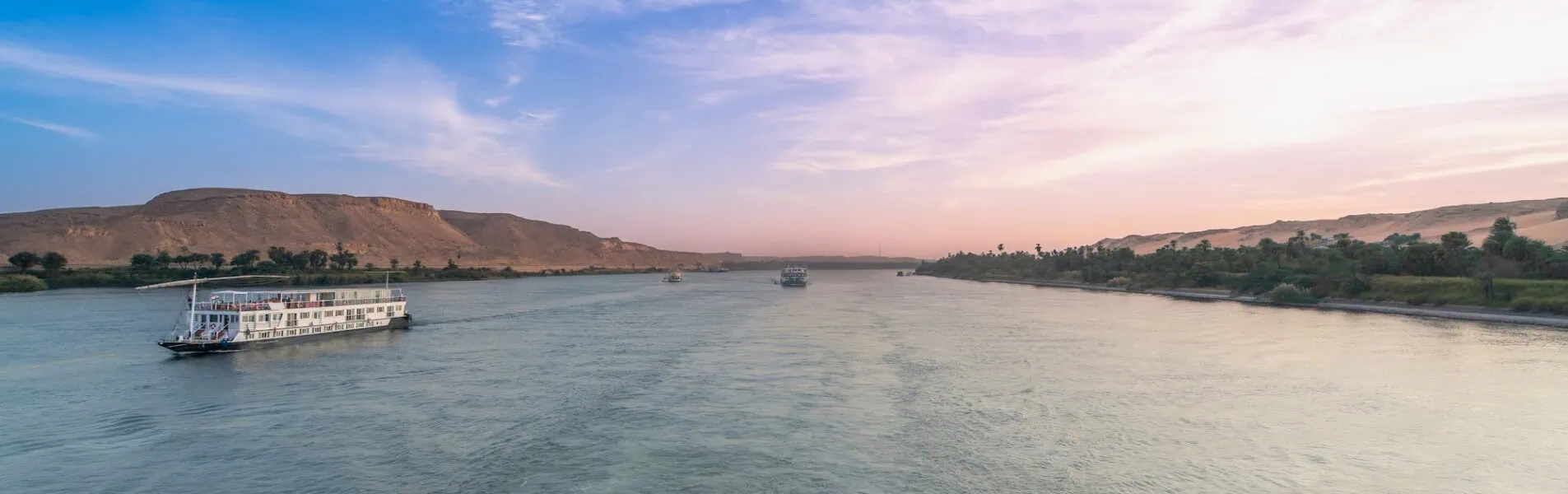
A Nile cruise between Luxor and Aswan provides relaxation while connecting major archaeological sites. Most cruises span three to four days, allowing comfortable exploration of temples accessible only by river.
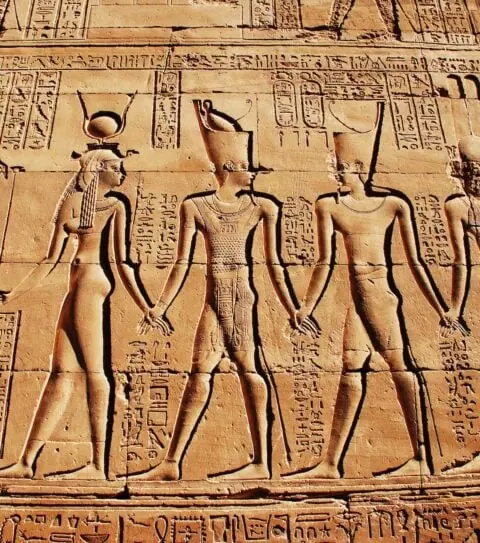
Edfu Temple, dedicated to the falcon god Horus, represents one of Egypt’s best-preserved ancient structures. Built during the Ptolemaic period, its walls contain the mythological story of Horus’s battle with Seth told through detailed relief carvings. The temple’s massive pylon towers over the modern town, creating dramatic photographs during golden hour lighting.
Kom Ombo Temple uniquely honors two deities – Sobek the crocodile god and Horus the falcon god – with perfectly symmetrical architecture reflecting this dual dedication. Ancient medical instruments carved into stone walls demonstrate advanced surgical knowledge possessed by Egyptian physicians. The nearby Crocodile Museum displays mummified crocodiles discovered in local burial sites.
Small group excursions during Nile cruises accommodate up to 12 participants, creating more intimate experiences than typical large tour groups. Professional guides share archaeological insights while maintaining comfortable group dynamics.
Riverside Life and Scenery
Felucca sailboats dot the Nile throughout the journey, their distinctive triangular sails unchanged for centuries. Local farmers still use traditional irrigation methods along fertile banks, creating green corridors through desert landscapes. Water buffalo cool themselves in river shallows while children wave enthusiastically at passing cruise ships.
Evening entertainment aboard most vessels includes traditional music performances and cultural shows. Many travelers find these quiet river evenings among their most memorable Egyptian experiences.
Aswan: Nubian Culture and Engineering Marvels
Aswan offers a more relaxed pace compared to Cairo and Luxor while providing access to remarkable ancient sites and vibrant Nubian culture.
The Philae Temple complex, dedicated to the goddess Isis, was relocated stone by stone to Agilkia Island when the Aswan High Dam created Lake Nasser. This UNESCO rescue project preserved one of Egypt’s most beautiful temple settings. Evening sound and light shows reflect off surrounding waters, creating magical atmospheric effects.
Abu Simbel: Ramesses II’s Masterpiece
Abu Simbel requires an early morning departure from Aswan but ranks among Egypt’s most impressive experiences. Ramesses II carved these twin temples into solid rock to demonstrate Egyptian power to Nubian neighbors. The Great Temple’s four colossal statues, each 20 meters (66 feet) tall, guard the entrance while interior chambers contain vivid battle scenes from the Battle of Kadesh.
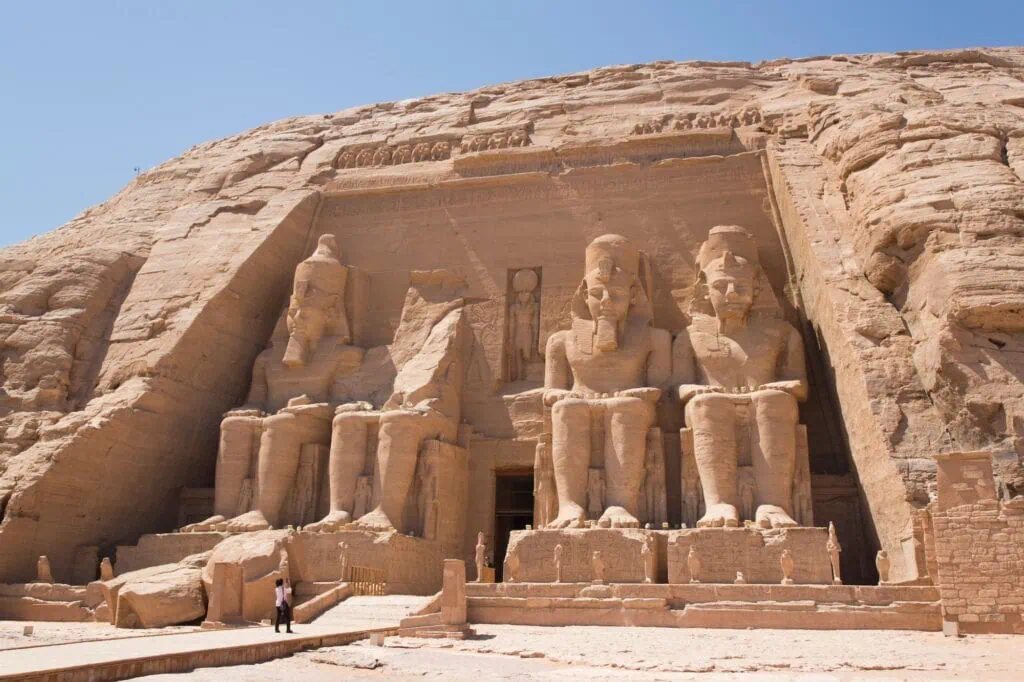
The smaller temple honors Queen Nefertari with equally stunning architecture. Twice yearly, on February 22 and October 22, sunrise illuminates the temple’s inner sanctuary in a phenomenon the ancient builders specifically designed to occur on Ramesses II’s birthday and coronation date.
UNESCO relocated both temples 65 meters (213 feet) higher and 200 meters (656 feet) back from their original location to save them from Lake Nasser’s rising waters. This incredible engineering feat preserved these treasures for future generations.
Nubian Villages and Markets
Traditional Nubian villages offer cultural experiences distinct from mainstream Egyptian tourism. Colorful house decorations, traditional music, and unique cuisine reflect this region’s African heritage. Many families welcome visitors for authentic meals and cultural exchanges.
Aswan’s souq (market) specializes in Nubian crafts, spices, and textiles unavailable elsewhere in Egypt. Hibiscus tea, known locally as karkade, grows throughout southern Egypt and makes an excellent souvenir. Nubian silver jewelry features distinctive designs passed down through generations.
Red Sea Coast: Desert Meets Coral
The final portion of your 12-day journey provides beach relaxation and world-class diving opportunities along Egypt’s Red Sea coast.
Hurghada and Sharm El Sheikh offer different experiences despite both being coastal resort destinations. Hurghada maintains a more authentic Egyptian atmosphere with traditional fishing areas alongside modern resorts. Sharm El Sheikh provides upscale amenities with easy access to premium diving sites in the Ras Mohammed National Park.
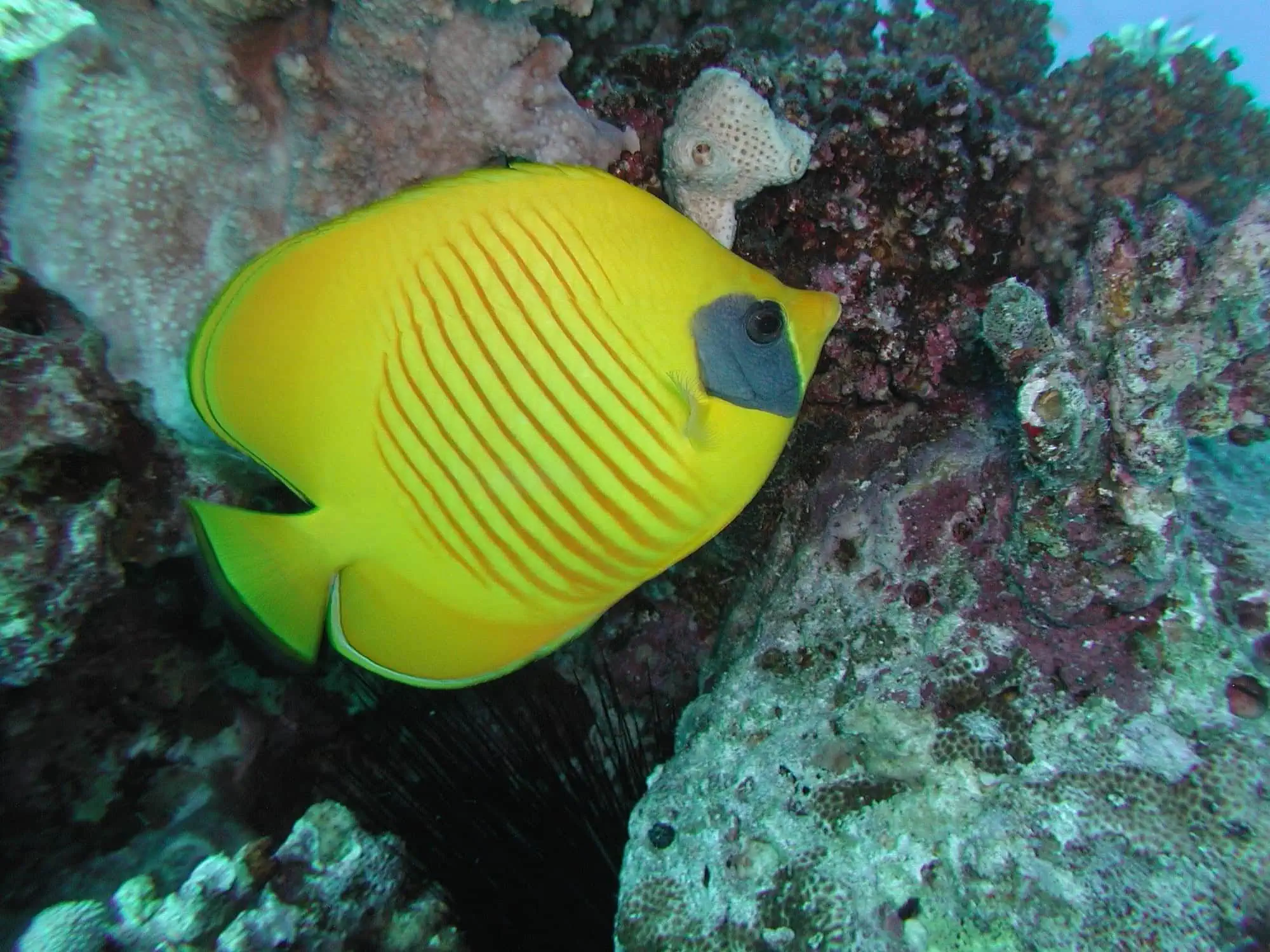
Coral reefs here rank among the world’s most diverse marine ecosystems. Over 1,000 species of fish inhabit these waters alongside dolphins, sea turtles, and manta rays. Snorkeling excursions accommodate all skill levels, while certified divers can explore deeper reef walls and underwater canyons.
Desert excursions from coastal bases include camel trekking, Bedouin cultural experiences, and stargazing in some of Earth’s clearest night skies. The contrast between underwater coral gardens and vast desert landscapes encapsulates Egypt’s natural diversity.
Practical Planning for 12 Days
Visa requirements for U.S. visitors include obtaining a tourist visa upon arrival for $25 USD or securing an e-visa online before departure. European Union citizens follow identical procedures, while some Latin American and Asian nationalities may require advance visa applications through Egyptian consulates.
Internal transportation works best through combination approaches. Domestic flights connect Cairo, Luxor, and Aswan quickly, while trains provide scenic overland journeys. Private drivers offer maximum flexibility for temple visits and local exploration. We coordinate all transportation logistics to ensure smooth connections between destinations.
Egypt’s climate varies significantly between regions and seasons. Winter months (December through February) provide ideal temperatures of 20-25°C (68-77°F) during daytime with cooler evenings. Summer temperatures can exceed 40°C (104°F) in southern regions, making early morning starts essential for outdoor activities.
Currency and Budgeting
The Egyptian pound (EGP) serves as local currency, though USD and EUR are widely accepted at tourist sites. ATMs operate throughout major cities, but carrying cash remains advisable for small purchases and tips. Restaurant meals range from 50-200 EGP ($3-13 USD) depending on venue type and location.
Temple entrance fees cost 100-300 EGP ($6-20 USD) per site, with photography tickets adding 20-50 EGP ($1-3 USD) extra. Many sites offer student discounts with valid international student identification.
Sample 12-Day Egypt Itinerary
Days 1-3: Cairo and Giza
Arrive in Cairo, visit Giza Pyramids, explore Grand Egyptian Museum, tour Islamic Cairo, and experience Khan el-Khalili bazaar.
Days 4-7: Luxor Exploration
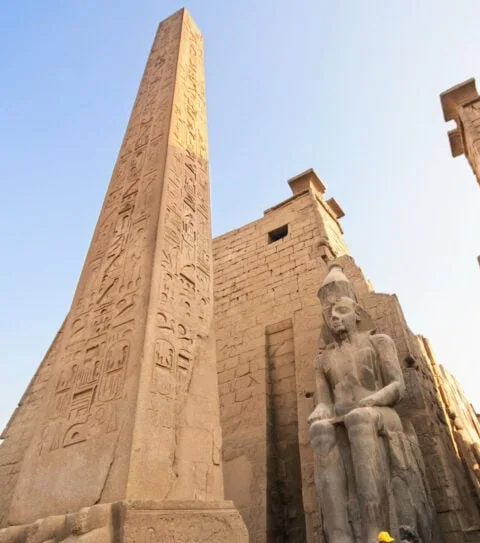
Fly to Luxor, explore Valley of the Kings, visit Karnak and Luxor Temples, tour West Bank sites including Hatshepsut Temple.
Days 8-10: Nile Cruise to Aswan
Board cruise ship, visit Edfu and Kom Ombo Temples, sail through traditional river landscapes.
Days 11-12: Aswan and Abu Simbel
Explore Philae Temple, take day trip to Abu Simbel, experience Nubian culture, or extend with Red Sea relaxation.
This framework adapts easily based on personal interests. History enthusiasts might spend additional time in Luxor, while nature lovers could extend Red Sea coastal stays. Our team customizes each itinerary based on individual preferences and travel styles.
Frequently Asked Questions
October through April is the best time for a 12-day Egypt itinerary, with daytime temperatures typically ranging from 20-28°C (68-82°F) across Cairo, Luxor, and Aswan. These months offer comfortable conditions for long days of outdoor sightseeing at the Pyramids of Giza, Karnak Temple, and Abu Simbel. Winter months bring the largest visitor numbers, while October-November and March-April often balance excellent weather with slightly smaller crowds.
es, 12 days is enough time to experience Egypt’s major highlights without feeling rushed. A well-planned itinerary can comfortably include Cairo, Giza, Luxor, Aswan, Abu Simbel, and a 3- to 5-night Nile cruise. Unlike shorter 7- or 8-day trips, a 12-day schedule allows time for deeper exploration, additional museums, and more relaxed travel between destinations. It is often considered one of the most balanced Egypt itinerary lengths.
No, a guide is not required, but a professional Egyptologist guide can significantly improve your experience at Egypt’s ancient sites. Temples such as Karnak, Luxor Temple, and Edfu contain thousands of hieroglyphs, inscriptions, and architectural details that are difficult to interpret independently. Guides provide historical context spanning more than 3,000 years of pharaonic history and help visitors navigate large archaeological complexes efficiently. The educational value is often substantial.
Pack lightweight, breathable clothing, comfortable walking shoes, sun protection, and a camera for a 12-day Egypt trip. Visitors often walk several kilometers daily at sites such as the Pyramids of Giza, the Valley of the Kings, and Abu Simbel, so supportive footwear is essential. Include a hat, sunglasses, sunscreen, and a light jacket for cooler evenings between November and February. Portable chargers and spare camera batteries are also useful for long sightseeing days.
A mid-range 12-day Egypt trip typically costs between $2,000 and $4,000 per person, excluding international airfare. This budget generally covers quality hotels, domestic transportation, guided sightseeing, entrance fees, and many meals. Luxury itineraries featuring five-star Nile cruises, private guides, and premium accommodations can exceed $5,000 per person. Costs vary significantly depending on travel season, hotel category, and whether private or group touring is selected.
Yes, Egypt is generally safe for tourists visiting major destinations such as Cairo, Luxor, Aswan, and the Red Sea resorts. Tourist attractions are protected by visible security measures, including checkpoints, screening procedures, and dedicated tourist police units. Millions of international visitors travel throughout Egypt annually with few problems. As in any destination, travelers should remain aware of their surroundings, use reputable transportation providers, and follow local laws and official travel guidance.
Bottled water is recommended for drinking throughout Egypt, even though tap water is commonly used by local residents. Differences in water treatment methods and mineral content can sometimes cause digestive discomfort for international travelers. Sealed bottled water is inexpensive and widely available in hotels, restaurants, airports, and tourist attractions. Most visitors also use bottled water when brushing teeth, although tap water is generally considered safe for basic hygiene purposes.
Bringing a combination of U.S. dollars and access to Egyptian pounds (EGP) is the most practical approach for travelers to Egypt. Credit cards are widely accepted at hotels, Nile cruises, and larger restaurants, but cash is still necessary for tips, markets, small shops, and local purchases. U.S. dollars are commonly accepted for certain tourism-related expenses, while Egyptian pounds are preferred for everyday transactions. ATMs are readily available in major tourist destinations.
Egyptian temples generally do not enforce strict dress codes, but modest clothing is strongly recommended, especially when visiting religious or culturally significant sites. Lightweight garments that cover the shoulders and knees provide comfort, sun protection, and respect for local customs. Visitors often spend several hours outdoors at locations such as Karnak Temple and Philae Temple, where shade can be limited. Breathable cotton or linen clothing is usually the most comfortable choice.
Booking an Egypt trip 2-3 months in advance is recommended, particularly for travel between October and April when demand is highest. Early reservations provide better access to preferred Nile cruise cabins, highly rated hotels, domestic flights, and experienced Egyptologist guides. Peak holiday periods such as Christmas, New Year, and Easter often sell out even earlier. Travelers planning luxury itineraries should ideally secure arrangements 4-6 months before departure.
Photography is permitted at many Egyptian temples and tombs, although rules vary by site and may change periodically. Some attractions include basic photography in the entry ticket, while others charge additional fees or restrict certain equipment such as tripods and flash units. Flash photography is frequently prohibited because it can damage fragile pigments and ancient artwork. Always check the regulations posted at each site before taking photographs inside historic chambers.
Explore our most popular guides and expert tips to make your trip safe, smooth, and unforgettable.
Plan Your Egypt Adventure with Confidence
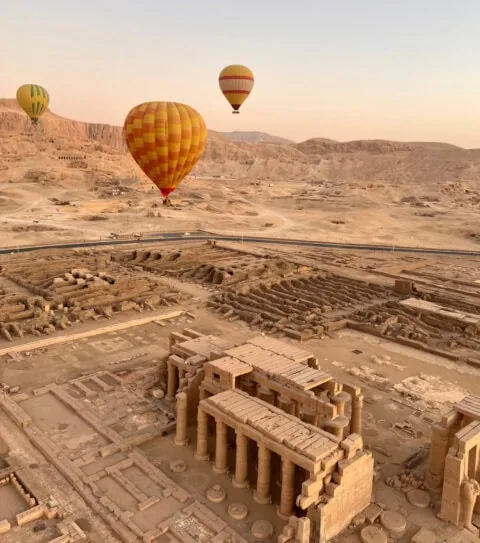
How to Plan a Trip Egypt
Step-by-step guide to help you plan the perfect Egypt trip — from routes and budget to booking.
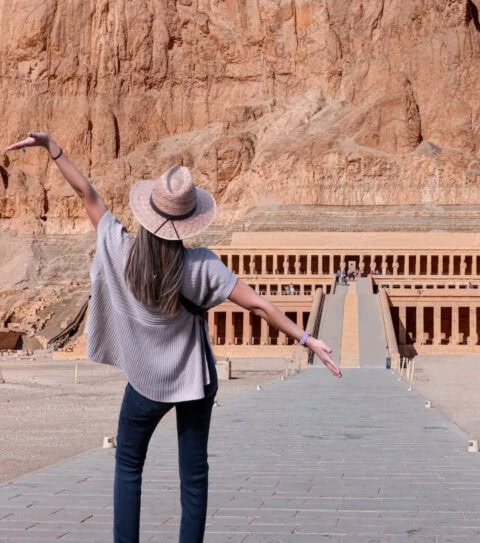
Best Time to Visit Egypt
Learn the best months to visit Egypt based on weather, crowds, and local travel experiences.
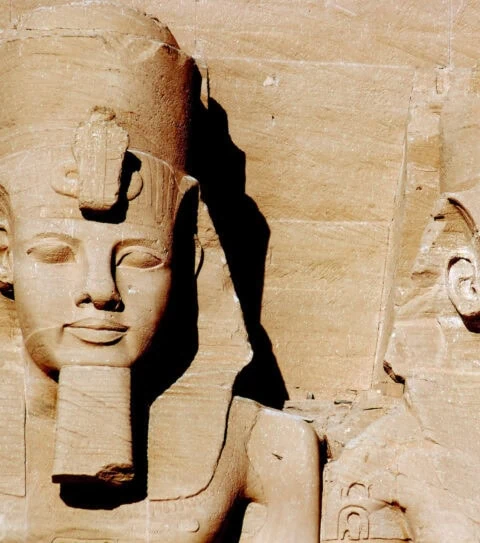
Must Visit Places in Egypt
Explore Egypt’s top sights — from pyramids to temples — and hidden gems worth seeing.
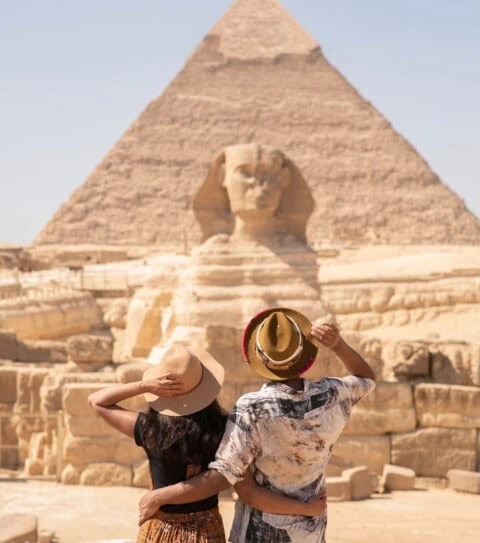
Top-Rated Egypt Tours
Handpicked private tours with local guides — our most loved and best-reviewed experiences.
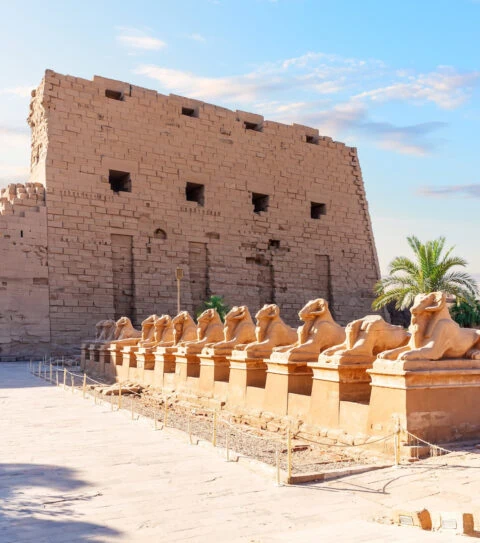
How Many Days to Visit Egypt?
Find out how many days you need in Egypt — from quick trips to full itineraries.
Egypt Visa Requirements
Check if you need a visa and get simple, up-to-date entry info based on your nationality.
Is it Safe to Travel to Egypt?
Is Egypt safe? Get honest safety tips, area advice, and what to know before you travel.
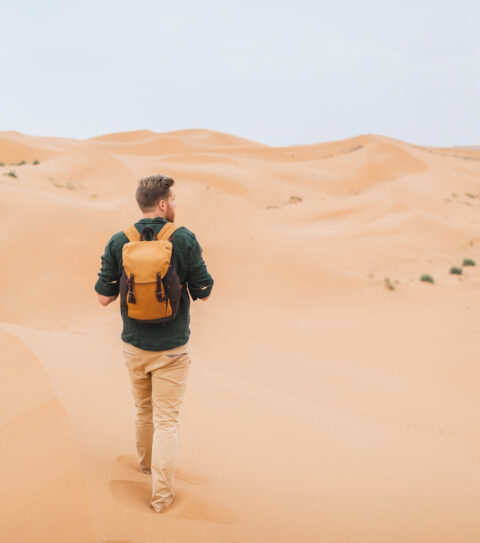
What to Pack for Egypt
A quick packing guide with essentials, cultural tips, and clothing advice for your Egypt trip.
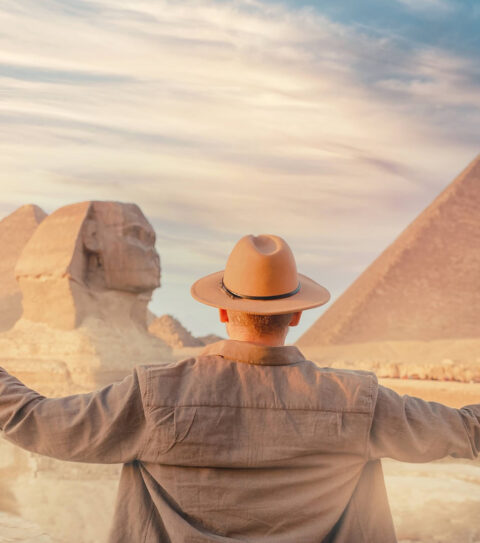
Design Your Custom Tour
Explore Egypt your way by selecting only the attractions you want to visit