

Dead Sea In Jordan – Visiting The World’s Most Infamous Lake
The Dead Sea draws millions of visitors to Jordan’s stunning shoreline each year.
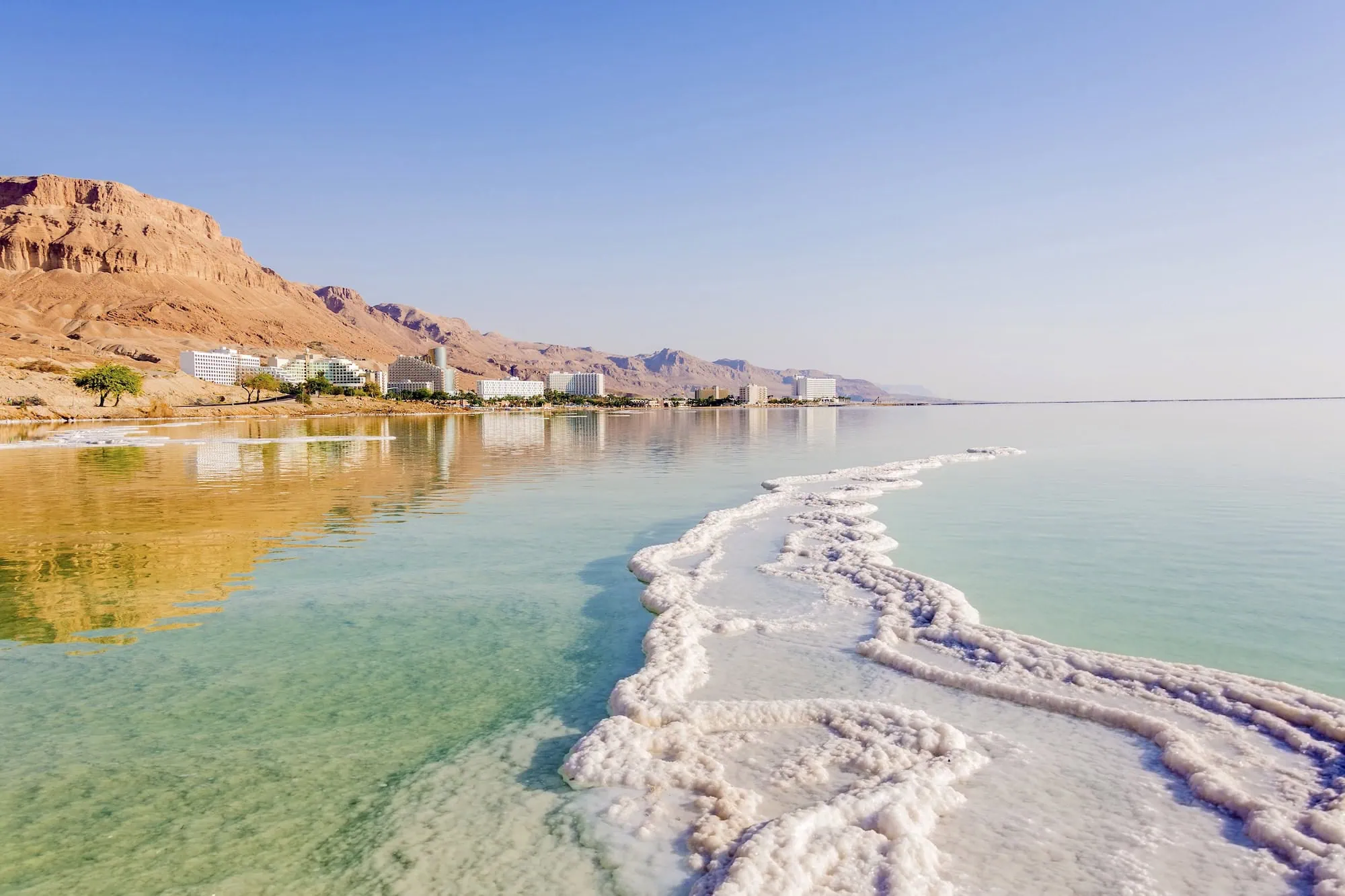
Located just 45 minutes from Amman, this extraordinary natural wonder lies more than 1,400 feet below sea level in the striking Jordan Rift Valley. Its hypersaline waters, mineral-rich mud, and year-round sunshine create a truly unique setting where visitors can float effortlessly while surrounded by desert landscapes and layers of ancient history.
Whether you’re drawn by wellness experiences, cultural discovery, or the simple thrill of floating in one of the saltiest bodies of water on Earth, the Dead Sea is a highlight of our Egypt and Jordan tours—offering a memorable contrast to the region’s iconic archaeological sites.
Table of Contents
Why Jordan’s Dead Sea Coastline Stands Apart
The Jordanian side offers something special that sets it apart from other access points.
Peaceful Setting and Authentic Experience
Jordan provides a more tranquil atmosphere compared to busier sections elsewhere. The coastline stretches for miles with fewer crowds, allowing visitors to truly appreciate the natural wonder. Local Jordanian hospitality shines through in family-run establishments and authentic cultural experiences that connect you with the region’s rich heritage.
World-Class Resort Infrastructure
Luxury accommodations line Jordan’s Dead Sea shore, from internationally recognized hotel chains to boutique properties. These resorts feature private beach access, spa facilities utilizing Dead Sea minerals, and pools overlooking the dramatic landscape. Many offer day passes for budget-conscious travelers seeking premium amenities.
Strategic Location for Regional Exploration
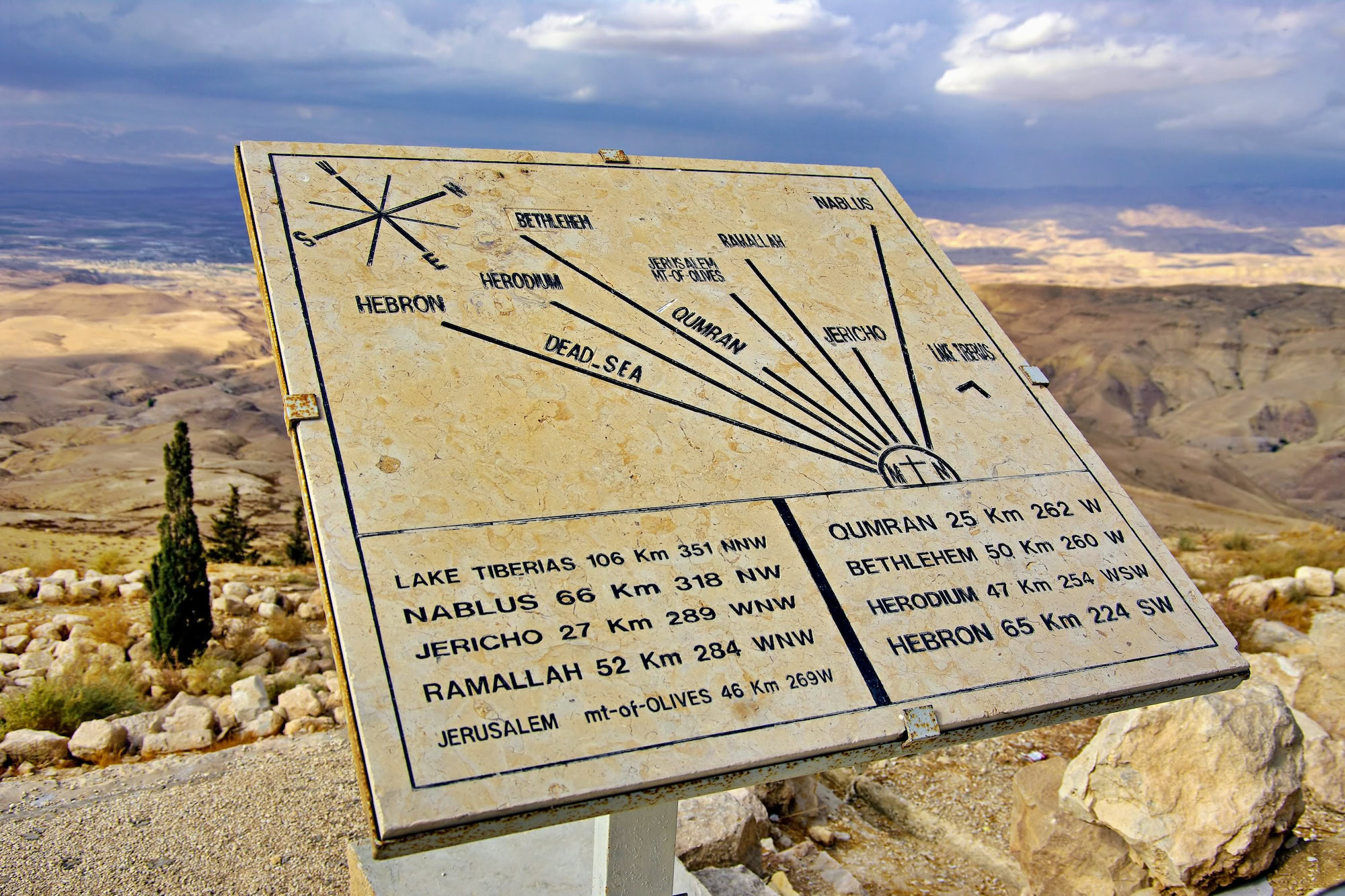
Jordan’s Dead Sea region serves as an ideal base for exploring biblical and historical sites. Mount Nebo, where Moses viewed the Promised Land, lies just 30 minutes away. The ancient mosaics of Madaba and the baptism site of Jesus at Bethany Beyond the Jordan are easily accessible day trips.
Year-Round Therapeutic Climate
The unique elevation creates a natural spa environment. The atmospheric pressure allows for extended sun exposure with reduced UV risk, while the mineral-rich air provides respiratory benefits. This combination has attracted wellness seekers for thousands of years.
Understanding the Dead Sea’s Extraordinary Properties
This isn’t just any body of water. The Dead Sea’s extreme characteristics create conditions found nowhere else on Earth.
The salinity reaches 34.2% – nearly ten times saltier than ocean water. This concentration creates the famous floating effect that makes swimming impossible and walking on water a reality. The high salt content prevents most life forms from surviving, earning its biblical name.
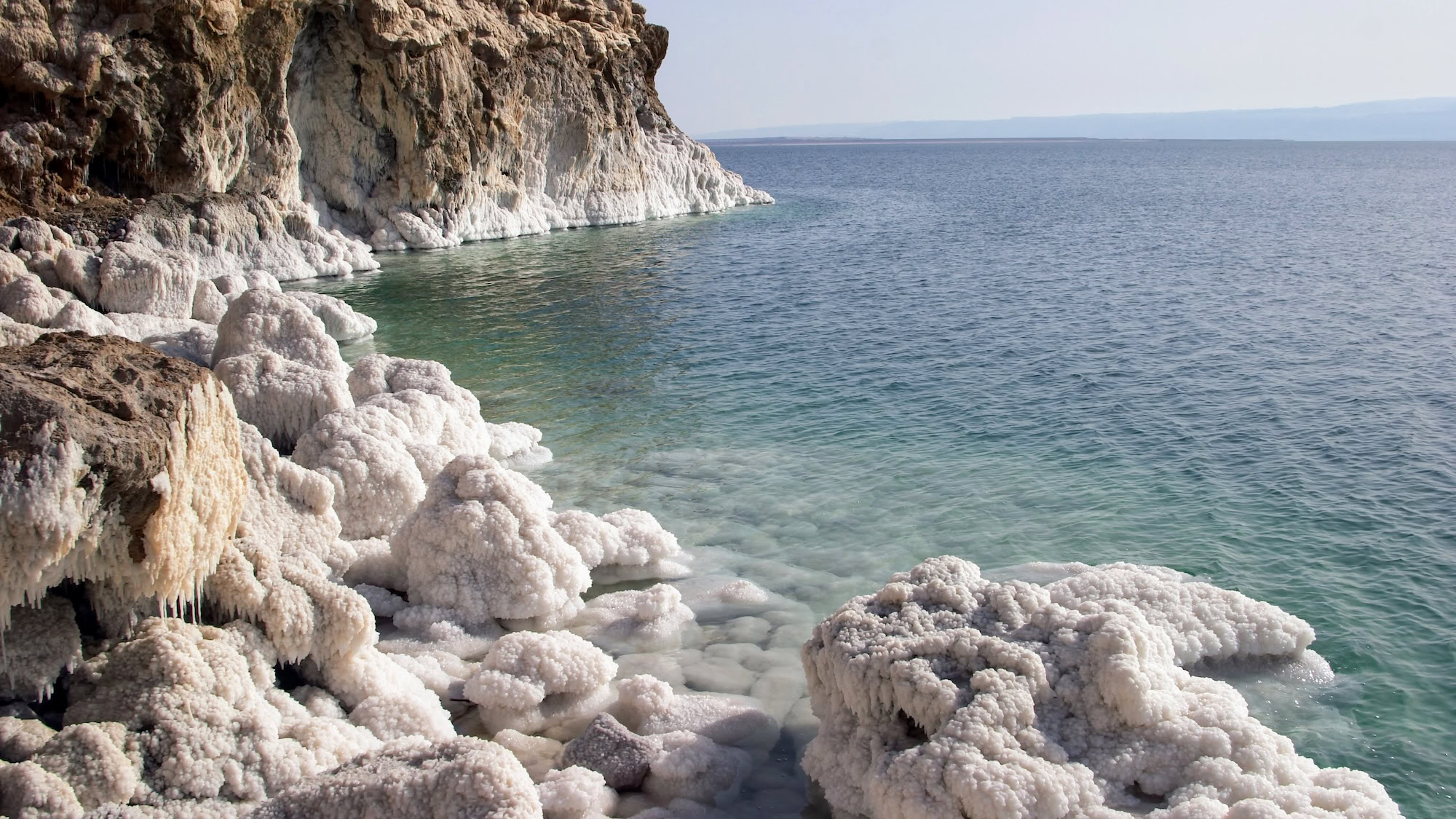
Mineral composition includes magnesium, potassium, and calcium chlorides that benefit skin conditions like psoriasis and eczema. Many visitors report improvements in skin texture and reduced inflammation after Dead Sea treatments. The mud contains these same minerals in concentrated form, creating natural skincare products used in spas worldwide.
The Science Behind Floating
Dense saltwater creates powerful buoyancy that pushes human bodies toward the surface. Visitors often struggle to submerge themselves completely, as the water naturally supports body weight. This unique physics creates photo opportunities and therapeutic benefits for those with joint pain or mobility issues.
Geological Marvel
The Dead Sea occupies part of the Great Rift Valley, formed by tectonic activity millions of years ago. This geological depression creates the lowest point on Earth’s surface, contributing to the lake’s unique properties. The Jordan River feeds the sea from the north, while intense evaporation concentrates minerals year after year.
What to Expect During Your Visit
Your Dead Sea experience begins the moment you step onto Jordan’s shores.
Most visitors start with the iconic floating experience. Wade slowly into the water – the salt stings cuts or sensitive areas. Sit back gently and feel your body naturally rise to the surface. Reading a newspaper while floating makes for classic photos, though many find the position awkward to maintain.
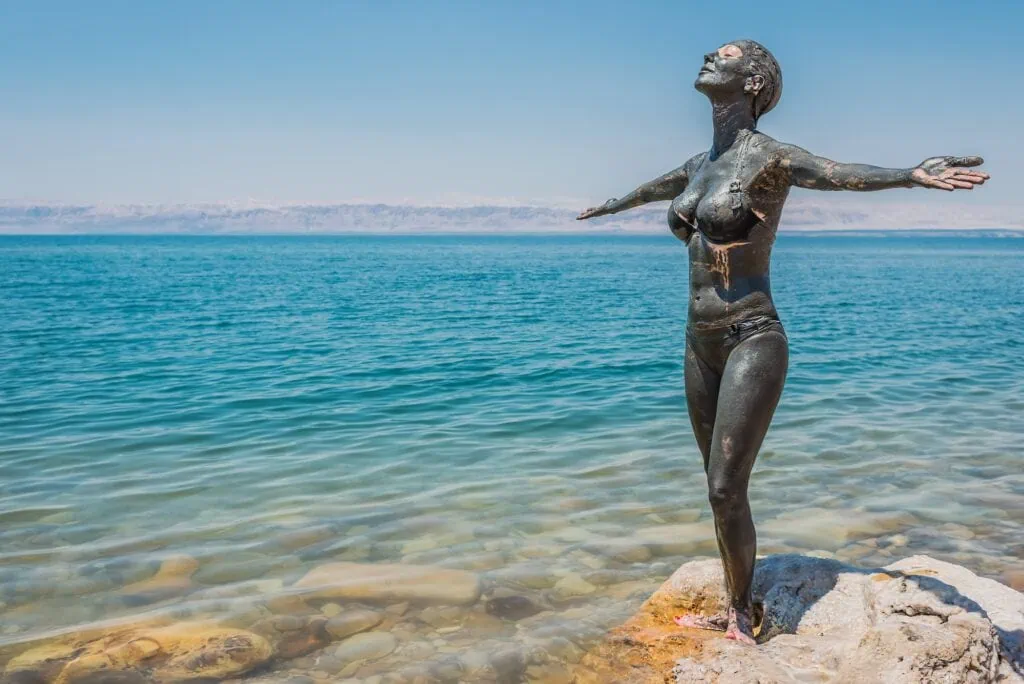
The mineral mud experience comes next. Black mud along the shoreline contains concentrated Dead Sea minerals. Cover exposed skin and let it dry in the sun before rinsing off. Your skin will feel noticeably softer afterward. Hotel spas offer refined mud treatments in controlled environments for those preferring professional applications.
Water temperature remains comfortable year-round, ranging from 19°C (66°F) in winter to 32°C (90°F) in summer. The surrounding air stays warm and dry, perfect for sunbathing and outdoor activities.
Don’t expect typical beach activities. The water’s density makes swimming strokes impossible. Instead, visitors bob like corks and enjoy the weightless sensation. Bring water shoes, as salt crystals can be sharp underfoot.
Planning Your Jordan Dead Sea Adventure
Getting There from Amman
The journey takes approximately 45 minutes by car along well-maintained highways. Rental cars provide flexibility for exploring nearby attractions, while taxis offer direct transport for around $40-60 USD each way. Many hotels arrange airport transfers that include Dead Sea stops.

Public transportation exists through local bus services, though schedules can be unpredictable. Private tour companies offer day trips combining Dead Sea visits with Mount Nebo or Madaba excursions.
Accommodation Options
Luxury resorts dominate Jordan’s Dead Sea coastline. The Kempinski Ishtar offers stunning architecture inspired by ancient Babylon, while Mövenpick provides modern amenities with traditional touches. These properties feature private beaches, spa services, and multiple dining options.
Budget travelers can access resort amenities through day passes typically costing $15-30 USD. These passes include beach access, changing facilities, and sometimes meals. Several hotels near the main tourist beach offer affordable overnight stays with Dead Sea access.
Best Times to Visit
Winter months (November through March) provide the most comfortable temperatures for extended outdoor activities. Summer brings intense heat but fewer crowds and lower accommodation prices. Spring and fall offer perfect weather with mild temperatures and clear skies.
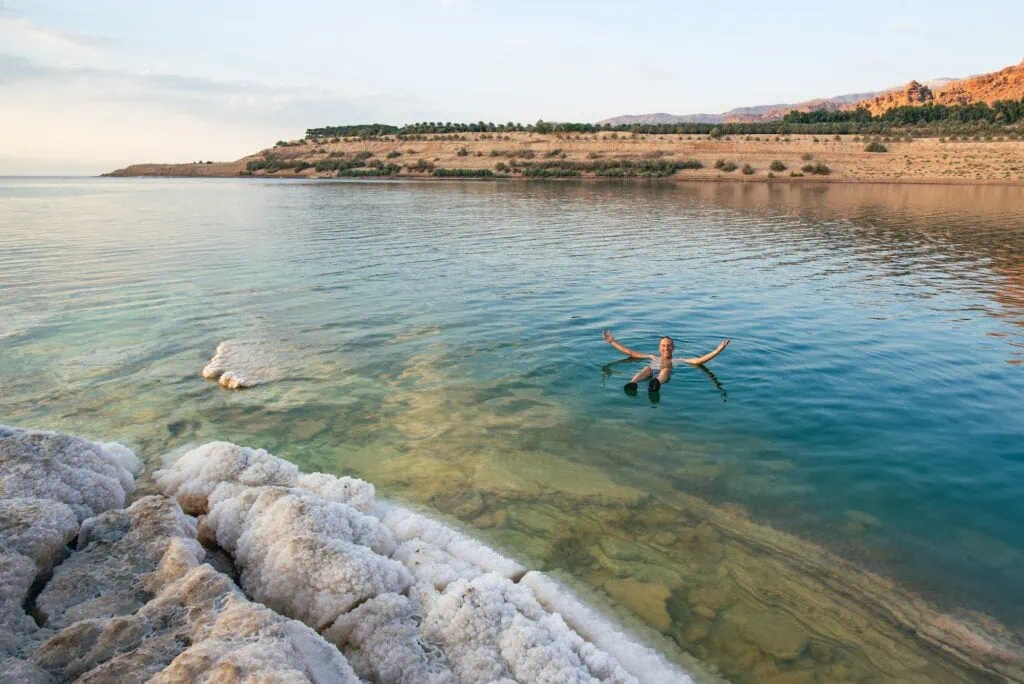
Early morning visits provide the best light for photography and fewer crowds at popular spots. Sunset timing varies seasonally but always creates dramatic colors across the water and surrounding mountains.
What to Bring and What to Leave Behind
Essential items include sunscreen with high SPF, water shoes for salt crystal protection, and plenty of drinking water. The dry climate and sun exposure increase dehydration risk significantly.
Leave jewelry and watches behind – salt water can damage metals and electronics. Bring old clothing, as salt residue may stain fabrics. Waterproof phone cases protect devices for underwater photos.
Health Benefits and Wellness Opportunities
Jordan’s Dead Sea region functions as a natural health retreat backed by scientific research.
Skin Condition Treatments
Medical studies document improvements in psoriasis, eczema, and other skin conditions through Dead Sea therapy. The combination of mineral-rich water, mud treatments, and reduced UV radiation creates ideal conditions for skin healing. Many European health insurance plans cover Dead Sea treatments as legitimate medical therapy.
Climatotherapy involves controlled sun exposure at this unique elevation. The extra atmospheric layer filters harmful UV rays while maintaining beneficial vitamin D production. Dermatologists worldwide recommend this natural treatment approach.
Respiratory and Joint Benefits
The increased atmospheric pressure and mineral-rich air provide relief for respiratory conditions. Many visitors with asthma or allergies notice breathing improvements during their stay.
The buoyant water supports body weight, reducing pressure on joints and spine. Physical therapists often recommend Dead Sea floating for arthritis relief and mobility improvement. The warm water temperature further relaxes muscles and reduces inflammation.
Spa and Wellness Services
Jordan’s Dead Sea resorts offer comprehensive wellness programs utilizing local natural resources. Dead Sea salt scrubs, mineral mud wraps, and therapeutic massages provide professional treatment options.
Many spas source materials directly from the lake, ensuring authentic mineral content. Treatment packages often combine multiple therapies for comprehensive wellness experiences.
Cultural and Historical Significance
The Dead Sea region is not only a natural wonder but also one of the most culturally rich Jordan tourist attractions, shaped by thousands of years of history and tradition.
Ancient trade routes once connected this area to major civilizations across the Mediterranean, making it a strategic and economic hub. Biblical accounts highlight its significance, from the story of Lot’s wife to King David seeking refuge in nearby caves, while archaeological findings confirm continuous human presence dating back millennia.
Today, Jordan actively preserves this heritage through protected sites and educational initiatives. Visitors can explore ancient settlements, discover traditional salt-harvesting practices, and gain insight into the region’s historical role in shaping trade and culture.
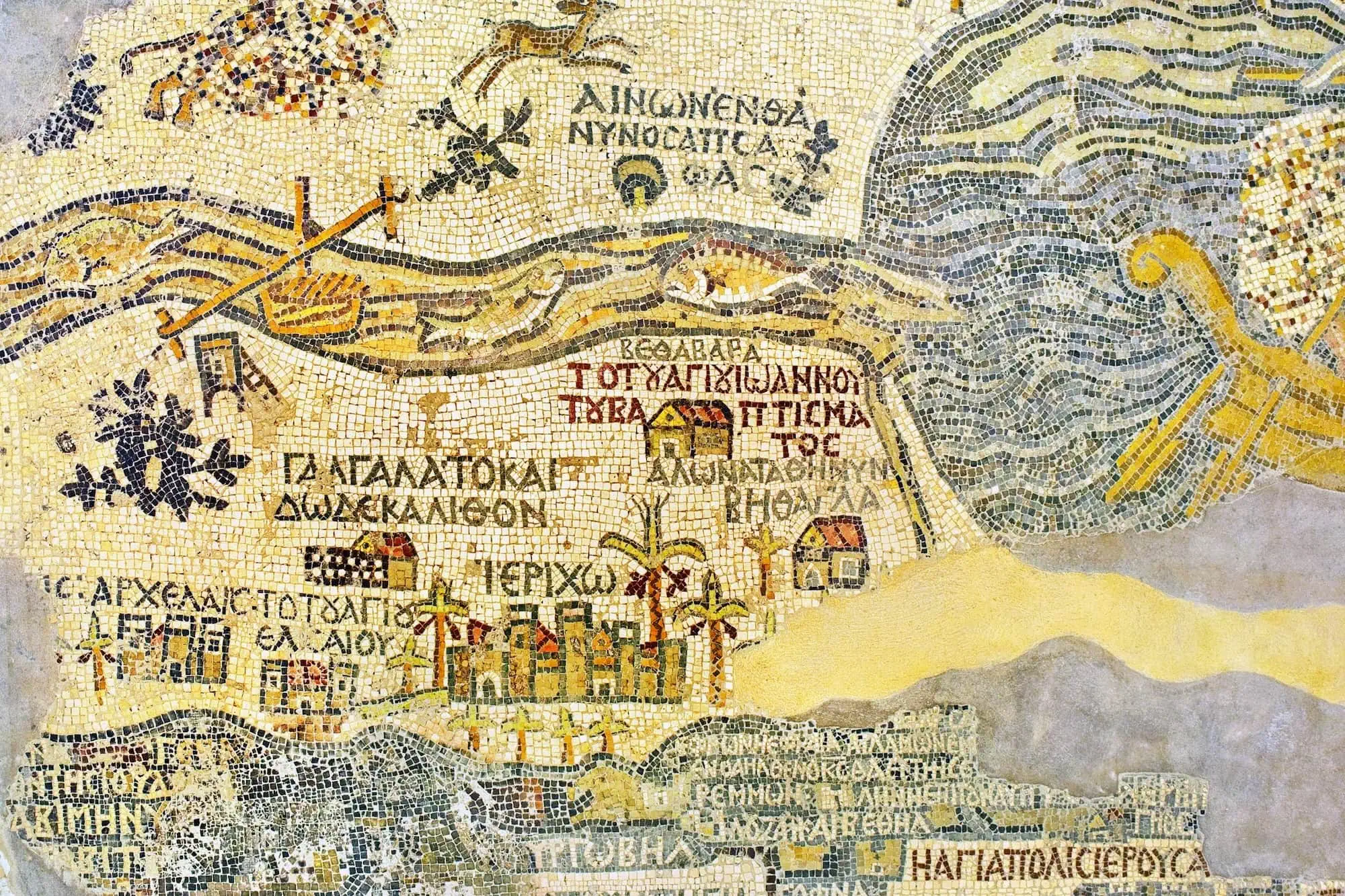
The proximity of the Jordan River adds a powerful spiritual dimension, with many travelers combining a Dead Sea visit with nearby baptism sites and other important religious landmarks.
At the same time, local Bedouin traditions remain an integral part of the experience. From handicrafts to cuisine and storytelling, these living cultural elements offer visitors an authentic connection that goes far beyond the landscape itself.
Environmental Challenges and Conservation
The Dead Sea faces significant environmental pressures that affect future accessibility.
Water levels drop approximately one meter per year due to increased water diversions from the Jordan River. This recession creates environmental challenges but also reveals new salt formations and geological features.
Conservation efforts include international cooperation between Jordan, Israel, and Palestine to address water management issues. The Red Sea-Dead Sea project proposes bringing water from the Red Sea to stabilize levels while generating hydroelectric power.
Climate change impacts include reduced rainfall in the Jordan River watershed and increased evaporation rates. These factors compound existing environmental pressures.
Visitors can support conservation through responsible tourism practices, supporting local businesses, and staying informed about environmental initiatives.
Frequently Asked Questions
The Dead Sea contains 34.2% salt concentration, making it nearly 10 times saltier than typical ocean water.
Yes, the extreme salt density creates natural buoyancy that makes it nearly impossible to sink or swim normally.
No, the high salt and mineral concentration makes Dead Sea water dangerous to consume and can cause serious health issues.
Limit initial visits to 10-15 minutes, as the salt can irritate skin and eyes with prolonged exposure.
Scientific studies show Dead Sea minerals can improve psoriasis, eczema, and other skin conditions when used properly.
Early morning (7:00-9:00 am) or late afternoon (4:00-6:00 pm) offer comfortable temperatures and better lighting for photos.
Hotel day passes range from $15-30 USD, while luxury resort access can cost $50-100 USD per day.
Children should be closely supervised as the salt can cause irritation, and the unusual buoyancy requires adjustment time.
No, the water density makes traditional swimming strokes impossible – visitors can only float and wade.
The journey takes approximately 45 minutes by car, covering about 55 km (34 miles) along major highways.
Water shoes are recommended for sharp salt crystals, plus sunscreen and drinking water for safety.
Rinse immediately with fresh water and seek shade – the salt concentration causes intense stinging and potential irritation.
Design Your Custom Tour
Explore Egypt and Jordan your way by selecting only the attractions you want to visit