

Al Bastakiya In Bur Dubai – Is It The Heart, Or The Soul?
Step into authentic Arabian heritage.
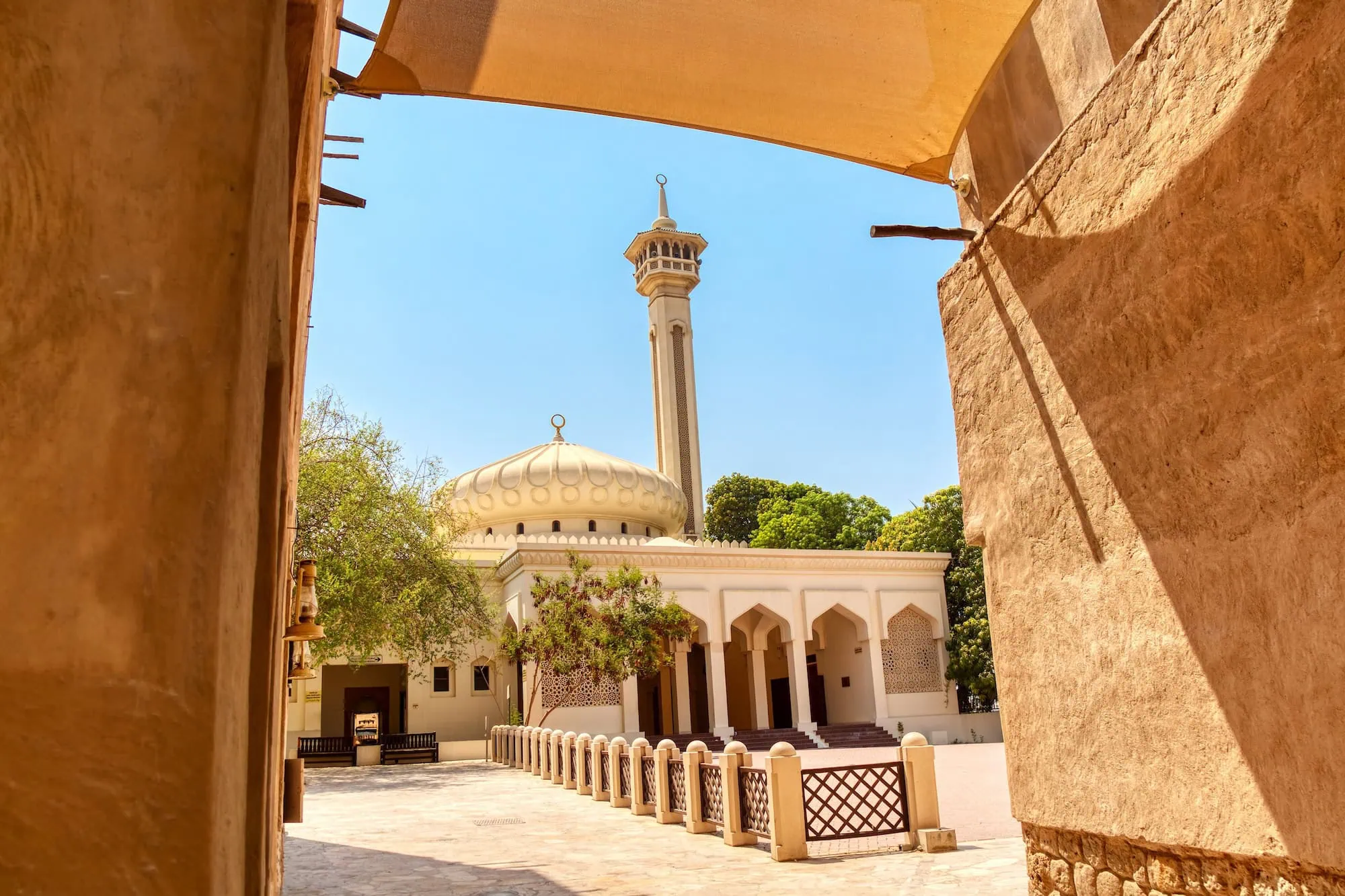
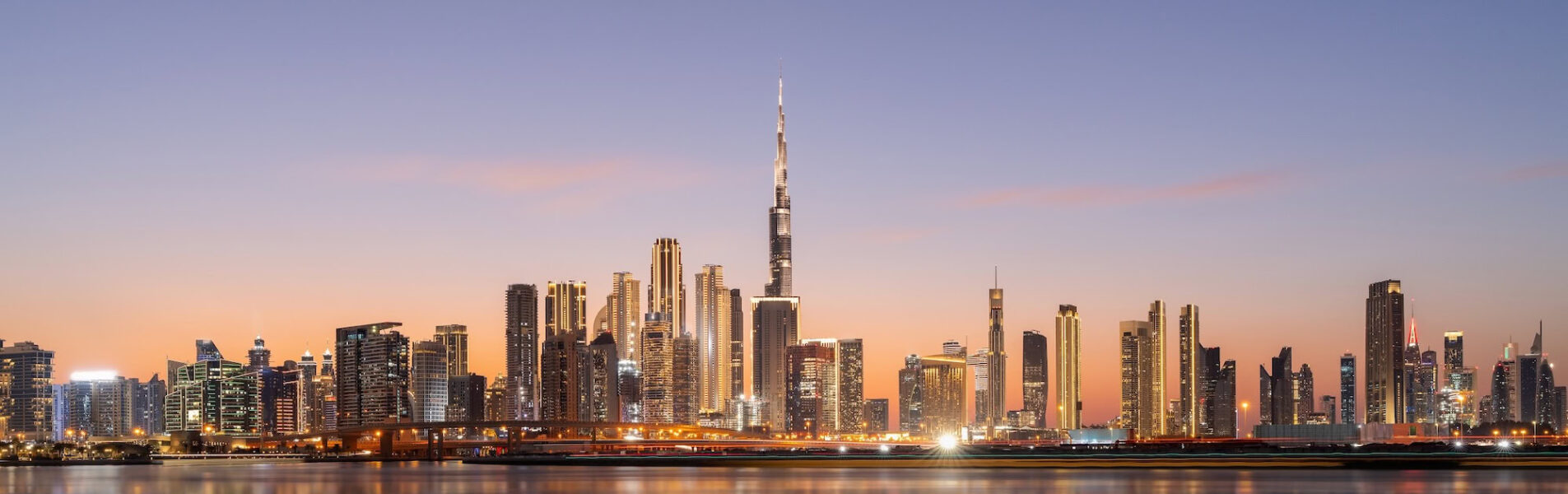
Al Fahidi Historical Neighborhood represents Dubai’s soul in a city known for futuristic skylines and luxury malls. This carefully restored district preserves 1890s Persian merchant architecture while hosting cultural institutions, art galleries, and traditional experiences.
Al Fahidi Fort can be included in our Egypt and Dubai luxury tours, where Dubai’s rich heritage is explored alongside its modern attractions and Egypt’s ancient historical wonders.
Walking through these narrow lanes reveals the story behind Dubai’s transformation from a modest fishing village into a global metropolis. Traditional wind towers, courtyard homes, and historic pathways offer a direct connection to the pre-oil era, when trading families shaped the region’s identity.
With extensive experience guiding travelers through these historic quarters, we know this area consistently delivers one of the most authentic cultural experiences in Dubai.
Table of Contents
The Persian Merchants’ Legacy
Persian traders from Bastak established this neighborhood in the 1890s, creating Dubai’s first planned residential district. These merchants brought architectural innovations that would define traditional Emirati building design for generations.
Wind Tower Technology
The distinctive wind towers rising above Al Fahidi represent the Middle East’s earliest air conditioning system. These four-sided structures capture desert breezes from any direction, channeling cool air down into living spaces below. Each tower stands 12-15 meters tall, with internal chambers that create pressure differences to maximize airflow.
The engineering principle remains remarkably effective. During our guided tours, visitors often comment on the natural cooling effect inside restored houses, even on days when exterior temperatures reach 45°C (113°F).
Traditional Courtyard Houses
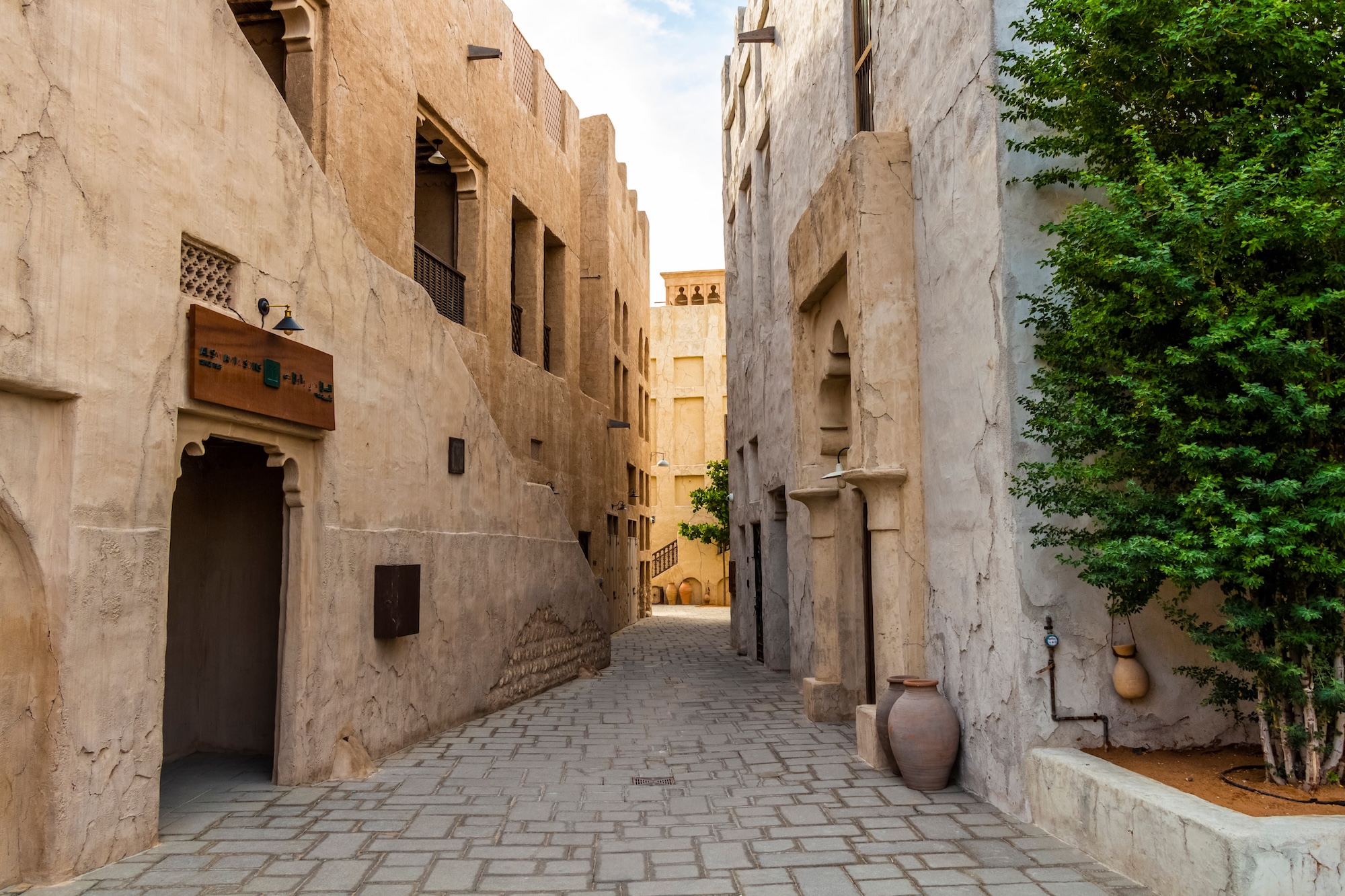
Narrow alleyways connect family compounds built around central courtyards. These enclosed spaces provided privacy for women and children while creating microclimates through strategic ventilation. Original houses featured thick coral stone walls, palm wood roofing, and decorative gypsum details that reflected both Persian and Arab influences.
Archaeological Preservation
The Dubai Municipality’s restoration team uncovered original building techniques during the 1990s renovation project. Craftsmen used traditional materials wherever possible, replacing damaged coral stones with similar specimens from demolished buildings elsewhere in the emirate. This authenticity extends to the narrow lane widths, which accommodate foot traffic and small carts as they did over a century ago.
Prince Charles and the 1989 Rescue
Al Fahidi nearly vanished completely in the 1980s when developers planned modern office complexes for the valuable Bur Dubai waterfront location. Prince Charles visited Dubai in 1989, touring the deteriorating neighborhood with British architect Rayner Otter. Their advocacy convinced Sheikh Rashid bin Saeed Al Maktoum to preserve the area instead of demolishing it.
This royal intervention launched a comprehensive restoration that would take nearly two decades to complete. Otter’s architectural firm worked alongside local craftsmen to document building techniques and source appropriate materials. The project set precedents for heritage conservation across the Gulf region, influencing similar efforts in Kuwait, Bahrain, and Qatar.
Today, plaques throughout the neighborhood acknowledge both Prince Charles’s intervention and Otter’s technical expertise. The restoration cost exceeded 100 million AED, making it one of the most expensive heritage projects in UAE history. However, the cultural value has proven immeasurable, creating Dubai’s primary historical tourism destination and preserving architectural knowledge that would otherwise have disappeared forever.
Cultural Institutions Within the Quarter
The Sheikh Mohammed Centre for Cultural Understanding anchors the neighborhood’s educational mission. This institution offers traditional Emirati meals, Arabic language classes, and cultural orientation programs designed to bridge understanding between local traditions and international visitors. We regularly coordinate with the centre to provide our guests with authentic cultural experiences beyond standard sightseeing.
Coffee Museum celebrates Arabia’s coffee culture with artifacts spanning five centuries. The collection includes Ethiopian coffee ceremonies, Turkish brewing equipment, and samples from major growing regions worldwide. Interactive displays explain coffee’s journey from Yemen’s port cities to global commodity markets. Located in a restored merchant house, the museum demonstrates how traditional architecture adapts to modern exhibition needs.
Majlis Gallery holds the distinction of Dubai’s oldest commercial art space, established in 1989 within a renovated courtyard house. Local and international artists display contemporary works alongside traditional crafts, creating dialogue between heritage preservation and artistic innovation. The gallery’s success encouraged other creative businesses to establish operations throughout Al Fahidi.
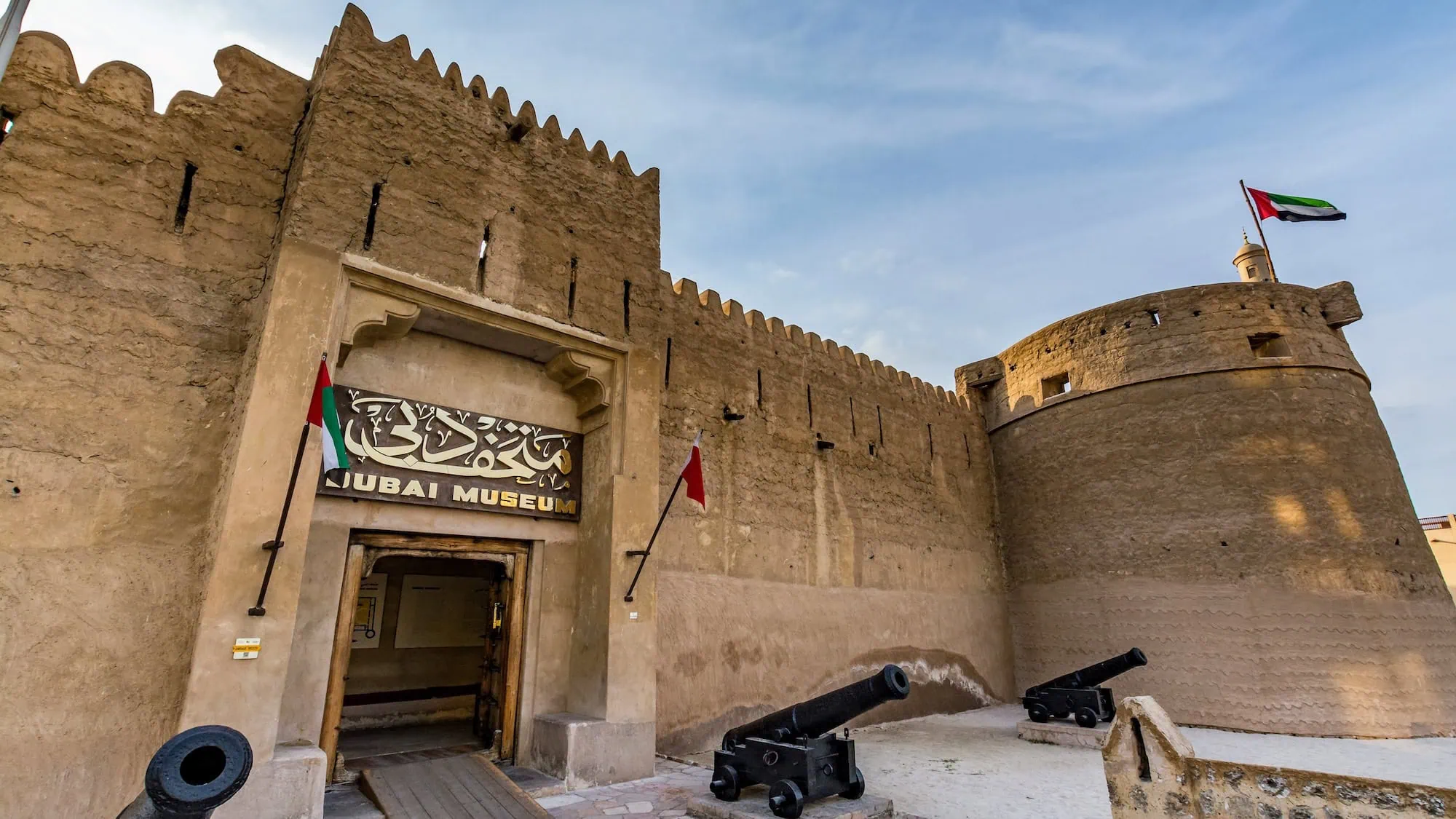
Dubai Museum occupies Al Fahidi Fort, the emirate’s oldest surviving structure dating to the 1780s. While technically separate from the historical neighborhood, the fort’s proximity creates a natural cultural corridor. Underground galleries showcase Dubai’s development from fishing village to modern metropolis, providing context that enhances understanding of the preserved residential quarter.
Visiting Al Fahidi Today
Operating Hours and Access
The neighborhood welcomes visitors daily from 8:00 am (08:00) to 10:00 pm (22:00) with no admission fees. Individual cultural institutions maintain separate schedules, typically opening from 9:00 am (09:00) to 5:00 pm (17:00) Saturday through Thursday. Most facilities close Fridays for prayers and maintenance.
Transportation Options
Dubai Metro’s Al Fahidi Station provides direct access via the Green Line. From the station, the neighborhood entrance sits approximately 400 meters (0.25 miles) away through covered walkways. Taxis drop passengers at designated points along Al Fahidi Street, while private vehicles access limited parking areas during off-peak hours.
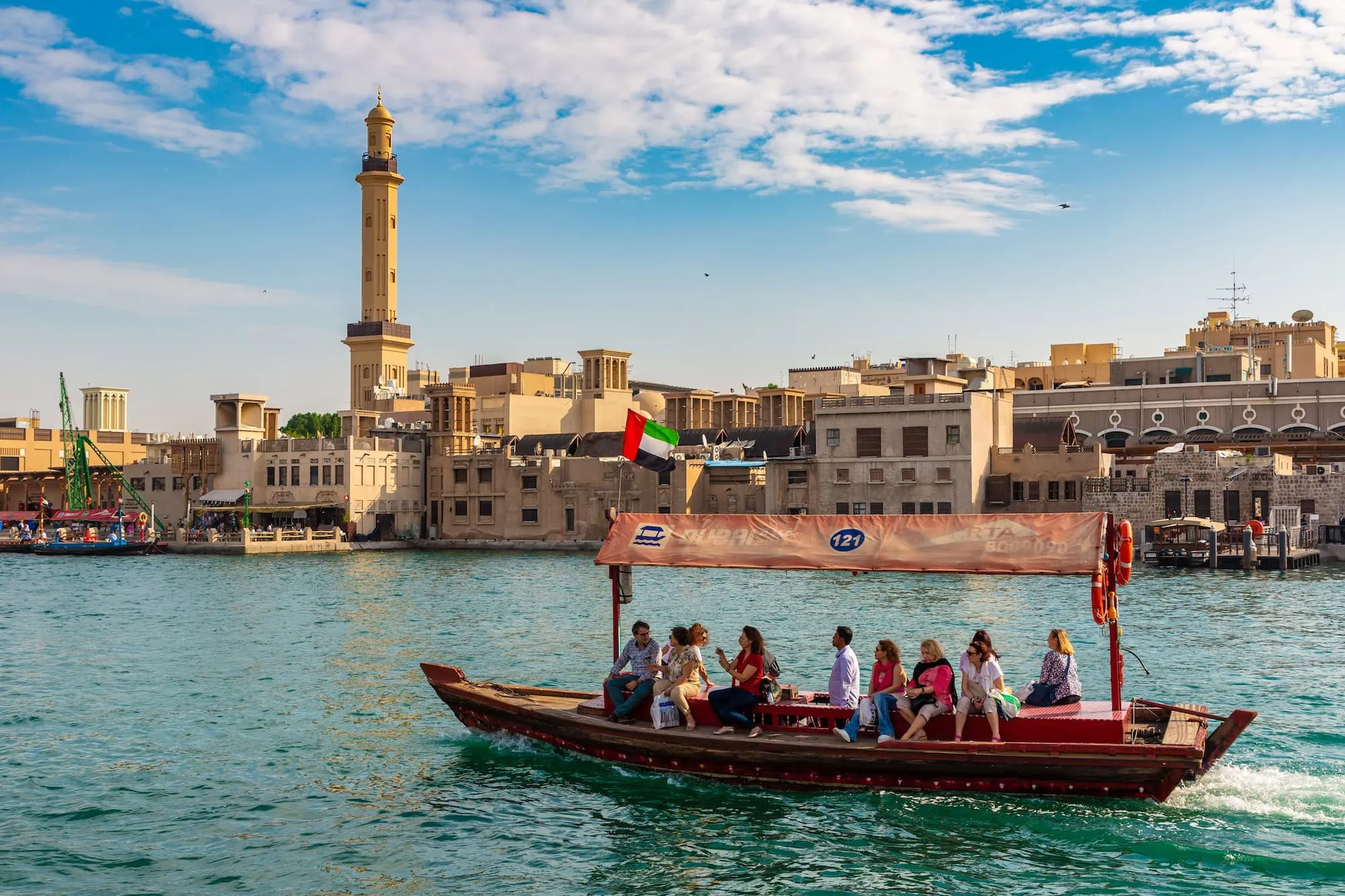
Water taxis cross Dubai Creek from Deira’s traditional souks, recreating historical trading routes. This journey takes 10-15 minutes and costs 1 AED per crossing. The creek crossing adds historical context to your visit, following paths Persian merchants used to transport goods between residential quarters and commercial districts.
Recommended Visit Duration
Most visitors spend 2-3 hours exploring the complete neighborhood, including museum visits and refreshment stops. Our guided tours typically allocate 90 minutes for architectural appreciation and cultural education, with additional time for shopping or dining based on individual preferences.
Photography enthusiasts often require longer periods to capture architectural details and atmospheric scenes. The golden hour period around sunset provides optimal lighting for both architectural documentation and atmospheric portraiture.
Arabian Tea House Experience
This restored merchant residence serves traditional Emirati cuisine in authentic surroundings. Original wind towers cool outdoor seating areas, while indoor dining rooms feature period furniture and decorative elements. The menu emphasizes local dishes like machboos, harees, and freshly baked khanfaroosh pastries.
Tea service follows traditional Gulf customs, with cardamom-spiced preparations served in small glasses. Coffee ceremonies demonstrate proper Emirati hospitality protocols, including the significance of offering dates and the correct way to accept refreshments as a guest.
Breakfast arrives until 11:00 am (11:00), featuring regional specialties alongside international options. Lunch and dinner menus expand to include grilled meats, seafood preparations, and vegetarian dishes that accommodate diverse dietary requirements. Advance reservations help secure preferred seating areas, particularly during cooler months when outdoor tables are most popular.
The restaurant’s success encouraged similar establishments throughout Al Fahidi, creating a concentration of authentic dining experiences within the historical setting. Each venue maintains different specialties, from traditional coffee houses to contemporary fusion concepts that respect the neighborhood’s cultural atmosphere.
Art Galleries and Creative Spaces
Beyond Majlis Gallery, numerous smaller studios showcase emerging regional artists and traditional craftspeople. The XVA Gallery combines contemporary art exhibitions with boutique hotel accommodations, creating unique overnight experiences within restored architecture.
Craft workshops allow visitors to observe traditional techniques like pottery making, textile weaving, and metalwork that sustained local economies before oil discovery. Master craftsmen demonstrate skills passed through family generations, offering insights into pre-modern Emirati society.
Frequently Asked Questions
Allow 2-3 hours for a complete visit including museums, galleries, and refreshment stops.
Yes, the pedestrian-only environment and interactive exhibits appeal to families with children of all ages.
Early morning or late afternoon provide comfortable temperatures and optimal photography lighting.
Yes, various operators including our expert guides offer cultural tours with historical context and architectural insights.
Dubai Museum operates independently with separate admission fees, though it complements the Al Fahidi experience perfectly.
Photography is welcome in public areas, though some private galleries may restrict camera use.
The Sheikh Mohammed Centre provides programs in English and Arabic, with advance notice for other languages.
Yes, clean facilities are located at multiple points throughout the neighborhood.
Most establishments offer vegetarian options and can accommodate common allergies with advance notice.
While challenging due to historical narrow pathways, main routes accommodate mobility devices with assistance.
Multiple shops offer authentic handicrafts, textiles, and cultural artifacts from regional artisans.
This neighborhood preserves authentic 19th-century architecture and cultural practices, contrasting with Dubai’s modern developments while telling the emirate’s origin story.
Design Your Custom Tour
Explore Egypt and Dubai your way by selecting only the attractions you want to visit