

Tangier Attractions – Exploring Morocco’s Gateway to Africa
Tangier grips you from the moment you arrive.
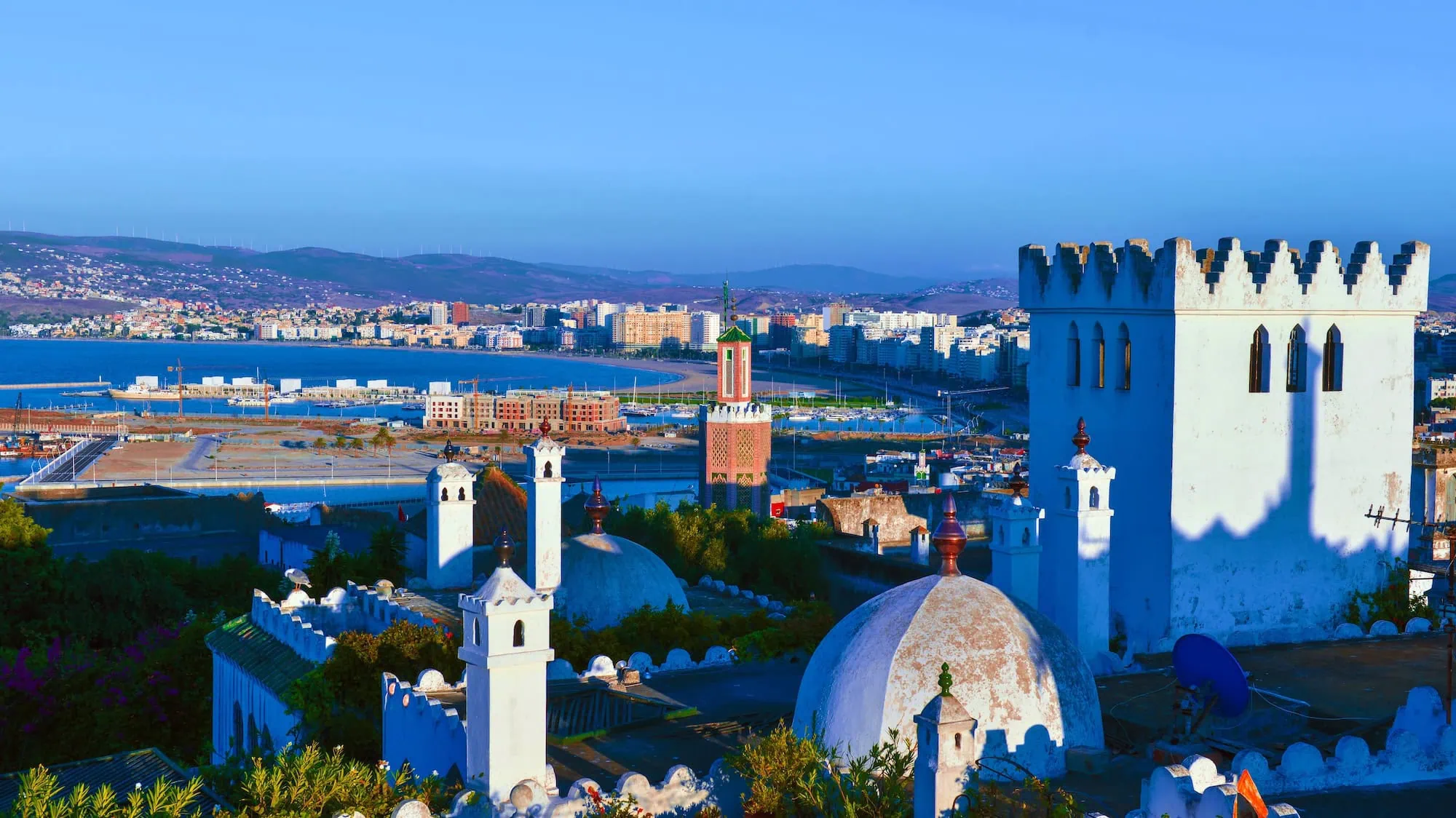
This historic port city has welcomed traders, writers, and explorers for centuries, creating a unique blend of African, European, and Arab influences that shape every street and marketplace. From the legendary Caves of Hercules to the winding alleys of the medina, Tangier offers experiences that range from mystical to modern.
Tangier can be included in our Egypt and Morocco tours, where Morocco’s northern gateway is combined with its imperial cities and Egypt’s ancient wonders for a rich, multi-country journey.
With decades of experience guiding travelers through Morocco, we know Tangier deserves more than a quick stop—it rewards those who take the time to explore. Whether you’re arriving from Spain or starting a longer journey through Morocco, this city offers a compelling introduction to the region.
Historic Medina and Kasbah Quarter
The medina draws you into its maze-like embrace with an intensity few places can match.
Navigating the Ancient Heart
Tangier’s medina represents over a thousand years of continuous habitation, where Berber foundations support Moorish archways and French colonial touches accent traditional riads. The pedestrian-only alleyways twist and turn with deliberate confusion – a defensive design that once protected residents from invaders. Now these same passages shelter artisan workshops, traditional bakeries, and family homes that have sheltered generations.
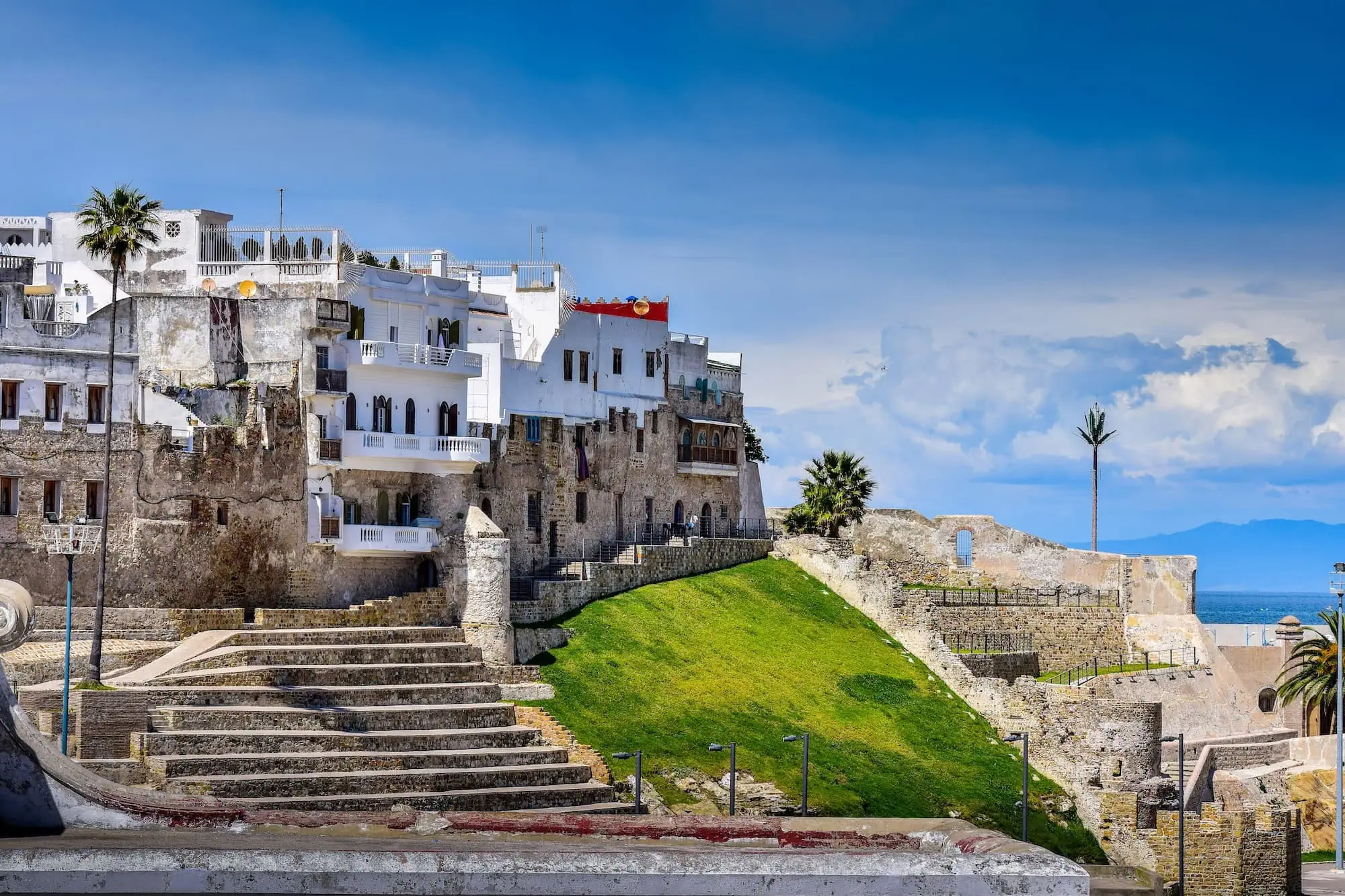
We recommend starting your exploration early morning when shopkeepers open their stalls and the call to prayer echoes off ancient walls. The medina reveals itself gradually. First, you’ll notice the obvious – colorful textiles hanging from doorways and the aroma of fresh bread. Then subtler details emerge: intricate geometric patterns carved into doorframes, glimpses of private courtyards through partially open doors, and the steady rhythm of craftsmen at work.
The Kasbah Museum Experience
The Kasbah Museum occupies what was once the Dar-el-Makhzen palace, built in the 17th century when Tangier served as Morocco’s diplomatic capital. This elevated position provides stunning views across the Strait of Gibraltar while housing remarkable collections of Roman archaeological remains and traditional Moroccan crafts. The museum’s architecture tells its own story – Portuguese influences blend with Alaouite aesthetics, creating spaces that feel both intimate and grand.
Walking through the museum’s rooms, you’ll encounter artifacts that span millennia. Roman mosaics share space with Berber jewelry. Traditional Moroccan carpets hang near ancient coins. The collection might seem eclectic, but it perfectly captures Tangier’s role as a cultural crossroads.
Petit Socco’s Living History
Once Morocco’s most important marketplace, Petit Socco now serves as a social hub where locals gather for tea and conversation. This small square witnessed the city’s transformation from international zone to modern Moroccan city. Writers like Paul Bowles and William Burroughs found inspiration here, watching the human drama unfold around traditional cafés that still operate today.
The square maintains its magnetic pull. Café Central and other traditional establishments offer perfect vantage points for observing daily life. Order mint tea and settle in – Petit Socco rewards patient observation.
Natural Wonders and Coastal Attractions
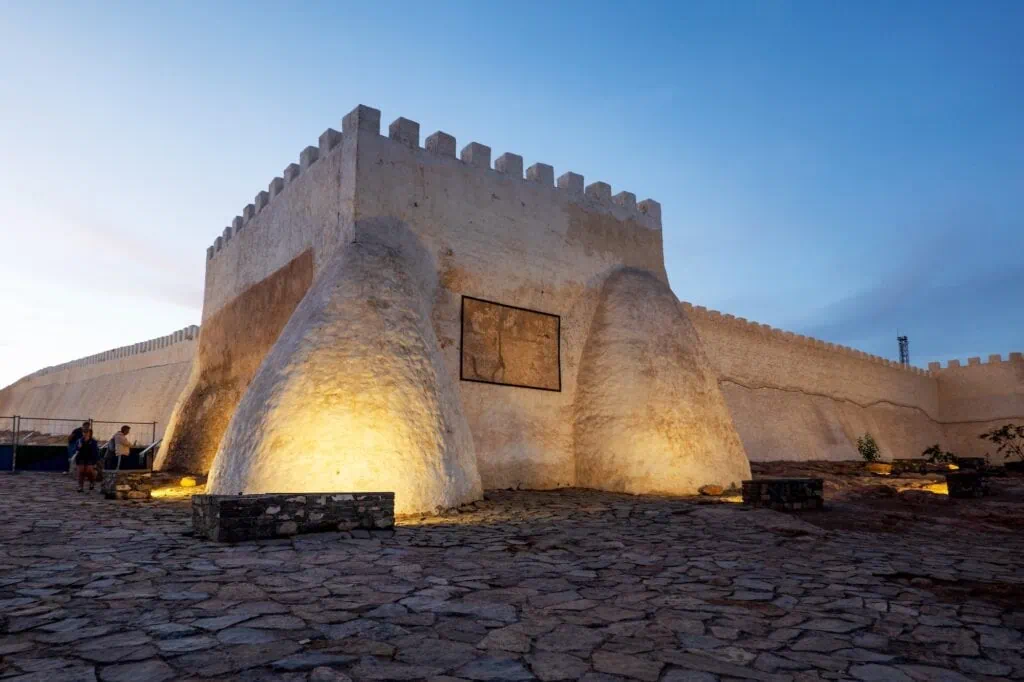
Tangier’s coast offers some of Morocco’s most dramatic natural attractions, where geology and legend intertwine in remarkable ways.
The Caves of Hercules rank among North Africa’s most fascinating natural formations, combining authentic geological wonders with mythological significance that has captivated visitors for generations. According to legend, Hercules rested here after separating Europe from Africa and creating the Strait of Gibraltar. The cave’s most famous feature – an opening shaped remarkably like the African continent when viewed from inside – seems almost too perfect to be natural.
The cave system extends deep into the coastal cliffs, with sections that are naturally formed alongside areas clearly modified by human activity. Ancient peoples quarried millstones here, creating the distinctive chambers that now welcome thousands of visitors annually. The contrast between rough natural rock and smooth quarried surfaces creates an otherworldly atmosphere that photography struggles to capture fully.
Cap Spartel’s Maritime Heritage
Where the Mediterranean Sea meets the Atlantic Ocean, Cap Spartel lighthouse has guided ships safely to shore since 1864. French engineer François Léonce Reynad designed this elegant structure with subtle mosque-inspired elements that honor the building’s Moroccan setting while serving its international maritime purpose.
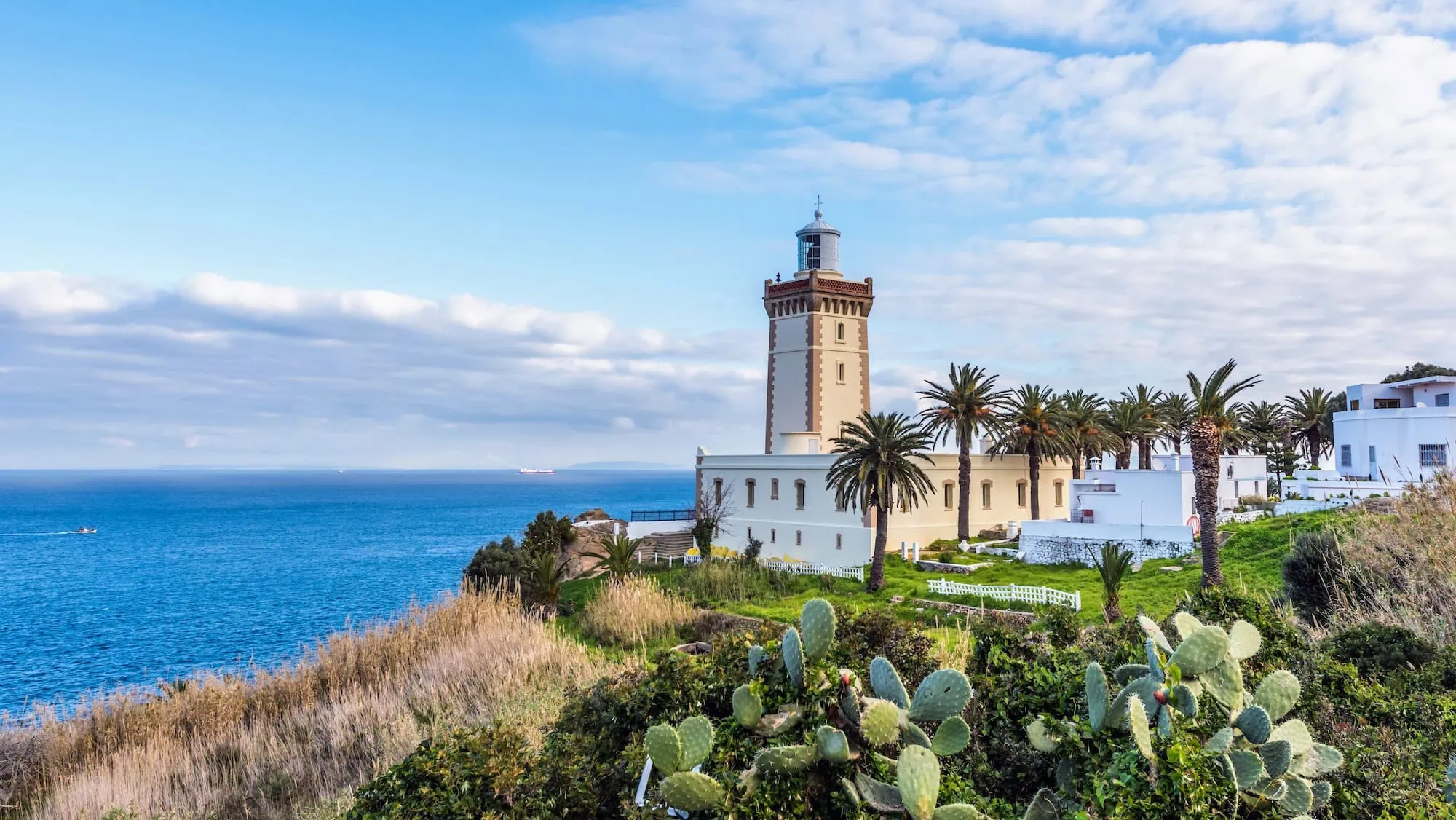
The lighthouse area provides exceptional sunset viewing opportunities. As daylight fades, the contrast between two great bodies of water becomes visible – a natural phenomenon that few places on Earth can offer. The surrounding landscape remains largely undeveloped, preserving the wild beauty that makes this location so special.
Literary and Cultural Heritage
Tangier’s reputation as a haven for writers and artists didn’t develop by accident – this city nurtures creative spirits with an atmosphere that balances artistic freedom with rich cultural traditions.
Café Hafa perches on cliffs overlooking the Strait of Gibraltar, occupying the same terraced location since 1921. This historic establishment attracted Beat Generation writers, rock stars including members of the Beatles and Rolling Stones, and countless travelers seeking the perfect combination of mint tea, stunning views, and creative inspiration. The café maintains its traditional design with simple wooden tables and handwoven carpets, refusing to modernize in ways that might diminish its authentic character.
The panoramic sea views alone justify a visit, but Café Hafa’s true appeal lies in its unchanged atmosphere. Conversations happen in multiple languages. Local artists sketch the horizon. Writers fill notebooks with observations about light, shadow, and the eternal movement of water between continents.
Beat Generation Legacy
Paul Bowles, William Burroughs, and other prominent writers chose Tangier as their adopted home, drawn by the city’s tolerance for unconventional lifestyles and its position at the intersection of cultures. Their influence extends beyond literature – they helped establish Tangier’s reputation as a place where creative expression flourishes without judgment.
Walking through neighborhoods where these writers lived and worked, you encounter placements and buildings that remain largely unchanged. The literary heritage isn’t preserved in museums but continues through the city’s ongoing attraction to artists, musicians, and writers from around the world.
Day Trips and Regional Excursions
Chefchaouen: The Blue Pearl
Just two hours from Tangier, Chefchaouen offers one of Morocco’s most photographed experiences. This mountain town paints its buildings in varying shades of blue, creating an almost surreal landscape against the Rif Mountains backdrop. The tradition reportedly began with Jewish refugees in the 1930s, who considered blue a sacred color representing the sky and heaven.
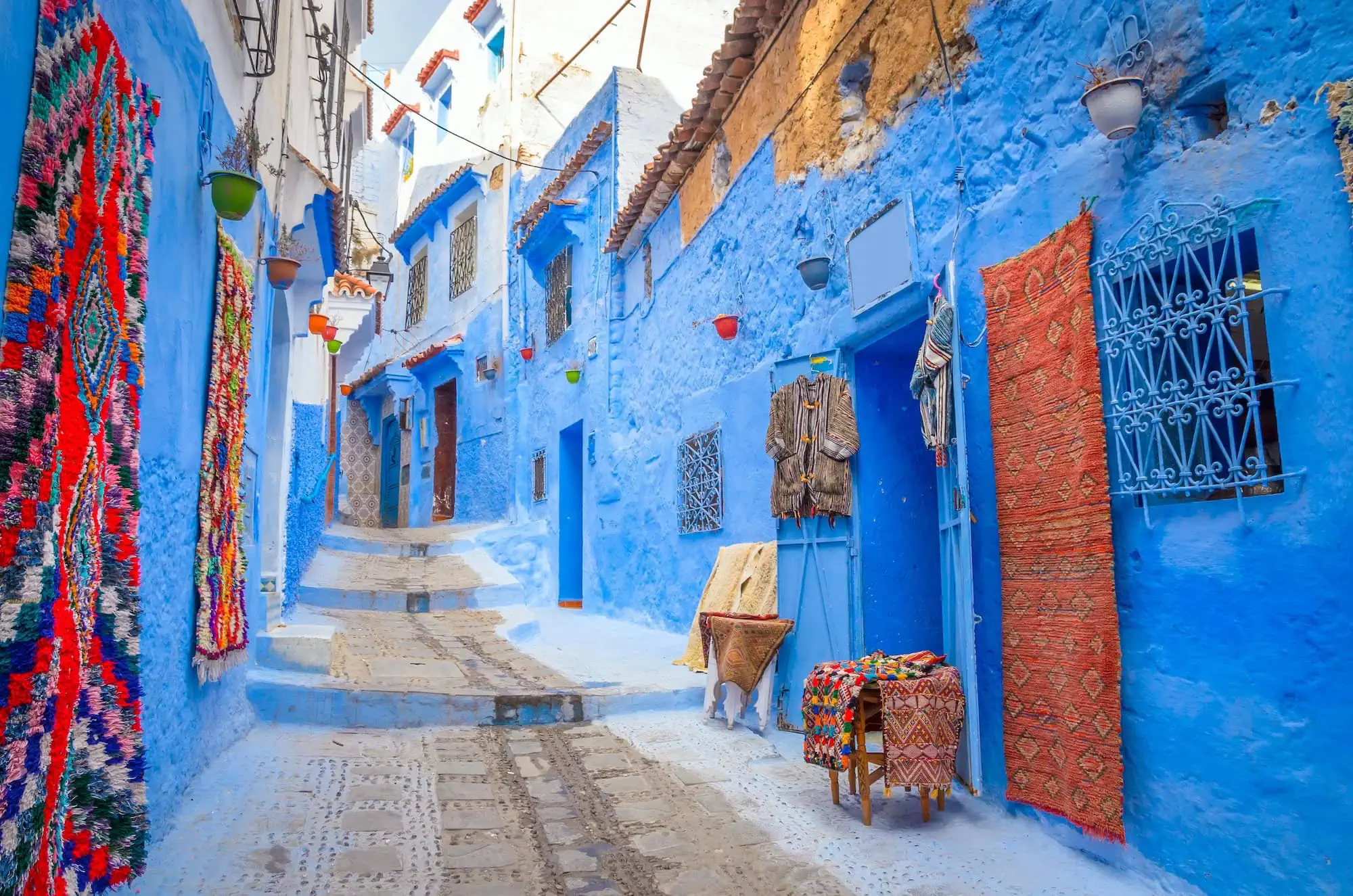
Chefchaouen works beautifully as a day trip from Tangier, though many visitors wish they had planned to stay longer. The medina here feels more compact and manageable than Tangier’s, making it ideal for travelers who want to experience traditional Moroccan architecture without navigating complex street systems.
Tetouan’s UNESCO Heritage
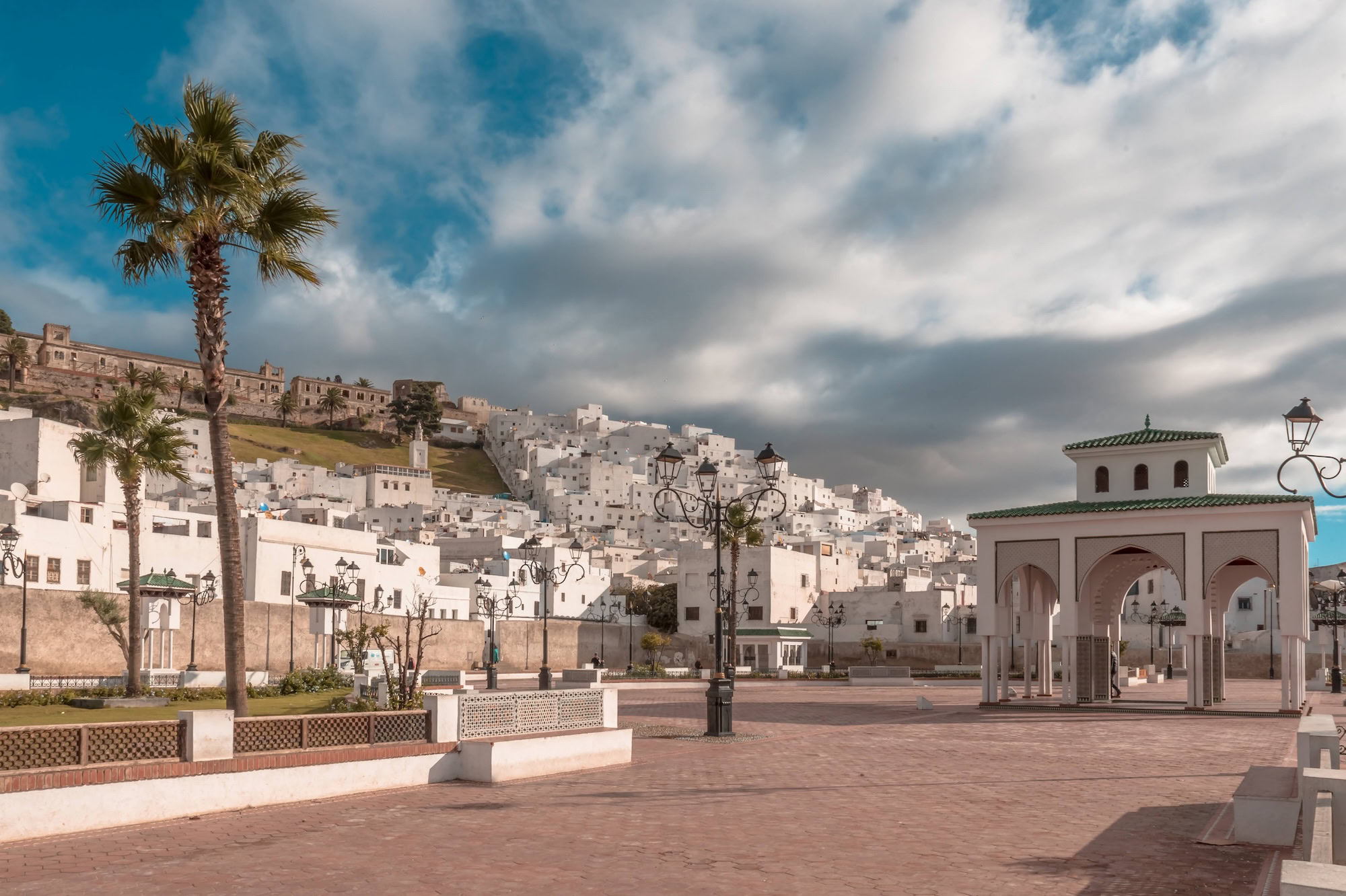
Tetouan preserves one of Morocco’s most complete examples of traditional Islamic urban planning, earning UNESCO World Heritage recognition for its authentic medina layout and architectural integrity. The city developed as a Moorish refuge after the fall of Granada, and its residents brought sophisticated craftsmanship techniques that continue influencing local artisans today.
The drive from Tangier takes roughly one hour, passing through agricultural landscapes that showcase northern Morocco’s fertility and variety. Tetouan’s souks specialize in leather goods and traditional textiles, often offering higher quality and more reasonable prices than larger tourist destinations.
Practical Planning and Local Insights
Getting Around Tangier
Tangier’s compact city center makes walking the most practical transportation method for reaching major attractions. The medina requires pedestrian travel exclusively – cars cannot navigate its narrow passages. For longer distances, petit taxis (small blue vehicles) provide reliable service, though drivers rarely speak English, so having destination names written in Arabic proves helpful.
We always recommend hiring local guides for medina exploration, especially for first-time visitors. Experienced guides provide cultural context that transforms a simple walk into genuine education about Moroccan history, architecture, and daily life. Their knowledge prevents common tourist mistakes and often leads to discoveries that independent exploration might miss.
When to Visit
Spring (March through May) and fall (September through November) offer optimal weather conditions with comfortable temperatures and minimal rainfall. Summer months can be quite hot, though coastal breezes provide some relief. Winter brings cooler temperatures and occasional rain but fewer crowds and lower accommodation costs.
Ramadan affects visiting experiences significantly, with altered restaurant hours and modified activity schedules. However, this holy month also provides unique opportunities to witness important cultural traditions and community gatherings.
Cultural Considerations
Tangier’s history as an international zone created relatively liberal attitudes compared to other Moroccan cities, but respectful dress remains important, especially when visiting religious sites or traditional neighborhoods. Women should pack clothing that covers shoulders and knees. Men should avoid shorts when entering mosques or conservative areas.
The Great Mosque, built in 1684, represents one of Tangier’s most significant religious structures. Non-Muslims cannot enter, but the exterior architecture and surrounding area provide insight into Islamic design principles and community organization.
Photography etiquette varies by location and situation. Tourist attractions generally welcome cameras, but always ask permission before photographing people, especially in traditional neighborhoods where privacy expectations differ from Western norms.
Frequently Asked Questions
The medina, Caves of Hercules, Cap Spartel lighthouse, and Kasbah Museum represent Tangier’s essential experiences.
Two full days allow major attractions and medina exploration, while three days permit relaxed pace with day trips.
The medina is generally safe during daylight hours, but guided tours provide cultural context and navigation help.
Taxi rides take approximately 20 minutes from downtown Tangier and can combine with Cap Spartel lighthouse visits.
Yes, organized day trips include round-trip transportation with several hours for exploration through scenic mountain landscapes.
Official guides charge 200-300 dirhams for half-day tours and 400-500 dirhams for full-day excursions.
Excellent connectivity makes Tangier ideal for day trips to Chefchaouen, Tetouan, Asilah, and southern Spain.
Cap Spartel marks where Mediterranean and Atlantic waters meet, creating unique marine ecosystems and shipping routes.
Infrastructure development since early 2000s modernized transportation and tourism while preserving historic neighborhoods and cultural traditions.
International zone history created unique cultural mixing with more European influence and cosmopolitan atmosphere than Fez, Meknes, Marrakech, and Rabat.
Coastal location provides milder temperatures year-round with Mediterranean breezes moderating summer heat and preventing extreme winter cold.
Design Your Custom Tour
Explore Egypt & Morocco your way by selecting only the attractions you want to visit