How Do I Travel To Dahab?
Dahab calls to adventurous souls like a siren song across the Red Sea.
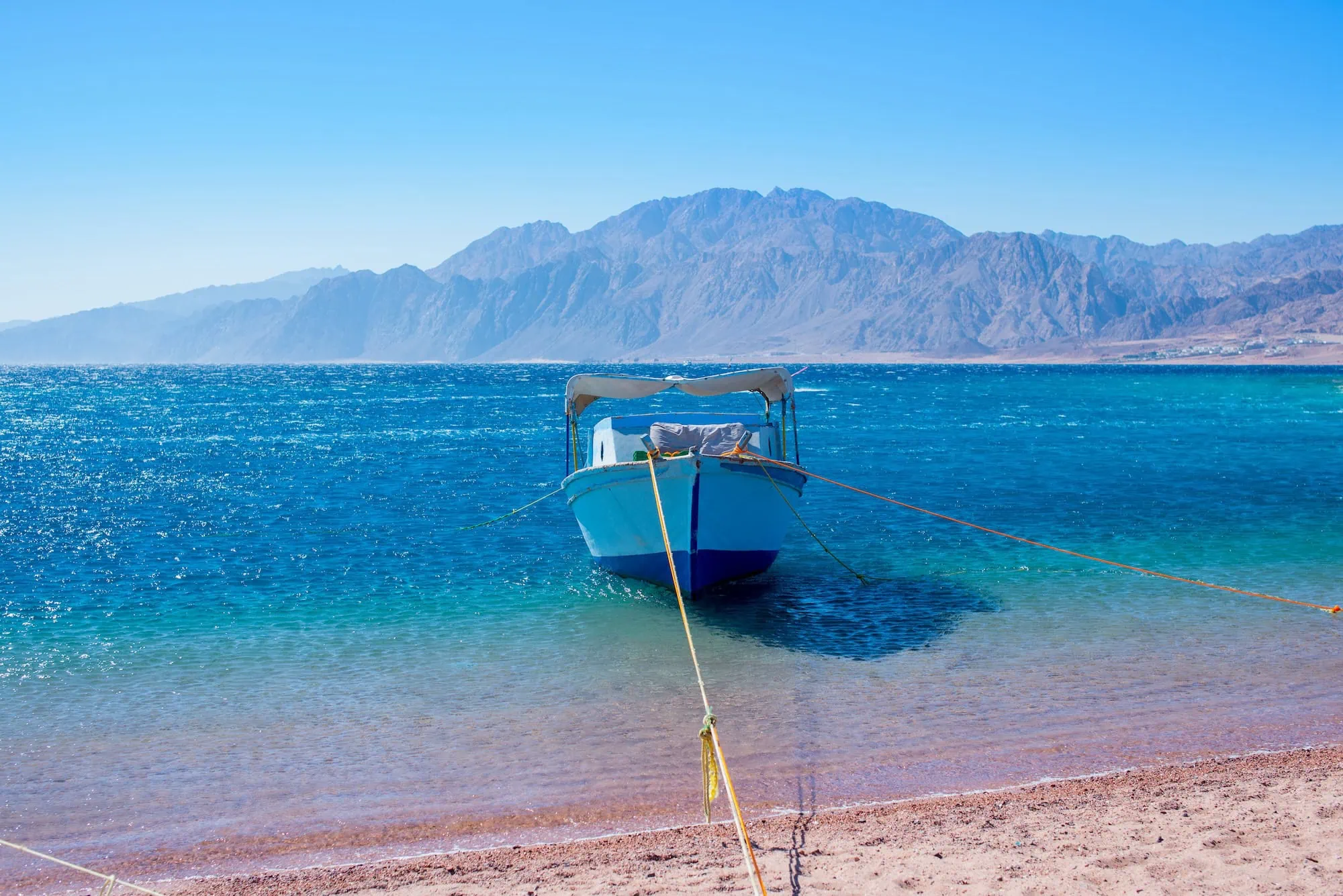
Planning a trip to this laid-back Sinai Peninsula gem requires more than just picking dates on a calendar. From choosing the right entry point to navigating visa requirements, the journey to Dahab involves several key decisions that can make or break your desert-meets-sea adventure. Whether you’re drawn by world-class diving, desert safaris, or simply escaping to one of Egypt’s most relaxed destinations, understanding your travel options is essential.
Getting there successfully sets the tone for everything that follows – and we’re here to ensure you arrive ready to embrace Dahab’s unique magic.
Table of Contents
Transportation Routes to Dahab
Your path to Dahab begins with understanding Egypt’s entry points and transportation networks. Most international travelers arrive through Cairo International Airport, Egypt’s primary hub, though alternative routes exist depending on your itinerary.
Flying into Egypt
Cairo International Airport serves as the main gateway for reaching Dahab. Direct flights connect Cairo to major cities worldwide, making it the most convenient starting point. From Cairo, you’ll need ground transportation to complete your journey – approximately 450 km (280 miles) to the southeast.
Sharm El Sheikh International Airport offers another option, particularly for European travelers. Located roughly 100 km (62 miles) from Dahab, this Red Sea airport significantly reduces overland travel time. Many charter flights and seasonal routes serve Sharm El Sheikh directly.
Ground Transportation from Cairo
Private transfers provide the most comfortable Cairo-to-Dahab experience. We arrange modern, air-conditioned vehicles with experienced drivers who know the Sinai Peninsula routes intimately. The journey takes approximately 5-6 hours, including necessary border crossings and rest stops.
Bus services operate between Cairo and Dahab through several companies. East Delta and Go Bus run regular schedules, though departure times can vary seasonally. These services typically require 6-7 hours, including stops in Suez and other Sinai towns.
From Sharm El Sheikh
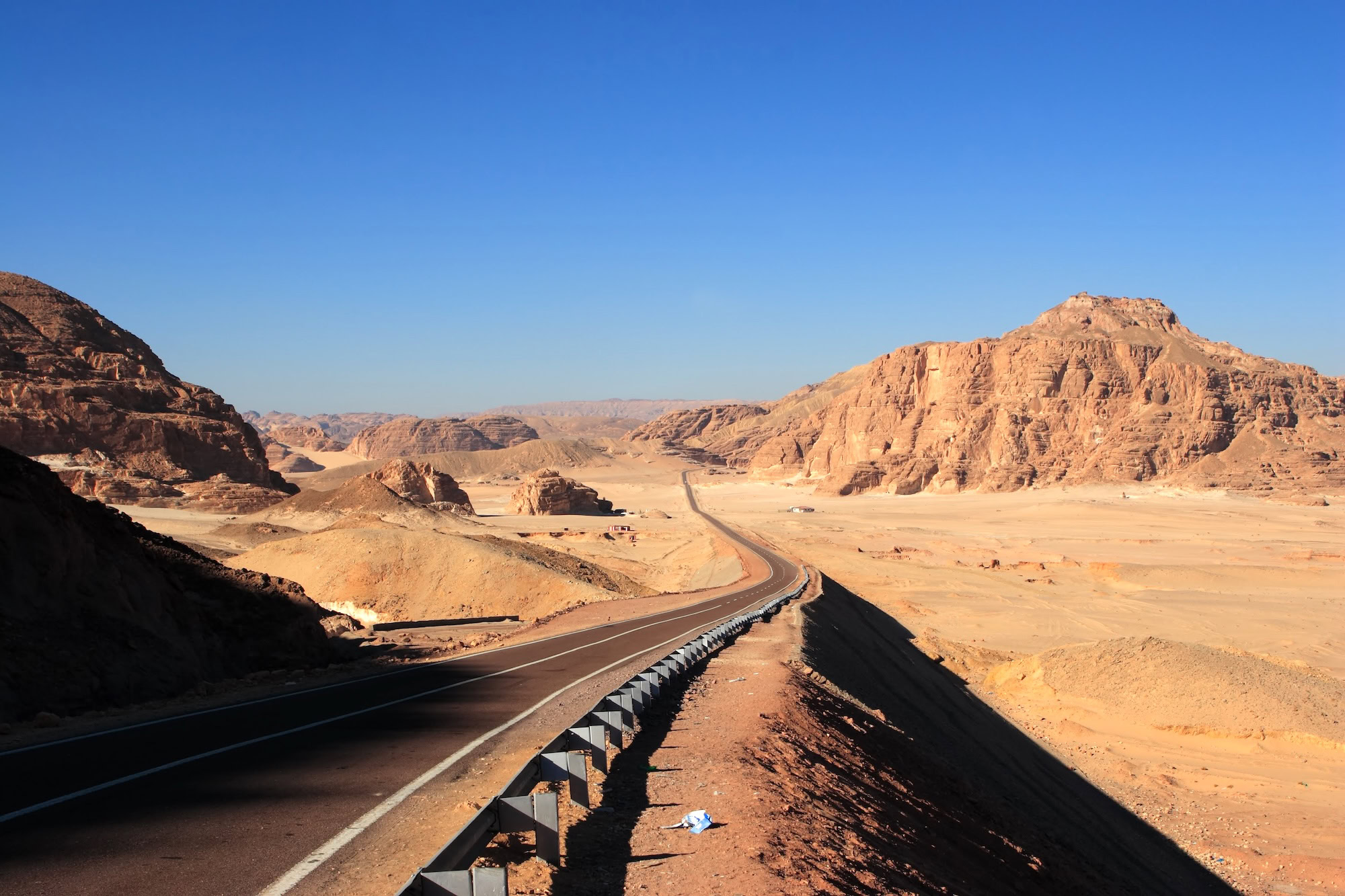
Taxis and shuttle services connect Sharm El Sheikh Airport directly to Dahab in roughly 1.5-2 hours. Many accommodations arrange airport pickups, or you can book transfers independently. The coastal road offers stunning Red Sea views throughout the journey.
Public buses run between the two destinations several times daily. While more economical, these services make multiple stops and may not accommodate large luggage easily.
Visa Requirements and Entry Procedures
U.S. citizens need a valid passport and tourist visa for Egypt entry. You can obtain a 30-day single-entry tourist visa on arrival at Cairo or Sharm El Sheikh airports for $25 USD. Alternatively, apply for an e-visa online before departure through Egypt’s official portal – this option costs $25 USD plus processing fees and eliminates airport waiting time.
European Union citizens follow similar procedures, though some nationalities qualify for visa-free entry to Sinai Peninsula destinations for stays up to 15 days. Latin American travelers generally require the same tourist visa as U.S. citizens, with fees and procedures identical to those outlined above. Canadian and Australian visitors follow U.S. protocols exactly.
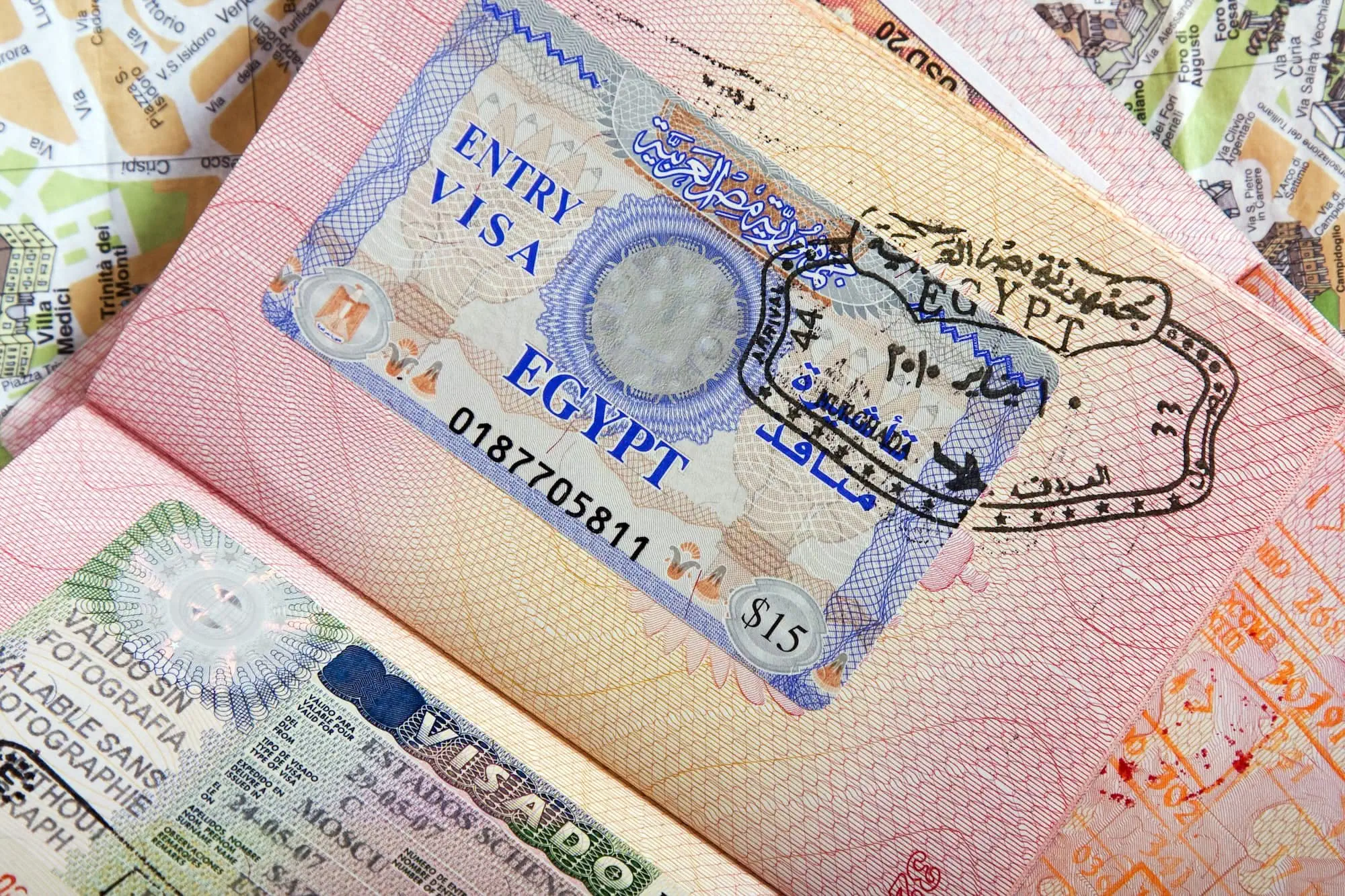
Ensure your passport remains valid for at least six months beyond your intended departure date. Immigration officers may request proof of onward travel, though this requirement isn’t consistently enforced for tourist visits.
Best Travel Times and Seasonal Considerations
Dahab’s desert climate creates distinct seasonal variations that directly impact your travel experience. Understanding these patterns helps you choose optimal timing for your preferred activities.
October through April delivers Dahab’s most pleasant weather. Daytime temperatures hover around 25-28°C (77-82°F), while evenings cool to comfortable 15-20°C (59-68°F). This period attracts peak visitor numbers, particularly during European winter months when northern travelers seek warm escapes.
Diving conditions remain excellent year-round, though winter months offer the clearest underwater visibility. Water temperatures stay comfortable at 22-26°C (72-79°F) throughout the season.
Summer months from May through September bring intense heat, with temperatures often exceeding 35°C (95°F). Many outdoor activities become challenging during midday hours. However, summer offers advantages including lower accommodation costs, fewer crowds, and often better diving deals from local operators.
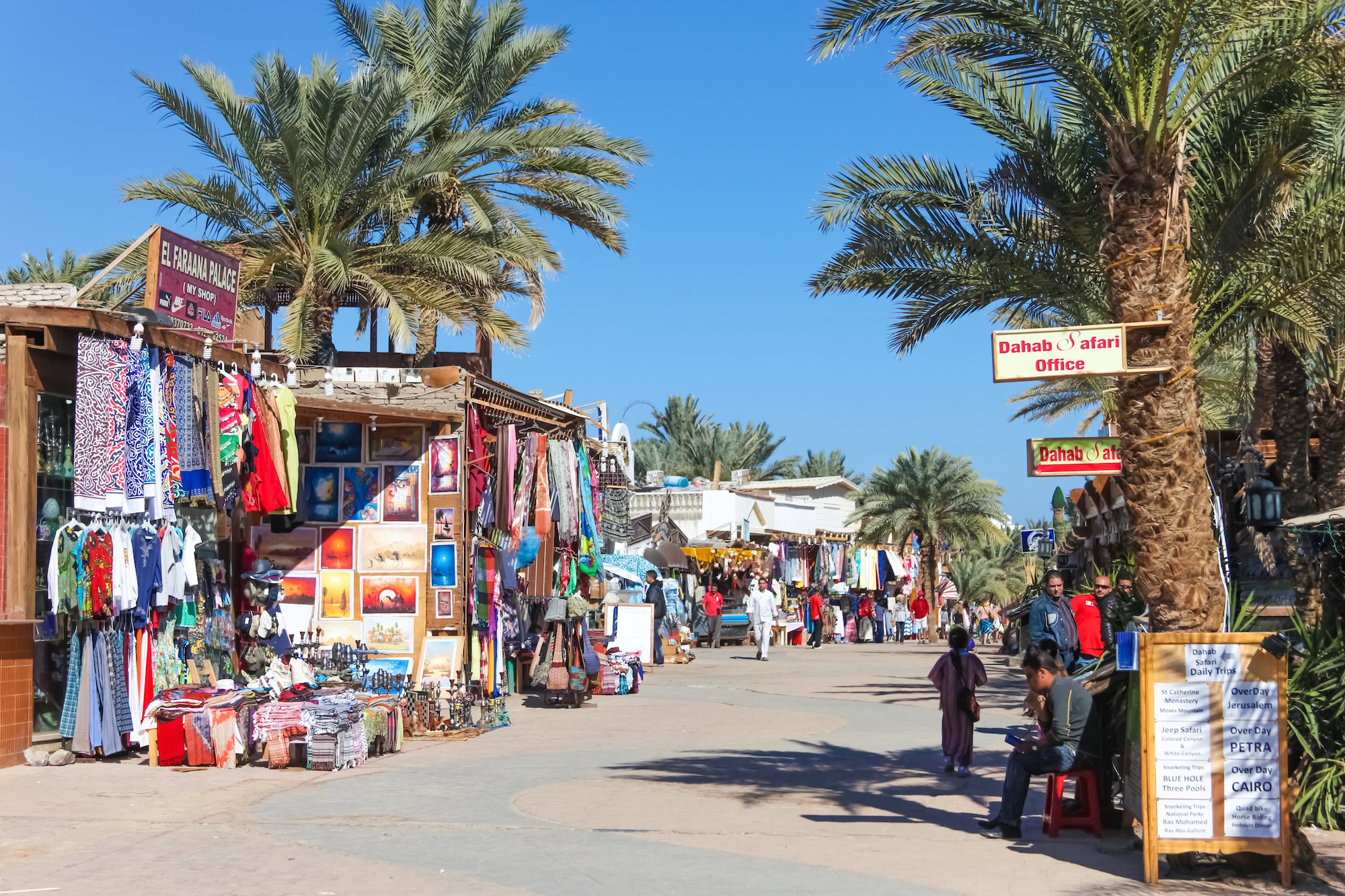
Ramadan timing affects travel planning significantly. During this holy month, restaurant hours change, some services operate on modified schedules, and the overall pace slows noticeably. However, the post-sunset atmosphere becomes particularly vibrant as locals and visitors gather for iftar meals.
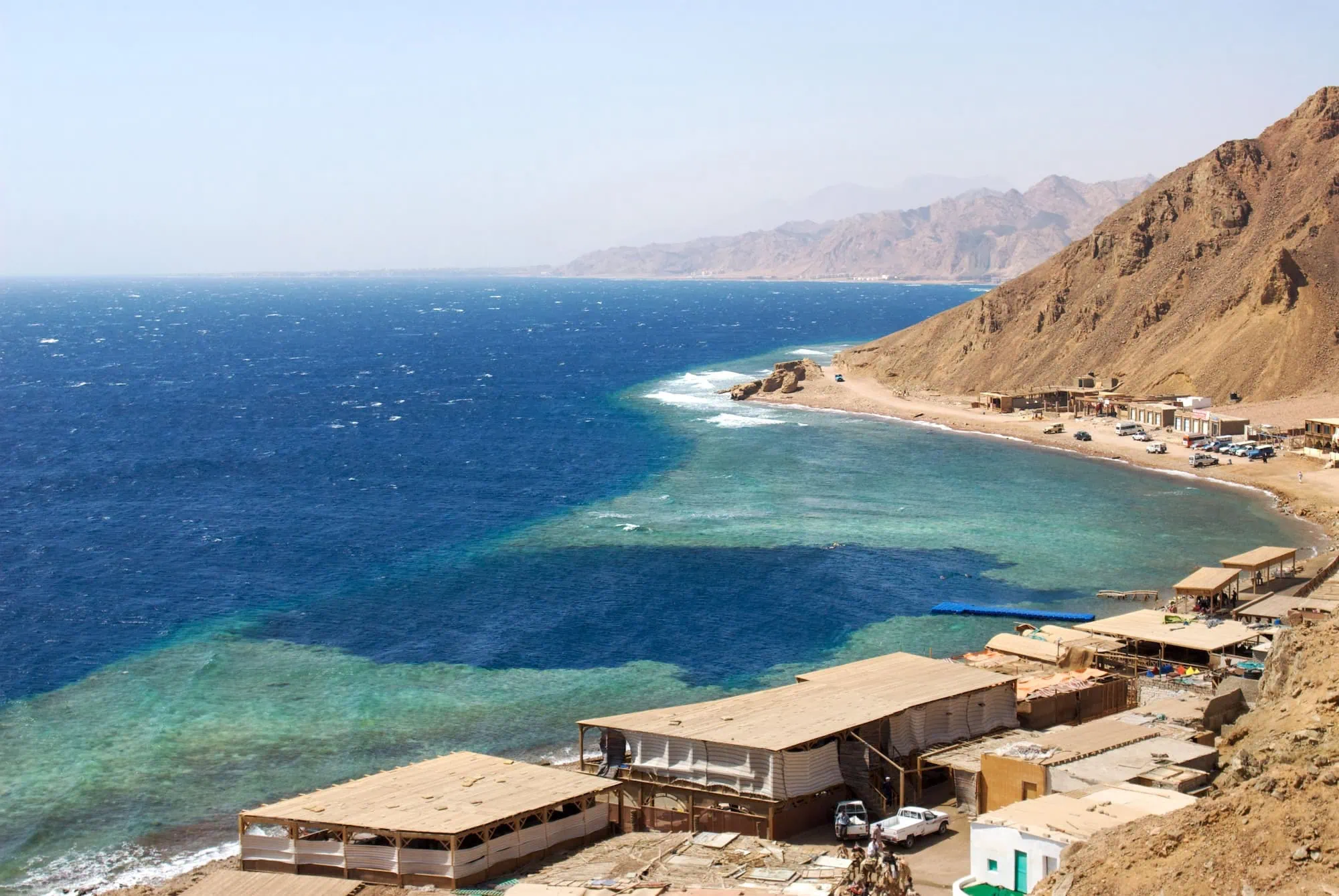
Wind patterns influence both diving and desert activities. Spring months sometimes bring strong khamsin winds that can disrupt outdoor plans temporarily.
Accommodation Areas and Location Strategy
Masbat Bay
The original backpacker zone retains its laid-back atmosphere despite growing popularity. Beachfront camps, hostels, and budget hotels line the sandy coastline. This area centers around diving activities, with numerous PADI centers offering courses and daily trips.
Walking distances keep everything accessible – restaurants, shops, and dive centers cluster within a few blocks of the waterfront. Evening entertainment focuses on traditional Bedouin-style gatherings around beach fires.
Assalah
Dahab’s main town area combines residential neighborhoods with tourist facilities. More upscale hotels and resorts operate here, along with better shopping and dining options. The famous “hole” diving site sits just offshore from Assalah.
This location offers easier access to inland desert excursions while maintaining proximity to marine activities. Internet connectivity and modern amenities are generally more reliable in Assalah than in more remote areas.
Lagona Beach
Quieter and more isolated, this northern section appeals to travelers seeking tranquility. Accommodation options include eco-lodges and small boutique properties. The shallow lagoon creates ideal conditions for windsurfing and kitesurfing.
Desert access proves easier from Lagona Beach, making it perfect for combining water sports with Sinai Peninsula exploration.
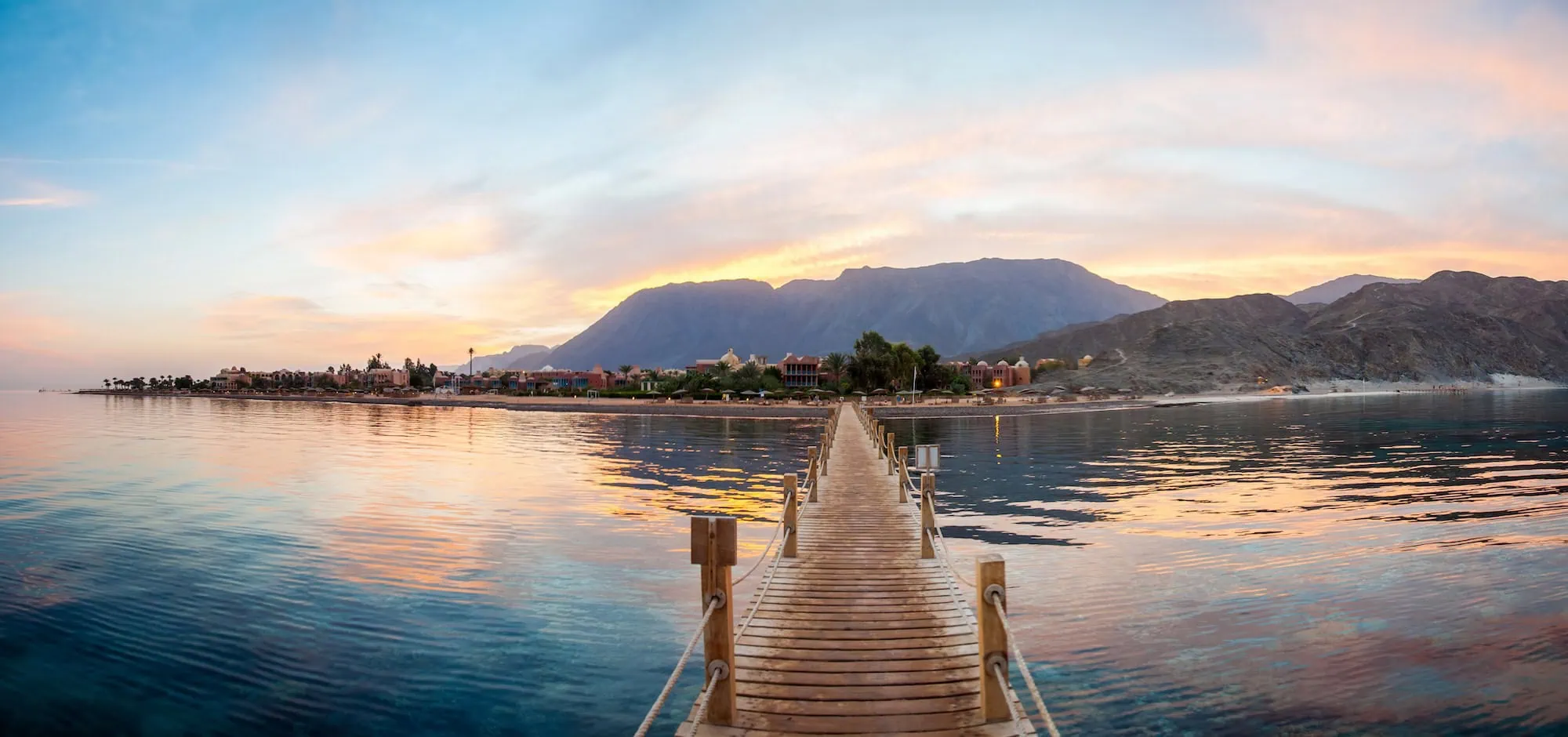
Desert Excursions and Cultural Experiences
Dahab serves as an excellent base for exploring the Sinai Peninsula’s remarkable desert landscapes and Bedouin culture. Mount Sinai, where Moses allegedly received the Ten Commandments, lies roughly 150 km (93 miles) from Dahab.
The traditional climb begins around 2:00 am (02:00) to reach the summit for sunrise. Most tours include transportation, Bedouin guides, and basic refreshments. The ascent takes 2-3 hours depending on fitness levels and chosen route.
Blue Desert adventures showcase the Sinai’s unique geological formations. These day trips typically combine hiking, camel riding, and visits to natural springs hidden among rocky outcrops.
Bedouin cultural experiences range from simple tea ceremonies to overnight desert camping. Local families often welcome visitors for traditional meals and storytelling sessions under star-filled skies.
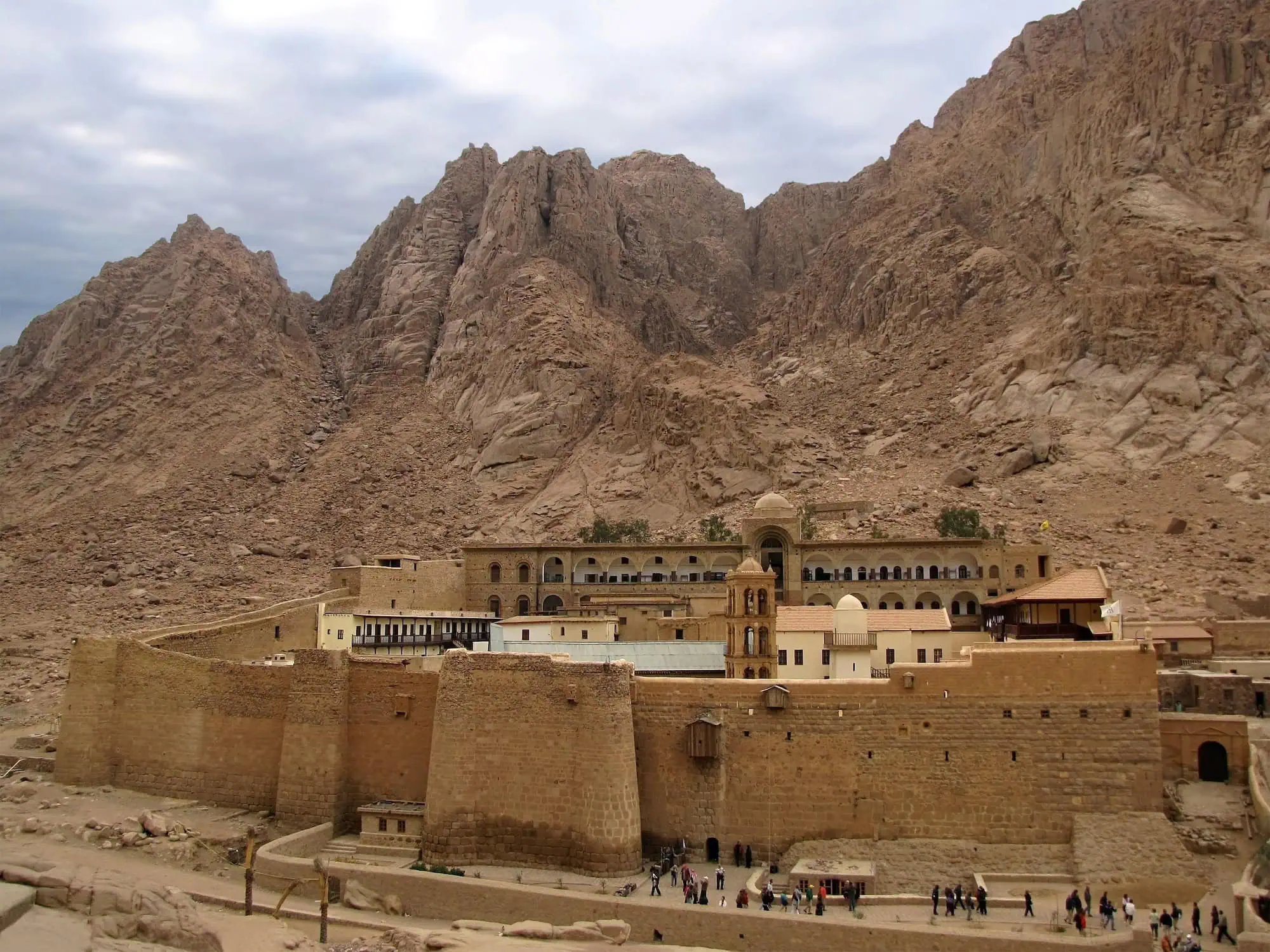
Saint Catherine’s Monastery, one of Christianity’s oldest continuously operating monasteries, makes an excellent day trip from Dahab. The UNESCO World Heritage site houses priceless manuscripts and religious artifacts dating back centuries.
Practical Travel Tips
Egyptian pounds (EGP) are the official currency, though many tourist businesses accept U.S. dollars and euros. ATMs operate throughout Dahab, but bringing some cash provides backup for smaller establishments.
Credit cards work at larger hotels and dive centers, but cash remains essential for restaurants, shops, and local services. Negotiating prices is common and expected in markets and for services like taxi rides.
Mobile connectivity covers Dahab adequately through Egyptian networks. International roaming can be expensive, so consider purchasing a local SIM card for extended stays. Most accommodations offer Wi-Fi, though speeds vary significantly.
Arabic and English are widely spoken in tourist areas. Learning basic Arabic phrases enhances interactions with locals and demonstrates cultural respect.
Modest dress codes apply, especially when venturing beyond beach areas. Lightweight, long-sleeved clothing protects against sun exposure while respecting local customs.
Health and Safety Essentials
Dahab maintains generally excellent safety standards for international visitors. However, desert and marine environments require specific precautions.
Sun protection becomes absolutely critical due to intense solar radiation and desert reflection. High-SPF sunscreen, protective clothing, and frequent shade breaks prevent dangerous overexposure.
Dehydration happens quickly in desert conditions. Drink water regularly, even when not feeling thirsty. Most accommodations provide safe drinking water, or bottled options are widely available.
Travel insurance should cover diving activities if you plan underwater exploration. Standard policies often exclude scuba diving, requiring specialized coverage for complete protection.
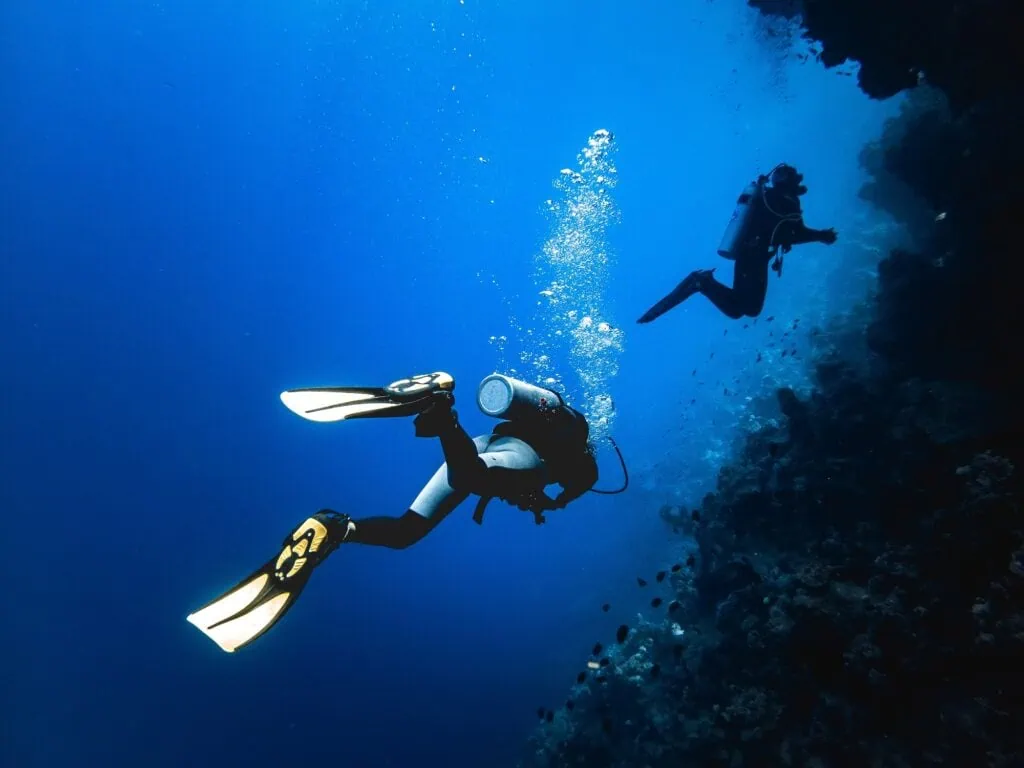
We maintain support for all our travelers, ensuring immediate assistance if unexpected situations arise. Our local knowledge and established relationships throughout Sinai provide additional security layers that independent travelers might lack.
Emergency medical facilities operate in Dahab, though serious conditions may require evacuation to larger cities. Our concierge services include medical coordination when needed.
Frequently Asked Questions
Traveling from Cairo to Dahab typically takes 5-6 hours by private vehicle and 6-7 hours by intercity bus, depending on traffic, security checkpoints, and scheduled stops. The route covers approximately 550 km (342 miles) across the Sinai Peninsula via the Ahmed Hamdi Tunnel and the Gulf of Suez corridor. Private transfers offer the greatest flexibility, while buses provide a budget-friendly alternative. Depart early in the morning to avoid Cairo traffic and arrive in Dahab before sunset.
Yes, most visitors need an Egyptian tourist visa to visit Dahab. Many nationalities, including U.S., UK, EU, Canadian, and Australian citizens, can obtain a 30-day tourist visa on arrival for approximately $25 USD or apply online through Egypt’s official e-Visa system before departure. Passports should generally be valid for at least six months beyond arrival. Always verify current visa requirements before travel because entry policies can change.
Sharm El Sheikh International Airport is the closest airport to Dahab, located approximately 100 km (62 miles) away and typically 1.5-2 hours by road. Most international travelers flying to Dahab arrive through Sharm El Sheikh and continue by private transfer, taxi, or shuttle service. Cairo International Airport offers more global flight connections but requires a much longer onward journey. Pre-arranging airport transportation can make arrival significantly smoother, especially for first-time visitors.
Yes, Dahab is widely regarded as one of Egypt’s safest destinations for solo travelers, including women traveling independently. The town has a relaxed atmosphere, a strong international tourism community, and a reputation built around diving, snorkeling, and outdoor adventure. Visitors regularly walk along the waterfront promenade late into the evening without concern. Standard travel precautions still apply, but Dahab is often considered more laid-back than larger Egyptian cities.
The best time to visit Dahab is from October through April, when daytime temperatures generally range from 25-28°C (77-82°F). These months offer ideal conditions for diving, snorkeling, desert excursions, and hiking activities such as Mount Sinai. Summer temperatures can exceed 35°C (95°F), making outdoor exploration less comfortable. November and March are particularly attractive because they combine pleasant weather with fewer crowds than peak holiday periods.
Yes, international visitors can rent a car and drive to Dahab, but self-driving in the Sinai Peninsula requires confidence and preparation. The route includes desert highways, security checkpoints, and long stretches between services, so familiarity with local driving conditions is helpful. Rental companies may also have specific restrictions regarding Sinai travel. Many travelers choose private transfers because local drivers are experienced with the route and checkpoint procedures.
Egyptian pounds (EGP) are the official currency in Dahab and are the most useful option for daily spending. While many hotels, dive centers, and tourism businesses accept U.S. dollars and euros, local currency is preferred for restaurants, tips, cafés, markets, and transportation. Card payments are becoming more common but are not universally accepted. Carrying a supply of Egyptian pounds ensures smoother transactions throughout your stay.
Yes, Dahab has several ATMs located near the town center, banks, and major commercial areas. Most visitors can withdraw Egyptian pounds using international debit or credit cards without difficulty. However, machines occasionally experience outages or cash shortages during busy periods, particularly holidays. Keeping some backup cash is a sensible precaution, especially if you plan to visit remote beaches, desert camps, or smaller local businesses.
Mount Sinai is approximately 150 km (93 miles) from Dahab and can usually be reached in about two hours by road. Most travelers visit as part of an organized overnight excursion that includes the famous pre-dawn hike to the summit and a visit to Saint Catherine’s Monastery, a UNESCO-recognized religious site. The journey is one of the most popular day trips from Dahab. Bring warm clothing because summit temperatures can be surprisingly cool before sunrise.
Yes, Dahab is one of the Red Sea’s premier diving destinations, and dozens of dive centers provide complete equipment rental. Visitors can rent masks, fins, regulators, buoyancy control devices, wetsuits, and tanks without bringing their own gear. International certification agencies such as PADI and SSI operate extensively in Dahab, offering beginner courses through advanced technical diving programs. Reserve equipment ahead during peak season if you have specific sizing requirements.
Pack lightweight clothing, strong sunscreen, a sun hat, comfortable walking shoes, swimwear, and modest outfits for cultural or religious visits. Dahab’s sunny climate means UV exposure remains high throughout much of the year, even during winter. If you plan activities such as diving, hiking Mount Sinai, or desert camping, bring any specialized gear you prefer to use personally. A light jacket is useful for cooler evenings between November and March.
Yes, mobile phone coverage in Dahab is generally reliable through Egypt’s major network providers, including Vodafone Egypt, Orange Egypt, and Etisalat Egypt. International roaming functions in most cases, but charges can be expensive for calls and mobile data. Many travelers purchase local prepaid SIM cards, which offer affordable internet packages and good coverage throughout the town. Resort WiFi is widely available, though speeds can vary depending on location and occupancy.
Explore our most popular guides and expert tips to make your trip safe, smooth, and unforgettable.
Plan Your Egypt Adventure with Confidence
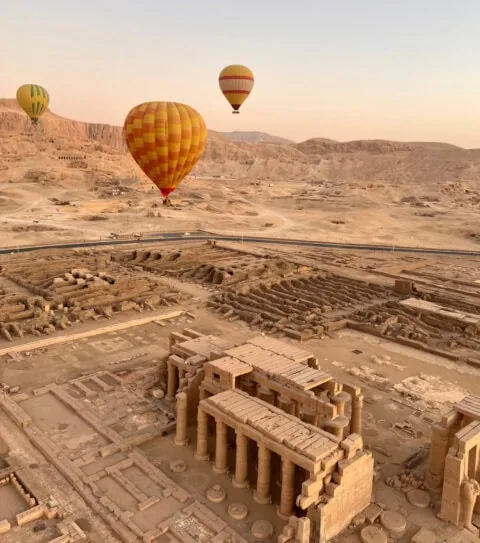
How to Plan a Trip Egypt
Step-by-step guide to help you plan the perfect Egypt trip — from routes and budget to booking.
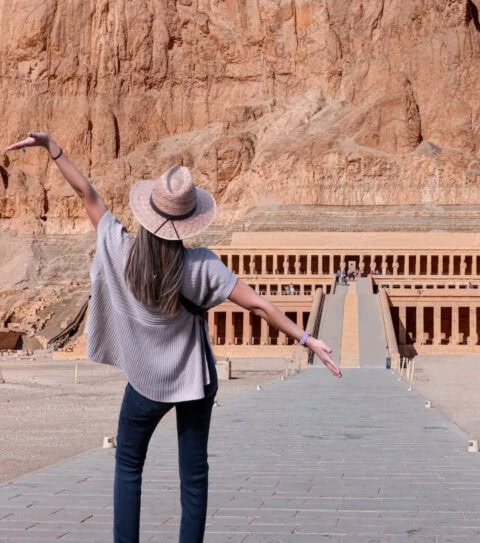
Best Time to Visit Egypt
Learn the best months to visit Egypt based on weather, crowds, and local travel experiences.
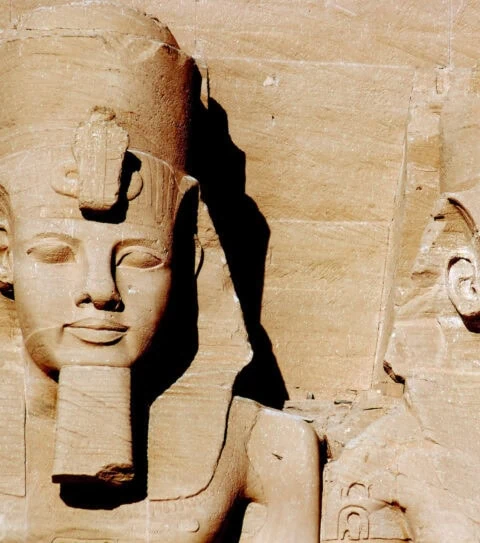
Must Visit Places in Egypt
Explore Egypt’s top sights — from pyramids to temples — and hidden gems worth seeing.
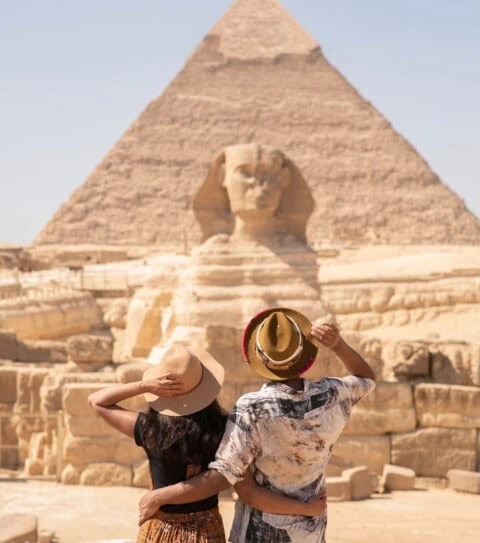
Top-Rated Egypt Tours
Handpicked private tours with local guides — our most loved and best-reviewed experiences.
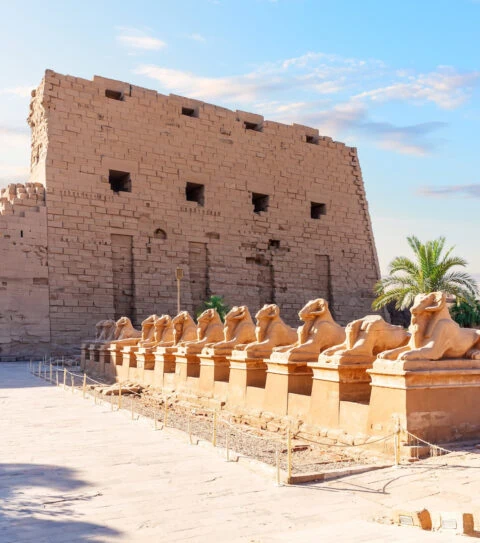
How Many Days to Visit Egypt?
Find out how many days you need in Egypt — from quick trips to full itineraries.
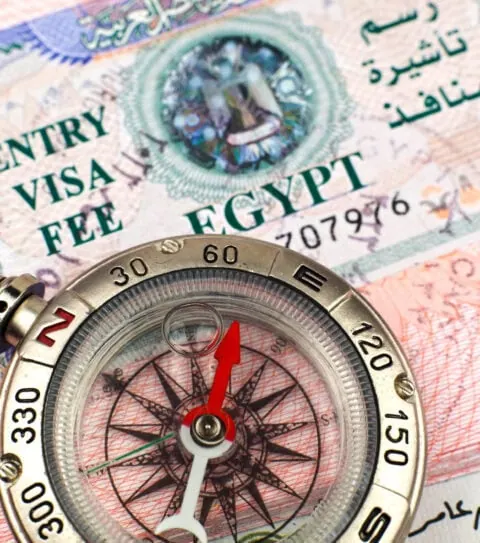
Egypt Visa Requirements
Check if you need a visa and get simple, up-to-date entry info based on your nationality.
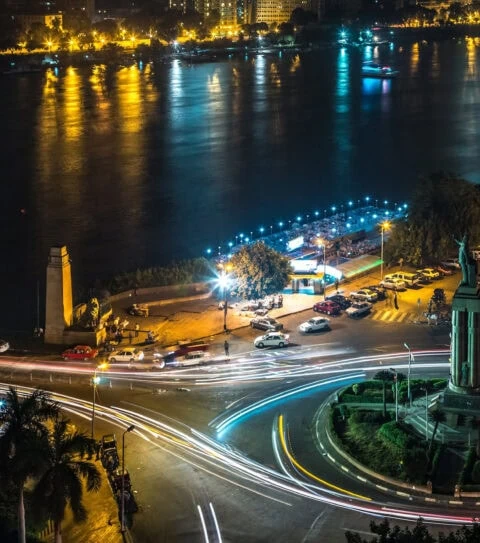
Is it Safe to Travel to Egypt?
Is Egypt safe? Get honest safety tips, area advice, and what to know before you travel.
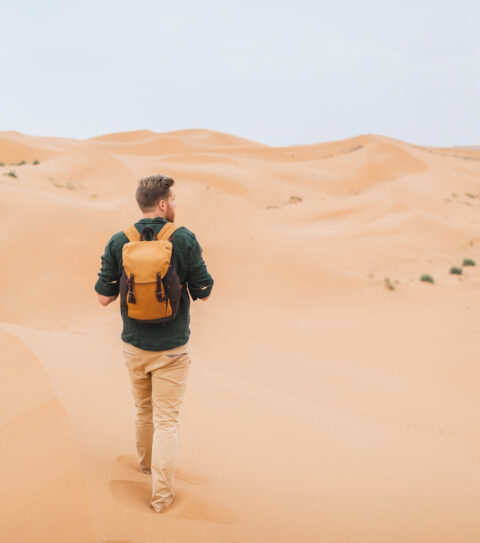
What to Pack for Egypt
A quick packing guide with essentials, cultural tips, and clothing advice for your Egypt trip.
Design Your Custom Tour
Explore Egypt your way by selecting only the attractions you want to visit