Which Egyptian Pyramid is the Largest?
Standing as the last surviving wonder of the ancient world, the Great Pyramid continues to captivate millions of visitors each year.
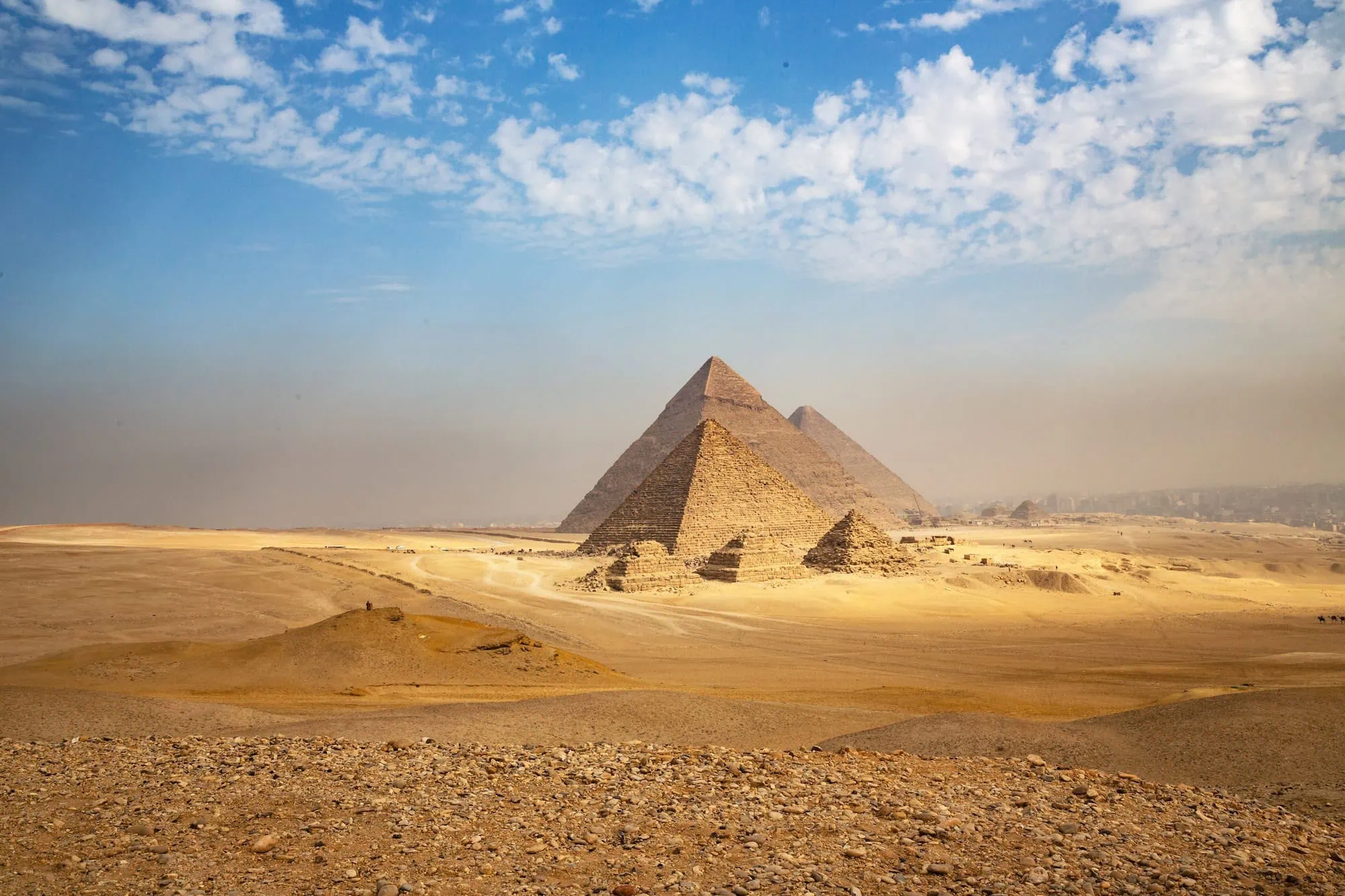
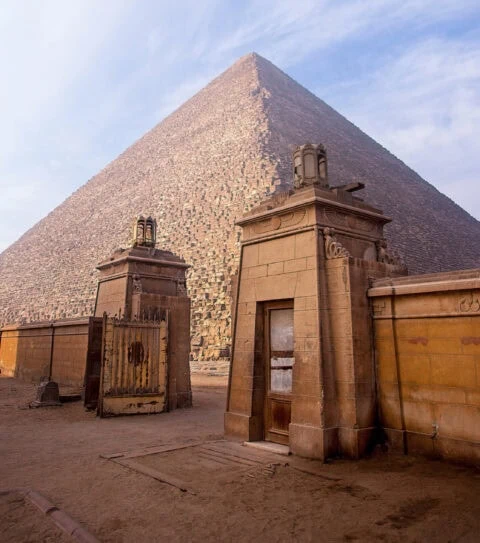
The Great Pyramid of Giza, built for Pharaoh Khufu around 2580-2560 BCE, represents the pinnacle of ancient Egyptian engineering and architectural achievement.
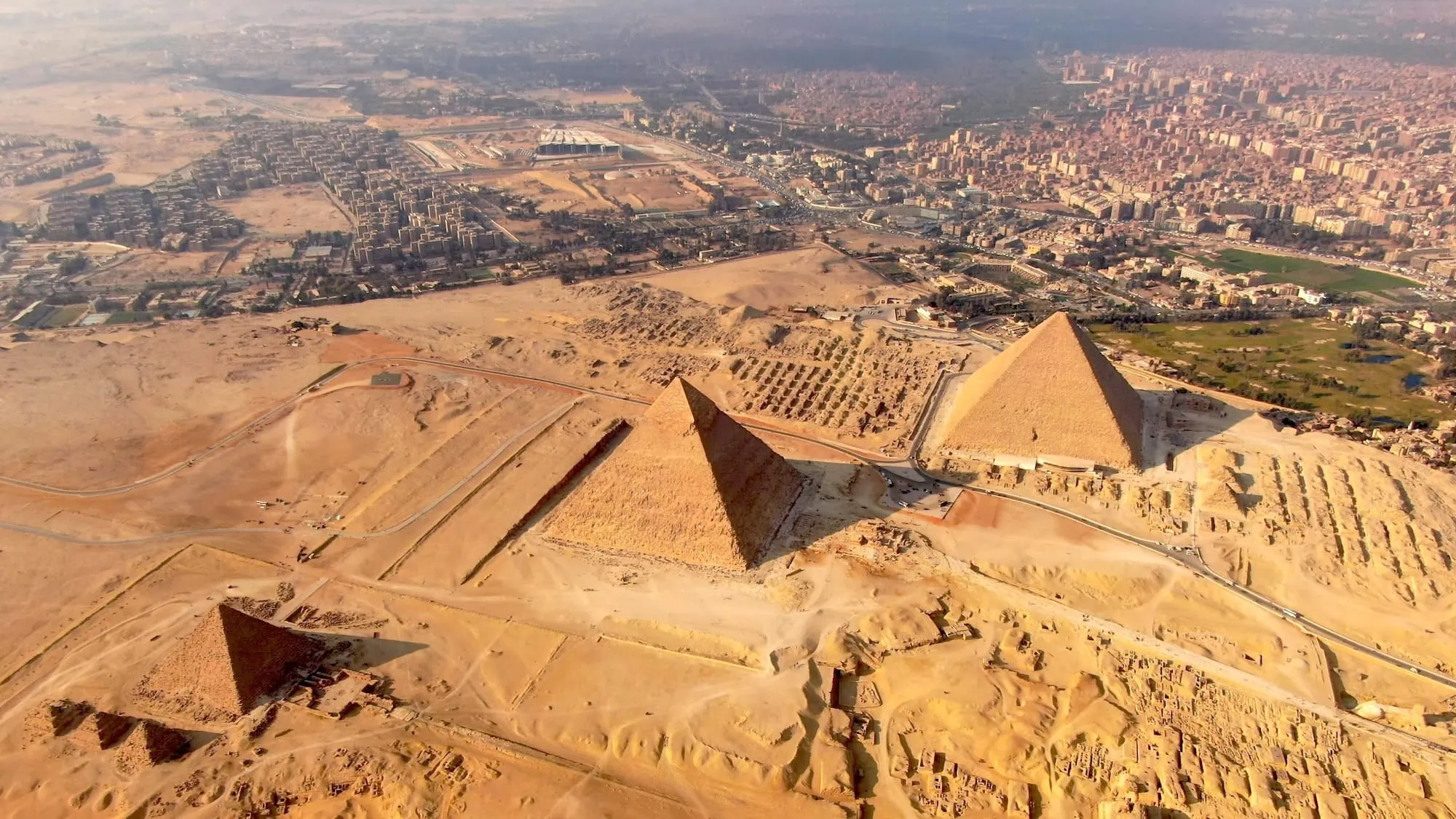
Originally rising to 146.5 meters (481 feet), this massive limestone monument held the title of world’s tallest human-made structure for over 3,800 years. Located on the Giza plateau just outside modern Cairo, it forms part of a complex that includes two other major pyramids, the Great Sphinx, and numerous smaller structures that collectively showcase the sophistication of Old Kingdom civilization.
Today, we offer carefully curated experiences that bring you face-to-face with this architectural marvel, guided by our expert Egyptologists who reveal the secrets and stories that have fascinated humanity for millennia.
Table of Contents
Discovering the Massive Scale and Construction Marvel
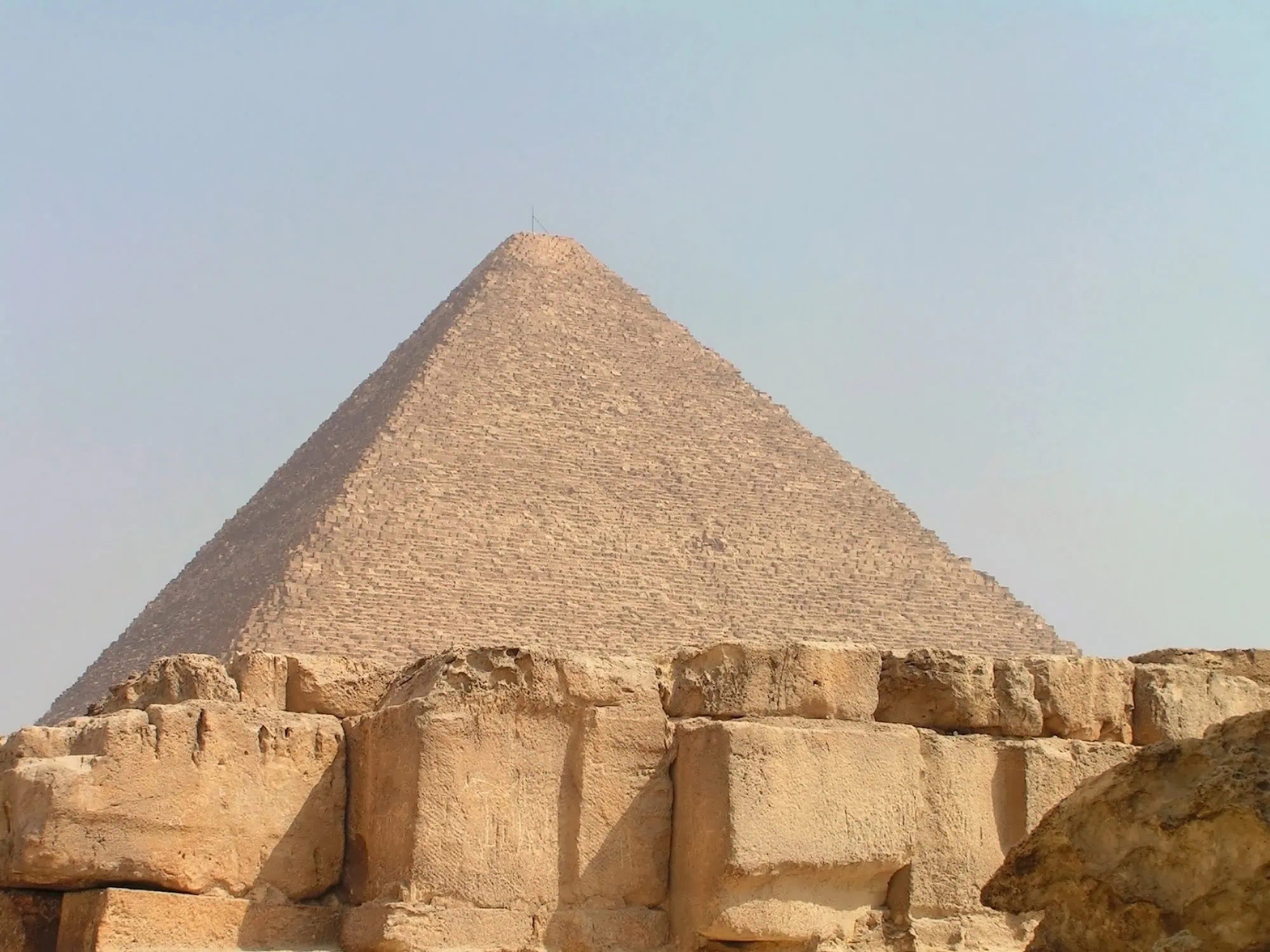
The sheer magnitude of Khufu’s pyramid becomes clear when you approach the Giza complex. This ancient wonder consumed an estimated 2.3 million stone blocks, each weighing between 2.5 to 15 tons.
Engineering Precision That Defies Time
The base of the Great Pyramid covers 13 acres (5.3 hectares), with each side measuring approximately 230 meters (755 feet) at ground level. The precision achieved by ancient Egyptian builders remains extraordinary – the base is level to within just 2.1 centimeters (0.8 inches). Each corner aligns almost perfectly with the cardinal directions, deviating by only 3/60th of a degree.
Archaeological evidence suggests that over 20,000 workers labored for approximately 20 years to complete this monumental project. Recent discoveries of worker villages near the pyramid site have revealed sophisticated logistics systems, including bakeries, breweries, and medical facilities that supported the massive workforce.
Internal Chamber System
Three main chambers exist within the pyramid structure. The King’s Chamber, constructed from red granite blocks transported from Aswan quarries 935 kilometers (580 miles) south, houses the empty granite sarcophagus that once contained Khufu’s mummy. The Queen’s Chamber, despite its name, likely served a different religious purpose related to the pharaoh’s afterlife journey.
The Grand Gallery represents one of ancient Egypt’s most impressive architectural achievements. This corbelled passage stretches 47 meters (154 feet) long and rises 8.6 meters (28 feet) high, showcasing the advanced engineering capabilities of Khufu’s builders.
Historical Context and Dynasty Legacy
Khufu ruled during Egypt’s Fourth Dynasty, a period marking the height of pyramid-building expertise in the Old Kingdom era. The pharaoh’s full name, Khnum-Khufu, honors the ram-headed god Khnum, reflecting the deep religious beliefs that motivated pyramid construction. Historical records from Herodotus and other ancient sources describe Khufu as a powerful ruler who commanded vast resources and organized one of history’s largest construction projects. However, very few artifacts bearing Khufu’s name have survived, adding an element of mystery to our understanding of this influential pharaoh.
Construction began early in Khufu’s reign, following the successful completion of his father Sneferu’s pyramids at Dahshur. The Giza site was carefully chosen for its solid limestone bedrock and proximity to limestone quarries, while its elevated position provided clear visibility across the Nile Valley.
The Giza Plateau Complex
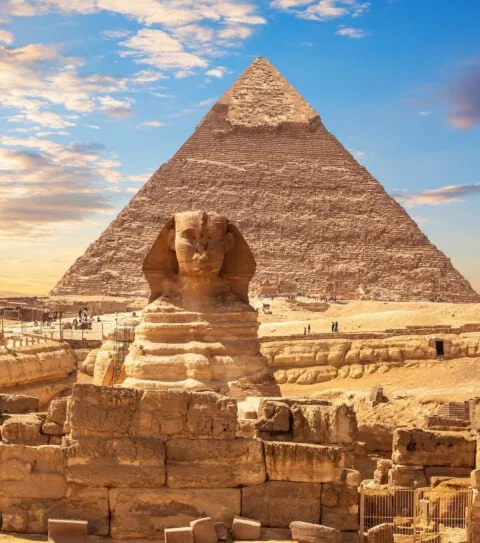
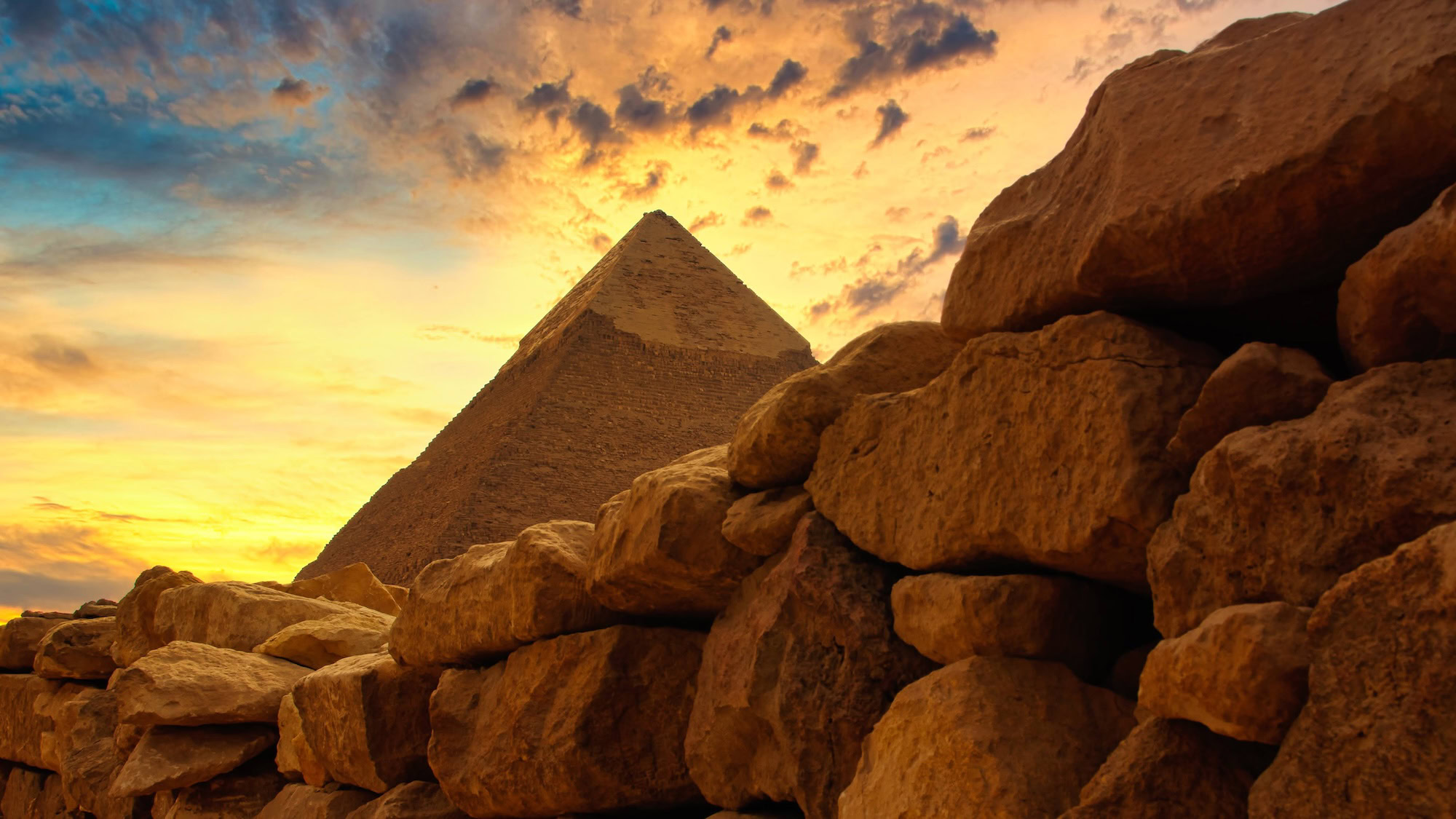
The Great Pyramid anchors a larger complex that includes the pyramids of Khafre and Menkaure, Khufu’s successors. Khafre’s pyramid appears taller due to its elevated position, but actually measures 143.5 meters (471 feet) versus the Great Pyramid’s current height of 138.8 meters (455 feet) after losing its outer casing stones.
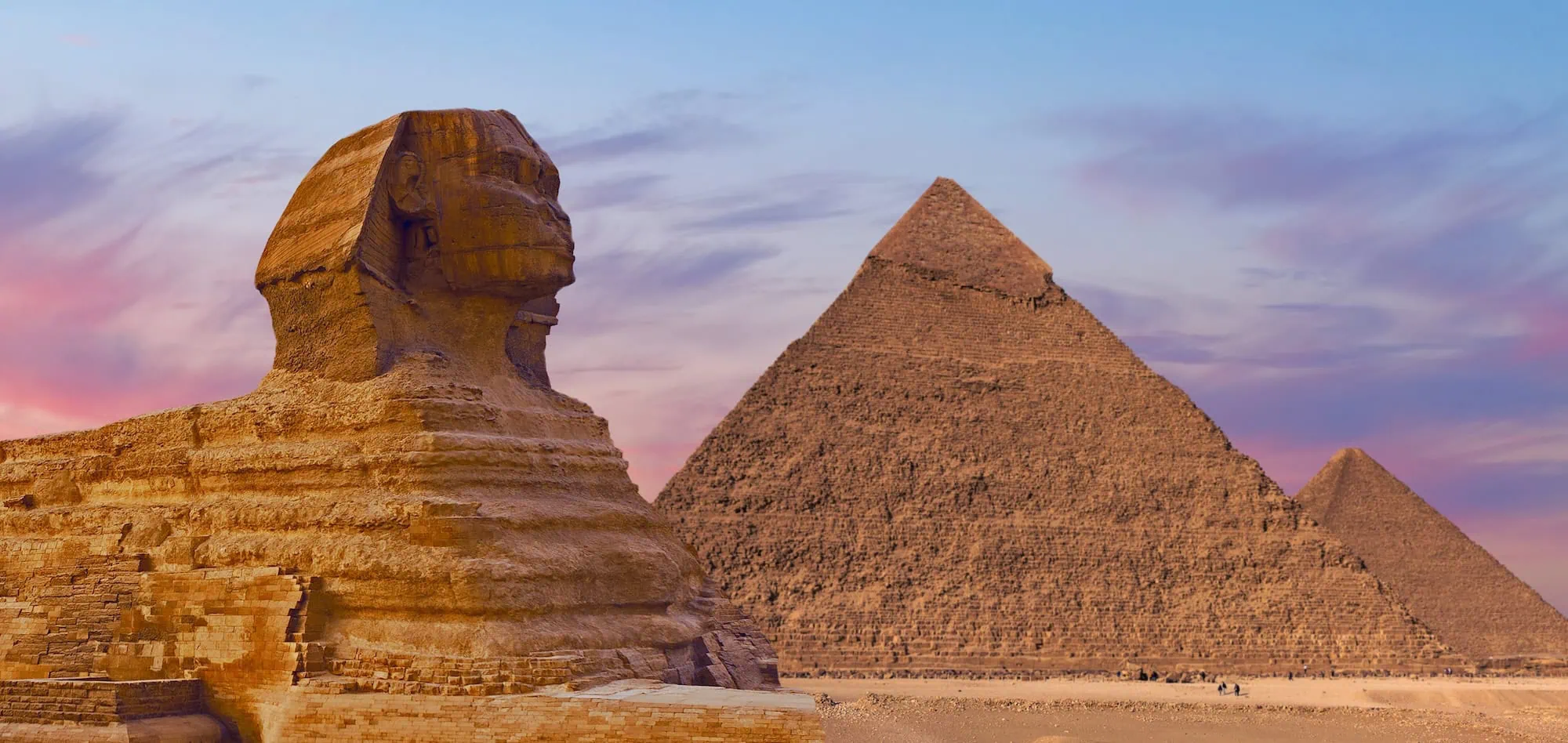
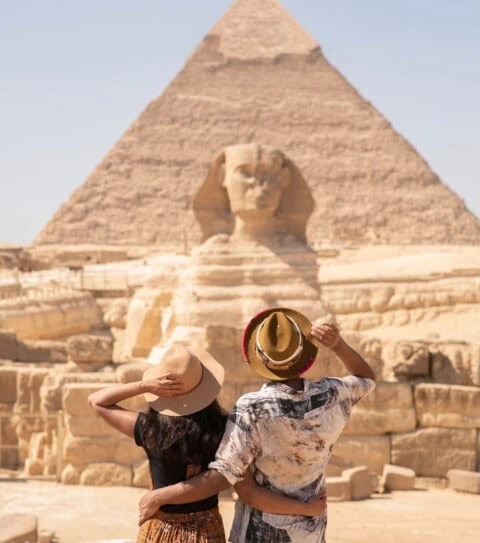
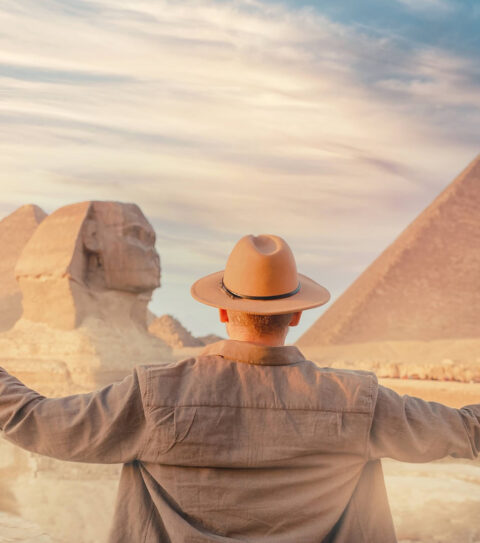
The Great Sphinx, carved from a single limestone outcrop, guards the eastern approach to the pyramids. Recent geological studies suggest the Sphinx may be older than previously thought, though most Egyptologists maintain it was created during Khafre’s reign.
Archaeological Discoveries and Modern Exploration
Recent technological advances have revolutionized our understanding of the Great Pyramid’s internal structure and construction methods. In 2017, scientists using cosmic ray muon tomography detected a large void above the Grand Gallery, dubbed the “Big Void.” This chamber, approximately 30 meters (98 feet) long, represents the first major internal discovery since the 19th century. The void’s purpose remains unknown, but it demonstrates that the pyramid still holds secrets waiting to be uncovered. Ground-penetrating radar and thermal imaging have revealed additional anomalies that may indicate more hidden chambers.
The ScanPyramids project, an international collaboration using non-invasive scanning techniques, continues to map the pyramid’s internal structure with unprecedented detail. These investigations have confirmed the precision of ancient Egyptian engineering while raising new questions about construction techniques and hidden features.
Excavations around the pyramid have uncovered boat pits containing disassembled cedar vessels, including the famous Khufu ship now displayed in the Grand Egyptian Museum. These boats, measuring over 43 meters (141 feet) long, were likely intended for the pharaoh’s journey through the afterlife. Workers’ cemeteries discovered east and west of the pyramid provide insights into the daily lives of the people who built this wonder.
Conservation Challenges
The Great Pyramid faces ongoing preservation challenges from environmental factors, tourism pressure, and urban encroachment. Salt crystallization from groundwater causes stone deterioration, while millions of annual visitors create humidity and physical wear inside the monument.
Planning Your Visit to Egypt’s Greatest Wonder
Visiting the Great Pyramid requires advance planning to maximize your experience while respecting this UNESCO World Heritage site. The pyramid opens daily from 8:00 am (08:00) to 4:00 pm (16:00), with limited tickets available for interior access. We recommend booking interior tickets in advance, as daily capacity is restricted to preserve the monument. Special tickets are required for the King’s Chamber, which involves climbing through the Grand Gallery’s steep, narrow passages.
Summer temperatures in Giza can reach 40°C (104°F), making early morning visits most comfortable. Winter months offer more pleasant conditions with daytime temperatures around 20-25°C (68-77°F). The interior maintains a constant temperature of approximately 20°C (68°F) year-round but can feel humid with high visitor numbers.
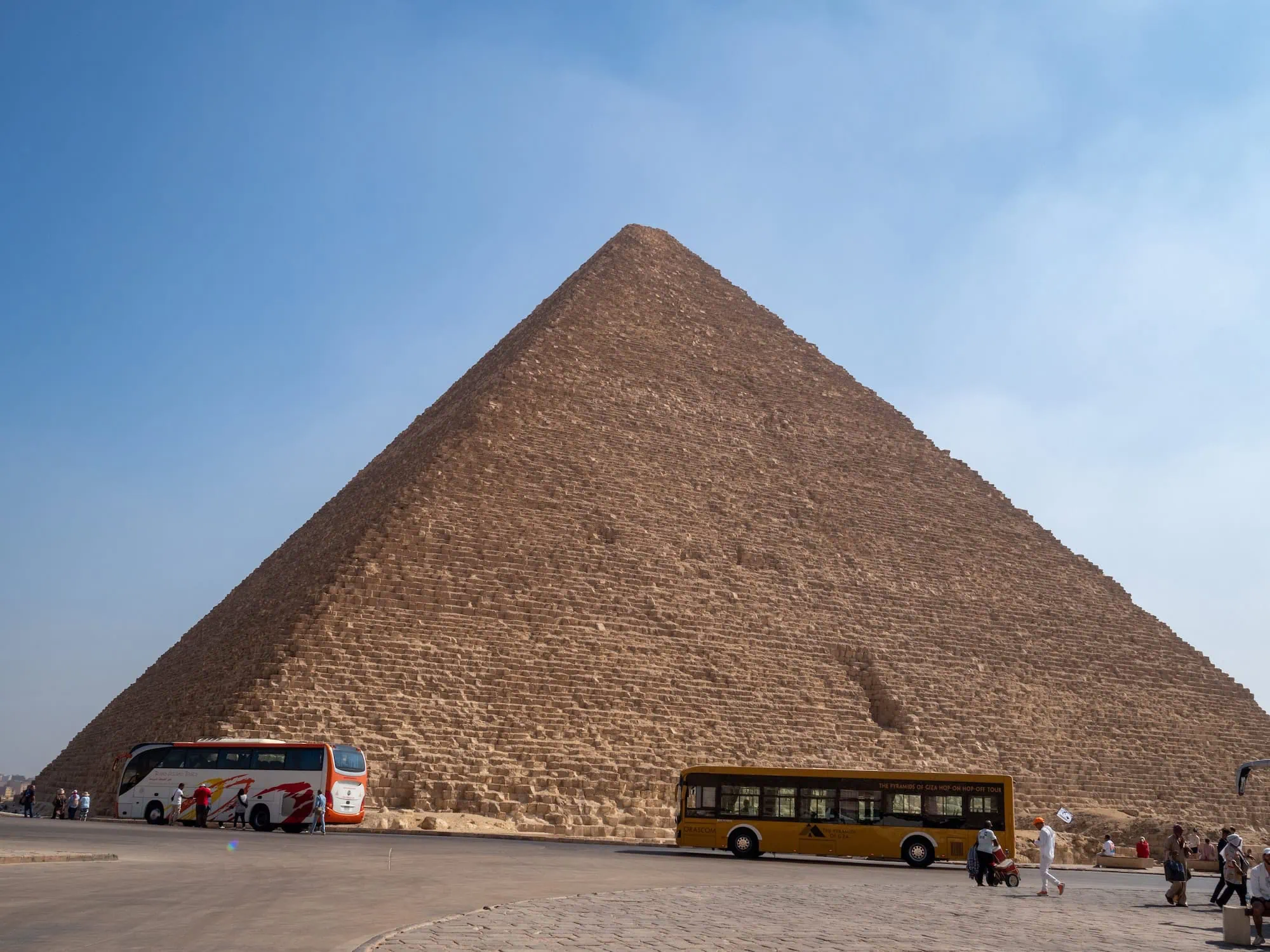
Our private guided tours provide skip-the-line access and expert commentary from qualified Egyptologists who bring the pyramid’s history to life. We arrange transportation from Cairo hotels in comfortable, air-conditioned vehicles and provide bottled water and snacks during your visit.
Photography inside the pyramid requires additional permits, though exterior photos are freely permitted. The sound and light show held evenings at the Giza complex offers a dramatic nighttime perspective of the pyramids illuminated against the desert backdrop.
Beyond the Great Pyramid: Exploring Giza Complex
The entire Giza plateau deserves a full day to properly appreciate its archaeological treasures and stunning desert landscape. Adjacent pyramids of Khafre and Menkaure each offer unique insights into Fourth Dynasty building techniques and royal burial practices. Khafre’s pyramid retains some of its original smooth limestone casing near the apex, showing how all three pyramids once appeared. Menkaure’s pyramid, though smaller at 65 meters (213 feet) high, features beautiful granite casing stones on its lower courses.
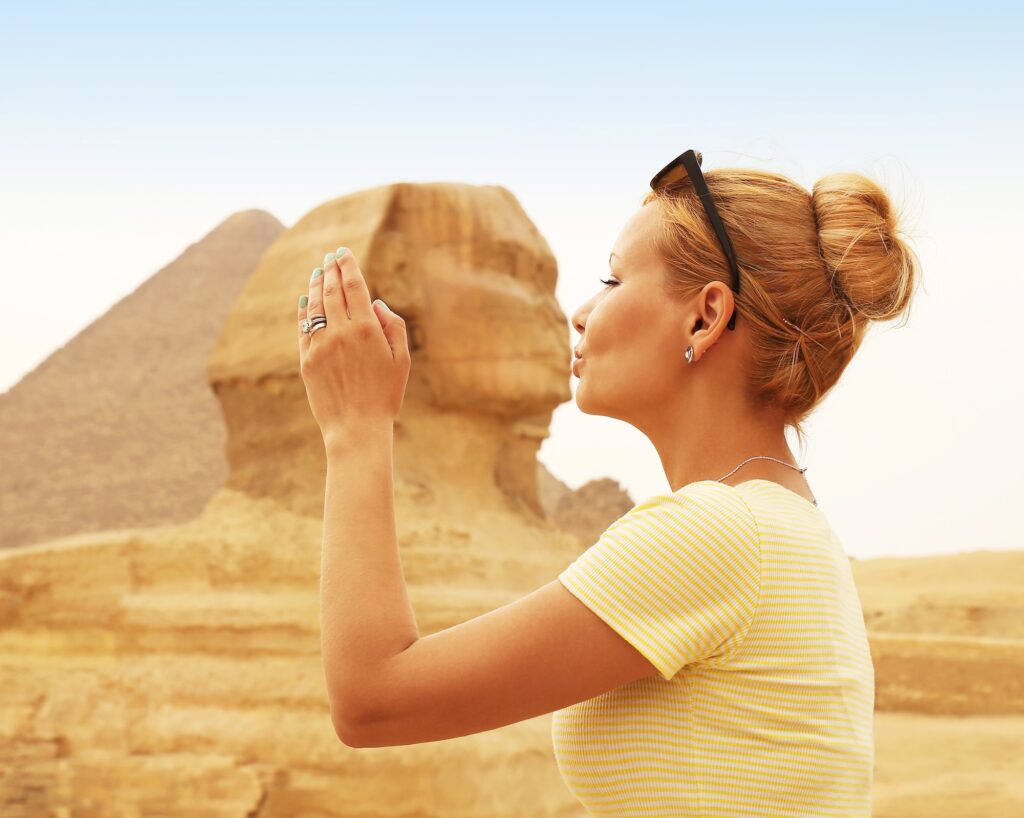
The Great Sphinx, carved from bedrock approximately 4,500 years ago, measures 73 meters (240 feet) long and 20 meters (66 feet) high. Recent restoration work has stabilized the monument while preserving its ancient character. The nearby Sphinx Temple and Valley Temple of Khafre showcase sophisticated stonework and architectural planning.
Numerous mastaba tombs of nobles and officials surround the pyramids, decorated with colorful wall paintings and reliefs depicting daily life in ancient Egypt. These smaller monuments provide intimate glimpses into the society that created the pyramids.
Our full-day Giza experiences include visits to the pyramid complex, Sphinx, and selected mastaba tombs, combined with traditional Egyptian lunch and shopping opportunities at local craft centers where you can observe artisans creating jewelry, papyrus, and other traditional items using ancient techniques.
Frequently Asked Questions
The Great Pyramid of Giza currently stands 138.8 meters (455 feet) tall, although it originally reached approximately 146.5 meters (481 feet) before losing its capstone and much of its polished limestone casing. Built for Pharaoh Khufu around 2560 BCE, it remained the tallest human-made structure on Earth for nearly 3,800 years. Even after centuries of erosion and stone removal, it remains the largest and most famous pyramid ever constructed in ancient Egypt.
Yes, visitors can enter the Great Pyramid with a separate interior-access ticket and explore key chambers including the Grand Gallery and King’s Chamber. The route involves walking through narrow passages and ascending steep inclines, which can be physically demanding for some travelers. Unlike many ancient monuments, the interior contains little decoration because its significance lies in its engineering rather than wall art. Book an early entry slot if possible to avoid crowds and confined-space congestion.
Most archaeologists estimate that the Great Pyramid was built in approximately 20 years during the reign of Pharaoh Khufu, around 2580-2560 BCE. Evidence from workers’ villages and quarry sites suggests a highly organized workforce of roughly 20,000 laborers, craftsmen, engineers, and support staff. The project required extraordinary planning to transport and position about 2.3 million stone blocks. Its construction remains one of the most remarkable engineering achievements in human history.
The Great Pyramid is the largest Egyptian pyramid because of its immense dimensions, mass, and construction scale. Each side of its square base measures approximately 230 meters (755 feet), covering about 13 acres, while the entire structure contains roughly 2.3 million limestone and granite blocks. The pyramid’s estimated total weight exceeds 5.9 million tons. No other pyramid in Egypt, including those of Khafre or Sneferu, approaches its overall size and volume.
The best time to visit the Pyramids of Giza is between October and April, when daytime temperatures typically range from 20-25°C (68-77°F). These cooler months make walking around the exposed desert plateau significantly more comfortable than during summer, when temperatures can exceed 40°C (104°F). Morning visits generally offer the best combination of pleasant weather, softer light, and fewer crowds. Book the first morning slot to avoid the midday tour-group surge.
Visitors must purchase a standard Giza Plateau admission ticket and a separate ticket to enter the Great Pyramid itself. The original answer lists 200 EGP for site admission and 440 EGP for Great Pyramid entry, but Egyptian ticket prices change periodically and should always be verified before travel. Interior-access tickets are limited compared to general admission.
Yes, several restrictions apply inside the Great Pyramid to protect the monument and manage visitor flow. Large backpacks and bulky luggage are generally not permitted, and visitor numbers are controlled throughout the day to reduce wear on the interior passages. Photography policies can change and may be subject to specific regulations or permits. The narrow corridors and confined spaces also require visitors to follow designated routes at all times.
The Great Pyramid is located on the Giza Plateau approximately 25 kilometers (15.5 miles) southwest of central Cairo. Travel times typically range from 45 minutes in light traffic to more than 90 minutes during peak commuting hours, depending on your starting point. The site is easily accessible from downtown Cairo, Zamalek, and the Grand Egyptian Museum area. Visitors should allow extra travel time during weekday mornings and late afternoons.
The Giza Plateau contains three principal royal pyramids: Khufu’s Great Pyramid, Khafre’s Pyramid, and Menkaure’s Pyramid. Khafre’s pyramid reaches approximately 143.5 meters (471 feet) in original height and is often mistaken for the tallest because it sits on slightly higher ground. Menkaure’s pyramid stands about 65 meters (213 feet) tall. The complex also includes queens’ pyramids, mastaba tombs, temples, causeways, and extensive burial grounds.
Pharaoh Khufu, also known by the Greek form Cheops, commissioned the Great Pyramid during Egypt’s Fourth Dynasty around 2580 BCE. Archaeological discoveries, including workers’ settlements and inscriptions near the site, show that the monument was built by skilled laborers, craftsmen, and organized work crews rather than enslaved people. The project reflected the wealth and administrative power of Egypt’s Old Kingdom. Khufu’s pyramid became the defining monument of ancient Egyptian civilization.
Yes, the Great Sphinx forms an integral part of the Giza Plateau complex and stands near the pyramids’ eastern side. Carved directly from limestone bedrock, the monument measures approximately 73 meters (240 feet) long and is widely believed to date to the reign of Pharaoh Khafre. The Sphinx symbolized royal authority and divine protection over the necropolis. Most visitors explore the pyramids and Sphinx together during the same visit because of their close proximity.
Comfortable walking shoes, sunscreen, sunglasses, a hat, and bottled water are essential items for a visit to the Pyramids of Giza. The site covers a large open desert area with limited shade, and visitors often spend several hours walking between monuments and viewpoints. A camera or smartphone is useful for photography, while those planning to enter the Great Pyramid should be prepared for narrow passages and warm interior conditions. Travel light for maximum comfort.
Explore our most popular guides and expert tips to make your trip safe, smooth, and unforgettable.
Plan Your Egypt Adventure with Confidence
How to Plan a Trip Egypt
Step-by-step guide to help you plan the perfect Egypt trip — from routes and budget to booking.
Best Time to Visit Egypt
Learn the best months to visit Egypt based on weather, crowds, and local travel experiences.
Must Visit Places in Egypt
Explore Egypt’s top sights — from pyramids to temples — and hidden gems worth seeing.
Top-Rated Egypt Tours
Handpicked private tours with local guides — our most loved and best-reviewed experiences.
How Many Days to Visit Egypt?
Find out how many days you need in Egypt — from quick trips to full itineraries.

Egypt Visa Requirements
Check if you need a visa and get simple, up-to-date entry info based on your nationality.

Is it Safe to Travel to Egypt?
Is Egypt safe? Get honest safety tips, area advice, and what to know before you travel.
What to Pack for Egypt
A quick packing guide with essentials, cultural tips, and clothing advice for your Egypt trip.

Design Your Custom Tour
Explore Egypt your way by selecting only the attractions you want to visit