Is it Safe to Visit the Pyramids?
Safety concerns shouldn’t stop you from experiencing the pyramids.
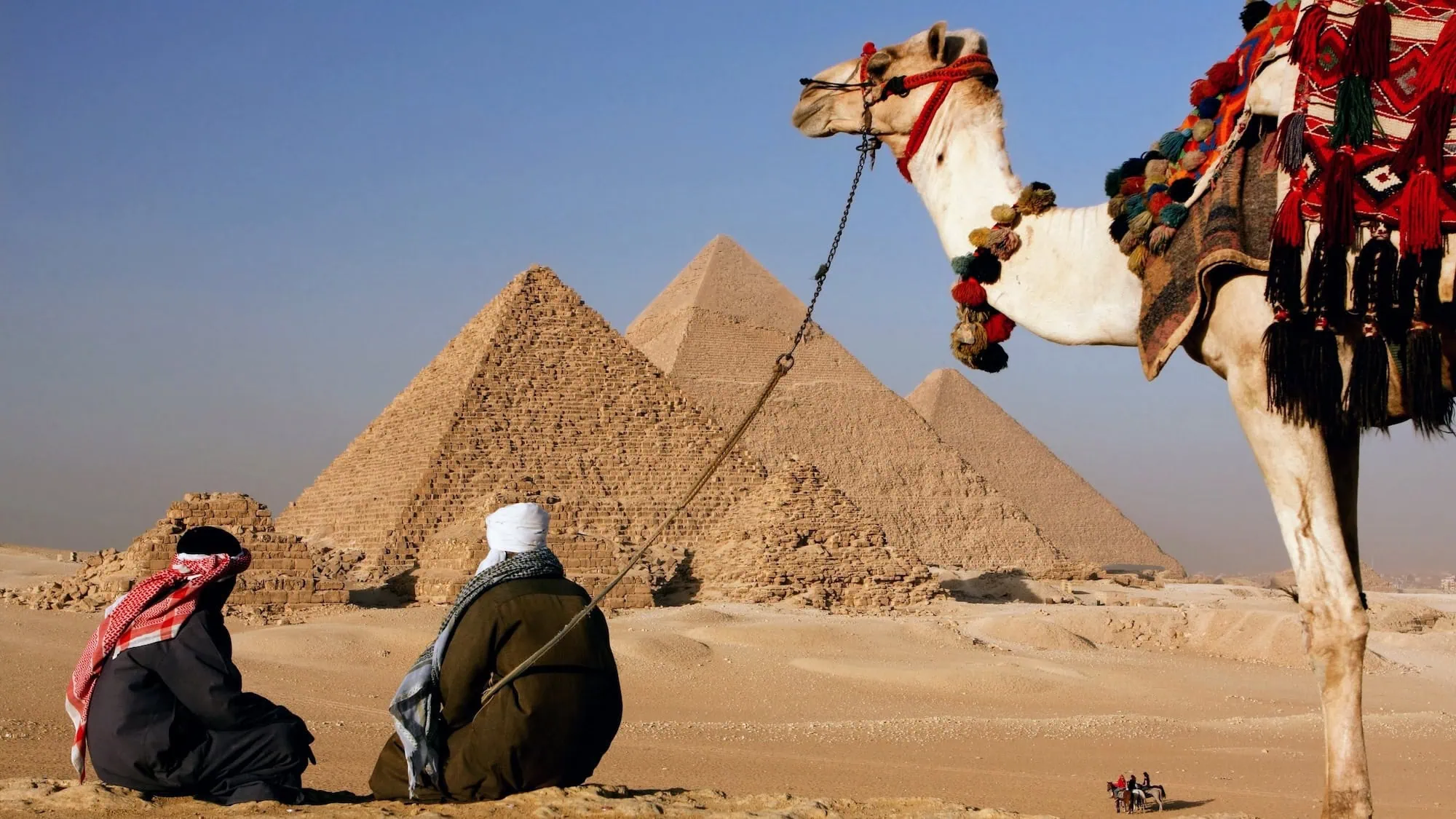
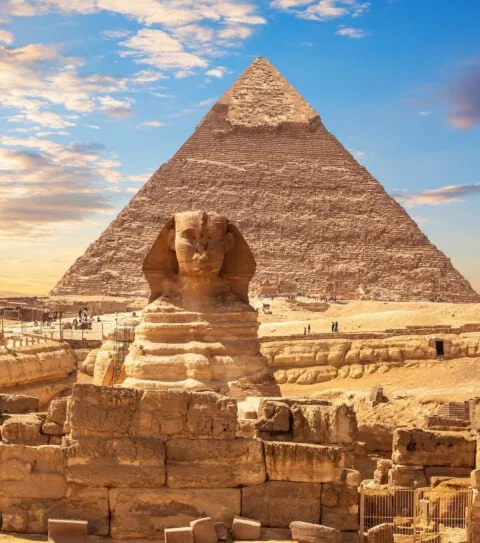
The question of pyramid safety reflects broader uncertainties about traveling to Egypt. While official travel advisories exist, the reality on the ground often differs significantly from government warnings. Current security measures at the Giza complex are extensive, with Egyptian authorities maintaining heavy police presence specifically to protect international visitors. The pyramid area receives millions of tourists annually, making it one of the most monitored archaeological sites globally.
We’ve guided thousands of travelers to the pyramids over our decades of operation, giving us firsthand insight into actual conditions versus perceived risks.
Table of Contents
Current Security Situation at Giza
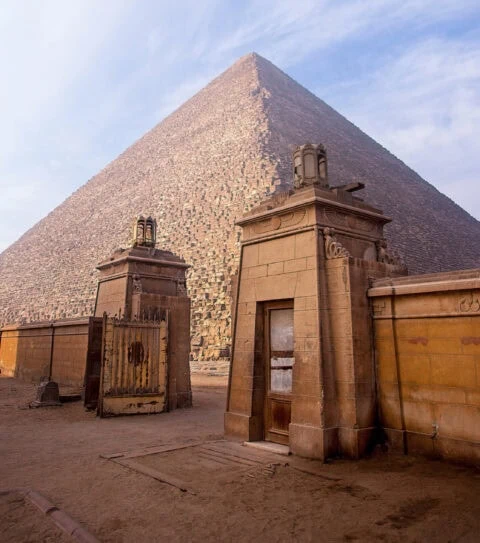
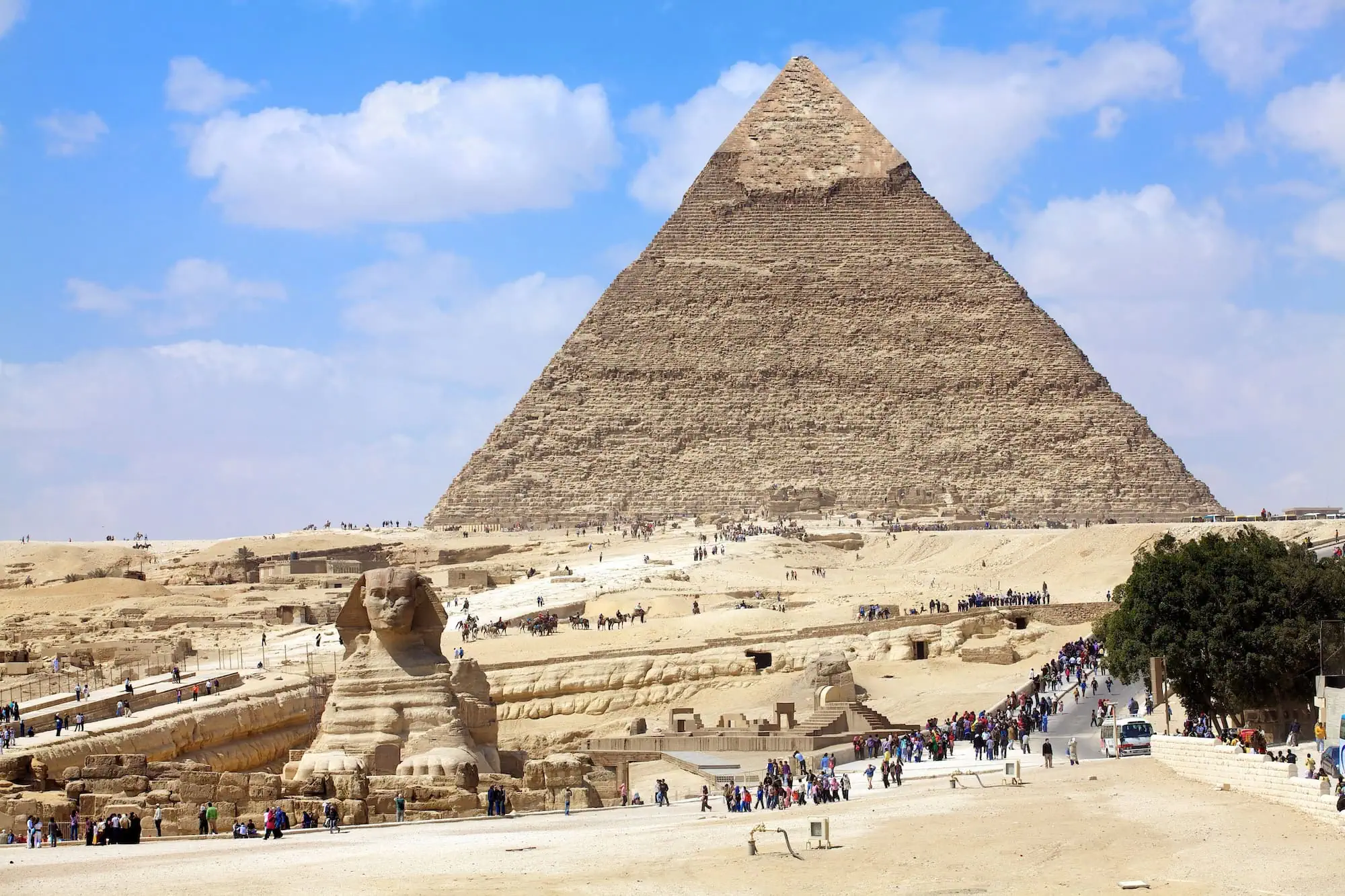
The Giza Plateau operates under heightened security protocols that go far beyond typical tourist destinations. Egyptian Tourist Police maintain constant visibility throughout the complex, with armed officers positioned at every major entrance and viewing area. Metal detectors screen all visitors entering the pyramid grounds, while security checkpoints monitor vehicle access along the main approach roads.
Military Presence and Protection
Military checkpoints surround the entire Giza area, creating multiple security layers between the city and the archaeological site. These installations aren’t temporary measures – they represent permanent infrastructure designed to protect both the monuments and visitors. The Egyptian military considers tourist safety a national priority, given tourism’s crucial role in the country’s economy.
Tourist Police Operations
Specialized Tourist Police units receive training specifically for heritage sites and international visitor protection. They speak multiple languages and understand cultural sensitivities that regular police might miss. These officers patrol in pairs throughout the pyramid complex, maintaining visible presence while remaining approachable for assistance.
Emergency Response Capabilities
Medical facilities operate within walking distance of all major pyramid viewing areas. Emergency vehicles maintain permanent stations near the Great Pyramid, ensuring rapid response to any incident. Communication systems connect all security posts, enabling coordinated responses to potential threats or medical emergencies.
Real Risks vs Perceived Dangers
Government travel advisories often paint broader pictures that don’t reflect specific location realities. The U.S. State Department’s Level 2 advisory for Egypt mentions terrorism risks, but these primarily concern border regions and the Sinai Peninsula – areas hundreds of kilometers from Cairo and Giza.
Actual risks at the pyramids center on petty crime and tourist harassment rather than serious security threats. Pickpocketing occurs occasionally in crowded areas, while aggressive vendors can create uncomfortable situations for unprepared visitors. Physical violence against tourists is extremely rare, as Egyptian authorities recognize that tourist safety directly impacts the national economy.
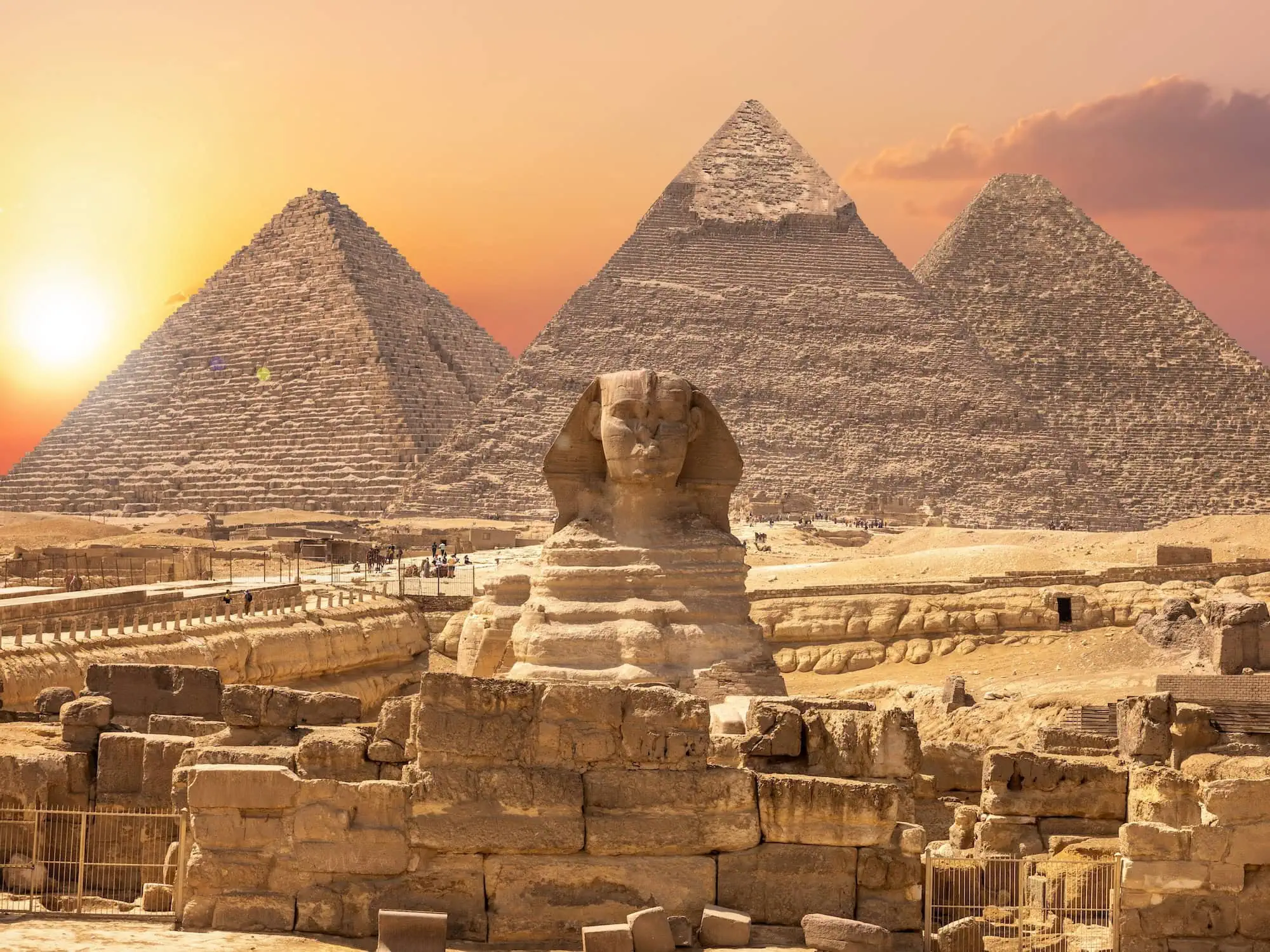
The contrast between perception and reality becomes clear when examining incident statistics. Major tourist sites like Giza experience fewer serious crimes per visitor than many popular European destinations. The heavy security presence creates an environment where serious criminal activity faces immediate intervention.
Practical Safety Measures You Should Take
Personal Security Precautions
Keep valuable items in hotel safes rather than carrying them to the pyramids. Bring only essential items like your passport, camera, and modest spending money. Wear a money belt under your clothing for important documents, as pickpockets target obvious tourist indicators like fanny packs and external wallets. Avoid displaying expensive jewelry, watches, or electronics that might attract unwanted attention.
Dealing with Vendors and Harassment
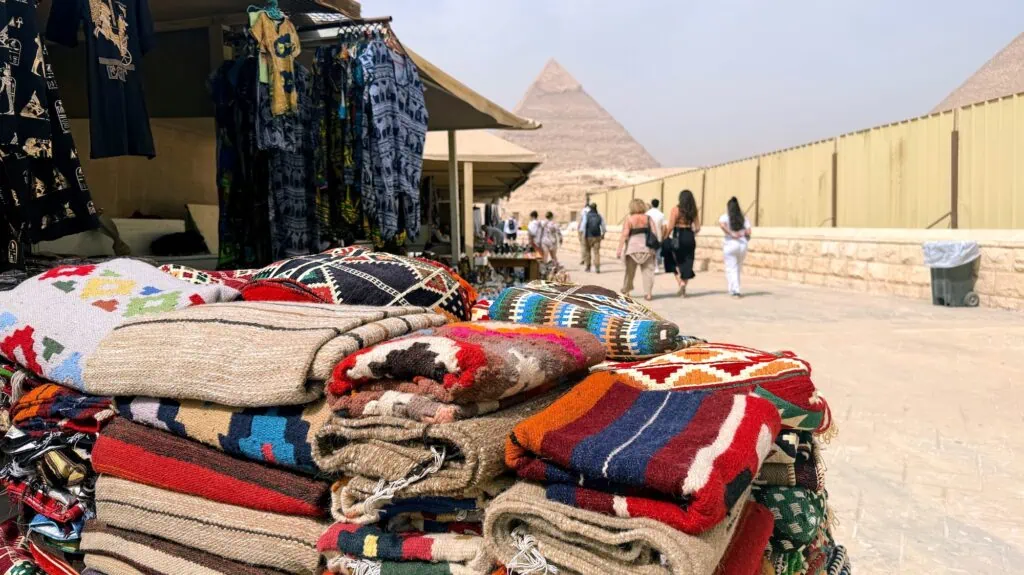
Pyramid vendors can be persistent, but they operate within boundaries established by security forces. A firm “no thank you” in Arabic (“la shukran”) often proves more effective than English refusals. Avoid making eye contact with vendors if you’re not interested in purchasing anything, as this can be interpreted as invitation for negotiation. Never feel obligated to buy something just to end a conversation – politely walking away is completely acceptable.
Group vs Independent Travel
Independent travelers should exercise more caution than those with organized tours. Tour groups receive protection from guides who understand local customs and can navigate potential problems. Solo female travelers particularly benefit from group arrangements, as cultural expectations may create additional challenges when traveling alone.
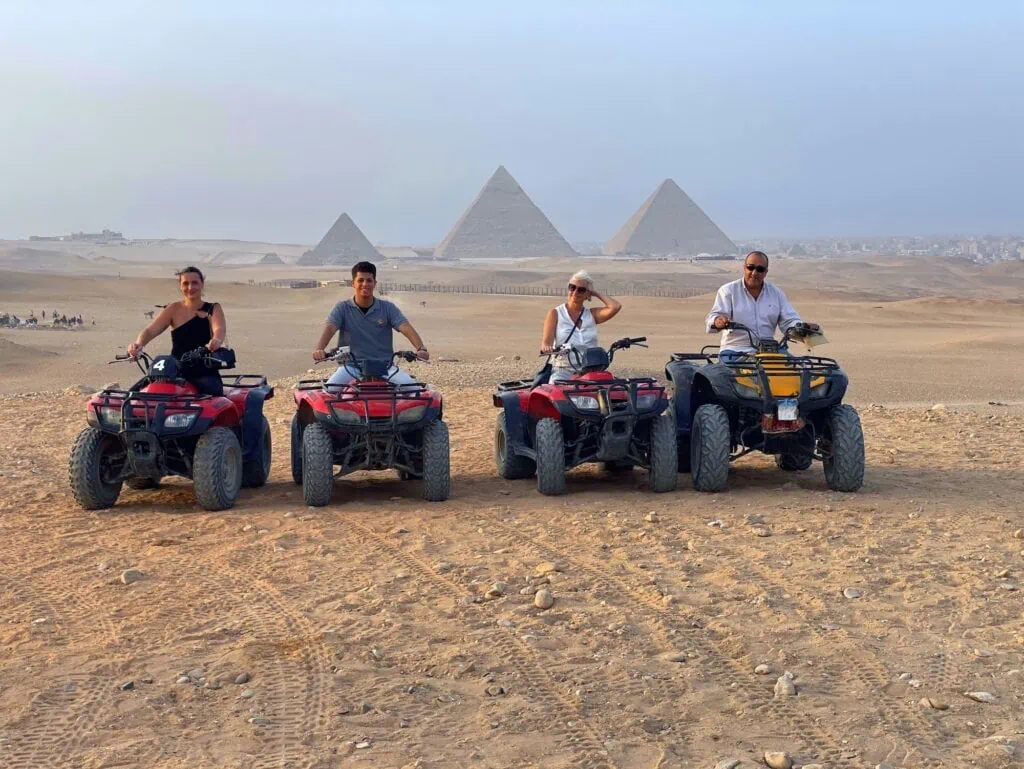
Private tour arrangements offer the best security while maintaining flexibility. Professional guides from established companies maintain relationships with security personnel and can quickly resolve any issues that arise.
Timing and Crowd Management
Early morning visits (7:00 am/07:00) offer the safest and most comfortable experience. Fewer vendors operate during early hours, while security personnel are fresh and attentive. Afternoon visits coincide with peak tourist numbers, creating crowded conditions that increase both harassment and petty crime opportunities.
Friday prayers affect local dynamics, with different crowd patterns and cultural sensitivities requiring additional awareness. Planning around religious observances shows respect while potentially avoiding complications.
Health and Environmental Safety Concerns
Desert conditions at Giza present health risks that many visitors underestimate. Temperature extremes range from cool mornings to scorching afternoons, with limited shade available near the pyramids themselves. Dehydration occurs quickly in dry desert air, especially when combined with physical exertion from climbing and walking on uneven surfaces.
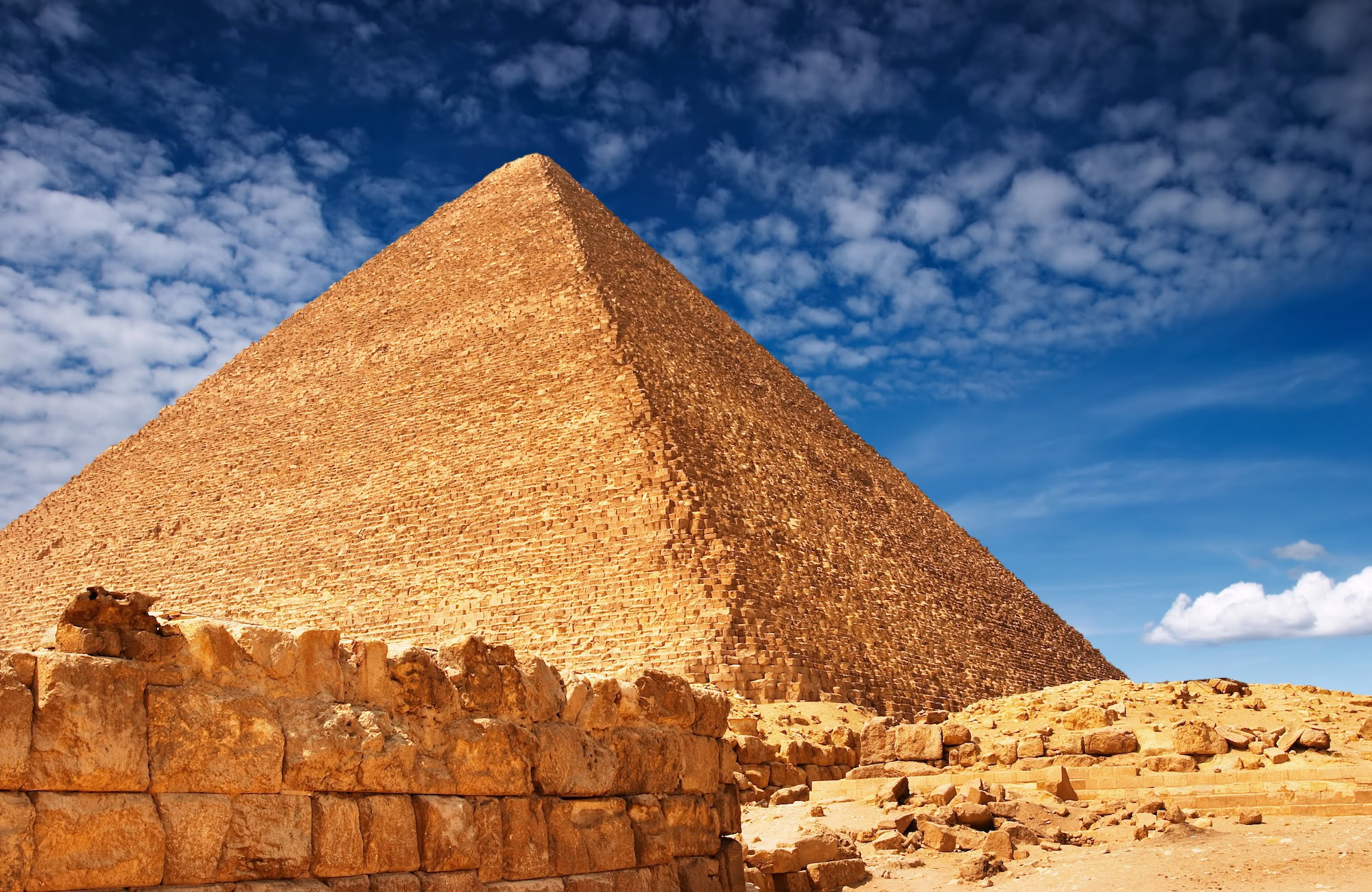
Dust and sand particles can trigger respiratory issues for people with asthma or allergies. The limestone construction creates alkaline dust that irritates eyes and throats even for healthy individuals. Bringing protective eyewear and staying hydrated helps mitigate these environmental challenges.
Medical Facilities and Support
Basic medical facilities operate near the pyramid entrance, staffed by personnel trained in common tourist health issues. However, serious medical emergencies require transport to Cairo hospitals, which can take 30-45 minutes depending on traffic conditions. Travel insurance covering emergency medical evacuation is strongly recommended.
Prescription medications should be brought in sufficient quantities, as specific brands may not be available locally. Keep medications in original containers with clear labeling to avoid customs complications.
Transportation Safety to and from Pyramids
Getting to Giza safely requires understanding local transportation options and their relative security levels. Licensed taxis provide the safest individual transport, though prices should be negotiated before departure. Ride-sharing apps operate in Cairo but may face restrictions near sensitive areas like the pyramids.
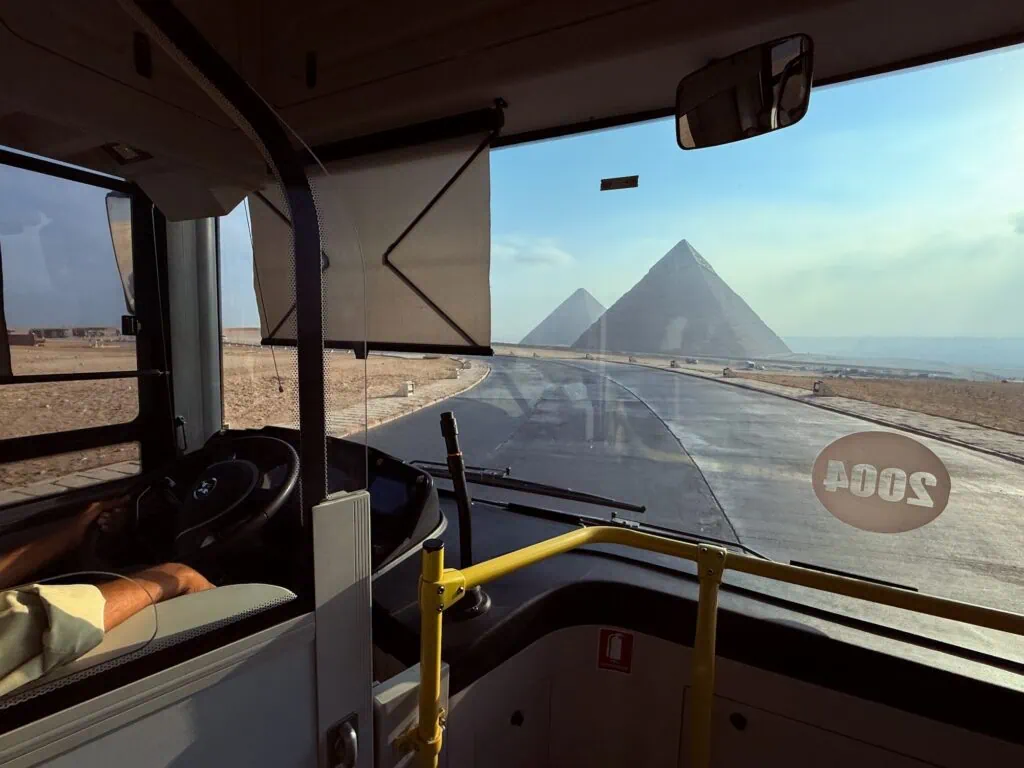
Tour buses offer the highest security level, with fixed routes and security screening. These vehicles receive priority treatment at checkpoints and benefit from established relationships between tour operators and security forces. Private vehicles with professional drivers represent a middle ground between independence and security.
Traffic and Road Safety
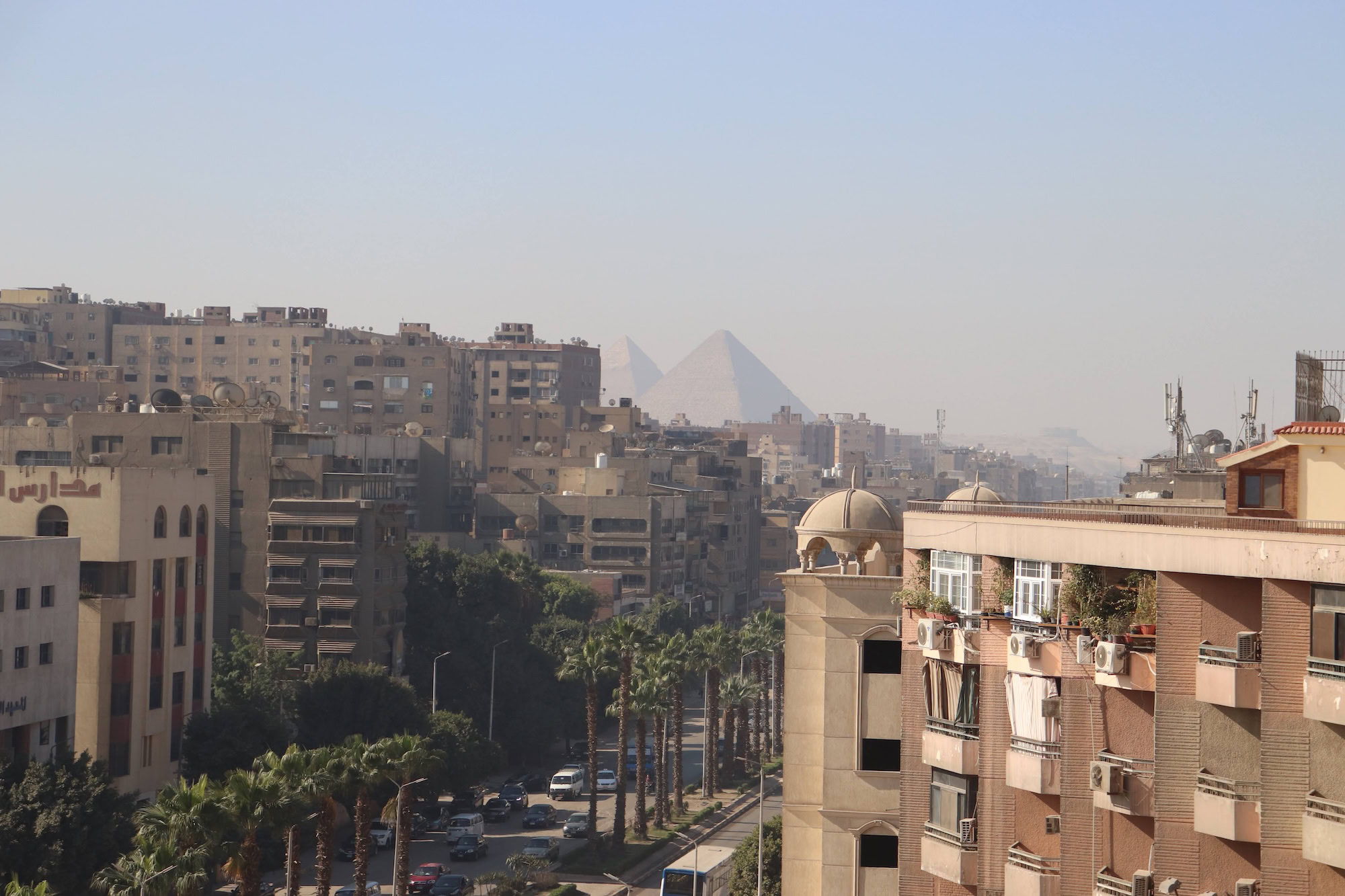
Cairo traffic presents significant risks that many visitors underestimate. Road conditions vary widely, with some areas lacking proper signage or lighting. Pedestrian infrastructure is limited, requiring extra caution when walking near roadways. Rush hour traffic (7:00-9:00 am/07:00-09:00 and 5:00-7:00 pm/17:00-19:00) creates additional complications for pyramid visits.
Comparing Official Warnings with Ground Reality
Official government advisories serve important legal and diplomatic functions but often lag behind actual conditions. The U.S. State Department’s Egypt advisory hasn’t changed substantially in years, despite significant improvements in security infrastructure and tourist protection measures.
European governments generally issue more nuanced advisories that distinguish between different Egyptian regions. These often acknowledge that tourist areas maintain higher security standards than the country average. Canadian and Australian advisories similarly recognize the distinction between border areas and established tourist destinations.
Insurance and Documentation Considerations
Travel insurance policies may include exclusions based on government advisory levels rather than actual risk assessments. Review policy language carefully to understand what coverage applies in Level 2 advisory countries. Some policies require additional premiums or offer reduced coverage for certain activities like archaeological site visits.
Documentation requirements for pyramid visits include passport presentation at security checkpoints. Photocopies aren’t always accepted, making original documents necessary. Keep passports secure but accessible, as multiple checkpoints may require presentation during a single visit.
Making an Informed Decision About Your Visit
Weighing pyramid visit safety requires balancing official advisories, current conditions, and personal risk tolerance. The archaeological significance and cultural impact of seeing the pyramids firsthand often outweigh security concerns for prepared travelers. However, the decision ultimately depends on individual circumstances and comfort levels.
Consider your travel experience, health status, and support network when making this choice. First-time international travelers might benefit from organized tours that provide structure and local expertise. Experienced travelers may feel comfortable with independent arrangements but should still research current conditions thoroughly.
Recent infrastructure improvements at Giza include upgraded security systems, better visitor facilities, and enhanced emergency response capabilities. These developments reflect Egyptian government commitment to tourist safety and the tourism industry’s economic importance.
Frequently Asked Questions
The Pyramids of Giza operate under a high level of security that includes police patrols, tourist police units, vehicle checkpoints, bag screening, and metal detectors at key access points. As Egypt’s most visited archaeological site and a UNESCO World Heritage Site, the complex receives significant government security attention. Security personnel are visible throughout the plateau and around visitor facilities. Most travelers find the environment well-organized and reassuring from arrival through departure.
Yes, the Pyramids of Giza are generally safe for solo female travelers, especially during daylight hours and within the main tourist zones. The site receives thousands of international visitors daily and maintains a visible tourist police presence. While occasional unwanted sales approaches or comments can occur, serious safety incidents involving tourists are uncommon. Organized tours, licensed guides, or early morning visits often provide additional comfort and convenience for solo travelers.
Avoid bringing large bags, expensive jewelry, unnecessary valuables, and large amounts of cash to the pyramid complex. Security screening is required at entry points, and carrying only essentials makes the process faster and more comfortable. A small backpack, bottled water, sunscreen, identification, and a phone or camera are usually sufficient. Traveling light also reduces the risk of losing personal belongings while exploring the vast Giza Plateau.
The most effective way to handle persistent vendors at the pyramids is to decline politely and continue walking without engaging in extended conversation. Saying “la shukran” (Arabic for “no thank you”) is widely understood and usually respected. Many vendors depend on tourism and may approach multiple times, particularly near popular photo spots. Remaining calm, confident, and consistent is generally more effective than negotiating if you are not interested.
Yes, the Pyramids of Giza remain one of Egypt’s most protected tourist destinations and continue operating safely during periods of broader political change. Security planning around major attractions functions independently from most political developments elsewhere in the country. Visitors typically encounter routine screenings, police patrols, and controlled access measures. Checking current government travel advisories before departure is always sensible, but most travelers visit the pyramids without security-related concerns.
Basic medical assistance is available near the pyramid complex, while major hospitals and advanced medical facilities are located in greater Cairo approximately 30 to 45 minutes away, depending on traffic. Common tourist issues include dehydration, heat exhaustion, and minor injuries from uneven terrain. Carrying water, sunscreen, and any personal medications is advisable. Travelers with existing medical conditions should ensure they have adequate travel insurance and emergency contact information.
Booking through a reputable tour company can add convenience, local expertise, and an extra layer of support, although it is not required for a safe pyramid visit. Licensed guides help visitors navigate entrances, understand site regulations, and avoid common tourist hassles. Companies such as Egypt Tours Plus also arrange transportation, which reduces logistical challenges in Cairo traffic. First-time visitors often find guided visits more efficient and less stressful.
Early morning, particularly between 7:00 am and 9:00 am, offers the most comfortable and manageable pyramid experience. Temperatures are cooler, crowds are lighter, and vendor activity is generally less intense than later in the day. Better visibility and softer lighting also improve photography conditions around the Great Pyramid of Khufu and the Sphinx. Arriving shortly after opening allows visitors to explore more comfortably before peak visitation begins.
Security at the Pyramids of Giza is often more visible than at many international tourist attractions because of the site’s global significance and national importance. Visitors routinely encounter checkpoints, security personnel, bag inspections, and tourist police throughout the area. While no destination is completely risk-free, the level of monitoring at Giza exceeds what many travelers experience at comparable heritage sites worldwide. This extensive security presence contributes to a generally safe visitor environment.
Comprehensive travel insurance that includes emergency medical treatment, evacuation coverage, trip interruption, and personal belongings protection is recommended for pyramid visits and Egypt travel in general. Even relatively minor medical incidents can become expensive when private healthcare or transportation is involved. Policies offering at least $50,000 in medical coverage and higher evacuation limits provide stronger protection. Review activity exclusions carefully if your itinerary includes camel rides or desert excursions.
Publicly accessible sections of the pyramid complex are generally safe and regularly monitored by security personnel. Visitors should avoid entering any restricted, fenced, or clearly marked unauthorized areas, which are protected for conservation and safety reasons. The Giza Plateau covers roughly 13 square kilometers, so remaining on designated visitor routes is important. Following posted signs and instructions from site staff helps ensure a safe and respectful visit.
Government travel advisories are useful for understanding national and regional conditions, but they often address entire countries rather than individual tourist attractions. The Pyramids of Giza, located near Cairo and visited by millions annually, typically operate under security conditions that differ from remote or restricted regions. Travelers should read advisory details carefully rather than focusing only on headline ratings. Combining official guidance with current information from reputable tour operators provides the clearest picture.
Explore our most popular guides and expert tips to make your trip safe, smooth, and unforgettable.
Plan Your Egypt Adventure with Confidence
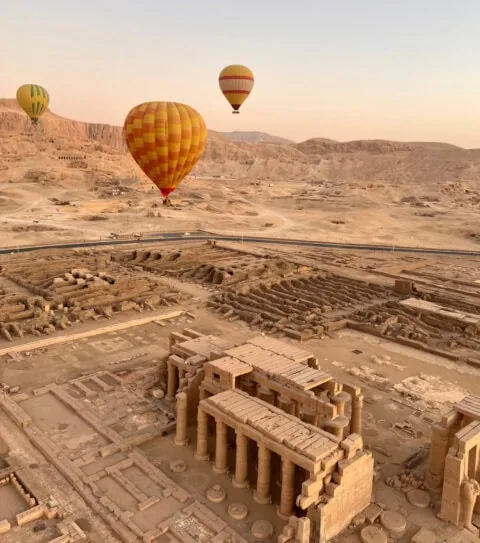
How to Plan a Trip Egypt
Step-by-step guide to help you plan the perfect Egypt trip — from routes and budget to booking.
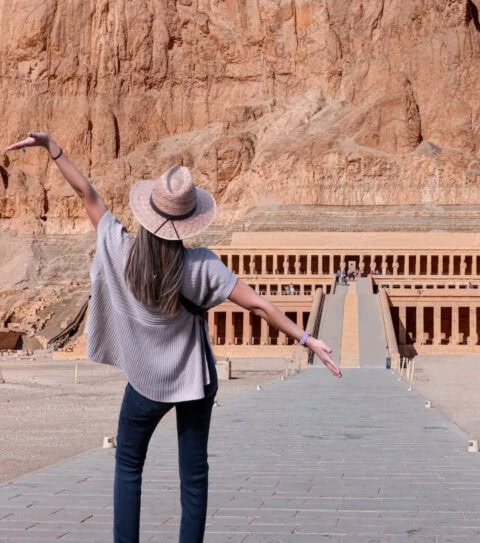
Best Time to Visit Egypt
Learn the best months to visit Egypt based on weather, crowds, and local travel experiences.
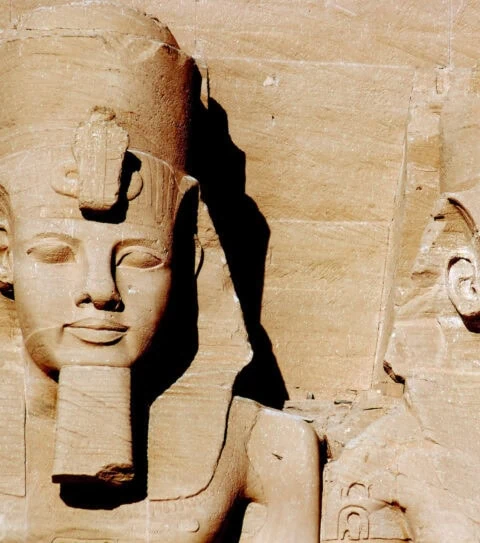
Must Visit Places in Egypt
Explore Egypt’s top sights — from pyramids to temples — and hidden gems worth seeing.
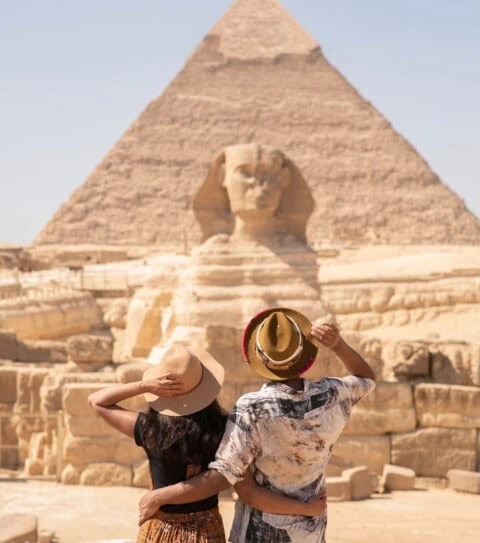
Top-Rated Egypt Tours
Handpicked private tours with local guides — our most loved and best-reviewed experiences.
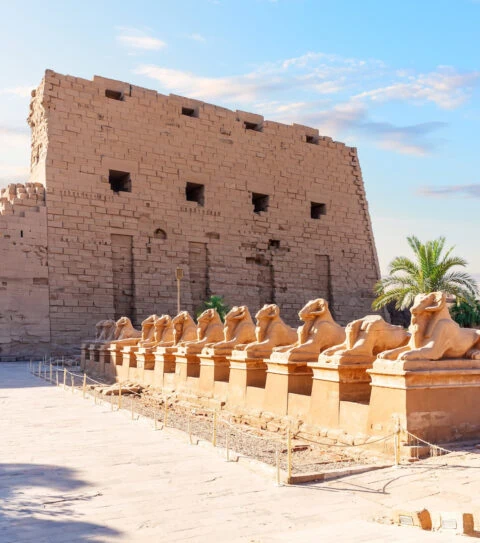
How Many Days to Visit Egypt?
Find out how many days you need in Egypt — from quick trips to full itineraries.
Egypt Visa Requirements
Check if you need a visa and get simple, up-to-date entry info based on your nationality.
Is it Safe to Travel to Egypt?
Is Egypt safe? Get honest safety tips, area advice, and what to know before you travel.
What to Pack for Egypt
A quick packing guide with essentials, cultural tips, and clothing advice for your Egypt trip.
Design Your Custom Tour
Explore Egypt your way by selecting only the attractions you want to visit