

Temple of Amun in Siwa Oasis – Oracle Antiquity Hidden in Isolation
The ruins speak of divine encounters and power.
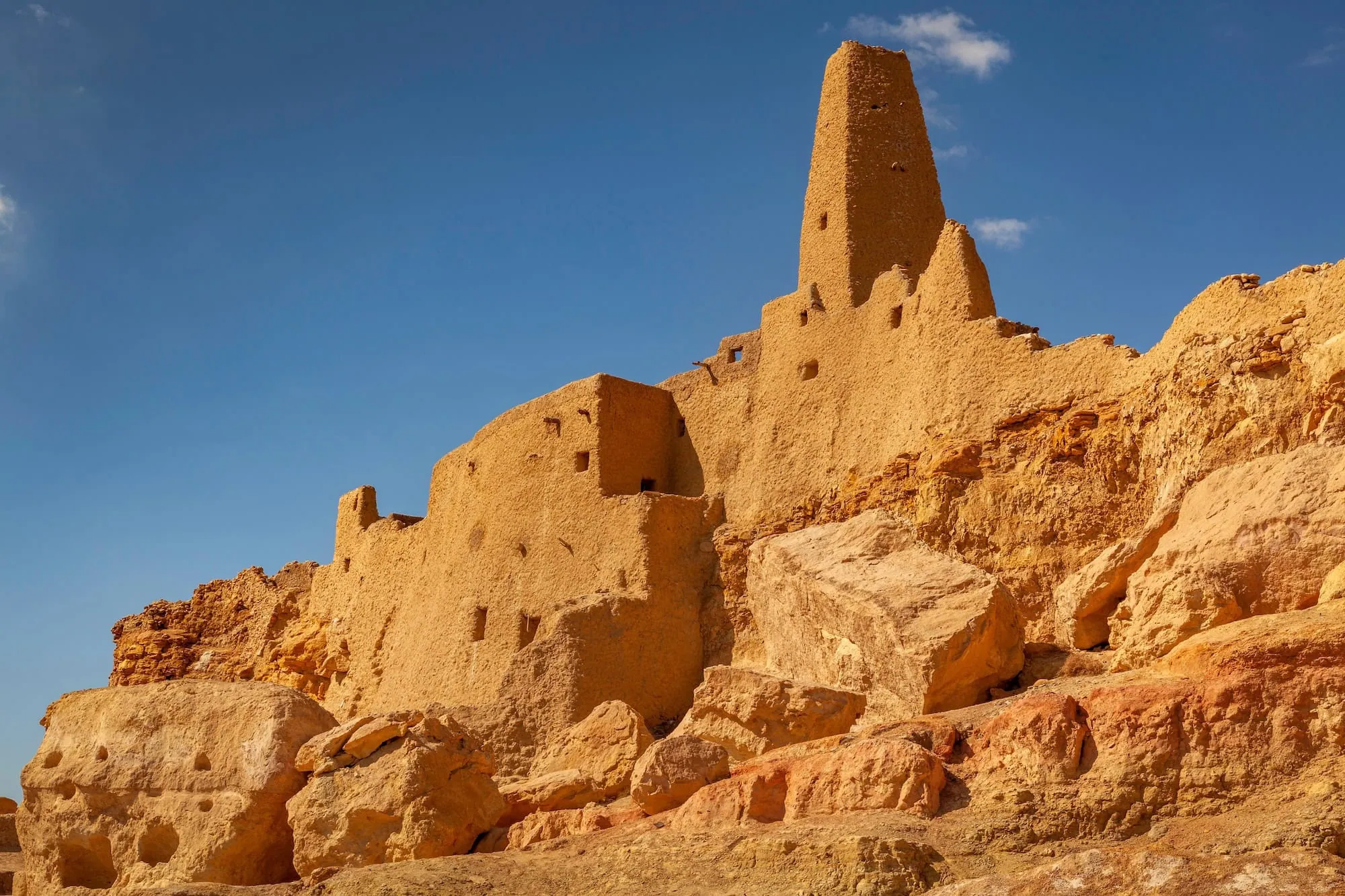
Deep within Egypt’s Western Desert lies one of antiquity’s most mysterious sites—the Temple of Amun at Siwa Oasis. Here, where sand meets sacred stone, Alexander the Great once sought divine confirmation of his destiny as pharaoh. This remote sanctuary, dedicated to the ram-headed sun god Amun-Ra, served as one of the ancient world’s most influential oracles for over a millennium.
The journey to understand this temple begins with appreciating its dual nature: both a religious center that shaped Egyptian spirituality and a political instrument that legitimized rulers across two continents.
Table of Contents
Historical Significance of Siwa’s Sacred Site
Archaeological evidence suggests the temple complex originated during Egypt’s 26th Dynasty, around 7th century BCE. The builders chose this location deliberately—Siwa’s natural springs and fertile land made it a vital oasis along trans-Saharan trade routes.
The Oracle’s Power and Influence
The Oracle of Amun wielded unprecedented authority throughout the Mediterranean world. Unlike other ancient oracles, Siwa’s priests delivered pronouncements that carried weight from Cyrenaica to Memphis. Greek sources describe pilgrims traveling for months across treacherous desert terrain seeking the god’s wisdom.
Ancient texts reveal the oracle’s consultation process involved complex rituals. Priests would carry the sacred boat bearing Amun’s image, interpreting the god’s responses through the vessel’s movements. These divine communications addressed everything from succession disputes to military campaigns.
Alexander’s Transformative Visit
In 331 BCE, Alexander the Great undertook the dangerous journey to Siwa while campaigning in Egypt. This visit marked a pivotal moment in both his reign and the temple’s history.
The young Macedonian sought validation of his divine parentage—crucial for Egyptian acceptance of his rule. Pharaohs traditionally derived legitimacy from their status as sons of Amun-Ra. Without this divine sanction, Alexander’s control over Egypt would remain tenuous.
According to historical accounts, the oracle proclaimed Alexander as Zeus-Ammon’s son, effectively recognizing him as pharaoh. This divine endorsement revolutionized Alexander’s self-perception and political standing throughout the ancient world.
Architectural Marvels of the Temple Complex
Two main structures dominated ancient Siwa’s religious landscape. The Temple of the Oracle stood on Aghurmi Hill, while the Temple of Umm Ubeida occupied a separate elevated position nearby.
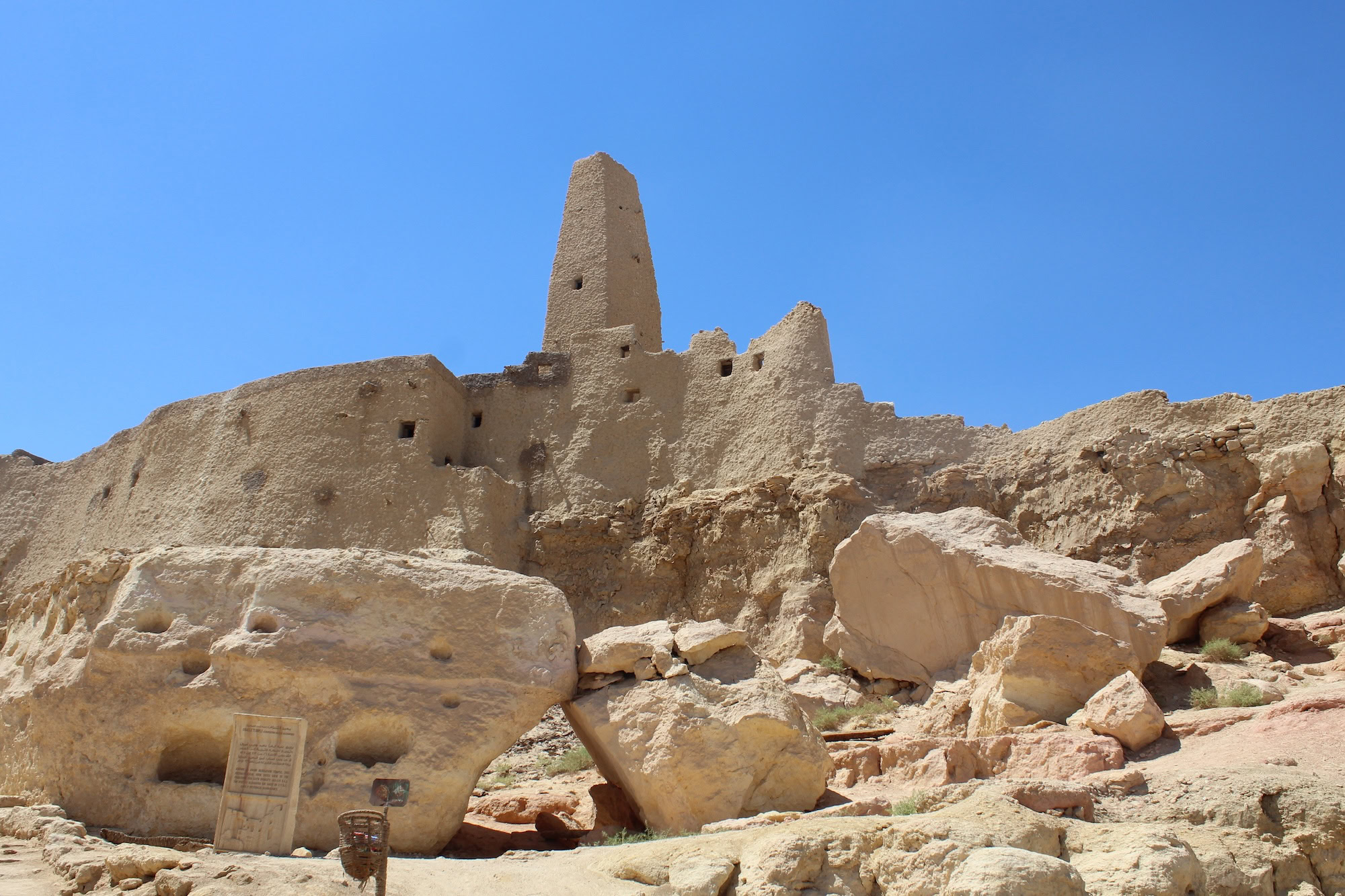
Modern visitors encounter weathered limestone blocks that once formed impressive walls. The Oracle temple’s foundations reveal a relatively compact structure—appropriate for its specialized ceremonial function rather than mass worship.
Recent archaeological surveys have uncovered fascinating details about the temple’s astronomical orientation. The main sanctuary aligned precisely with equinox sunrises, connecting earthly worship with celestial cycles. This sophisticated understanding of astronomy reflects the advanced knowledge possessed by Siwa’s ancient priesthood.
Sacred Architecture and Design Elements
The temple incorporated distinctly Egyptian architectural elements despite its remote location. Hieroglyphic inscriptions covered interior walls, depicting Amun-Ra receiving offerings from pharaohs and nobles.
Stone reliefs portrayed the ram-headed deity with solar disk, emphasizing Amun’s role as sun god. These artistic elements linked Siwa’s worship practices directly to mainstream Egyptian religious traditions centered in Thebes and Memphis.
Archaeological evidence suggests the complex included living quarters for priests, storage areas for ritual objects, and spaces for pilgrims. This infrastructure supported the temple’s role as both religious center and accommodation facility for long-distance travelers.
Religious Practices and Ritual Significance
The cult of Amun-Ra at Siwa blended Egyptian theological concepts with local Berber traditions. This religious synthesis created unique worship practices found nowhere else in the ancient world.
Priests maintained daily rituals honoring the deity through offerings of food, incense, and precious objects. These ceremonies followed Egyptian temple traditions while incorporating elements specific to desert oasis culture.
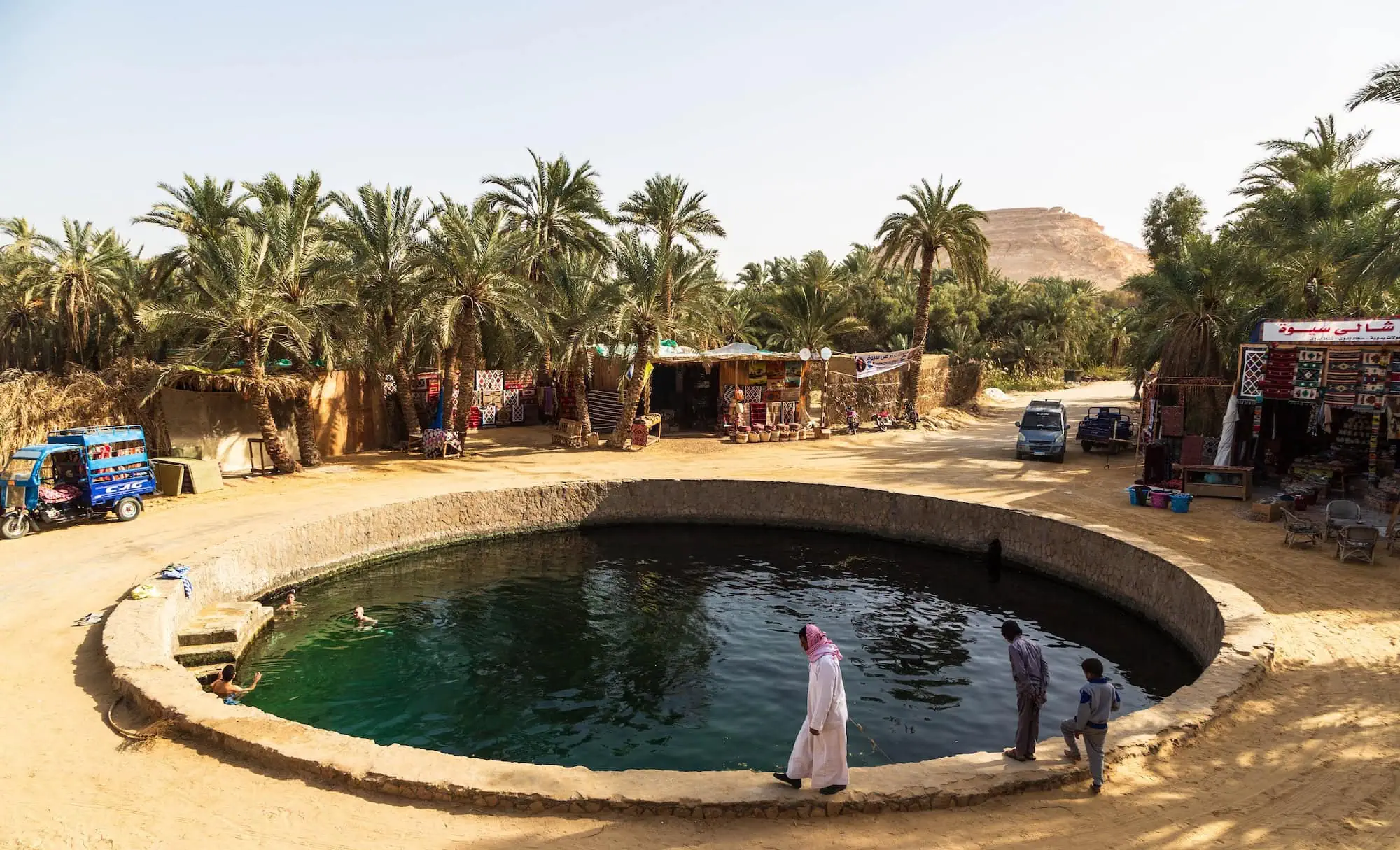
Water played a central role in Siwa’s religious observances. The oasis’s natural springs were considered sacred manifestations of divine power. Pilgrims often underwent purification rituals using these blessed waters before approaching the oracle.
The annual festival celebrating Amun-Ra attracted visitors from across North Africa and the Mediterranean. During these celebrations, the god’s sacred boat processed through Siwa’s streets while crowds chanted hymns and made offerings.
Connection to Egyptian Mythology
Amun-Ra represented the fusion of two major Egyptian deities—Amun (the hidden one) and Ra (the sun god). At Siwa, this combined divinity embodied both creative power and divine wisdom.
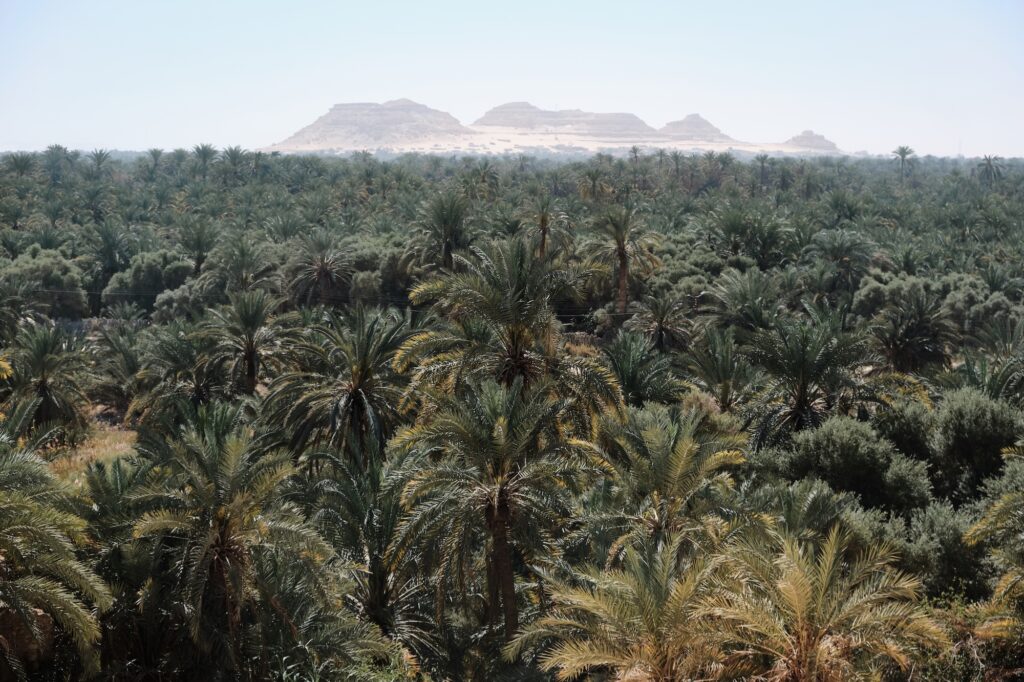
Local mythology portrayed Siwa as Amun-Ra’s favored dwelling place on earth. The oasis’s life-sustaining springs and date palms were viewed as direct manifestations of the god’s benevolent presence in the harsh desert environment.
Modern Exploration and Archaeological Discoveries
Today’s Siwa Oasis preserves remarkable traces of its ancient past alongside vibrant Berber culture. The temple ruins occupy protected archaeological zones managed by Egypt’s Ministry of Tourism and Antiquities.
Recent excavations have revealed previously unknown chambers beneath the main temple foundations. These discoveries include ritual objects, pottery fragments, and inscribed stones that provide fresh insights into daily worship practices.
Conservation Efforts and Challenges
Desert conditions pose ongoing threats to the ancient structures. Wind erosion and occasional flash floods gradually wear away exposed stonework. Salt deposits from underground springs create additional conservation challenges.
International archaeological teams work with Egyptian authorities to document and preserve Siwa’s heritage. Modern techniques like 3D scanning and ground-penetrating radar help researchers understand the site’s full extent without damaging fragile remains.
Tourism development must balance visitor access with archaeological preservation. Controlled pathways and visitor centers protect sensitive areas while allowing people to experience this remarkable historical site.
We organize specialized archaeological tours that provide expert interpretation of Siwa’s ancient monuments. Our experienced guides help visitors understand the complex religious and political forces that shaped this desert sanctuary.
Siwa Oasis in Ancient Trade Networks
The temple’s prosperity depended partly on Siwa’s strategic position along trans-Saharan trade routes. Merchants traveling between Mediterranean ports and sub-Saharan Africa regularly stopped at the oasis to resupply and rest.
These commercial connections brought wealth that funded temple construction and maintenance. Trade goods from across Africa passed through Siwa—ivory, gold, exotic animals, and precious stones enriched the sanctuary’s treasury.
Caravan leaders often consulted the oracle before undertaking dangerous desert crossings. Divine guidance regarding routes, weather, and timing helped ensure successful commercial expeditions.
Economic Impact on Local Communities
The temple complex employed numerous local residents as priests, guards, guides, and support staff. This religious economy supported Siwa’s population for centuries, creating prosperity in an otherwise harsh environment.
Pilgrimage tourism brought additional revenue through accommodation fees, food sales, and guide services. Ancient Siwa functioned as an early example of religious tourism’s economic potential.
Local craft production focused on religious objects—amulets, offering vessels, and decorative items for pilgrims. These specialized industries flourished due to steady demand from visiting worshippers.
Planning Your Visit to Siwa’s Ancient Temple
The temple ruins lie approximately 2 kilometers from modern Siwa town center. Visitors can easily walk or take local transportation to reach the archaeological site.
Entry requires tickets purchased at the site entrance. Photography inside the temple area may require additional permits—check current regulations with local authorities.
Early morning visits offer the best lighting conditions for photography while avoiding midday desert heat. The site typically opens at 8:00 am (08:00) and closes at 5:00 pm (17:00).
What to Expect During Your Exploration
The Temple of the Oracle preserves substantial wall sections and foundation layouts. Informational plaques in multiple languages explain key architectural features and historical significance.
Aghurmi Hill provides panoramic views across Siwa Oasis and surrounding desert landscapes. This elevated perspective helps visitors appreciate the site’s strategic importance in ancient times.
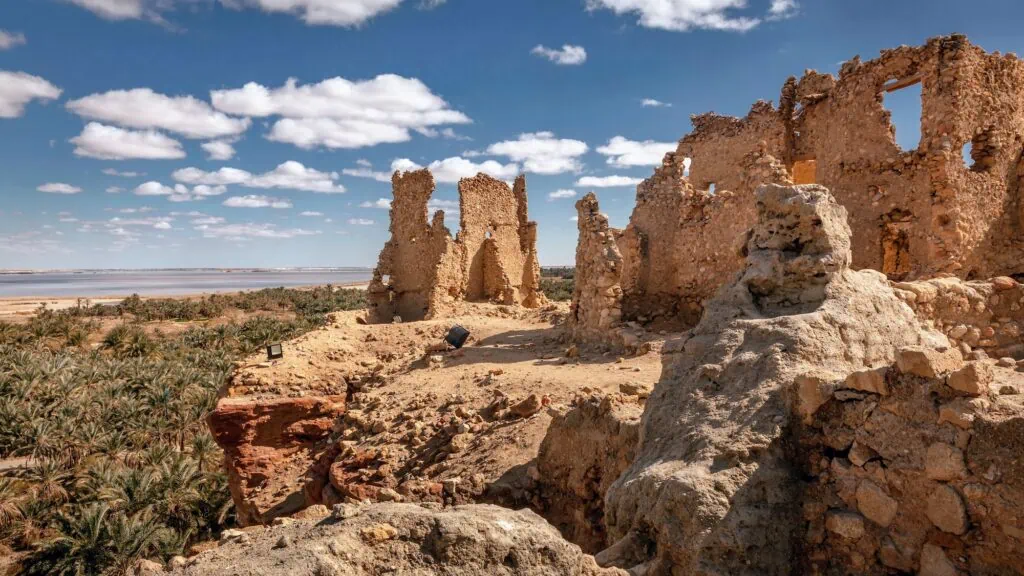
The nearby Umm Ubeida temple ruins offer complementary insights into Siwa’s religious complex. Though more weathered than the Oracle temple, these remains demonstrate the sanctuary’s original scale.
Our exclusive private tours include transportation from Cairo hotels, expert Egyptologist guides, and comprehensive exploration of both temple sites. We ensure comfortable travel conditions and detailed historical interpretation throughout your Siwa experience.
Follow The Legacy Of Amun In Siwa Oasis
Set within the remote beauty of Siwa, the Amun Temple is a place of legend—where ancient rulers once sought divine guidance in an atmosphere unlike anywhere else in Egypt. With EgyptToursPlus, we turn this extraordinary site into part of a carefully designed private journey, connecting Siwa’s unique culture and landscapes with Egypt’s most iconic destinations.
You choose when to travel, how fast to explore, and which experiences shape your itinerary. From secluded oasis stays to cultural highlights and seamless travel between destinations, we tailor every detail around your preferences—ensuring a refined, comfortable, and deeply personal journey from start to finish.
Frequently Asked Questions
The Temple of Amun in Siwa Oasis is located approximately 560 km (348 miles) southwest of Cairo, with overland travel usually taking 8 to 10 hours depending on road conditions and rest stops. The route crosses large stretches of Egypt’s Western Desert before reaching Siwa near the Libyan border. Most travelers visit as part of a multi-day oasis itinerary rather than a day trip because of the long driving distance. Overnight stays in Siwa provide a far more comfortable and rewarding experience.
Siwa’s Oracle of Amun became famous because of its remote desert setting and its political influence over rulers including Alexander the Great in 331 BCE. Unlike Greek oracles located in major Mediterranean centers, the Siwa oracle operated deep within an isolated oasis surrounded by hundreds of kilometers of desert. Egyptian pharaohs and foreign leaders sought divine legitimacy there, linking religious authority with political power. The isolation of the sanctuary also enhanced its mystique and reputation throughout the ancient world.
Access to the Temple of Amun’s interior chambers varies depending on current conservation work, but visitors can usually explore major sections of the ruins, including foundation walls, elevated terraces, and portions of interior spaces. The temple was heavily damaged by earthquakes and centuries of erosion, so some restricted areas remain structurally fragile. Even with limited chamber access, the site still offers impressive views across Siwa Oasis and clear evidence of ancient construction techniques. Morning visits generally provide cooler temperatures and fewer crowds.
Alexander the Great visited the Oracle of Amun in Siwa Oasis in 331 BCE after conquering Egypt during his campaign against the Persian Empire. Ancient historians including Arrian and Plutarch describe the journey as both political and religious because Alexander sought recognition as the legitimate son of Amun and ruler of Egypt. The visit greatly increased the oracle’s international fame across the Greek and Roman worlds. Historians still debate exactly what the priests told Alexander during the consultation ceremony.
Most treasures from the Temple of Amun disappeared gradually through looting, natural deterioration, and centuries of reuse by later populations after the decline of ancient Egyptian religious practices. Valuable objects made from gold, bronze, wood, and precious stones were especially vulnerable because the isolated desert location offered limited long-term protection. Some surviving artifacts connected to Siwa and Amun worship are now preserved in Egyptian museums and archaeological collections. Earthquakes and collapsing structures also contributed heavily to the site’s losses over time.
No, the Oracle of Amun no longer functions as an active religious institution, and formal worship practices ended many centuries ago after the decline of ancient Egyptian pagan traditions. However, the site still holds spiritual and cultural significance within Siwa Oasis, where local Amazigh (Berber) traditions maintain strong connections to the region’s sacred history and identity. Today the temple operates strictly as a historical and archaeological attraction. Visitors often combine the ruins with nearby springs, salt lakes, and traditional Siwan cultural sites.
October through March is the best time to visit Siwa Oasis because daytime temperatures are significantly cooler and more comfortable for archaeological exploration and desert excursions. Winter temperatures generally range between 20°C and 28°C (68°F to 82°F), while summer heat frequently exceeds 45°C (113°F), especially during July and August. Cooler weather also improves conditions for walking around exposed temple ruins and nearby desert landscapes. Early morning visits provide the most pleasant temperatures and the best lighting for photography.
The Temple of Amun survives today primarily as partially collapsed ruins, but enough foundation walls, corridors, and structural remains exist to reveal the original layout of the sanctuary complex. Earthquakes, weather erosion, and centuries of abandonment caused major damage, particularly to upper sections of the temple built on elevated rock formations. Despite this, visitors can still identify ceremonial areas and appreciate the strategic hilltop location overlooking Siwa Oasis. The surviving ruins remain historically important because of their connection to Alexander the Great and Amun worship.
Yes, several Greek and Roman dignitaries are believed to have consulted the Oracle of Amun over the centuries, although Alexander the Great’s 331 BCE visit remains the most historically documented and influential. The oracle’s reputation spread throughout the Mediterranean world because its priests were considered capable of confirming divine legitimacy and political destiny. Ancient rulers valued these consultations during periods of conquest and transition. The temple’s fame helped transform remote Siwa Oasis into one of antiquity’s most legendary pilgrimage destinations.
The Temple of Amun in Siwa Oasis served as a major religious center dedicated to Amun-Ra, one of ancient Egypt’s most powerful deities associated with kingship, creation, and divine authority. Priests at the oracle interpreted messages believed to come directly from the god, giving the sanctuary major political importance alongside its spiritual role. The temple also reinforced connections between Egypt’s desert oases and the Nile Valley religious system. Its influence extended beyond Egypt into Greek and Roman political culture.
Yes, modern Siwa town offers a wide range of accommodations within easy reach of the Temple of Amun, including eco-lodges, boutique desert hotels, traditional guesthouses, and upscale oasis retreats. Many properties sit within 10 to 20 minutes of the archaeological zone by car or bicycle. Travelers staying overnight can also explore nearby attractions such as Cleopatra’s Pool, Shali Fortress, and the Great Sand Sea. Winter months are especially popular, so advance reservations are recommended between November and February.
Most travelers should allow 2 to 3 hours to properly explore the Temple of Amun ruins, nearby viewpoints, and surrounding archaeological areas within Siwa Oasis. The visit typically includes walking through temple remains, learning about the oracle’s role in ancient history, and photographing panoramic desert and palm grove landscapes. Travelers interested in Alexander the Great, ancient religion, or oasis archaeology may spend longer with a guide. Late afternoon visits are especially popular because of softer light and cooler temperatures.
Design Your Private Western Desert Adventure
Travel with your own expert guide, private 4×4 vehicle, and a route tailored to you.