

Hot Spring Bathing in Egypt – Hidden Oases and Healing Waters
Egypt offers more than ancient pyramids and Nile cruises.
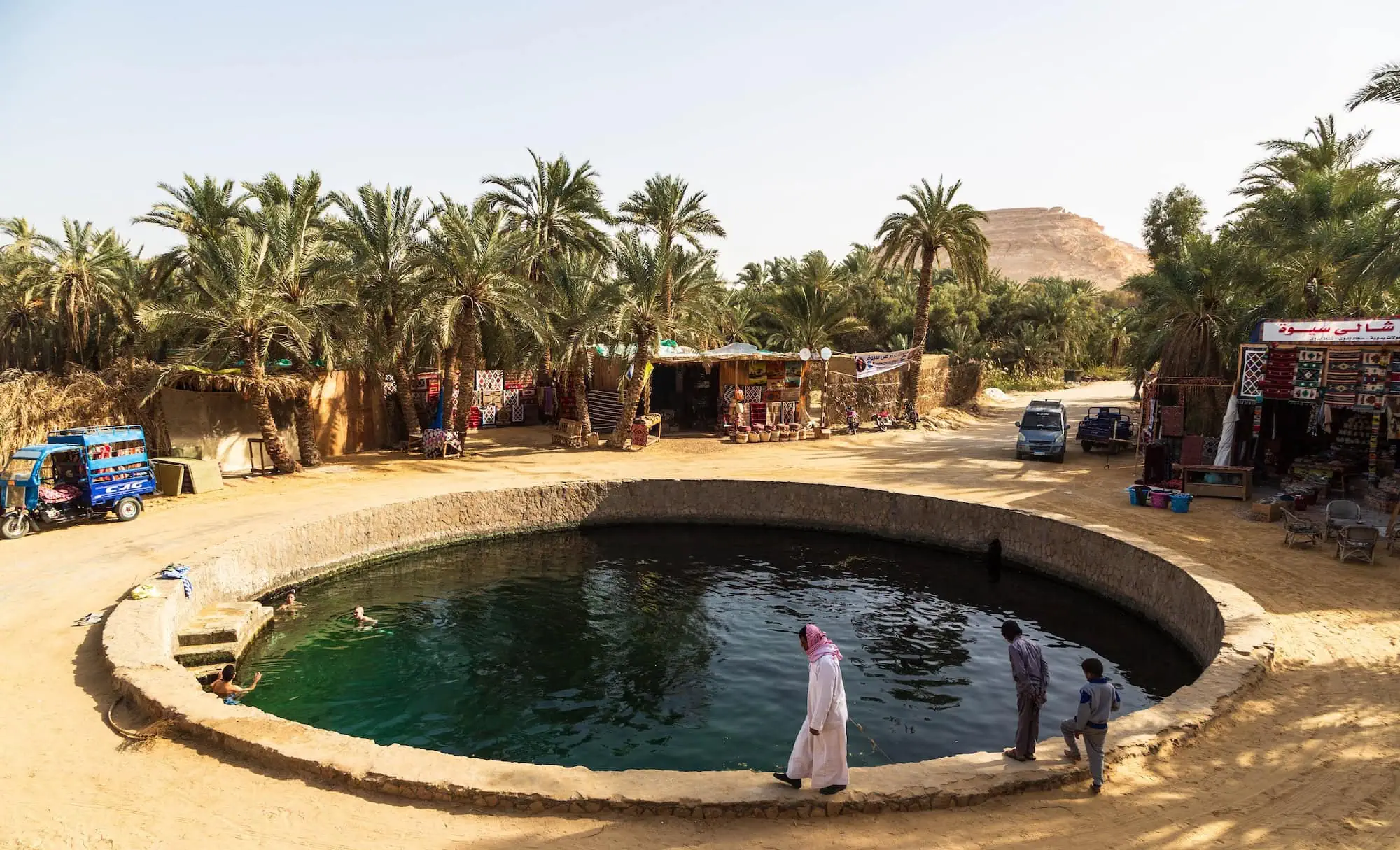
Hidden across the vast Western Desert and remote corners of Sinai Peninsula, natural hot springs have bubbled from the earth for thousands of years. These thermal waters, often reaching temperatures between 100-140°F (38-60°C), have attracted travelers seeking healing and relaxation since the time of Cleopatra. We know the exact locations of over 200 documented hot springs scattered throughout Egypt’s desert regions, each offering unique mineral compositions and therapeutic benefits that have been treasured by locals for generations.
From the famous Cleopatra’s Pool in Siwa Oasis to the sulfur-rich springs of Bir Sigam in Bahariya, these natural spa destinations provide an extraordinary escape from modern life.
Table of Contents
Siwa Oasis: Desert Paradise
Siwa Oasis stands as Egypt’s most celebrated hot spring destination. Located 560 kilometers west of Cairo near the Libyan border, this ancient settlement houses dozens of natural springs flowing from underground aquifers deep beneath the Sahara Desert.
Cleopatra’s Pool: Crown Jewel
The most famous spring in Siwa bears Cleopatra’s name, though historical records suggest she likely never visited this remote location. The circular stone pool maintains a constant temperature of 82°F (28°C) year-round. Crystal-clear water bubbles up from a natural underground source, creating gentle currents that massage swimmers naturally.
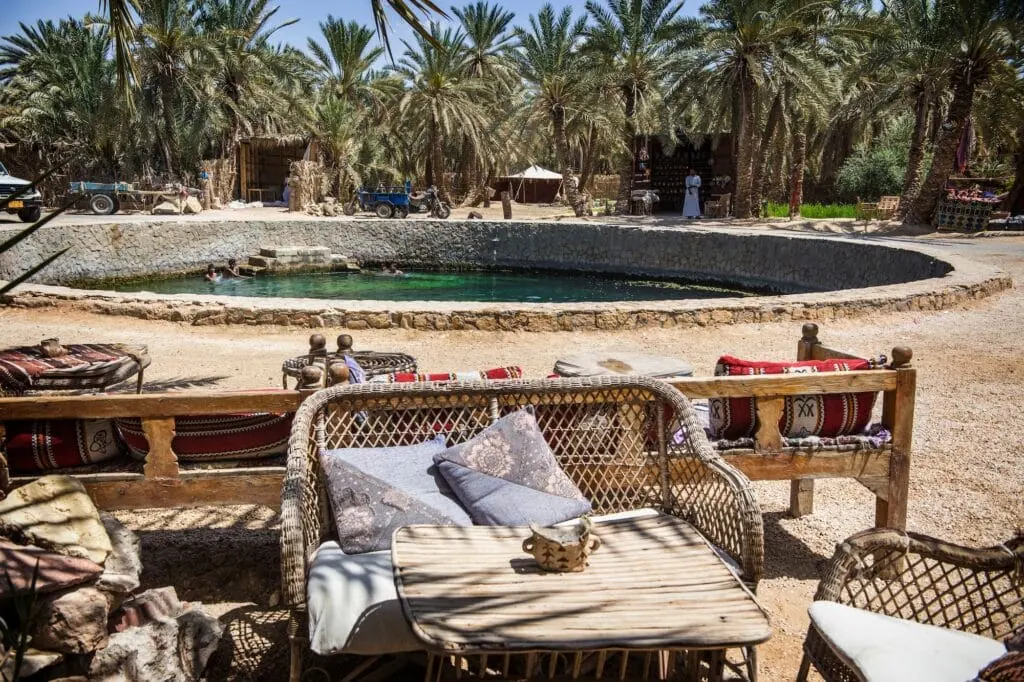
Local Berber communities have used these waters for centuries to treat joint pain and skin conditions. The high mineral content includes beneficial sulfur compounds and trace elements that many visitors report help with arthritis symptoms.
Al Maza Spring Complex
Beyond the famous Cleopatra’s Pool, Al Maza represents Siwa’s largest hot spring system. Over 20 individual springs emerge from the desert floor here, each with slightly different temperatures and mineral compositions. Water temperatures range from 75-95°F (24-35°C) depending on the specific spring and time of day.
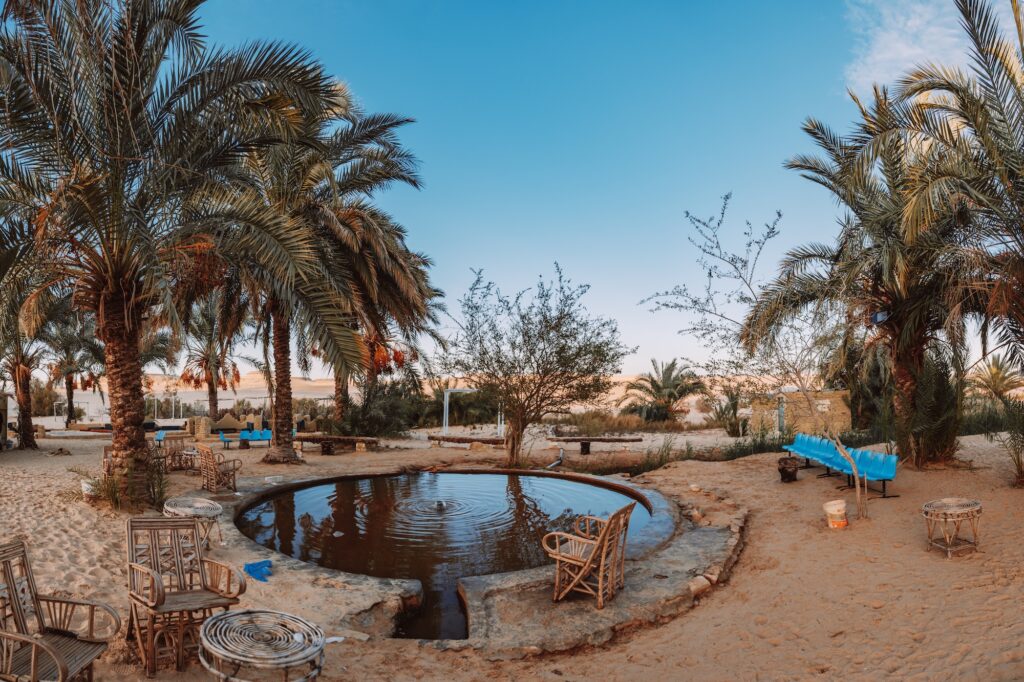
The site includes traditional mud bath areas where visitors apply mineral-rich clay directly from the spring beds. Palm trees and olive groves surround the springs, creating natural shade and a genuine oasis atmosphere. We recommend visiting during early morning hours from 7:00 am (07:00) to avoid afternoon crowds.
Getting to Siwa
Most travelers reach Siwa through a seven-hour drive from Cairo or a four-hour journey from Alexandria. The road crosses remarkable desert landscapes, passing salt lakes and ancient Berber settlements. Public transportation runs twice daily, though private vehicles offer more flexibility for spring-hopping between different sites.
Western Desert Springs
The vast Western Desert contains Egypt’s most diverse collection of hot springs. These isolated locations require more effort to reach but reward visitors with pristine conditions and powerful healing waters.
Bir Sigam and Gebel
Bir Sigam, located in Bahariya Oasis, produces some of Egypt’s hottest natural spring water at temperatures reaching 140°F (60°C). The high heat creates natural steam that many visitors find beneficial for respiratory conditions. Traditional cooling pools nearby allow for comfortable soaking at more moderate temperatures around 100°F (38°C).
Bir Al Gebel sits approximately 30 kilometers from Bir Sigam. This spring system flows through natural rock formations, creating terraced pools at different temperature levels. The mineral content here includes high concentrations of sulfur and magnesium, giving the water a distinctive smell but remarkable therapeutic properties for muscle soreness and skin inflammation.
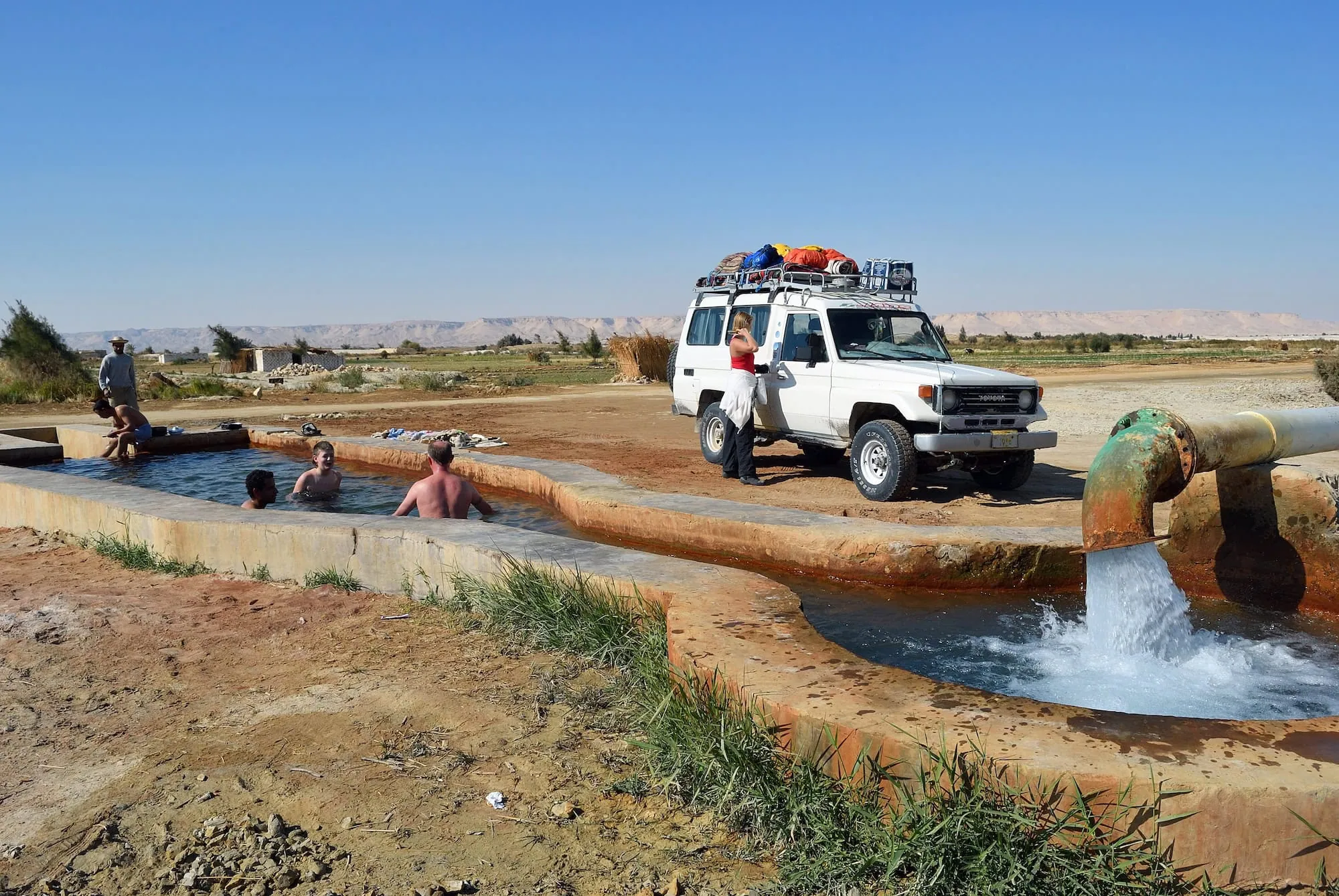
Both locations operate without developed facilities, maintaining their wild, natural character. Visitors should bring drinking water, food, and sun protection for day trips to these remote sites.
Kharga Oasis Springs
Kharga Oasis, the largest oasis in Egypt’s Western Desert, contains numerous hot springs with documented use dating back to Roman times. Archaeological evidence shows elaborate bathhouse structures built around several major springs during the first and second centuries CE.
Mut Talata represents the most accessible spring complex in Kharga. Three distinct springs emerge within walking distance of each other, each maintaining different temperatures and mineral profiles. The first runs at 95°F (35°C), perfect for extended soaking. The second reaches 110°F (43°C), ideal for therapeutic treatments. The third stays cooler at 85°F (29°C), suitable for families with children.
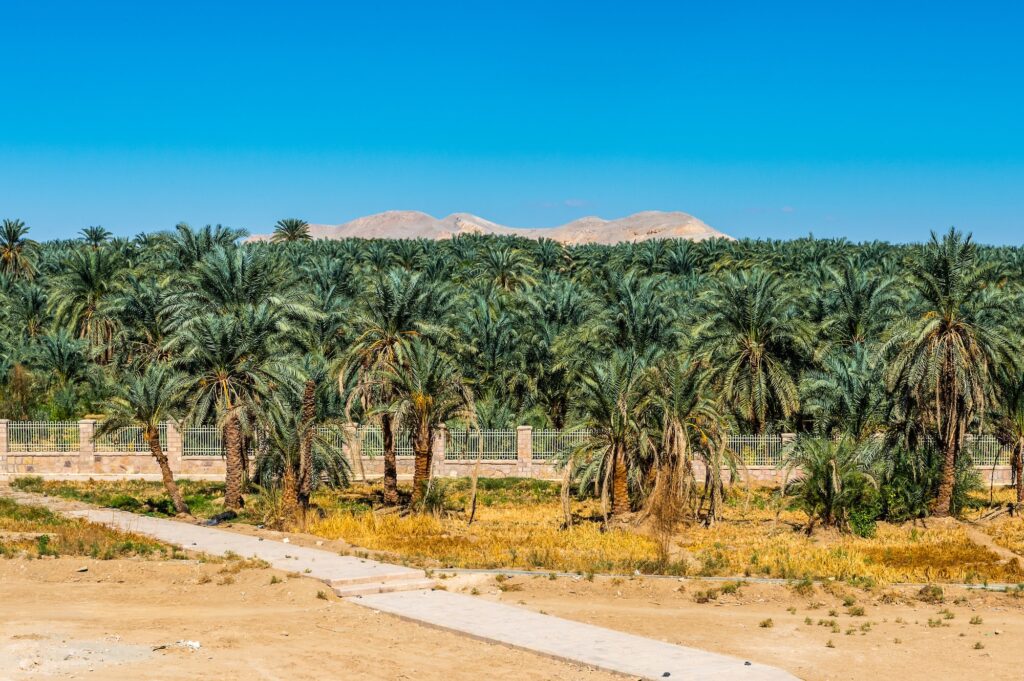
Roman-era channels still direct spring water through stone-lined pools. These ancient engineering works demonstrate how previous civilizations recognized the value of controlled thermal bathing. Local guides can explain the historical significance while pointing out original Roman stonework still visible today.
Modern visitors often combine hot spring visits with exploration of Kharga’s other attractions. The Kharga Museum houses artifacts from various periods, including items specifically related to ancient bathing practices. Nearby Temple of Hibis provides additional historical context for understanding how thermal springs influenced settlement patterns in ancient Egypt.
Sinai Peninsula Springs
The Sinai Peninsula offers hot springs with unique geographical and cultural significance. Unlike Western Desert springs that emerge from deep aquifers, Sinai’s thermal waters often surface near mountainous regions with dramatic landscape backdrops.
Oyoun Mousa Moses Springs
Oyoun Mousa, meaning “Springs of Moses,” connects to biblical traditions while providing genuine therapeutic benefits. Located approximately 60 kilometers south of the Suez Canal, these springs allegedly mark where Moses struck rocks to provide water for the Israelites during their desert wandering.
Twelve distinct springs emerge from underground sources here. Water temperatures vary from 75-100°F (24-38°C) depending on the specific spring and seasonal factors. The mineral composition includes natural sulfur compounds that create therapeutic benefits for joint conditions and certain skin problems.
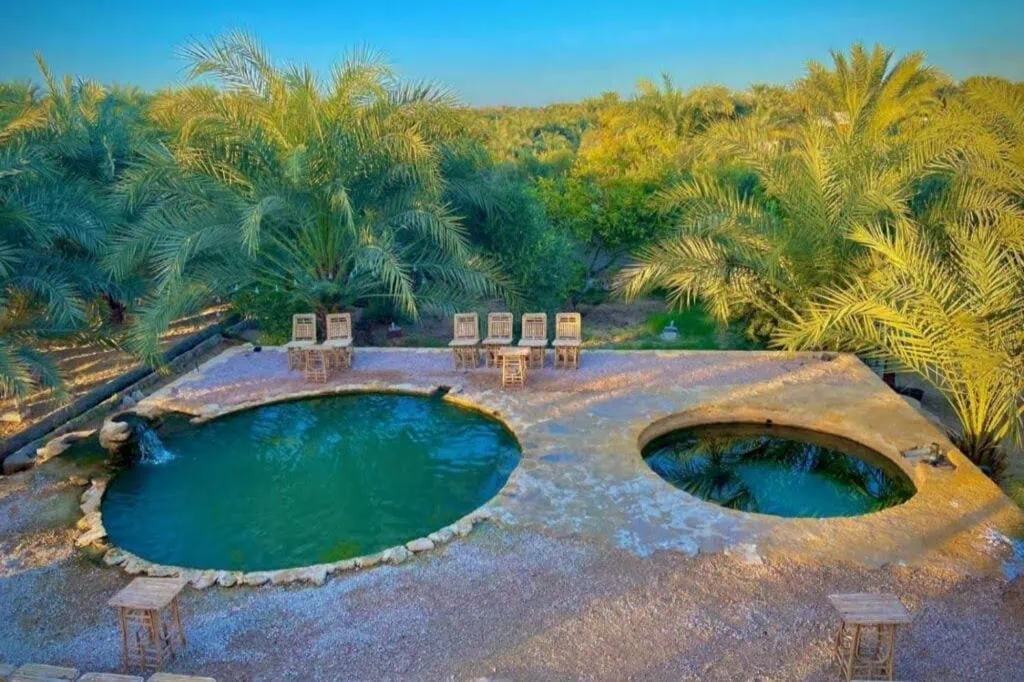
Palm groves surrounding the springs create natural swimming pools where spring water collects before flowing toward the Red Sea. The combination of fresh thermal water and proximity to saltwater beaches makes Oyoun Mousa unique among Egyptian hot spring destinations.
Practical Sinai Considerations
Reaching Sinai springs requires crossing desert terrain that can be challenging without proper preparation. We recommend four-wheel drive vehicles for most locations, especially during summer months when sand becomes loose and difficult to navigate.
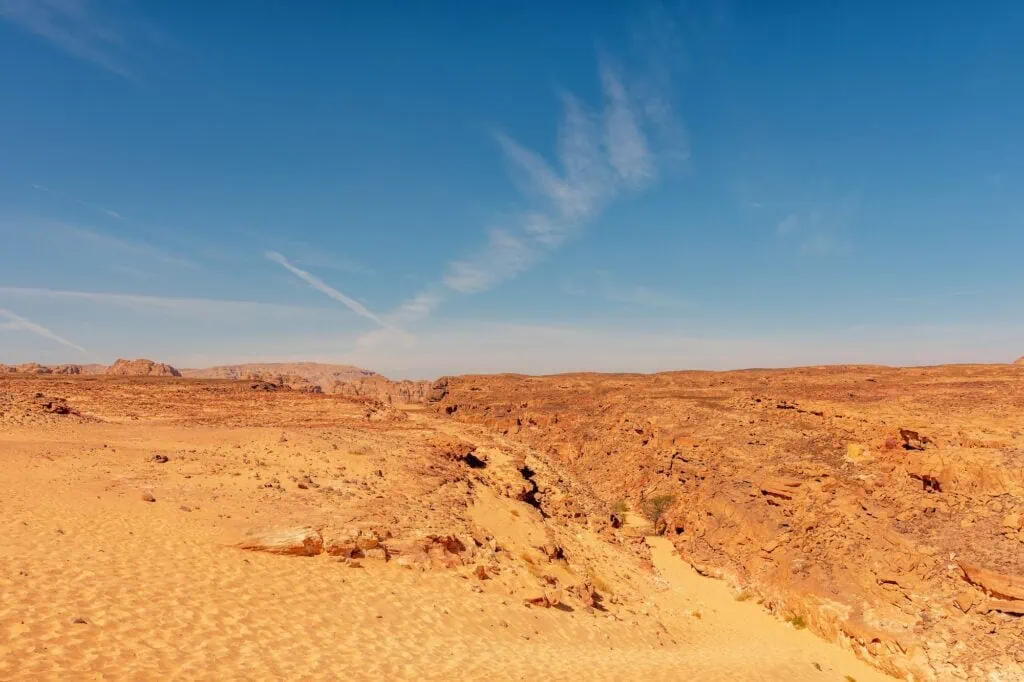
Security considerations in Sinai require checking current travel advisories before planning visits. Certain areas may have restricted access depending on regional conditions. Local Bedouin guides provide valuable knowledge about safe routes and optimal visiting times.
Health Benefits and Applications
Egyptian hot springs contain diverse mineral compositions that create specific therapeutic effects. Scientific analysis of major spring systems reveals high concentrations of sulfur, magnesium, calcium, and trace minerals that benefit human health in measurable ways.
Sulfur-rich waters, particularly common in Western Desert springs, help reduce inflammation in joints affected by arthritis or rheumatism. Many visitors report decreased pain and improved mobility after regular soaking sessions. The heat itself increases blood circulation, while sulfur compounds provide direct anti-inflammatory effects through skin absorption.
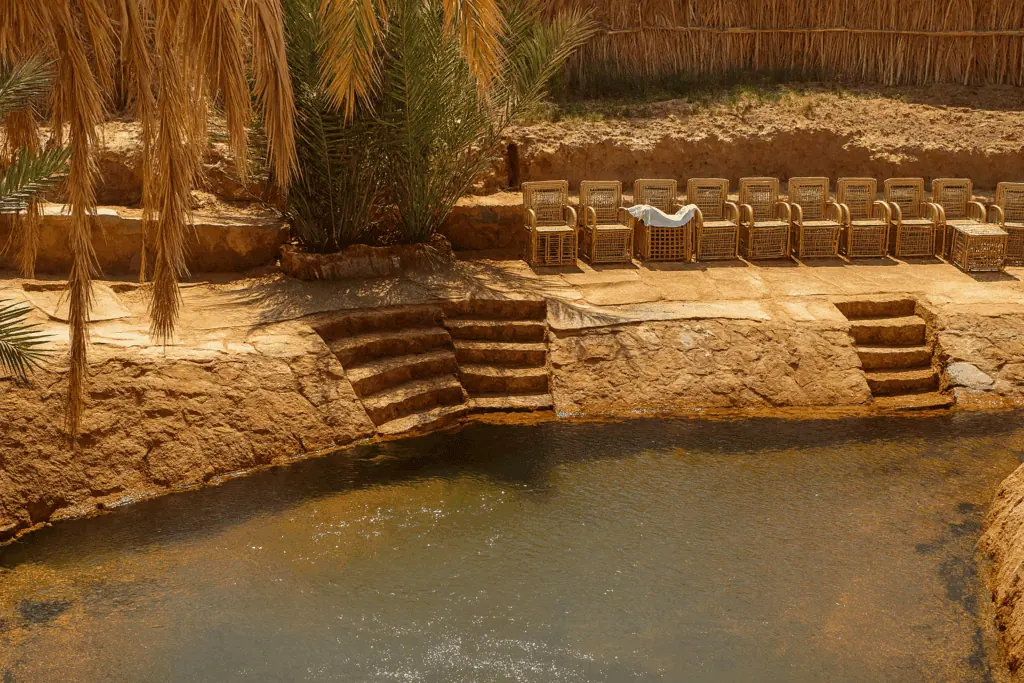
Magnesium concentrations in springs like those at Mut Talata help muscle relaxation and stress reduction. This mineral absorbs through the skin during extended bathing sessions, contributing to overall wellness beyond simple heat therapy.
Hot spring bathing also provides respiratory benefits for people with certain lung conditions. Steam from natural springs contains mineral particles that can help clear congestion and improve breathing. Bir Sigam’s high-temperature springs create particularly effective natural steam therapy.
Skin conditions including eczema and psoriasis often improve with regular hot spring treatments. The combination of mineral content, heat, and natural pH levels creates conditions that promote skin healing and reduce irritation.
Planning Your Spring Adventure
Timing significantly affects hot spring experiences in Egypt. Desert springs maintain relatively constant temperatures year-round, but air temperatures and accessibility vary dramatically with seasons.
Winter months from December through February offer the most comfortable conditions for hot spring bathing. Air temperatures range from 60-75°F (15-24°C) during the day, creating pleasant contrasts with warm spring waters. Desert roads remain accessible, and camping near springs becomes enjoyable rather than challenging.
Spring and fall provide excellent visiting conditions with moderate temperatures and clear skies. Summer visits require careful planning due to extreme heat, though early morning and evening spring sessions can still be enjoyable.
We arrange transportation, guides, and accommodation for hot spring tours throughout Egypt. These carefully coordinated experiences are part of our expertly guided desert tours, where logistics, safety, and local knowledge are handled seamlessly.
Our experienced drivers know safe routes to remote locations, while our guides provide cultural and historical context that enriches the bathing experience. Modern vehicles equipped for desert travel ensure comfort and safety during longer journeys to isolated springs.
Cultural Significance and Traditions
Egyptian hot spring culture extends far beyond simple bathing. Local communities have developed rich traditions around thermal water use that span centuries of desert life.
Berber communities in Siwa practice seasonal spring rituals connected to agricultural cycles and healing ceremonies. Traditional knowledge about which springs work best for specific ailments passes between generations through oral tradition. Elder community members often serve as informal guides, sharing knowledge about optimal soaking times and mineral water applications.
Bedouin traditions in Sinai include specific protocols for approaching sacred springs like Oyoun Mousa. Visitors who respect these customs often receive enhanced hospitality and deeper insights into spring traditions that outside travelers rarely experience.
Traditional mud applications use clay deposits found near many hot springs. Local practitioners prepare therapeutic mud packs using spring water and mineral-rich sediments. These treatments require specific techniques for maximum benefit and safe application.
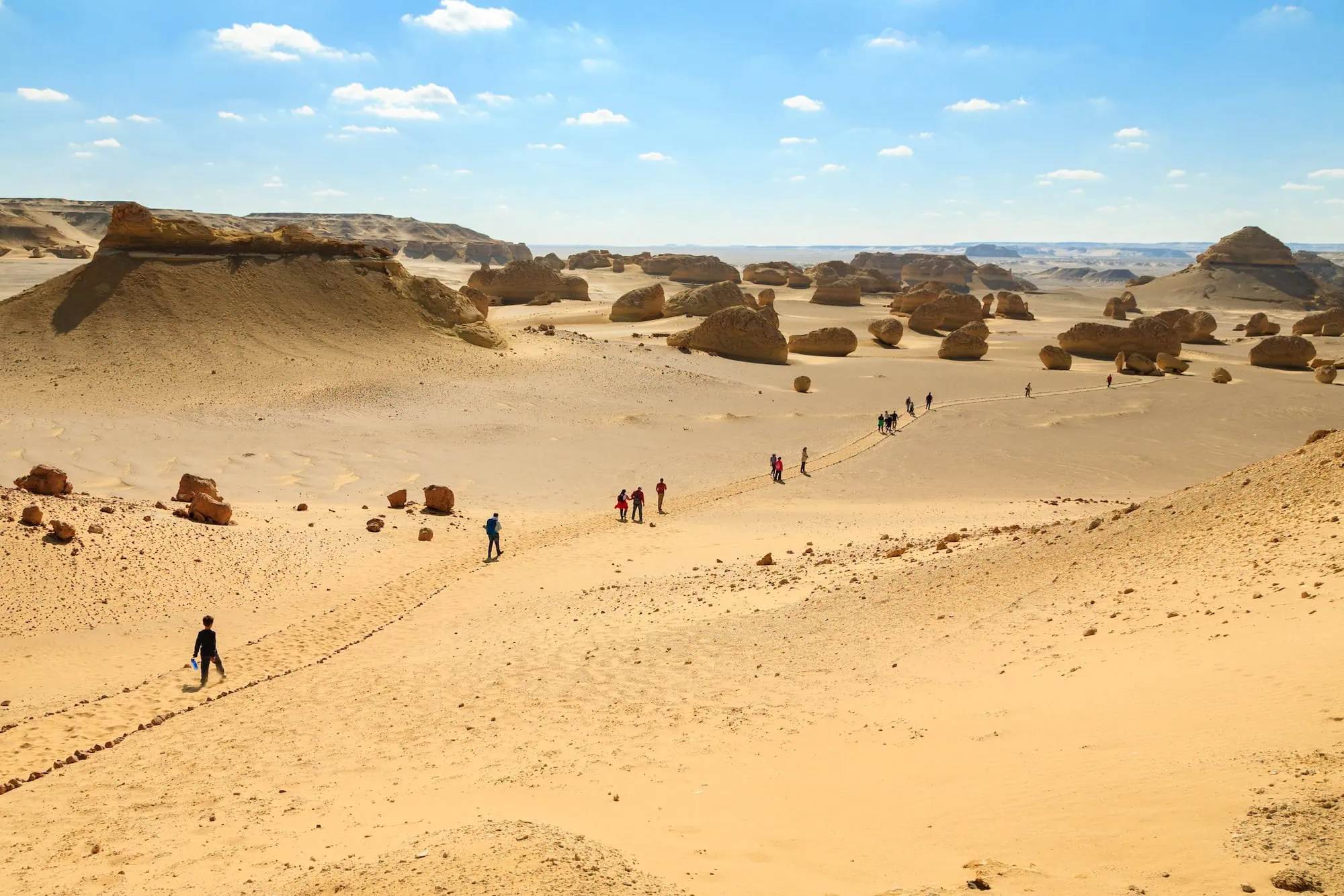
Desert spring etiquette includes water conservation practices and respect for natural environments. Many springs support delicate ecosystems that depend on consistent water flows. Responsible bathing practices help preserve these environments for future generations while maintaining positive relationships with local communities who depend on spring water for daily needs.
Frequently Asked Questions
The best time to visit Egyptian hot springs is during winter, especially from December through February, when daytime desert temperatures typically range from 65°F to 80°F (18°C to 27°C). Cooler weather makes long soaks more comfortable and improves access to remote spring areas in Siwa Oasis, Bahariya Oasis, and Dakhla Oasis. Summer desert temperatures in Upper Egypt and the Western Desert can exceed 104°F (40°C), which makes hot spring bathing less enjoyable. Early morning and sunset visits usually provide the most comfortable conditions.
Most Egyptian hot springs are considered safe for healthy travelers, but visitors with heart conditions, high blood pressure, pregnancy-related concerns, or heat sensitivity should consult a physician before bathing. Mineral-rich pools such as those in Siwa Oasis and Bahariya can reach temperatures above 100°F (38°C), which may increase cardiovascular strain during prolonged exposure. Dehydration is also a concern in Egypt’s dry desert climate. Limiting sessions to 15 to 20 minutes and drinking water between soaks helps reduce risk.
Egyptian hot springs range from moderately warm pools around 75°F (24°C) to geothermal sources exceeding 140°F (60°C) at the source point. Most bathing pools in Siwa Oasis, Dakhla Oasis, and Bahariya are naturally cooled or mixed to more comfortable soaking temperatures between 95°F and 104°F (35°C to 40°C). Temperature can vary seasonally and even between pools at the same site. Hotter springs are usually unsuitable for extended immersion, especially during summer afternoons.
Families with children can visit many Egyptian hot springs safely, particularly sites with multiple pools and moderate water temperatures. Springs such as Mut Talata in Dakhla Oasis offer shallower and cooler sections that are generally more suitable for younger visitors than isolated geothermal outlets in the Western Desert. Adult supervision is essential because some pools have slippery stone edges, uneven footing, or sudden temperature changes. Morning visits are usually safer and more comfortable for children during warmer months.
Egyptian hot spring visits require only basic gear, including swimwear, towels, drinking water, sun protection, and sturdy walking shoes for rocky desert terrain. Many springs in Siwa, Bahariya, and Dakhla are located in undeveloped areas where surfaces can be uneven and shaded facilities are limited. Sandals with grip are often more practical than flip-flops around mineral pools. Travelers visiting remote springs should also carry extra water because desert dehydration happens quickly, even during winter.
Most Egyptian hot springs have limited facilities, especially those located in remote desert oases and undeveloped geothermal areas. Springs near Siwa Oasis often provide basic amenities such as changing areas, simple cafés, or shaded seating, while more isolated locations in Bahariya or Dakhla may offer little beyond natural pools and nearby palm shelters. Visitors should not expect spa-style infrastructure outside a few resort-managed sites. Bringing towels, water, and a change of clothes is strongly recommended.
Most visitors should limit initial hot spring sessions in Egypt to 15 to 20 minutes, especially in pools above 100°F (38°C). Prolonged soaking in mineral-rich geothermal water can cause dehydration, dizziness, or overheating, particularly in Egypt’s dry desert climate. Many experienced travelers alternate between soaking, cooling down, and resting in shaded areas before re-entering the water. Shorter sessions are usually safer than extended immersion, especially at sulfur-rich springs in Siwa and Bahariya Oasis.
Egyptian hot spring water should not be consumed because it contains high concentrations of dissolved minerals, sulfur compounds, and naturally occurring sediments. Many geothermal springs in Siwa Oasis, Bahariya Oasis, and Dakhla are intended strictly for bathing and may not undergo filtration or laboratory testing for drinking safety. Even clear-looking spring water can contain mineral levels unsuitable for digestion. Travelers should bring bottled or purified water, particularly during long desert excursions where dehydration risk increases quickly.
It is possible to visit multiple Egyptian hot springs in a single trip, especially on multi-day desert itineraries through the Western Desert oases. Travelers commonly combine Siwa Oasis, Bahariya Oasis, Farafra, and Dakhla over several days using 4×4 transport because distances between oasis regions can exceed 150 to 300 km. Egypt Tours Plus and similar operators typically coordinate transportation, accommodations, and route timing for these extended journeys. Multi-stop itineraries are most comfortable during the cooler months from October through March.
Egyptian hot springs commonly contain sulfur, magnesium, calcium, sodium, and trace minerals that create their distinctive smell, texture, and therapeutic reputation. Sulfur-rich springs in Siwa Oasis and Bahariya are especially known for their mineral content, which many visitors associate with temporary relief from muscle tension and dry skin conditions. Mineral composition varies significantly between geothermal sources because of underground rock formations and water depth. Higher sulfur concentrations usually produce the strongest odor and the cloudiest water appearance.
Design Your Private Western Desert Adventure
Travel with your own expert guide, private 4×4 vehicle, and a route tailored to you.