

Amman, Jordan – An Ancient City Inhabited Ever Since 7250 BC
Jordan’s capital city surprises every visitor.
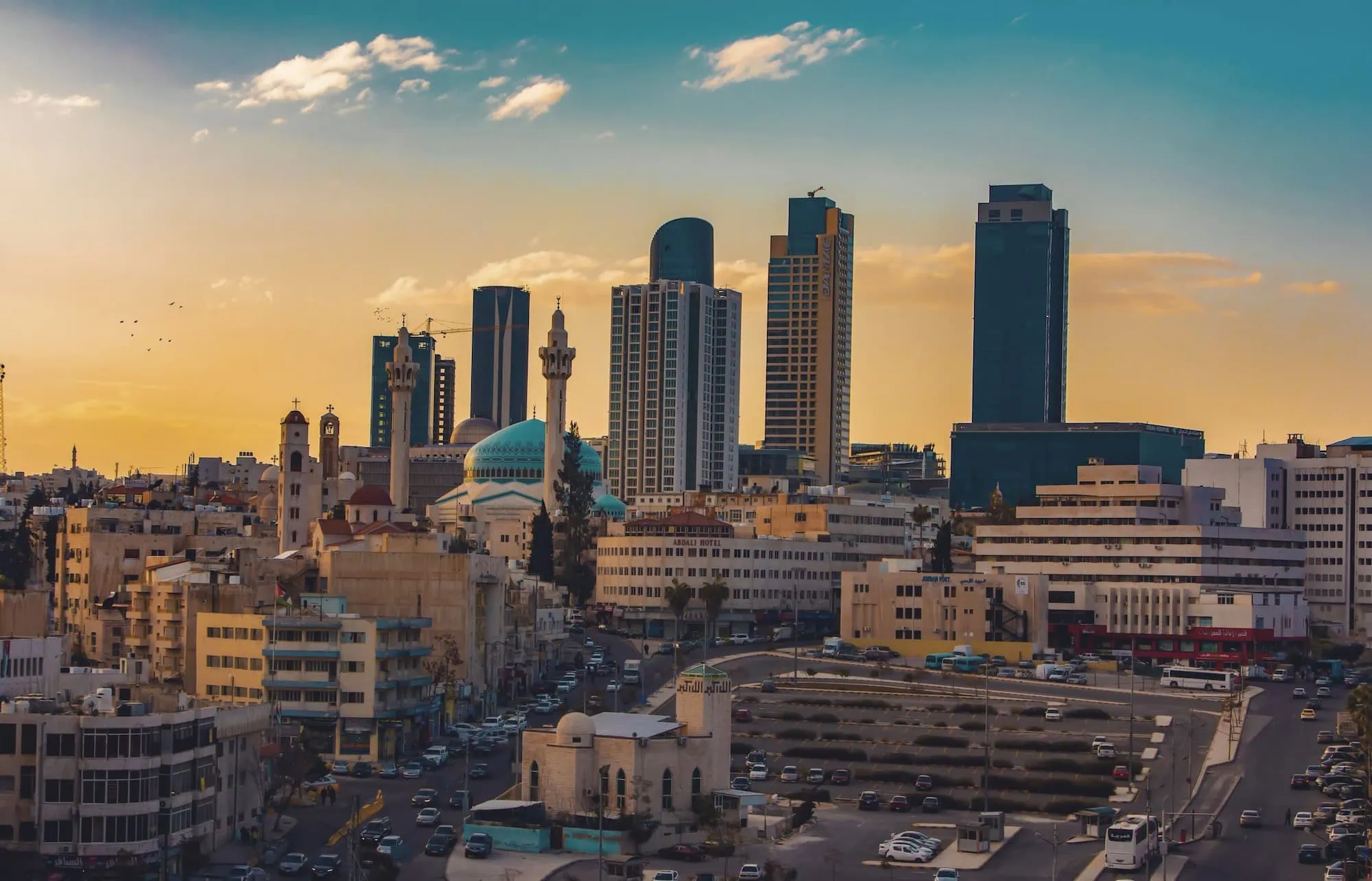
Amman transforms from an ancient Ammonite settlement into a modern Middle Eastern metropolis within just a short walk across its rolling hills. With decades of experience guiding travelers through Jordan, we’ve seen how each visit reveals new layers of history, culture, and everyday life.
Amman can be included in our Best Egypt and Jordan tours, where Jordan’s vibrant capital is combined with iconic destinations such as Petra, Wadi Rum, and Egypt’s timeless historical sites.
Home to more than five million people, the city serves as Jordan’s cultural and economic center. Roman theaters stand alongside modern galleries, traditional souks blend with contemporary cafés, and diverse cultural influences shape the city’s unique identity.
Far more than just a gateway to Jordan’s famous landmarks, Amman offers its own rich experiences—from exploring thousands of years of continuous habitation to discovering one of the region’s most dynamic food scenes.
Table of Contents
Understanding Amman’s Ancient Foundation and Modern Identity
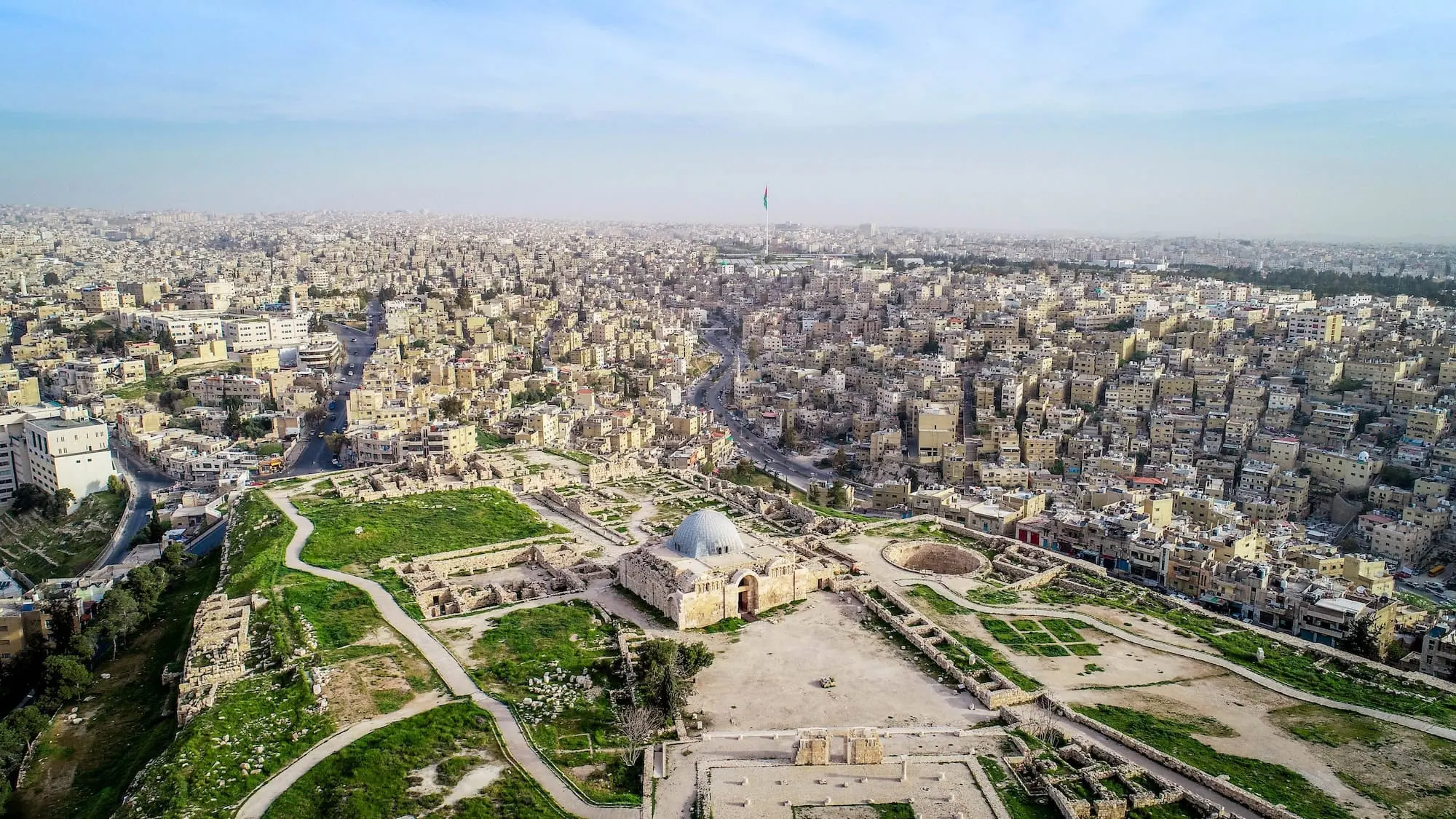
The story begins with the Ammonites, who chose this strategic hilltop location over 3,000 years ago. Biblical references to Rabbath Ammon appear throughout the Old Testament, most famously in the story of King David’s siege. What draws visitors today – the commanding views, the defensive positions, the fresh water sources – attracted these ancient peoples for identical reasons.
Philadelphia’s Hellenistic Legacy
When Ptolemy II Philadelphus conquered the region in the 3rd century BCE, he renamed the settlement Philadelphia, incorporating it into the prestigious Decapolis league. The Roman Theater you’ll explore today dates from this period, carved directly into the hillside to accommodate 6,000 spectators. We often arrange private guides who bring these ancient stones to life, explaining how Roman engineering principles still influence modern Amman’s urban planning.
The Circassian Revival
Modern Amman’s character owes much to the Circassian settlers who arrived in 1878. These refugees from the Caucasus found empty ruins where Philadelphia once thrived. Their descendants still live in Amman today, contributing distinct architectural styles and cultural traditions that differentiate Jordan’s capital from other Middle Eastern cities.
Transformation into Jordan’s Capital
When Emir Abdullah I designated Amman as Transjordan’s capital in 1921, fewer than 5,000 people lived among the ancient ruins. The decision seemed curious to many observers – Jerusalem, Damascus, and Baghdad all appeared more logical choices. Yet this strategic positioning at the crossroads between desert and fertile highlands proved prescient.
Exploring Amman’s Essential Neighborhoods and Districts
Each district tells distinct stories shaped by waves of settlement, economic development, and cultural exchange.
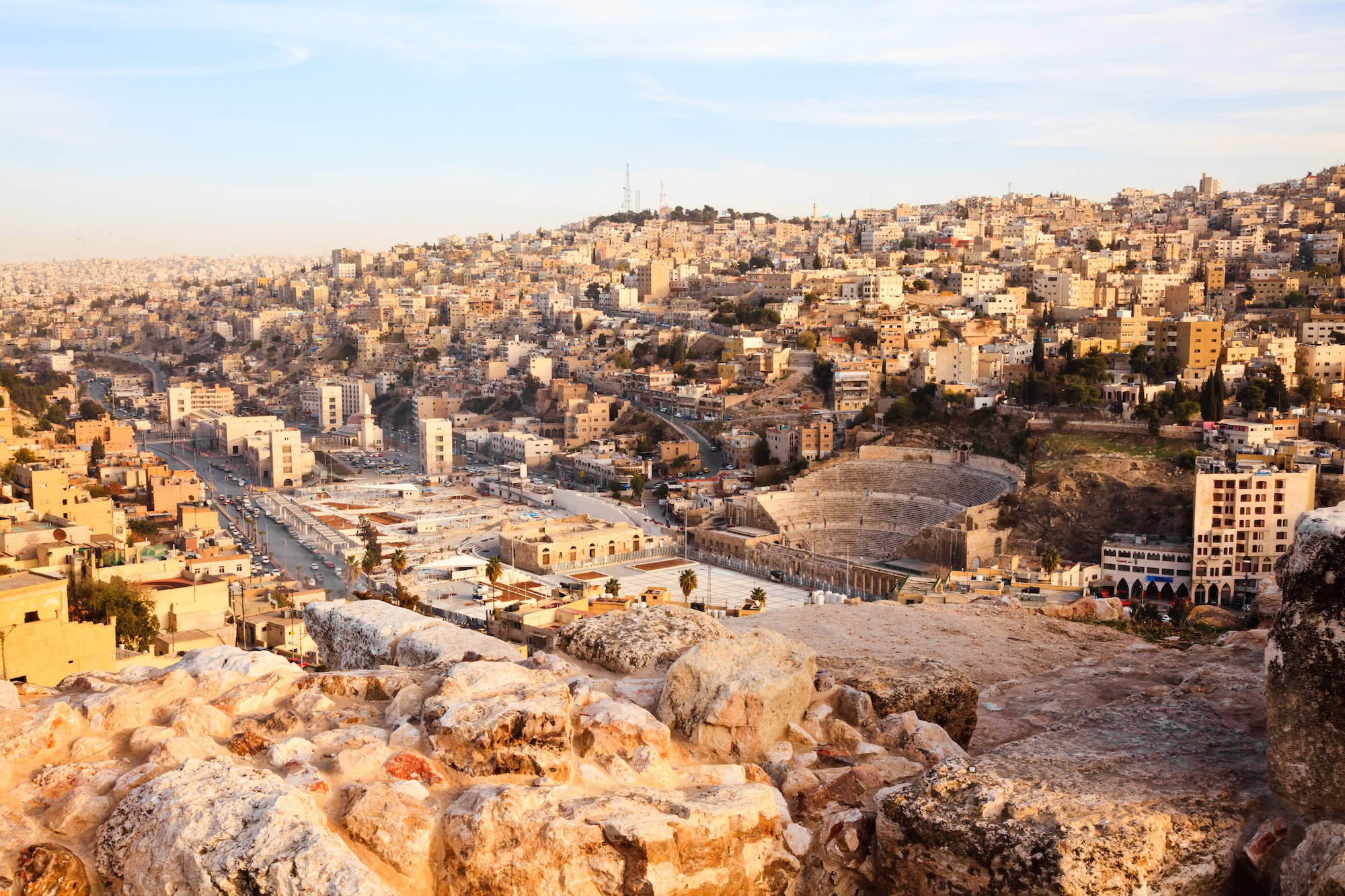
Downtown Amman pulses with authentic Middle Eastern energy. The Roman Theater anchors this historic core, while surrounding streets overflow with traditional coffee houses, spice vendors, and gold merchants. We recommend spending entire mornings here, watching the city wake up as vendors arrange their displays and locals gather for their first coffee of the day. The Grand Husseini Mosque provides spiritual center to this bustling commercial heart.
Jabal Al Lweibdeh’s Artistic Soul
This bohemian quarter houses Amman’s creative community in converted Ottoman-era buildings. The area transforms each Friday evening when Souq Jara springs to life, featuring local artisans selling handcrafted goods, organic foods, and contemporary art. Our local contacts often arrange private studio visits with painters and sculptors who’ve made this neighborhood Jordan’s unofficial arts capital.
Rainbow Street’s Social Scene
Once known as Abu Bakr As-Siddiq Street, this pedestrian-friendly stretch connects various hilltop districts while offering the city’s best people-watching opportunities. Traditional mansions house contemporary restaurants, bookshops showcase regional authors, and rooftop terraces provide perfect sunset viewing spots. The street demonstrates Amman’s talent for preserving architectural character while embracing modern lifestyle changes.
Archaeological Treasures Within the Modern City
Amman Citadel’s Layered History
The Citadel crowns Amman’s highest hill with remains spanning Bronze Age through Islamic periods. Hercules’ Temple showcases Roman grandeur, while the nearby Umayyad Palace reveals early Islamic architectural innovations. Most visitors spend 2-3 hours here, but archaeological enthusiasts could easily dedicate entire days to studying the site’s multiple construction phases.
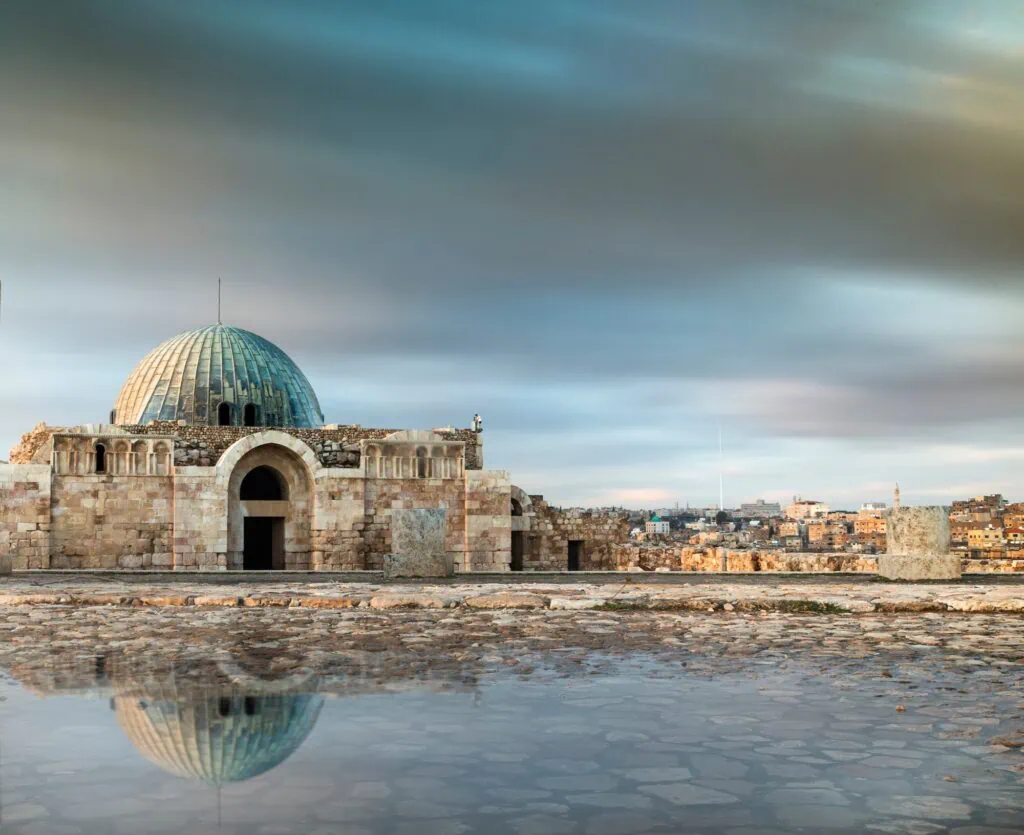
Byzantine churches, Ayyubid fortifications, and Ottoman administrative buildings create an outdoor museum documenting nearly every major civilization that shaped this region. We arrange specialized archaeological guides who can explain dating techniques, construction methods, and historical contexts that typical guidebooks overlook.
Roman Theater and Odeon
These twin performance venues anchor downtown Amman while demonstrating Roman urban planning principles. The larger theater seats 6,000 people and still hosts cultural performances during Jordan’s summer festival season. The smaller Odeon accommodated more intimate gatherings and governmental meetings.
Both structures showcase remarkable preservation considering their 1,800-year age. The acoustics remain crystal clear – visitors standing in the top rows can easily hear normal conversations from the stage below.
Cultural Institutions and Museums
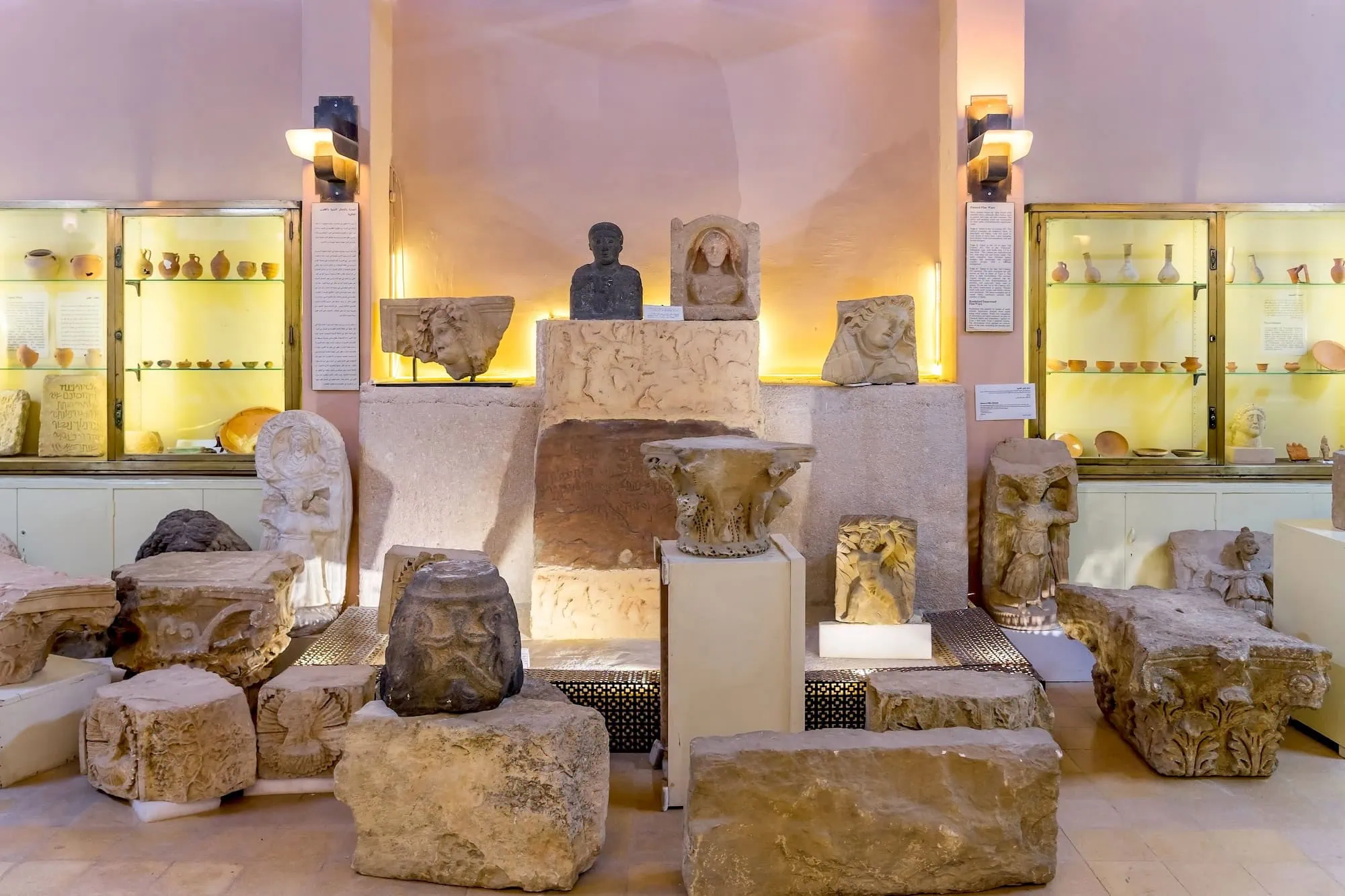
Jordan Museum houses the country’s most significant archaeological discoveries under one impressive roof. The Dead Sea Scrolls exhibit attracts biblical scholars from worldwide, while the Neolithic statues from Ain Ghazal represent some of humanity’s earliest large-scale sculptural works.
Royal Automobile Museum displays King Hussein’s personal car collection, ranging from classic American muscle cars to custom-built parade vehicles. The exhibits reveal unexpected insights into Jordan’s diplomatic relationships and royal family’s personal interests.
Art Galleries and Cultural Centers
The Royal Film Commission’s headquarters doubles as a cultural center showcasing Jordan’s growing cinema industry. Local and international films screen regularly, while photography exhibitions highlight contemporary Middle Eastern artists.
Smaller private galleries throughout Jabal Al Lweibdeh feature rotating exhibitions of painting, sculpture, and mixed media works. Many artists live and work in the neighborhood, creating opportunities for spontaneous studio visits and direct purchases from creators.
Culinary Scene and Food Culture
Amman’s restaurant landscape reflects the city’s diverse population and regional trade connections. Traditional Levantine dishes appear alongside Palestinian specialties, Circassian recipes, and contemporary fusion cuisine.
Traditional Jordanian Dining
Mansaf represents Jordan’s national dish – tender lamb cooked in fermented dried yogurt sauce and served over rice. The preparation requires specific techniques and timing that home cooks often struggle to master. Several downtown restaurants specialize in authentic mansaf, serving it communally style where diners share from central platters.
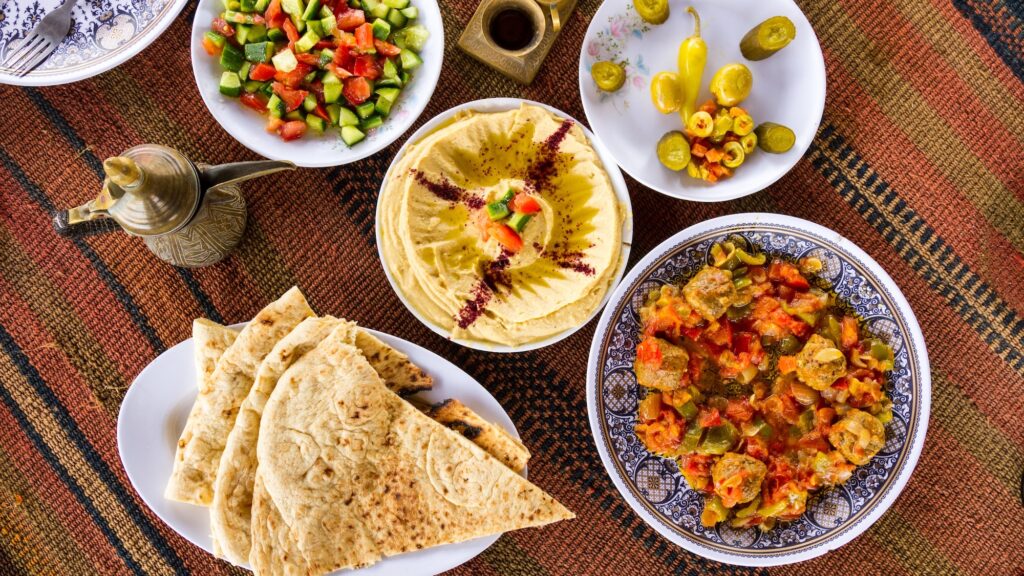
Falafel and hummus reach exceptional quality standards in Amman, partly due to Palestinian refugees who brought family recipes and partly because local chickpea varieties produce superior flavors. Street vendors throughout the city offer consistently excellent versions at remarkably reasonable prices.
Contemporary Restaurant Scene
Younger Jordanian chefs increasingly experiment with local ingredients and traditional techniques, creating modern interpretations of regional classics. These restaurants concentrate in Abdoun, Sweifieh, and parts of Jabal Amman where international residents and affluent locals support innovative dining concepts.
Many establishments source ingredients from local farms in the Jordan Valley, ensuring seasonal menus that highlight the country’s agricultural diversity. Olive oil, za’atar, and various cheese types produced within Jordan rival Mediterranean equivalents in quality and flavor complexity.
Weather Patterns and Best Visiting Seasons
Spring months from March through May offer ideal conditions for exploration. Temperatures range from 18-25°C (64-77°F), rainfall decreases significantly after February, and wildflowers bloom throughout the surrounding countryside.
Autumn provides equally attractive weather from September through November. The intense summer heat subsides, creating perfect conditions for walking tours and outdoor dining. These months also coincide with cultural festival seasons when theaters, galleries, and performance venues host special programming.
Summer temperatures regularly exceed 30°C (86°F) and can reach 35°C+ (95°F+) during heat waves. Air conditioning becomes essential, and many visitors adjust their schedules to avoid midday outdoor activities. However, summer evenings remain pleasant for rooftop dining and social activities.
Winter brings occasional rain and temperatures that can drop below 5°C (41°F) at night. Snow falls rarely but memorably when it occurs, transforming the city’s appearance and creating special photographic opportunities.
Transportation and Getting Around
Queen Alia International Airport connects Amman to major cities across Europe, Asia, and the Middle East. The airport bus service provides economical transportation to downtown areas, while private transfers offer convenience for travelers with luggage or tight schedules.
Within the City
Amman’s hilly topography creates transportation challenges that locals navigate through various strategies. Traditional service taxis follow fixed routes between major destinations, offering authentic local experiences for adventurous travelers. Modern taxi services and ride-sharing applications provide predictable alternatives with English-speaking capabilities.
Car rental makes sense for visitors planning extensive exploration beyond Amman. Parking can prove challenging in downtown areas, but most hotels provide secure facilities. Traffic congestion peaks during morning (7-9 am/07:00-09:00) and evening (4-6 pm/16:00-18:00) rush hours.
Day Trips and Regional Connections
Amman’s central location enables easy access to Jordan’s major attractions. Petra lies approximately 3 hours south via the Desert Highway, while the Dead Sea requires only 45 minutes of driving. Jerash’s remarkable Roman ruins sit just 1 hour north of the capital.
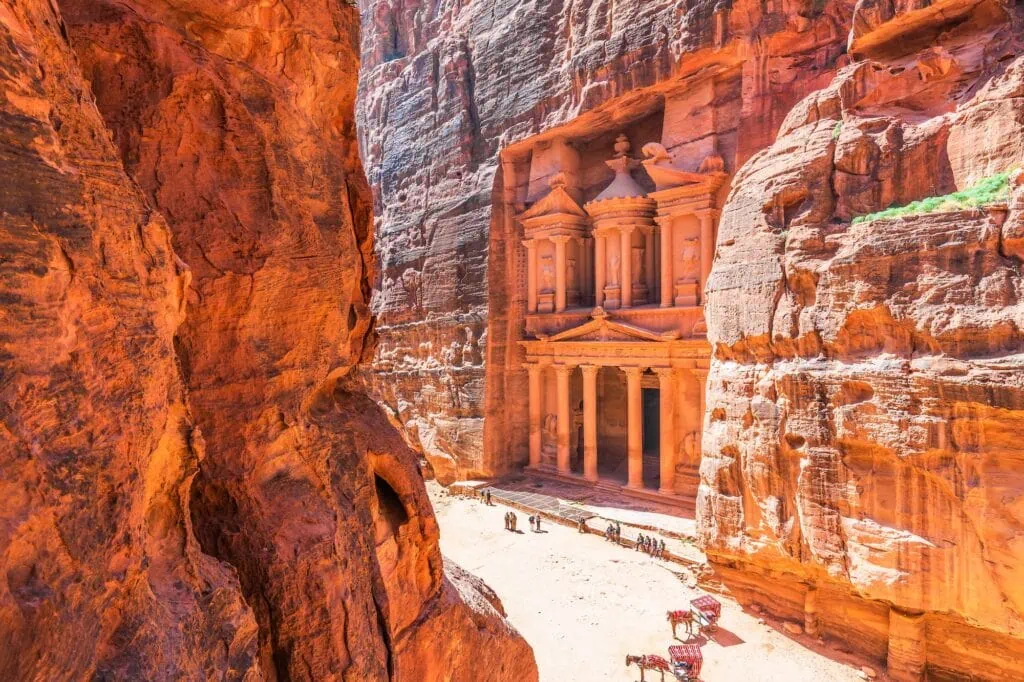
We often arrange private drivers who understand optimal timing for each destination. This proves especially valuable for Petra visits, where arriving early provides significant advantages for photography and crowd avoidance.
Shopping Districts and Markets
Traditional souks in downtown Amman maintain authentic Middle Eastern commercial atmosphere. Gold Street specializes in jewelry ranging from contemporary designs to traditional Bedouin pieces. Spice merchants offer local za’atar blends, sumac varieties, and specialty teas that make excellent gifts.
Modern shopping centers like Galleria Mall and Taj Mall cater to international brands and contemporary lifestyle needs. These facilities include cinemas, restaurants, and services that international visitors might require during extended stays.
Local Crafts and Specialties
Hebron glass, traditionally produced in Palestinian territories, appears in numerous downtown shops with beautiful colors and traditional patterns. Jordanian pottery, particularly pieces featuring geometric Islamic designs, represents another authentic local craft tradition.
Keffiyeh scarves woven in traditional patterns make practical and meaningful souvenirs. Several shops specialize in authentic versions rather than mass-produced alternatives, ensuring quality and supporting local artisans.
Practical Planning Information
Accommodation Options
Luxury hotels concentrate in Abdoun and parts of Jabal Amman, offering international standards with local design elements. Mid-range options throughout the city provide comfortable facilities at reasonable prices. Budget accommodations cluster near downtown areas, convenient for walking to major attractions.
Many hotels arrange airport transfers, tour bookings, and restaurant reservations. We work with carefully selected properties that understand international travelers’ needs while maintaining authentic Jordanian hospitality standards.
Safety and Cultural Considerations
Jordan maintains excellent safety records for international visitors. Normal urban precautions apply – secure valuables, remain aware of surroundings, and avoid displaying expensive items unnecessarily. Local police maintain visible presence in tourist areas.
Cultural dress codes prove more relaxed in Amman than many Middle Eastern capitals. However, modest clothing shows respect for local customs and ensures comfortable access to religious sites. Women should carry lightweight scarves for mosque visits.
Frequently Asked Questions
Spring (March-May) and autumn (September-November) offer ideal weather with temperatures around 20-25°C (68-77°F) and minimal rainfall.
Plan 2-3 days to explore major attractions thoroughly, or 4-5 days if combining with day trips to Jerash or the Dead Sea.
Yes, Jordan maintains high safety standards with low crime rates and strong tourism infrastructure. Normal urban precautions apply.
The Jordanian Dinar (JOD). US dollars are widely accepted, but change often comes in local currency.
US citizens can obtain visas on arrival or purchase Jordan Passes online. Europeans and most nationalities enjoy similar arrangements.
Approximately 240 km (150 miles) south, requiring 3-4 hours driving via the Desert Highway depending on traffic and stops.
Arabic is official, but English is widely spoken in hotels, restaurants, and tourist areas. Many signs include English translations.
Tap water meets safety standards, but most visitors prefer bottled water for taste preferences and digestive comfort.
Cover shoulders and knees, remove shoes before entering prayer areas. Women should bring headscarves for major mosques.
Moderate pricing compared to other Middle Eastern capitals. Accommodation and dining offer good value, while transportation remains quite affordable.
Airport Express buses run regularly to major hotels. Private taxis and transfers provide door-to-door service for convenience.
The Citadel, Roman Theater, Jordan Museum, and Rainbow Street represent essential experiences showcasing history, culture, and modern life.
Design Your Custom Tour
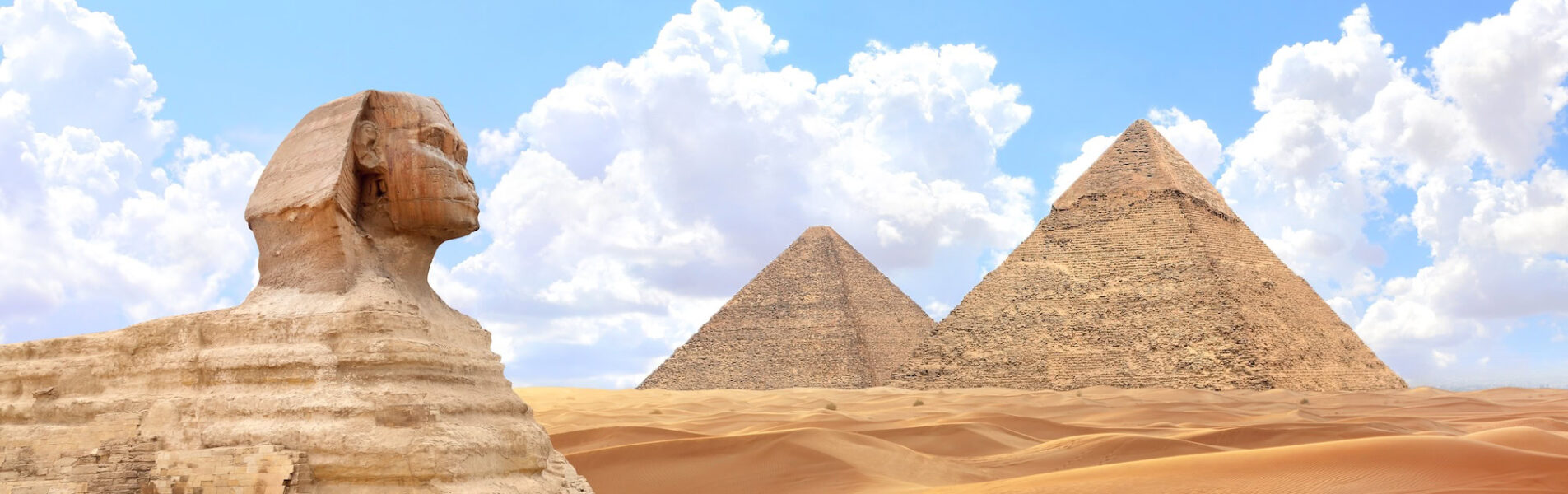
Explore Egypt and Jordan your way by selecting only the attractions you want to visit