

Jordan Valley – An Exquisite Portrait Of Jordan’s Ancient Past
Jordan’s western frontier holds one of Earth’s most fascinating geographical features.
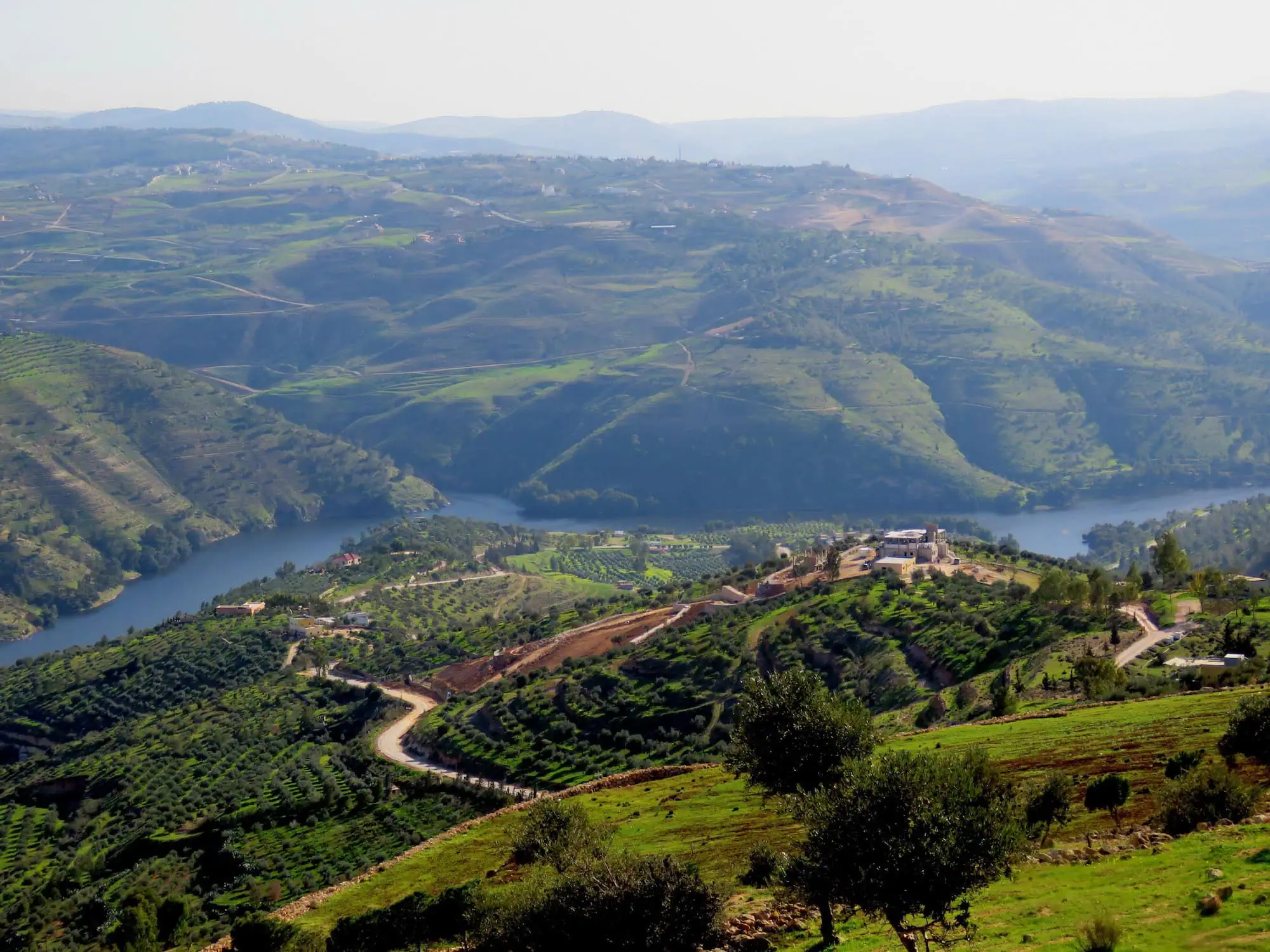
The Jordan Valley stretches along the kingdom’s border with Israel and the West Bank, creating a unique landscape where ancient history meets modern geopolitical challenges. This remarkable rift valley, part of the larger Jordan Rift Valley system, extends approximately 105 kilometers (65 miles) from the Sea of Galilee in the north to the Dead Sea in the south. Known locally as the Ghor, this region represents far more than a geographical boundary – it’s a crossroads of civilizations, a vital agricultural zone, and a complex political landscape that continues to shape Middle Eastern dynamics today.
Understanding the Jordan Valley requires examining its multifaceted nature: its striking physical characteristics, rich agricultural potential, strategic importance, and the ongoing challenges faced by communities living within its borders.
Since most travelers have limited time, our Best Egypt and Jordan tours typically do not include the Jordan Valley. However, if your schedule allows, it is a worthwhile experience that we highly recommend.
Table of Contents
Geographic Features and Natural Landscape
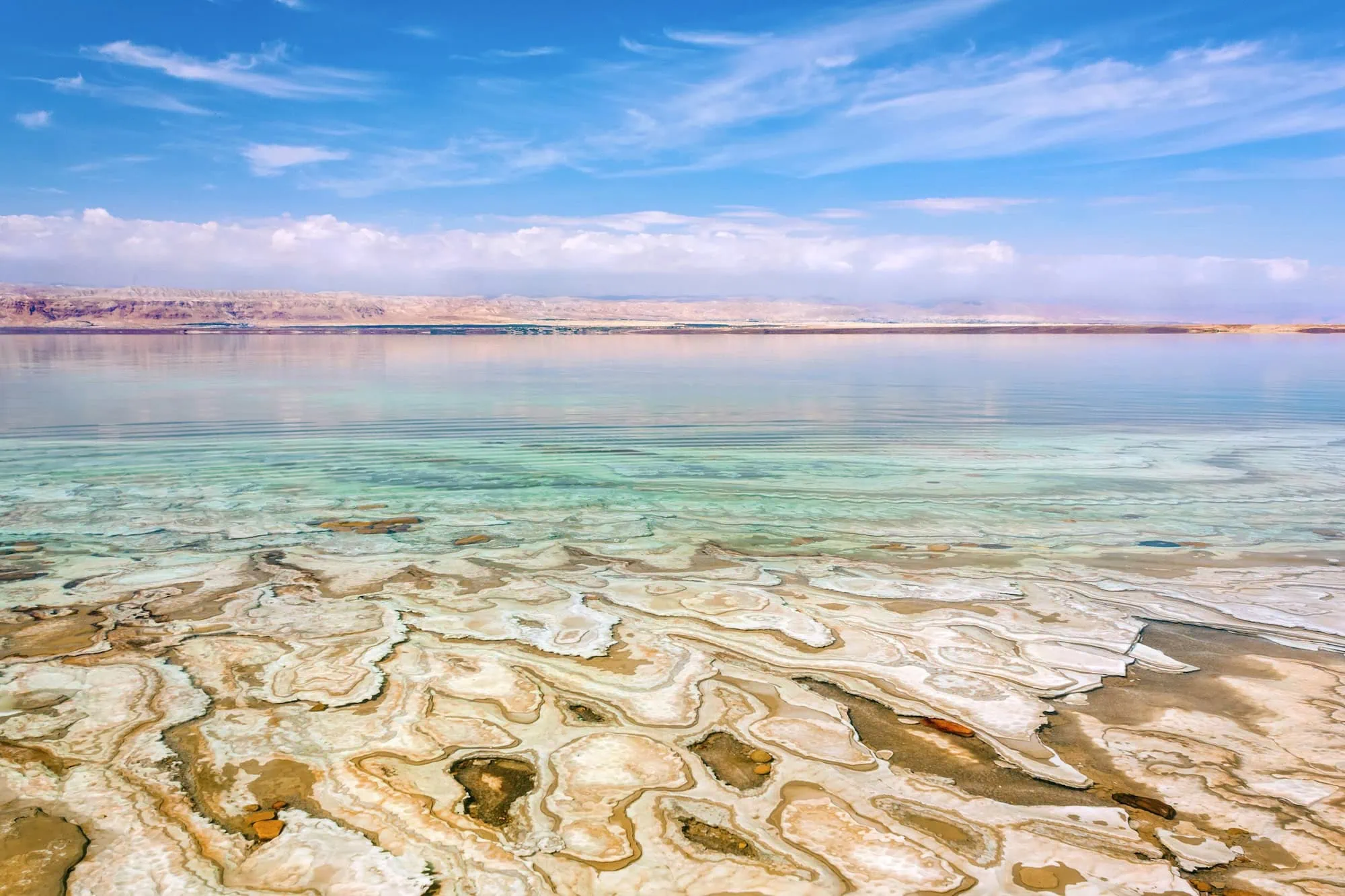
The Jordan Valley forms part of the Great Rift Valley system, creating one of the world’s most distinctive topographical features. This narrow trough sits at the lowest elevation on Earth’s surface, with the Dead Sea reaching 430 meters (1,411 feet) below sea level. The valley’s unique position between highland regions creates a natural corridor that has influenced human settlement patterns for millennia.
The Jordan River System
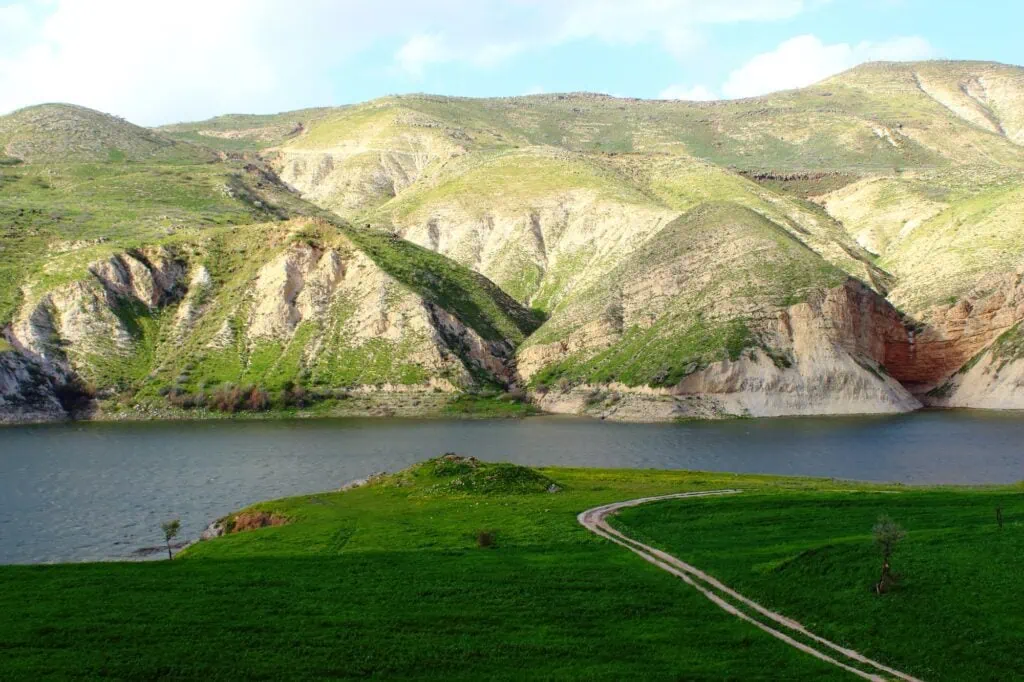
The Jordan River flows northward from the Sea of Galilee, winding through the valley floor before emptying into the Dead Sea. Despite its historical and religious significance, the river has experienced dramatic changes in recent decades. Water diversions and dam construction have reduced its flow to a fraction of historical levels, transforming what was once a substantial waterway into a much smaller stream.
Seasonal variations still occur, with winter rains occasionally causing flooding in lower areas. The river’s banks support unique riparian vegetation, creating green corridors through otherwise arid landscapes.
Climate and Environmental Conditions
The valley experiences a hot desert climate with mild winters and scorching summers. Temperatures regularly exceed 40°C (104°F) during summer months, while winter temperatures remain moderate around 15-20°C (59-68°F). Annual rainfall averages just 200-400 millimeters (8-16 inches), concentrated during winter months between November and March.
These conditions create unique microclimates supporting diverse plant and animal species. The region serves as a critical flyway for migratory birds traveling between Europe, Asia, and Africa, with millions of birds passing through annually during spring and autumn migrations.
Geological Formation
The valley’s formation results from tectonic activity along the Dead Sea Transform fault system. This geological process continues today, creating ongoing seismic activity and contributing to the region’s dramatic topography. Salt deposits, particularly around the Dead Sea, create distinctive white formations that contrast sharply with surrounding desert landscapes.
Agricultural Significance and Water Resources
Agriculture represents the Jordan Valley’s economic backbone, despite challenging environmental conditions. The combination of year-round sunshine, relatively flat terrain, and access to Jordan River water creates opportunities for intensive farming when water supplies remain adequate.
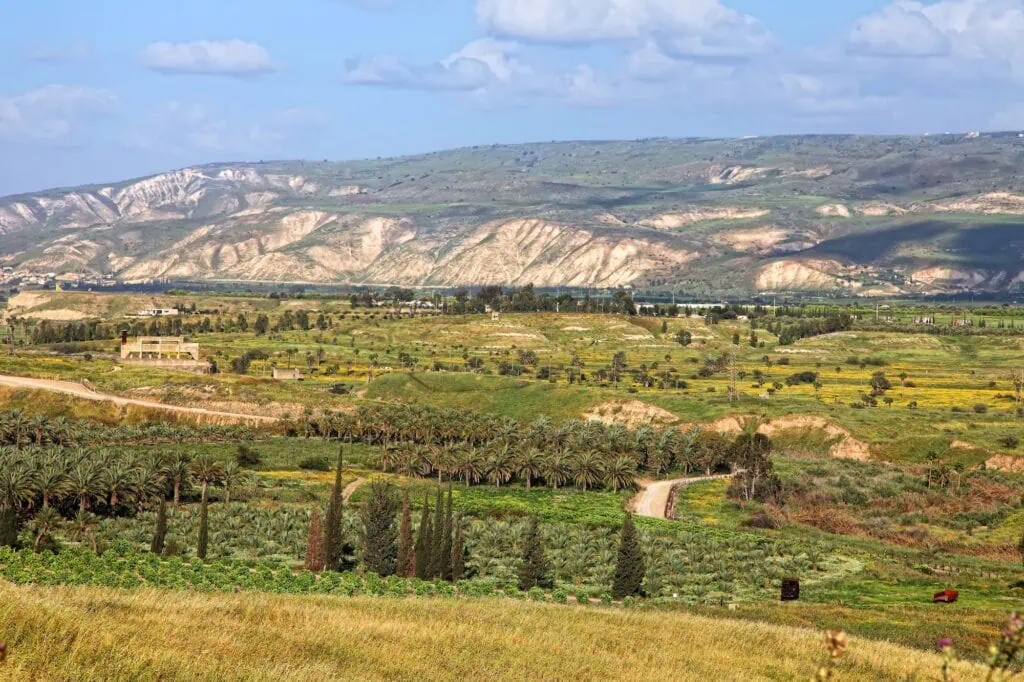
Modern irrigation systems have transformed previously barren areas into productive agricultural zones. Drip irrigation technology, widely adopted throughout the valley, maximizes water efficiency while supporting crop production. Primary crops include citrus fruits, bananas, dates, vegetables, and various grains adapted to arid conditions.
Water Management Challenges
Water scarcity poses the greatest threat to continued agricultural development. Competing demands from growing urban populations, industrial development, and agricultural needs strain available resources. The Jordan River’s reduced flow, combined with limited groundwater reserves, requires careful management to sustain current activities.
Desalination projects and water recycling initiatives help address shortages, though these solutions require significant investment and ongoing maintenance. Regional cooperation on water management remains essential for long-term sustainability.
Agricultural communities have adapted traditional farming methods to work alongside modern technology. Many farmers combine ancient knowledge about seasonal patterns and soil conditions with contemporary irrigation systems and crop varieties developed for water-efficient production.
Political Geography and Administrative Control
The Jordan Valley’s political landscape reflects broader Middle Eastern complexities. The western portion falls within the West Bank, designated as Area C under the Oslo Accords, while the eastern section remains under Jordanian sovereignty. This division creates overlapping jurisdictions and administrative challenges affecting daily life for residents.
Israeli settlements in the western valley have expanded significantly since 1967, creating facts on the ground that complicate potential future agreements. These settlements control substantial portions of agricultural land and water resources, generating ongoing tensions with Palestinian communities.
Palestinian Communities
Palestinian villages and towns throughout the western valley maintain traditional lifestyles while adapting to contemporary challenges. Many families have lived in the region for generations, maintaining agricultural traditions passed down through centuries. However, movement restrictions, limited building permits, and water access issues create significant difficulties for these communities.
Educational and healthcare services often require traveling to larger cities, creating additional burdens for families. Economic opportunities remain limited, with agriculture providing primary employment for many residents.
Strategic Military Importance
The valley’s position along Jordan’s western border makes it strategically significant for regional security. Military installations monitor border crossings and maintain security along what many consider a critical front line. This military presence affects civilian movement and agricultural activities throughout the region.
Regular patrols and checkpoint operations create a complex security environment that impacts daily life for all residents, regardless of nationality or political affiliation.
Historical and Cultural Heritage
Human habitation in the Jordan Valley spans thousands of years, with archaeological evidence revealing continuous settlement from prehistoric times. Ancient Jericho, one of the world’s oldest continuously inhabited cities, sits within the valley near the Jordan River. This settlement history demonstrates the region’s long-standing importance as a crossroads between different civilizations.
Religious Significance
Multiple religious traditions consider the Jordan Valley sacred territory. Christianity identifies the Jordan River as the site of Jesus’s baptism by John the Baptist, drawing pilgrims from around the world. Judaism connects the region to biblical narratives about the Israelites’ entry into the Promised Land. Islam also recognizes the area’s religious importance through various historical and scriptural references.
Modern pilgrimage sites along the river attract thousands of visitors annually, though access remains complicated by political and security considerations. Several denominations maintain churches and baptismal sites where believers can participate in religious ceremonies.
Archaeological Discoveries
Ongoing excavations throughout the valley continue revealing artifacts and structures from various historical periods. These discoveries help researchers understand how ancient peoples adapted to the valley’s challenging environment and developed sophisticated agricultural and urban systems.
Many sites remain incompletely explored due to access restrictions and limited funding for archaeological work. Future research may yield additional insights into the region’s role in ancient trade networks and cultural exchanges.
Archaeological preservation faces challenges from modern development pressures and environmental factors. Saltwater intrusion from the Dead Sea and increasing urbanization threaten some historically significant locations.
Economic Development and Infrastructure
The Jordan Valley’s economy depends heavily on agriculture, though tourism and small-scale manufacturing contribute additional economic activity. Infrastructure development varies significantly between different areas, with some regions having modern facilities while others lack basic services.
Transportation networks connect the valley to major Jordanian cities, though border crossings and security checkpoints can complicate travel. The main north-south highway provides the primary transportation corridor, carrying both commercial and passenger traffic.
Telecommunications infrastructure has improved substantially in recent years, bringing internet access and mobile phone coverage to previously isolated areas. This connectivity enables farmers to access market information and weather forecasts while allowing students to participate in distance learning programs.
Tourism Development
The valley’s unique geography and historical significance attract tourists interested in natural wonders and cultural heritage. Dead Sea resorts on the Jordanian side offer luxury accommodations and therapeutic treatments using the sea’s mineral-rich waters and mud.
Adventure tourism opportunities include hiking, bird watching, and archaeological site visits. However, political tensions and security concerns limit tourism development in some areas, particularly in the western valley.
Eco-tourism initiatives focus on the region’s role as a bird migration corridor and its unique desert ecosystems. These programs provide economic opportunities for local communities while promoting environmental conservation.
Contemporary Challenges and Future Prospects
Climate change poses increasing challenges for the Jordan Valley’s agricultural sector and water resources. Rising temperatures and changing precipitation patterns require adaptive strategies to maintain agricultural productivity. Regional cooperation on climate adaptation remains essential for addressing these shared challenges.
Population growth throughout the broader region increases pressure on limited water and land resources. Urban expansion from nearby cities encroaches on agricultural areas, creating conflicts between development needs and food production requirements.
Environmental Conservation
Protecting the valley’s unique ecosystems requires balancing human needs with environmental preservation. Overuse of groundwater resources threatens long-term sustainability, while pollution from agricultural runoff affects water quality in the Jordan River and Dead Sea.
International conservation organizations work with local communities to develop sustainable practices that protect biodiversity while supporting economic development. These efforts include habitat restoration projects and wildlife protection initiatives.
The Dead Sea’s shrinking water levels create environmental and economic challenges for surrounding communities. Salt exposure from the receding shoreline affects agriculture and infrastructure, while sinkholes pose safety hazards.
Water management technologies continue evolving to address scarcity issues. Solar-powered desalination systems and advanced irrigation techniques offer potential solutions, though implementation requires significant investment and technical expertise.
Regional political stability remains essential for long-term environmental and economic planning. Cooperation on water management, agricultural development, and environmental protection benefits all communities regardless of political affiliation.
Frequently Asked Questions
The valley forms part of the Great Rift Valley system and contains the lowest point on Earth’s surface at the Dead Sea, 430 meters below sea level.
Jordan controls the eastern portion, while the western valley is part of the West Bank with complex administrative arrangements involving Israeli and Palestinian authorities.
The valley extends approximately 105 kilometers (65 miles) from the Sea of Galilee in the north to the Dead Sea in the south.
Primary crops include citrus fruits, bananas, dates, vegetables, and drought-resistant grains, supported by advanced irrigation systems.
Limited rainfall, reduced Jordan River flow, and competing demands from agriculture, cities, and industry create severe water scarcity requiring careful management.
The valley serves as a crucial flyway for millions of birds migrating between Europe, Asia, and Africa during spring and autumn seasons.
The Dead Sea has shrunk dramatically due to water diversions and increased evaporation, dropping about one meter annually in recent decades.
Ancient Jericho represents one of the world’s oldest continuously inhabited cities, while numerous other sites reveal thousands of years of human settlement.
Movement restrictions, checkpoint controls, and varying administrative jurisdictions create challenges for residents, farmers, and businesses throughout the region.
Visitors can experience Dead Sea spa treatments, archaeological sites, bird watching, desert hiking, and religious pilgrimage locations depending on access permissions.
Rising temperatures and changing rainfall patterns threaten agricultural productivity and water resources, requiring adaptive strategies for long-term sustainability.
A main north-south highway provides primary transport access, while improved telecommunications bring internet and mobile coverage to most areas.
Design Your Custom Tour
Explore Egypt and Jordan your way by selecting only the attractions you want to visit