

Things to Do in Casablanca – A Non-Stop Journey of Discovery
Casablanca pulses with a rhythm all its own.
Morocco’s economic powerhouse blends European elegance with North African soul, creating an urban experience unlike anywhere else in the kingdom. This isn’t the medina-maze of Marrakech or the blue-washed calm of Chefchaouen. Here, Art Deco masterpieces tower over bustling boulevards while fishermen still mend nets at dawn.
From the world’s most spectacular oceanfront mosque to intimate souks tucked between colonial buildings, Casablanca rewards curious travelers with authentic moments and architectural wonders. Whether you’re planning two days or a longer stay, we’ve curated experiences that capture the city’s unique character.
Architecture That Tells Stories
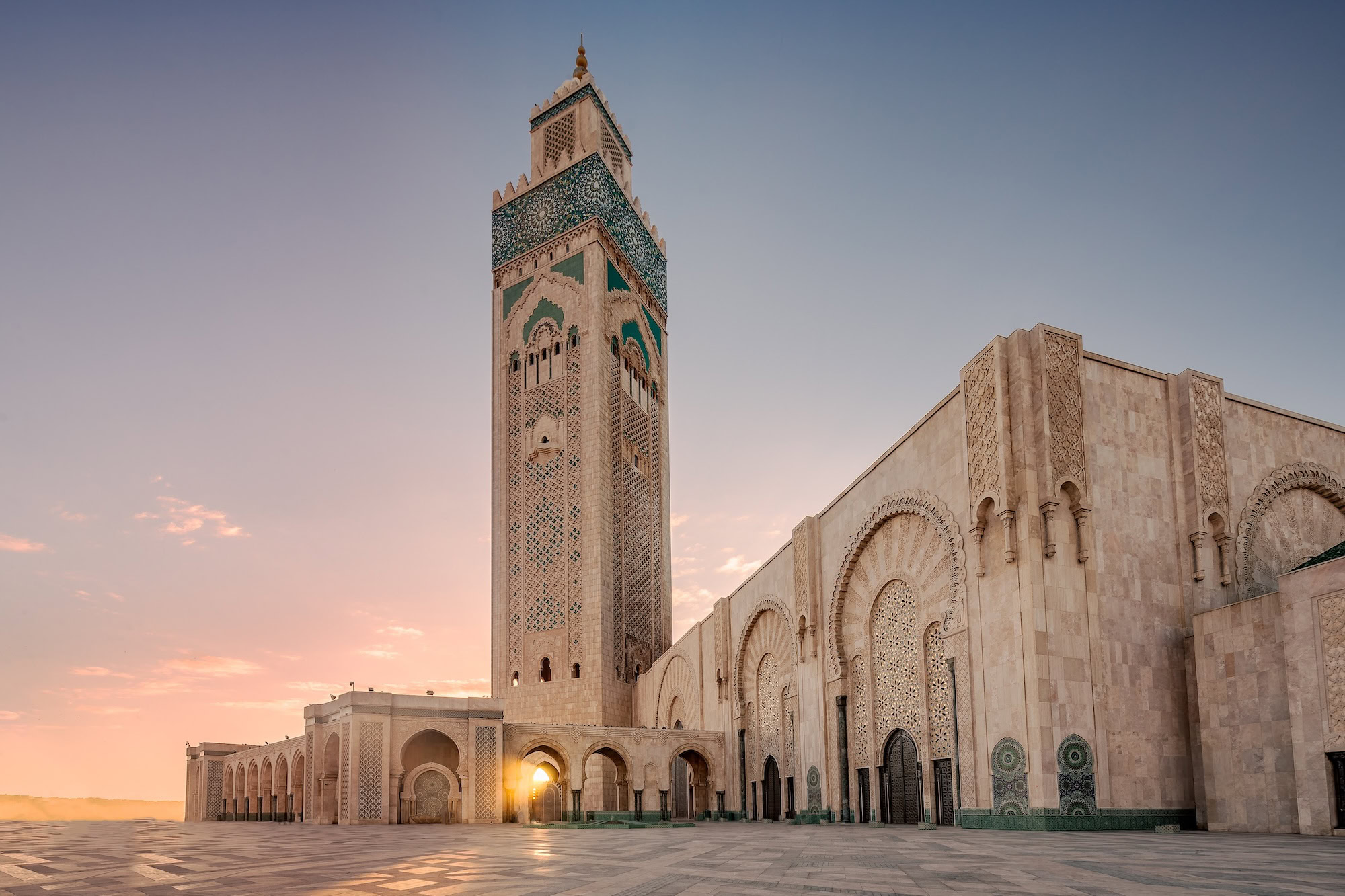
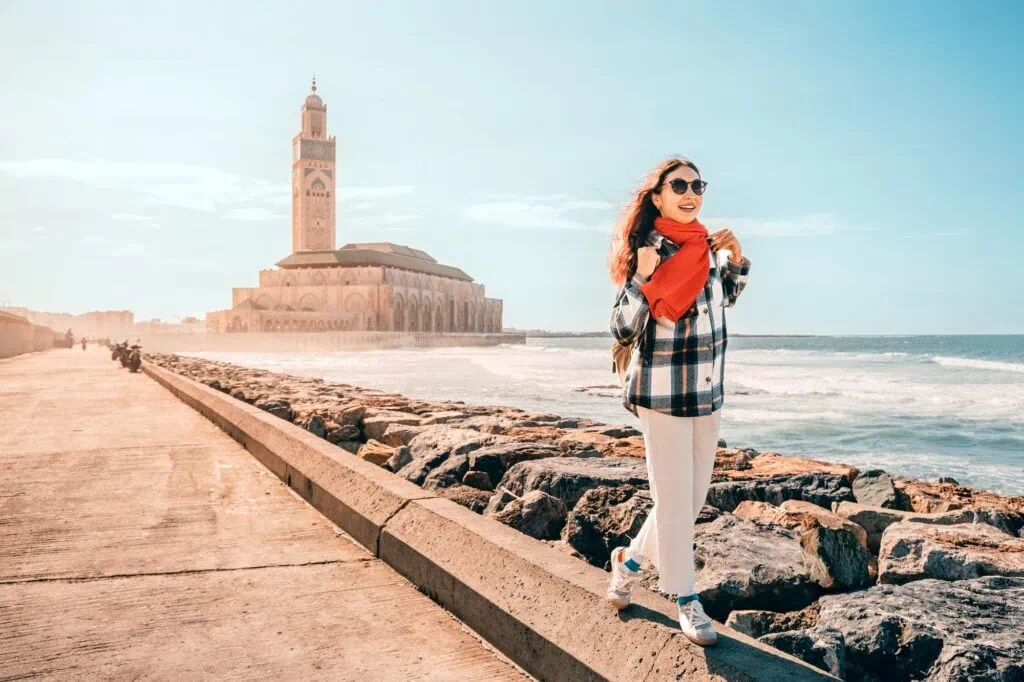
The Hassan II Mosque dominates Casablanca’s coastline like a spiritual lighthouse. Rising 210 meters (689 feet) above the Atlantic, its minaret claims the title of world’s tallest. But statistics barely capture the mosque’s true impact.
Built partially over the ocean, waves crash against its foundation while you walk across marble floors large enough to hold 25,000 worshippers.
Planning Your Mosque Visit
Non-Muslim visitors can explore the interior through guided tours running daily except during prayer times. Tours operate from 9:00 am (09:00) to 3:00 pm (15:00), with the last entry at 2:30 pm (14:30). The 45-minute experience includes the prayer hall, ablution rooms, and underground level.
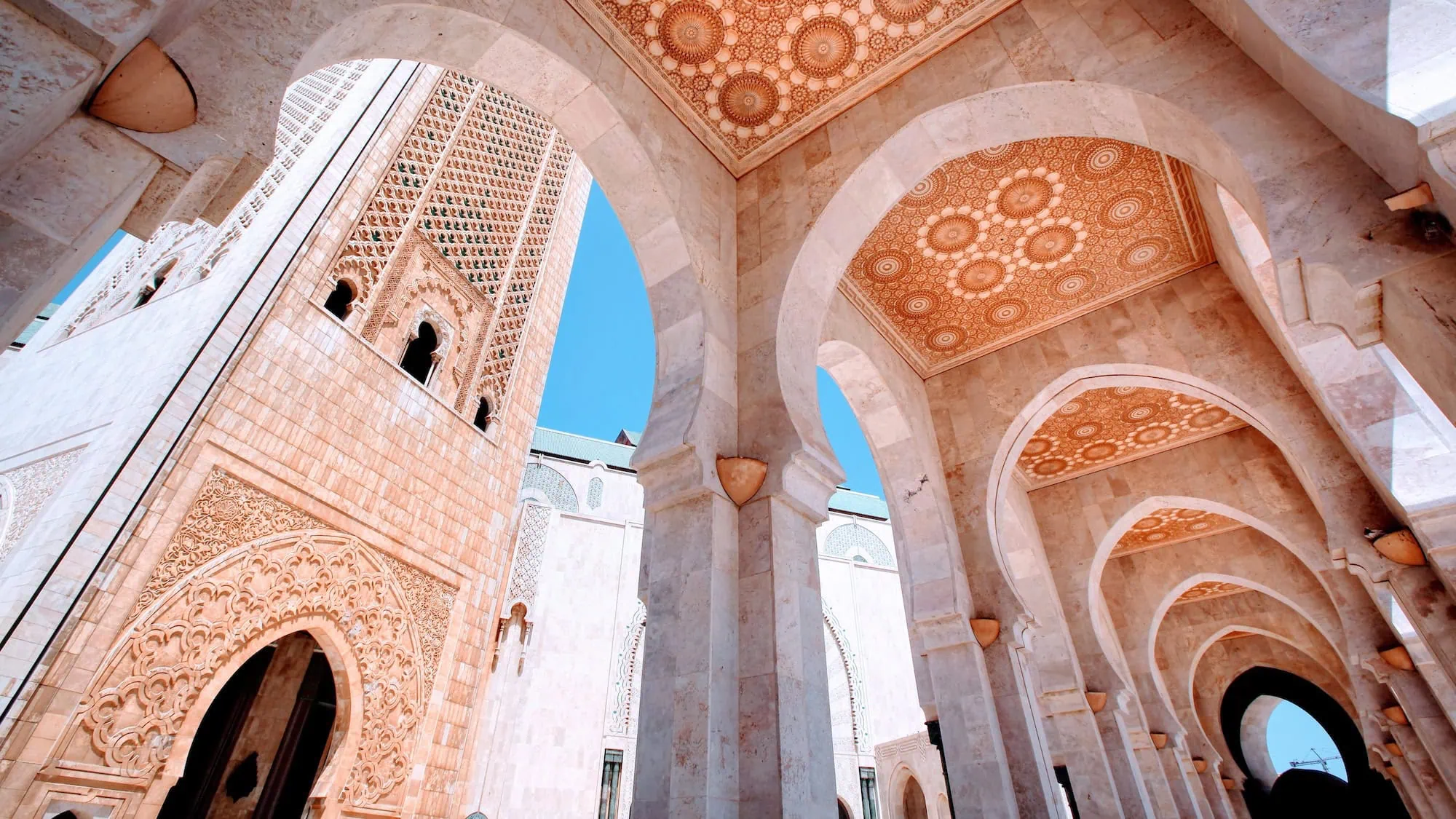
Book tickets in advance during peak season – this remains Morocco’s most visited religious site. The mosque’s laser beam shoots toward Mecca each evening, visible for 30 kilometers (18.6 miles) at sea. Local fishermen have used it for navigation since 1993.
Art Deco Capital
Downtown Casablanca showcases the world’s second-largest collection of Art Deco buildings after Miami Beach. The French colonial administration left behind architectural gems that transform ordinary walks into outdoor museum tours. Start at Place Mohammed V, where symmetrical government buildings frame a dancing fountain.
Boulevard Mohammed V stretches like an open-air gallery. The Central Post Office features intricate geometric patterns carved into limestone facades. Nearby, the Wilaya building demonstrates how Moroccan craftsmen interpreted European modernism through Islamic geometric principles.
Hidden Architectural Gems
Look up while walking Rue Prince Moulay Abdellah. Balconies cascade with wrought-iron details inspired by Parisian designs but executed with Moroccan metalwork traditions. The clock tower near the central market reflects Moorish influences in its arched windows and decorative tile work.
These buildings survived decades of urban development because local authorities recognized their cultural value. UNESCO considers Casablanca’s Art Deco district for World Heritage status.
Quarters That Pulse with Life
The Old Medina Experience
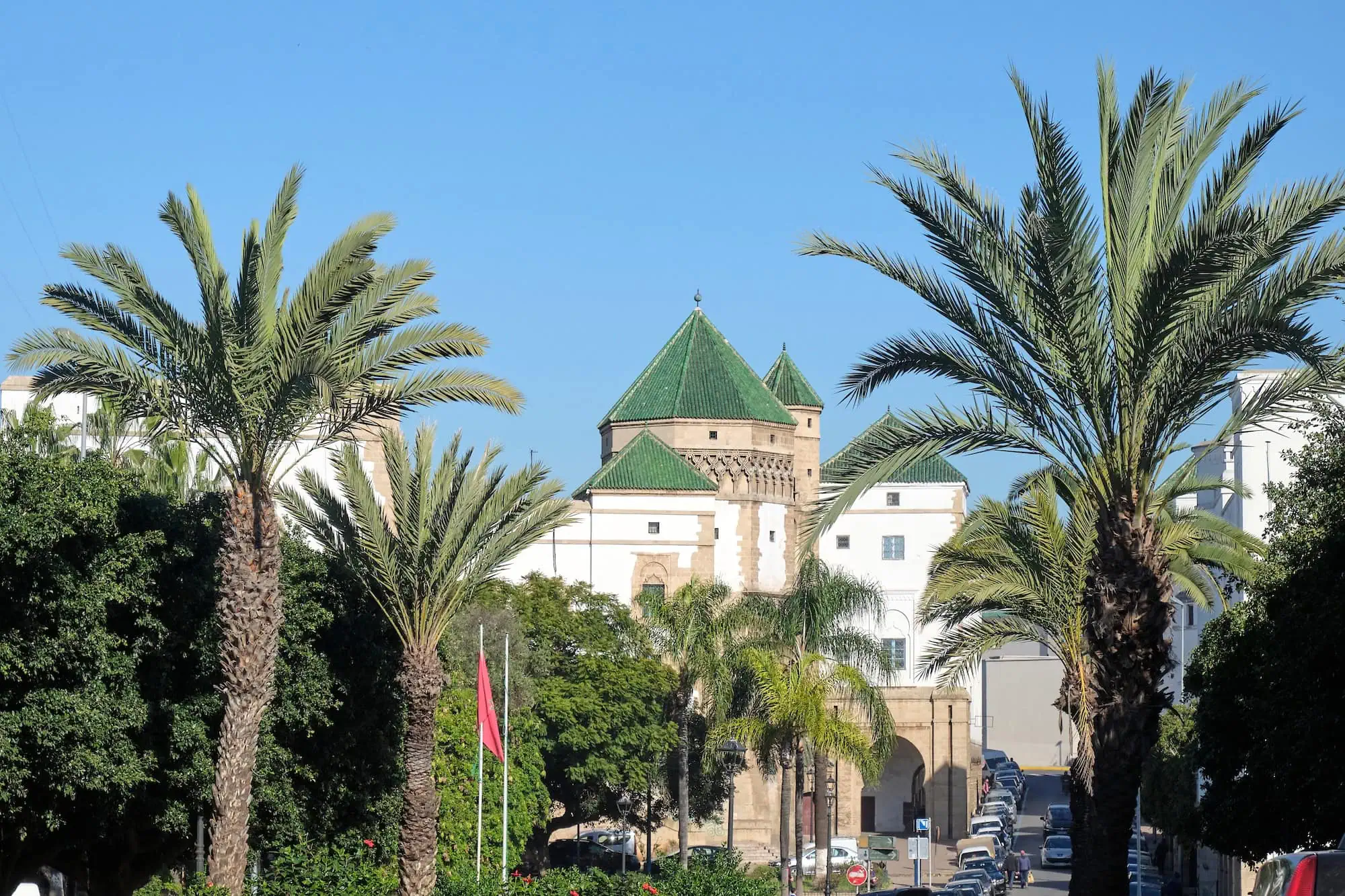
Casablanca’s Old Medina feels refreshingly lived-in compared to tourist-focused medinas elsewhere in Morocco. Families actually live here, children play in narrow passages, and neighbors gather for evening conversations on doorsteps. This authentic atmosphere creates genuine connections between visitors and residents.
The medina’s compact size means you can explore thoroughly in two hours. Enter through Bab Marrakech gate and follow the main thoroughfare past spice sellers, traditional bakeries, and clothing vendors. Unlike larger medinas, getting lost here means a five-minute detour at most.
Local craftsmen still practice traditional trades passed down through generations. Watch woodworkers carve geometric patterns into cedar panels or observe metalworkers hammering copper into decorative trays. Prices reflect the medina’s local focus rather than tourist premiums.
Quartier Habous Heritage
The French built Quartier Habous in the 1930s as their interpretation of an ideal Moroccan neighborhood. Wide boulevards accommodate modern traffic while traditional architecture creates intimate courtyards and covered passages. This planned community demonstrates colonial urban planning with unexpected charm.
The Royal Palace anchors the quarter with impressive gates and manicured gardens visible from the street. While the palace interior remains closed to public tours, the surrounding area showcases traditional Moroccan architecture at its most refined.
Mahkama du Pacha, the former courthouse, opens for guided tours showcasing 64 rooms decorated with carved stucco, painted cedar ceilings, and geometric tile patterns. Each room represents different Moroccan architectural traditions from various historical periods.
Markets and Local Flavors
Central Market transforms from wholesale fish distributor into neighborhood social center as the day progresses. Arrive at 7:00 am (07:00) to witness the controlled chaos of Morocco’s largest seafood auction. Vendors call out prices in Arabic and French while restaurant buyers inspect the morning’s catch.
By 11:00 am (11:00), the scene shifts. Local families arrive seeking fresh ingredients for lunch. Oyster vendors shuck shellfish at marble counters, charging 10 dirhams per piece for Atlantic oysters harvested near Oualidia.
Small restaurants within the market serve grilled sardines with Moroccan bread and mint tea. The market’s upper level houses spice merchants whose families have operated the same stalls for three generations. Saffron from Taliouine, argan oil from the Atlas Mountains, and dozens of spice blends create aromatic displays that guide visitors through Moroccan cuisine’s complexity.
Street Food Adventures
Casablanca’s street food scene thrives around the Central Market and Quartier Habous. Try maakouda, potato fritters served in Moroccan bread with spicy harissa sauce. Local vendors prepare batbout, small round breads stuffed with tuna, olives, and preserved lemons.
Evening brings msemen vendors to busy intersections. These flaky pancakes cook on griddles while you wait, then get filled with honey, jam, or cheese. A complete msemen costs less than 5 dirhams and provides an authentic taste of daily Casablancan life.
Modern Attractions and Entertainment
Morocco Mall claims the title of Africa’s second-largest shopping center, but its appeal extends beyond retail therapy. The massive aquarium houses over 40 species of fish swimming in 1 million liters of seawater. Children can walk through transparent tunnels while sharks and rays glide overhead.
The mall’s musical fountain performs choreographed shows every hour from 6:00 pm (18:00) to 10:00 pm (22:00). Local families gather for these free performances, creating a community atmosphere unusual in shopping centers.
Rick’s Café Hollywood Magic
Hollywood never actually filmed “Casablanca” in Morocco, but Rick’s Café recreates the movie’s famous bar with authentic 1940s décor. The restaurant occupies a restored colonial mansion in the old medina, complete with piano music and classic cocktails.
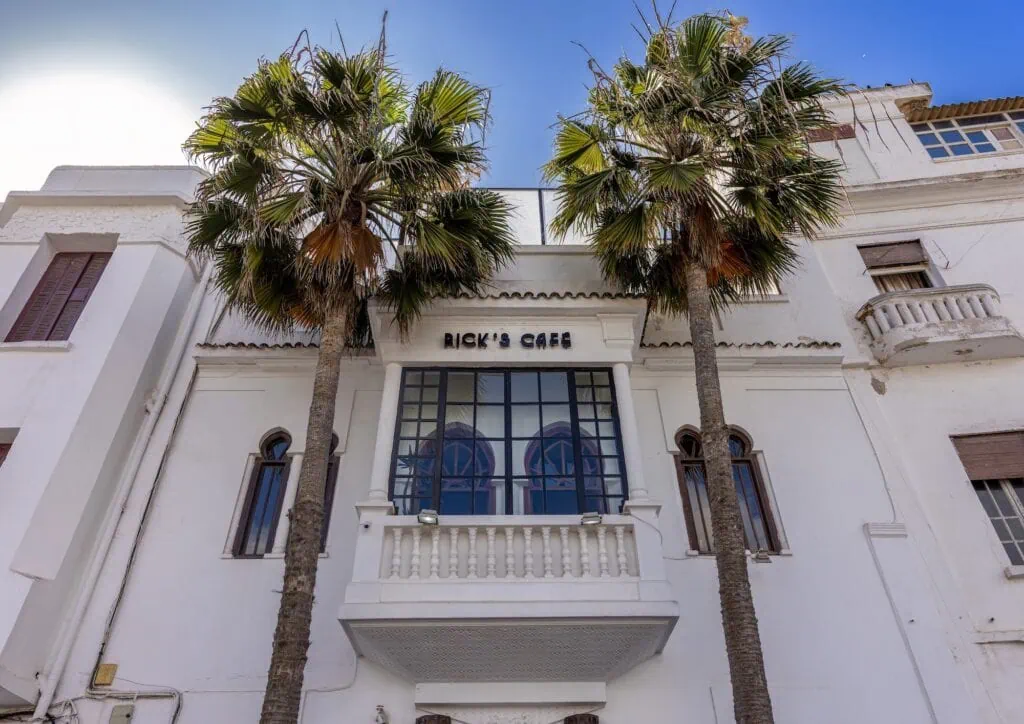
While touristy, the venue succeeds in creating genuine atmosphere through attention to detail and quality cuisine. Pianist Issam Chabaa performs daily from 7:00 pm (19:00) to midnight, taking requests for classic jazz standards and movie themes. The menu blends French and Moroccan cuisines with dishes like pastilla aux fruits de mer and tagine d’agneau aux pruneaux.
Contemporary Cultural Spaces
Casa Grand Theater represents Casablanca’s cultural ambitions as a modern African metropolis. When completed, this complex will house opera, ballet, and symphony performances in a building designed by award-winning architect Zaha Hadid. Construction delays have postponed the opening, but the dramatic exterior already changes the city’s skyline.
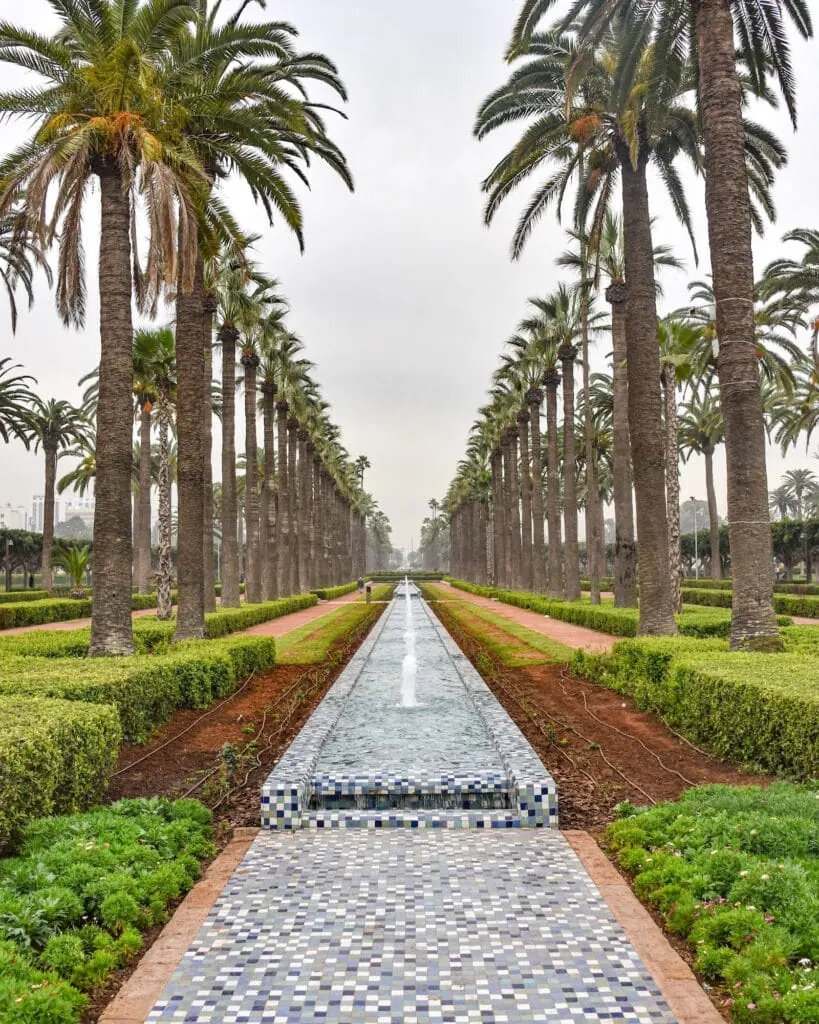
Arab League Park underwent major renovation to become the city’s green lung. Families picnic under palm trees while joggers follow paved paths around artificial lakes. The park’s rose garden blooms spectacularly from March through May, creating a fragrant escape from urban intensity.
Coastal Attractions and Corniche
La Corniche stretches for 4 kilometers (2.5 miles) along Casablanca’s Atlantic shoreline. This waterfront promenade comes alive during sunset hours when locals gather for evening walks and informal football matches on the beach.
The broad walkway accommodates joggers, families with strollers, and vendors selling grilled corn and fresh orange juice.
Lighthouse and Views
Phare El-Hank lighthouse has guided ships into Casablanca’s harbor since 1916. The 50-meter (164-foot) tower offers panoramic views across the city and ocean, though climbing requires advance permission from maritime authorities. The lighthouse keeper occasionally provides informal tours explaining the navigation equipment and local maritime history.
Below the lighthouse, small restaurants specialize in grilled sardines and fried calamari. These family-run establishments lack fancy décor but serve some of the city’s freshest seafood at unbeatable prices.
Beach Culture
Ain Diab beach extends east from the Corniche, offering swimming, surfing, and beach clubs. The water temperature ranges from 18°C (64°F) in winter to 24°C (75°F) in summer. Atlantic swells create decent surfing conditions from October through March.
Tahiti Beach Club and Sands appeal to visitors seeking resort-style amenities with pools, restaurants, and cabana service. Day passes cost around 200 dirhams and include beach chair access and basic amenities.
Day Trip Options
Rabat Political Capital
Morocco’s train system connects Casablanca to Rabat in just one hour, making day trips practical and affordable. High-speed trains depart hourly from Casa-Port station, with first-class tickets costing around 100 dirhams each way.
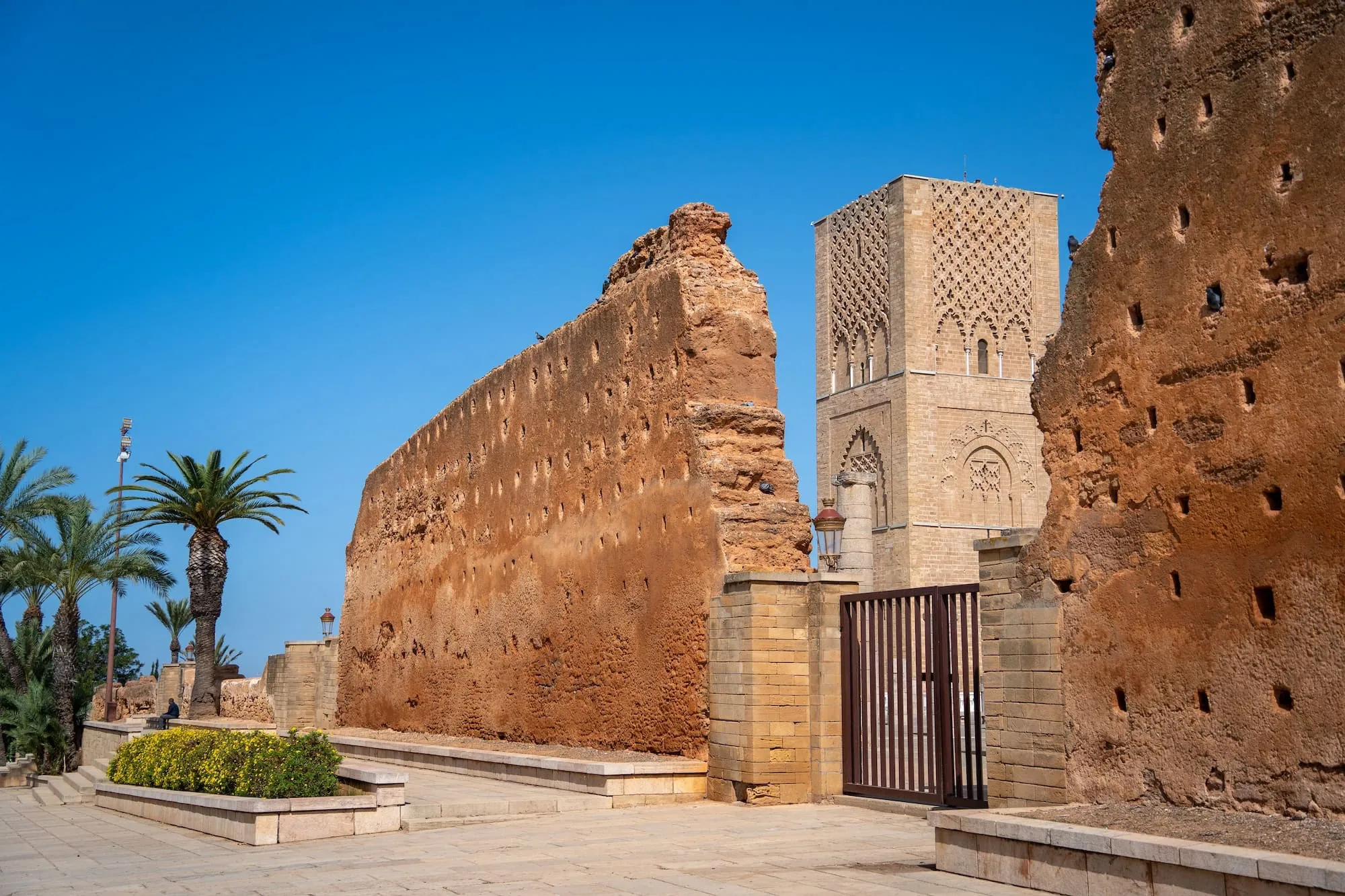
Rabat’s UNESCO-listed medina offers a quieter alternative to busier imperial cities. The Hassan Tower and Mausoleum of Mohammed V showcase Almohad architecture at its most refined. Allow 6-7 hours for a complete Rabat experience including travel time.
El Jadida Portuguese Heritage
This coastal town preserves one of Morocco’s best-preserved Portuguese cisterns, built in the 16th century when El Jadida served as the fortified port of Mazagan. The underground chamber creates mysterious reflections in shallow water while shafts of sunlight stream through openings in the vaulted ceiling.
El Jadida’s ramparts offer ocean views and insight into Morocco’s complex colonial history. The town remained Portuguese until 1769, leaving architectural influences visible throughout the medina. Regular buses connect Casablanca to El Jadida in 90 minutes.
Practical Planning Information
Transportation Within Casablanca
The Casa Tramway connects major attractions along two main lines intersecting at downtown stops. Single journeys cost 6 dirhams, while day passes cost 20 dirhams and provide unlimited rides. Tramway cars run every 5-7 minutes during peak hours and every 15 minutes during off-peak times.
Petit taxis handle shorter distances within the city center. These small red cars use meters for fare calculation, though some drivers prefer negotiating fixed prices for tourist destinations. Expect to pay 10-20 dirhams for most cross-city journeys.
Best Times to Visit
Casablanca enjoys Mediterranean climate with mild winters and warm summers. Spring months from March through May offer ideal conditions with temperatures ranging from 18°C to 24°C (64°F to 75°F) and minimal rainfall. Summer temperatures can reach 30°C (86°F), but ocean breezes moderate the heat along the coast.
Winter visits reveal a different side of the city as locals reclaim public spaces after tourist season ends. Temperatures rarely drop below 8°C (46°F), making outdoor exploration comfortable year-round.
Currency and Costs
Morocco’s dirham currency cannot be exchanged outside the country, so plan to exchange money upon arrival. ATMs widely accept international cards, though smaller establishments often prefer cash payments.
Budget travelers can experience Casablanca comfortably spending 400-600 dirhams daily including accommodation, meals, and transportation. Mid-range visitors typically spend 800-1,200 dirhams daily for better hotels, restaurant meals, and guided tours.
Frequently Asked Questions
Two days allow time for major attractions including Hassan II Mosque and Old Medina.
Yes, Casablanca maintains low crime rates with visible police presence in tourist areas.
The ONCF train connects Mohammed V Airport directly to Casa-Port station in 45 minutes.
Many locals speak basic English, especially in tourist areas and hotels.
Conservative dress required: long pants, covered shoulders, and closed shoes for both genders.
If you enjoy the movie “Casablanca” or themed dining experiences, yes.
Yes, though Atlantic waters remain cool year-round with lifeguard supervision in summer.
Casablanca’s medina is smaller, less touristy, and more residential than other Moroccan medinas.
The Museum of Moroccan Judaism and Villa des Arts showcase unique cultural perspectives.
Fresh seafood dominates: grilled sardines at Central Market and pastilla aux fruits de mer.
Expect to negotiate prices down by 30-50% from initial offers for best deals.
Excellent train connections to Rabat, Marrakech, and Fez with international airport access.
Design Your Custom Tour
Explore Egypt & Morocco your way by selecting only the attractions you want to visit