

Morocco Tourist Visa Requirements
Planning your Moroccan adventure starts with understanding entry requirements.
Morocco welcomes millions of visitors yearly with streamlined visa policies designed to encourage tourism while maintaining security standards. The Kingdom has simplified entry procedures significantly over recent years, introducing digital solutions and expanding visa-free access for numerous nationalities.
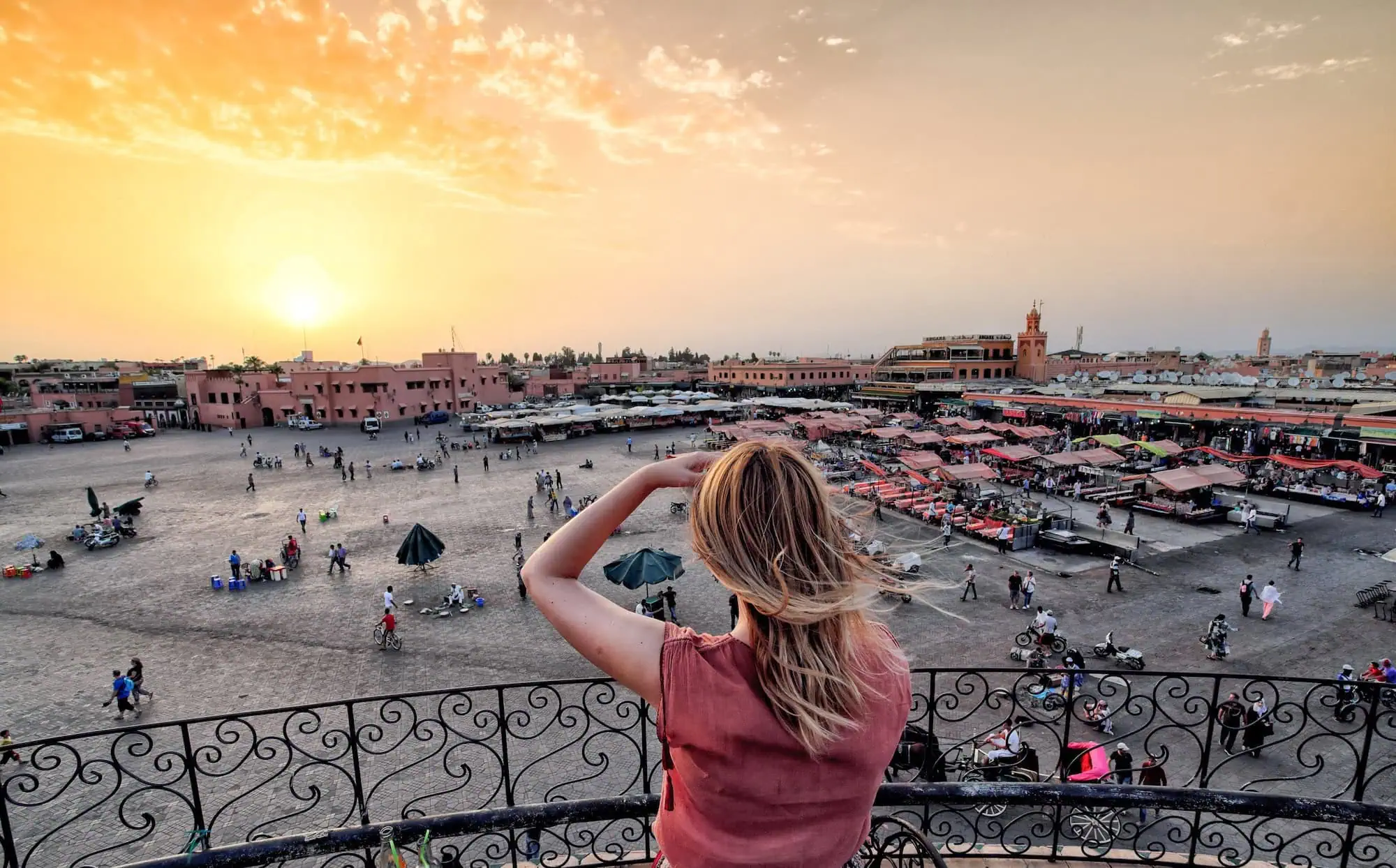
Whether you’re dreaming of exploring Marrakech’s bustling souks, trekking through the Atlas Mountains, or relaxing on Casablanca’s coastal beauty, knowing the specific documentation requirements for your nationality ensures smooth border crossing and lets you focus on creating unforgettable memories.
We’ve helped thousands of travelers navigate Morocco’s entry requirements successfully, ensuring their journeys begin without administrative delays or complications.
Visa-Free Entry for US Citizens
American passport holders enjoy straightforward access to Morocco without advance visa applications. US citizens can enter Morocco for tourism purposes and stay up to 90 days without obtaining a visa beforehand. This generous allowance covers most vacation itineraries, from week-long cultural tours to extended exploration journeys.

Your passport must remain valid for at least six months beyond your planned departure date from Morocco – immigration officials strictly enforce this requirement at entry points. Border authorities will stamp your passport upon arrival, officially documenting your entry date and authorized stay duration.
Essential Documentation Requirements
Beyond passport validity, US travelers must present return or onward journey tickets when entering Morocco. Airlines typically verify this requirement before departure, but immigration officials may also request proof during border processing.
Travel insurance isn’t mandatory but provides valuable protection for medical emergencies or unexpected trip disruptions. Keep your passport stamp accessible throughout your visit, as hotels and internal travel may require verification of legal entry status.
European and International Guidelines
European Union citizens generally receive similar visa-free treatment, with most EU passport holders authorized for 90-day stays without advance applications. However, entry requirements can vary between specific European countries, so verify your nationality’s particular status before traveling.
Latin American travelers experience mixed requirements depending on their country of citizenship. Many South American nations have reciprocal agreements with Morocco allowing visa-free entry, while others require advance authorization through the eVisa system or traditional consular processing.
Morocco’s Digital eVisa Platform
Morocco has modernized visa processing through its comprehensive online portal at acces-maroc.ma. This digital transformation represents a significant advancement in streamlining visitor authorization procedures.
The eVisa system serves multiple traveler categories, from tourists requiring standard entry authorization to business visitors attending conferences or trade events. Processing typically completes within 3-5 business days, though peak travel seasons may extend timeframes slightly.
The platform supports over 190 nationalities, covering the vast majority of international travelers who require advance visa authorization. Application tracking features let you monitor processing progress in real-time, eliminating uncertainty about approval status.
Digital authorization eliminates traditional embassy visits and paper-based application procedures. Once approved, your eVisa authorization links directly to your passport number in Morocco’s immigration database, allowing seamless entry processing at border checkpoints.
Traditional Visa Categories
Business travelers require specific documentation beyond standard tourist requirements. Invitation letters from Moroccan companies or organizations provide essential support for visa applications, detailing meeting purposes, duration, and local contact information.
Professional visitors attending conferences, trade shows, or business meetings must demonstrate legitimate commercial purposes through supporting documentation. Event-specific visas accommodate travelers attending particular occasions like international conferences, cultural festivals, or sporting competitions.
Transit and Extended Stay
Transit passengers continuing to third countries within 24 hours typically don’t require visa authorization, provided they remain within airport transit areas. However, travelers planning to exit airports during layovers must obtain appropriate entry authorization regardless of stay duration.
Extended stay applications serve travelers requiring longer visits for family purposes, volunteer work, or comprehensive cultural immersion experiences. These applications undergo more detailed review processes and may require additional supporting documentation like financial statements or local sponsor verification.
Documentation Standards and Application Process
Successful visa applications require careful attention to documentation standards and submission procedures. Your passport must contain at least two blank pages for entry and exit stamps, beyond standard validity requirements.
Damaged passports or those with insufficient blank space may cause entry delays or rejection. Recent passport photos meeting international standards are essential for visa applications – specifications typically require 2×2 inch dimensions with neutral backgrounds and forward-facing poses.
Financial and Supporting Documents
Financial documentation demonstrates your ability to support yourself during your Moroccan visit. Bank statements from the past three months, credit card records, or travelers’ check documentation provide acceptable proof of financial resources.
While specific amounts aren’t mandated, evidence of sufficient funds for your planned itinerary strengthens applications significantly. Online applications through the official eVisa portal offer the most convenient submission method for eligible nationalities.
Entry Points and Border Procedures
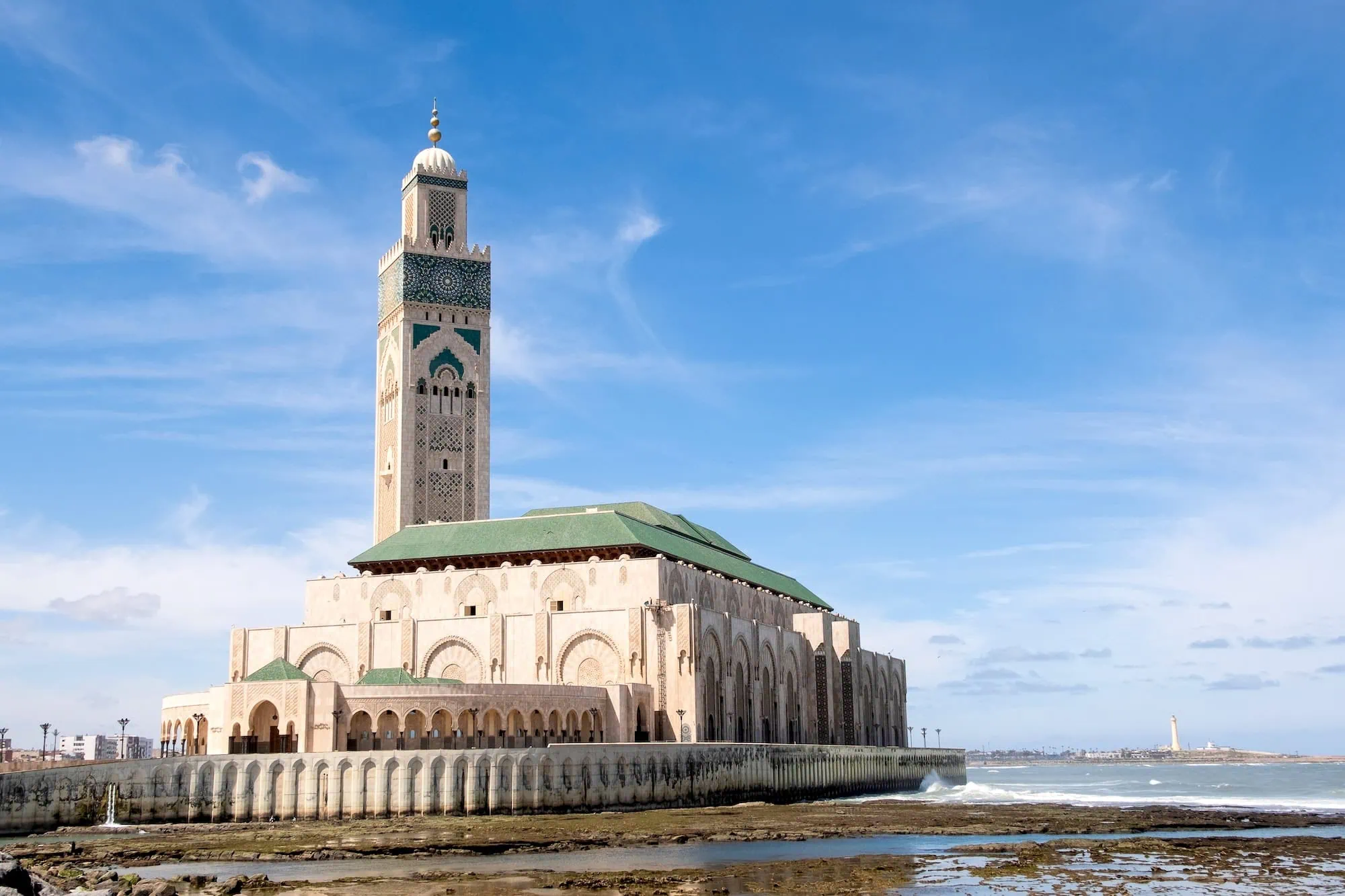
Morocco operates multiple international entry points accommodating diverse travel preferences and departure locations. Mohammed V International Airport in Casablanca handles the majority of international arrivals, offering comprehensive immigration facilities and modern processing systems.
Marrakech Menara Airport serves as another major gateway, particularly popular with tourists heading directly to the imperial cities region. Tangier’s proximity to Europe makes it a preferred entry point for ferry travelers from Spain.
Land border crossings with Algeria remain officially closed for tourism purposes, though diplomatic and emergency exceptions exist. Spanish enclaves Ceuta and Melilla provide alternative land entry options, though these require careful documentation review.
Border processing typically completes efficiently with proper documentation. Immigration officials may ask standard questions about visit purposes, accommodation arrangements, and departure plans. Honest, straightforward responses expedite processing.
Special Considerations and Travel Tips
Smart preparation prevents common entry complications and ensures smooth arrival experiences. Current health requirements may include vaccination documentation or health screening procedures depending on global health conditions and departure locations.
Yellow fever vaccination certificates are mandatory for travelers arriving from countries with yellow fever risk, while routine immunizations should remain current for optimal health protection. Travel insurance coverage protects against unexpected medical expenses, trip cancellations, or emergency evacuation needs.
Cultural and Legal Awareness
Morocco follows Islamic legal principles alongside modern civil law structures. Visitors remain subject to local laws regardless of their familiarity with specific requirements.
Alcohol consumption is legal in licensed establishments and hotels, though public intoxication or consuming alcohol in public spaces outside designated areas may cause legal complications. Photography restrictions exist around government buildings, military installations, and certain religious sites.
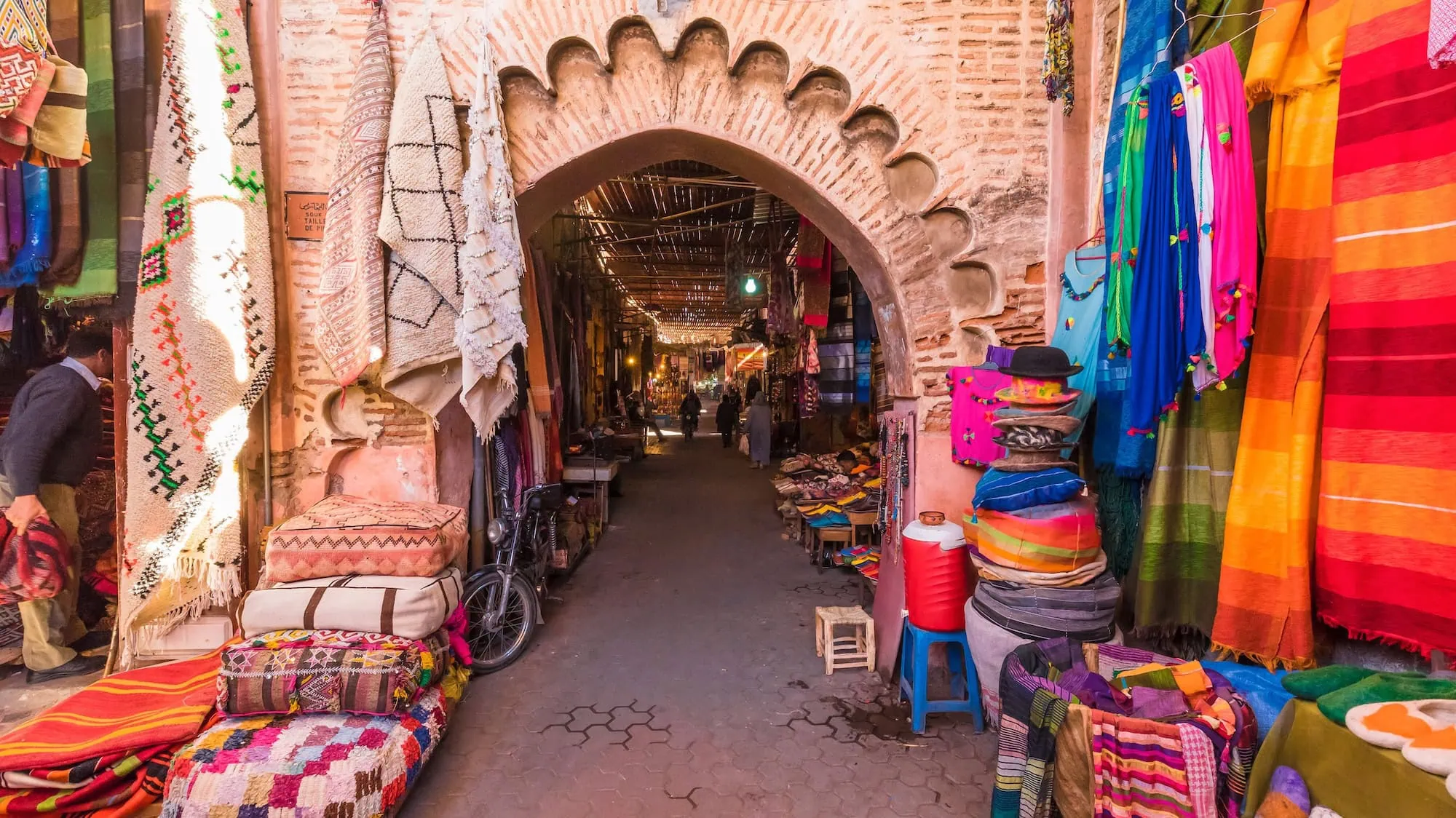
Currency and Financial Considerations
The Moroccan dirham (MAD) serves as the official currency, with exchange rates fluctuating against major international currencies. ATMs are widely available in cities and tourist areas, accepting most international bank cards.
Credit cards work in hotels, restaurants, and shops catering to tourists, though cash remains preferred for local markets, street vendors, and rural areas. Declare large cash amounts at entry if carrying more than 10,000 euros or equivalent in other currencies.
Maximizing Your Moroccan Experience
Understanding entry requirements represents just the first step toward an extraordinary Moroccan journey. Morocco offers incredible diversity from the snow-capped Atlas Mountains to the golden Sahara dunes, from bustling medieval medinas to modern coastal resorts.
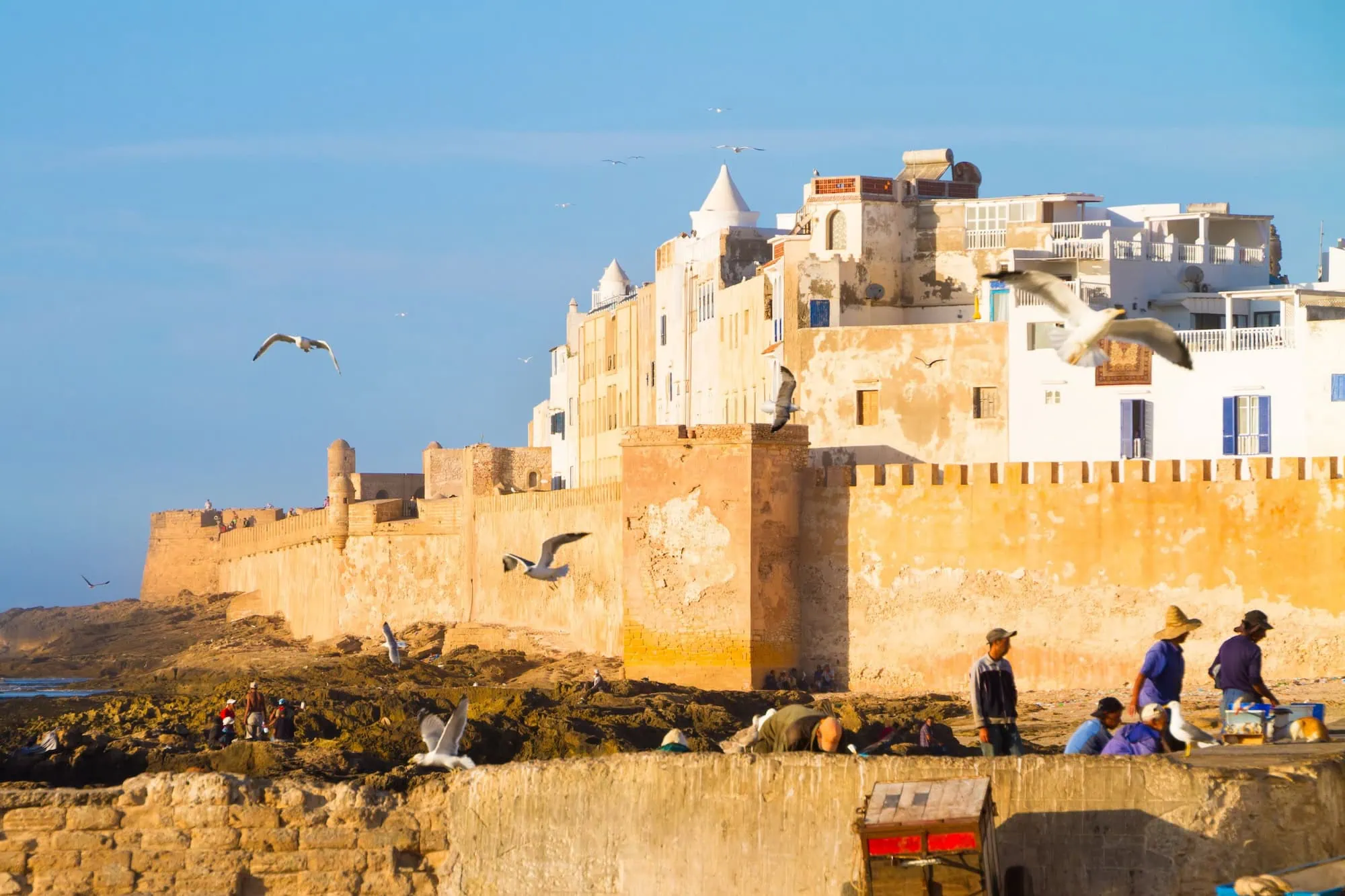
Each region provides distinct experiences – the imperial cities of Fez, Meknes, Marrakech, and Rabat showcase centuries of architectural achievement and cultural heritage, while coastal destinations like Essaouira and Agadir offer relaxation and water sports.
We specialize in creating personalized Moroccan itineraries that match your interests and travel style. Our experienced local guides provide insider access to authentic experiences while ensuring your comfort and safety throughout your journey.
From navigating the labyrinthine souks of Marrakech to organizing camel treks into the Sahara, our decades of expertise help travelers discover Morocco’s hidden gems and iconic landmarks. Our private guided tours eliminate the stress of language barriers, cultural navigation, and logistical planning.
Frequently Asked Questions
No, US citizens can enter Morocco visa-free for tourism stays up to 90 days.
Your passport must remain valid for at least six months beyond your departure date.
Extensions are possible through local immigration offices, though leaving and re-entering is often simpler.
You need a valid passport, return ticket proof, and entry stamp from immigration officials.
Travel insurance isn’t mandatory but strongly recommended for medical emergencies and trip protection.
Over 60 nationalities can enter visa-free, while others require eVisa authorization through acces-maroc.ma.
Standard eVisa processing completes within 3-7 business days, with expedited options available.
Visa-on-arrival isn’t available; travelers requiring visas must obtain authorization before departure.
Tourist visas cover leisure travel, while business visas require invitation letters and support commercial activities.
Amounts over 10,000 euros must be declared at entry, though smaller amounts have no restrictions.

Design Your Custom Tour
Explore Egypt & Morocco your way by selecting only the attractions you want to visit