

Monastery Of Saint Anthony – A Gem In The Red Sea Mountains
Egypt’s Eastern Desert holds treasures beyond pharaonic tombs.
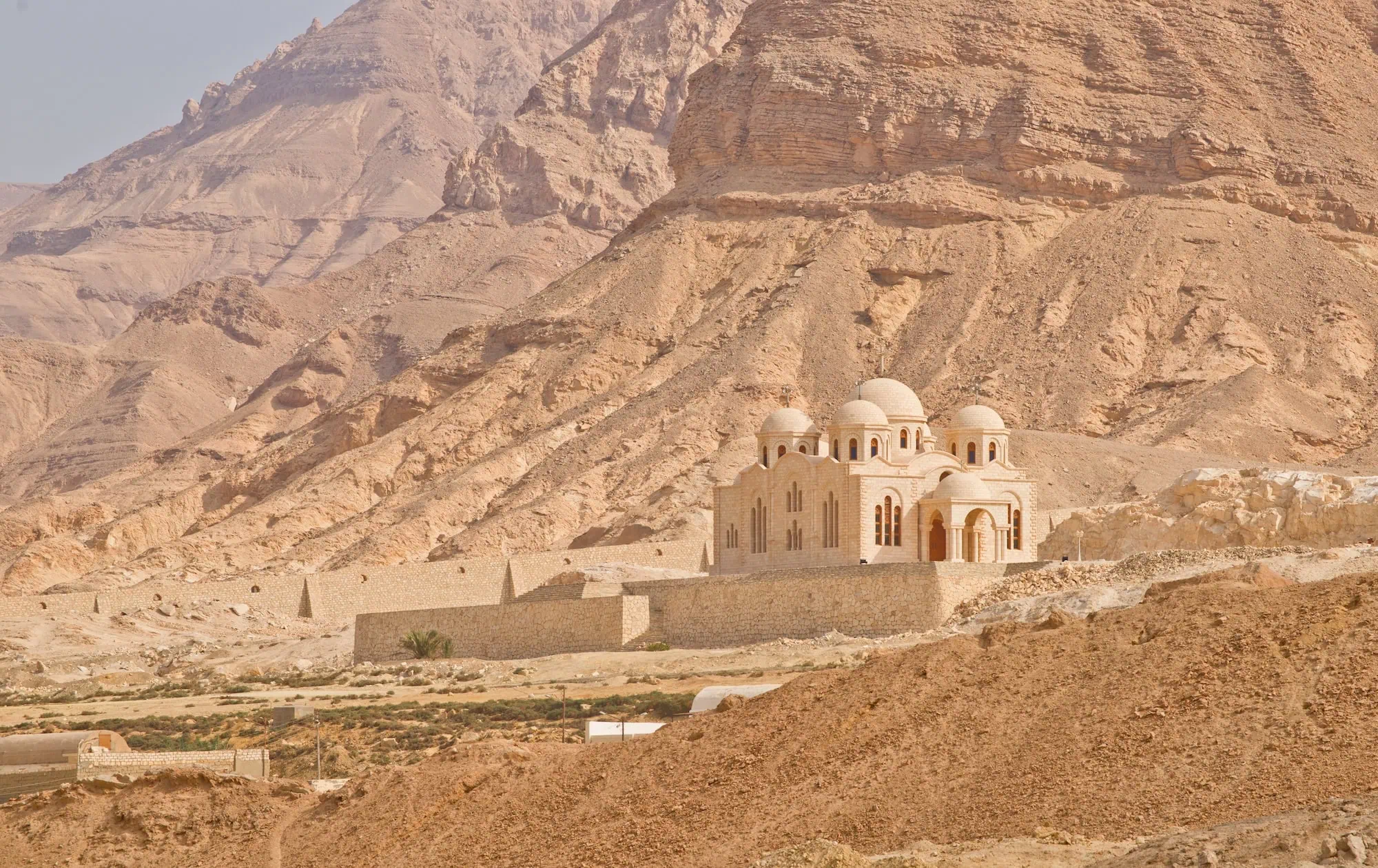
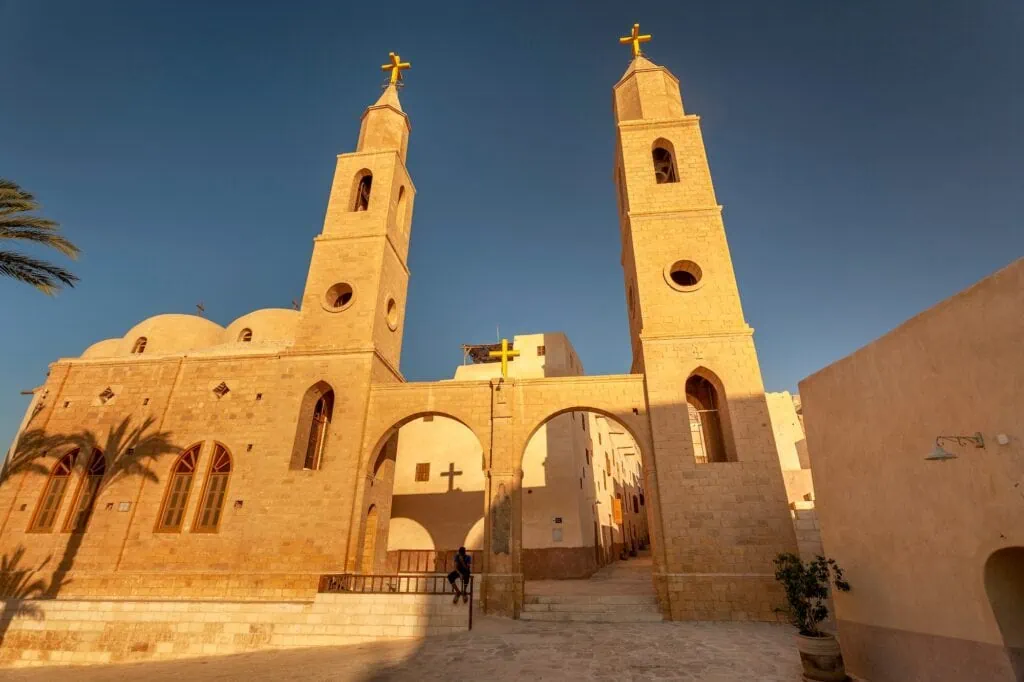
Hidden in the rugged Red Sea Mountains, the Monastery of Saint Anthony stands as Christianity’s oldest continuously operating monastery. For over 1,700 years, monks have maintained this sacred refuge where Saint Anthony himself sought solitude and prayer. Founded around 300 AD, this remarkable complex has survived conquests, earthquakes, and centuries of desert isolation while preserving an unbroken chain of monastic tradition that connects modern visitors to the very roots of Christian monasticism.
The monastery’s five ancient churches, towering defensive walls, and countless hermit caves create an atmosphere unlike any other religious site in Egypt. We’ve guided countless travelers through these sacred spaces, watching them discover not just historical artifacts, but a living spiritual community that continues to inspire pilgrims from around the world.
Table of Contents
Historical Foundations and Early Monastic Life
Saint Anthony the Great chose this remote desert location around 300 AD, seeking complete isolation from worldly distractions. His disciple Saint Macarius later established the formal monastery here, creating what would become the foundation of Christian monasticism worldwide.
The First Century of Growth
Early monks carved hermit caves directly into the mountain cliffs. These ancient cells, recently discovered during archaeological excavations by the American Research Center, reveal fascinating details about daily monastic life during the Fatimid period. Personal items, pottery fragments, and prayer inscriptions show how these early Christians balanced solitude with community worship.
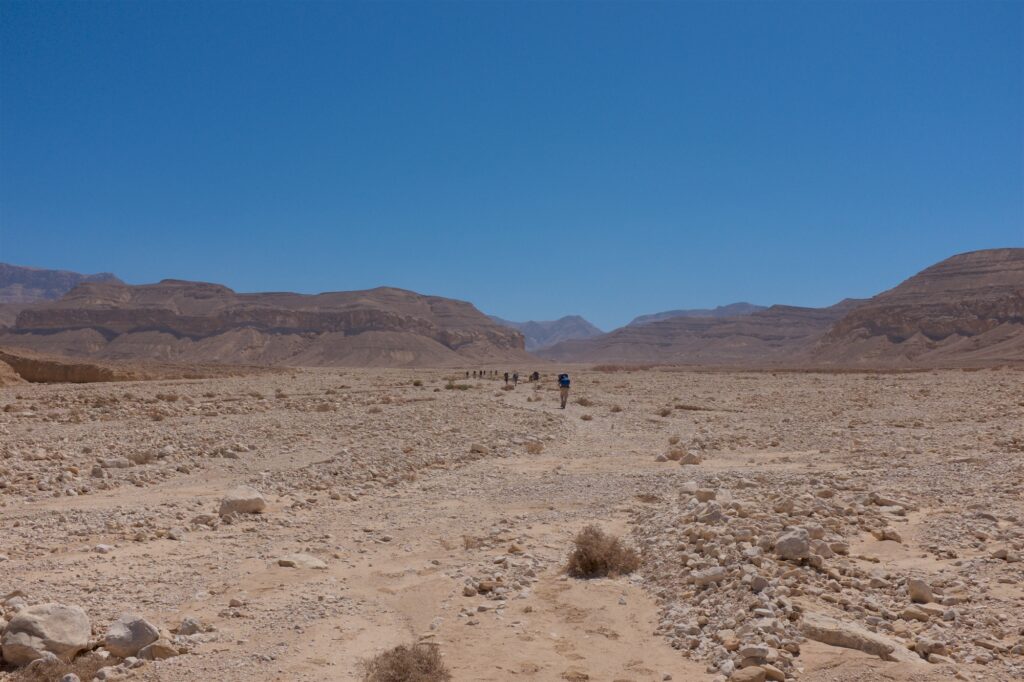
The monastery’s location in the Red Sea Governorate provided natural protection through its isolated position and harsh desert environment. Only the most dedicated pilgrims would attempt the dangerous journey across the Eastern Desert, ensuring the community remained focused on spiritual rather than worldly concerns.
Architectural Development Through the Centuries
Five distinct churches emerged within the monastery walls over successive generations. The Church of Saint Anthony, built directly over the saint’s original hermitage, became the spiritual heart of the complex. Its ancient frescoes and manuscripts preserve artistic traditions spanning multiple centuries.
A massive defensive wall, constructed during periods of external threat, still surrounds the entire complex. These fortifications allowed the monastic community to survive invasions and political upheavals that destroyed many other early Christian sites throughout Egypt.
Monastic Rules and Daily Practices
The community developed strict rules governing prayer schedules, manual labor, and spiritual discipline. Monks rose for midnight prayers, participated in communal liturgy, and spent daylight hours in productive work including manuscript copying, agriculture, and crafts production.
The Monastery’s Role in Egyptian Christianity
Nine Coptic Orthodox popes have emerged from this monastery, demonstrating its central importance within Egyptian Christian leadership. This extraordinary number reflects the monastery’s reputation for producing spiritually mature clergy capable of guiding the broader Coptic Orthodox Church.
Bishop Ystos currently serves as abbed, maintaining centuries-old traditions while adapting to modern pilgrimage needs. Under his leadership, the monastery has embraced technological innovations including pioneering solar energy systems that provide sustainable power for the desert community. These environmental advances position the monastery as a model for other remote religious communities worldwide.
The monastery’s library contains priceless manuscripts documenting early Christian theology and Coptic liturgical traditions. Scholars from around the world visit to study these texts, which provide unique insights into how Eastern Christianity developed distinct practices and beliefs. Many documents exist nowhere else, making this collection invaluable for understanding early church history.
Connection to Mount Athos and Global Monasticism
While geographically distant from Mount Athos in Greece, Saint Anthony’s monastery shares deep theological and practical connections with Athonite traditions. Elder Ephraim, who established multiple Orthodox monasteries in America including one in Arizona’s Sonoran Desert, drew inspiration from both Egyptian and Athonite models of monastic life.
These international connections demonstrate how desert monasticism influenced Christian communities across continents and centuries.
Architectural Marvels and Sacred Spaces
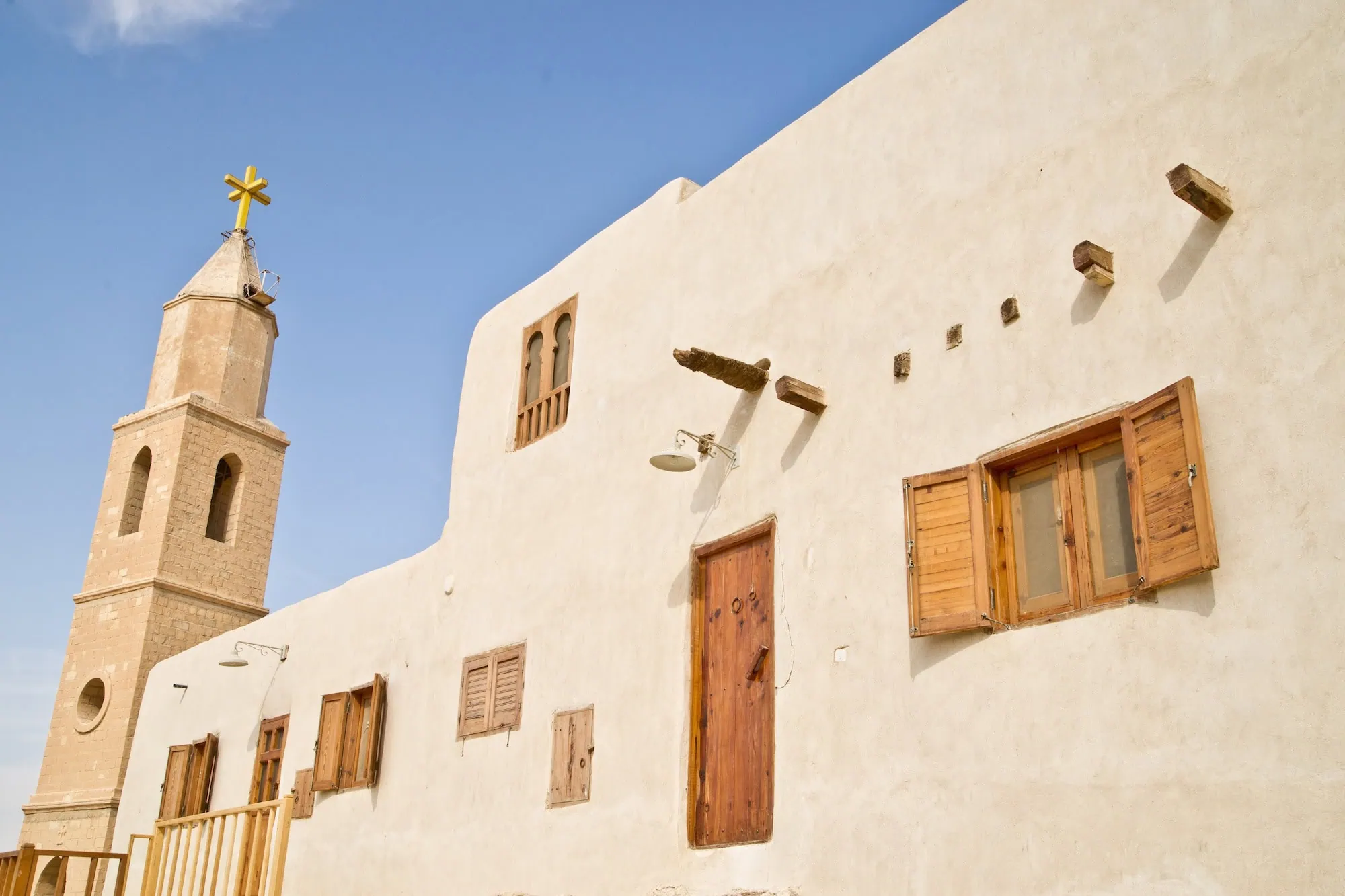
The monastery complex showcases remarkable architectural adaptation to extreme desert conditions. Thick stone walls provide insulation against temperature extremes that can reach 45°C (113°F) during summer days and drop dramatically at night. Traditional building techniques using local materials created structures capable of withstanding earthquakes and flash floods that occasionally sweep through the desert wadis.
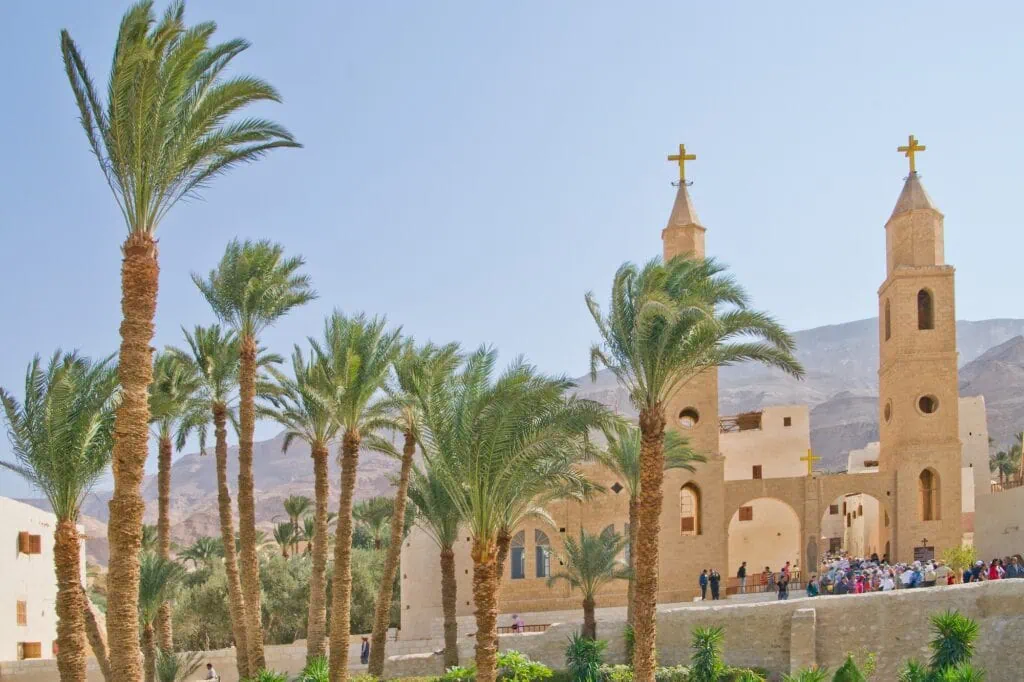
Water management systems demonstrate sophisticated engineering knowledge. Ancient cisterns collect and store precious rainwater, while carefully planned gardens maximize agricultural output in this harsh environment. Palm trees and vegetables flourish within protected courtyards, creating unexpected oases of green within the stark desert landscape.
The Five Historic Churches
Each church serves distinct liturgical functions and contains unique artistic treasures. The main Church of Saint Anthony features stunning frescoes depicting biblical scenes and saint’s lives, many dating to medieval periods. Intricate iconographic programs follow traditional Coptic artistic conventions while incorporating local cultural elements.
The Church of Saint Paul honors the monastery’s second patron saint. Its architectural style differs noticeably from the main church, reflecting construction during a different historical period. Wooden screens and marble decorations show influences from various artistic traditions that reached Egypt through trade and pilgrimage networks.
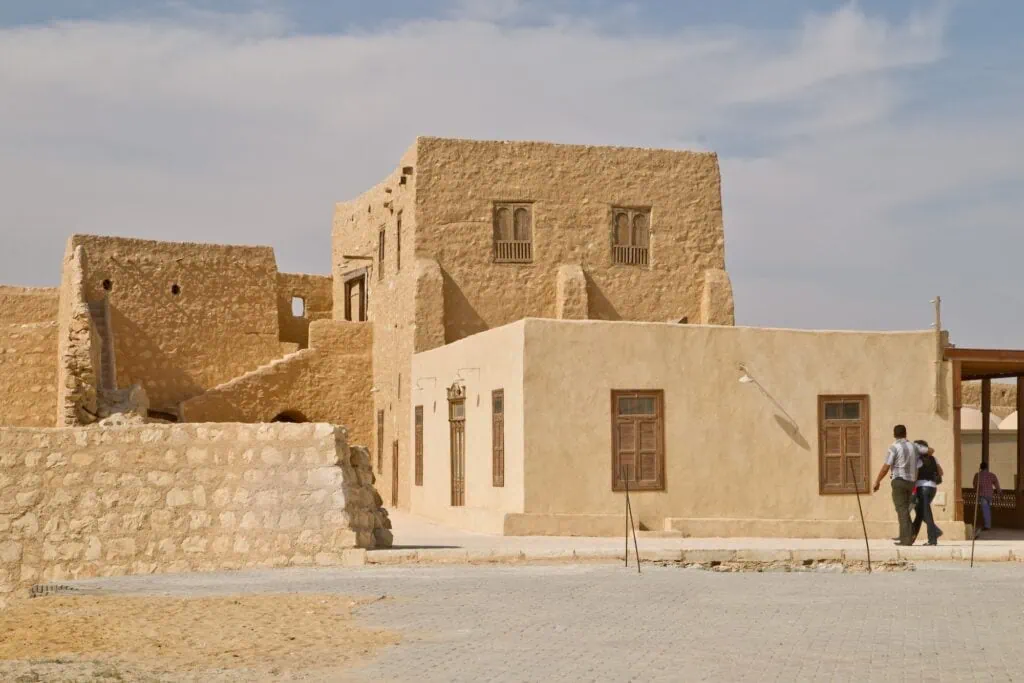
Three additional churches provide spaces for specific ceremonies and private prayer. Their varying sizes accommodate different community needs, from large festival celebrations to intimate daily worship services.
Modern Conservation and Museum Facilities
The 2002 restoration project, supported by $14.5 million in funding, carefully preserved original architectural elements while adding necessary modern amenities. American Research Center expertise ensured that conservation work met international standards while respecting the monastery’s active religious function.
A new museum displays artifacts discovered during excavation work, including pottery, tools, and religious objects that illuminate daily life across different historical periods. Glass floors protect newly discovered ancient monastic cells while allowing visitors to observe these archaeological treasures.
Pilgrimage and Modern Visitation
Thousands of pilgrims visit annually, drawn by both historical significance and continuing spiritual vitality. The monastic community welcomes visitors while maintaining their contemplative routine through carefully structured interaction periods.
Practical Visitor Information
Overnight accommodation is available for serious pilgrims seeking extended retreat experiences. Simple guest rooms provide basic amenities while encouraging visitors to focus on spiritual rather than material comforts. Meals are shared with the monastic community, offering insights into traditional Egyptian Orthodox cuisine and dining customs.
Transportation to the monastery requires careful planning due to its remote location. Private vehicles or organized tours are essential, as no public transportation reaches the site. The journey from Cairo takes approximately three hours through increasingly dramatic desert scenery.
Visitor guidelines respect ongoing monastic life. Photography restrictions protect both sacred spaces and monastic privacy. Appropriate clothing and behavior standards ensure that tourism doesn’t disrupt the community’s religious focus.
Spiritual Programs and Retreats
The monastery offers structured retreat programs led by experienced spiritual directors. These programs combine traditional Orthodox prayer practices with desert contemplation, providing participants with authentic monastic experiences. Retreats typically last three to seven days, allowing sufficient time for adjustment to the desert rhythm and spiritual focus.
Youth programs introduce younger pilgrims to monastic traditions and Eastern Christianity’s rich theological heritage. These initiatives help preserve cultural knowledge while engaging new generations with ancient wisdom.
Liturgical participation allows visitors to experience authentic Coptic Orthodox worship services. Daily prayers follow traditional schedules unchanged for centuries, creating powerful connections between contemporary pilgrims and historical monastic communities.
The Living Monastic Tradition Today
Contemporary monks continue practicing traditional crafts including textile production, woodworking, and agricultural activities that sustain the community economically while preserving ancient skills. These products are available to visitors, providing authentic monastery-made souvenirs that support ongoing operations.
Modern monks balance traditional spiritual practices with contemporary educational needs. Many hold advanced degrees in theology, history, or other academic fields, bringing scholarly perspectives to their religious vocation. This combination of contemplative life and intellectual rigor continues traditions established by early Christian scholars who saw learning and prayer as complementary activities.
The monastery’s influence extends beyond its walls through monks who become bishops and ecclesiastical leaders throughout the Coptic Orthodox Church. This ongoing contribution to Egyptian Christianity ensures that Saint Anthony’s spiritual legacy remains relevant to contemporary religious life.
Environmental Stewardship and Technology
Solar energy installations demonstrate the monastery’s commitment to environmental responsibility. These systems provide reliable electricity while avoiding dependence on fossil fuels that would be difficult and expensive to transport to this remote location.
Water conservation techniques developed over centuries now inform modern sustainability practices. The monks’ intimate knowledge of desert ecology offers valuable insights for environmental scientists studying climate adaptation strategies.
Organic farming methods produce food for the community while maintaining soil health in this challenging environment. These practices showcase traditional agricultural wisdom adapted for contemporary sustainability goals.
Planning Your Visit with Egypt Tours Plus
We’ve arranged monastery visits for travelers seeking authentic spiritual experiences beyond Egypt’s famous archaeological sites. Our experienced guides understand both the historical significance and active religious context, ensuring respectful and meaningful encounters with this living tradition.
Private transportation eliminates the stress of navigating unfamiliar desert routes while allowing flexible timing that accommodates the monastery’s prayer schedule. We coordinate with monastic authorities to ensure visit timing respects community rhythms and provides optimal access to available areas.
Our guides’ deep knowledge of Coptic Orthodox traditions and Egyptian Christian history enhances understanding of what you’ll experience. We provide context that transforms a simple sightseeing visit into genuine cultural and spiritual encounter.
Add The Monastery Of Saint Anthony To A Journey Designed Around You
A visit to the Monastery Of Saint Anthony is more than a stop on the map — it’s a chance to experience one of Egypt’s most remarkable spiritual and historical landmarks in complete comfort and at your own pace. Pair it with Cairo’s ancient wonders, a Nile cruise, Red Sea relaxation, or hidden desert experiences for a journey that feels entirely personal.
With our custom Egypt tour planner, you can choose your travel dates, preferred pace, accommodations, experiences, and route while we take care of the seamless details. Our Egypt specialists design private journeys tailored around what matters most to you — with expert guidance every step of the way.
Frequently Asked Questions
The Monastery of Saint Anthony was established around 300 AD, making it approximately 1,700 years old and one of the oldest continuously inhabited Christian monasteries in the world. Located in Egypt’s Eastern Desert near the Red Sea Mountains, the monastery grew around the cave retreat of Saint Anthony the Great, widely regarded as the founder of Christian monasticism. Its fortified walls, ancient churches, and manuscripts reflect centuries of uninterrupted Coptic Orthodox religious life. The site remains an active monastery rather than only a historical monument.
The Monastery of Saint Anthony welcomes respectful visitors of all faiths, including non-Christians interested in Egyptian history, architecture, and monastic traditions. As one of the most important centers of Coptic Orthodox Christianity, the monastery receives pilgrims, historians, and international travelers throughout the year. Visitors are expected to dress modestly, speak quietly in prayer areas, and respect monastic routines that have continued for more than 17 centuries. Weekday mornings generally provide a quieter and more contemplative atmosphere for exploration.
The Monastery of Saint Anthony is located approximately 330 km southeast of Cairo, and the drive usually takes around 3 to 4 hours depending on traffic and security checkpoints. The route passes through Egypt’s Eastern Desert along highways connecting Cairo to the Red Sea region near Zafarana. Most travelers visit by private vehicle or organized guided excursion because public transportation options are limited and indirect. Departing Cairo early in the morning generally provides the most comfortable travel conditions and avoids heavy city traffic.
Simple guest accommodations are available at the Monastery of Saint Anthony for pilgrims and visitors seeking quiet spiritual retreats rather than hotel-style lodging. Rooms are modest and typically designed for reflection, prayer, and short religious stays within the monastery’s peaceful desert environment. Availability can be limited because the monastery remains an active religious community rather than a commercial tourist facility. Travelers interested in overnight stays should arrange accommodations in advance, particularly during major Coptic feast periods and religious holidays.
The best time to visit the Monastery of Saint Anthony is between October and March, when Eastern Desert temperatures are significantly cooler and more comfortable for outdoor exploration. Winter daytime temperatures often range between 68°F and 82°F (20°C to 28°C), while summer temperatures in the surrounding desert can exceed 100°F (38°C). Cooler weather also makes the monastery’s hillside paths and nearby cave areas easier to explore. Morning visits usually provide softer light and a quieter atmosphere for photography and reflection.
Visitors are generally permitted to observe or respectfully participate in Coptic Orthodox liturgical services at the Monastery of Saint Anthony. Services often include ancient hymns, incense rituals, and prayers conducted in Coptic and Arabic traditions that trace back centuries within Egyptian Christianity. Because the monastery remains an active spiritual center, guests are expected to remain quiet, dress conservatively, and follow instructions from monks or attendants during worship periods. Sunday mornings and religious feast days typically attract the largest congregations.
Visitors to the Monastery of Saint Anthony should bring modest clothing, comfortable walking shoes, sun protection, and sufficient drinking water for the desert environment. The monastery complex includes uneven stone paths, stairways, and open courtyards exposed to strong sunlight for much of the day. Lightweight clothing that covers shoulders and knees is recommended out of respect for the active religious community. Travelers visiting during winter mornings may also want a light jacket because desert temperatures can feel cool before midday.
The Monastery of Saint Anthony typically houses several dozen Coptic Orthodox monks, although the exact number changes over time based on monastic assignments and religious vocations. The monastery remains one of the most important active monastic communities in Egypt and continues traditions associated with Saint Anthony the Great, who lived in the surrounding desert during the 3rd and 4th centuries AD. Monks devote their lives to prayer, study, manual work, and religious service. Some residents also help guide visitors and preserve historical manuscripts and artwork.
Photography is permitted in some areas of the Monastery of Saint Anthony, although restrictions apply inside certain churches, chapels, and sacred spaces. Flash photography is often discouraged because it can damage ancient wall paintings, icons, and delicate manuscripts preserved within the monastery’s historic buildings. Visitors should always follow instructions from monks or site attendants regarding cameras and filming. Exterior courtyards, defensive walls, and desert surroundings are usually easier to photograph than interior religious spaces.
The Monastery of Saint Anthony is historically unique because it is widely recognized as the world’s oldest continuously operating Christian monastery. Founded around the cave retreat of Saint Anthony the Great in the early 4th century AD, the monastery helped establish the foundations of organized Christian monastic life that later spread across Europe and the Middle East. Its churches, manuscripts, and defensive structures preserve nearly 1,700 years of uninterrupted religious tradition. The site remains spiritually active rather than functioning solely as an archaeological attraction.
Guided visits at the Monastery of Saint Anthony are sometimes led by knowledgeable monks or local guides familiar with Coptic history, monastic traditions, and the monastery’s architecture. Tours often explain the life of Saint Anthony the Great, the symbolism of the monastery’s wall paintings, and the role of desert monasticism in early Christianity. Egypt Tours Plus can also arrange organized visits combined with nearby Eastern Desert monasteries and Red Sea itineraries. Guided interpretation is especially valuable because many historical details are not fully explained through signage alone.
Design Your Custom Tour
Explore Egypt your way by selecting only the attractions you want to visit