

Sandboarding in Egypt – The Most Fun Desert Thrill
Feel the rush as you glide down massive sand dunes in Egypt’s stunning deserts.
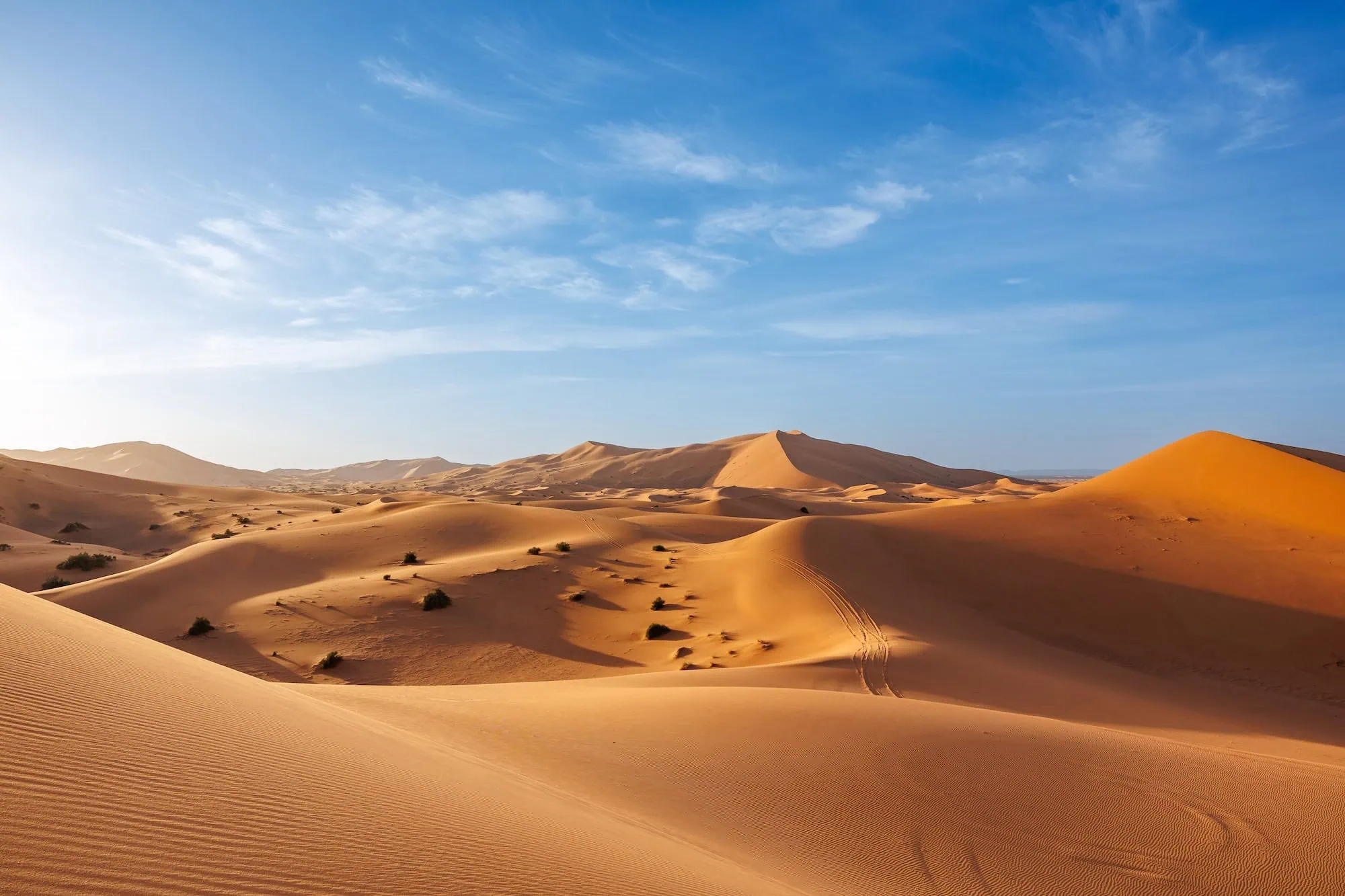
Egypt’s deserts offer more than ancient ruins and camel rides – they’re home to one of the Middle East’s most exciting adventure sports. Sandboarding in Egypt has grown from a local curiosity to a must-do activity that combines the thrill of snowboarding with Egypt’s spectacular desert landscapes. The sport takes advantage of Egypt’s unique geography, where towering sand dunes create natural slopes perfect for boarding adventures.
Whether you’re seeking adrenaline or simply want to experience the desert differently, sandboarding opens up an entirely new perspective on Egypt’s wilderness. From the towering dunes of Wadi Al Rayyan to the coastal desert near Sharm El Sheikh, we’ve guided hundreds of travelers through their first sandboarding experiences. Our expert guides ensure both safety and maximum enjoyment as you discover this incredible sport in one of the world’s most beautiful desert settings.
Table of Contents
Top Sandboarding Destinations in Egypt
Egypt offers several world-class locations for sandboarding, each with distinct advantages and unique desert environments.
Wadi Al Rayyan Protected Area
The crown jewel of Egyptian sandboarding lies in Fayoum’s Wadi Al Rayyan Protected Area. These massive sand formations stretch for miles, creating slopes that range from gentle 8-meter beginner hills to challenging 50-meter advanced runs. The area’s protected status ensures pristine conditions year-round, while the nearby Magic Lake provides a stunning backdrop for your descent.
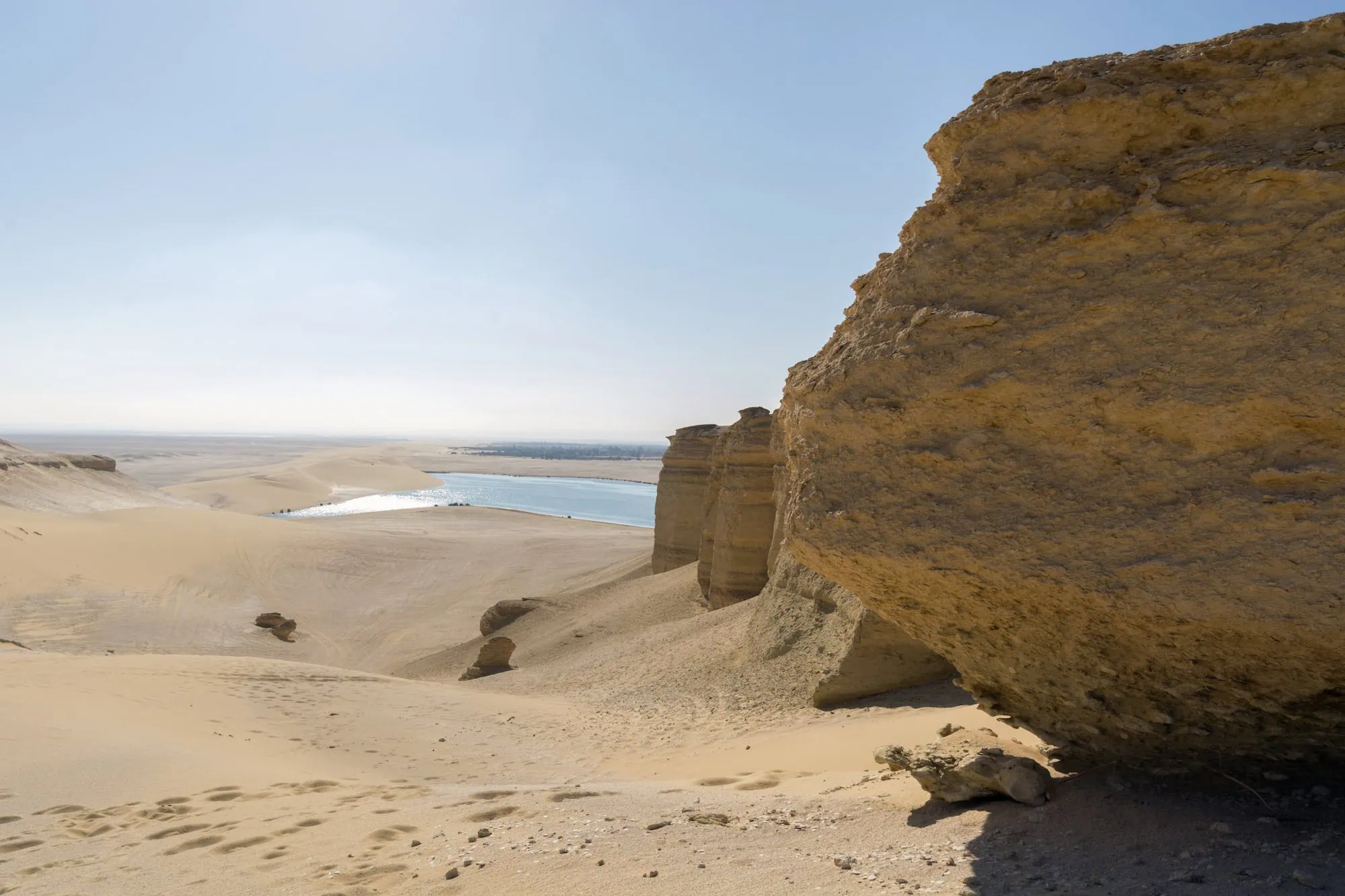
We particularly recommend the main dune complex during early morning hours when sand temperatures remain comfortable and winds stay calm. The golden sand here has the perfect texture for boarding – firm enough for speed but soft enough for safe landings.
Nabq Nature Reserve Near Sharm El Sheikh
The Red Sea coast offers a completely different sandboarding experience at Nabq Nature Reserve. Here, coastal winds have sculpted unique dune formations that cascade toward the brilliant blue waters of the Red Sea. The setting combines desert adventure with marine beauty, making it perfect for photographers and Instagram enthusiasts.
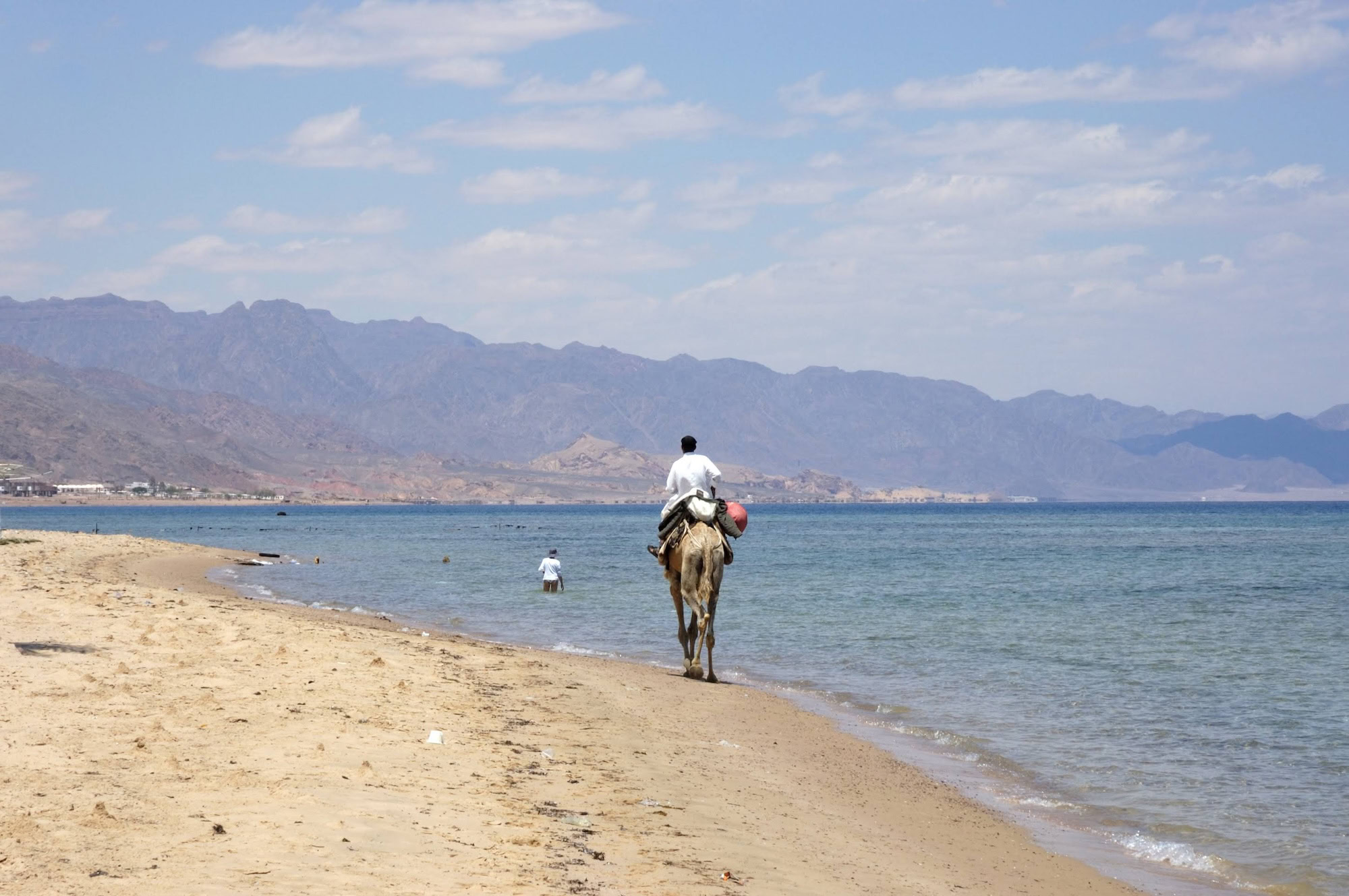
These dunes typically measure 15-25 meters in height, providing intermediate-level challenges. The proximity to Sharm El Sheikh’s resorts makes this location incredibly convenient for travelers staying in the area.
White Desert and Bahariya Oasis
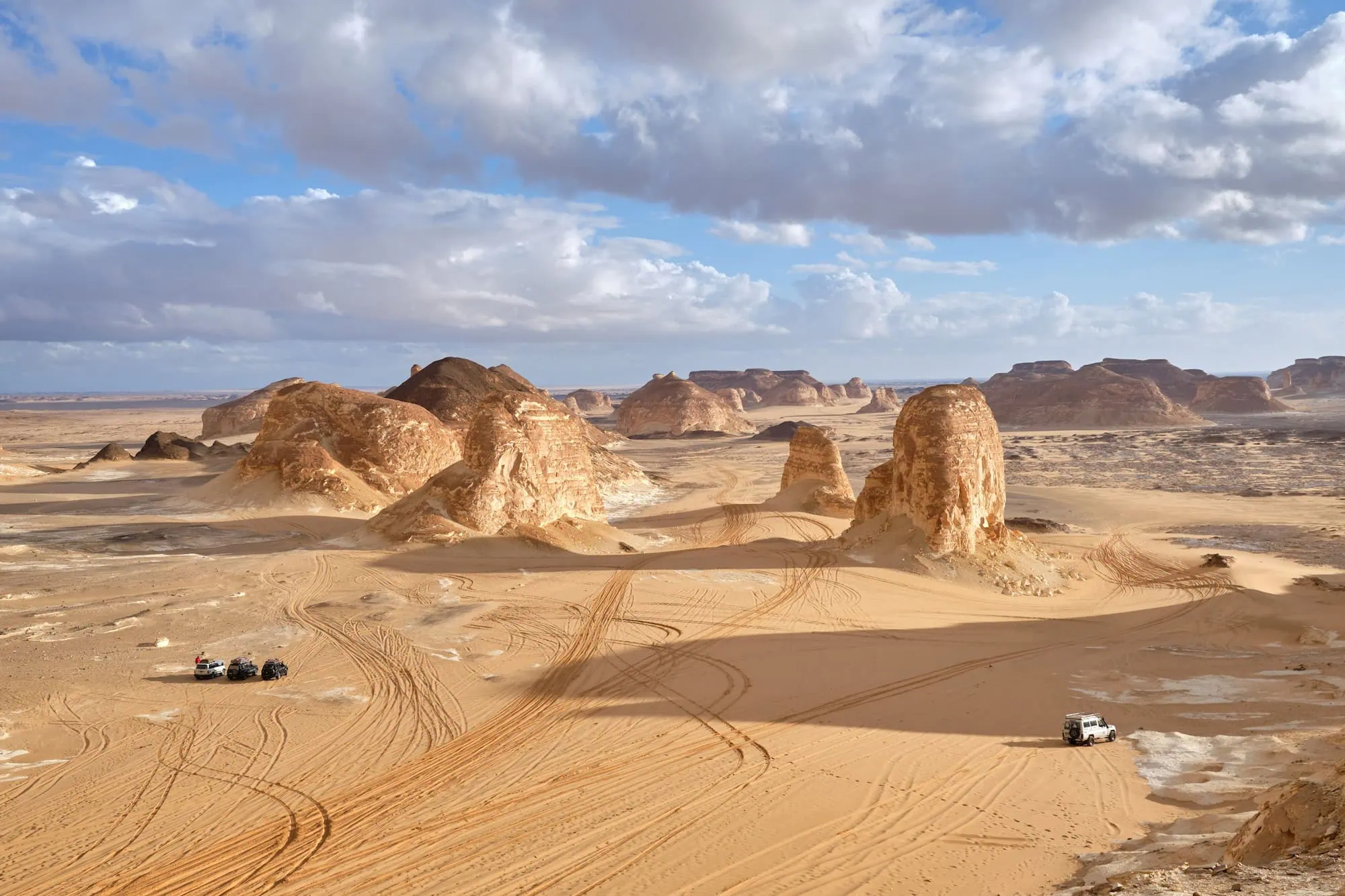
For those seeking a more remote experience, the Western Desert near Bahariya Oasis features remarkable white sand formations. While smaller than Wadi Al Rayyan’s giants, these dunes offer solitude and otherworldly beauty that feels like bordering on another planet. These surreal landscapes are best explored on professionally guided Western Desert tours, where local expertise ensures safe access and a truly immersive desert experience.remarkable white sand formations. While smaller than Wadi Al Rayyan’s giants, these dunes offer solitude and otherworldly beauty that feels like boarding on another planet.
Essential Sandboarding Equipment and Techniques
Proper equipment transforms sandboarding from a one-time novelty into an genuinely thrilling sport. Standard sandboards feature specially designed bases that glide smoothly over sand particles, unlike snow equipment which would stick and slow down immediately. The boards typically measure slightly longer than snowboards to distribute weight effectively across loose sand surfaces. Most rental operations in Egypt provide high-quality equipment, but understanding what makes a good sandboard helps you get the most from your experience.
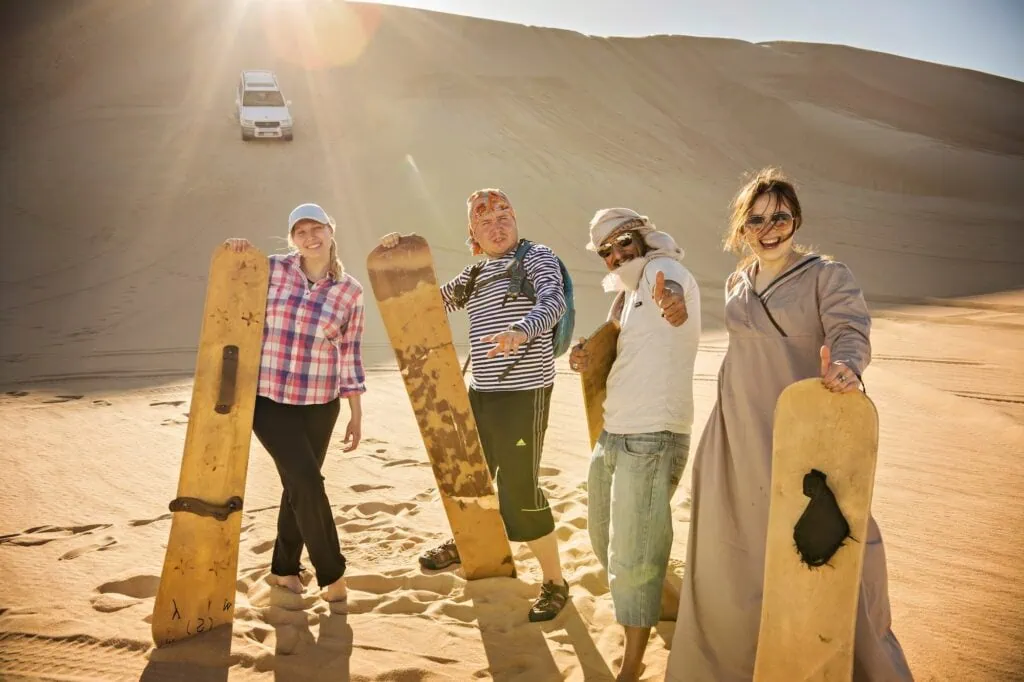
Safety gear matters just as much as the board itself. Protective eyewear shields against flying sand particles, while closed-toe shoes prevent hot sand burns during climbs back up the dunes.
Basic Techniques for Beginners
Start on smaller slopes to master balance and turning before attempting major dunes. Unlike snow, sand requires different weight distribution – lean slightly forward and keep your knees more bent than you would snowboarding. Turning happens gradually by shifting weight to your heel or toe edge, but expect less responsive steering than on snow.
Most first-time boarders successfully navigate beginner slopes within 30-45 minutes of instruction. Our guides focus on building confidence through progressive skill development rather than rushing onto advanced terrain.
Advanced Riding Strategies
Experienced boarders can achieve impressive speeds on Egypt’s longer dunes, with some runs lasting over two minutes from top to bottom. Advanced techniques include carving turns to control speed, jumping small sand ridges, and even attempting basic tricks on suitable terrain. The key difference from snow sports lies in reading sand conditions – morning sand offers faster rides while afternoon heat creates softer, slower surfaces.
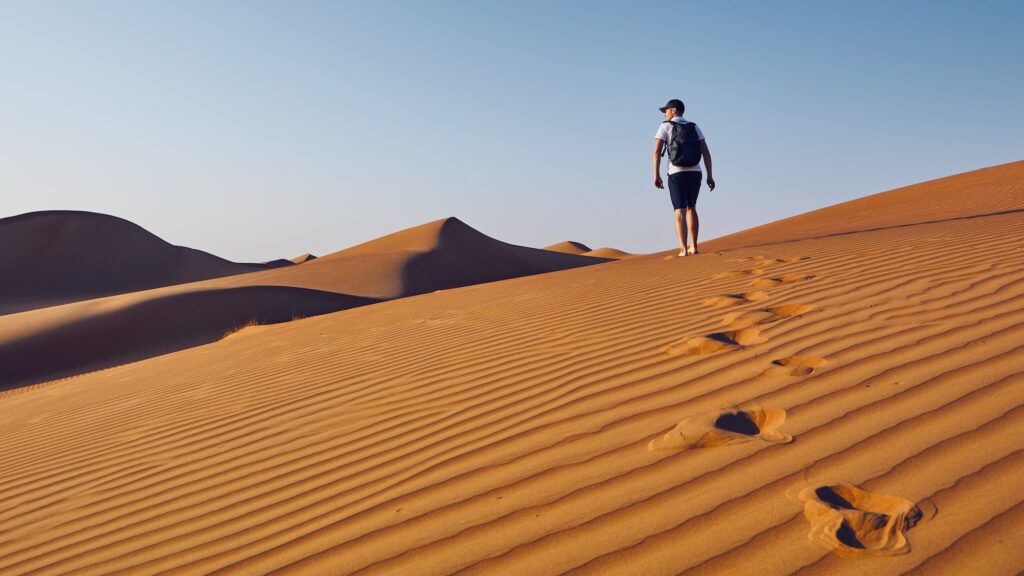
Planning Your Sandboarding Adventure
Timing significantly impacts your sandboarding experience. Egypt’s desert climate creates distinct seasonal patterns that affect both comfort and sand conditions. Winter months (December through February) provide ideal temperatures ranging from 68-75°F (20-24°C) during peak activity hours. Summer sandboarding requires early morning starts, typically beginning before 7:00 am (07:00) to avoid midday heat that can reach 104°F (40°C).
Spring and fall offer the best overall conditions with comfortable temperatures and stable wind patterns. March through May and September through November deliver perfect balance of warm days without extreme heat.
What to Bring and Expect
Successful sandboarding trips require minimal but essential preparation. Sunscreen becomes critically important due to reflected UV rays from sand surfaces – we recommend SPF 30 minimum. Plenty of water prevents dehydration during physical climbs up dunes. Lightweight, breathable clothing works best, with long sleeves actually preferred to prevent sand abrasion during falls.
Most sandboarding excursions include equipment rental, basic instruction, and transportation from major tourist centers. Full-day trips often combine boarding with other desert activities like camel riding or traditional Bedouin meals. Half-day options focus purely on the sporting experience for those with limited time.
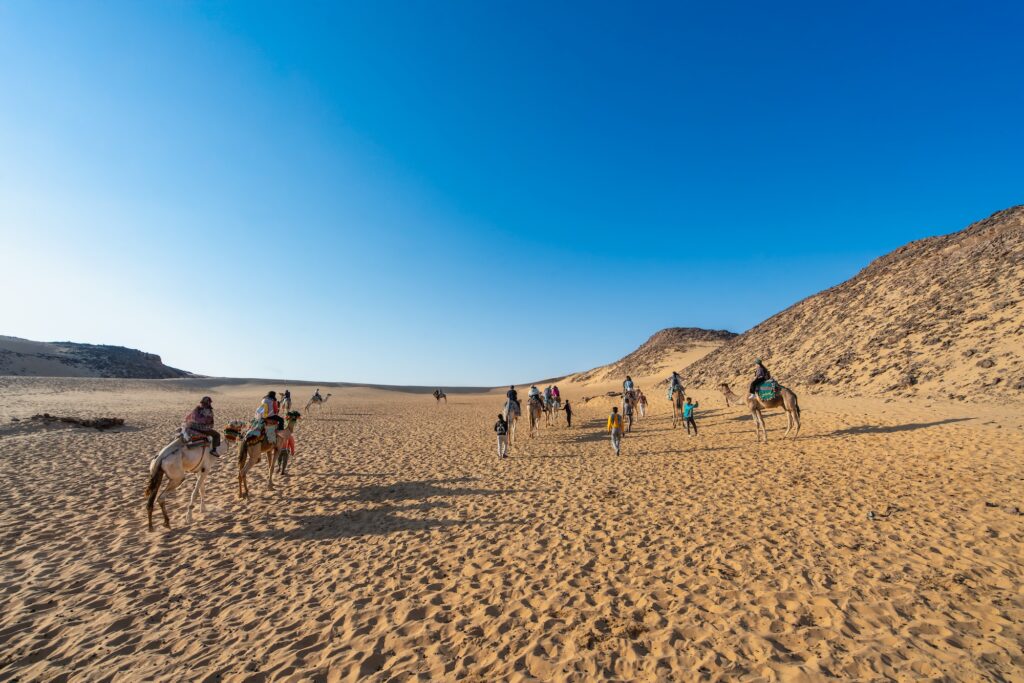
Professional photography services capture your desert adventure, though personal cameras work fine if properly protected from sand infiltration.
Sandboarding vs Traditional Desert Activities
Egypt’s deserts have hosted travelers for millennia, but sandboarding represents a modern evolution of desert tourism that appeals to adventure-seeking visitors. Traditional camel treks remain popular for their cultural authenticity and leisurely pace, offering intimate connections with desert life that has remained unchanged for centuries. Sandboarding provides immediate thrills that complement rather than replace these classic experiences.
Many travelers discover that combining both activities creates richer desert memories. Morning sandboarding sessions followed by afternoon camel rides to Bedouin camps maximize your desert time while experiencing different aspects of this remarkable environment. The physical demands differ significantly – camel riding requires no special fitness while sandboarding involves hiking up dunes between runs.
Four-wheel drive desert safaris offer yet another perspective, covering vast distances quickly to reach remote locations impossible on foot or camel. We often recommend multi-activity packages that blend all three experiences for comprehensive desert adventures.
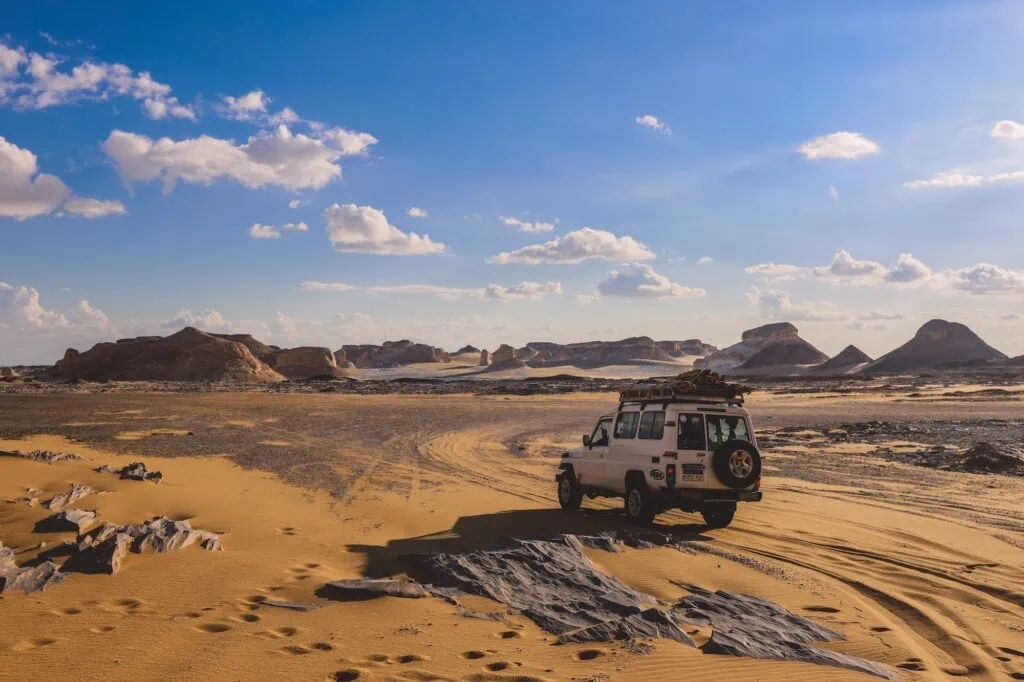
Budget considerations vary widely between activities. Sandboarding typically costs more than camel rides due to specialized equipment and instruction requirements, while safari vehicles command premium prices for their mechanical complexity and fuel consumption.
Cultural Integration Opportunities
Authentic desert experiences often include interaction with local Bedouin communities who have inhabited these regions for generations. Many sandboarding excursions incorporate traditional elements like Arabic coffee ceremonies, henna painting, and storytelling around evening campfires. These cultural additions transform simple sport activities into meaningful cultural exchanges.
Local guides share desert survival knowledge passed down through families, explaining how to read weather patterns, find water sources, and navigate by stars. This wisdom adds educational value that purely recreational activities might miss.
Safety Guidelines and Best Practices
Desert environments demand respect and proper preparation to ensure safe, enjoyable experiences. Sandboarding injuries typically involve minor scrapes from falls rather than serious trauma, but prevention remains essential for maximum enjoyment. Our guides conduct thorough safety briefings covering proper falling techniques, recognizing fatigue signs, and understanding when conditions become unsuitable for boarding.
Heat exhaustion poses the primary risk during Egyptian sandboarding. Early symptoms include excessive sweating, dizziness, and unusual fatigue that shouldn’t be ignored. Immediate shade, rest, and hydration usually resolve mild cases, but severe symptoms require professional medical attention.
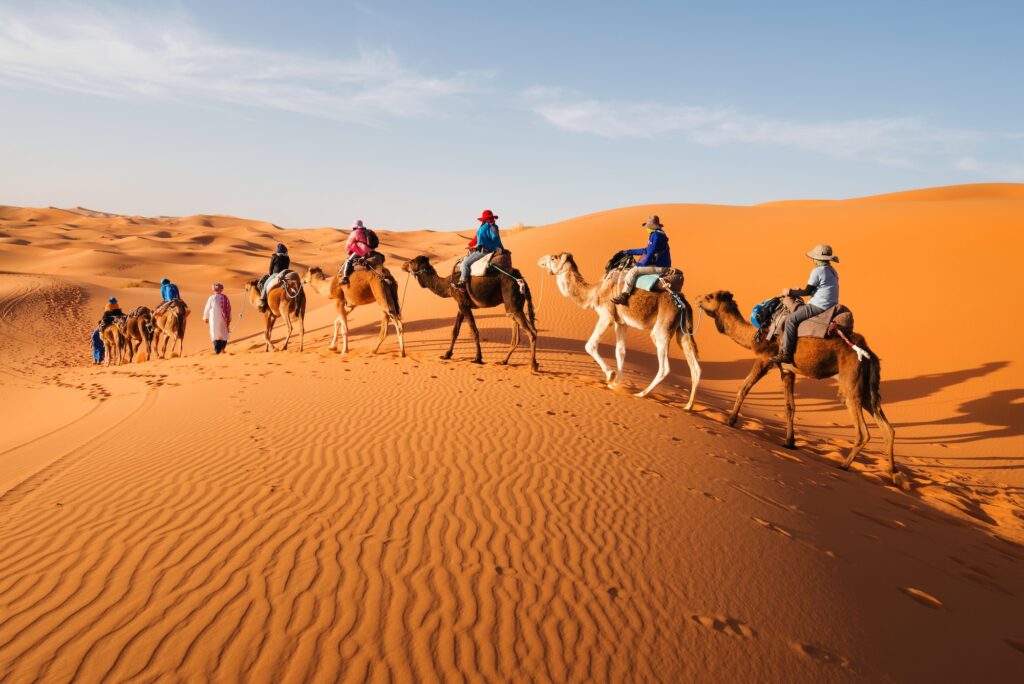
Sand can create unexpected hazards for unprepared visitors. Hot sand surfaces can burn exposed skin within minutes during summer months. Hidden rocks or vegetation beneath sand surfaces occasionally cause falls, making guided experiences safer than independent exploration.
Emergency Preparedness
Professional sandboarding operators maintain communication equipment and first aid supplies during all excursions. Cell phone coverage exists in most popular boarding areas, though signal strength varies by location and provider. Satellite communication devices provide backup options for remote locations.
Medical facilities in Fayoum and Sharm El Sheikh handle minor injuries effectively, with air evacuation available for serious emergencies. Comprehensive travel insurance should cover adventure sports activities – verify coverage before booking sandboarding excursions.
Environmental Responsibility
Protected areas like Wadi Al Rayyan and Nabq Nature Reserve require careful environmental stewardship from all visitors. Leave no trace principles apply strictly – pack out all waste, avoid disturbing wildlife, and stay within designated activity zones. These conservation efforts preserve these remarkable landscapes for future generations while maintaining the pristine conditions that make sandboarding so spectacular.
Booking Your Egyptian Sandboarding Experience
We offer comprehensive sandboarding packages designed around different experience levels and time constraints. Our most popular full-day Wadi Al Rayyan adventure includes transportation from Cairo, professional instruction, equipment rental, traditional lunch, and plenty of time for multiple runs down various dune complexes. This package works perfectly for families and groups with mixed ability levels since instructors can adapt to individual needs throughout the day.
Half-day options from Sharm El Sheikh focus on Nabq Nature Reserve’s coastal dunes, combining desert adventure with Red Sea proximity. These shorter excursions suit travelers with packed itineraries or those uncertain about their interest in extended desert activities.
Private sandboarding experiences provide maximum flexibility and personalized instruction. Dedicated guides adjust pace, difficulty, and activities based on your group’s preferences and abilities. Photography services, special dietary accommodations, and custom pickup locations become possible with private arrangements.
Group discounts apply for parties of six or more, making sandboarding affordable for family reunions or friend gatherings. Corporate team-building packages incorporate leadership exercises and group challenges that utilize the desert environment for memorable bonding experiences.
Seasonal Availability and Booking Timing
Peak season bookings (December through March) should be made 2-3 weeks in advance to guarantee preferred dates and times. Summer operations run limited schedules focused on early morning hours, requiring advance coordination with our operations team. Off-season periods often provide last-minute availability with potential discounts for flexible travelers.
Weather cancellation policies protect your investment when rare sandstorms or extreme conditions make boarding unsafe. Our team monitors forecasts continuously and communicates any necessary schedule changes promptly.
Equipment sizing information helps ensure proper fit – weight and shoe size requirements allow our team to prepare appropriate gear in advance. Special dietary restrictions or mobility concerns should be discussed during booking to arrange necessary accommodations.
Frequently Asked Questions
Sandboarding in Egypt is beginner-friendly, and no prior boarding experience is required for most desert excursions. Instructors typically provide a 15 to 30 minute safety and technique briefing before the first run, covering balance, braking, and dune positioning. Egypt’s most popular sandboarding areas, including the Great Sand Sea near Siwa Oasis and dunes around Bahariya, feature slopes suitable for both first-timers and experienced riders. Beginners usually progress faster on sand than snow because falls are softer and speeds are lower.
Sandboarding requires moderate physical effort because riders repeatedly climb soft sand dunes between descents. Most sessions involve walking uphill in desert temperatures that can exceed 90°F (32°C) from late spring through early fall, so stamina and hydration matter more than technical skill. The boarding itself is less intense than snowboarding or skiing because dunes are shorter and speeds are lower. Visitors with average fitness levels generally manage well if they pace themselves and wear lightweight clothing.
Lightweight long sleeves, breathable pants, and closed-toe shoes are the best clothing choices for sandboarding in Egypt’s desert climate. Fine desert sand can cause skin abrasion during falls, and exposed skin heats quickly under direct sun, especially in areas like the Western Desert where summer temperatures often exceed 100°F (38°C). Sunglasses with UV protection and a scarf or buff help shield against blowing sand. Avoid shorts and sandals because hot sand surfaces can become uncomfortable within minutes.
Children aged 8 and older can usually participate safely in sandboarding tours when supervised by trained guides and fitted with appropriate equipment. Younger riders are typically assigned smaller dunes and shorter runs to control speed and reduce fatigue, especially in destinations such as Siwa Oasis or Fayoum. Most operators require a parent or guardian to accompany minors throughout the activity. Morning sessions are generally more comfortable for children because desert temperatures rise rapidly after midday.
Sandboarding feels similar to snowboarding in stance and balance, but sand creates slower speeds, softer falls, and less responsive turning. Unlike snow, sand produces more friction, so riders rely less on carving and more on weight shifting to control direction. Egypt’s dunes, particularly in the Great Sand Sea near Siwa, are ideal for beginners because crashes are usually less painful than on packed snow or ice. Riders familiar with snowboarding often adapt quickly, but should expect shorter and slower descents.
Sandboarding excursions in Egypt may be delayed or rescheduled if high winds, sandstorms, or extreme heat create unsafe desert conditions. Strong desert winds can reduce visibility within minutes and destabilize dune surfaces, particularly between March and May during the khamsin wind season. Many operators avoid peak afternoon heat when temperatures approach or exceed 104°F (40°C). Egypt Tours Plus and other responsible providers prioritize guide discretion and weather monitoring over fixed departure schedules.
Most sandboarding experiences in Egypt last between 6 and 8 hours, including transportation, instruction, meals, rest stops, and multiple dune runs. Trips departing from Cairo to Fayoum Oasis or Bahariya Oasis often involve 2 to 4 hours of round-trip driving in addition to activity time on the dunes. Actual boarding time is usually spread across several shorter sessions to avoid exhaustion in desert heat. Early morning departures provide cooler temperatures and smoother sand conditions.
Most sandboarding operators in Egypt require participants to be at least 8 years old and under approximately 250 pounds (113 kg) for safety and equipment performance reasons. Sandboards are designed to glide efficiently under a certain weight range, and heavier riders may experience reduced control or higher strain during stops. Age minimums also help ensure children can follow safety instructions and handle dune climbs independently. Travelers with mobility limitations should confirm terrain conditions before booking.
Standard sandboarding tour packages in Egypt typically include round-trip transportation, sandboards, safety instruction, guide services, and light refreshments or meals. Full-day excursions from Cairo to Fayoum or Bahariya often also include 4×4 desert transfers, bottled water, and access to nearby natural attractions such as Wadi El Rayan or the Black Desert. Protective gear availability varies by operator, so travelers should confirm details before departure. Sunscreen, sunglasses, and extra water are strongly recommended even on guided trips.
Travelers can bring personal sandboarding equipment to Egypt, although many operators recommend using locally provided boards designed for desert dune conditions. Sand behaves differently from snow and creates higher friction, so boards often require specialized waxes and base materials to maintain glide performance. Airlines may also charge oversized baggage fees for boards exceeding standard luggage dimensions. Visitors planning only one or two sessions usually find rental equipment more practical and easier for transport logistics.
Sandboarding tours in Egypt are best booked 2 to 3 weeks in advance during peak travel months from October through April. Cooler desert temperatures and stronger international tourism demand make prime morning departures and private 4×4 vehicles harder to secure on short notice, especially around holidays and winter weekends. Popular destinations such as Fayoum and Siwa also have limited guide availability during peak season. Booking early generally provides better timing options and smoother transportation coordination.
Sandboarding generally creates less impact than many board sports because sand cushions falls and speeds remain relatively low on most Egyptian dunes. However, people with chronic back pain, spinal injuries, or recent surgeries should consult a physician before participating because repeated dune climbs and awkward falls can still strain the lower back. Most descents last under a minute, but the physical effort comes from walking uphill through soft sand. Beginners should avoid steep dunes until they understand balance and stopping techniques.
Design Your Private Western Desert Adventure
Travel with your own expert guide, private 4×4 vehicle, and a route tailored to you.