

Citadel Of Qaitbay – A Centuries Old Islamic Fortress
Standing guard where the Mediterranean meets Alexandria’s ancient harbor, the Citadel of Qaitbay rises from waters that once reflected the legendary Pharos Lighthouse.
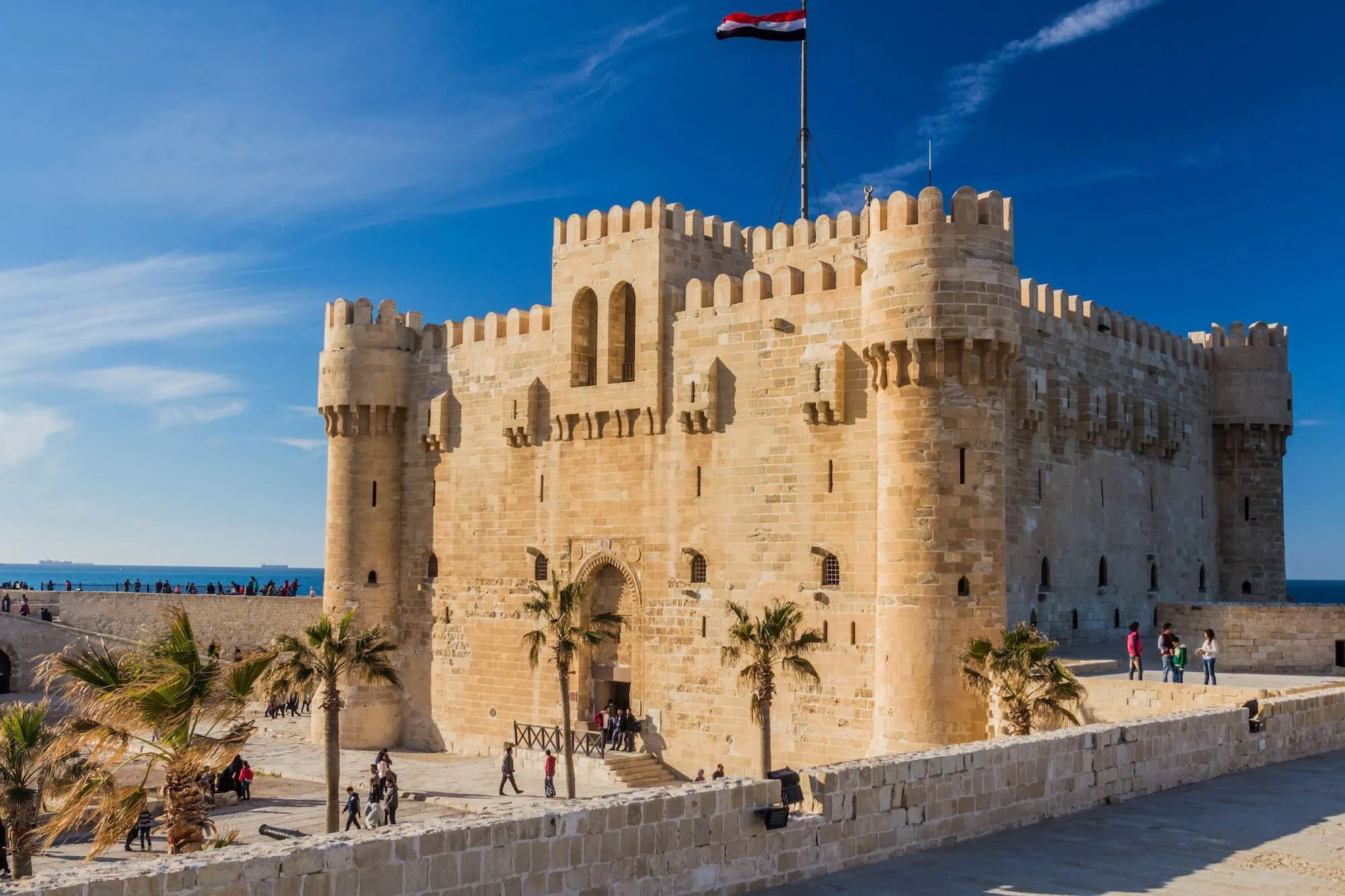
Built in the late 15th century by Sultan Al-Ashraf Sayf al-Din Qaitbay, this formidable fortress represents one of Egypt’s most perfectly preserved examples of Mamluk military architecture. The citadel’s limestone walls incorporate stones from the fallen Lighthouse of Alexandria, creating a tangible bridge between ancient wonder and Islamic defensive mastery. Today, this remarkable structure draws visitors from around the world, offering breathtaking Mediterranean views alongside fascinating glimpses into Egypt’s layered maritime history.
We’ve explored every corner of this magnificent citadel during our decades of guiding travelers through Alexandria’s treasures, and we’re excited to share the stories that bring these ancient stones to life.
Table of Contents
Historical Foundation and Mamluk Legacy
The year 1477 marked a turning point for Alexandria’s defenses. Sultan Qaitbay, ruler of the Burji Mamluk dynasty from 1468 to 1496, commissioned this fortress on Pharos Island’s strategic northeastern tip.
Strategic Timing and Purpose
The timing wasn’t coincidental. Growing Ottoman naval power in the eastern Mediterranean demanded stronger coastal fortifications. Alexandria, Egypt’s premier Mediterranean port, needed protection against potential naval attacks from both Ottoman fleets and European powers seeking eastern trade routes.
The citadel’s location capitalized on natural defensive advantages. Pharos Island’s position at the Eastern Harbour’s entrance provided commanding views across approaching sea lanes. Ships entering Alexandria’s harbor had to pass directly under the fortress’s watchful guns.
Construction Using Ancient Materials
What makes this fortress truly unique lies beneath its medieval Islamic architecture. The 1303 earthquake that toppled the ancient Lighthouse of Alexandria left behind massive limestone blocks and granite columns. Rather than clearing this rubble, Qaitbay’s architects incorporated these ancient stones into their new defensive structure.
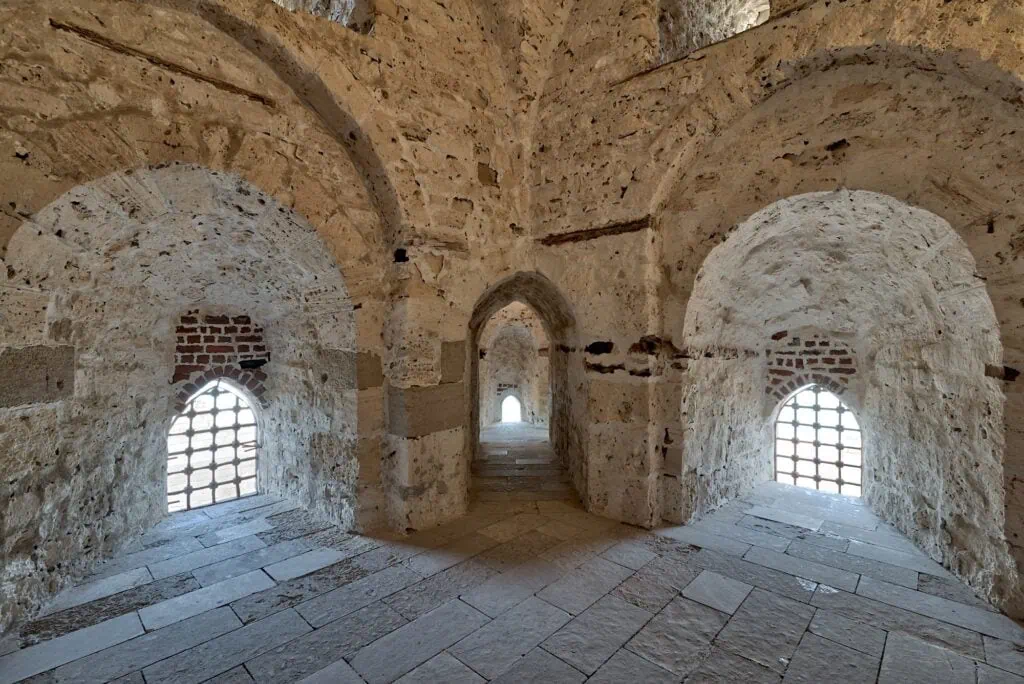
Walking through the citadel today, visitors can spot granite columns from the Pharos Lighthouse embedded in the fortress walls. These repurposed materials connect two remarkable periods of human achievement across more than a thousand years.
Mamluk Architectural Innovation
The Burji Mamluk period produced some of Islam’s finest military architecture. Qaitbay himself commissioned numerous building projects throughout his realm, but the Alexandria citadel represents his most ambitious coastal fortification.
The fortress follows classic Mamluk defensive principles while adapting to its unique maritime setting. Thick limestone walls rise 17 meters (56 feet) above sea level, with carefully positioned defensive towers providing overlapping fields of fire across the harbor approaches.
Architectural Design and Defensive Features
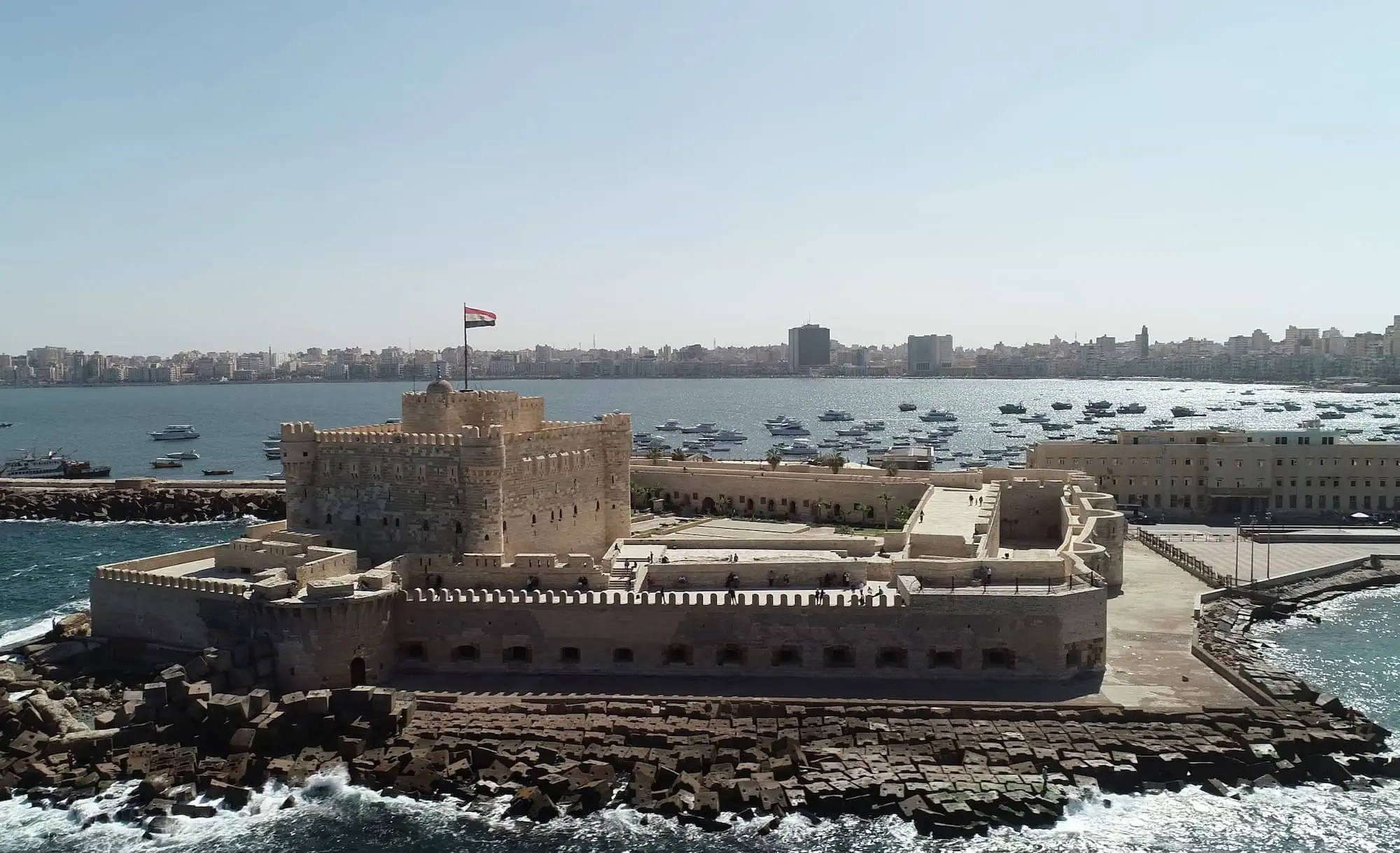
The Citadel of Qaitbay showcases sophisticated 15th-century military engineering through its square fortress design measuring approximately 150 by 130 meters (492 by 427 feet).
Main Tower and Central Courtyard
The fortress centers around its imposing main tower, positioned at the northwestern corner to maximize surveillance over the Mediterranean Sea. This 30-meter (98-foot) structure dominates both the citadel’s interior courtyard and the surrounding seascape. The tower’s strategic placement allows defenders to monitor ship movements from multiple directions while maintaining communication with Alexandria’s mainland fortifications.
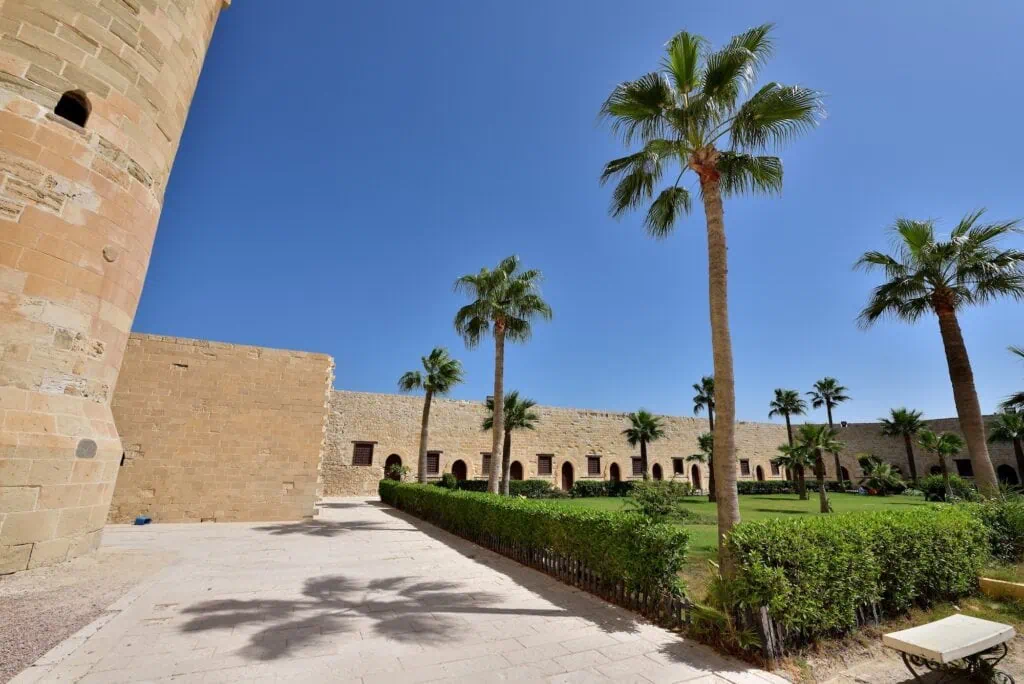
Inside the central courtyard, visitors discover a surprisingly peaceful space considering the fortress’s military purpose. The courtyard served multiple functions during active periods: troop assembly, equipment storage, and even religious observances at the small mosque built within the fortress walls.
Defense Towers and Wall Systems
Four corner towers anchor the citadel’s defensive perimeter, each designed with specific tactical advantages. The limestone construction incorporates defensive innovations common to Mamluk military architecture, including narrow arrow slits positioned at varying heights to accommodate different weapons and shooting angles.
The outer walls integrate defense towers at regular intervals, creating overlapping zones of protection around the fortress perimeter. These towers housed artillery positions during later periods when gunpowder weapons became standard for coastal defense.
Interior Spaces and Functional Areas
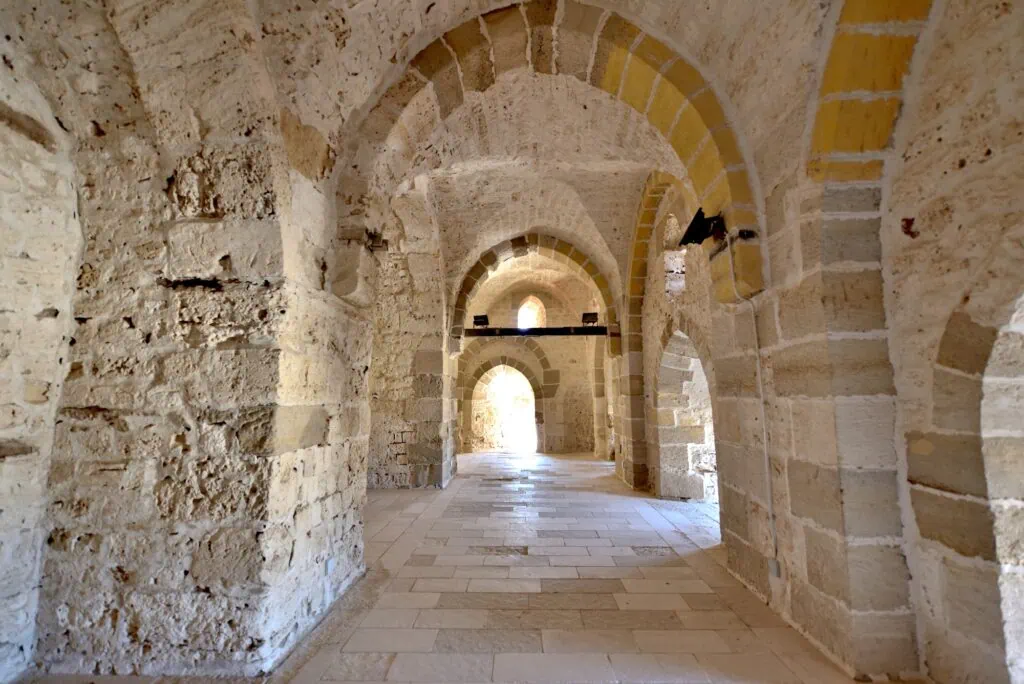
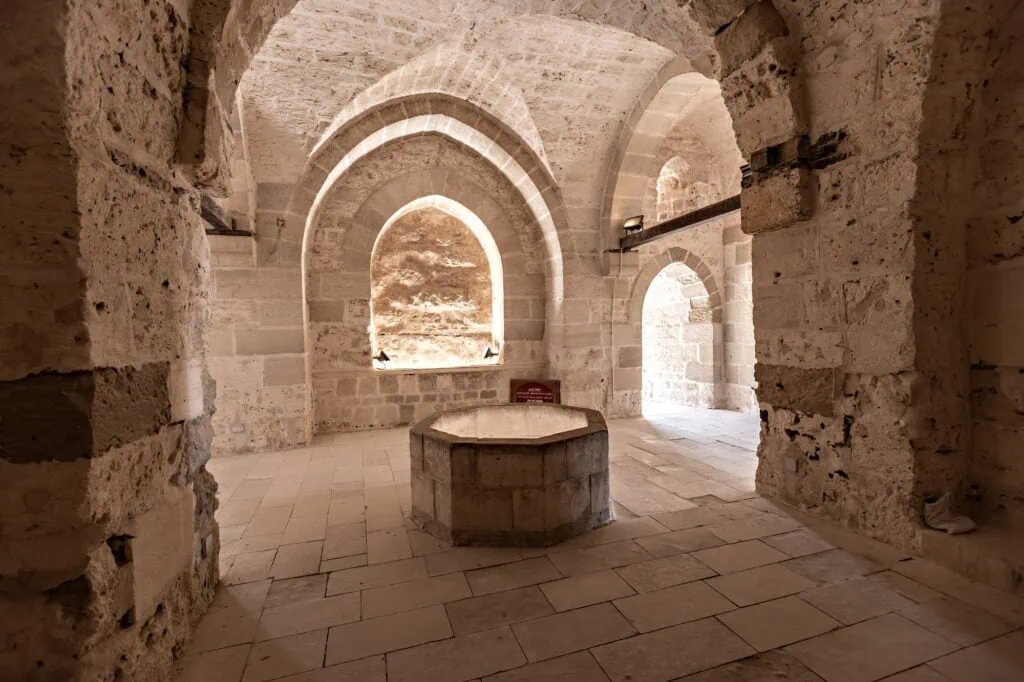
Beyond its defensive capabilities, the citadel contained extensive living and working spaces for its garrison. Barracks accommodated permanent troops, while storage rooms held supplies for extended sieges. Underground chambers provided cool storage for fresh water and food supplies crucial during maritime blockades.
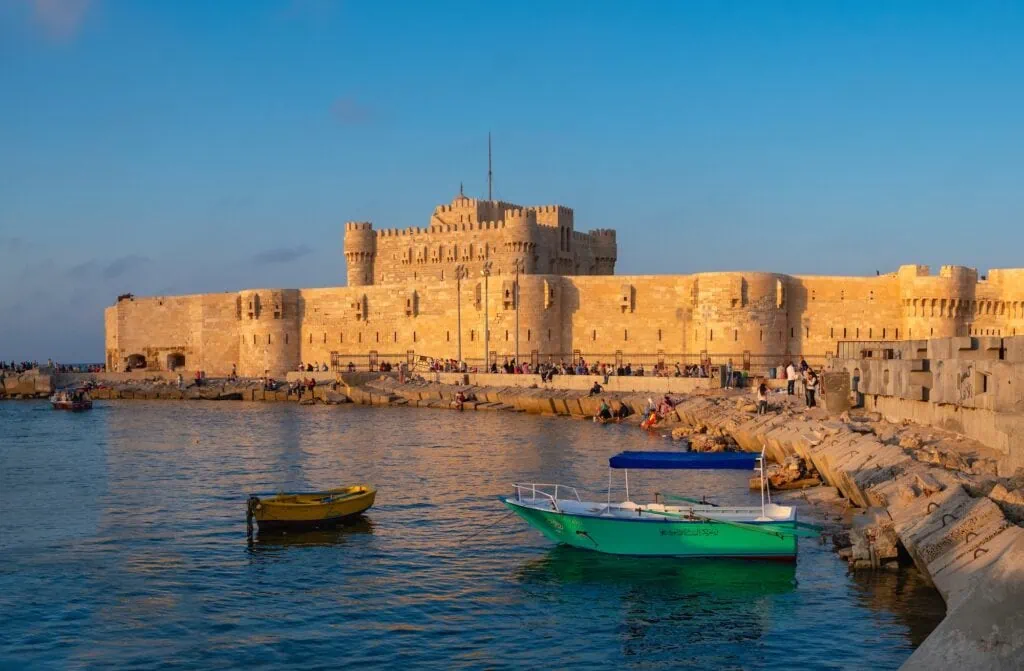
The fortress design reflects practical military needs alongside the period’s architectural aesthetics. Rooms feature high ceilings and thick walls that provided insulation against both Mediterranean heat and potential enemy bombardment.
Connection to Ancient Lighthouse
The relationship between Qaitbay’s fortress and the lost Lighthouse of Alexandria creates one of history’s most poignant examples of architectural continuity.
For over 1,600 years, the Pharos Lighthouse guided ships safely into Alexandria’s harbor. Standing approximately 130 meters (427 feet) tall, this wonder of the ancient world served both practical navigation and symbolic purposes as a testament to Ptolemaic engineering prowess. The lighthouse survived Roman occupation, Byzantine rule, and the early Islamic conquest of Egypt.
However, a series of earthquakes between the 10th and 14th centuries gradually weakened the massive structure. The devastating 1303 earthquake finally brought down the remaining sections, leaving behind enormous blocks of limestone and granite scattered across Pharos Island’s eastern shore.
When Sultan Qaitbay’s architects arrived in 1477, they discovered valuable building materials already quarried and shaped by ancient craftsmen. The practical decision to incorporate these stones into the new fortress created an unintended monument to historical continuity. Visitors today can identify ancient masonry techniques alongside medieval Islamic stonework, creating a fascinating dialogue between two architectural traditions separated by more than a millennium.
The symbolic significance extends beyond mere construction materials. Both structures served as beacons for maritime travelers: the ancient lighthouse through its guiding flame, the medieval citadel through its protective presence. This functional continuity reflects Alexandria’s enduring role as the Mediterranean’s gateway to Egypt.
Tourist Experience and Practical Information
Visiting Hours and Access
The Citadel of Qaitbay welcomes visitors daily from 9:00 am (09:00) to 8:00 pm (20:00), providing ample opportunity to explore both daytime architectural details and evening Mediterranean views. Current ticket prices stand at EGP 200 for international visitors and EGP 100 for Egyptian citizens, with additional fees for photography permits in certain interior areas.
Access requires a short walk across the causeway connecting Pharos Island to Alexandria’s Corniche. The approach itself offers excellent photography opportunities as the fortress grows more impressive with each step closer.
Panoramic Views and Photography
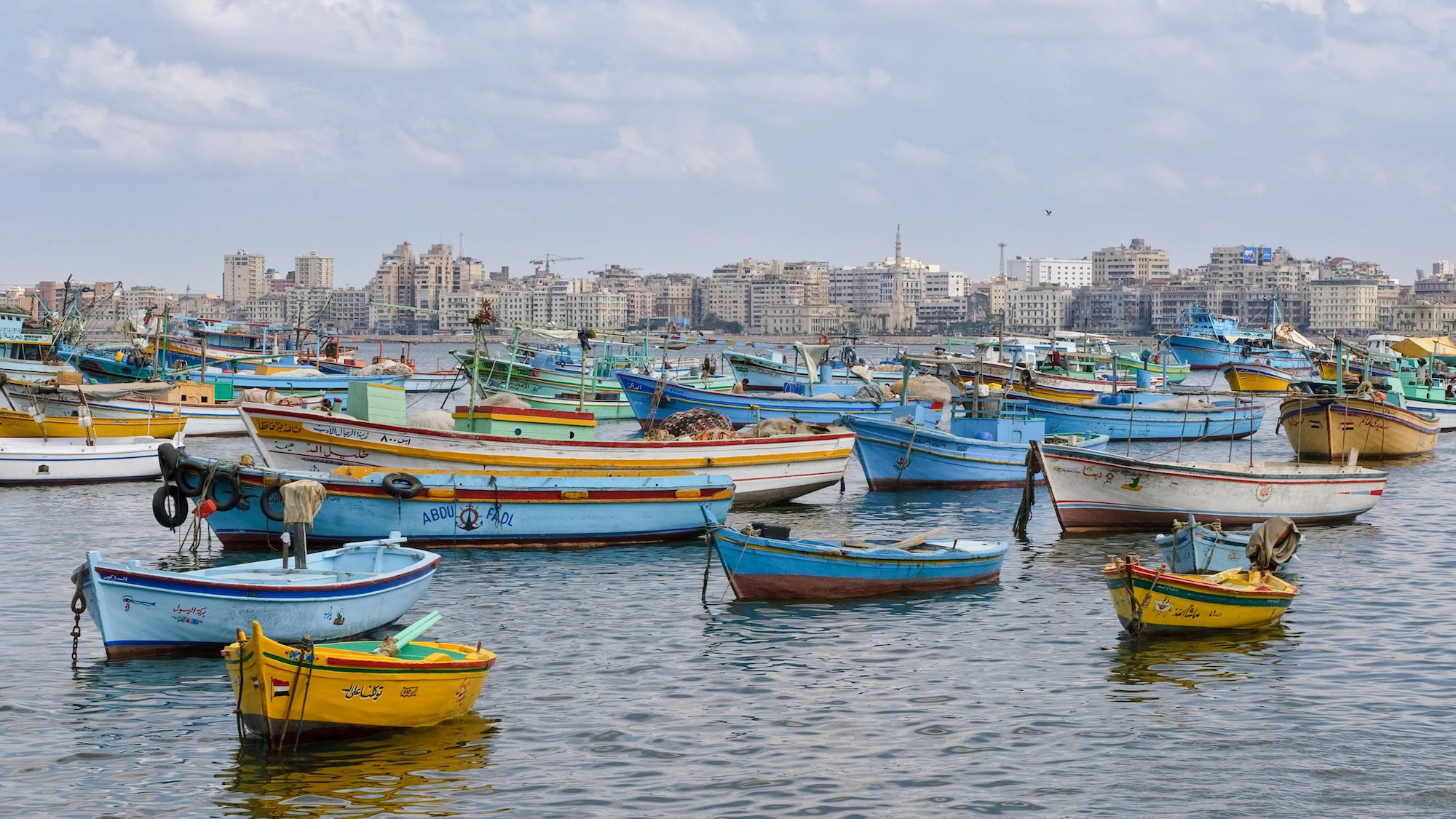
The citadel’s elevated position provides some of Alexandria’s most spectacular Mediterranean vistas. From the main tower’s upper levels, visitors can survey the Eastern Harbour, observe local fishing boats, and capture sunset photographs across the sea toward Europe.
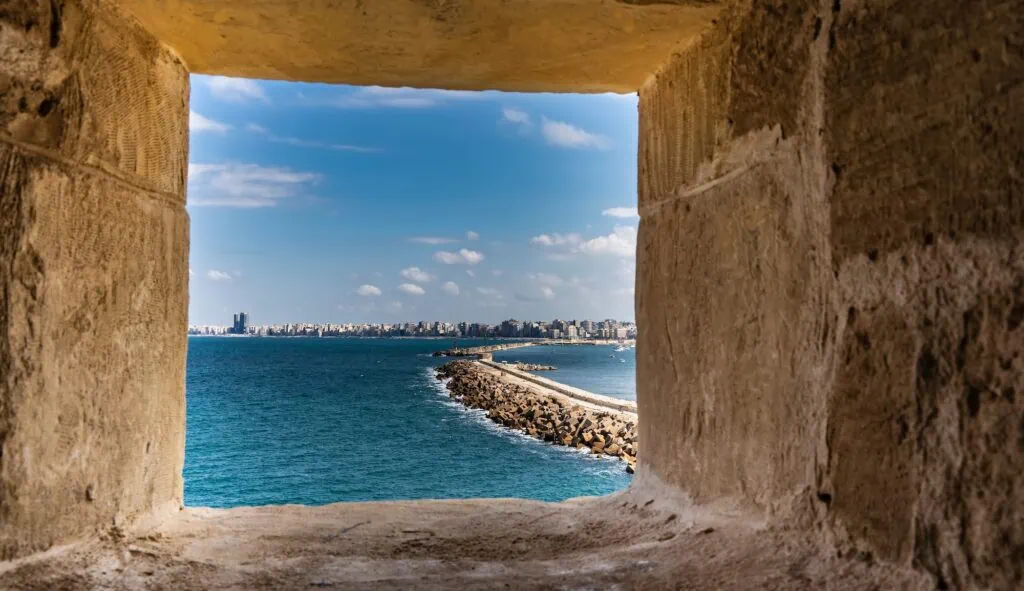
The fortress walls offer multiple vantage points for different photographic interests. Architecture enthusiasts focus on the detailed stonework and defensive features, while landscape photographers prefer the sweeping harbor views and dramatic sky compositions possible from the outer ramparts.
Guided Exploration Options
We recommend allowing at least 2-3 hours for thorough exploration, though photography enthusiasts often spend entire afternoons capturing the changing light conditions across the fortress walls. Our expert guides provide detailed explanations of the architectural features, historical context, and stories behind the ancient stones incorporated into the medieval structure.
The interior mosque, storage chambers, and defensive positions each tell different aspects of the citadel’s long history. Professional guides help visitors understand both the military engineering and daily life aspects of this remarkable fortress.
Restoration and Modern Conservation
The Citadel of Qaitbay has benefited from significant conservation efforts designed to preserve its architectural integrity while accommodating modern tourism needs.
Major restoration work completed in 2003 addressed structural concerns while maintaining historical authenticity. Conservation specialists carefully documented original construction techniques before beginning repair work, ensuring that new materials complemented rather than replaced the fortress’s historic character.
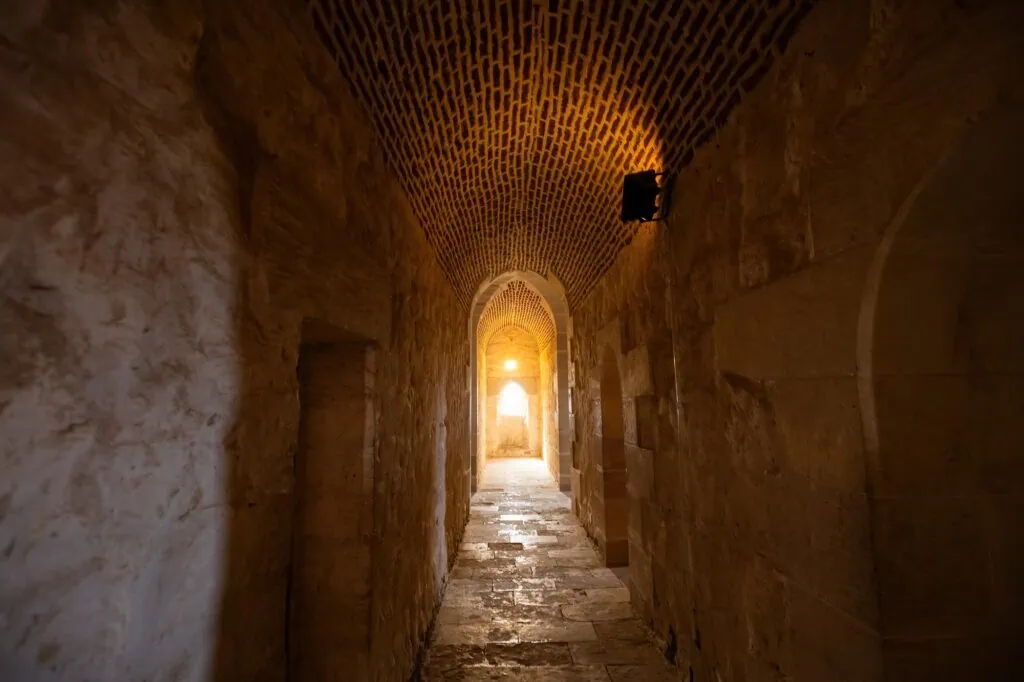
The limestone walls required particular attention due to centuries of Mediterranean salt air exposure. Specialized cleaning techniques removed accumulated grime while preserving the original surface textures that provide crucial historical evidence about construction methods.
Modern visitor facilities integrate discreetly with the medieval architecture. Lighting systems illuminate key architectural features during evening hours without compromising the fortress’s historical atmosphere. Safety railings and access paths follow routes that minimize impact on original stonework.
The Egyptian Ministry of Tourism and Antiquities continues monitoring the site’s condition, with regular assessments ensuring long-term preservation. These efforts balance heritage protection with accessibility, allowing future generations to experience this remarkable connection between ancient and medieval Egyptian achievement.
Strategic Importance Through History
The fortress served crucial defensive functions throughout several historical periods, adapting to changing military technologies and political circumstances.
Ottoman Period Adaptations
When Ottoman forces conquered Egypt in 1517, they recognized the citadel’s continued strategic value. Ottoman military engineers modified gun emplacements to accommodate newer artillery designs while maintaining the fortress’s basic defensive structure.
The citadel played important roles during various Mediterranean conflicts throughout the 16th and 17th centuries. Its position allowed monitoring of European naval activities while protecting Alexandria’s commercial traffic from piracy and military raids.
19th Century Military Actions
The 1882 British bombardment of Alexandria dramatically demonstrated the citadel’s strategic importance. British naval forces targeted the fortress specifically because of its commanding position over the harbor. While the bombardment caused significant damage, the robust medieval construction survived better than many newer defensive installations.
This period marked the transition from traditional coastal defense to modern naval warfare. The citadel’s thick walls, designed for medieval siege engines, proved surprisingly effective against 19th-century naval artillery.
Modern Heritage Recognition
Today, the Citadel of Qaitbay ranks among Alexandria’s premier tourist destinations, receiving international recognition for its historical significance and architectural achievement. The site represents one of Egypt’s best-preserved examples of Mamluk military architecture and continues serving as a symbol of Alexandria’s enduring maritime heritage.
Planning Your Visit to Alexandria
Visiting the Citadel of Qaitbay offers an excellent introduction to Alexandria’s rich historical layers, from ancient wonders to Islamic architectural achievement.
The fortress pairs perfectly with other Alexandria attractions, creating full-day exploration opportunities. Many visitors combine the citadel with nearby sites like the Alexandria Library, the Roman Amphitheatre, and the Catacombs of Kom el Shoqafa.
Transportation from Cairo takes approximately 2.5 hours by car, making comfortable day trips possible. However, we recommend overnight stays in Alexandria to fully appreciate the city’s Mediterranean atmosphere and evening coastal charm.
Our private guided tours include expert commentary about the fortress’s architectural features, historical significance, and connections to Alexandria’s ancient heritage. Professional drivers ensure comfortable transportation while our guides provide insights unavailable to independent visitors.
The citadel’s compact size and well-preserved condition make it accessible for most fitness levels, though the main tower climb requires moderate physical ability. The views from the top levels reward the effort with unforgettable Mediterranean panoramas.
Step Into History At The Citadel Of Qaitbay
Set along Alexandria’s Mediterranean coastline, the Citadel of Qaitbay blends history, sea views, and timeless atmosphere in one unforgettable setting. With Egypt Tours Plus, we seamlessly include this iconic landmark in a private journey that connects Alexandria’s coastal charm with Egypt’s most renowned cultural and historical highlights.
You choose your travel dates, your pace, and the experiences that shape your route. From vibrant city exploration to ancient wonders and comfortable stays, we tailor every detail around your preferences—ensuring a smooth, refined, and deeply personal travel experience from start to finish.
Frequently Asked Questions
Most visitors should allow 2 to 3 hours to fully explore the Citadel of Qaitbay, including the central tower, defensive walls, sea-facing ramparts, and photography stops overlooking the Mediterranean. The fortress contains multiple interior chambers and elevated viewpoints that require stair climbing and slow exploration. Travelers combining the citadel with nearby attractions like the Bibliotheca Alexandrina or Pompey’s Pillar often dedicate a full day to Alexandria sightseeing. Arriving early in the morning helps avoid midday heat and tour-group congestion.
Late afternoon and sunset provide the best photography conditions at the Citadel of Qaitbay because the western Mediterranean light highlights the fortress’s limestone walls and sea-facing ramparts. Between approximately 4:00 pm and sunset, softer golden light improves architectural detail and reduces harsh coastal glare common during midday hours. Morning visits also work well for clearer skies and smaller crowds, especially in winter months. Photographers seeking panoramic harbor shots should prioritize rooftop viewpoints before sunset.
Yes, the Citadel of Qaitbay is commonly visited as a day trip from Cairo, with road travel typically taking around 2.5 to 3.5 hours each way depending on traffic conditions. Many travelers combine the fortress with the Catacombs of Kom El Shoqafa, the Alexandria National Museum, and the Bibliotheca Alexandrina in a single itinerary. While a same-day return is practical, overnight stays allow more relaxed exploration of Alexandria’s Mediterranean atmosphere. Early departures from Cairo maximize sightseeing time at the coast.
Yes, historians and archaeologists widely believe the Citadel of Qaitbay incorporates stone blocks and granite elements salvaged from the ruins of the ancient Pharos Lighthouse of Alexandria. Sultan Al-Ashraf Qaitbay constructed the fortress in 1477 CE directly on the lighthouse’s original foundation at the entrance to Alexandria’s Eastern Harbor. Reusing materials from older monuments was common in medieval construction throughout Egypt. This physical connection makes the citadel one of the few places directly linked to an original Seven Wonders of the Ancient World.
The Citadel of Qaitbay offers partial accessibility, with ground-level courtyards and some exterior pathways manageable for visitors with limited mobility, but upper towers and ramparts require climbing uneven stone staircases. The fortress was designed as a 15th-century military structure, so elevators and modern accessibility infrastructure are limited. Visitors using mobility aids may still enjoy sea views and exterior architecture from lower sections of the site. Morning visits are generally more comfortable because temperatures and crowd levels remain lower.
The Citadel of Qaitbay is unique because it combines medieval Islamic military architecture with direct physical connections to the ancient Pharos Lighthouse, one of the Seven Wonders of the Ancient World. Built in 1477 CE by Sultan Qaitbay, the fortress stands exactly where the lighthouse once guided ships into Alexandria’s harbor for centuries. Few Egyptian monuments connect pharaonic, Greco-Roman, and Islamic history so visibly in a single structure. Its coastal setting also distinguishes it from Egypt’s inland temples and desert monuments.
Professional guides are strongly recommended at the Citadel of Qaitbay because much of the fortress’s historical significance is not immediately obvious without expert interpretation. Guides explain the military engineering, Ottoman and Mamluk defensive features, and the site’s direct connection to the ancient Lighthouse of Alexandria. They also help visitors navigate hidden viewpoints, upper towers, and lesser-known architectural details inside the complex. Travelers interested in Alexandria’s layered Greek, Roman, and Islamic history gain substantially more context through guided visits.
Yes, the Citadel of Qaitbay combines easily with several major Alexandria attractions located within a relatively compact coastal area. Popular pairings include the Bibliotheca Alexandrina approximately 4 km away, the Roman Amphitheatre at Kom El-Dikka, Pompey’s Pillar, and the Catacombs of Kom El Shoqafa. A full-day itinerary allows visitors to experience Alexandria’s Greco-Roman, Islamic, and modern heritage in one trip. Combining sites also reduces transportation time across the city’s often congested waterfront roads.
Visitors to the Citadel of Qaitbay should bring comfortable walking shoes, sun protection, water, and a camera suitable for bright coastal conditions. The fortress includes uneven stone surfaces, narrow stairways, and open ramparts exposed to Mediterranean sunlight and sea winds. Lightweight clothing works well during warmer months, though winter sea breezes can become surprisingly cool near sunset. Travelers planning extended photography sessions should arrive earlier in the day to avoid harsh midday glare reflecting off limestone walls and the harbor.
Yes, the Citadel of Qaitbay operates year-round and is generally open daily from approximately 9:00 am to 8:00 pm, though schedules can vary slightly during public holidays or special events. Alexandria’s mild Mediterranean climate makes the fortress accessible throughout all seasons, unlike some Upper Egypt sites affected by extreme summer heat. Winter months from October through April usually provide the most comfortable touring conditions. Arriving earlier in the day often means cooler temperatures and shorter ticket lines.
The Citadel of Qaitbay is directly connected to Alexandria’s ancient history because it was constructed on the exact site of the legendary Pharos Lighthouse, one of the Seven Wonders of the Ancient World. Sultan Qaitbay built the fortress in the late 15th century using surviving foundations and likely recycled masonry from the collapsed lighthouse ruins. This continuity links the city’s Greco-Roman maritime heritage with its later Islamic defensive architecture. Few historical sites in Egypt preserve such a visible overlap between ancient and medieval civilizations.
International visitors currently pay approximately EGP 200 for entry to the Citadel of Qaitbay, although prices can change periodically under Egypt’s Ministry of Tourism and Antiquities policies. Additional fees may apply for professional photography equipment, commercial filming, or special access permissions inside restricted areas. Students carrying valid international identification sometimes receive discounted admission rates. Travelers should carry small cards or local currency because payment procedures and accepted methods occasionally vary at Alexandria archaeological sites.

Design Your Custom Tour
Explore Egypt your way by selecting only the attractions you want to visit