

New Library of Alexandria – More than a Stunning World of Books
Ancient Alexandria once housed the world’s greatest collection of knowledge. The Bibliotheca Alexandrina stands today as Egypt’s most ambitious cultural project, rising from the Mediterranean coastline where scholars once gathered to unlock the mysteries of human civilization.
This remarkable institution serves as both a tribute to the legendary Library of Alexandria and a cutting-edge center for learning that bridges past and future. Built through unprecedented international collaboration, the modern library represents a bold vision of knowledge preservation and cultural exchange in the 21st century.
We’ve witnessed firsthand how this architectural marvel transforms visitors’ understanding of both ancient Egyptian heritage and contemporary intellectual achievement.
Table of Contents
Architectural Marvel on the Mediterranean Coast
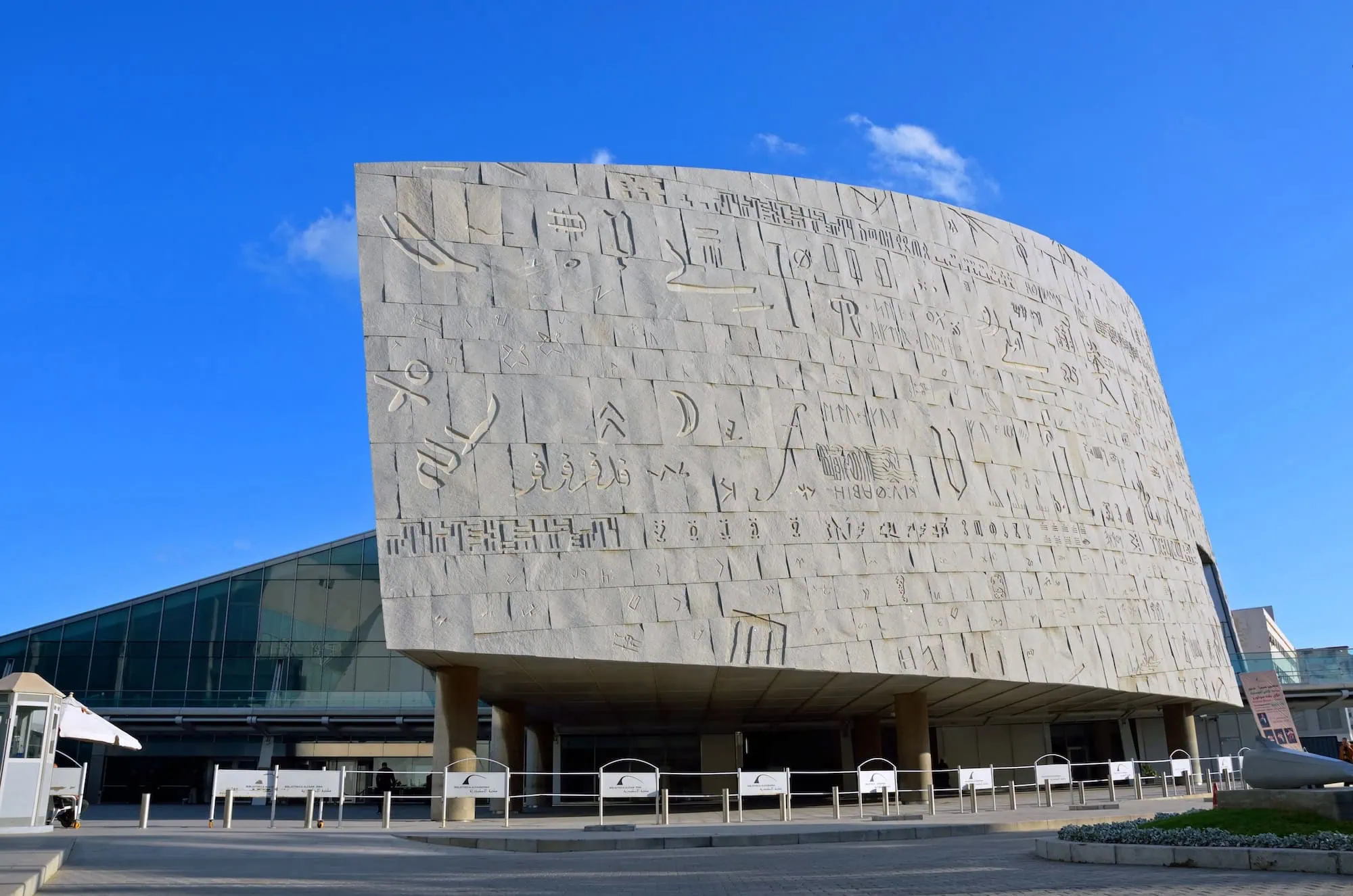
The building’s circular form tilts dramatically toward the Mediterranean Sea like a massive sundial marking humanity’s journey through time. Norwegian architectural firm Snøhetta won an international competition in 1989, beating 524 entries from 77 countries with their revolutionary design.
The structure spans 160 meters in diameter, its 32-meter glass-panelled roof reflecting Alexandria’s maritime heritage. Hand-carved granite walls from Aswan showcase 4,000 unique characters from writing systems across the globe, creating the world’s largest facade artwork dedicated to human communication.
Construction required 12 years to complete, overcoming significant archaeological challenges as builders uncovered ancient artifacts beneath the site. The architects deliberately positioned the building to echo the cyclical nature of knowledge, with its tilted form suggesting both a rising sun and the eternal pursuit of wisdom.
Engineering Innovation Meets Cultural Symbolism
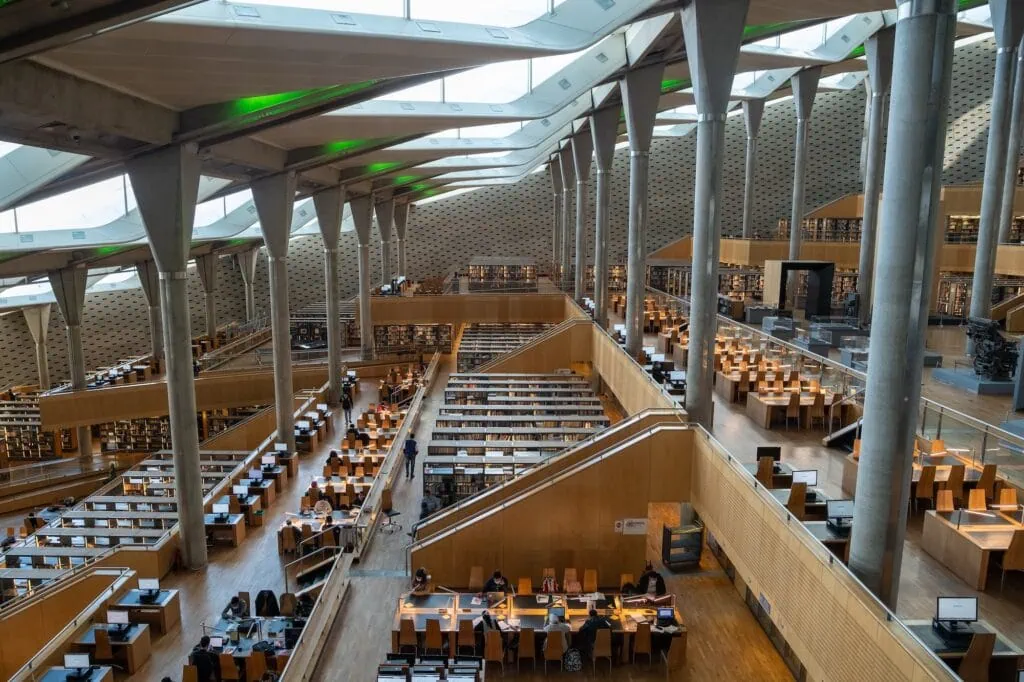
The terraced interior design reduces book retrieval time while maximizing natural light distribution. Engineers incorporated 80% locally produced materials, demonstrating environmental consciousness alongside cultural pride.
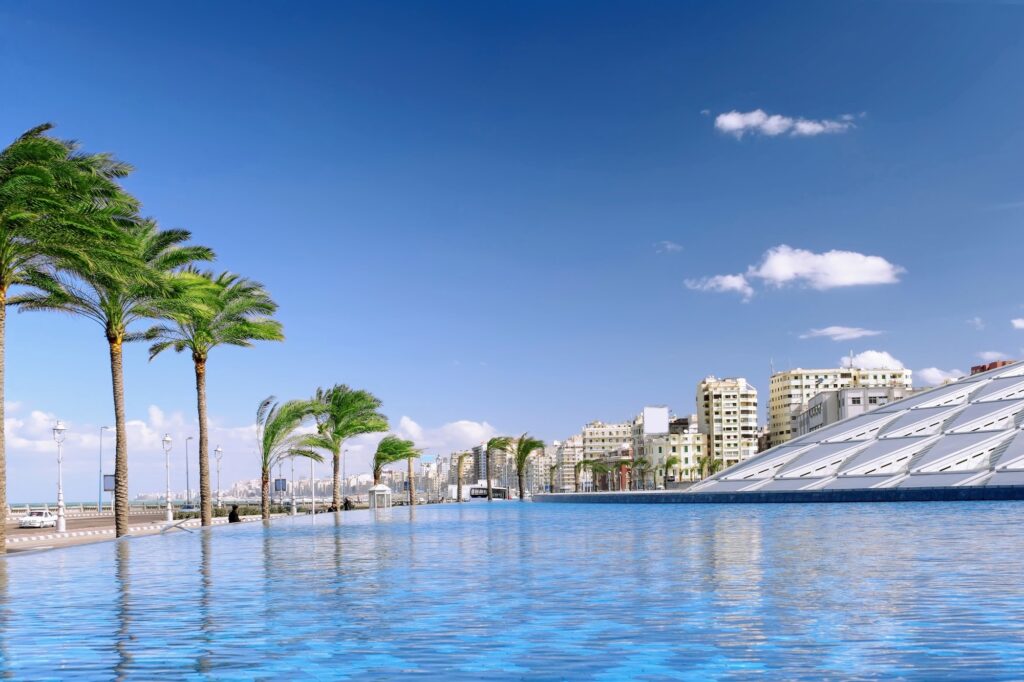
Water basins surrounding the structure provide natural cooling, while the granite walls offer thermal massing that regulates interior temperatures year-round.
International Collaboration in Action
UNESCO partnership enabled the ambitious vision to become reality through coordinated global fundraising. Multiple countries contributed expertise, materials, and funding, making this project a testament to international cultural cooperation. The Norwegian design team worked closely with Egyptian engineers and international consultants to ensure the structure honored local traditions while embracing modern functionality.
World-Class Library Facilities and Collections
Digital innovation transforms how visitors access millions of resources spanning multiple languages and formats. The main reading room covers 20,000 square meters, making it the world’s second-largest open reading area. Shelf space accommodates eight million books, while specialized collections serve diverse academic and cultural communities.
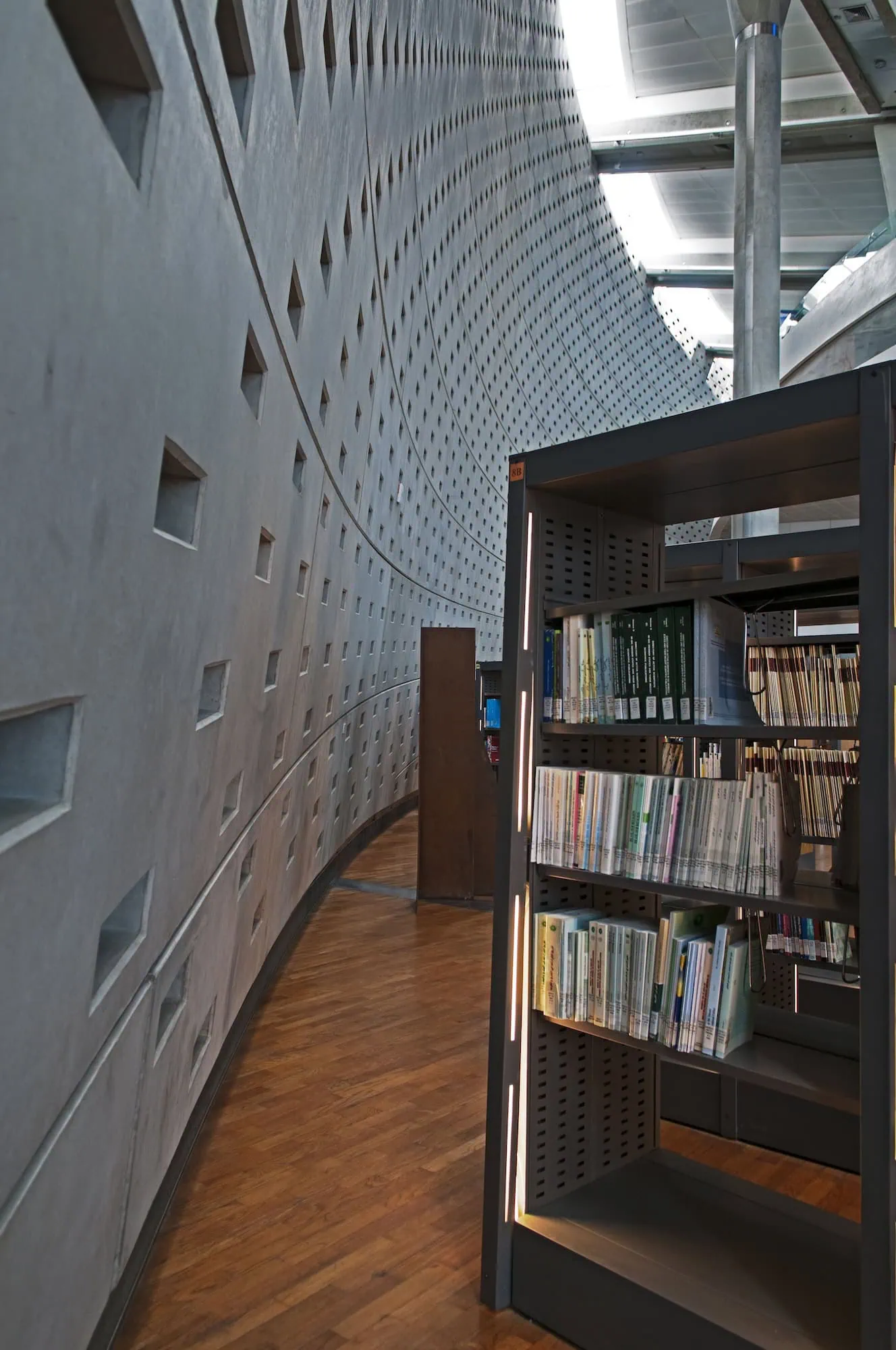
The Arts Multimedia Library, Children’s Library, and Young People’s Library each offer tailored resources and environments designed for specific user groups.
Specialized Research Centers
Manuscripts Center preserves invaluable historical documents using cutting-edge conservation techniques. CULTNAT digitizes Egyptian heritage, while the Alexandria Mediterranean Research Center focuses on regional studies. The Francophone Library maintains strong connections with French-speaking intellectual traditions, housing over 500,000 books donated by the Bibliothèque nationale de France.
Digital Assets Repository
The library’s digital collections include the Memory of Modern Egypt project, Vista database, and partnerships with Internet Archive. These initiatives ensure global access to Egyptian cultural heritage while supporting international research collaboration. Digital preservation efforts protect vulnerable historical materials from deterioration and political instability.
Cultural Programming and Educational Mission
Four museums operate within the complex, each highlighting different aspects of Mediterranean civilization and scientific achievement. Exhibition spaces regularly host world-class displays covering archaeology, manuscripts, science, and contemporary art. The Planetarium Science Center engages visitors with immersive astronomical experiences, while conference facilities accommodate international academic gatherings and cultural events.
Research grants support scholarly projects across multiple disciplines. Educational programs serve local schools, universities, and international academic institutions. The library’s publishing arm produces materials in English, French, and Arabic, ensuring multilingual access to research findings and cultural documentation.
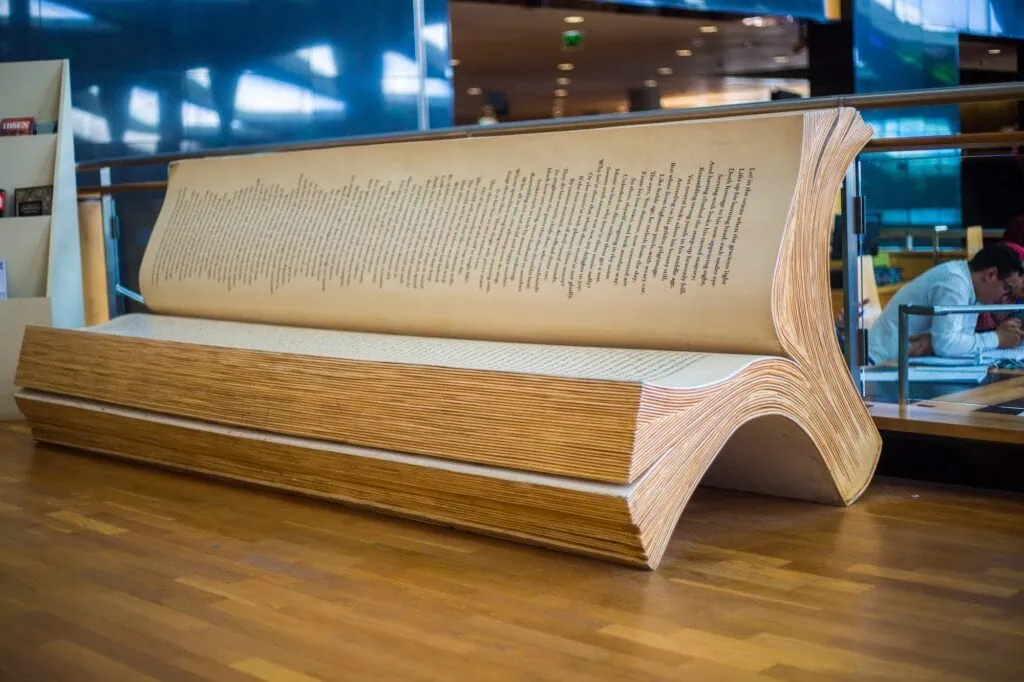
Weekend programming includes family-friendly activities, lectures, and special exhibitions that connect the broader Alexandria community with global intellectual currents. Youth programs encourage the next generation of scholars and cultural leaders to engage with both traditional knowledge systems and contemporary research methodologies.
Commemorating the Ancient Library Heritage
Modern scholars estimate the original Library of Alexandria collected between 400,000 and 700,000 papyrus scrolls before its gradual decline in antiquity. The Bibliotheca Alexandrina consciously evokes this legendary institution while serving contemporary needs that ancient scholars could never have imagined.
Ptolemaic dynasty rulers originally established Alexandria as a center of learning that attracted intellectuals from across the known world. Their vision of universal knowledge collection inspired the modern library’s mission to preserve and share human wisdom across cultural and linguistic boundaries.
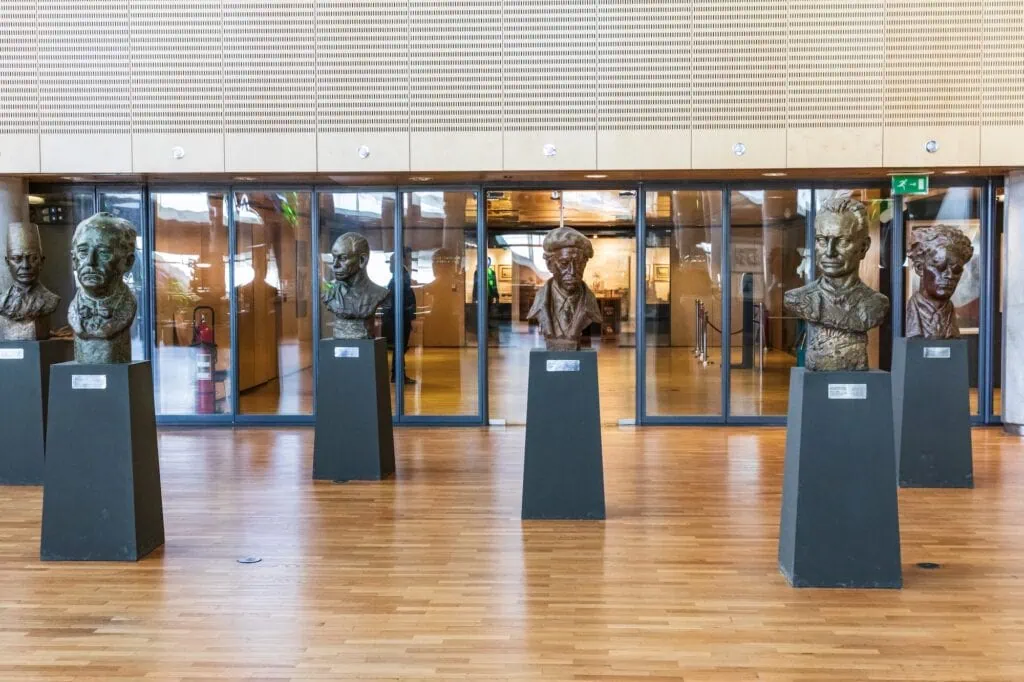
Archaeological evidence suggests the ancient library operated as part of a larger scholarly complex including research institutes and residential quarters for visiting academics. This integrated approach influences the modern facility’s design, which combines library services with museums, research centers, and conference spaces under one roof.
The circular reading room design deliberately contrasts with traditional rectangular library layouts, symbolizing the inclusive and dynamic nature of knowledge creation. Architects drew inspiration from ancient amphitheaters and astronomical observatories, spaces where communities gathered to share discoveries and debate ideas.
International Recognition and Future Vision
Board of Trustees governance ensures institutional independence while maintaining strong connections with global academic networks. UNESCO recognition validates the library’s role as a center for international cooperation and cultural exchange. Academic partnerships with institutions across Africa, the Middle East, and Mediterranean basin support collaborative research projects and student exchange programs.
The library’s growing reputation attracts visiting scholars, international conferences, and collaborative digitization projects that expand access to regional cultural heritage.
Visitor Experience and Accessibility
Operating hours accommodate both local users and international visitors, with Sunday through Thursday access from 10:00 am to 7:00 pm (10:00 to 19:00). Museum and planetarium visits require separate tickets, though combination packages offer comprehensive access to all facilities. Guided tours in multiple languages help visitors navigate the extensive collections and understand the building’s architectural significance.
Technological Innovation
Internet connectivity throughout the facility supports digital research and international collaboration. Computer terminals provide access to global databases and digital archives. The library’s own digitization projects create open-access resources that serve researchers worldwide while preserving fragile historical materials for future generations.
Modern security systems protect valuable collections while maintaining an open, welcoming environment for legitimate research. Climate control systems preserve materials in Egypt’s challenging environmental conditions, ensuring long-term collection stability and user comfort.
Connect Past And Future At The New Library Of Alexandria
The New Library of Alexandria stands as a powerful symbol of knowledge, culture, and innovation—bridging Egypt’s ancient intellectual legacy with a modern vision for the future. With Egypt Tours Plus, we seamlessly include this iconic landmark in a private journey that blends cultural depth with Egypt’s most unforgettable historical experiences.
You choose your travel dates, your pace, and the experiences that shape your route. From vibrant city exploration to ancient wonders and refined comfort along the way, we tailor every detail around your preferences—ensuring a smooth, personalized, and expertly planned journey.
Frequently Asked Questions
The Bibliotheca Alexandrina’s main reading room covers approximately 20,000 square meters (215,000 square feet), making it one of the largest open reading spaces in the world. The terraced hall stretches across 11 cascading levels beneath a dramatic sloping glass roof designed to maximize natural Mediterranean light. Thousands of readers, researchers, and students can use the space simultaneously without feeling crowded. Morning visits typically offer the quietest atmosphere for photography and architectural appreciation before university groups arrive.
The Bibliotheca Alexandrina features a striking circular design tilted toward the Mediterranean Sea, symbolizing a rising sun or ancient sundial connected to knowledge and enlightenment. Its exterior granite wall contains more than 4,000 carved symbols and characters representing writing systems from civilizations around the world. Norwegian firm Snøhetta designed the structure in collaboration with UNESCO and Egyptian authorities. The combination of modern Scandinavian minimalism and ancient symbolic references makes the library one of the most recognizable cultural buildings in the Middle East.
The Bibliotheca Alexandrina was designed with shelving capacity for approximately eight million books across multiple floors and specialized collections. The library supports research in Arabic, English, French, and numerous additional languages, reflecting Alexandria’s long history as a Mediterranean intellectual crossroads. Beyond printed books, the complex also preserves manuscripts, maps, photographs, and extensive digital archives. The enormous storage capacity was intentionally planned to evoke the scholarly ambition of the ancient Library of Alexandria.
The Bibliotheca Alexandrina was built through a major international collaboration involving UNESCO, the Egyptian government, and contributions from dozens of countries worldwide. Norwegian architectural firm Snøhetta won the global design competition, while financial and cultural support came from nations including France, Italy, the Gulf states, and several Mediterranean partners. Construction officially opened in 2002 after years of international planning and fundraising. The project was intentionally framed as a global cultural initiative rather than a purely national institution.
The Bibliotheca Alexandrina includes several specialized libraries, including dedicated collections for children, young adults, visually impaired readers, multimedia arts, and Francophone studies. These facilities support different age groups and academic interests while expanding access beyond traditional scholarly audiences. The Children’s Library and Young People’s Library are especially popular with Egyptian schools and educational programs. By combining public education with advanced research collections, the complex functions as both a cultural center and a major international research institution.
The Bibliotheca Alexandrina preserves digital heritage through large-scale archival projects such as the Digital Assets Repository, Memory of Modern Egypt, and collaborations with international digitization initiatives. Its technology centers store photographs, manuscripts, historical newspapers, and audiovisual records in searchable digital formats designed for long-term preservation. The library has also partnered with global academic institutions to expand online cultural access across the Arab world and Mediterranean region. These initiatives continue the ancient Alexandrian tradition of collecting and preserving knowledge across civilizations.
Major research centers at the Bibliotheca Alexandrina include the Manuscripts Center, the Alexandria and Mediterranean Research Center, and CULTNAT, Egypt’s Center for Documentation of Cultural and Natural Heritage. These institutions support archaeology, manuscript preservation, historical research, digital archiving, and regional cultural studies. Scholars from Egypt, Europe, and the broader Mediterranean frequently collaborate on exhibitions and academic conferences hosted within the complex. The library’s research infrastructure helps position Alexandria as an active intellectual center rather than only a historical symbol.
Yes, the Bibliotheca Alexandrina offers multilingual guided tours that introduce visitors to the building’s architecture, reading halls, museums, and historical connection to the ancient Library of Alexandria. Tours typically last between 45 and 60 minutes and are available in Arabic, English, French, and additional languages depending on staffing schedules. Guided visits are particularly useful because the complex includes multiple museums, galleries, and research areas spread across several levels. Morning tours generally provide quieter conditions and easier access to major viewing areas.
The Bibliotheca Alexandrina’s museums support the library’s broader mission by combining scholarship, preservation, and public education within a single cultural complex. The site includes museums focused on manuscripts, antiquities, science history, and fine arts, allowing visitors to explore Egypt’s intellectual and artistic heritage beyond books alone. These institutions reinforce the idea that knowledge preservation includes objects, archives, technology, and visual culture. Together, the museums transform the library into one of Alexandria’s most comprehensive educational destinations.
The Bibliotheca Alexandrina serves as a major hub for international academic and cultural cooperation through UNESCO partnerships, Mediterranean research networks, and global digitization projects. The institution regularly hosts conferences, exhibitions, and scholarly exchanges involving universities and cultural organizations from Europe, Africa, and the Middle East. This international focus intentionally reflects the cosmopolitan legacy of ancient Alexandria as a center for cross-cultural scholarship. The library’s collaborative programs also support preservation of endangered manuscripts and regional historical archives.
The modern Bibliotheca Alexandrina honors the ancient Library of Alexandria by reviving its mission of collecting knowledge from multiple civilizations and making scholarship internationally accessible. Opened in 2002 near the ancient city’s historic waterfront, the institution symbolically reconnects modern Alexandria with one of history’s most famous centers of learning. Its architecture, multilingual collections, and global partnerships intentionally reference the intellectual openness associated with the original Hellenistic library founded under the Ptolemaic dynasty. The project combines historical symbolism with contemporary educational infrastructure.
The Planetarium Science Center at the Bibliotheca Alexandrina offers immersive astronomy presentations, interactive science exhibits, and educational programs designed for both children and adults. Its dome theater uses modern projection technology to simulate space exploration, constellations, and planetary movement with high visual detail. The center expands the library’s mission beyond literature into scientific education and public outreach. Families visiting Alexandria often combine the planetarium with the main library and museums because all are located within the same waterfront cultural complex.
Design Your Custom Tour
Explore Egypt your way by selecting only the attractions you want to visit