

Burj Khalifa – The World’s Tallest Free Standing Structure
Standing tall at 828 meters (2,717 feet), the Burj Khalifa defies gravity itself.
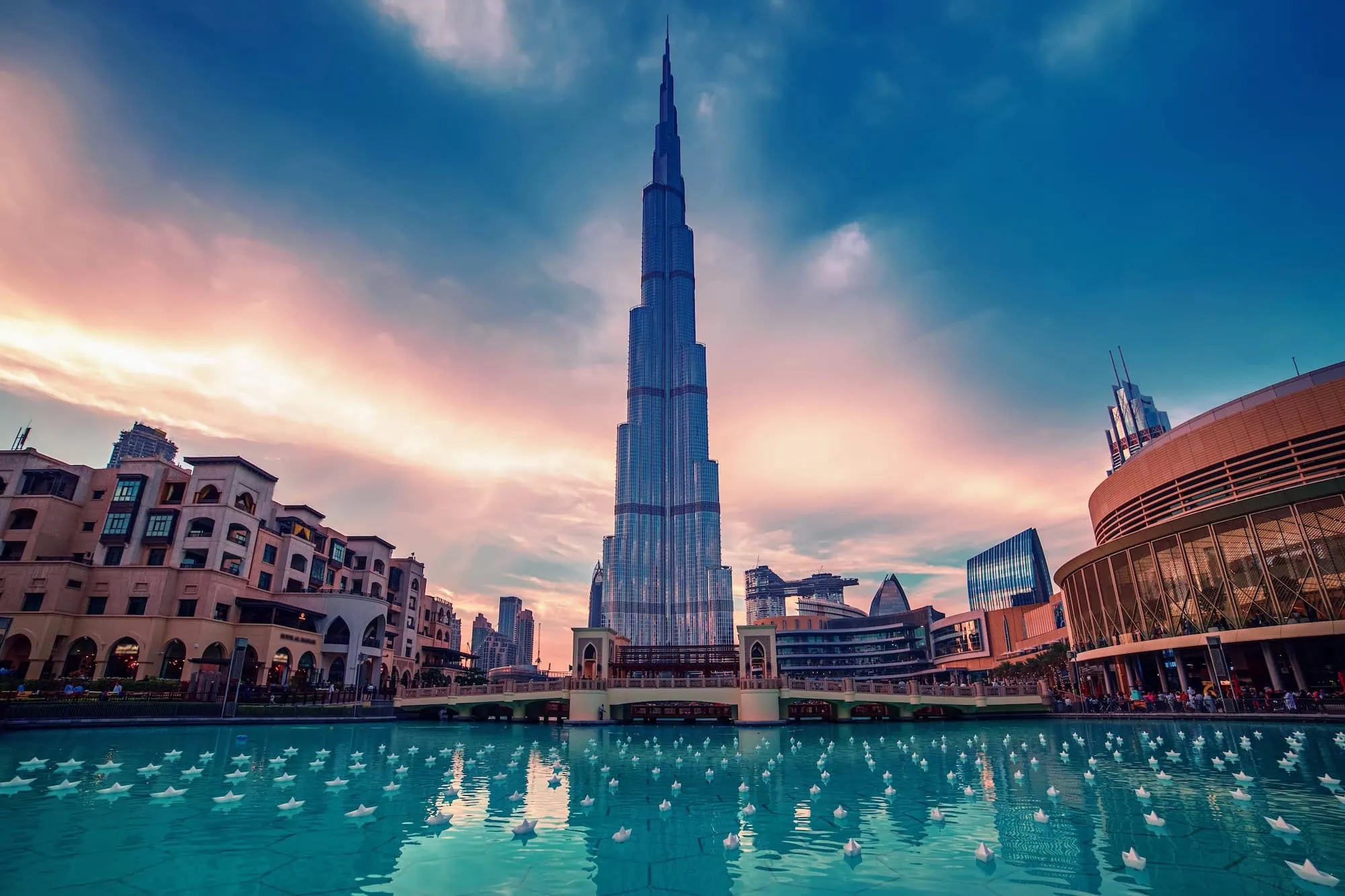
This extraordinary skyscraper represents far more than concrete and steel reaching toward the clouds. Since opening in 2010, it has transformed Dubai’s skyline and redefined what’s possible in modern architecture. The tower functions as a dynamic mixed-use development, featuring luxury hotels, corporate offices, residential units, and world-renowned observation decks.
Its innovative design—inspired by Islamic architecture and the desert flower Hymenocallis—demonstrates how engineering excellence can merge functionality with cultural identity.
The Burj Khalifa is a central highlight in our Egypt and Dubai tours, where Dubai’s cutting-edge architecture is combined with Egypt’s timeless monuments, creating a journey that spans both ancient and modern wonders.
Whether you’re planning a visit or simply fascinated by architectural innovation, exploring the Burj Khalifa offers unique insight into urban development at its most ambitious.
Table of Contents
Engineering Excellence Behind the World’s Tallest Building
The structural design of Burj Khalifa broke every conventional rule in skyscraper construction. Adrian Smith from Skidmore Owings Merrill created a Y-shaped floor plan that reduces wind forces by up to 40% compared to traditional rectangular towers. This innovative approach became essential when designing for unprecedented heights.
Revolutionary Buttressed Core System
Samsung C&T, BESIX, and Arabtec collaborated to implement the buttressed core system that forms the building’s structural backbone. The central hexagonal core extends outward through three wings, creating maximum stability while reducing material usage. Each wing decreases in size as the tower rises, creating natural setbacks that further minimize wind resistance.
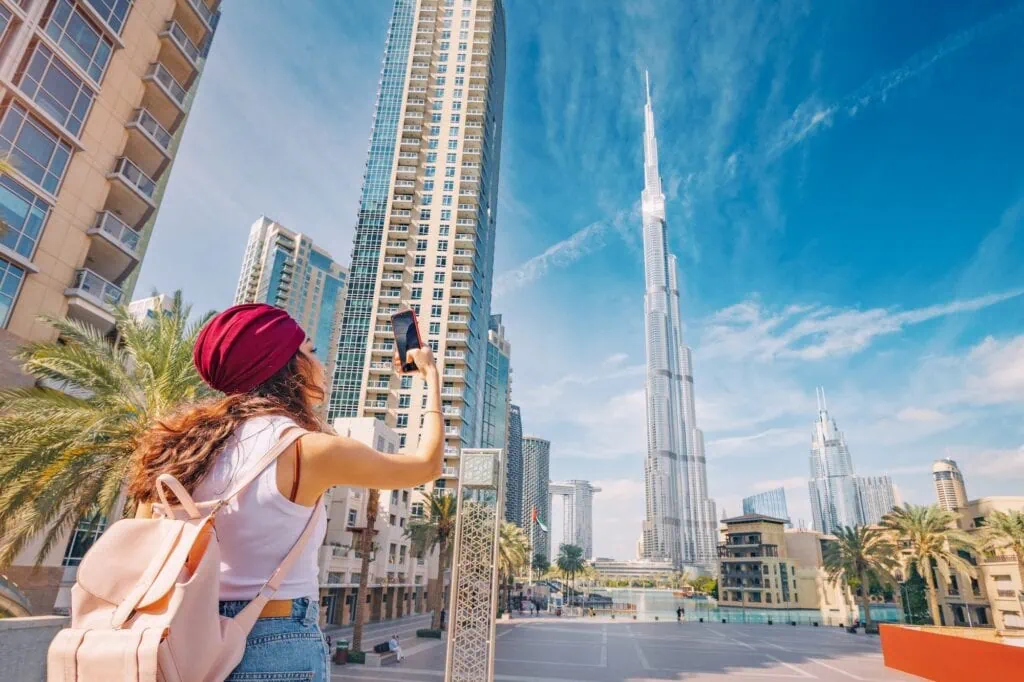
Reinforced concrete mixed with local materials formed the foundation extending 50 meters (164 feet) below ground level. The curtain wall system incorporates specialized glass designed to withstand extreme temperature variations and sandstorm conditions common in Dubai’s desert climate.
Advanced MEP Systems and Sustainability Features
Temperature control in such a massive structure required innovative mechanical, electrical, and plumbing solutions. The building’s condensate recovery system collects moisture from air conditioning units, providing approximately 15 million gallons of water annually for irrigation and cleaning purposes.
High-speed elevators travel at speeds up to 10 meters per second (33 feet per second), whisking visitors from ground level to observation decks in less than two minutes. The elevator system includes the world’s longest single-running elevator, covering 504 meters (1,654 feet).
Mixed-Use Development Creating Urban Destinations
Downtown Dubai’s 500-acre development positions Burj Khalifa as the centerpiece of a comprehensive urban environment. Unlike typical skyscrapers that serve single purposes, this structure integrates residential living, corporate headquarters, hospitality services, and tourist attractions within one cohesive design.
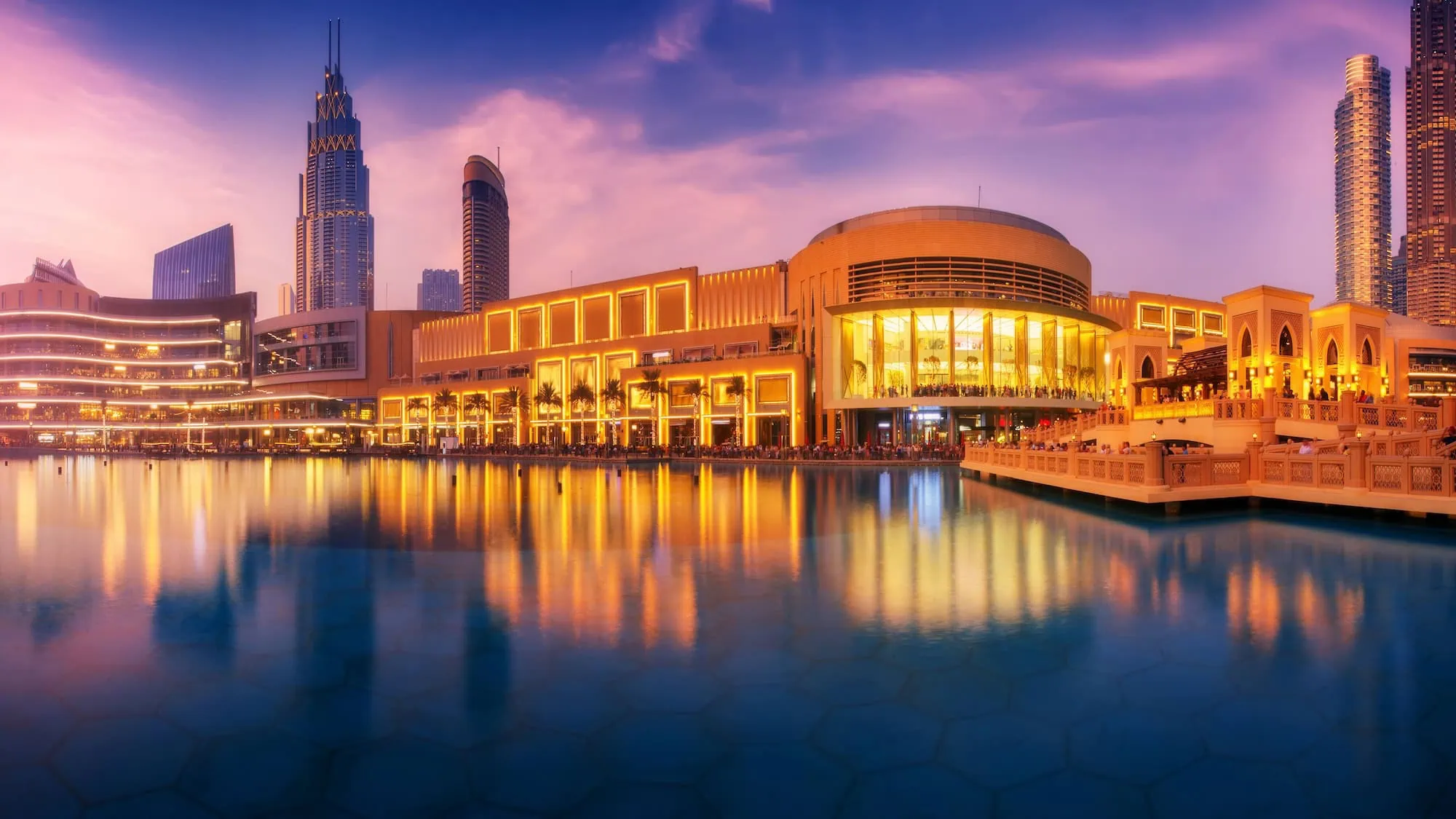
The building’s program distribution reverses traditional logic by placing the Armani Hotel on lower floors, corporate offices in the middle sections, and residential units toward the top. This arrangement maximizes views for residents while providing convenient access to hotel and business facilities for visitors and employees.
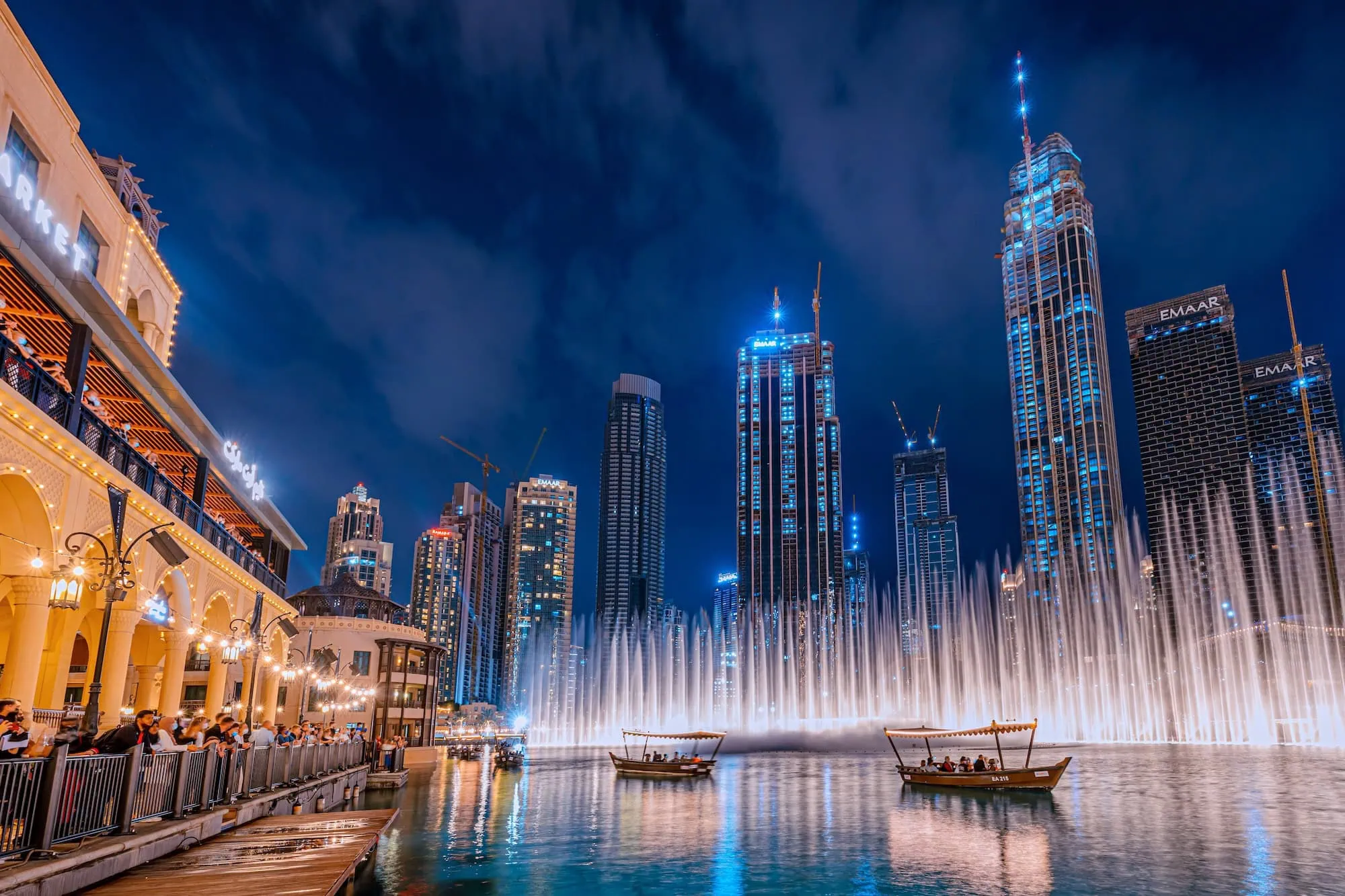
Emaar Properties designed the surrounding area to complement the tower’s mixed-use nature. Dubai Fountain performs synchronized water shows every 30 minutes during evening hours, while Dubai Mall provides shopping and dining options within walking distance. The connection between these attractions creates a destination that draws millions of visitors annually rather than simply serving building occupants.
Luxury Hospitality and Fine Dining Experiences
Giorgio Armani personally designed the hotel interiors occupying floors 1 through 39, creating the world’s first Armani Hotel. The sophisticated aesthetic reflects the designer’s minimalist philosophy while incorporating regional influences and premium materials throughout guest rooms and common areas.
At.mosphere restaurant on the 122nd floor offers fine dining experiences at heights previously unimaginable. The restaurant’s floor-to-ceiling windows provide panoramic views across Dubai and the Persian Gulf while guests enjoy carefully crafted cuisine.
Observation Decks Offering Unparalleled Views
The building features multiple observation levels designed to accommodate different visitor preferences and budgets. At The Top on the 124th and 125th floors provides the primary viewing experience, while At The Top SKY on levels 148, 125, and 124 offers enhanced amenities and extended visit options.
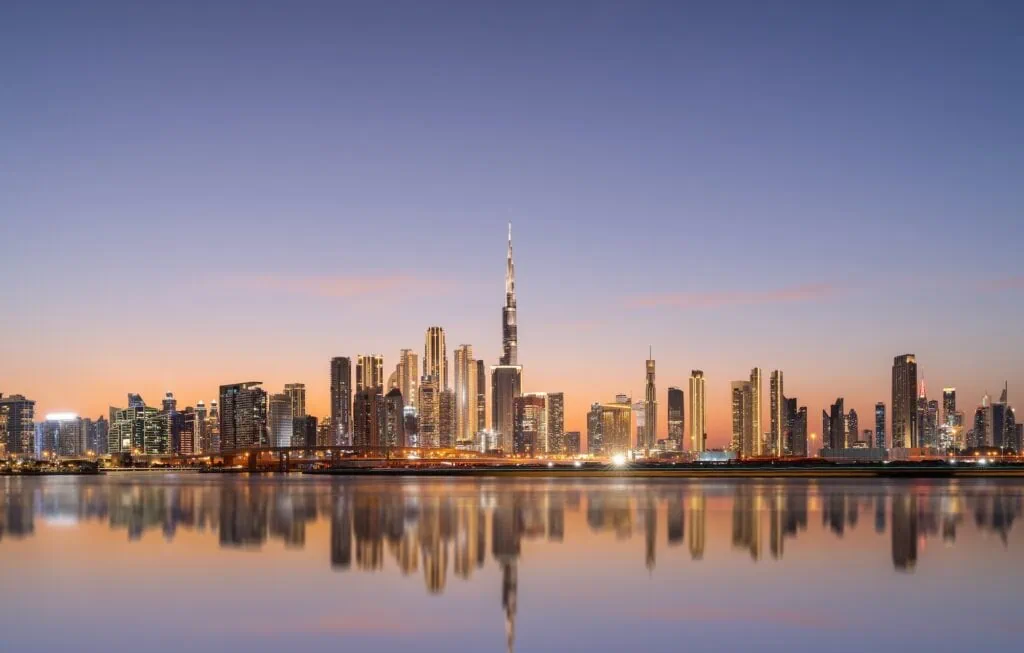
Advanced booking systems manage visitor flow throughout the day, with time-slot reservations ensuring optimal viewing conditions without overcrowding. Digital telescopes installed at key viewing points allow guests to zoom in on specific landmarks and architectural details across Dubai’s rapidly expanding cityscape.
The Lounge on level 152 through 154 represents the highest public access point, featuring comfortable seating areas, refreshment service, and climate-controlled environments. This premium experience includes guided presentations about Dubai’s development history and the building’s construction process.
Sky Views Dubai, a separate attraction connected to the complex, offers outdoor terraces and glass slide experiences for visitors seeking more adventurous perspectives of the surrounding urban landscape.
Cultural Significance and Design Inspiration
Islamic geometric patterns influenced the tower’s architectural details from the foundation to the steel spire. The triple-lobed footprint reflects traditional Middle Eastern design principles while serving practical engineering functions. This cultural integration demonstrates how modern architecture can honor regional heritage while pushing technological boundaries.
The Hymenocallis flower provided the primary inspiration for the building’s form, with its six petals translated into the structure’s wings and setbacks. This biomimetic approach connects the artificial environment with natural forms found in regional desert landscapes.
Jaume Plensa’s art installation “World Voices” incorporates 196 bronze and stainless steel sculptures representing every nation on Earth. The installation occupies key locations throughout the building’s public areas, creating cultural dialogue between international visitors and local traditions.
The building’s completion coincided with Dubai’s emergence as a global business hub, making it a symbol of the emirate’s rapid transformation from desert trading post to international metropolis. Sheikh Khalifa’s financial support during the global economic crisis led to the naming change from Burj Dubai, highlighting the cooperation between UAE emirates.
Planning Your Visit to Dubai’s Iconic Landmark
Timing significantly affects your experience at Burj Khalifa’s observation decks and surrounding attractions. Morning visits between 8:00 am (08:00) and 10:00 am (10:00) typically offer clearer atmospheric conditions and shorter wait times, while sunset viewing periods from 6:00 pm (18:00) to 8:00 pm (20:00) provide dramatic lighting but attract larger crowds.
We recommend purchasing tickets in advance through official channels to guarantee access during your preferred time slots. Combination packages including Dubai Fountain shows, Dubai Mall experiences, and dining reservations often provide better value than individual bookings.
Transportation and Access Options
Dubai Metro’s Red Line connects directly to Burj Khalifa/Dubai Mall station, offering convenient public transportation from Dubai International Airport and major hotel districts. An air-conditioned walkway links the station to the building entrance, ensuring comfortable access regardless of outdoor temperatures.
As part of navigating Dubai tourist attractions, the Burj Khalifa stands out for its accessibility and well-integrated transport options. Private vehicle access includes valet services and multiple parking levels within Dubai Mall, making it easy for visitors to arrive by car.
We also arrange private transportation with experienced drivers who understand optimal routes and timing across Dubai. This ensures smooth coordination with your overall itinerary and minimizes travel time between key attractions.
Professional tour guides further enhance the experience by providing architectural insights, historical context, and on-site navigation support. With decades of expertise in Dubai tourism, we tailor each visit to match individual interests and comfort levels.
Frequently Asked Questions
The building measures 828 meters (2,717 feet) including the spire, making it the world’s tallest structure.
Public observation areas include levels 124, 125, 148, and 152-154, with different ticket options for each section.
High-speed elevators reach the 124th floor in approximately 1 minute and 20 seconds.
Yes, At.mosphere restaurant on level 122 and The Lounge on upper floors offer fine dining experiences.
Golden hour periods 1 hour before sunset provide optimal lighting conditions for photography.
Yes, time-slot bookings are mandatory and often sell out days in advance during peak seasons.
Allow 2-3 hours including wait times, elevator rides, viewing periods, and optional dining or shopping.
All public areas feature wheelchair accessibility with specialized elevator access and viewing platforms.
Children of all ages are welcome, though height restrictions may apply for certain outdoor viewing areas.
Comfortable shoes and layers are recommended, as observation decks maintain cooler temperatures than ground level.
Personal photography is permitted throughout public areas, while commercial photography requires advance permission.
Reservations typically open 30 days before visit dates, with exact timing varying by season and demand.
Design Your Custom Tour
Explore Egypt and Dubai your way by selecting only the attractions you want to visit