

Heritage and Diving Village – A True Taste of Historical Dubai
Dubai’s past comes alive in unexpected ways.
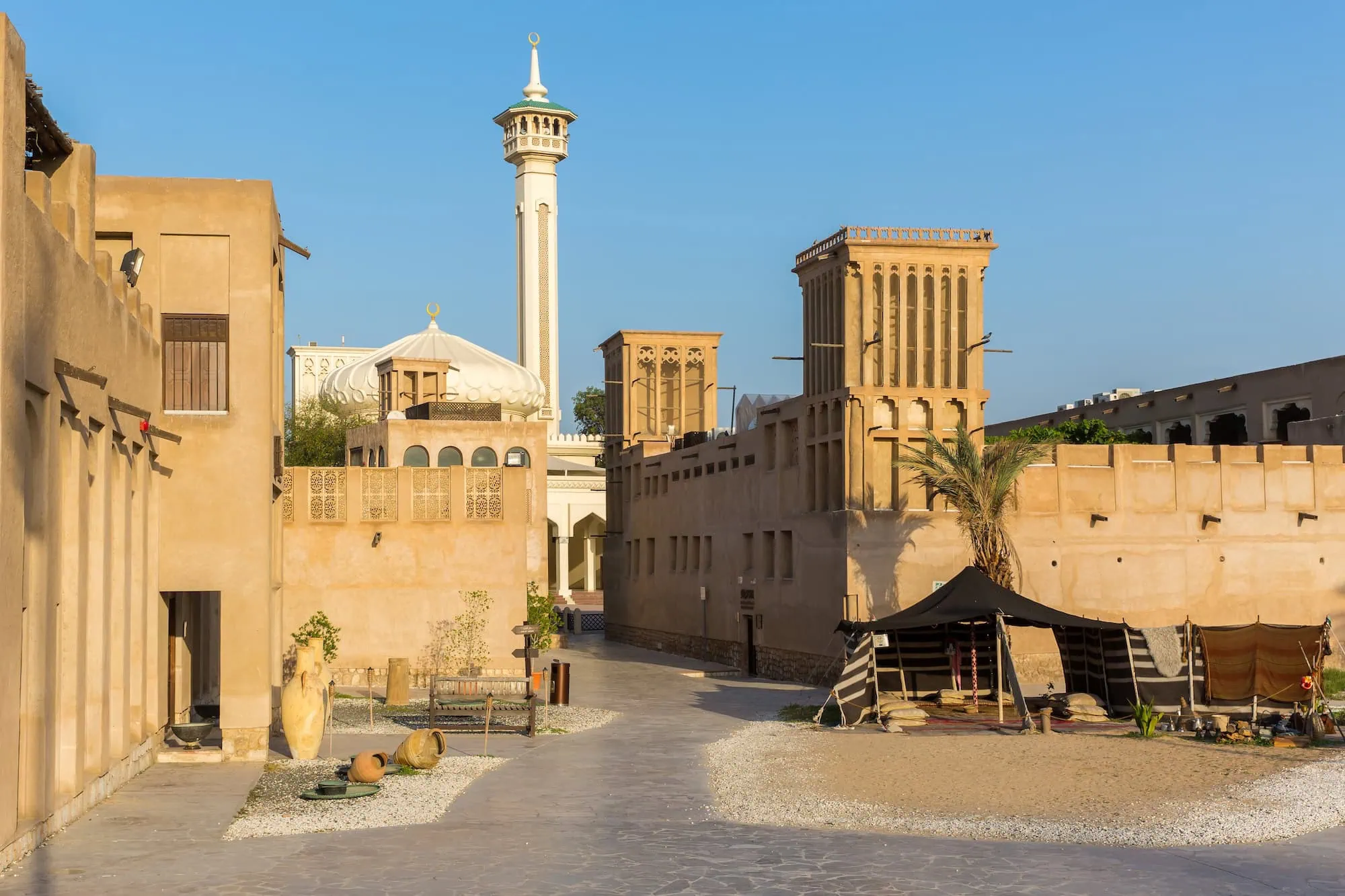
Standing beside the tranquil waters of Dubai Creek, Heritage and Diving Village offers visitors a rare glimpse into the emirate’s humble beginnings before skyscrapers defined the horizon. This carefully preserved cultural destination showcases the daily rhythms of traditional Emirati life—from pearl diving traditions that once sustained coastal communities to the craftsmanship that shaped early markets.
The site brings history into focus, allowing visitors to connect with Dubai’s roots in a way that contrasts sharply with its modern skyline.
Heritage and Diving Village can be included in our Egypt and Dubai holiday packages, where Dubai’s cultural heritage is explored alongside its modern attractions and Egypt’s ancient historical sites.
The experience transforms how visitors understand the city, revealing stories of maritime heritage and desert traditions that span generations.
Table of Contents
Traditional Life Comes Alive in Al Shindagha
Heritage and Diving Village sits strategically along the historic Dubai Creek in the Al Shindagha district, where Dubai’s transformation began centuries ago. The village recreates scenes from the 1950s and 1960s, when life moved at a gentler pace and survival depended on intimate knowledge of the sea and desert.
Authentic Barasti Houses and Desert Architecture
Traditional palm frond houses, known as barasti, dot the village landscape with their distinctive wind tower cooling systems. These structures demonstrate the ingenious architectural solutions developed by Bedouin communities to combat the harsh desert climate. Each dwelling tells a story of resourcefulness, using locally available materials like palm leaves, coral stone, and gypsum to create comfortable living spaces without modern conveniences.
Living Demonstrations of Ancient Crafts
Master craftspeople work throughout the village, their hands moving with practiced precision as they demonstrate traditional techniques passed down through generations. Potters shape clay vessels using methods unchanged for centuries, while skilled weavers create intricate textiles on wooden looms. These aren’t mere performances – they represent authentic skills that sustained entire communities, from creating water storage containers to weaving the fabrics worn by pearl divers during their dangerous expeditions.
Maritime Heritage Exhibits
The village’s maritime section houses carefully curated displays of old boats, diving equipment, and pearl diving artifacts. Visitors can examine the simple tools that sustained Dubai’s early economy: wooden dhows that carried precious cargo across the Arabian Gulf, diving weights used by pearl divers who could hold their breath for minutes at a time, and the baskets that held their underwater treasures.
Traditional Emirati Cuisine and Hospitality
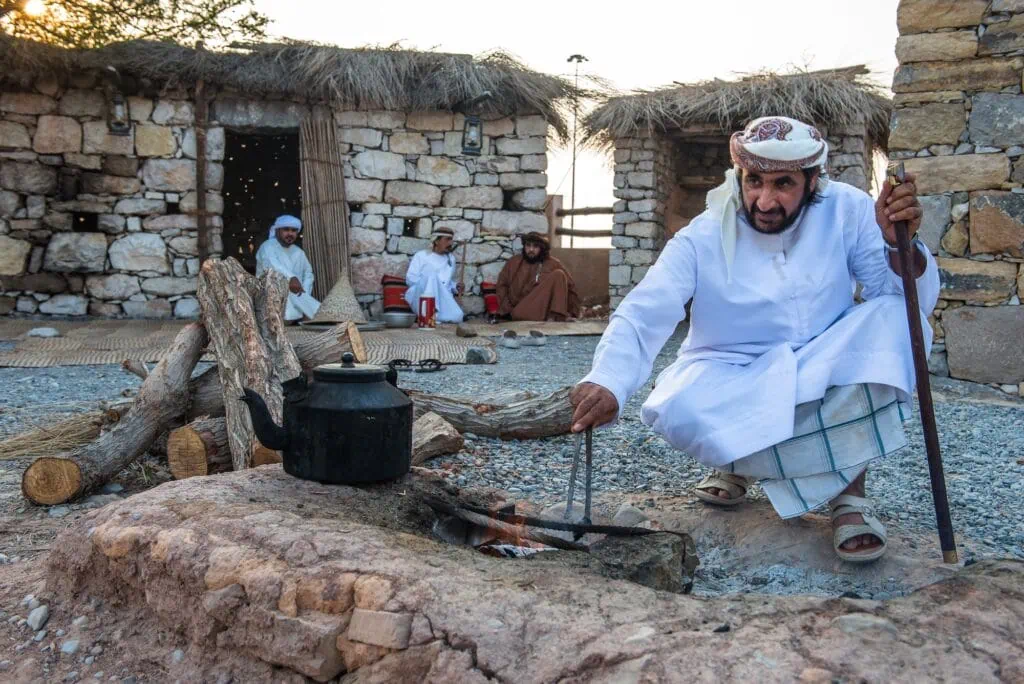
An authentic Arabic coffee house serves traditional beverages and local delicacies, allowing visitors to taste the flavors that defined Emirati hospitality. The aromatic cardamom-infused coffee and sweet dates offer more than refreshment – they represent the cultural rituals that bound communities together across the desert and sea.
Pearl Diving Legacy: Dubai’s Economic Foundation
Before oil transformed the region, pearl diving formed the backbone of Dubai’s economy for over 4,000 years. These dangerous underwater expeditions required extraordinary skill, courage, and community cooperation that defined the emirate’s character.
Professional pearl divers, known as ghawaseen, descended to depths of 40 feet using only a nose clip, leather finger guards, and weights tied around their waists. Each dive lasted between one and three minutes, during which they collected oysters that might contain valuable pearls. The season ran from late spring through early autumn, with crews spending months aboard cramped dhows in the harsh Arabian Gulf waters.
The village displays actual diving equipment and photographs documenting this perilous occupation. Diving expeditions involved entire extended families, with different roles assigned based on age and skill level. Young boys served as rope pullers, hauling divers to the surface when they tugged their safety lines, while experienced captains navigated the fleet to productive oyster beds.
Economic Impact and Social Structure
Pearl diving profits supported not just individual families but entire neighborhoods in the emirates. Successful diving seasons meant prosperity for merchants, boat builders, rope makers, and food suppliers. Poor seasons brought hardship that affected every level of society, creating tight-knit communities bound by shared economic fate.
The decline came swiftly in the 1930s when Japanese cultured pearls flooded international markets. Within a decade, this ancient industry virtually disappeared, forcing communities to adapt rapidly to new economic realities that would eventually lead to modern Dubai’s emergence.
Cultural Immersion Through Time Travel
Heritage and Diving Village functions as a living museum where history feels immediate rather than distant. Unlike traditional museums with static displays behind glass, this experience invites participation and exploration through carefully recreated environments.
The village layout follows the organic patterns of historical settlements, with winding pathways connecting different activity areas. Visitors move naturally between the residential section with its family compounds, the marketplace area where merchants once traded goods from across the region, and the waterfront where fishing boats and pearl diving vessels launched their expeditions.
Traditional music and storytelling sessions occur throughout the day, performed by local artists who learned these cultural expressions from elders in their own families. The narratives span everything from ancient Bedouin migration routes to the arrival of the first international traders who recognized Dubai Creek’s strategic importance.
Interactive workshops allow visitors to try their hand at traditional crafts under expert guidance. These sessions reveal the complexity and skill required for seemingly simple tasks like weaving palm fronds or shaping pottery. Participants gain appreciation for the ingenuity and patience that characterized daily life before modern conveniences.
Guided tours provide deeper context about the social structures, religious practices, and survival strategies that shaped Emirati culture. Local guides share family stories passed down through generations, connecting abstract historical concepts to real human experiences that shaped the region’s development.
Exploring the Surrounding Historical District
Sheikh Saeed Al Maktoum House anchors the broader Al Shindagha Historical District, where Heritage and Diving Village forms part of a larger cultural preservation effort. This former residence of Dubai’s ruling family displays photographs documenting the city’s rapid transformation from fishing village to global metropolis.
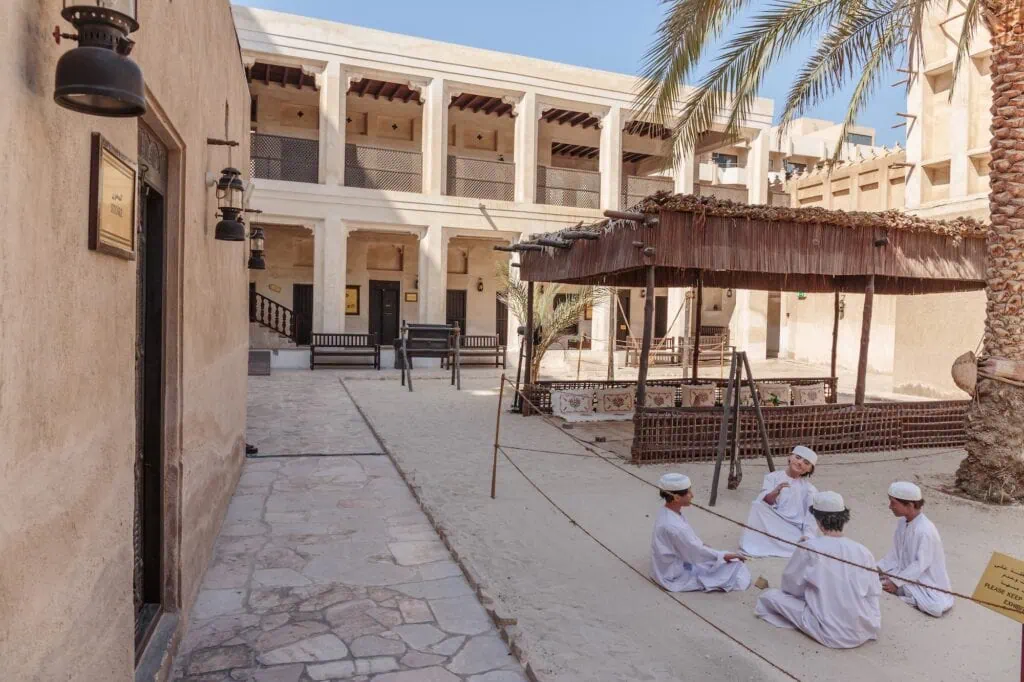
The house itself exemplifies traditional Gulf architecture, with its wind towers, carved wooden doorways, and interior courtyards designed for extended family living. Each room contains carefully preserved artifacts and historical documents that illuminate the political and economic decisions that shaped modern Dubai.
Dubai Creek’s Central Role
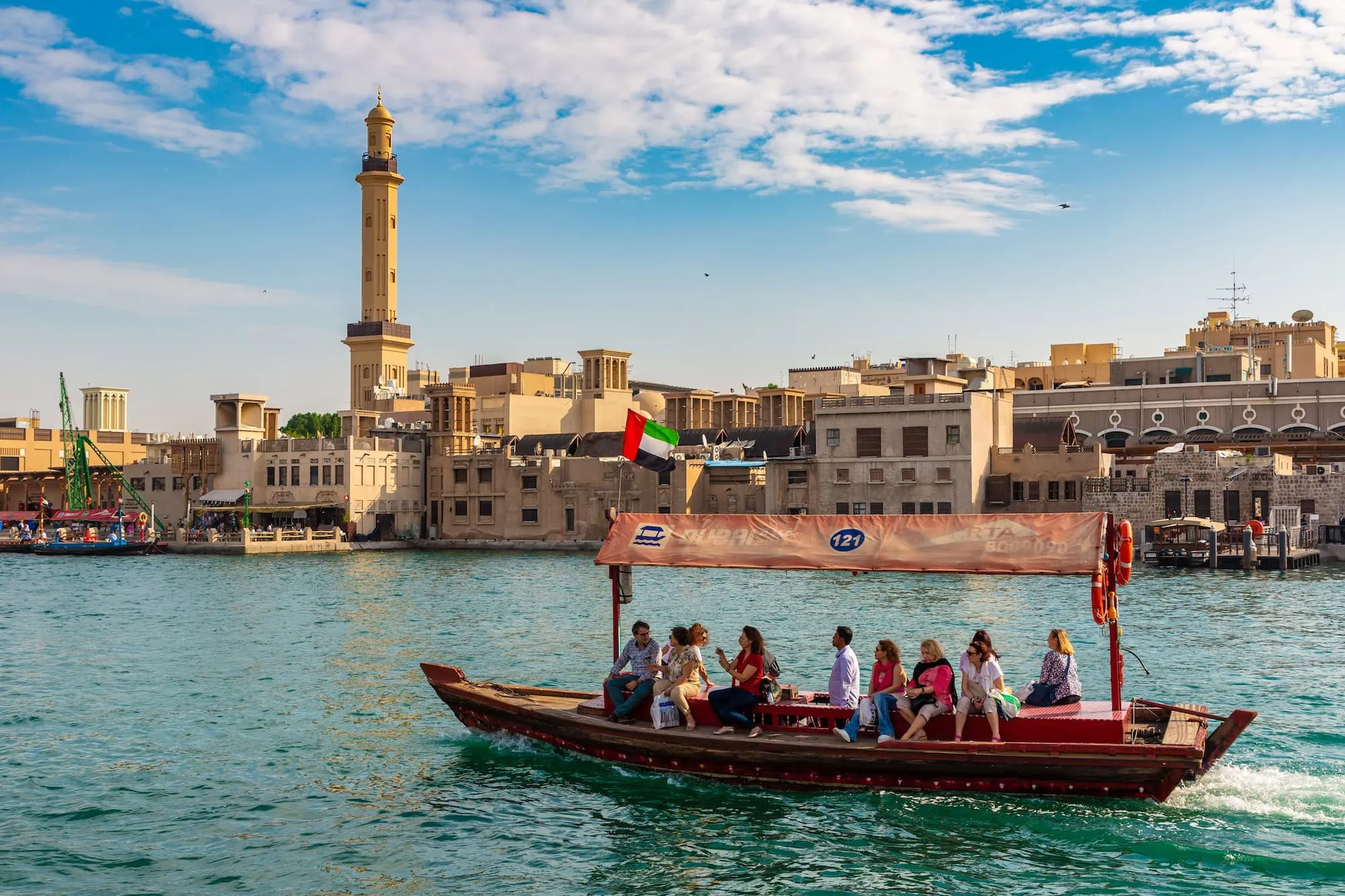
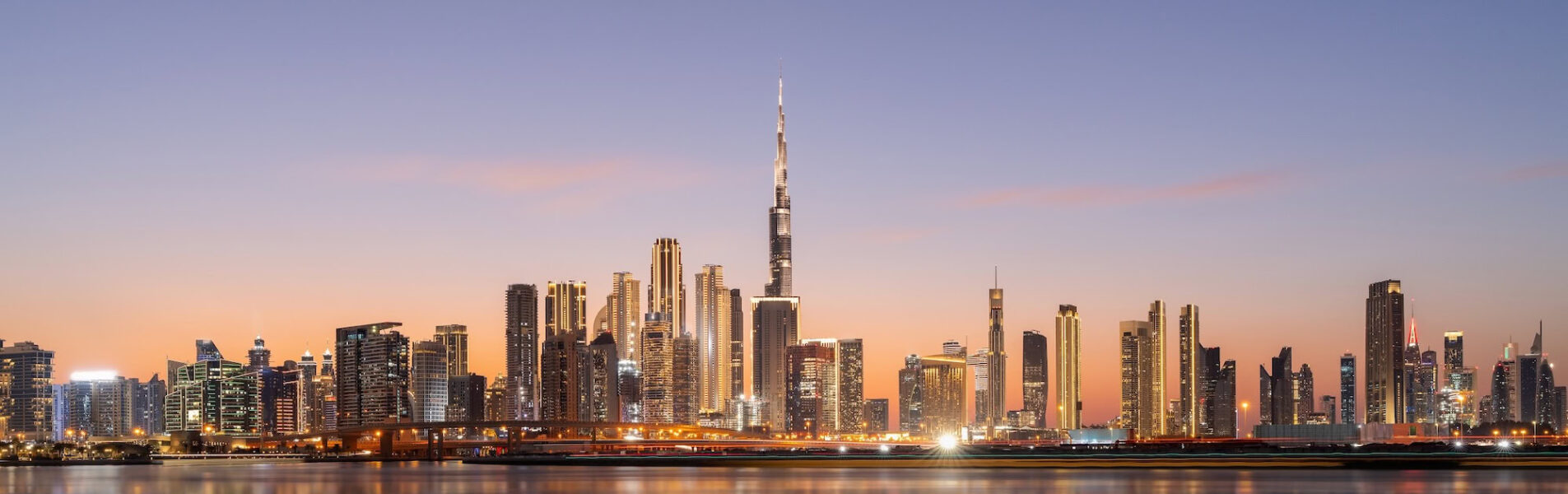
The village’s location along Dubai Creek reinforces the waterway’s historical significance as the lifeline for trade, transportation, and communication. Traditional dhows still navigate these waters, carrying goods between the heritage area and the bustling souks across the creek. The contrast between ancient wooden boats and modern glass towers visible in the background creates a powerful visual reminder of Dubai’s remarkable transformation.
Walking paths connect the heritage village to other historical sites along the creek, including traditional markets where merchants continue selling spices, textiles, and gold using methods their grandfathers employed. This continuity between past and present makes the historical displays feel relevant rather than quaint.
Modern Preservation Efforts
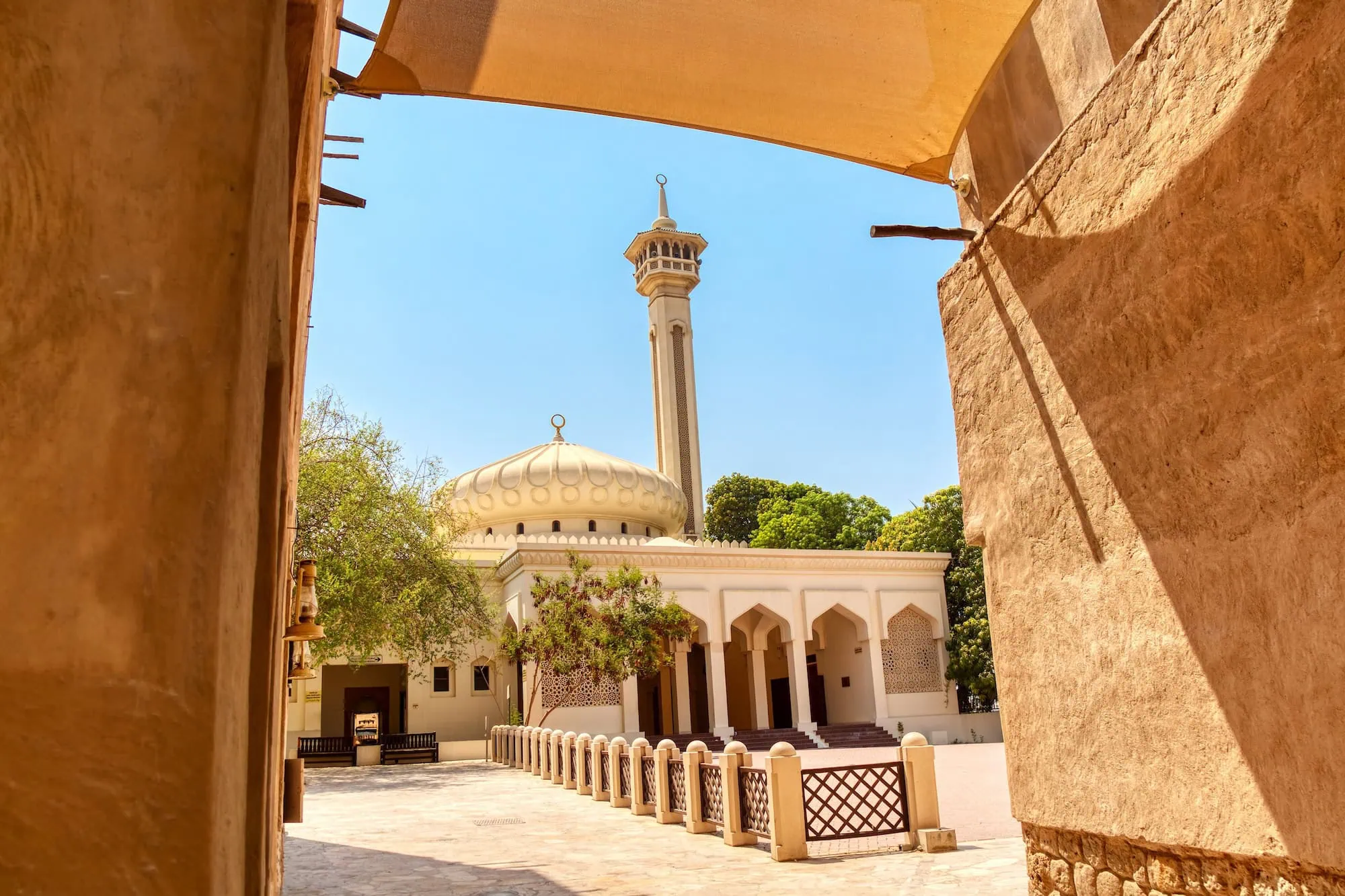
The careful restoration work evident throughout the district demonstrates Dubai’s commitment to preserving cultural heritage alongside rapid modernization. Architectural details have been meticulously researched and reconstructed using traditional materials and techniques wherever possible.
Educational programs bring local school children to the village regularly, ensuring that young Emiratis maintain connections to their cultural roots. These visits often include storytelling sessions with elderly community members who lived through the transition from traditional to modern life, providing direct links between historical displays and living memory.
International visitors gain insights into the cultural values that continue influencing Emirati society, from the hospitality traditions evident in every interaction to the respect for craftsmanship that drives excellence in contemporary industries. The village demonstrates that cultural preservation and economic progress can coexist when approached thoughtfully.
Planning Your Visit to Heritage and Diving Village
Heritage and Diving Village welcomes visitors Saturday through Thursday from 8:00 am to 10:00 pm (08:00-22:00), and Friday from 3:00 pm to 10:00 pm (15:00-22:00). Entry costs AED 10 for adults and AED 5 for children under 12, making it one of Dubai’s most accessible cultural attractions. The modest admission fee reflects Dubai’s commitment to making cultural education available to residents and visitors regardless of economic status.
Transportation and Location
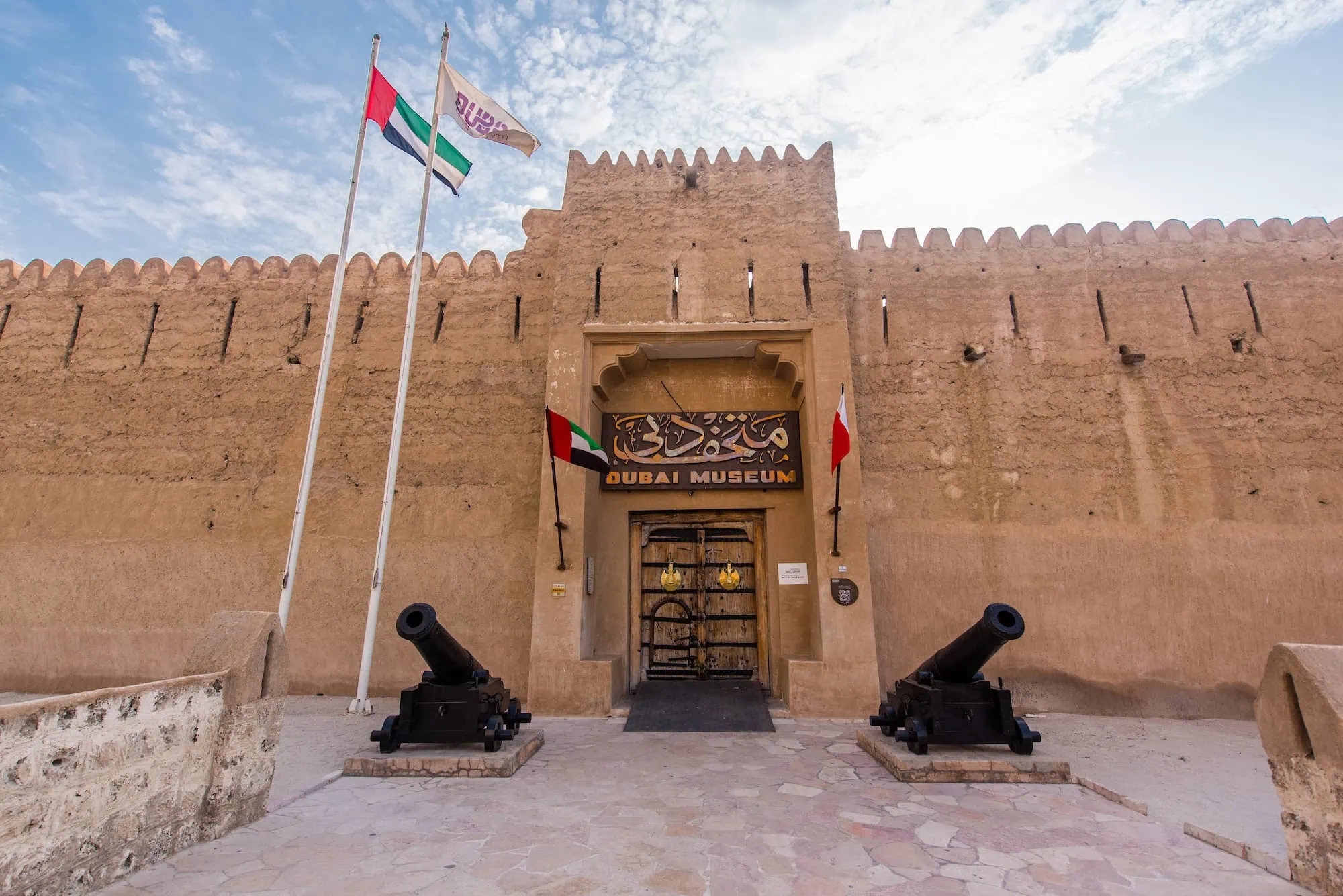
The village sits in the Bur Dubai area near Al Fahidi Fort and Dubai Museum, allowing visitors to explore multiple historical sites during a single outing. Dubai Metro’s Al Ghubaiba station provides convenient access, followed by a short taxi ride or pleasant 15-minute walk along the creek. Traditional abra water taxis offer a more atmospheric arrival option, crossing from the Deira side of the creek for just AED 1 per person.
Parking is available near the site for visitors arriving by car, though traffic congestion in the historic district can be challenging during peak tourist hours. Many visitors combine their heritage village exploration with visits to nearby attractions like the Gold Souk or Spice Souk, maximizing their cultural immersion in a single day.
Best Times for Cultural Experiences
Early morning visits offer the most comfortable temperatures and the best opportunities to interact with craftspeople before crowds arrive. The cooler months from November through March provide ideal conditions for outdoor exploration, with pleasant temperatures allowing leisurely appreciation of architectural details and craft demonstrations.
Evening visits during the winter months can be particularly magical, with soft lighting illuminating the traditional buildings and creating intimate atmospheres for storytelling sessions. The Arabic coffee house remains open throughout operating hours, providing a welcoming space for reflection on the day’s discoveries.
We recommend allocating at least two hours for a thorough exploration, though visitors fascinated by traditional crafts often spend much longer watching demonstrations and engaging with skilled artisans. Photography is permitted throughout most areas, allowing visitors to document their cultural journey and share these experiences with family and friends.
Frequently Asked Questions
This is a living museum where traditional crafts are actively practiced and visitors can interact with demonstrations rather than just viewing static displays.
Yes, tours are offered in multiple languages including French, German, Spanish, and several Asian languages, typically arranged with advance notice.
Absolutely – children ages 6 and older can participate in supervised pottery and weaving activities designed to teach traditional techniques safely.
Most pathways are accessible, though some traditional buildings have steps that may challenge wheelchair users or those with walking difficulties.
Modest clothing covering shoulders and knees is recommended out of respect for cultural traditions, plus comfortable walking shoes for uneven pathways.
Most visitors spend 2-3 hours exploring all areas thoroughly, though those particularly interested in crafts or history may stay longer.
The coffee house serves traditional snacks and beverages, but full meal options are available at nearby restaurants in the Al Fahidi historical district.
Yes, items created by village artisans are available for purchase, providing authentic souvenirs while supporting traditional craftspeople.
Children typically enjoy the interactive demonstrations and boat displays, though parents should supervise carefully near the creek waterfront.
The village pairs excellently with Dubai Museum, Gold Souk, and Al Fahidi Fort, all within walking distance or a short abra ride across the creek.
Cultural celebrations and traditional festivals occur throughout the year, featuring extended programming, live music, and additional craft demonstrations.
Design Your Custom Tour
Explore Egypt and Dubai your way by selecting only the attractions you want to visit