

Azraq Wetland Reserve – A Story of Demise and Rebirth
Jordan’s eastern desert holds a remarkable natural contrast—an oasis of life in an otherwise arid landscape.
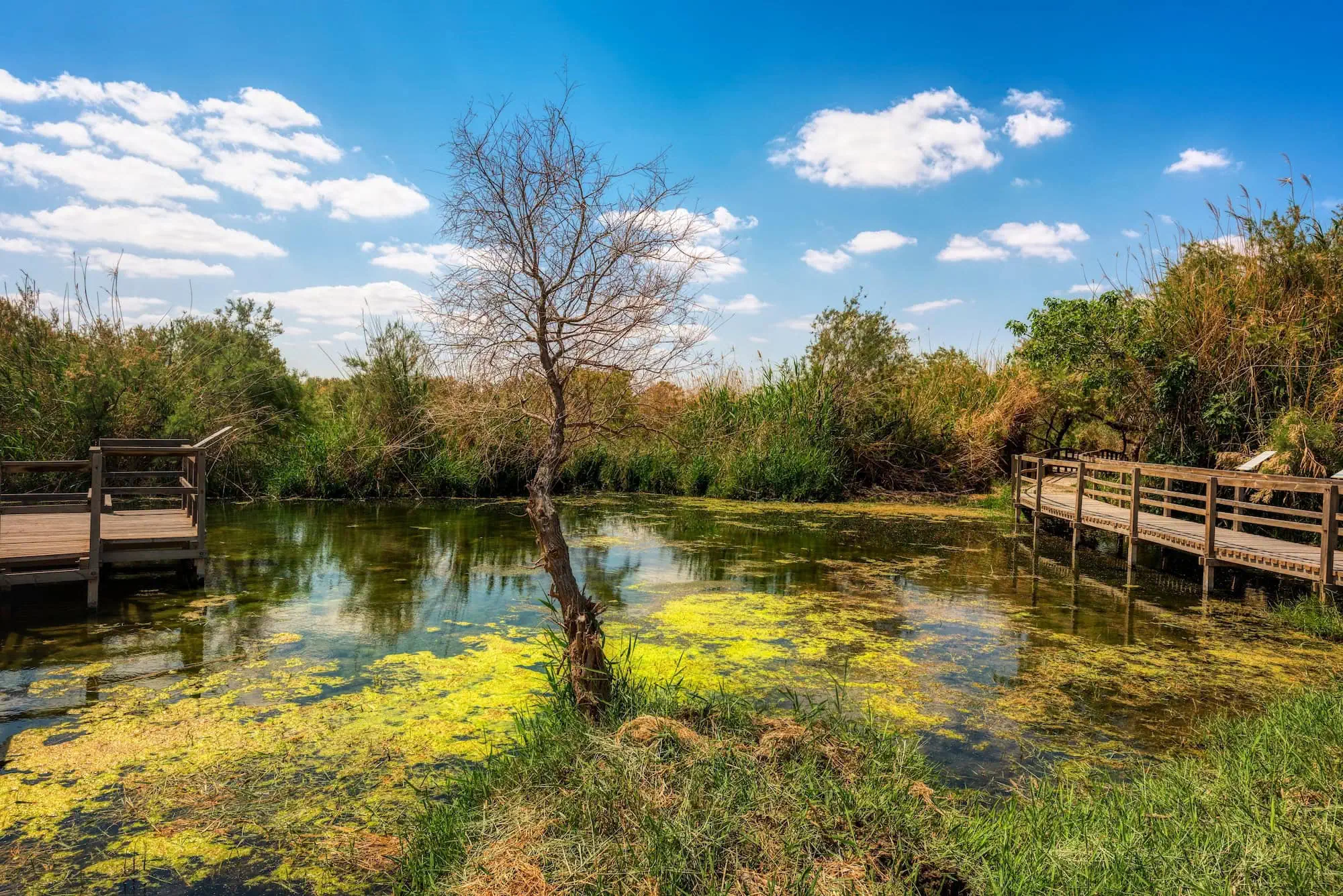
The Azraq Wetland Reserve is one of the region’s last remaining wetland ecosystems and an essential stopover for millions of migratory birds traveling between Africa and Europe. Once spanning over 12,000 square kilometers, this vast oasis has been dramatically reduced over time, yet it still plays a crucial role in biodiversity conservation and Jordan’s environmental heritage.
Today, the Royal Society for the Conservation of Nature (RSCN) leads ongoing efforts to restore and protect this fragile ecosystem. Visitors can witness this recovery firsthand, exploring boardwalk trails and observing wildlife while supporting sustainable tourism initiatives that help preserve the reserve for future generations.
We design journeys that connect travelers with both Jordan’s natural and historical highlights—combining meaningful experiences with responsible travel. To include Azraq Wetland Reserve alongside Petra, Wadi Rum, and Egypt’s iconic sites, explore our Egypt and Jordan holiday packages.
Table of Contents
Ecological Heart Eastern Desert
Azraq’s transformation from a vast natural oasis to a carefully managed wetland reserve tells a powerful story of environmental challenge and recovery. Originally fed by natural springs that supported the region for thousands of years, the ecosystem faced near-collapse when these water sources dried up in 1992 due to excessive groundwater pumping to supply Amman’s growing population.
Current Conservation Status
The reserve now covers approximately 1,200 hectares, maintained through artificial water sources and intensive restoration efforts. Swiss Pond, created as part of the recovery program, serves as the primary habitat for resident and migratory species.
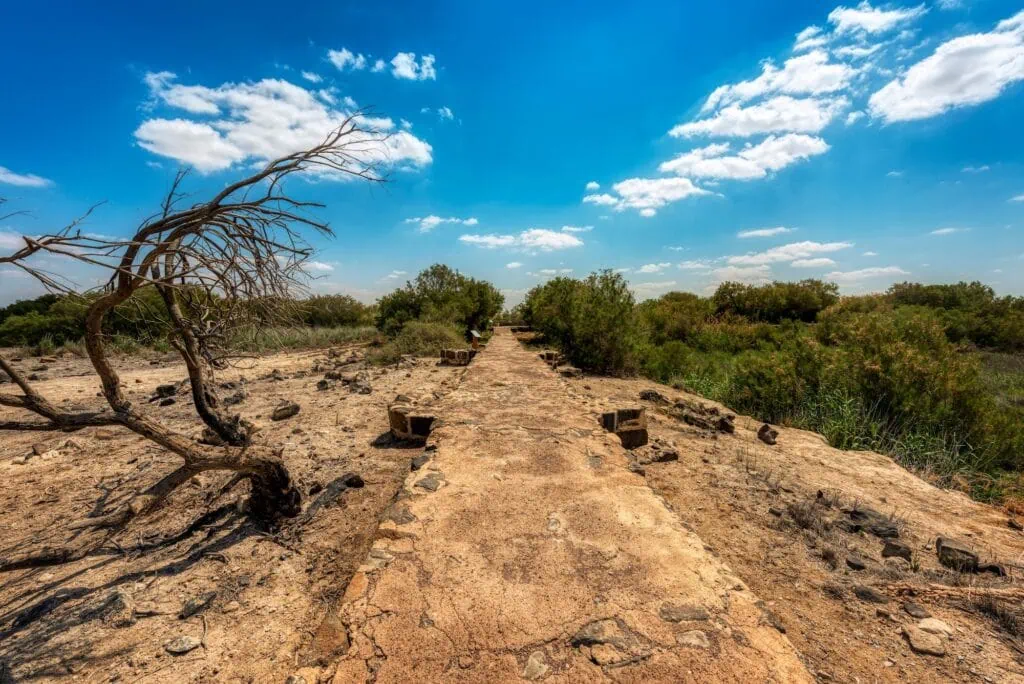
The RSCN has successfully reintroduced several species while maintaining critical stopover points along the Africa-Eurasia flyway.
Biodiversity Endemic Species
Despite its reduced size, Azraq supports remarkable biodiversity. The Azraq killifish (Aphanius sirhani) remains Jordan’s only endemic vertebrate species, surviving in carefully maintained pools throughout the reserve.
Over 290 bird species have been recorded here, with 16 species regularly observed during peak seasons.
Water Management Restoration
Modern conservation techniques include controlled flooding cycles that mimic natural seasonal variations. Artificial springs pump treated water to maintain minimum habitat requirements while solar-powered systems reduce environmental impact.
These efforts demonstrate how targeted intervention can preserve critical ecosystems even under severe water stress.
Wildlife Viewing Migration Patterns
Winter months between November and March offer the most spectacular wildlife viewing opportunities. Night herons, white-eared bulbuls, and various raptor species create dynamic viewing experiences along the reserve’s trails and observation points.
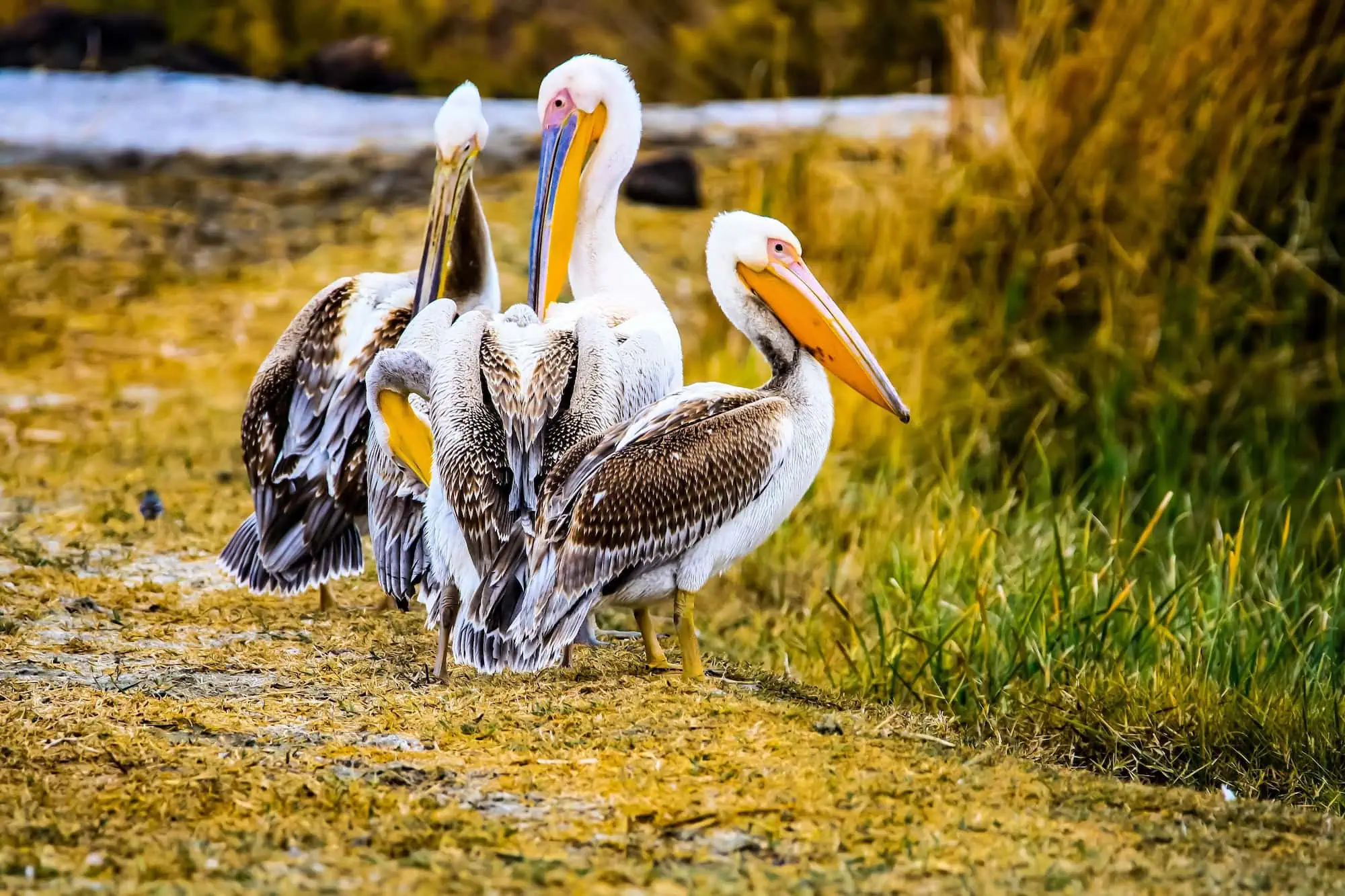
Migration timing follows ancient patterns despite habitat changes. Spring migration peaks during April and May bring the greatest diversity of species, while autumn movements in September and October offer different viewing opportunities.
The Africa-Eurasia flyway designation recognizes Azraq’s continued importance as an international corridor for bird migration.
European and African species converge here during transition periods, creating unique observation opportunities. Water buffalo, introduced to help maintain vegetation balance, add an unexpected element to the wetland ecosystem. Their natural pathways through marsh areas actually benefit smaller species by creating diverse microhabitats.
Historical Archaeological Heritage
Archaeological evidence places human presence at Azraq as far back as 250,000 BC, making it one of the oldest continuously inhabited sites in the region.
Roman structures dating to 300 AD include defensive walls and water management systems that demonstrate the oasis’s strategic importance. Trade routes connecting Damascus to the Arabian Peninsula passed through this vital water source, establishing Azraq as a crucial caravan stop.
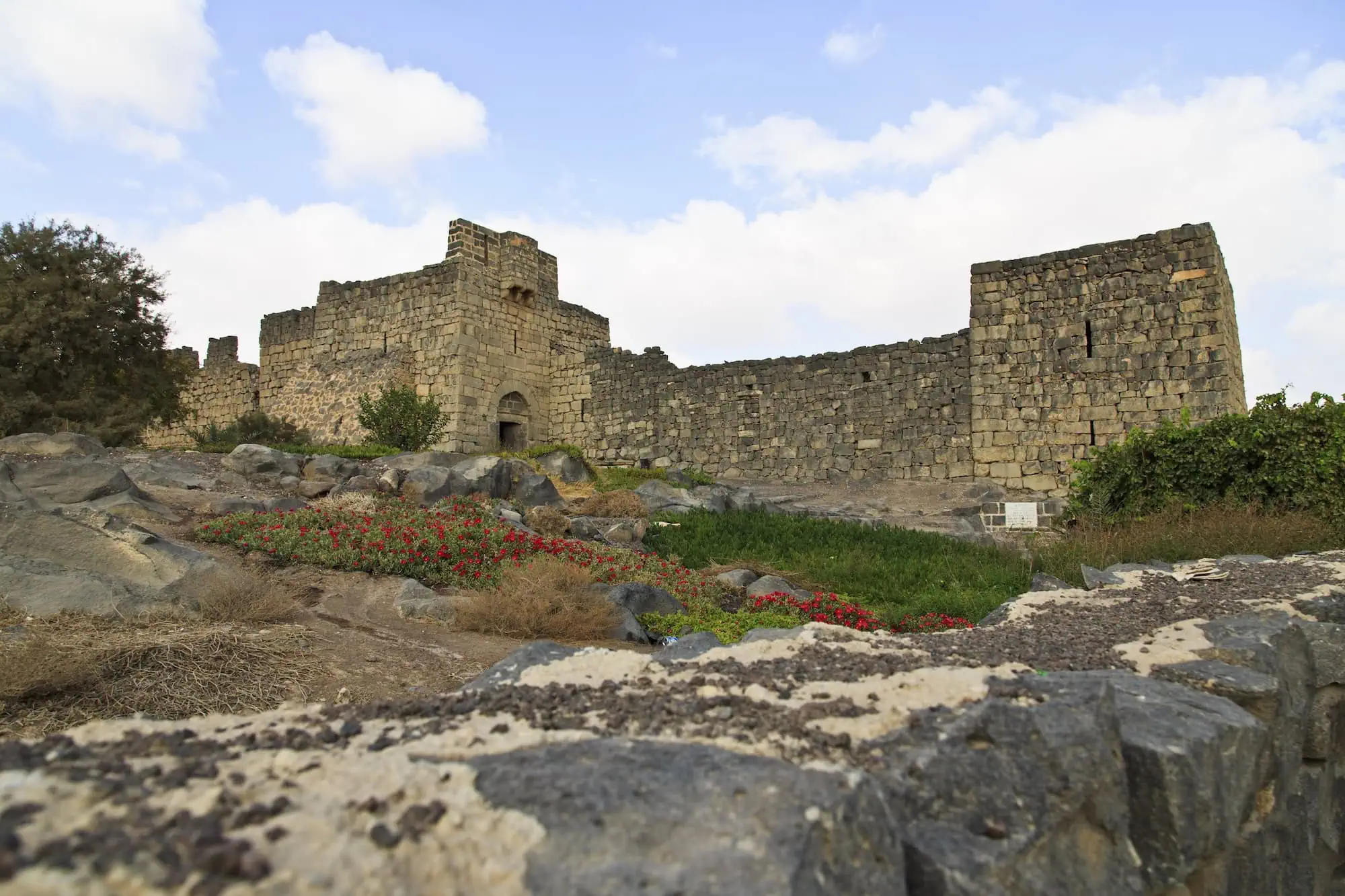
Later, Omayyad Arab settlements left additional architectural traces that blend with earlier Roman engineering. Lawrence of Arabia used Azraq Castle as his desert headquarters during the Arab Revolt, adding another layer to its rich historical narrative.
The castle, built from local black basalt stone, overlooks the wetland area and provides context for understanding the site’s strategic value throughout different periods.
Cultural Landscape Integration
UNESCO has recognized Azraq’s potential as a mixed cultural and natural heritage site, acknowledging both its ecological importance and historical significance. This dual recognition reflects the area’s unique position as a location where human civilization and natural systems have intersected for millennia.
Visitor Information Trail Systems
Marsh Trail Experience
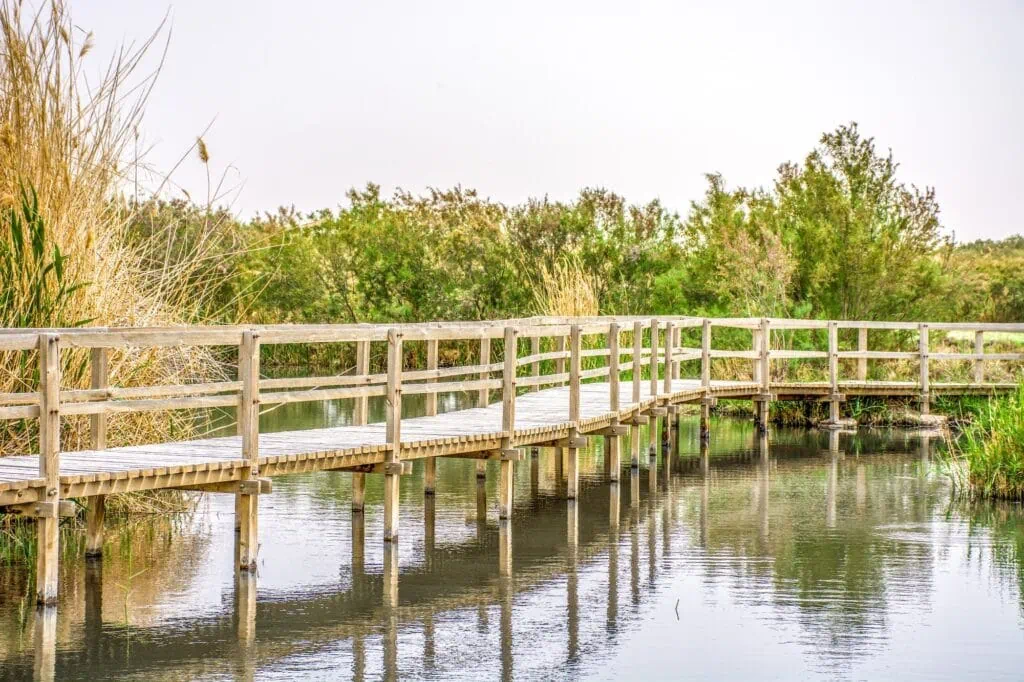
The 1.5-kilometer Marsh Trail provides the primary visitor experience, requiring approximately 30 minutes for a complete circuit. Elevated boardwalks protect sensitive wetland areas while offering excellent viewing angles for photography and wildlife observation.
The trail connects two bird hides strategically positioned for optimal viewing during different times of day.
Early morning visits between 6:00 am and 8:00 am typically yield the best bird activity, particularly during migration seasons. The visitor center provides trail maps, species identification guides, and current wildlife activity reports to enhance your experience.
Seasonal Visiting Recommendations
Winter visits offer the most consistent wildlife viewing, with temperatures ranging from 10-15°C creating comfortable conditions for extended observation periods. Spring migration periods require advance planning as weather can be unpredictable, with temperatures climbing toward 25-30°C by late May.
Transportation and Access
Located approximately 100 kilometers east of Amman, the reserve requires about 90 minutes of driving time. The route follows well-maintained highways through Jordan’s eastern desert landscape, passing traditional Bedouin communities and dramatic volcanic rock formations.
We arrange private transportation with experienced drivers familiar with desert conditions and optimal timing for wildlife viewing. Our vehicles carry water, first aid supplies, and communication equipment essential for desert travel safety.
Conservation Challenges Future Prospects
Water scarcity remains the fundamental challenge facing Azraq’s long-term sustainability. Current artificial water sources provide temporary solutions, but climate change and regional water demands continue pressuring the entire system.
Regional military activities create additional complications for both wildlife and visitor access. Fighter jet training exercises occasionally disrupt bird behavior patterns, while security checkpoints require proper documentation for all visitors.
The reserve’s reduced size limits its capacity to support large populations of many species. Habitat fragmentation affects breeding success rates, particularly for species requiring extensive territory ranges. Conservation scientists work continuously to maximize habitat effectiveness within available space constraints.
International Collaboration Efforts
Partnerships with European conservation organizations provide funding and expertise for ongoing restoration projects. Research collaboration helps track migration patterns across the entire flyway, contributing to broader regional conservation strategies.
These international connections ensure Azraq benefits from global best practices in wetland management.
Planning Conservation Focused Visit
Recommended Duration Activities
Most visitors spend 2-3 hours exploring the reserve, though serious birders often extend visits to half-day experiences during peak migration periods. Photography workshops and guided nature walks can be arranged through advance booking with certified naturalist guides.
Supporting Conservation Tourism
Entrance fees directly fund ongoing restoration and maintenance projects. Additional donations support specific initiatives including species monitoring, habitat enhancement, and environmental education programs for local communities.
Our carefully planned visits ensure minimal environmental impact while maximizing educational value. We coordinate timing with reserve management to avoid sensitive breeding periods and contribute to citizen science data collection when appropriate.
Equipment and Preparation
Binoculars are essential for optimal wildlife viewing, though the visitor center maintains a limited supply for rent. Sun protection, water, and comfortable walking shoes suit the relatively easy terrain.
Camera equipment with telephoto capabilities enhances photography opportunities, particularly for bird species that maintain distance from viewing areas.
Frequently Asked Questions
Winter months (November-March) offer optimal wildlife viewing with comfortable temperatures.
The Marsh Trail requires approximately 30 minutes for a complete circuit.
Yes, including visitor center, restrooms, parking, and bird hide observation points.
Over 16 bird species regularly, including night herons and seasonal migrants.
No, though guided tours require advance arrangements through the RSCN.
Approximately 100 kilometers requiring about 90 minutes driving time via highways.
Yes, the boardwalk trail is suitable for all ages with supervision.
Binoculars, sun protection, water, comfortable shoes, and camera equipment.
Yes, RSCN offers environmental education programs and guided tours by arrangement.
Entrance fees fund restoration projects, species monitoring, and habitat maintenance.
Its position on the Africa-Eurasia flyway as critical stopover point.
Design Your Custom Tour
Explore Egypt and Jordan your way by selecting only the attractions you want to visit