

Museum of Modern Egyptian Art (aka Gezira Center for Modern Art)
This remarkable cultural institution preserves Egypt’s artistic evolution across nearly a century. Founded in 1927 through a royal decree, the Museum of Modern Egyptian Art stands as Cairo’s premier showcase for contemporary Egyptian creativity.
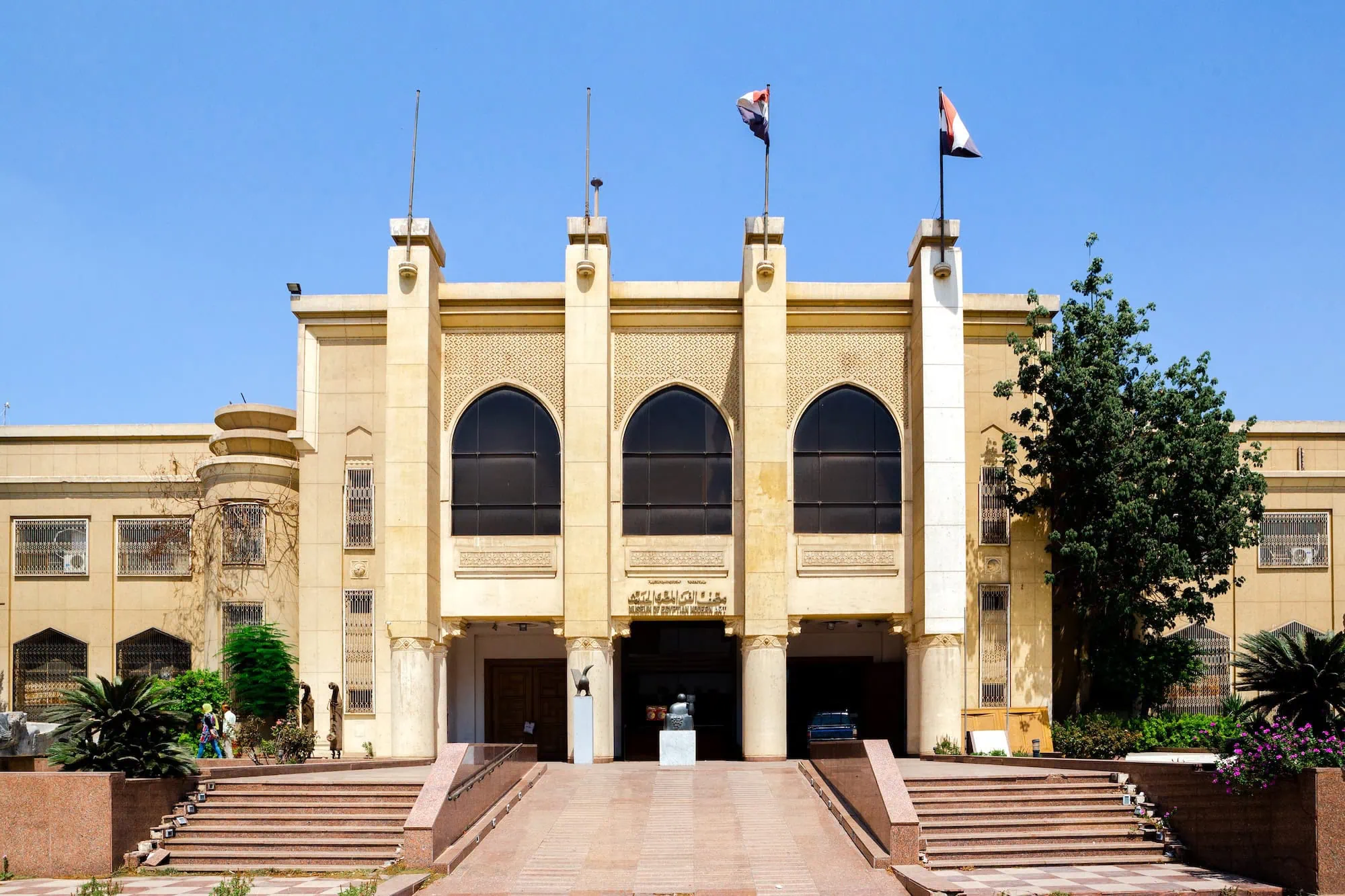
Located in the elegant Zamalek district on Gezira Island, this institution houses over 13,000 paintings and sculptures that chronicle the nation’s artistic journey from the early 20th century to today. The museum’s collection spans multiple floors within a beautifully restored building that opened to the public in 1991, creating an intimate setting where visitors can explore the works of pioneering Egyptian artists like Mahmoud Said, Ahmad Sabri, and Abdel Hadi Al-Gazzar.
Understanding the museum’s current status requires noting its complex operational history, including periods of closure for renovations and restoration work that have shaped the visitor experience.
Table of Contents
Historical Foundations and Royal Legacy
Muhammad Mahmoud Khalil’s visionary leadership established this cultural cornerstone during Egypt’s modern renaissance period. The 1927 royal decree that created the museum reflected the nation’s commitment to preserving and promoting contemporary Egyptian artistic expression. Originally conceived as part of the Fine Arts Lovers Association initiative, the institution aimed to provide Egyptian artists with dedicated exhibition space and public recognition.
The Building’s Architectural Journey
Construction began in 1936 on the current structure, designed to complement the surrounding cultural institutions in the Opera House complex. The building’s neoclassical elements blend seamlessly with modern exhibition requirements, creating spacious galleries that highlight artwork without overwhelming visitors.
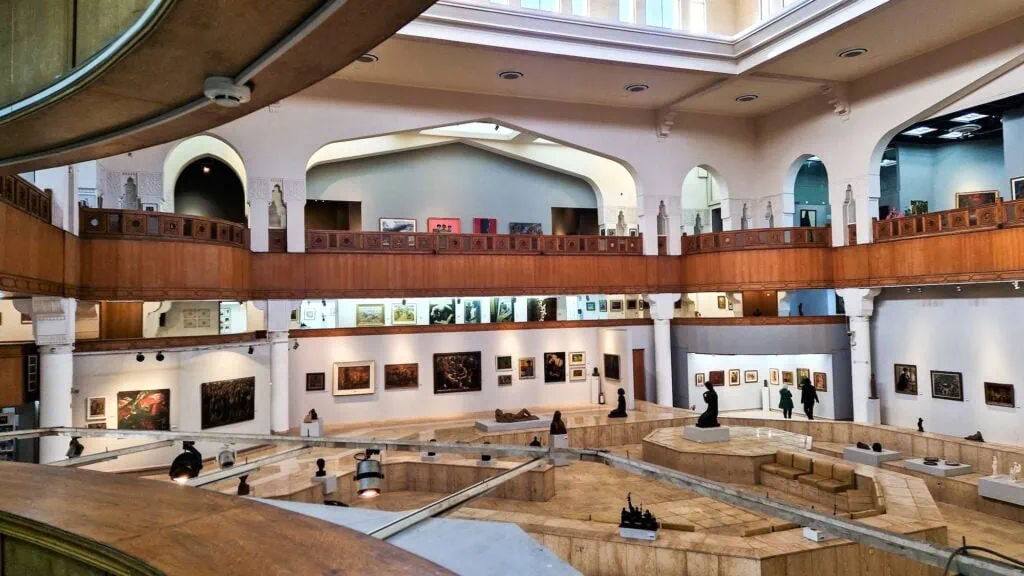
Natural light flows through carefully positioned windows, illuminating paintings and sculptures while preserving their integrity.
Opening and Early Years
The museum officially welcomed visitors in October 1991 after extensive preparation and collection organization. Those early years established exhibition protocols that balanced permanent displays with rotating contemporary shows. The Ministry of Culture’s oversight ensured professional curatorial standards while maintaining accessibility for both local residents and international visitors.
Royal Collections Integration
Original royal patronage brought significant private collections into the museum’s holdings. These foundational pieces by established masters provided credibility and artistic gravitas that attracted additional donations from prominent Egyptian families. The royal connection also secured government funding for ongoing operations and expansion projects.
Artistic Collections and Notable Works
The museum’s 13,000-piece collection represents Egypt’s most comprehensive survey of modern and contemporary art created within the country’s borders.
Pioneer Generation Artists
Mahmoud Said’s distinctive portraits capture the intersection of European techniques with distinctly Egyptian subjects and sensibilities. His work demonstrates how early 20th-century artists navigated between traditional Islamic artistic principles and emerging modernist movements. Gazbeya Sirry’s bold compositions challenge conventional perspectives while maintaining connection to Egyptian cultural motifs and symbols.
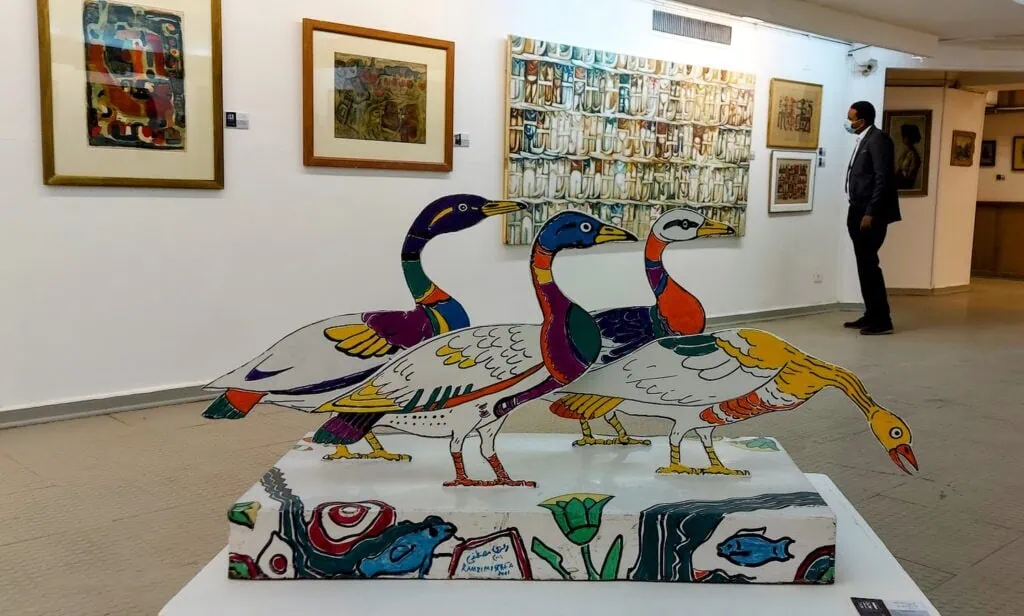
Ahmad Sabri’s landscapes reveal the unique quality of Egyptian light that has captivated artists for millennia. These paintings showcase technical mastery alongside deep understanding of local environmental conditions. Abdel Hadi Al-Gazzar’s later works bridge the gap between the pioneer generation and contemporary artistic expression.
Contemporary Movements and Themes
Newer acquisitions reflect evolving artistic concerns including urbanization, globalization, and cultural identity preservation. Abstract works demonstrate Egyptian artists’ engagement with international art movements while maintaining distinctive regional characteristics. The Eye of Horus motif appears frequently, connecting ancient symbolism with modern artistic interpretation.
Visiting Experience and Practical Information
Most visitors spend approximately two hours exploring the museum’s three floors and outdoor sculpture areas. The ground floor houses the permanent collection’s highlights, while upper levels rotate temporary exhibitions featuring contemporary Egyptian artists.
Photography policies vary by exhibition, with some areas permitting non-flash photography while others restrict camera use entirely. Entry fees remain modest at EGP£20 for adults, making the museum accessible to diverse audiences. The museum shop offers catalogs, prints, and books about Egyptian artistic movements.
Current Operational Status
Recent years have brought operational challenges including extended closures for renovation work beginning in 2011. These improvements aim to modernize climate control systems, enhance security measures, and expand exhibition space. We recommend checking current opening hours before planning your visit, as schedules may vary during renovation periods.
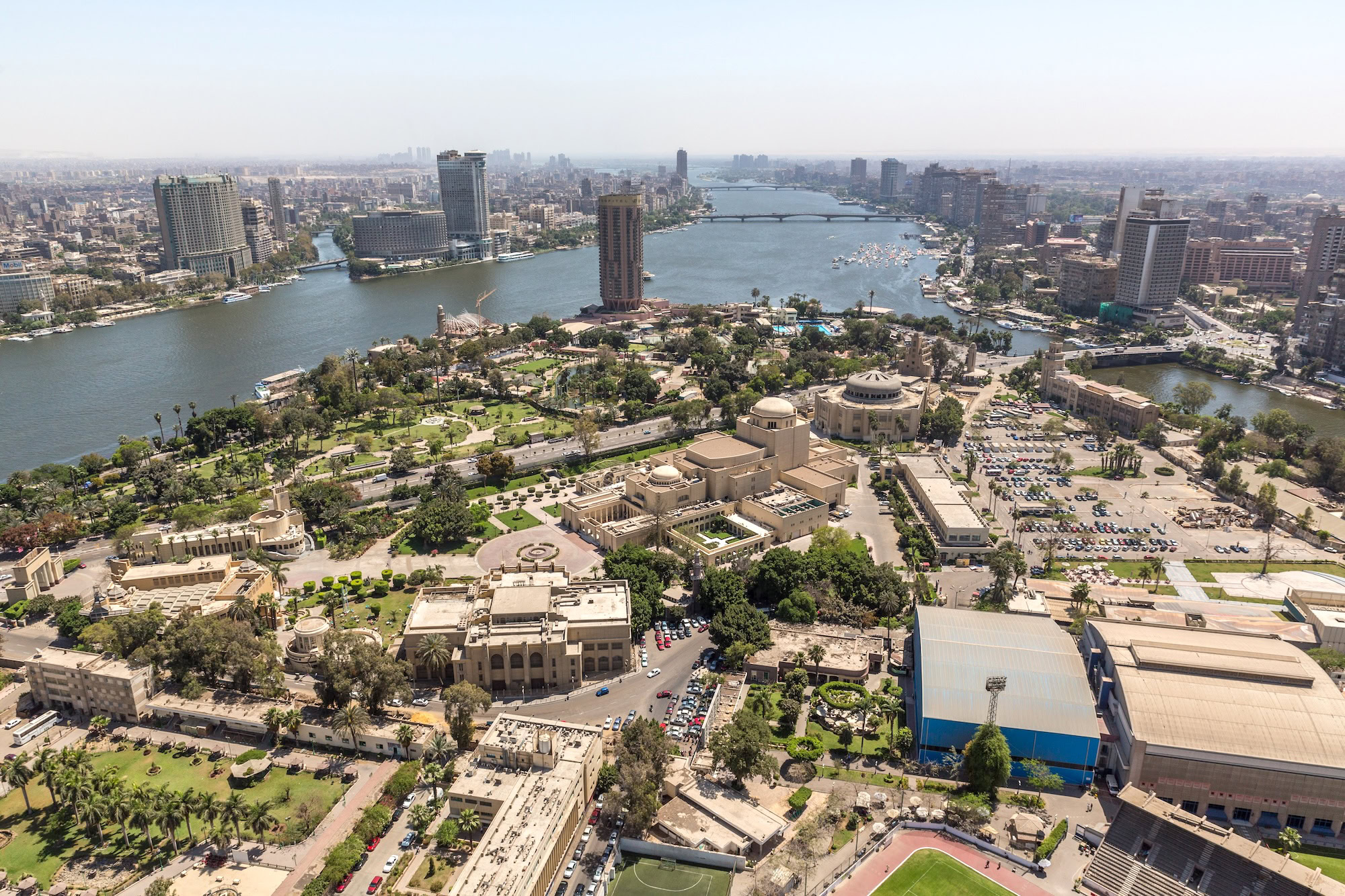
The museum’s location within the Cairo Opera House complex provides easy access via taxi or metro to the Opera station. Parking availability varies depending on concurrent events at neighboring cultural institutions.
Cultural Context and Significance
Egypt’s artistic traditions extend beyond ancient pharaonic periods into vibrant contemporary expression that reflects modern Egyptian identity. The museum serves as a bridge connecting these artistic eras while showcasing how Egyptian artists have interpreted global art movements through distinctly local perspectives.
Educational Programs and Community Outreach
Regular workshops introduce young Egyptians to artistic techniques and art history. These programs often feature practicing artists who share insights about creative processes and career development. School groups frequently visit during weekday mornings, creating lively educational experiences that connect students with their cultural heritage.
University partnerships facilitate research projects and internships that support emerging scholars and arts professionals. The museum’s archives provide valuable resources for academic research into Egyptian artistic movements and individual artist biographies.
International Recognition and Exhibitions
Touring exhibitions have brought pieces from the collection to museums worldwide, raising international awareness of Egyptian contemporary art. These collaborations often result in cultural exchanges that enrich the museum’s programming and expand its global network. Recent partnerships with European and American institutions have created opportunities for Egyptian artists to exhibit abroad.
Artistic Movements Represented
Realism and Social Commentary
Early 20th-century Egyptian realism documented social changes accompanying modernization and political independence. These works capture daily life, traditional crafts, and social customs that were rapidly evolving during the nation’s formative decades. Artist interpretations of rural and urban life reveal changing relationships between tradition and progress.
Abstract and Modernist Expressions
Egyptian abstract art developed unique characteristics that distinguish it from purely Western modernist movements. Color palettes often reflect the desert landscape, Mediterranean influences, and architectural traditions found throughout Egypt. Geometric patterns draw inspiration from Islamic artistic principles while embracing contemporary compositional techniques.
Contemporary Installations and Mixed Media
Recent additions to the collection demonstrate Egyptian artists’ engagement with installation art, video, and mixed media approaches. These works address current social issues, environmental concerns, and globalization’s impact on local communities. The museum’s willingness to acquire contemporary pieces ensures continued relevance for younger generations.
Planning Your Museum Visit
The museum’s location in the heart of Cairo’s cultural district makes it an ideal starting point for exploring multiple institutions in a single day. The nearby Opera House, National Cultural Centre, and various galleries create opportunities for comprehensive cultural experiences.
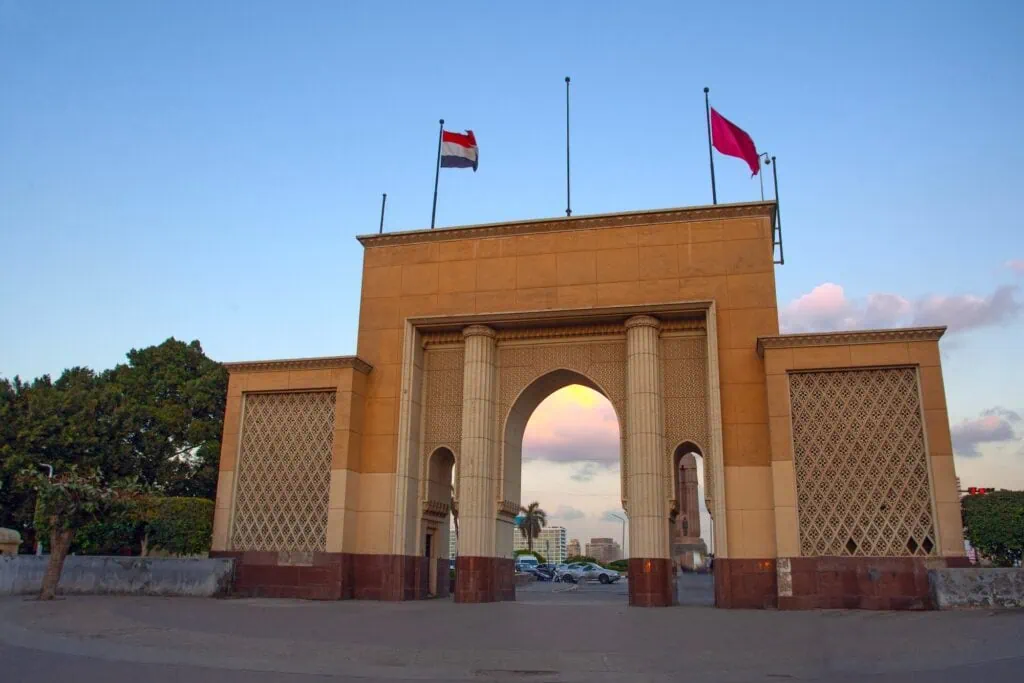
Many visitors combine their museum visit with walks through the surrounding Zamalek neighborhood, known for its tree-lined streets and riverside cafes.
Optimal Visiting Times
Weekday mornings typically offer quieter gallery experiences with more opportunities to observe artwork without crowds. Late afternoon visits take advantage of favorable lighting conditions in galleries with natural illumination. Special exhibition openings and cultural events create additional visiting opportunities throughout the year.
Nearby Attractions and Dining
The Zamalek area provides numerous dining options ranging from traditional Egyptian restaurants to international cuisine. Many establishments offer outdoor seating with Nile River views. The neighborhood’s walkable streets make it easy to explore galleries, bookshops, and boutiques after your museum visit.
We can arrange private transportation from your hotel to the museum as part of comprehensive cultural tours that include multiple significant sites throughout Cairo. Explore top highlights via our curated while enjoying a seamless, guided experience. Our experienced guides provide detailed context about Egyptian artistic movements and can coordinate visits to artists’ studios and private galleries.
Add A Contemporary Perspective To Your Egypt Journey
The Museum of Modern Egyptian Art offers a fresh lens on Egypt—where creativity, identity, and culture come alive through powerful contemporary works. With EgyptToursPlus, we seamlessly include this inspiring stop in a private journey that balances Egypt’s ancient wonders with its vibrant modern expression.
You choose your travel dates, your pace, and the experiences that shape your route. From world-famous landmarks to cultural gems and comfortable stays, we tailor every detail around your preferences—ensuring a smooth, refined, and deeply personal travel experience from start to finish.
Frequently Asked Questions
Most visitors spend 2 to 3 hours exploring the Museum of Modern Egyptian Art, including its galleries, sculpture displays, and temporary exhibitions. The museum’s collection spans more than a century of Egyptian artistic development, from early modernist pioneers to contemporary experimental works. Art enthusiasts interested in painters such as Mahmoud Said or Abdel Hadi Al-Gazzar often stay longer to study individual collections carefully. Visiting earlier in the day allows quieter gallery conditions and more time to combine the museum with nearby Zamalek cultural sites.
International visitor tickets for the Museum of Modern Egyptian Art have historically cost around EGP 20 for adults, with discounted rates sometimes available for students carrying valid identification. Temporary exhibitions or special cultural events inside the Cairo Opera House complex may occasionally involve separate fees. Because museum pricing in Egypt can change with government cultural policies, travelers should confirm rates shortly before visiting. Carrying small Egyptian pound notes is helpful because some cultural venues have limited card payment options.
Photography policies inside the Museum of Modern Egyptian Art vary by gallery and exhibition, with some sections allowing non-flash photography while others prohibit cameras entirely. Restrictions usually depend on artwork loan agreements, conservation concerns, or temporary exhibition rules established by artists and curators. Flash photography is commonly discouraged because prolonged exposure can damage sensitive paintings, textiles, and archival materials. Visitors interested in photographing artwork should check signage carefully and ask museum staff before taking photos in individual galleries.
The Museum of Modern Egyptian Art is located inside the Cairo Opera House complex in Zamalek on Gezira Island, approximately 3 km west of Tahrir Square in central Cairo. Its position near the Nile River places it within one of Cairo’s main cultural districts, alongside theaters, galleries, and performance venues. The museum is easily combined with visits to Cairo Tower, the Opera House, or Zamalek’s art scene. Traffic can slow access during evening performance hours, so morning visits are usually more efficient.
The permanent collection includes works by major Egyptian artists such as Mahmoud Said, Ahmad Sabri, Gazbia Sirry, Abdel Hadi Al-Gazzar, and Mahmoud Mokhtar, whose sculptures helped shape Egypt’s modern artistic identity. The museum documents artistic movements from the early 20th century through contemporary periods, including realism, surrealism, nationalism, and abstract experimentation. Mahmoud Said’s portraits and coastal scenes are particularly important because they bridged European technique with Egyptian cultural themes. The collection is considered one of the country’s leading archives of modern Egyptian visual art.
Yes, the Museum of Modern Egyptian Art is accessible by Cairo Metro through Opera Station on Line 2, followed by a short walk into the Cairo Opera House complex. Taxi and ride-sharing services also reach the museum easily because Zamalek is centrally located between downtown Cairo and Giza. Public transportation is often faster than driving during peak traffic hours between 7:30–9:30 am and 5:00–7:00 pm. Visitors combining multiple Zamalek attractions may prefer private transport for flexibility and convenience.
Guided tours and educational programs are occasionally available at the Museum of Modern Egyptian Art, although availability depends on staffing, exhibitions, and cultural programming schedules. Some exhibitions include curatorial explanations or bilingual educational materials in Arabic and English that provide historical context for Egyptian artistic movements. Travelers seeking deeper interpretation often benefit from private guides familiar with Egypt’s modern art history and political context. Contacting the museum or arranging visits through Egypt Tours Plus helps confirm current tour availability in advance.
The Museum of Modern Egyptian Art sits within Cairo’s broader Opera House cultural district, surrounded by theaters, galleries, and major landmarks in Zamalek. Nearby attractions include Cairo Opera House itself, Cairo Tower, the Gezira Arts Center, and numerous independent galleries showcasing contemporary Egyptian artists. The Egyptian Museum in Tahrir Square is also only a short drive away, making it possible to combine ancient and modern cultural experiences in one day. Evening visits pair especially well with Opera House performances or Nile-side dining.
Basic storage and security screening facilities are sometimes available at the Museum of Modern Egyptian Art, although policies can vary depending on exhibitions and Opera House security procedures. Large bags, professional camera equipment, and oversized backpacks may need to be checked before entering gallery areas. Because the museum operates within a national cultural complex, security checks are generally stricter during official events or performances nearby. Carrying only essential personal items usually makes entry faster and more convenient.
Most artwork labels and gallery descriptions at the Museum of Modern Egyptian Art appear in both Arabic and English, making the collection accessible to international visitors as well as local audiences. Major exhibitions sometimes include additional translated material, especially for internationally collaborative programs or touring collections. Bilingual interpretation is particularly helpful because many works reference Egypt’s political, social, and cultural history from the 20th century onward. Guided tours can add further context that standard labels may not fully explain.
The museum shop typically offers exhibition catalogs, postcards, art books, and reproduction prints related to Egyptian modern art movements and featured artists. Publications often focus on influential figures such as Mahmoud Said or Gazbia Sirry and can be difficult to find outside Egypt. Availability changes depending on current exhibitions and stock levels within the Cairo Opera House complex. Visitors interested in Egyptian art history should browse the shop early in their visit because some catalogs and specialty publications sell out quickly.
Design Your Custom Tour
Explore Egypt your way by selecting only the attractions you want to visit