

Cairo Opera House – A Perfect Venue for Performing Arts
The beating heart of Egypt’s cultural scene awaits just minutes from downtown Cairo.
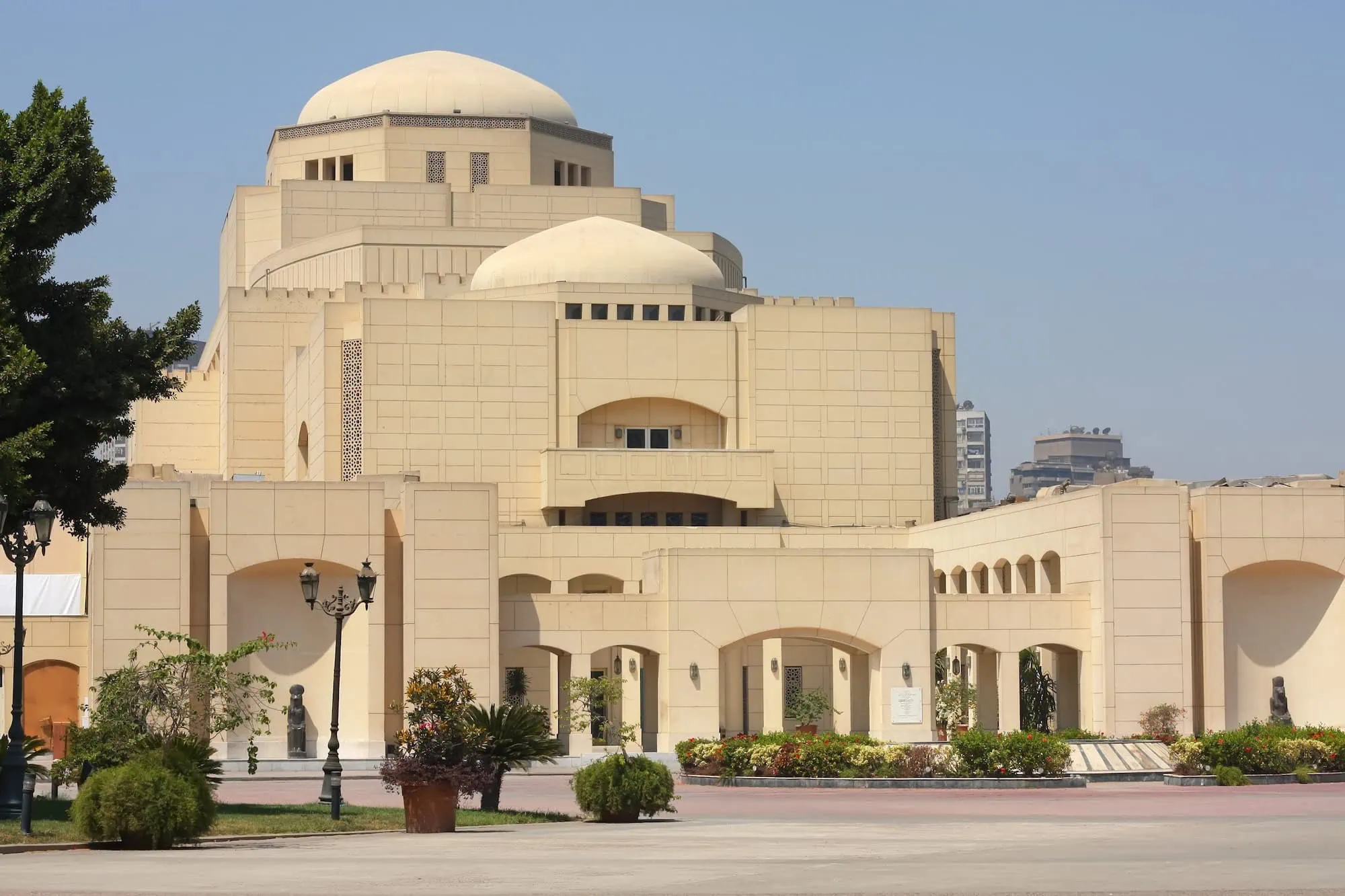
Step onto Gezira Island in the elegant Zamalek district, and you’ll discover an architectural masterpiece that has defined Egyptian performing arts for over three decades. The Cairo Opera House stands as the country’s national cultural center, hosting everything from world-class ballet performances to traditional Arabic music concerts.
This isn’t just another concert hall – it’s where East meets West in perfect harmony, where the Cairo Symphony Orchestra brings classical masterpieces to life, and where the finest talents from across the Arab world gather to showcase their artistry.
Whether you’re drawn to the grandeur of opera, the grace of ballet, or the rich traditions of Arabic music, this cultural landmark offers experiences that will stay with you long after the final curtain call.
Table of Contents
World-Class Venues Under One Roof
The complex houses seven distinct performance spaces, each designed for specific artistic experiences.
The Main Hall: Egypt’s Grand Stage
Seating 1,200 guests in elegant comfort, the Main Hall serves as the primary venue for major productions. The acoustics here are nothing short of remarkable – every note from the Cairo Symphony Orchestra resonates with crystal clarity throughout the auditorium.
We’ve witnessed countless performances where the sound quality alone moved audiences to tears before the artists even reached their emotional peaks.
The hall’s design incorporates both modern technology and traditional aesthetic elements. Rich red velvet seats face a stage equipped with state-of-the-art lighting and sound systems.
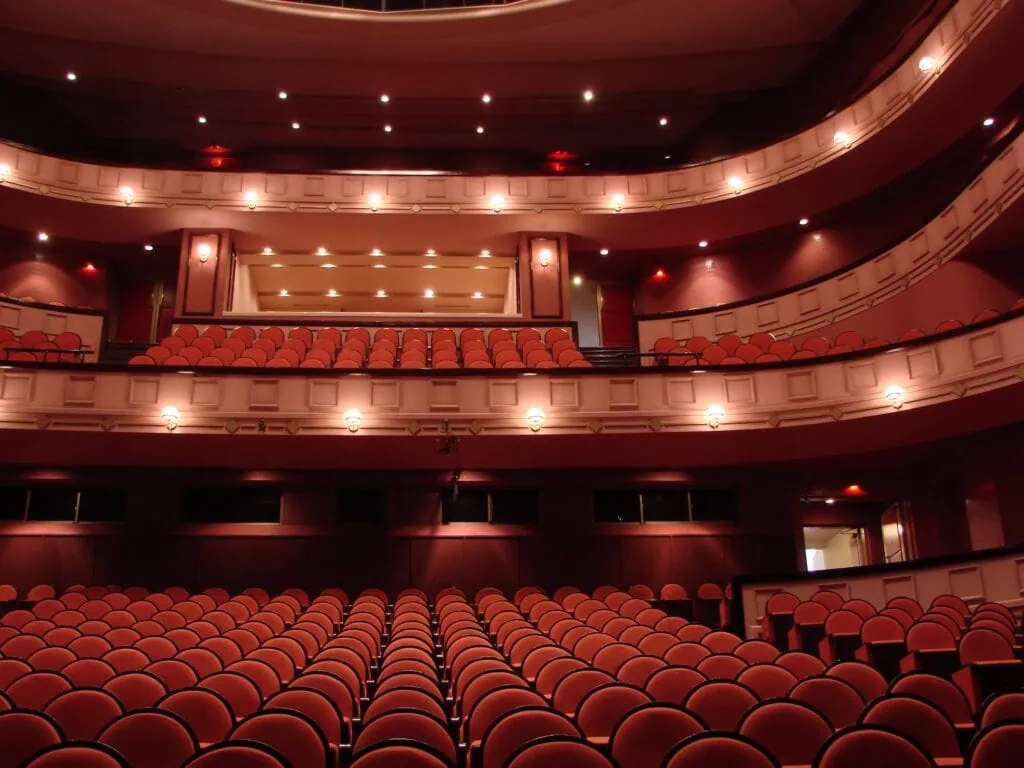
During gala performances, the atmosphere becomes electric as Cairo’s cultural elite gather alongside international visitors.
The Small Hall: Intimate Artistic Encounters
With 500 carefully positioned seats, the Small Hall creates an intimate setting perfect for chamber music, solo performances, and contemporary works. This venue regularly hosts the National Arab Music Ensemble, where traditional oud melodies blend with modern arrangements in ways that honor Egypt’s musical heritage while pushing artistic boundaries.
The smaller scale allows for experimental programming that might not work in the grand Main Hall. Young artists often make their debuts here, and the close proximity between performers and audience creates magical moments of connection.
Specialized Performance Spaces
Beyond the two main theaters, five additional venues cater to different artistic needs. The Arab Music Institute houses both performance and educational facilities, while outdoor spaces accommodate summer festivals and special events.
Each venue maintains its own character while contributing to the overall artistic ecosystem.
Resident Companies: Egypt’s Artistic Crown Jewels
Three world-renowned ensembles call the Cairo Opera House home, each representing different facets of Egypt’s rich cultural tapestry.
The Cairo Symphony Orchestra stands as the country’s premier classical ensemble, performing repertoire that spans from Beethoven symphonies to contemporary Egyptian compositions. Under the baton of internationally recognized conductors, these musicians have earned acclaim across Europe and the Middle East.
Their season programming balances beloved classics with ambitious new works, often featuring soloists from the global classical music scene.
The Cairo Opera Ballet Company brings grace and athleticism to the stage through both classical and contemporary works. Productions of “The Nutcracker” and “Swan Lake” showcase technical excellence, while original choreographies explore themes unique to Egyptian culture.
The company’s dancers train rigorously in both Western ballet traditions and Middle Eastern movement styles, creating performances that feel both familiar and refreshingly original. Recent seasons have featured collaborations with international choreographers, resulting in works that push the boundaries of what ballet can express.
The National Arab Music Ensemble preserves and evolves the rich traditions of Arabic music. These musicians master instruments like the oud, qanun, and riq while exploring how ancient melodies can speak to contemporary audiences.
Their performances often feature guest vocalists who carry forward the legacy of legends like Umm Kulthum, adapting classic songs for new generations while maintaining their emotional power.
A Living Monument to Cultural Exchange
Few cultural institutions embody international cooperation as beautifully as the Cairo Opera House.
Inaugurated on October 10, 1988, the complex stands as a gift from Japan to Egypt, representing a bridge between distant cultures united by their appreciation for artistic excellence. This generous donation from the Japanese government, presented during President Hosni Mubarak’s tenure, demonstrated how the arts transcend political and geographical boundaries.
The architectural design reflects this spirit of cultural fusion. Japanese minimalist principles merge with traditional Egyptian decorative elements, creating spaces that feel both modern and timeless.
The building’s clean lines and functional elegance serve the practical needs of world-class performances while honoring the aesthetic traditions of both cultures.
This international foundation continues to influence programming decisions today. The opera house regularly hosts visiting companies from around the globe, while Egyptian artists frequently tour internationally as cultural ambassadors.
These exchanges enrich the local artistic community and ensure that Cairo remains connected to global cultural movements.
Programming That Spans Continents
The venue’s calendar reflects its commitment to cultural diversity. A typical season might feature a Japanese string quartet, a German opera production, an Arabic music festival, and a contemporary dance piece from France.
This programming approach ensures that audiences experience the full spectrum of human artistic achievement while maintaining strong roots in Egyptian and Arab cultural traditions.
Young Egyptian artists benefit enormously from this international exposure. They work alongside visiting masters, absorbing techniques and perspectives that inform their own artistic development.
Meanwhile, international artists gain deeper appreciation for Middle Eastern musical traditions and often incorporate these influences into future works.
Educational Excellence and Talent Development
The Talents Development Centre transforms artistic dreams into professional realities through comprehensive training programs.
Classes range from ballet fundamentals for young children to advanced oud technique for serious musicians. Piano instruction follows international standards while incorporating Arabic musical scales and rhythms.
Students learn not just technique but also the cultural context that gives their chosen art form meaning and power.
Master classes with visiting artists provide inspiration and advanced instruction that would otherwise require expensive international travel. Recent workshops have featured principals from major European ballet companies, renowned opera singers, and celebrated composers who share both technical knowledge and insights into professional artistic careers.
Nurturing Egypt’s Next Generation
The center’s approach emphasizes both individual excellence and collaborative skills. Young musicians learn to perform as soloists while also developing the ensemble skills necessary for orchestra or chamber music work.
Ballet students master classical technique while exploring contemporary movement styles that reflect their own cultural background.
Performance opportunities within the center allow students to gain stage experience in professional venues. These showcases often attract talent scouts and offer networking opportunities that launch professional careers.
Many current members of the resident companies began their training in these programs, creating a continuous cycle of artistic renewal.
Planning Your Cultural Experience
Attending a performance requires some advance planning, but the effort rewards you with unforgettable experiences.
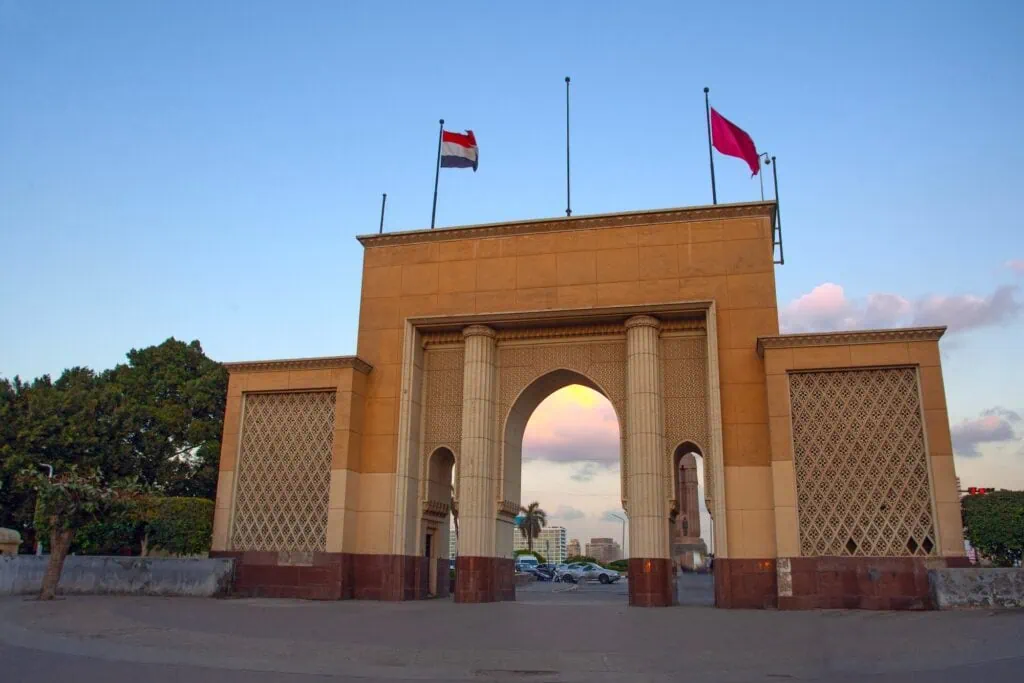
Tickets are available through the official website and at the box office, with prices varying based on seating location and production type. Major productions like full operas or ballet galas command premium prices, while chamber music concerts and Arabic music performances offer more accessible options.
We recommend booking early for popular shows, especially during the main season from October through April.
What to Expect During Your Visit
Dress codes lean toward formal attire, particularly for evening performances in the Main Hall. Men typically wear suits or dress pants with collared shirts, while women choose dresses, skirts, or elegant pantsuits.
The atmosphere is sophisticated but welcoming – you’ll find a mix of seasoned opera enthusiasts and curious first-time visitors.
Arrive at least 30 minutes before curtain time to fully appreciate the building’s architecture and find your seats comfortably. The lobby areas feature displays about current productions and upcoming events.
Light refreshments are available during intermissions, though many guests prefer to use the break time for socializing and discussing the performance.
The venue provides excellent sightlines from most seats, though front mezzanine locations offer the optimal balance of proximity and acoustic quality. Upper balcony seats provide good views at more affordable prices, making the arts accessible to a broader audience.
Transportation and Accessibility
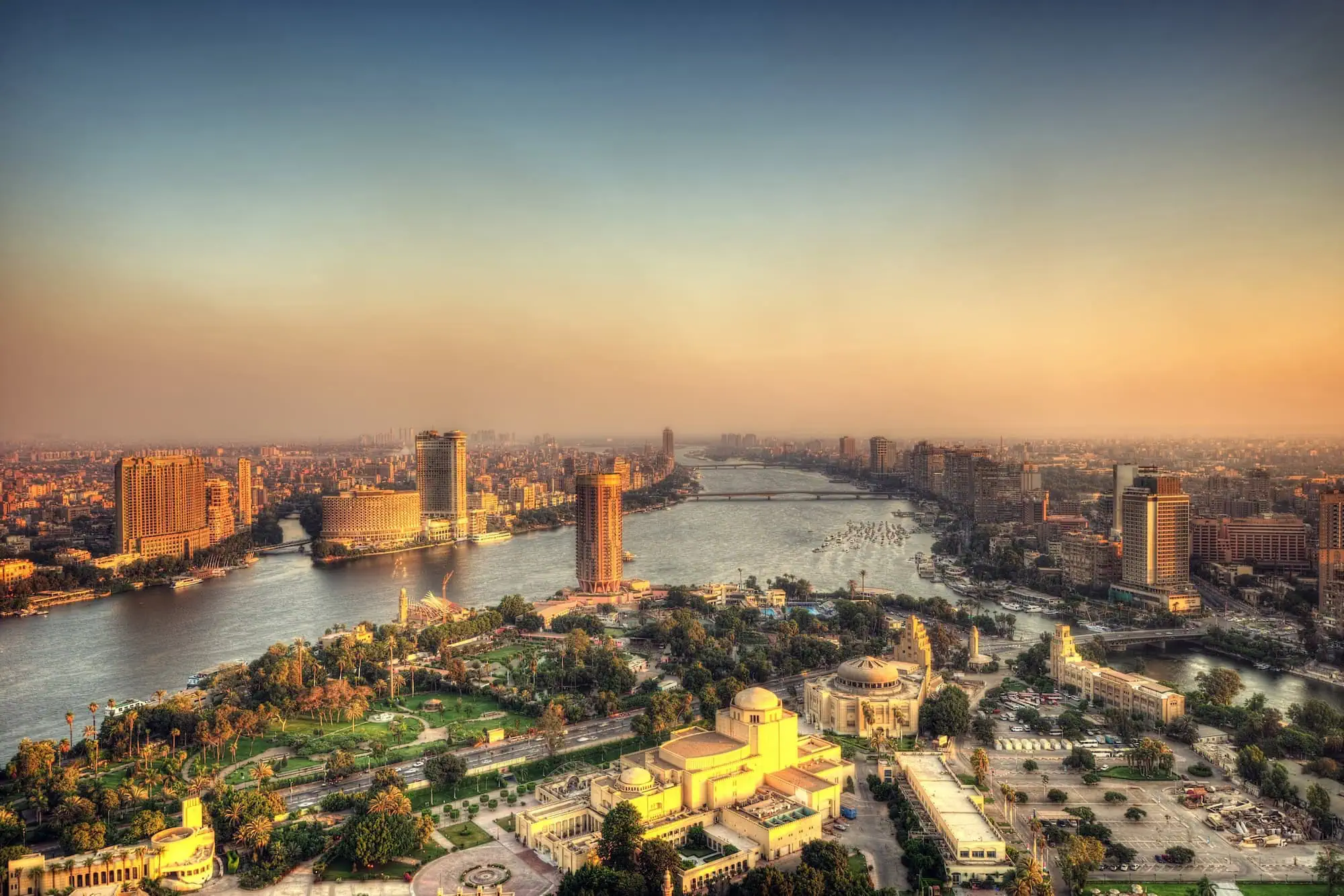
Located in the Zamalek district on Gezira Island, the opera house is easily accessible by taxi, ride-sharing services, or public transportation. The Gezira station on the Cairo Metro provides convenient access, though walking from the station takes about 10 minutes through pleasant tree-lined streets.
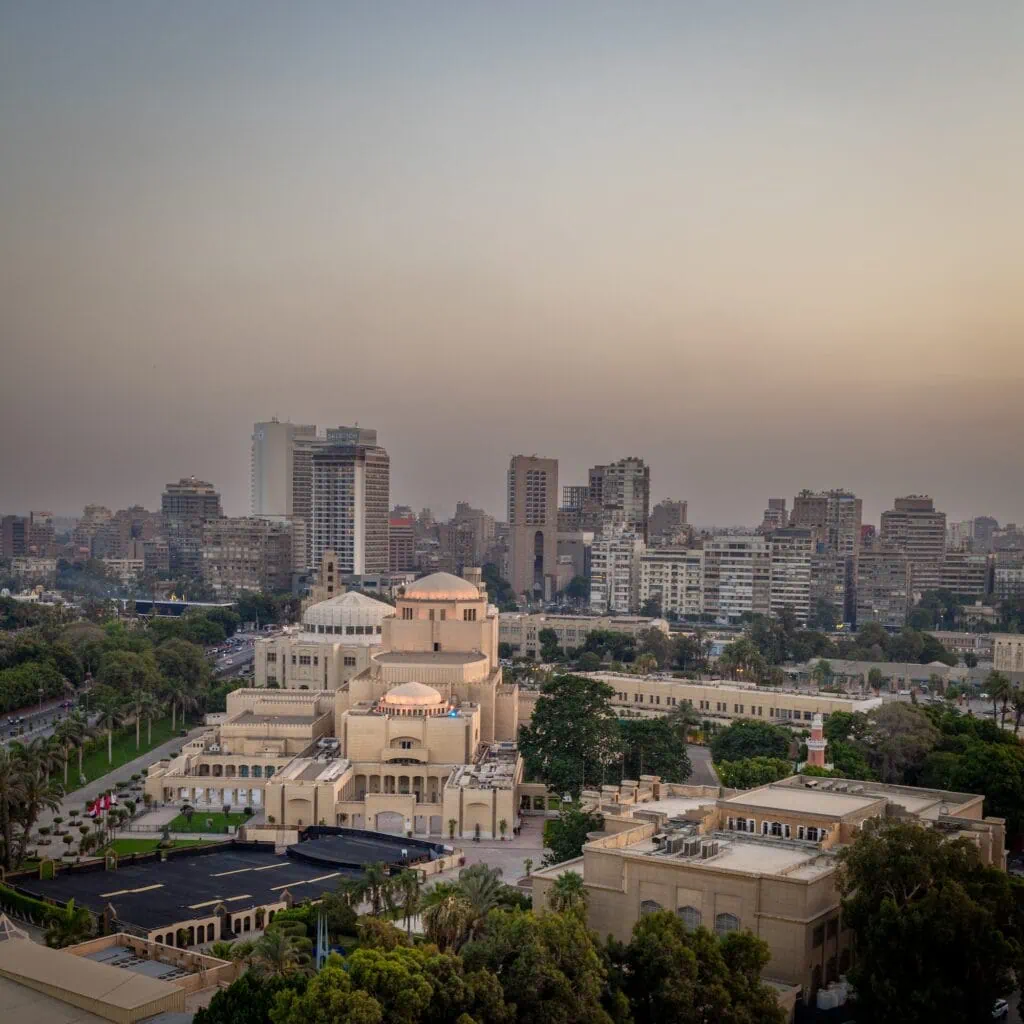
Parking is available on-site, though spaces fill quickly for popular performances. We suggest arriving early if you plan to drive, or consider using alternative transportation during peak times.
The surrounding area offers numerous cafes and restaurants perfect for pre-show dining or post-performance discussions.
Add A Cultural Highlight To Your Cairo Journey
Cairo Opera House brings a refined, contemporary dimension to your Egypt experience—where world-class performances, elegant surroundings, and local artistry create a memorable contrast to the country’s ancient wonders. With EgyptToursPlus, we seamlessly integrate cultural moments like this into a well-balanced itinerary that connects history, lifestyle, and modern Egypt.
You choose your travel dates, your pace, and the experiences that shape your journey. Whether it’s an evening performance, private guided touring, or a carefully curated route across Egypt, we handle every detail with precision—ensuring comfort, exclusivity, and a smooth, personalized travel experience from start to finish.
Frequently Asked Questions
Cairo Opera House hosts opera, symphony concerts, ballet, jazz, Arabic classical music, theater, and contemporary dance performances throughout the year across several venues including the Main Hall and Small Hall. The complex opened in 1988 on Gezira Island in Zamalek and serves as Egypt’s leading performing arts center. International companies regularly appear alongside the Cairo Symphony Orchestra and Cairo Opera Ballet Company. Visitors interested in major productions should check seasonal schedules early because premiere performances often sell out quickly.
Popular Cairo Opera House performances often sell out several weeks in advance, especially international productions, gala concerts, and weekend opera performances, so booking 3-4 weeks early is recommended. High-demand events during the winter cultural season between October and April can reach capacity quickly, particularly in the Main Hall. Online reservations and box office sales both operate on limited seating inventories. Travelers visiting Cairo during holidays or festivals should secure tickets before arrival whenever possible.
Cairo Opera House generally expects smart casual or formal attire, with evening opera productions and gala performances drawing more formally dressed audiences. Men commonly wear collared shirts and dress shoes, while women often choose elegant but modest evening wear suitable for a cultural venue. Casual tourist clothing like shorts, athletic wear, and flip-flops is discouraged, especially during premium evening events beginning around 8:00 pm. Dressing slightly more formally helps visitors blend comfortably into Cairo’s traditional performing arts atmosphere.
Photography and video recording are strictly prohibited during performances at Cairo Opera House to protect performers, copyrighted productions, and audience concentration. Ushers actively monitor the halls, particularly during opera, ballet, and orchestral concerts in the Main Hall. Flash photography can distract musicians and dancers and disrupt acoustics during quieter performances. Visitors may usually photograph the lobby, exterior architecture, and public spaces before shows or during intermissions, provided they avoid blocking entrances and audience movement.
Yes, major Cairo Opera House productions typically provide printed programs with English translations, summaries, and background information alongside Arabic text. International operas, ballet productions, and symphonic concerts often include composer notes, performance histories, and cast information to assist non-Arabic-speaking visitors. English-language materials are especially common during internationally attended festivals and foreign guest performances. Visitors attending smaller local productions may encounter more limited translations, so checking with the box office in advance can be helpful.
Most evening performances at Cairo Opera House begin around 8:00 pm (20:00), while weekend matinees and select family performances often start around 6:00 pm (18:00). Doors usually open 30-45 minutes before curtain time to allow for ticket checks and seating. Cairo traffic around Zamalek and central Cairo can become congested during evening hours, particularly between 5:00 pm and 7:30 pm. Arriving early helps visitors avoid rushed entry and provides time to appreciate the venue’s architecture and Nile-adjacent setting.
Cairo Opera House includes wheelchair-accessible entrances, elevators, designated seating areas, and accessible restroom facilities in its primary performance spaces. The Main Hall and several secondary venues were designed with modern accessibility standards compared to many older cultural landmarks in Cairo. Staff can often assist with seating arrangements and entry logistics when notified in advance. Visitors attending sold-out performances should arrive early because lobby congestion before major productions can slow movement through security and ticket checkpoints.
Numerous restaurants, cafes, and upscale dining venues surround Cairo Opera House in the Zamalek district, many within a 5-10 minute walk of the main entrance. Options range from casual Egyptian cafes and international chains to fine dining overlooking the Nile River. Because most evening performances start around 8:00 pm, many visitors choose early dinners beforehand or dessert and coffee afterward. Reservations at nearby restaurants are advisable on weekends, especially Thursday and Friday evenings when Zamalek becomes particularly busy.
Most Cairo Opera House performances run between 2 and 3 hours, usually including one intermission lasting approximately 15-20 minutes. Full opera productions and classical ballets tend to occupy the longer end of that range, while chamber concerts, jazz evenings, and contemporary dance performances may finish in under 90 minutes. International productions sometimes include translated program notes explaining expected running times. Visitors arranging transportation afterward should account for slow exits and late-night Cairo traffic around Zamalek and downtown bridges.
Guided tours of Cairo Opera House are occasionally available outside performance hours, though schedules vary depending on rehearsals, festivals, and private events. The complex contains multiple theaters, art galleries, rehearsal halls, and landscaped outdoor spaces overlooking the Nile on Gezira Island. Tours typically focus on the architecture, Egypt’s modern cultural history, and the rebuilding of the national opera institution after the original Khedivial Opera House burned in 1971. Contacting the box office directly provides the most reliable availability information.
Yes, Cairo Opera House regularly hosts international orchestras, ballet companies, opera ensembles, and cultural troupes from Europe, Asia, the Middle East, and the Americas. Annual festivals and diplomatic cultural programs bring foreign performers to Cairo throughout the year, particularly during the winter arts season. The venue has welcomed productions from countries including Italy, Russia, China, France, and Spain in recent decades. International performances often attract large multilingual audiences, so advance booking is strongly recommended for headline events.
Cairo Opera House schedules regular family-oriented performances, educational concerts, puppet theater productions, and children’s ballet programs, especially during school holidays and summer cultural festivals. Weekend matinees often begin earlier than standard evening shows, making them more practical for younger audiences. Family programming introduces children to classical music, Arabic musical heritage, and performing arts in a structured but accessible environment. Parents visiting with younger children should choose shorter productions because full-length operas and ballets can exceed three hours.

Design Your Custom Tour
Explore Egypt your way by selecting only the attractions you want to visit