Your Own Guide. Your Own Driver. Your Egypt.
6-Day Egypt Tours
Step into Egypt’s timeless wonders with our 6-Day Egypt Tours. Private experiences designed around you, from the Pyramids of Giza to the temples of Luxor and the Nile in between. Expert guidance, smooth logistics, and unforgettable cultural moments every day.
What 6 Days in Egypt Can Realistically Cover
Three proven formats: the Classic Triangle, Cairo and the Red Sea, or Cairo paired with a Nile cruise.
Six days in Egypt is enough to cover two regions well, typically Cairo with the Pyramids and the Grand Egyptian Museum, plus either Luxor and Aswan in the south, or a Red Sea finish on the coast. It is a popular length, especially for travellers with limited annual leave or a tight stopover window.
Be honest about the trade-off, though. Six days is the shortest length where the classic Cairo-Luxor-Aswan triangle is even possible, and it works, but it works tightly. A more comfortable version of the same triangle, with proper time at each stop, is genuinely an 8-day Egypt tour. If your dates allow even two extra days, the difference in how the trip feels is larger than the number of days suggests.
A 6-day Egypt tour rewards picking one of three proven formats and going deep, rather than trying to stretch the itinerary across everything Egypt offers. Most travellers choose between the classic Cairo-Luxor-Aswan triangle (with Abu Simbel as a day trip from Aswan), a Cairo and Red Sea combination, or a brief Cairo stay paired with a 4-day Nile cruise. A private guide and personal driver handle every transfer, internal flight, and entry, so the six days go to the experiences rather than the logistics.
Table of Contents
Best Destinations for Your Egyptian Adventure
Cairo serves as your natural starting point, with most international flights arriving at the capital city.
The Pyramids and Ancient Memphis
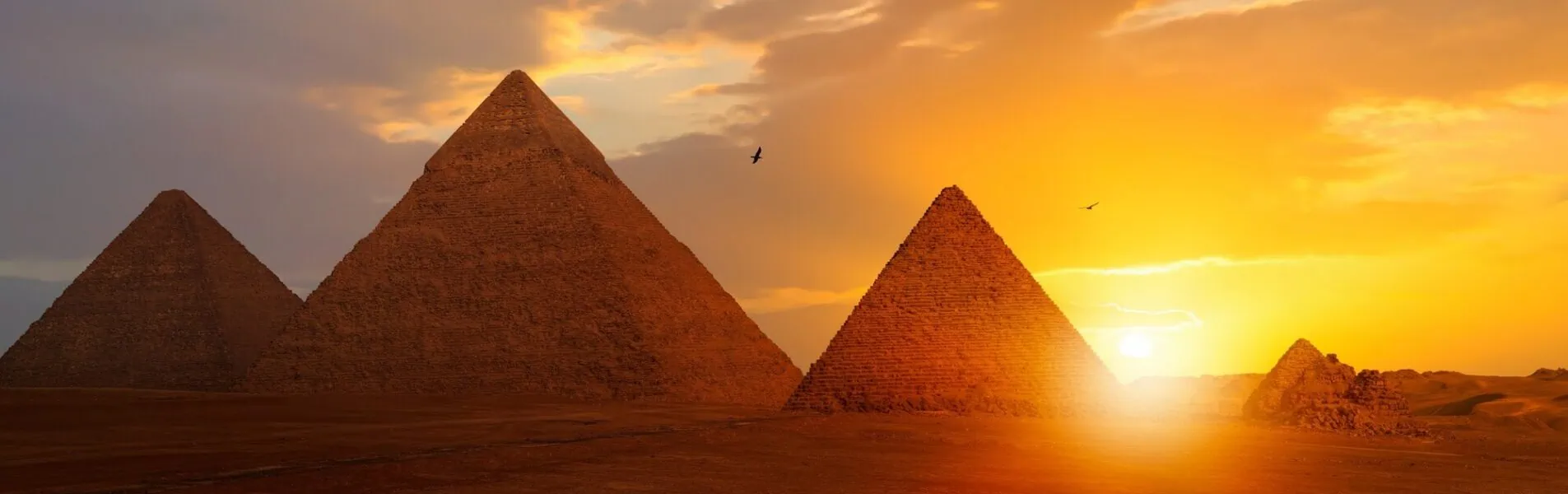
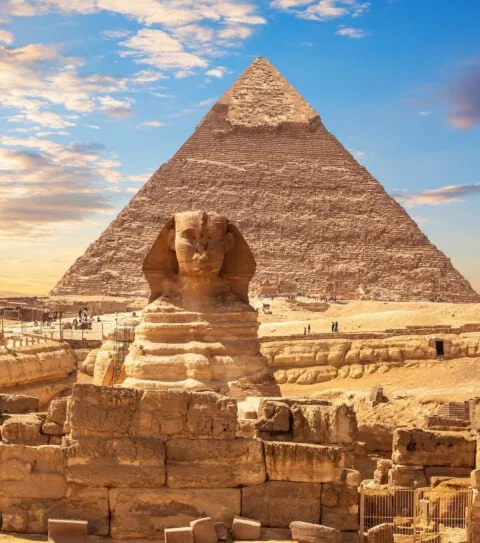
The Great Pyramids of Giza remain Egypt’s most iconic attraction for good reason. Standing before these 4,500-year-old monuments creates a connection to ancient civilization that photographs simply cannot capture. The Sphinx guards the pyramid complex with equal majesty. The reconstructed solar boat of Pharaoh Khufu, once housed in a dedicated museum beside the Great Pyramid, has now been moved and is on display as part of the Grand Egyptian Museum collection at the foot of the plateau.
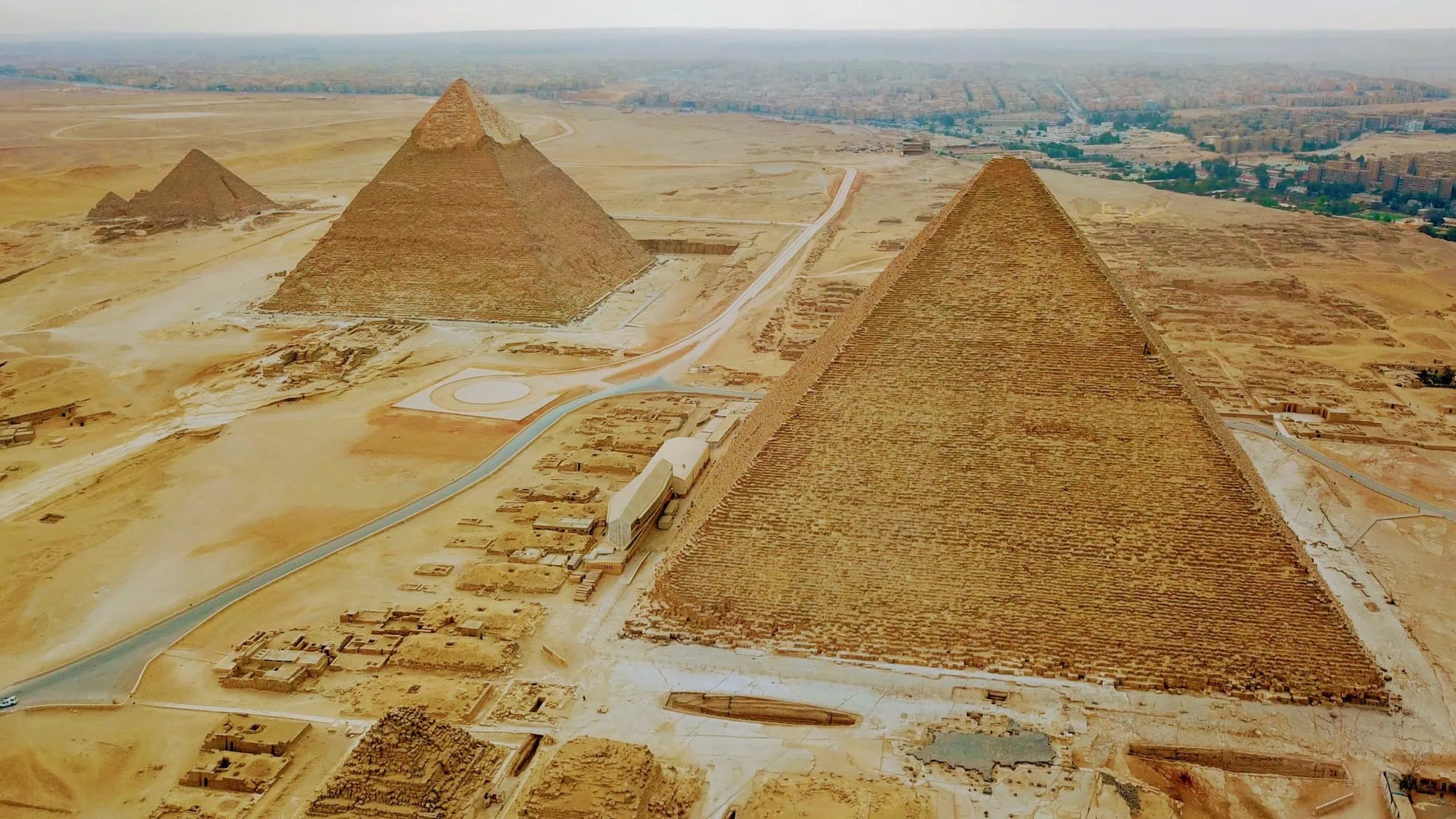
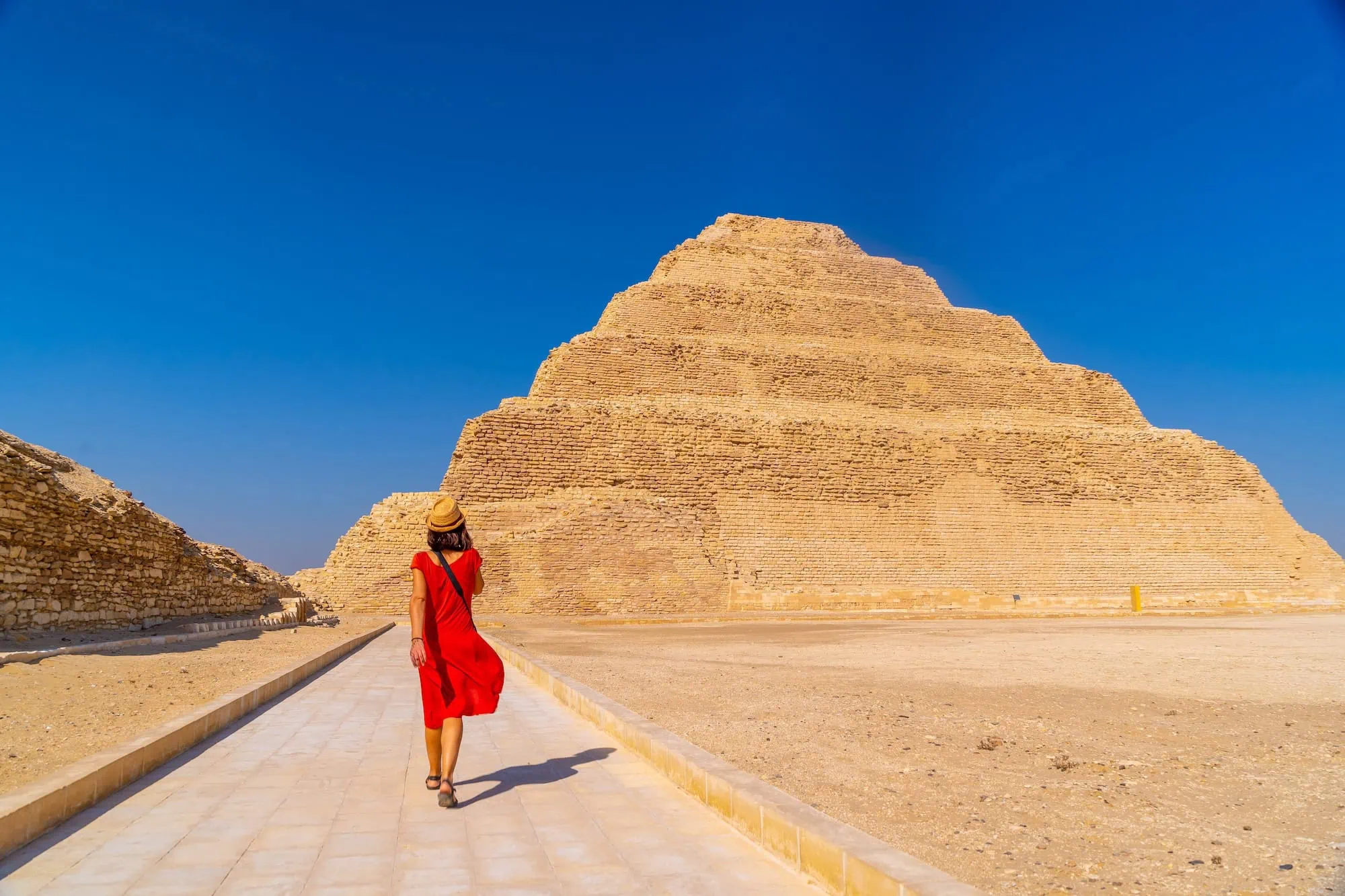
Memphis, the ancient capital of Egypt, lies just 30 kilometres (19 miles) south of Cairo, with the colossal recumbent statue of Ramses II as its most famous remaining monument. The nearby necropolis of Saqqara is home to the Step Pyramid of Djoser, the world’s oldest large stone monument and the prototype that all later Egyptian pyramids built on.
Cairo’s Cultural Treasures
The Grand Egyptian Museum at the foot of the Giza plateau is now Egypt’s primary museum, holding the world’s most extensive collection of pharaonic artifacts. The complete Tutankhamun collection sits here for the first time in history, including the golden funerary mask, the inner shrines, and more than 5,000 items from the tomb. Plan at least three to four hours to do the highlights justice.
The Egyptian Museum at Tahrir remains a complementary stop, with its broader sweep of 5,000 years of Egyptian artefacts and the older atmospheric building itself.
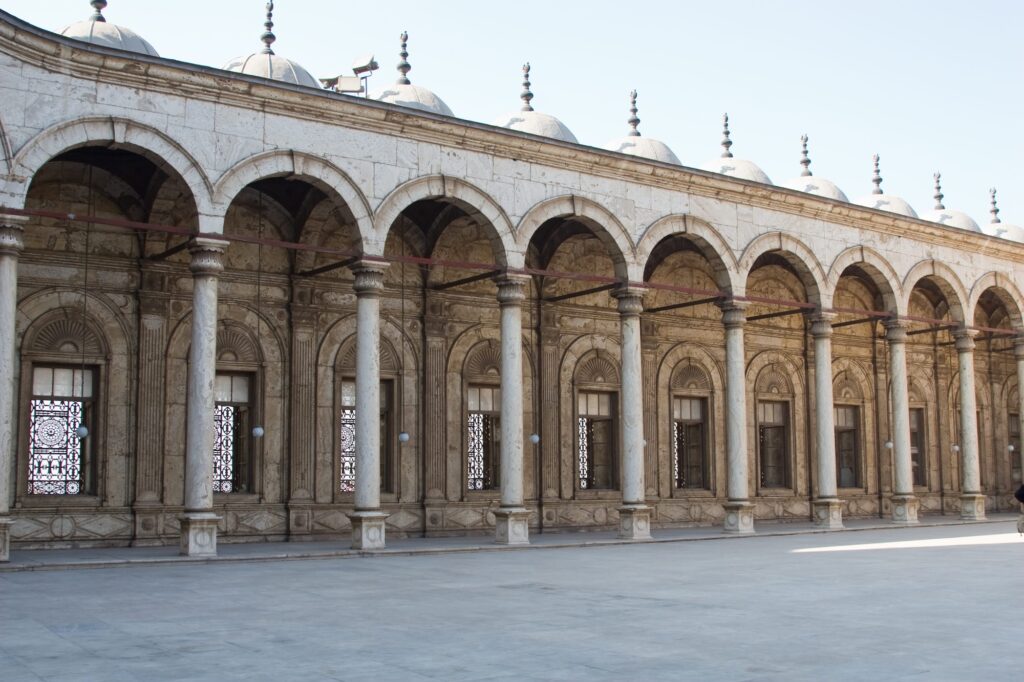
Old Cairo preserves centuries of Islamic and Coptic Christian heritage. The Citadel of Saladin offers panoramic views of the sprawling metropolis below, while the nearby Mosque of Muhammad Ali showcases stunning Ottoman architecture.
Luxor: World’s Greatest Open-Air Museum
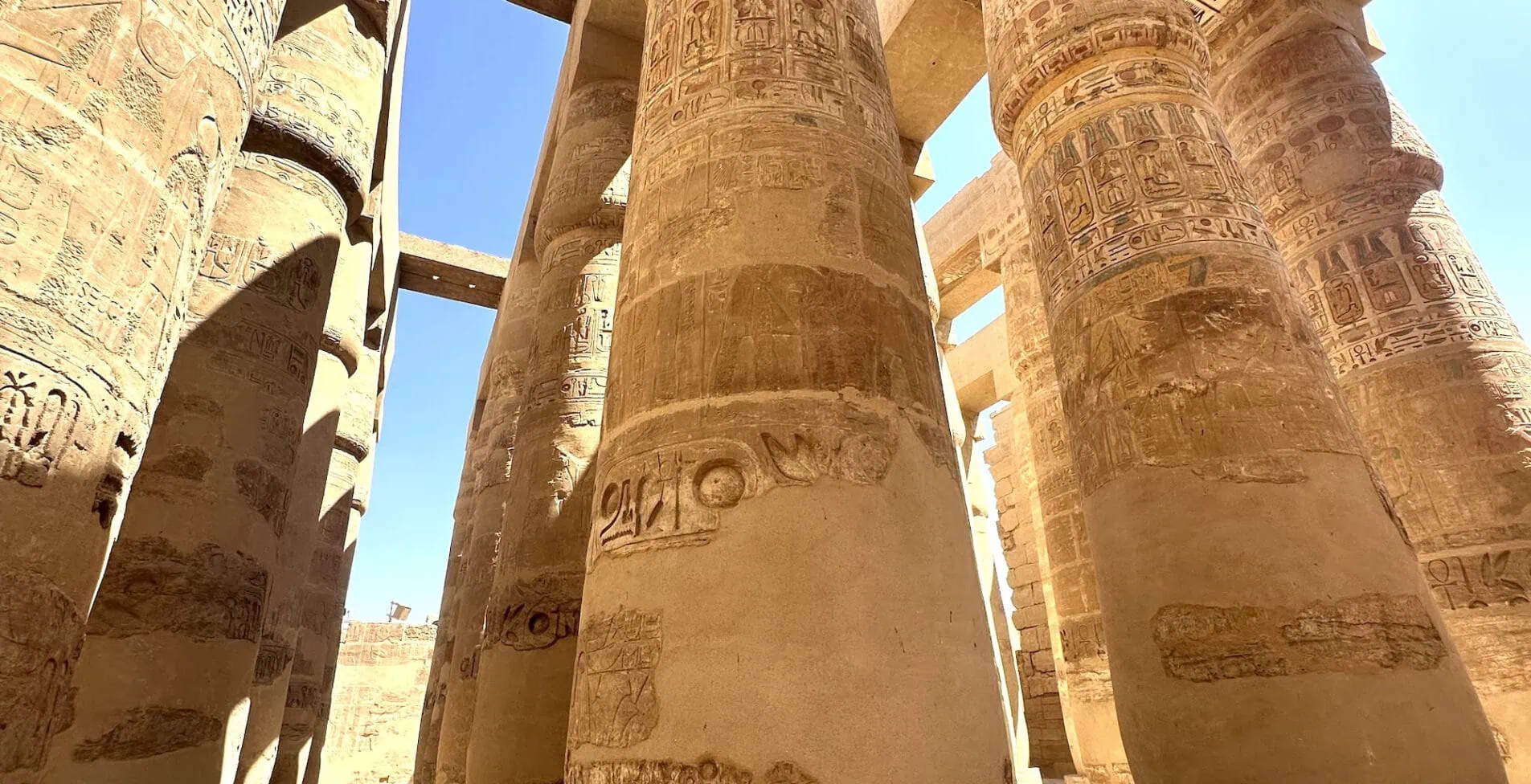
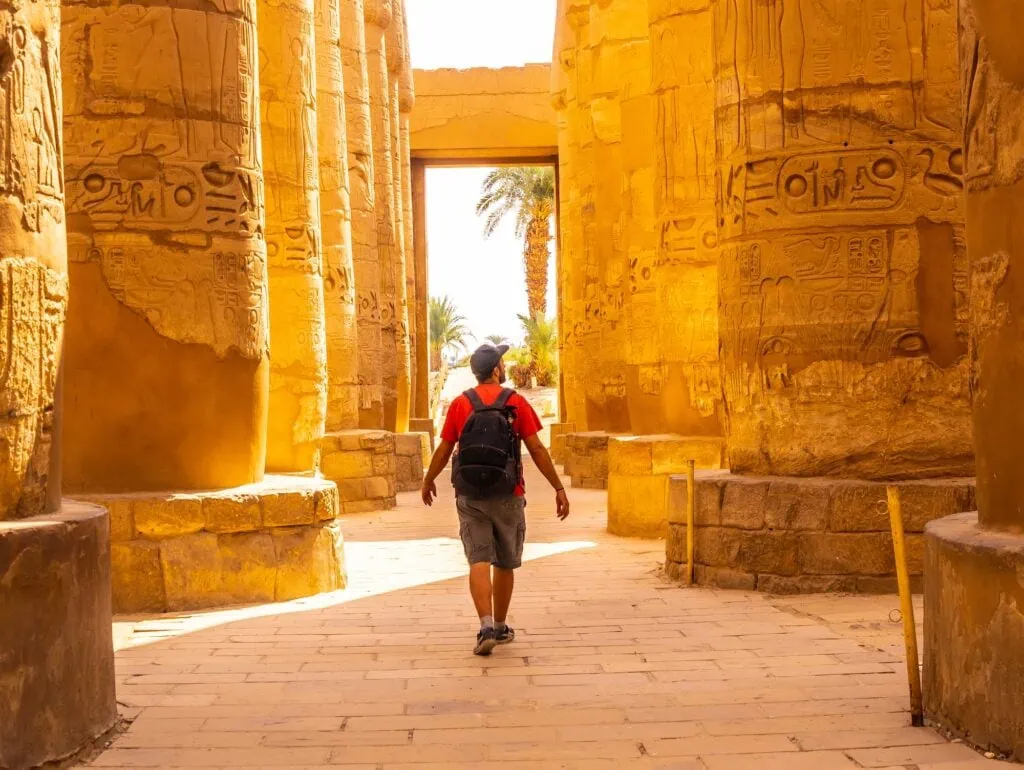
Luxor is often called the world’s greatest open-air museum, and few places anywhere pack as much ancient history into as small an area. The east bank features the magnificent Karnak Temple Complex, with its hypostyle hall of 134 sandstone columns covered in hieroglyphic inscriptions. Luxor Temple, connected to Karnak by the 2.7 km Avenue of Sphinxes, becomes particularly atmospheric after dark, when the columns and statues are lit and the temple stays open into the evening.
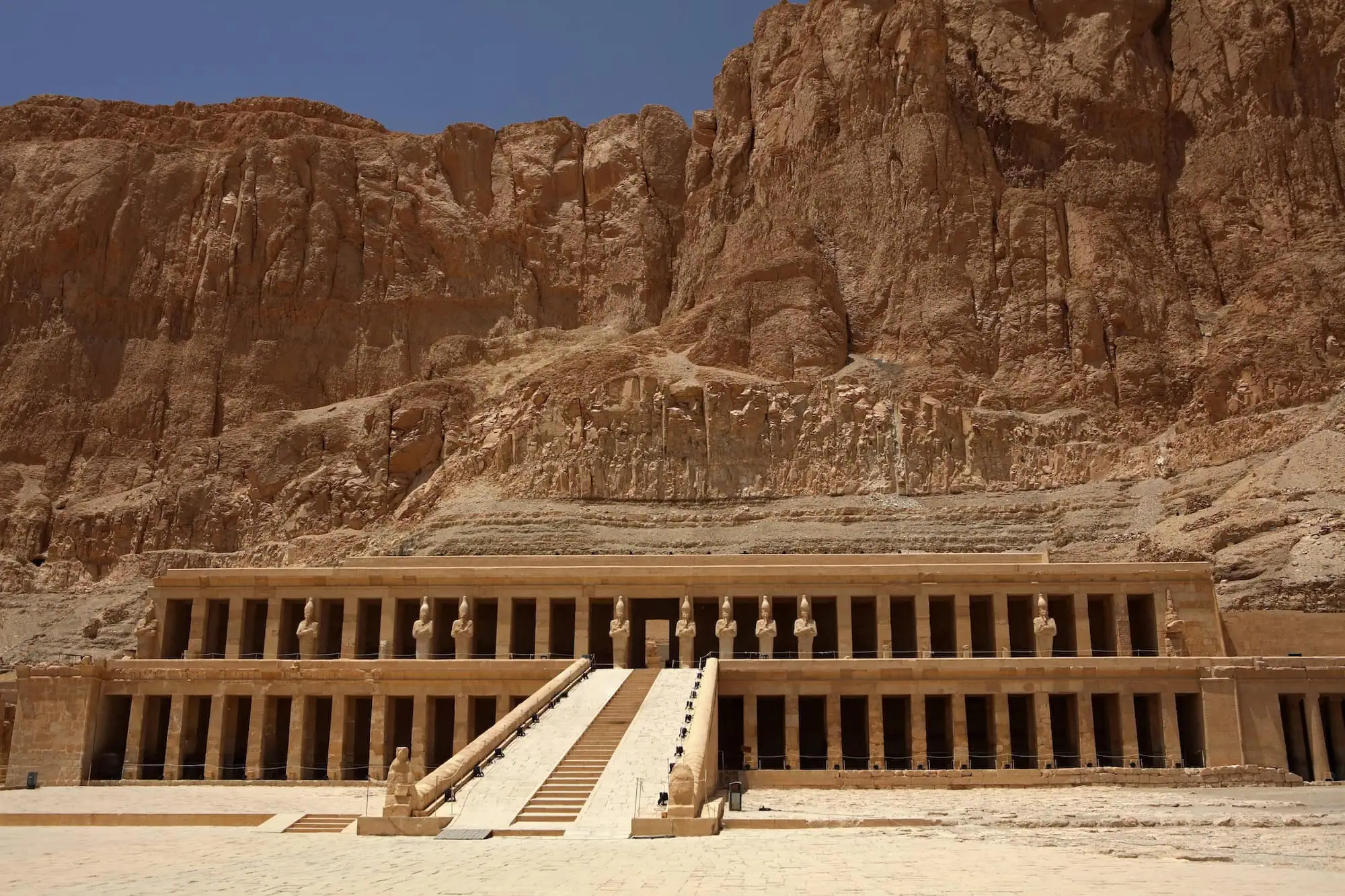
The west bank houses the Valley of the Kings, where Egypt’s most powerful New Kingdom pharaohs found their eternal rest in elaborately painted rock-cut tombs. Tutankhamun’s tomb, though small, offers intimate access to original wall paintings and the boy king’s mummy in a climate-controlled case. The mortuary temple of Hatshepsut rises dramatically from the desert cliffs nearby in three distinctive terraces.
Creating Your Perfect 6-Day Itinerary
Most successful 6-day tours follow one of three proven formats, each offering distinct advantages depending on your travel priorities.
The Classic Triangle route combines Cairo, Luxor, and Aswan with efficient domestic flights between cities. Start with two days exploring Cairo’s Pyramids and the Grand Egyptian Museum, then fly south for around two days in Luxor before concluding with Aswan’s Nubian culture and a day-trip to the temples at Abu Simbel.
The triangle is the most ambitious of the three 6-day formats. It works, and it gives you Egypt’s most significant sites in one trip, but the pace is brisk. Expect early starts, tight transfers between cities, and limited buffer if anything runs late. For a more comfortable version of the same route, with proper time at each stop, see our 8-day Egypt tours.
Cairo and Red Sea Combination
Beach lovers often prefer splitting their time between cultural exploration and seaside relaxation. Spend three days discovering Cairo’s ancient wonders, then fly to Hurghada or Sharm El Sheikh on the Red Sea coast. This approach gives you the Pyramids and the Grand Egyptian Museum followed by snorkelling, diving, or simply unwinding on pristine beaches. The contrast between ancient monuments and modern resort amenities creates a well-rounded Egyptian experience.
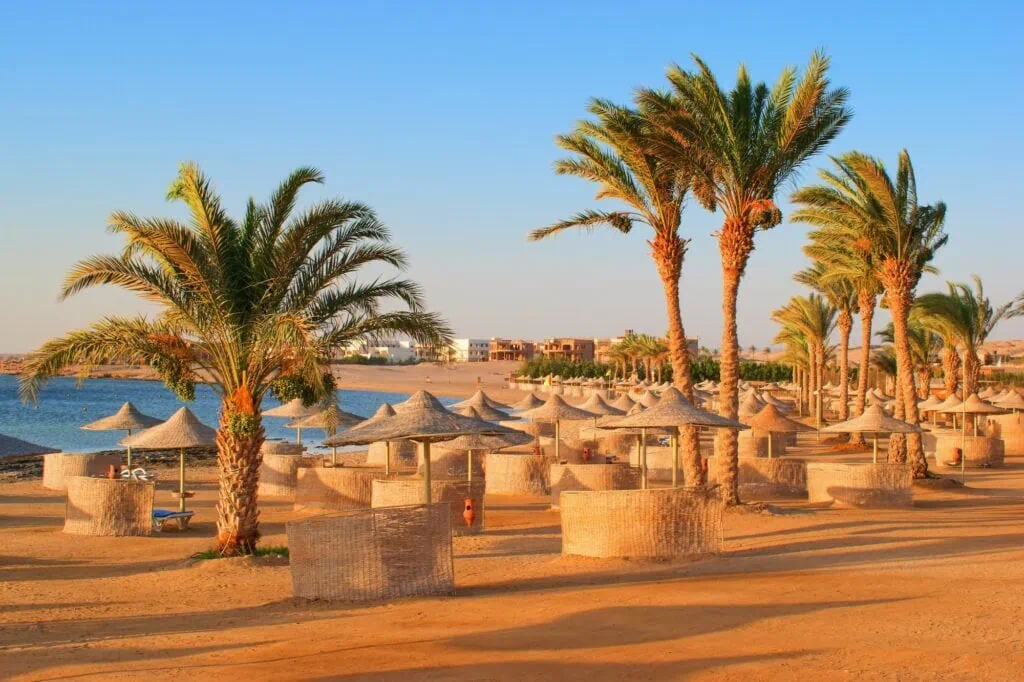
Domestic flights between Cairo and Hurghada take around an hour and run frequently, leaving most of the day for the coast on either side of the journey. The road option exists for travellers with extra time, but on a 6-day itinerary the flight is almost always the better choice.
The Nile River Experience
A luxury Nile cruise between Luxor and Aswan transforms transportation into destination itself. These 5-star vessels offer comfortable cabins, multiple dining venues, and sun decks with pools while sailing past riverside temples and traditional villages. Most 4-day cruises include guided tours of Edfu and Kom Ombo temples, both excellently preserved examples of Ptolemaic architecture.
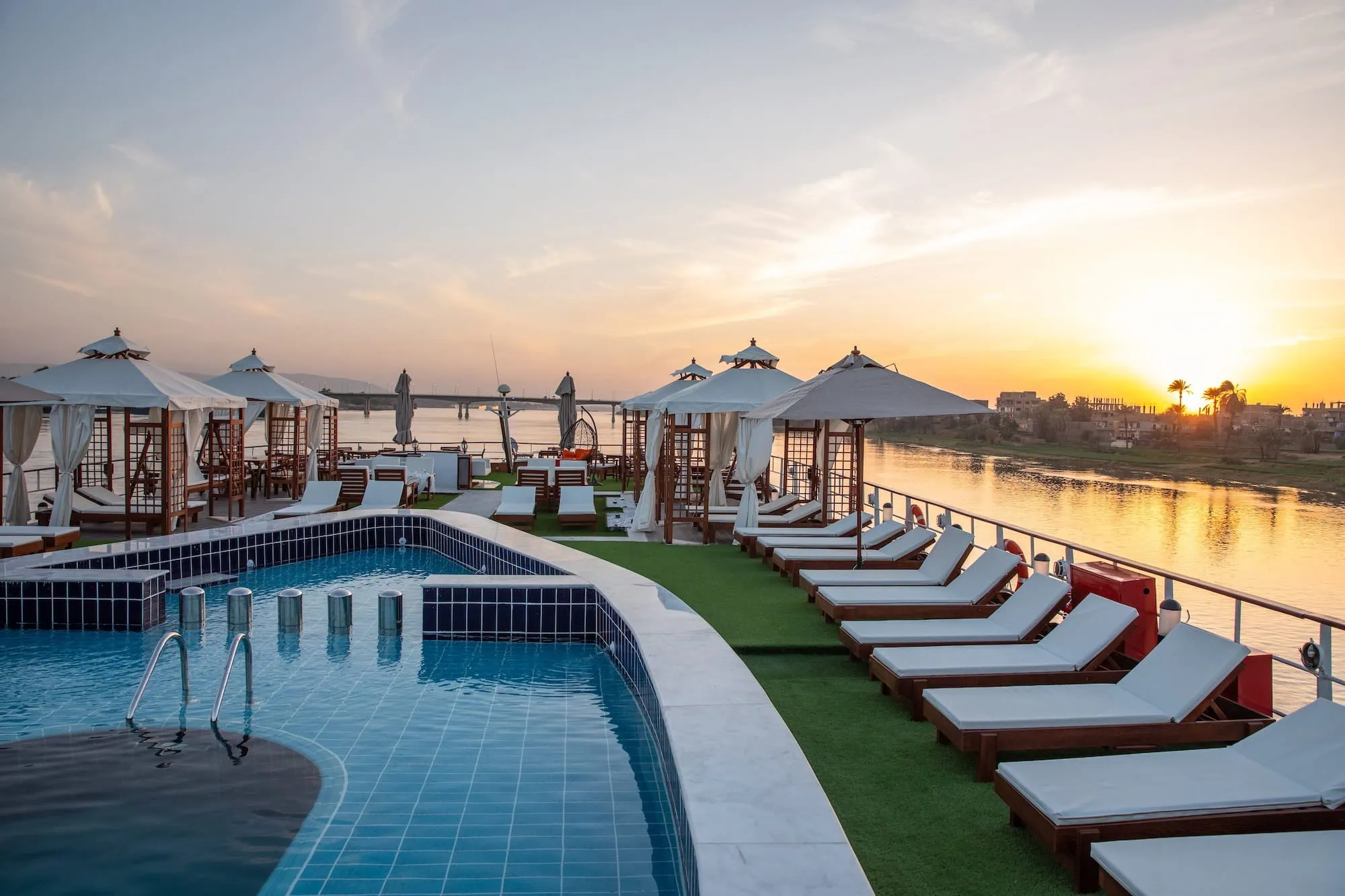
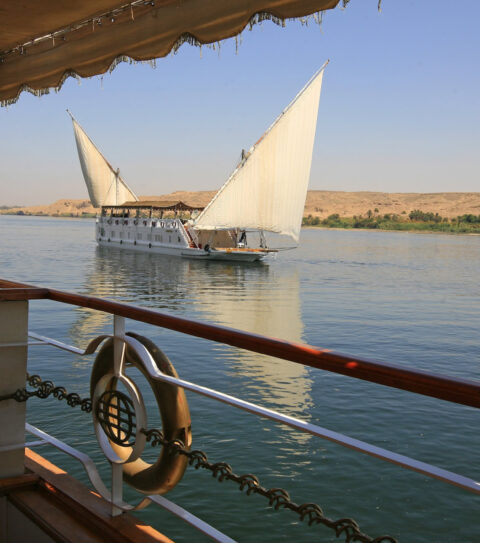
Small ship cruises, including traditional dahabiya vessels, carry just 8 to 16 guests on a twin-mast sailing vessel and provide a far more intimate experience compared to larger Luxury Nile Cruise ships. Evening meals on deck under the desert stars, with gourmet menus prepared on board, create a relaxed and authentic Nile atmosphere.
When 6 Days Isn’t Quite Enough
Honest answer: most travellers who do the Cairo-Luxor-Aswan triangle in six days arrive home wishing they had added a day or two. Eight days is the genuine sweet spot for a first visit. It covers the same triangle properly, fits a full 4-day Nile cruise between Luxor and Aswan, and leaves room to breathe at each stop rather than pushing through.
A 7-day Egypt tour lands halfway between the two: comfortable for the triangle plus Abu Simbel, though without the cruise. An 8-day Egypt tour is the version most repeat travellers say they wish they had booked the first time.
Six days still makes sense when your time is genuinely fixed, particularly for the Cairo and Red Sea or Cairo plus short Nile cruise formats, where the itinerary is less ambitious than the full triangle. If your dates have any flexibility, even a small extension changes the trip more than the extra days suggest. Your Travel Concierge can compare the two shapes against your priorities.
What Makes 6-Day Tours Special
Six days allows for deeper cultural immersion than shorter trips while remaining manageable for most vacation schedules.
Expert Egyptologist guides transform ancient sites from tourist attractions into living history lessons. These qualified professionals understand how to bring complex historical narratives to life through storytelling and detailed explanations. Private guides offer personalized attention, adjusting tour pace and content to match your specific interests.
The duration provides natural rest periods between intensive sightseeing days. Instead of rushing through monuments, you can pause to absorb the magnitude of what you’re experiencing. Photography enthusiasts particularly benefit from this relaxed pace, capturing both iconic shots and subtle details that hurried visitors often miss.
Your accommodations become part of the experience rather than just places to sleep. Six days justifies staying at landmark historic hotels such as the Winter Palace in Luxor or the Sofitel Legend Old Cataract in Aswan, available as upgrades. Both have hosted famous guests including Agatha Christie, and their atmosphere and Nile-front locations add real character to a trip.
Modern air-conditioned vehicles ensure comfortable travel between destinations, while professional drivers navigate Egypt’s roads safely and efficiently. This reliable transportation network allows you to maximize sightseeing time instead of worrying about logistics.
Authentic Cultural Encounters
Extended tour packages in Egypt create opportunities for genuine cultural exchange. Local markets become more than photo opportunities when you have time to observe daily commerce and interact with merchants.
Traditional restaurants reveal Egypt’s culinary heritage through dishes like koshari (rice, lentils, pasta, and chickpeas), molokhia (a savoury green stew), and grilled meats served with fresh baladi bread. On the Red Sea coast, fresh seafood becomes the local specialty.
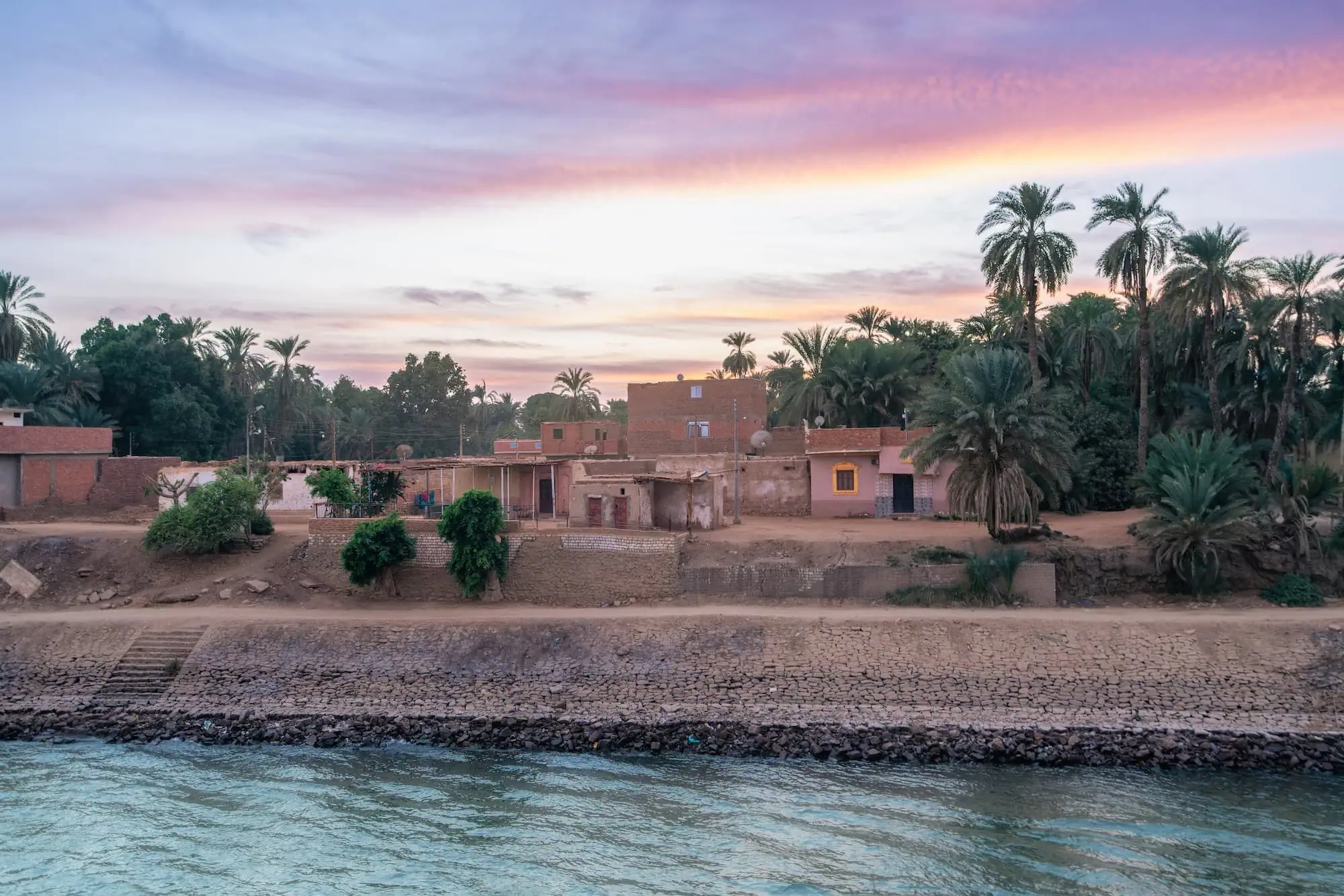
Village visits along the Nile introduce you to contemporary Egyptian life away from major tourist centers. These encounters often prove as memorable as ancient monuments, showing how modern Egyptians maintain connections to their pharaonic heritage.
Practical Planning for Your Journey
Smart preparation ensures your Egyptian adventure runs smoothly from arrival to departure.
Visa Requirements and Entry Process
Most travellers, including US, UK, EU, Canadian, Australian, and many Latin American nationals, can collect a 30-day tourist visa on arrival at Cairo International Airport for $25 USD in cash. An e-visa is also available in advance through the official Egyptian government portal, which some travellers prefer for a smoother arrival. Your Travel Concierge will confirm the right option for your nationality before you travel.
All our tours include VIP arrivals service. Your representative meets you in the arrivals area at Cairo International Airport and walks you through immigration, baggage, and customs, so you exit the airport without queuing alone. Keep your passport and visa fee accessible, and your representative handles the rest.
Weather Considerations
Egypt enjoys sunshine year-round, but seasonal variations significantly affect comfort levels. October through April offers ideal weather with daytime temperatures between 20 and 25°C (68-77°F) and cool, pleasant evenings. Summer months from May through September regularly exceed 35°C (95°F) and can reach 40°C (104°F) in southern cities like Aswan, making early morning starts and late afternoon resumes essential. On a private tour, your guide manages the daily timing around the heat whatever the season.
Pack lightweight, breathable clothing that covers shoulders and knees for temple visits. Comfortable walking shoes are essential, as you’ll cover significant distances on uneven ancient surfaces. Don’t forget sunscreen, sunglasses, and a wide-brimmed hat for desert excursions.
Currency and Tipping
The Egyptian pound (EGP) is the local currency, though U.S. dollars are widely accepted at tourist establishments. ATMs in major cities and hotels dispense local currency at current exchange rates. Credit cards work at upscale hotels and restaurants, but cash remains necessary for smaller vendors and tips.
Tipping (baksheesh) forms an important part of Egyptian service culture. Restaurant servers typically receive 10-15% of the bill, while hotel staff appreciate small tips for assistance. Tour guides and drivers customarily receive tips reflecting service quality and group size. Your Travel Concierge can suggest typical ranges when you book.
Health and Safety
Egypt is generally safe for tourists, with dedicated tourist police providing additional security at major attractions. Drinking bottled water helps avoid stomach upset, while basic medications for headaches and digestive issues prove useful. Travel insurance covering medical emergencies and trip cancellation provides valuable peace of mind.
Most hotels and cruise ships maintain international hygiene standards. Street food can be delicious but requires caution – choose busy stalls with high turnover and freshly cooked items. Your guide can recommend trusted local restaurants that serve authentic cuisine safely.
Maximizing Your Egyptian Experience
Strategic planning transforms a good trip to Egypt into an extraordinary journey through time and culture.
Morning starts work best for monument visits, beating both crowds and heat. The Great Pyramids in the early morning create the best photographic opportunities of the day, and the cool air makes the optional interior climb into the Great Pyramid more comfortable for travellers who want to add it. Afternoon hours suit museum visits or shopping expeditions in climate-controlled environments.
Transportation timing significantly impacts your daily experience. Domestic flights between cities save valuable hours compared to overland travel, though road journeys offer scenic desert and Nile Valley landscapes. We coordinate all transfers to maximize your sightseeing time while ensuring comfortable travel conditions.
Your guide also knows the best angles and lighting conditions at each site, and can point out the most photogenic spots without you having to hunt for them. For travellers who want a professional photographer at specific locations such as the Pyramids or a Luxor sunrise balloon, that can be arranged in advance as an optional add-on.
Special Experiences
Sound and light shows at the Pyramids and Karnak Temple bring ancient history to life through dramatic lighting and narration. These evening events provide different perspectives on monuments you’ve explored during the day. Advanced booking ensures the best seating positions for optimal viewing.
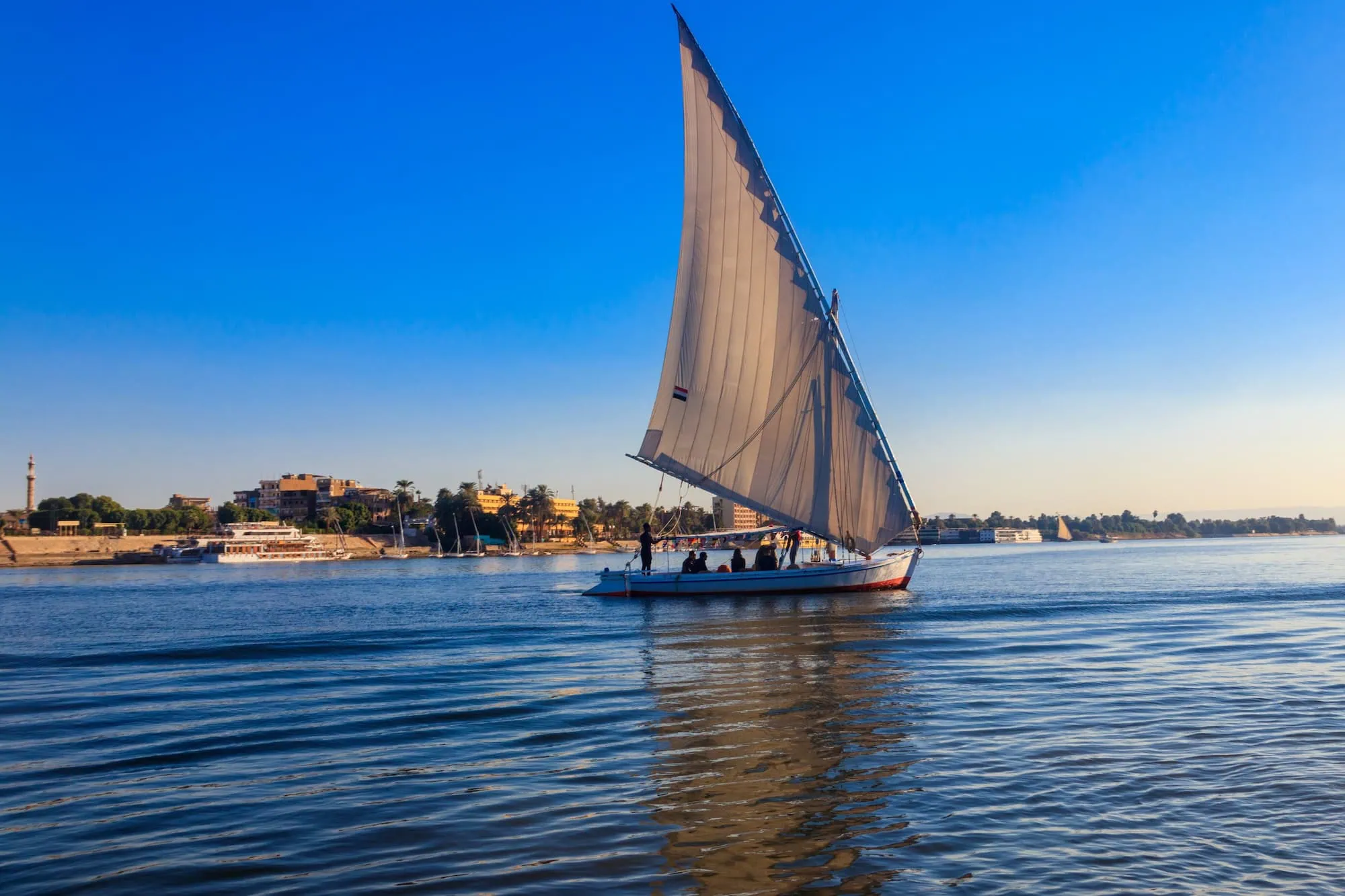
Traditional felucca sailing on the Nile offers peaceful moments away from busy sightseeing schedules. These wooden sailboats have carried passengers along Egypt’s lifeline for thousands of years. Sunset felucca rides provide romantic conclusions to intensive exploration days.
Hot air balloon flights over Luxor reveal the scale and layout of the ancient Theban necropolis from unique aerial perspectives. Early morning flights capture the desert landscape in golden dawn light, with the Nile winding through green agricultural fields below.
Personalized Touches
Tailor-made Egypt tour itineraries accommodate special interests and physical limitations. Art historians might spend extra time at specific temples, while families with children benefit from interactive guides who engage young travelers with stories and games. Photography enthusiasts appreciate early access to sites for optimal lighting conditions.
Private dining experiences in historic settings create memorable evenings. Rooftop restaurants overlooking the Nile, dinner cruises on the water, or chef’s-table evenings at landmark hotels can all be arranged in advance through your Travel Concierge.
We maintain 24/7 customer support throughout your journey, ensuring immediate assistance for any questions or concerns. Our local team understands Egyptian customs and can resolve issues quickly and efficiently, allowing you to focus on enjoying your adventure.
Your 6-Day Egypt Tour, Designed Around You
Tell us your dates and what you most want to see, and we will design the itinerary around it. Whether you choose the classic Cairo-Luxor-Aswan triangle, pair Cairo with a relaxing Red Sea finish, or build your six days around a Nile cruise, your dedicated Travel Concierge designs the itinerary around what matters to you. The private format means every choice is yours: the cities, the hotels, the pace, the optional extras.
If your dates are flexible, we will also tell you honestly when an extra day or two would make a real difference, and what an 8-day version of the same trip would look like. We would rather build the right trip than the shortest one.
We will send your first-draft itinerary within 1 to 12 hours, and we will keep refining it together until you are certain it is the trip you want.
Frequently Asked Questions
The cost of a 6-day Egypt tour depends on which itinerary you choose, your hotel category, the size of your party, and any add-ons. Because every Egypt Tours Plus tour is private and built around you, there is no fixed package price. A comfortable 4-star Cairo-and-Luxor tour sits at the more accessible end, while landmark 5-star hotels, internal flights, a Nile cruise segment, and Red Sea extensions all raise the total.
Optional extras such as entering the Great Pyramid, special-access tombs, a sunrise hot air balloon flight over Luxor, or a Nile dinner cruise are quoted separately. The most accurate way to get a figure is to tell your Travel Concierge your dates, party size, and priorities. You will receive a tailored quote, typically within 1 to 12 hours, with no obligation to book.
The most comfortable window runs from October through April, when daytime temperatures across Cairo, Luxor, and Aswan sit between 20 and 25°C and evenings are cool and pleasant. This is the easiest period for an active six-day trip, with long stretches of comfortable outdoor sightseeing at the Pyramids and temples.
December and January bring the finest weather and the largest crowds. The shoulder months of October, November, March, and April offer an excellent balance of mild conditions and thinner queues. Summer, from May to September, regularly exceeds 35°C in Upper Egypt and can reach 40°C in Aswan, so early starts become essential. On a private tour, your guide manages the daily timing around the heat whatever the season.
Six days works when your dates are genuinely fixed, and it suits the less ambitious of the three formats best: Cairo paired with the Red Sea, or Cairo paired with a short Nile cruise segment. The classic Cairo-Luxor-Aswan triangle is possible in six days but tight, with early starts and limited buffer.
A 7-day Egypt tour adds a single day, often the day that changes the trip. It makes the Cairo-Luxor-Aswan triangle plus Abu Simbel comfortable rather than rushed, though it does not yet fit a full Nile cruise on top.
An 8-day Egypt tour is the genuine sweet spot for a first visit. It covers Cairo properly, includes a full 4-day Nile cruise between Luxor and Aswan, and adds Abu Simbel as a day trip from Aswan, all at a pace that lets you absorb what you are seeing. If your dates have any flexibility at all, eight days is the version most repeat travellers say they wish they had booked the first time.
No vaccinations are required for entry into Egypt for most travellers. Some choose to discuss routine boosters with their GP before departure, particularly hepatitis A and typhoid for travellers who plan to eat widely outside hotel restaurants. Travellers arriving from countries with yellow fever transmission may need to show a yellow fever certificate.
Egypt’s private hospitals in Cairo and major tourist centres meet international standards, and 24/7 in-country support means you have someone to call regardless of where you are or what time it is. Drinking bottled water throughout (your driver carries a chilled supply in the vehicle) is the simplest precaution.
Plan four to six hours for a comprehensive Giza experience that includes the three main pyramids, the Great Sphinx, and the surrounding necropolis. With a private guide, you will visit at your own pace, with time to walk around the Great Pyramid of Khufu, see the Sphinx from its best angles, and take in the lesser-known structures most rushed tours skip.
Entering the Great Pyramid’s interior chambers is an optional add-on with a separate ticket and involves a low, steep climb that is not for everyone. The Grand Egyptian Museum at the foot of the plateau is usually combined with Giza on the same day or the following morning, and adds another three to four hours.
Yes, and it is the standard way most travellers see Abu Simbel on a six-day itinerary. The usual routing is an early morning flight from Aswan, with the temples reached in around 45 minutes and the return flight back to Aswan by early afternoon. A road convoy is also possible, taking around three hours each way.
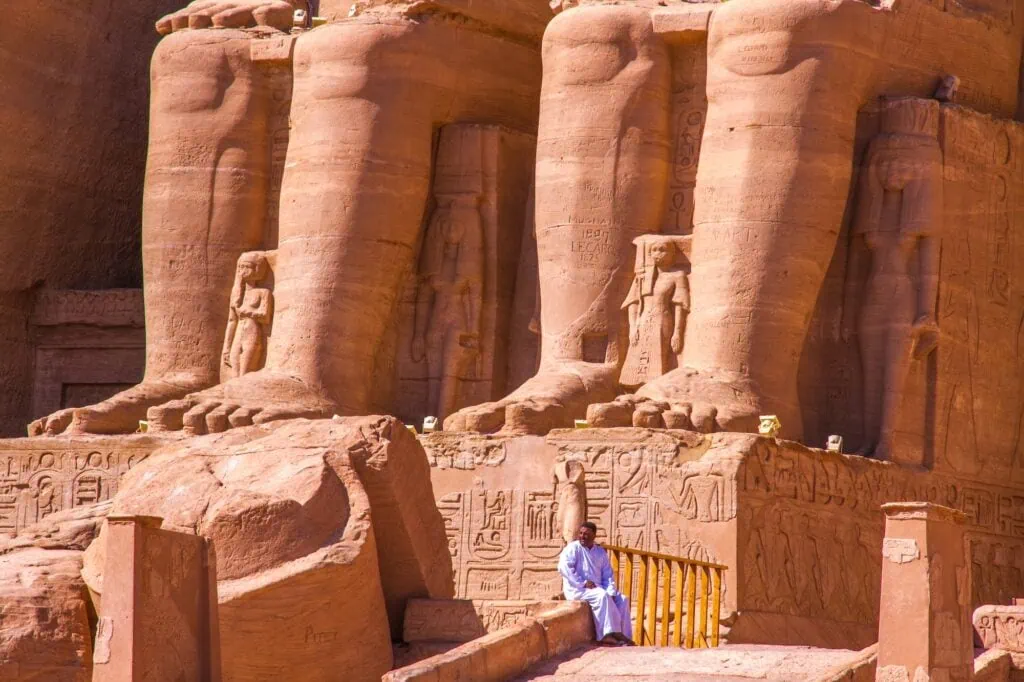
The temples of Ramesses II and his wife Nefertari were relocated stone by stone in the 1960s to escape the rising waters of Lake Nasser, and they remain the most ambitious monuments any pharaoh built. On a 6-day Egypt tour with Aswan included, the half-day for Abu Simbel fits naturally into the schedule.
For a Nile cruise, pack lightweight breathable clothing for warm days on deck and at the temple shore excursions, plus a few smarter outfits for the evenings on board, where many travellers like to dress up a little for dinner. A light jacket or shawl is useful for cooler evenings and air-conditioned interiors. Comfortable walking shoes are essential for the temple visits at Edfu and Kom Ombo.
Don’t forget swimwear if your vessel has a deck pool, plus a wide-brimmed hat, sunglasses, and high-SPF sunscreen for time in the sun. A small daypack helps for shore excursions, and a power bank keeps cameras and phones charged through long days off the boat.
Yes, and many solo women travel comfortably in Egypt every year. The country welcomes international visitors warmly, and on a private tour the practical experience is straightforward. You have your own Egyptologist guide and driver from the moment you arrive, hotel-to-hotel, with 24/7 in-country support if anything comes up.
Dressing modestly (loose-fitting trousers and shoulder-covered tops at temples and mosques) is appreciated and reduces unwanted attention. Most solo female travellers report that the private format makes Egypt feel notably easier than they expected, particularly compared to navigating it independently.
For most 6-day Egypt tours, six to eight weeks is comfortable for arranging visas, hotels, internal flights, and any cruise segments. Peak season from October through March books up earlier, and the best hotels, the best cruise cabins, and add-ons such as sunrise balloon flights can sell out four to six months ahead during the busiest weeks.
Booking earlier also gives you more time to refine the itinerary with your Travel Concierge through the usual two to four rounds of revisions, so the final plan genuinely fits what you want. If your dates are fixed around limited annual leave, the sooner you start the conversation, the more options you will have.
The Egyptian pound (EGP) is the local currency. US dollars and euros are widely accepted at tourist establishments and for tipping, though smaller restaurants, markets like Khan El Khalili, and most street vendors prefer Egyptian pounds. ATMs are widely available in cities and tourist areas, and most foreign debit and credit cards work without issue.
Carrying some US dollars or euros in cash for the $25 USD entry visa and for tipping is practical, alongside enough Egyptian pounds for small everyday purchases. Your driver and guide can point you to reliable exchange offices if you need to change cash during the trip.
Yes, comfortably. Egyptian cuisine naturally includes many vegetarian and vegan options, since the traditional diet has long centred on legumes, grains, and vegetables. Dishes like koshari (rice, lentils, pasta, and chickpeas), ful medames (fava bean stew), and grilled vegetables are widely available.
Gluten-free, halal, kosher, and other specific dietary needs can also be accommodated, particularly at hotel restaurants and Nile cruise vessels. The earlier you let your Travel Concierge know about any restrictions or allergies, the easier it is to brief the relevant hotels, cruise vessels, and restaurants in advance.
A private 6-day Egypt tour with Egypt Tours Plus includes your private Egyptologist guide on every land-touring day, a personal driver with a modern air-conditioned vehicle, all major site entrance fees on your itinerary, hotel pickups and drop-offs, and 24/7 in-country support. Accommodation is included at your chosen hotel category with breakfast, and any internal flights or cruise segments in your plan are arranged and timed for you.
Not included are international flights to and from Egypt, the $25 USD entry visa, travel insurance, lunches and dinners outside any included meals, drinks, gratuities, and optional add-ons such as entering the Great Pyramid, special-access tombs, a balloon flight, or a Nile dinner cruise. Your Travel Concierge will quote any extras separately so you see exactly what you are paying for.
A 6-day Egypt tour involves moderate activity, typically a few kilometres of walking a day across sites with uneven, sandy, or stepped surfaces, plus some early starts to beat the heat and crowds. Temple complexes such as Karnak cover large areas, and the Valley of the Kings involves walking down into the tombs. None of it is strenuous for travellers of average fitness.
A few optional extras are more demanding. Entering the Great Pyramid means a stooped climb through low, steep passages and is not suited to anyone with claustrophobia or knee or back problems. The private format lets you set the pace, rest when you like, and skip anything that does not suit you. If anyone in your party has mobility considerations, tell your Travel Concierge in advance so the itinerary can be paced and adapted accordingly.
Design Your Custom Tour
Explore Egypt your way by selecting only the attractions you want to visit
The Best of Egypt Tailored Just for You
Private Guided Egypt Tours
Top-Rated Egypt Tours
Discover timeless wonders with our top-rated private Egypt tours—crafted for those who seek the extraordinary.
Tours w/ Nile Cruises
Sail the Nile in comfort and elegance—where every bend unveils a new chapter of Egypt’s timeless story.
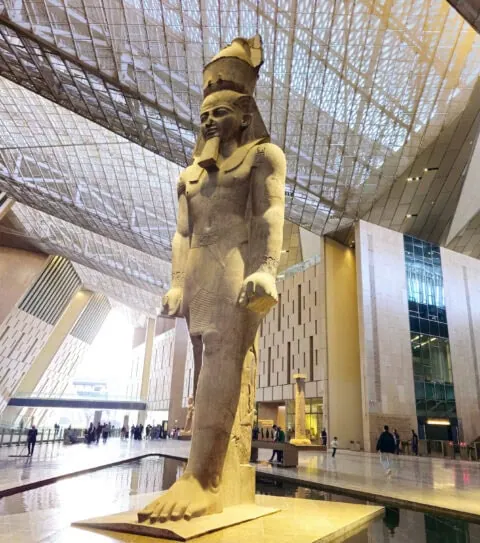
Luxury Egypt Tours
Experience Egypt in style—with private guides, 5-star comfort, and exclusive access to iconic wonders.
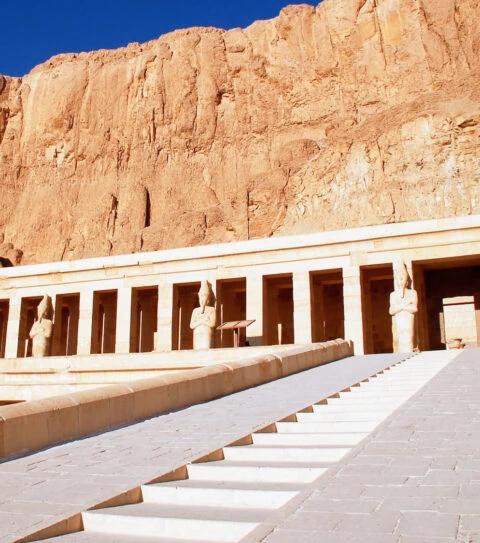
Egypt Christmas Tours
Celebrate Christmas with ancient wonders, golden sunshine, and epic moments on a magical journey.
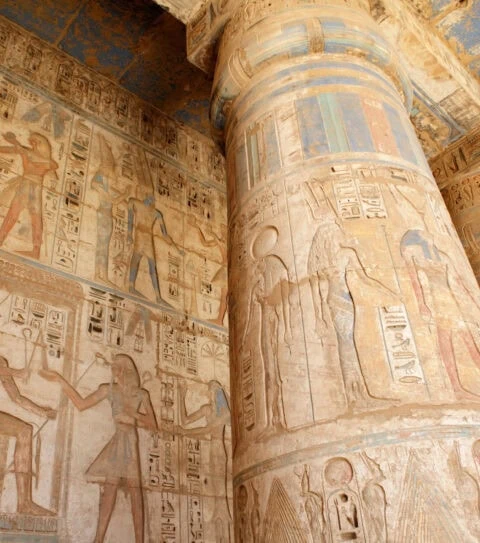
Egypt Easter Tours
Make this Easter extraordinary with a sun-filled escape to Egypt—where timeless wonders and landscapes await.
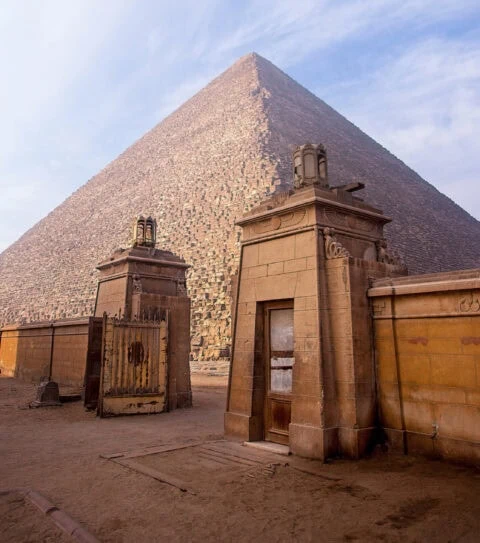
Egypt Accessible Tours
Discover Egypt without limits—our accessible tours are thoughtfully designed to ensure comfort and ease.