

National Museum of Egyptian Civilization: Your Guide to Egypt’s Living Heritage
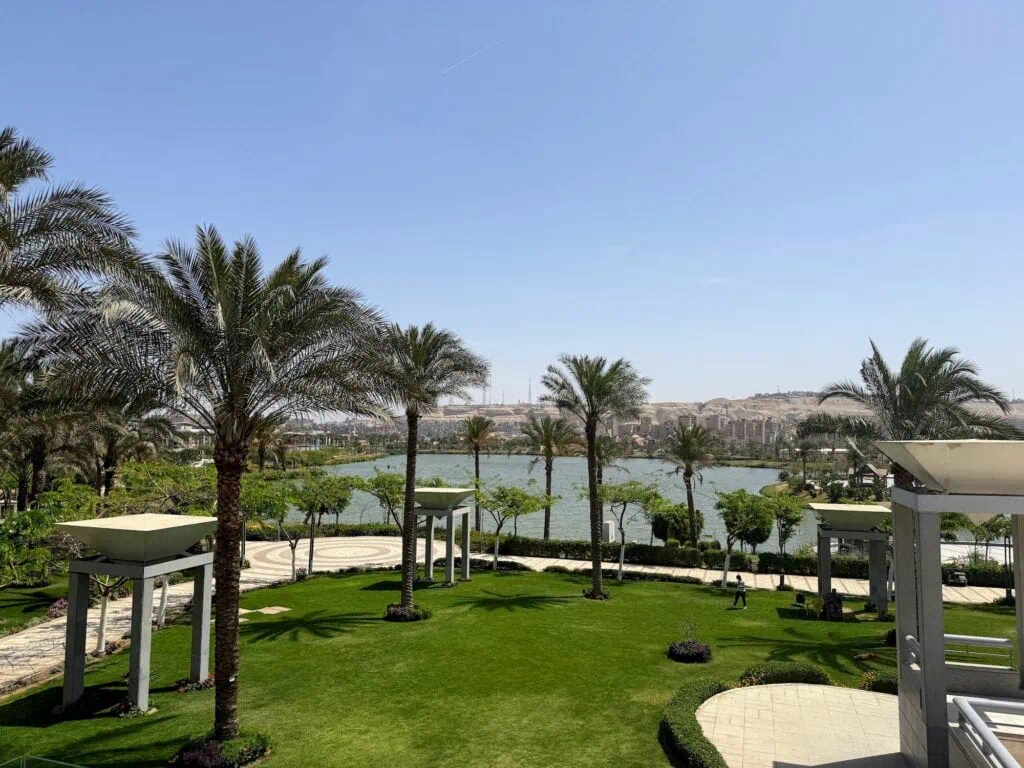
Standing along the shores of ancient Lake Ain El Sira, the National Museum of Egyptian Civilization represents a revolutionary approach to showcasing Egypt’s rich heritage.
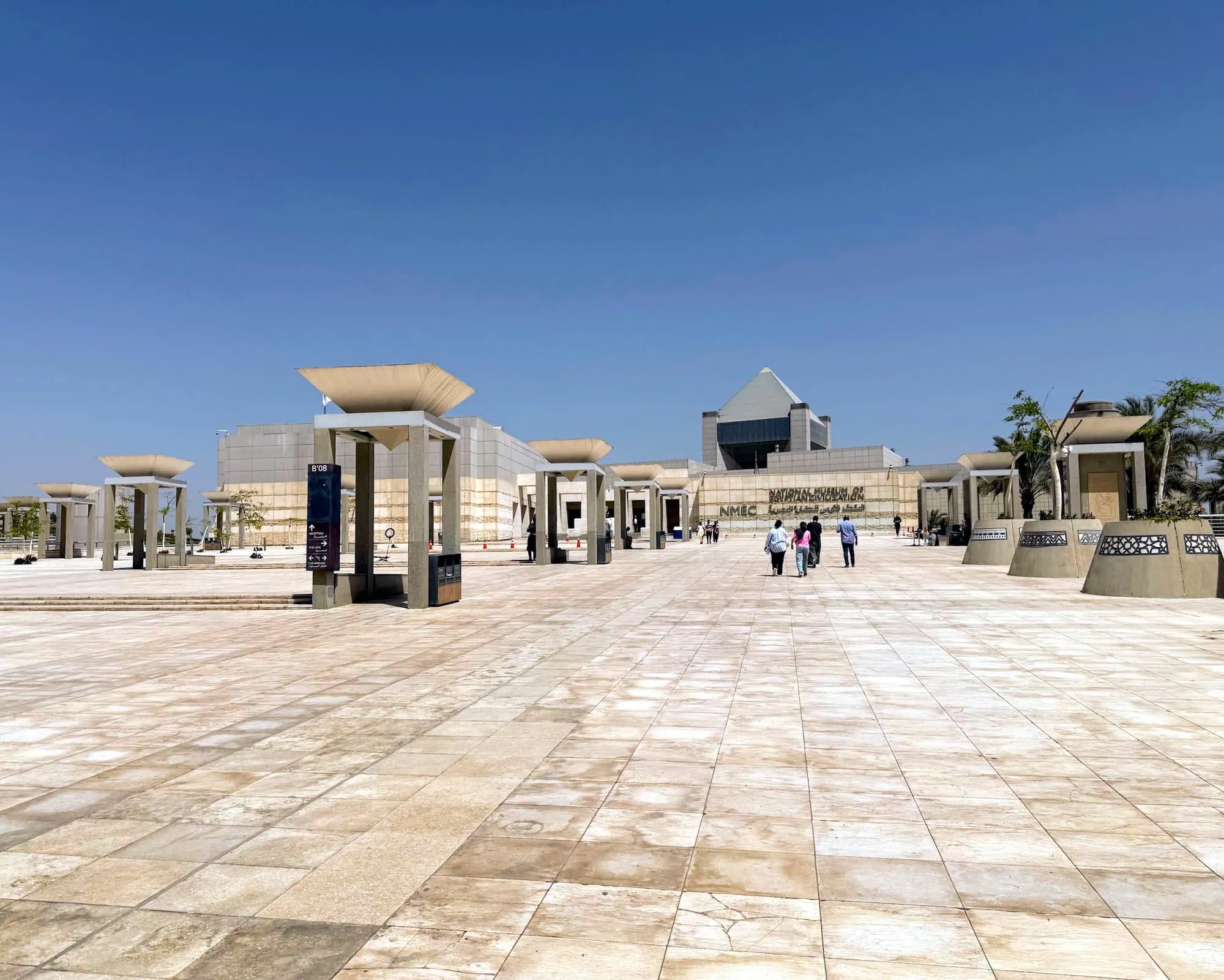
Unlike traditional museums that focus solely on pharaonic treasures, this institution tells the complete story of Egyptian culture from prehistoric times through the modern era.
Located in Fustat, Cairo’s oldest district, the museum opened its doors to international acclaim in 2021. The building itself serves as a testament to contemporary Egyptian architecture while housing one of the world’s most comprehensive collections of Egyptian artifacts. Visitors discover not just ancient treasures, but a living narrative of how Egyptian civilization evolved through millennia of change, conquest, and cultural renaissance.
Your journey here connects you directly with the people, traditions, and innovations that shaped one of humanity’s greatest civilizations. The museum’s innovative design allows natural light to illuminate artifacts while protecting them from damage, creating an almost mystical atmosphere as you explore.
Table of Contents
The Royal Mummies Hall: Ancient Egypt’s Greatest Treasures
Walking through the Royal Mummies Hall feels like entering a sacred space where time stands still. Twenty-two royal mummies rest here in climate-controlled chambers, including legendary pharaohs like Ramesses II, Hatshepsut, and Thutmose III. The sophisticated preservation technology maintains precise temperature and humidity levels, protecting these ancient rulers for future generations while allowing unprecedented close viewing.
Advanced CT scanning reveals the mummies’ secrets without unwrapping them, displaying results on interactive screens that let you explore bone structure, dental health, and even evidence of ancient medical procedures. The hall’s subdued lighting creates an atmosphere of reverence while sophisticated display cases provide crystal-clear viewing angles.
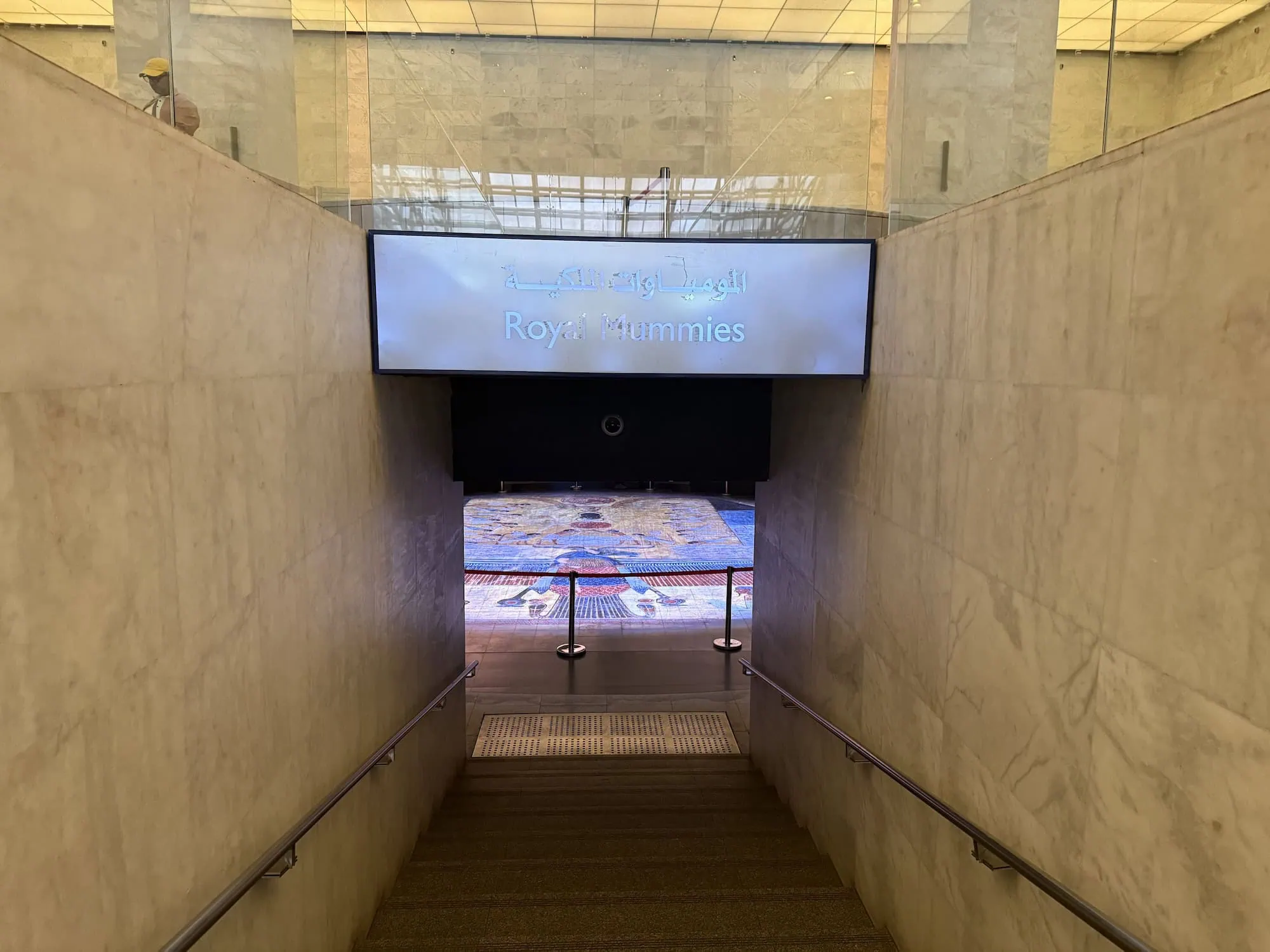
Each mummy tells a unique story of power, politics, and ancient Egyptian beliefs about death and afterlife. Reading hieroglyphic inscriptions alongside English translations deepens your understanding of how these rulers viewed their role as divine intermediaries between gods and mortals.
The museum’s Egyptologists regularly conduct research here, continuously uncovering new information about royal burial practices and mummification techniques that evolved over thousands of years.
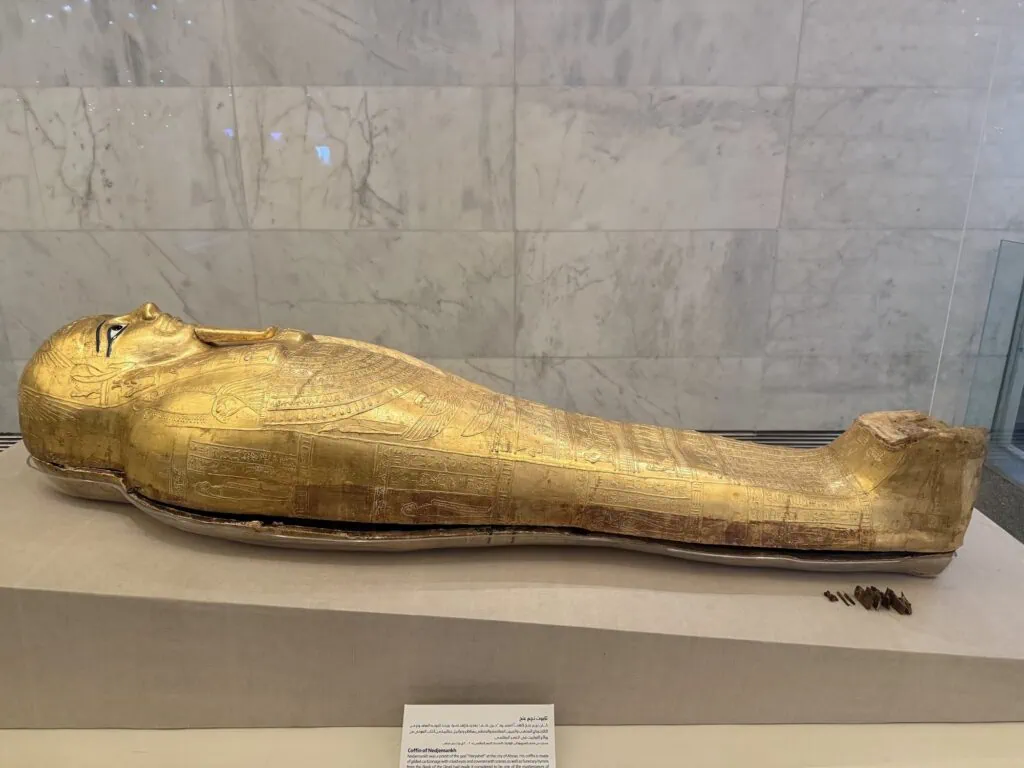
Textile and Crafts Galleries
Egyptian craftspeople created textiles that influenced fashion across the ancient Mediterranean world. The museum’s textile collection spans from simple prehistoric linen to elaborate Coptic tapestries featuring intricate geometric patterns and religious imagery. Interactive looms demonstrate traditional weaving techniques still used in rural Egyptian villages today.
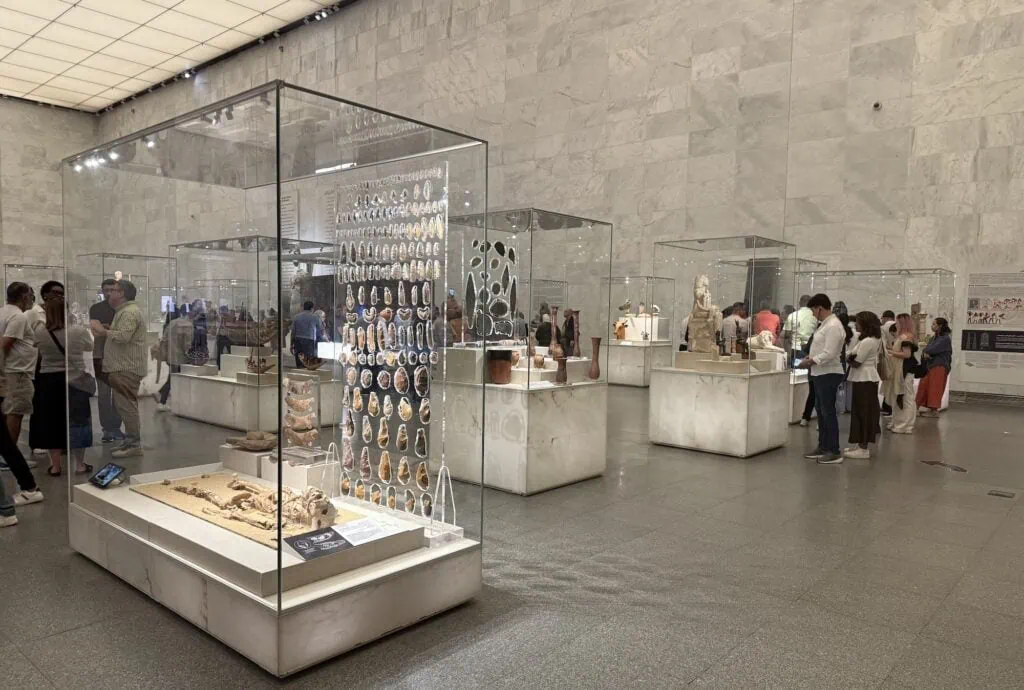
Coptic Art Through the Ages
Christianity’s arrival in Egypt produced a unique artistic tradition blending Egyptian, Greek, and Roman influences. Coptic textiles display remarkable preservation, with colors remaining vibrant after more than a thousand years. Religious iconography tells stories of early Christian communities along the Nile, their struggles, and their contributions to Egyptian culture.
Islamic Period Treasures
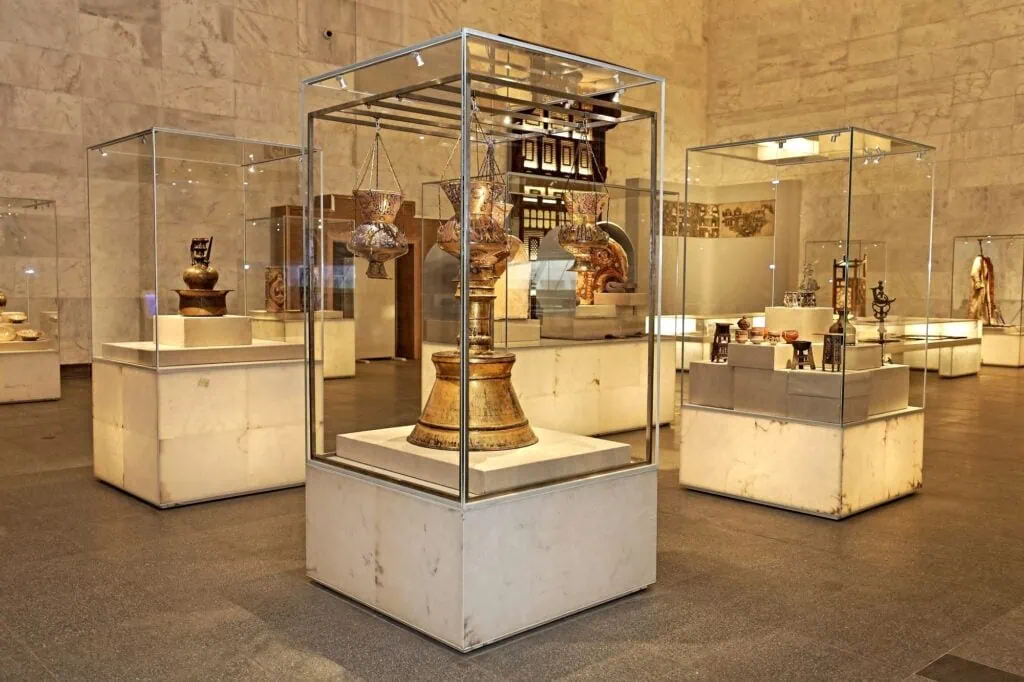
The Islamic conquest of Egypt in 641 AD initiated another transformative period in Egyptian artistic expression. Calligraphy, geometric patterns, and architectural fragments from medieval Cairo demonstrate how Islamic artisans adapted existing Egyptian techniques while introducing new aesthetic principles from across the Islamic world.
Modern Egyptian Heritage Displays
Contemporary exhibits bridge ancient traditions with modern Egyptian identity. Traditional crafts like pottery, jewelry making, and carpet weaving continue in workshops throughout Egypt, connecting today’s artisans with techniques perfected over millennia. Video presentations show master craftspeople at work, explaining how they maintain quality standards passed down through generations.
Cultural Festivals and Celebrations Gallery
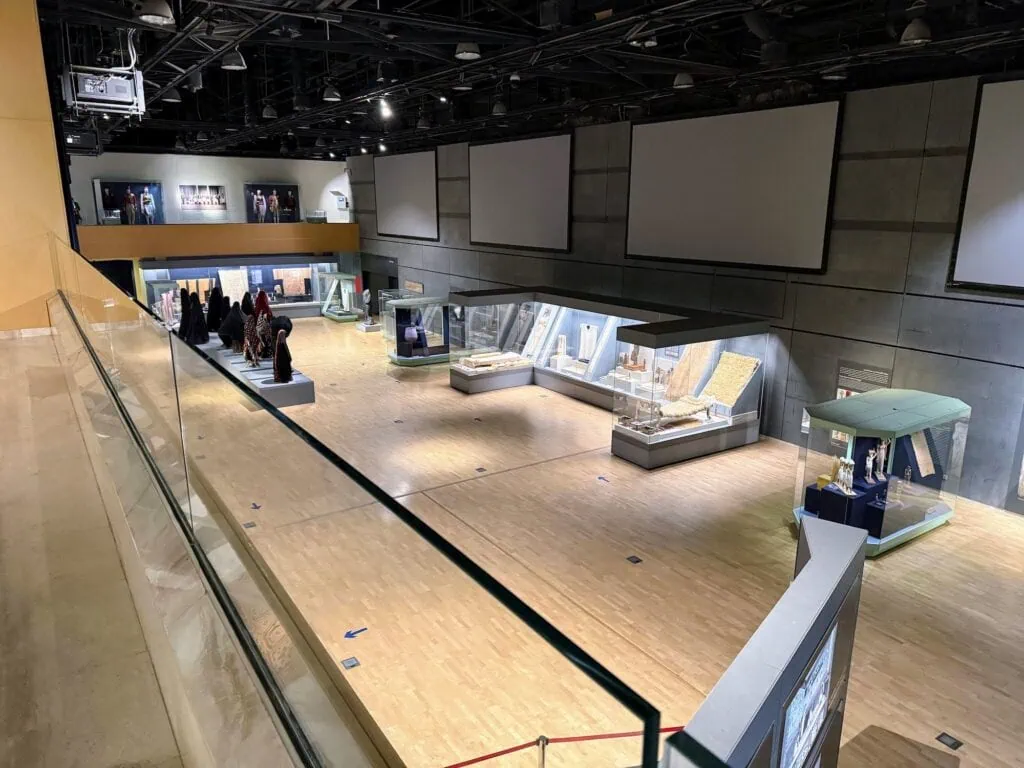
Egyptians celebrate life through festivals that blend ancient traditions with religious observances and modern customs. The museum recreates traditional wedding ceremonies, religious holidays, and seasonal celebrations that mark important moments in Egyptian life. Authentic costumes, musical instruments, and ceremonial objects illustrate how cultural practices evolved while maintaining their essential character.
Food Culture and Daily Life
Ancient Egyptian cuisine laid foundations for modern Middle Eastern cooking. Bread-making techniques, wine production, and food preservation methods developed along the Nile influence Egyptian kitchens today. The museum’s recreation of an ancient Egyptian kitchen shows tools, techniques, and ingredients that remain virtually unchanged after thousands of years.
Nile River Civilization
Egypt’s relationship with the Nile River shaped every aspect of its civilization. Interactive maps show how annual flooding patterns determined agricultural cycles, settlement locations, and trade routes. Ancient irrigation systems, some still functioning today, demonstrate Egyptian engineering expertise that made life possible in the desert.
Navigation and Trade
The museum’s boat collection includes scale models of vessels that carried goods between Upper and Lower Egypt. These boats transported everything from grain and gold to precious stones and exotic animals, creating trade networks that stretched across Africa and into the Mediterranean world.
Religious Practices Across Time
Egyptian religious beliefs evolved dramatically over thousands of years, from ancient polytheism through Christian conversion to Islamic traditions. The museum presents this spiritual journey without judgment, showing how each tradition built upon previous beliefs while introducing new concepts about divine nature, human purpose, and life after death.
Pharaonic Religion
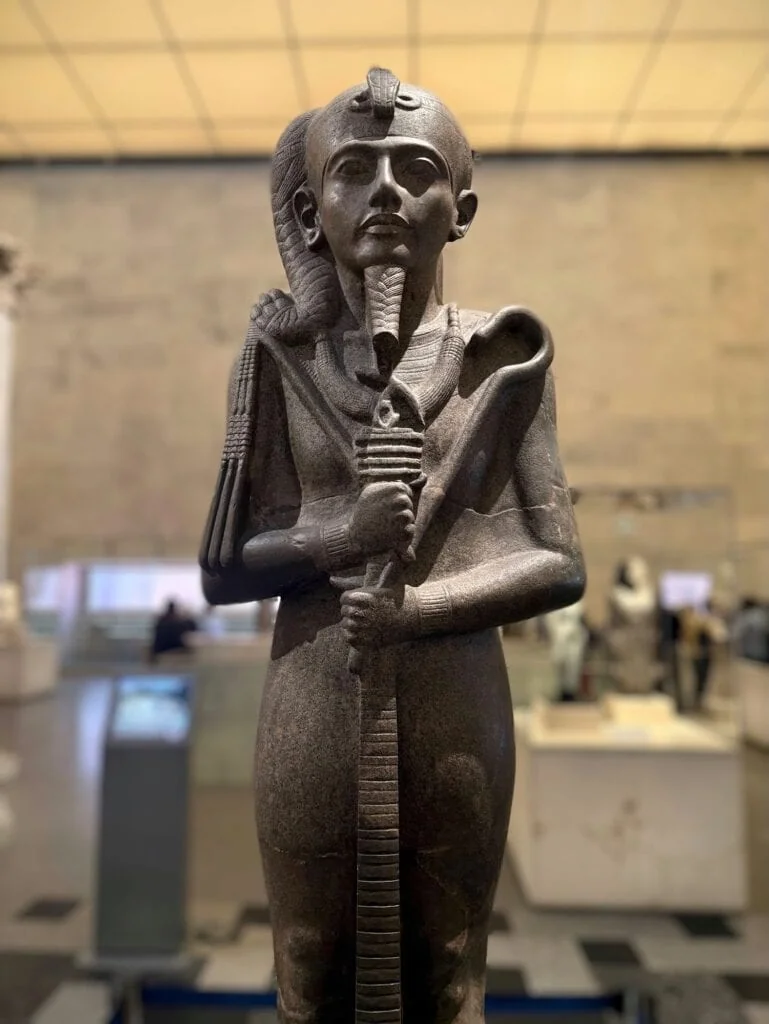
Ancient Egyptians worshipped hundreds of deities, each governing specific aspects of life, death, and natural phenomena. Statues, temple fragments, and religious texts explain complex mythology while demonstrating how religious beliefs influenced art, architecture, and daily decisions throughout pharaonic Egypt.
Prehistoric Egypt Exhibition
Before the pharaohs ruled Egypt, diverse cultures thrived along the Nile Valley for thousands of years. Stone tools, pottery, and burial artifacts reveal sophisticated societies that developed agriculture, metallurgy, and complex social structures. Climate changes and population movements shaped these early communities, setting foundations for pharaonic civilization.
Archaeological discoveries continue revealing new information about prehistoric Egyptian cultures. Recent excavations uncover evidence of early trade relationships, artistic traditions, and technological innovations that challenge previous assumptions about how civilization developed in the Nile Valley.
Education and Research Centers
The museum functions as more than a display space – it serves as an active research institution where archaeologists, historians, and conservation specialists work to understand and preserve Egyptian heritage. Public lectures, workshops, and special exhibitions make cutting-edge research accessible to visitors of all backgrounds.
International collaboration brings scholars from universities worldwide to study the museum’s collections. Digital archives preserve fragile documents and artifacts while making them available to researchers globally. Educational programs for Egyptian students ensure future generations understand their cultural inheritance and develop skills needed to preserve it.
Planning Your Museum Experience
Timing transforms your visit from ordinary to extraordinary. The museum operates daily from 9:00 am (09:00) to 5:00 pm (17:00), with extended hours until 9:00 pm (21:00) on Fridays and Saturdays during peak season. Early morning visits offer cooler temperatures and smaller crowds, particularly important during Cairo’s intense summer months when afternoon temperatures soar above 95°F (35°C).
Getting There Made Simple
The El Malek El Saleh metro station provides the most convenient access, connecting directly to the museum via a short walk through Fustat’s historic streets. Parking costs approximately 20 Egyptian pounds for the day, though spaces fill quickly during weekends and holidays. Taxi services from central Cairo typically charge 80-120 pounds, while ride-sharing apps offer fixed rates around 60-80 pounds.
Ticket Information
International visitors pay standard rates (EGP 550), with additional photography permits available for those wanting to capture their experience. Students with valid identification receive reduced pricing, and children under six enter free when accompanied by adults.
Accessibility Features
Modern elevators, wheelchair-accessible pathways, and audio guides in multiple languages ensure all visitors can fully experience the museum’s offerings. The facility includes dedicated rest areas and accessible restrooms throughout the building.
Design Your Personalized Journey Through Egypt’s Living Heritage
Experience the National Museum of Egyptian Civilization with a journey designed entirely around your interests. Whether you dream of exploring NMEC’s renowned Royal Mummies Hall, wandering ancient temples, sailing the Nile, or discovering hidden gems beyond Cairo, our local experts craft seamless private tours that bring Egypt’s stories to life. With your own personal guide and dedicated driver, every moment becomes richer, deeper, and more comfortable.
Tell us what inspires your trip, and we’ll create a tailor-made itinerary that flows at your pace and reflects your style—no group schedules, no compromises. With 24/7 support in English, Portuguese, Spanish, Italian, and more, we handle every detail so you can simply enjoy the adventure.
Frequently Asked Questions
The National Museum of Egyptian Civilization (NMEC) is located in the historic Fustat district of Old Cairo and is easily reached by Metro, taxi, or private tour transport. Visitors using the Cairo Metro should exit at El Malek El Saleh station on Line 1, then walk approximately 10 minutes to the museum entrance. The museum sits near Lake عين الصيرة (Ain El Seera) and roughly 8 km south of downtown Cairo. Morning arrivals usually avoid heavier Cairo traffic and school-group congestion.
The National Museum of Egyptian Civilization is generally open daily from 9:00 am to 5:00 pm, with extended evening hours until approximately 9:00 pm on Fridays and Saturdays during peak tourism periods. Located in Old Cairo’s Fustat district, the museum adjusts schedules occasionally for national holidays, Ramadan, or special exhibitions. Evening visits can be quieter and more comfortable, particularly during warmer months when daytime Cairo temperatures exceed 95°F (35°C). Visitors should verify current hours before arrival during holiday periods.
Photography inside the National Museum of Egyptian Civilization is permitted in many galleries with the purchase of a photography permit, although restrictions apply in sensitive exhibition areas. Flash photography is commonly prohibited because intense light can damage ancient pigments, textiles, and human remains, especially inside the Royal Mummies Hall. Commercial filming, tripods, and professional equipment usually require advance approval from museum authorities. Visitors should review current photography rules at entry because policies may change between exhibitions and conservation projects.
The Royal Mummies Hall is a climate-controlled exhibition space displaying 22 royal mummies, including pharaohs such as Ramesses II, Seti I, and Queen Hatshepsut. Opened as part of the National Museum of Egyptian Civilization in Cairo, the hall recreates a subdued tomb-like atmosphere with low lighting, controlled humidity, and advanced preservation systems designed to protect remains more than 3,000 years old. Many of the mummies were transferred from the Egyptian Museum in Tahrir Square during the widely televised Pharaohs’ Golden Parade in 2021.
Most visitors should plan 3 to 4 hours at the National Museum of Egyptian Civilization, while travelers interested in detailed exhibits and the Royal Mummies Hall may prefer 5 to 6 hours. The museum covers Egypt’s history from prehistoric settlements through Greco-Roman, Coptic, Islamic, and modern periods, making it broader in scope than many traditional pharaonic museums. Galleries are spread across a large modern complex overlooking the Fustat area of Old Cairo. Comfortable walking shoes are strongly recommended for extended visits.
Guided tours at the National Museum of Egyptian Civilization are available in multiple languages and are often led by licensed Egyptologists or trained museum specialists. These tours provide deeper historical context about major exhibits, including the Royal Mummies Hall, ancient Egyptian funerary practices, and Egypt’s cultural evolution across more than 5,000 years. Private guided visits generally move more efficiently through the galleries than self-guided exploration. Egypt Tours Plus can also arrange combined itineraries linking NMEC with Old Cairo, Saqqara, or the Egyptian Museum.
The National Museum of Egyptian Civilization differs from many Cairo museums because it presents the full timeline of Egyptian civilization rather than focusing only on the pharaonic era. Its galleries cover prehistoric Egypt, ancient dynasties, Greco-Roman influence, Coptic heritage, Islamic culture, and modern Egyptian identity within one integrated narrative. Located in historic Fustat, the museum also emphasizes daily life, craftsmanship, religion, and social development instead of concentrating solely on royal artifacts. This broader historical scope makes the museum especially valuable for first-time visitors seeking context.
Advance booking for the National Museum of Egyptian Civilization is not always required, but it is strongly recommended during Egypt’s peak tourism season from October through April. Reserving tickets ahead of time helps visitors avoid entrance lines and secure preferred time slots for the Royal Mummies Hall, which remains one of Cairo’s most popular museum attractions. Large school groups and international tour arrivals can significantly increase wait times during weekends and holidays. Morning entry generally offers the smoothest experience.
Visitors to the National Museum of Egyptian Civilization should wear comfortable walking shoes and modest, breathable clothing suitable for Cairo’s climate and cultural norms. The museum itself is modern and climate-controlled, but travelers often combine visits with nearby religious and historic sites in Old Cairo, including mosques, churches, and the Hanging Church. Lightweight fabrics are especially important from May through September when temperatures frequently exceed 90°F (32°C). Layering can also help because indoor galleries are air-conditioned year-round.
The National Museum of Egyptian Civilization includes cafés and dining areas serving Egyptian dishes, coffee, desserts, and lighter international meals. Several seating areas overlook the historic Fustat district and Ain El Seera Lake, giving visitors a convenient place to rest during longer museum visits. Because many travelers spend several hours exploring the galleries and Royal Mummies Hall, on-site dining is often more practical than leaving and re-entering the museum complex. Lunch periods between noon and 3:00 pm are usually the busiest.
Children are permitted inside the Royal Mummies Hall, although they must remain supervised by adults throughout the visit because of the sensitive and sacred nature of the exhibits. The hall contains the preserved remains of 22 ancient Egyptian royals displayed in low-light, climate-controlled conditions intended to support conservation. Some younger children may find the atmosphere quiet or emotionally intense compared with more interactive museum galleries. Shorter visits and advance explanation from parents often help children engage more comfortably with the historical context.
Major exhibits at the National Museum of Egyptian Civilization are labeled in both Arabic and English, with multilingual audio guides available for additional interpretation. Audio systems commonly include languages such as French, German, Spanish, Italian, and others depending on seasonal demand and equipment availability. Because the museum covers multiple historical eras across thousands of years, these translations help international visitors understand complex cultural and archaeological themes more clearly. Guided tours remain useful for travelers wanting deeper historical explanation beyond standard exhibit panels.
Design Your Custom Tour
Explore Egypt your way by selecting only the attractions you want to visit