

Abdeen Palace – Is this Egypt’s Most Lavish Palace?
Step inside one of Cairo’s most magnificent architectural treasures.
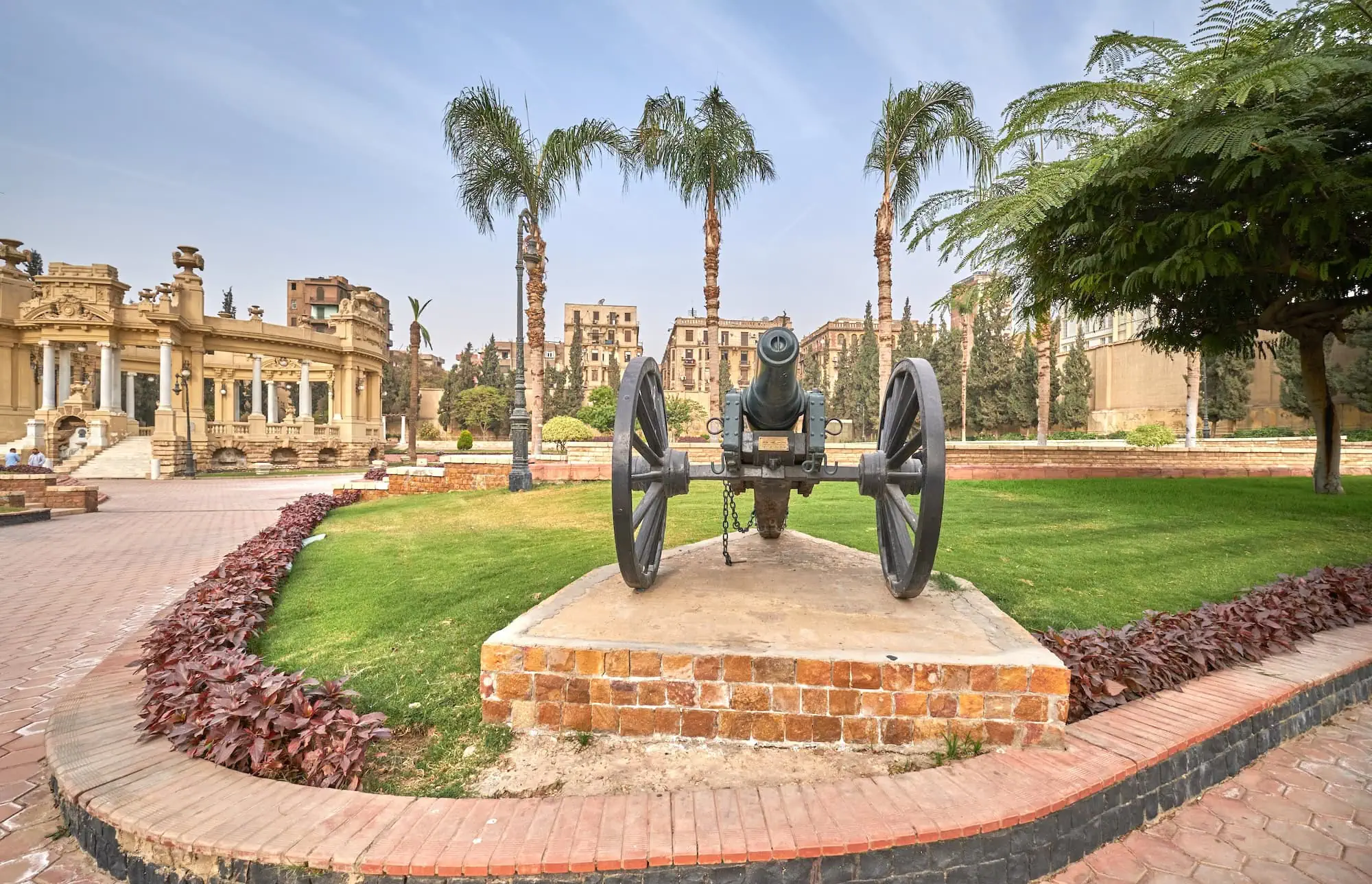
Built during the ambitious reign of Khedive Ismail in the 1860s, Abdeen Palace represents more than just opulent architecture – it symbolizes Egypt’s transformation from Ottoman province to modern nation. The French-designed palace served as the primary residence of Egyptian royalty for nearly a century before becoming one of the country’s most important presidential palaces.
Today, visitors can explore select portions of this historic landmark through its world-class museum collections, experiencing firsthand the grandeur that once defined Egypt’s royal court. Whether you’re fascinated by historical artifacts, stunning architecture, or Egypt’s political evolution, Abdeen Palace offers a unique window into the country’s rich past and dynamic present.
Table of Contents
The Historical Significance of Abdeen Palace
Khedive Ismail commissioned this extraordinary palace in 1863 as part of his grand vision to create “Paris on the Nile” in Cairo. The project took twelve years to complete and consumed enormous resources, reflecting the Khedive’s determination to showcase Egypt’s wealth and sophistication to the world.
From Royal Residence to Government Seat
The palace functioned as the primary residence of the Mohamed Ali dynasty until the 1952 revolution. During this period, it witnessed countless state ceremonies, diplomatic receptions, and royal celebrations that shaped Egypt’s political landscape. The sprawling complex originally encompassed 24 feddans, making it one of the largest palace compounds in the Middle East.
Following the revolution, President Gamal Abdel Nasser transformed portions of the palace into official government offices. This transition marked the beginning of Abdeen Palace’s role as a presidential palace, a function it continues to serve today under Egypt’s current administration.
Architectural Marvel of the 19th Century
French architect Leon Rousseau supervised the palace’s construction, incorporating European architectural elements with traditional Islamic design principles. The result was a stunning fusion that reflected Egypt’s position as a bridge between East and West. The palace features over 500 rooms, each designed with meticulous attention to detail and decorated with precious materials imported from across Europe and Asia.
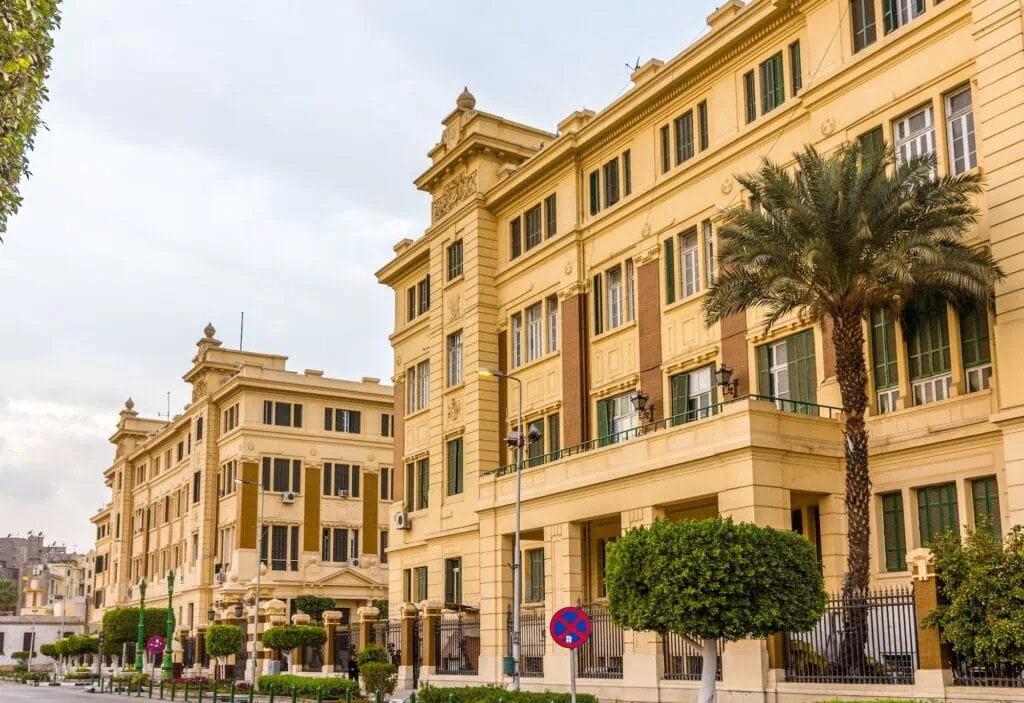
The construction process employed thousands of craftsmen and artisans, many brought specifically from France and Italy to ensure the highest quality workmanship. This international collaboration resulted in architectural features that remain impressive even by today’s standards.
Exploring the Abdeen Palace Museum
The museum within Abdeen Palace houses one of Egypt’s most comprehensive collections of weapons, medals, and royal artifacts. Visitors can examine rare firearms, ceremonial swords, and military decorations that tell the story of Egypt’s modern military history.
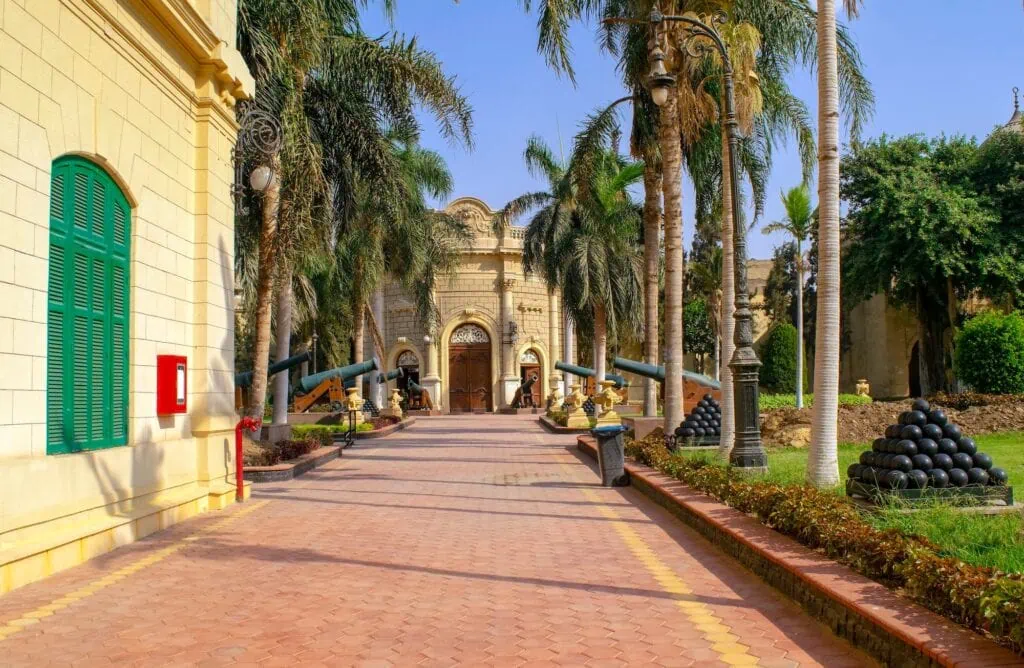
The weapons collection spans several centuries and includes pieces from various Egyptian military campaigns. European diplomatic gifts, Ottoman-era artifacts, and items from the Mohamed Ali dynasty create a diverse display that appeals to history enthusiasts and casual visitors alike. Photography inside the museum requires an additional fee, but many consider the extra cost worthwhile given the collection’s exceptional quality.
Guided Tours and Visitor Experience
Professional guides lead visitors through the museum’s carefully curated exhibitions. These tours typically last 90 minutes and cover the palace’s construction history, the royal family’s daily life, and the building’s transition to government use. The guides are well-versed in both Arabic and English, ensuring international visitors can fully appreciate the palace’s significance.
Tour schedules vary throughout the year, with morning sessions generally offering the best experience due to smaller crowds and cooler temperatures. Advance booking is recommended, especially during peak tourist seasons.
The Presidential Palace Complex Today
Modern security requirements mean that only specific sections of Abdeen Palace are accessible to the public. The presidential offices and official reception areas remain off-limits, but the museum sections provide substantial insight into the palace’s grandeur. Current Egyptian presidents still use the palace for certain state functions and diplomatic meetings, maintaining its status as an active government facility.
The palace grounds feature beautifully maintained gardens that were redesigned during the reign of Sultan Fuad I. These outdoor spaces incorporate both formal European garden design and traditional Islamic garden elements. While public access to the gardens is limited, visitors can observe them from designated viewing areas within the museum complex.
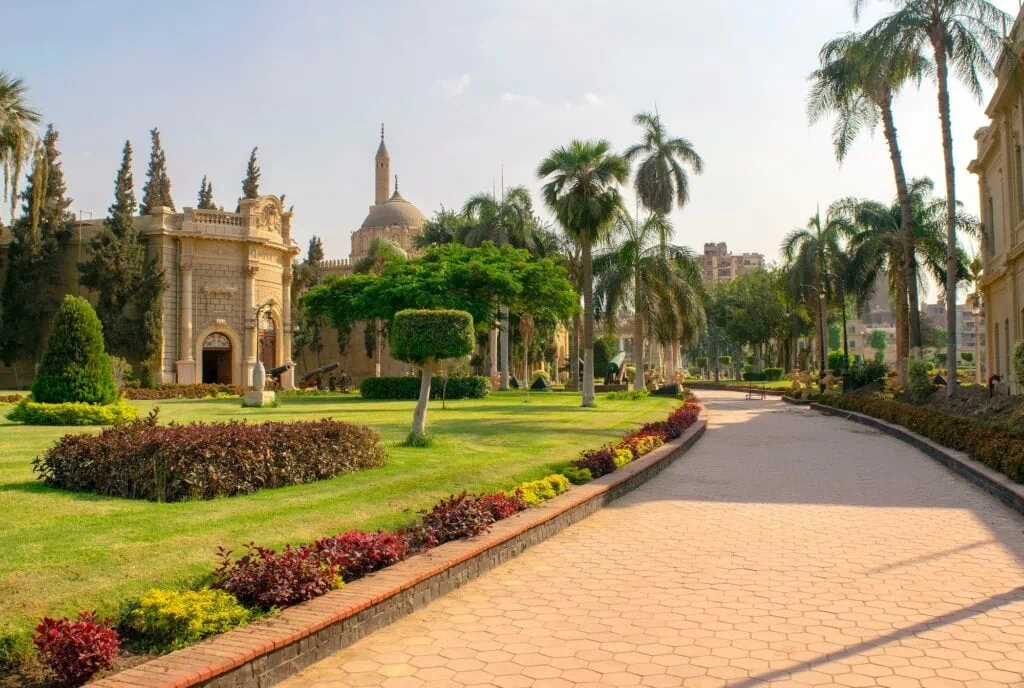
Recent restoration projects have preserved many of the palace’s original decorative features while updating infrastructure to meet modern conservation standards. This careful balance between preservation and functionality ensures that future generations can continue to appreciate this architectural masterpiece.
Egyptian government officials regularly host international delegations at Abdeen Palace, continuing the diplomatic traditions established during the royal era. These events highlight the palace’s ongoing importance in Egypt’s political and cultural life.
Planning Your Visit to Abdeen Palace Museum
Ticket prices for the Abdeen Palace Museum are reasonable compared to other major Egyptian attractions, making it accessible to most travelers. The museum operates on a schedule that accommodates both individual visitors and tour groups, though advance planning is essential due to security protocols.
Practical Visitor Information
Opening hours typically run from 9:00 am (09:00) to 3:00 pm (15:00), with the last entry allowed one hour before closing. Friday prayers may affect morning schedules, so checking current hours before your visit is advisable. The museum is closed on certain national holidays and during special government events.
Security screening is thorough but efficient, similar to airport procedures. Large bags and recording equipment are not permitted inside the museum. Professional photography equipment requires special permission, which should be arranged in advance through official channels.
Location and Transportation
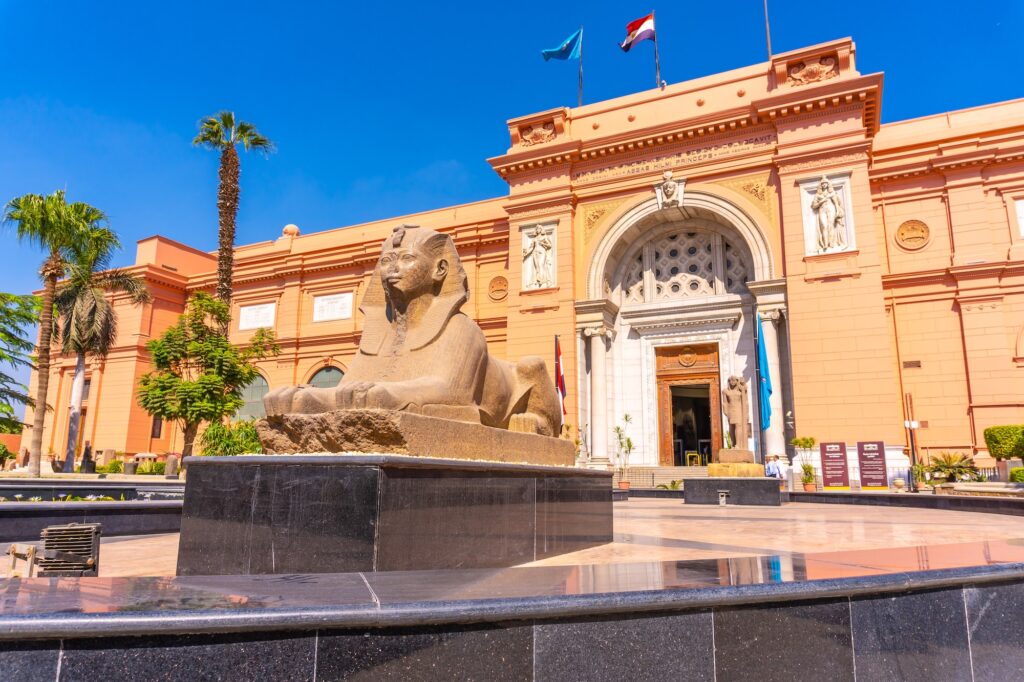
Abdeen Palace is located in downtown Cairo, easily accessible from major hotels and tourist areas. Taxi services and ride-sharing apps provide convenient transportation options. The palace’s central location makes it possible to combine your visit with other downtown attractions like the Egyptian Museum or Islamic Cairo.
Public parking is limited in the immediate area, but several commercial parking facilities operate within walking distance. We recommend using private transportation or guided tours to avoid parking difficulties, especially during busy periods.
What Makes Abdeen Palace Unique
Unlike many Egyptian historical sites, Abdeen Palace represents the country’s modern rather than ancient history. This focus provides valuable context for understanding Egypt’s evolution from Ottoman rule through independence to the present day. The palace’s dual role as historical museum and active government facility creates a unique atmosphere that few other attractions can match.
The quality of the artifacts and their presentation rivals major international museums. Each display includes detailed explanations in multiple languages, making the complex history accessible to visitors from diverse backgrounds. The palace’s European architectural influences offer an interesting contrast to Egypt’s more famous pharaonic and Islamic monuments.
At Egypt Tours Plus, we’ve guided thousands of visitors through Abdeen Palace over our decades of operation in Egypt. Our award-winning guides understand how to maximize your museum experience while respecting the site’s security requirements and cultural significance.
Frequently Asked Questions
Morning visits between 9:00 am and 11:00 am generally provide the best experience at Abdeen Palace Museum, with cooler temperatures, lighter crowds, and shorter security lines. The palace sits in central Cairo, where afternoon traffic and tour-group activity increase significantly later in the day. Earlier visits also improve photography conditions inside the ornate ceremonial halls and royal collections. Weekdays tend to feel calmer than weekends or public holidays. Arriving shortly after opening creates a more relaxed and uninterrupted museum experience.
Most visitors spend about 90 minutes exploring Abdeen Palace Museum, though history enthusiasts often stay closer to two hours to examine the royal collections in detail. Guided tours usually include the Arms Museum, Silver Museum, Presidential Gifts Museum, and ceremonial reception halls used during Egypt’s monarchy and early republican era. The palace contains thousands of artifacts connected to rulers such as King Farouk and Khedive Ismail. Visitors interested in photography or decorative arts should allow extra time for the ornate interiors.
Yes, photography is generally permitted inside Abdeen Palace Museum, but visitors usually need to purchase a separate photography ticket at the entrance. Policies can vary between exhibition halls, particularly around sensitive artifacts, military collections, or temporary displays. Flash photography may be restricted to protect delicate textiles, documents, and historic furnishings from light exposure damage. Mobile phone photography is typically easier to approve than professional camera equipment. Visitors should confirm current rules upon arrival because museum regulations occasionally change.
Advance booking is strongly recommended for Abdeen Palace Museum because visitor access is controlled through security screening and daily capacity limits. The palace remains an important government-related site in central Cairo, so entry procedures can take longer than at standard museums. Organized tours and private guides often secure smoother access and shorter waiting times, especially during Egypt’s peak tourism season between October and April. Booking ahead is particularly useful for larger groups or travelers visiting during weekends and holidays.
Visitors should carry only essential items when entering Abdeen Palace because security screening resembles procedures used at official government buildings. Small bags, identification documents, phones, and wallets are generally acceptable, while large backpacks, recording devices, and bulky camera equipment may face restrictions or require additional approval. Metal detectors and bag inspections are standard at the entrance. Bringing minimal belongings speeds up the process considerably, especially during busy morning hours when tour groups begin arriving.
Yes, some professional guides at Abdeen Palace Museum also offer tours in French, German, and occasionally other European languages depending on availability and advance notice. English and Arabic remain the most consistently available options because they serve the majority of visitors. Multilingual guided tours are particularly valuable at Abdeen Palace because many exhibits focus on modern Egyptian political history, diplomatic gifts, and royal court traditions that benefit from detailed explanation. Booking multilingual guides ahead of time increases availability significantly.
No, visitors can only access the designated museum sections of Abdeen Palace, while presidential and administrative areas remain closed for security and government functions. The public museum spaces include ceremonial halls, royal collections, and curated exhibitions connected to Egypt’s monarchy and modern state history. Abdeen Palace has served as an important presidential headquarters since the late 19th century, which is why access remains carefully controlled. Photography and movement inside the public sections are also monitored by palace staff.
Visitors to Abdeen Palace should wear modest, neat clothing similar to attire recommended for government institutions and religious landmarks in Egypt. Long pants, covered shoulders, and comfortable closed-toe shoes are practical because museum tours involve extended walking across marble floors and large exhibition halls. While the palace is not a mosque, conservative dress aligns with local cultural expectations in central Cairo. Lightweight fabrics work best during warmer months when temperatures frequently exceed 35°C (95°F).
Abdeen Palace sits in downtown Cairo approximately 3 km from the Egyptian Museum in Tahrir Square and within easy driving distance of Islamic Cairo landmarks such as Khan El-Khalili and Al-Muizz Street. Travel times typically range from 10 to 25 minutes depending on Cairo traffic conditions, which can change dramatically throughout the day. Its central location makes the palace a practical stop within broader city itineraries. Combining nearby attractions helps visitors experience both ancient and modern Egyptian history in one day.
Yes, numerous cafés, bakeries, and traditional Egyptian restaurants operate around Abdeen Palace in downtown Cairo’s historic commercial districts. Visitors can easily find local dishes such as koshary, grilled meats, and Egyptian pastries within a short walking or driving distance from the palace entrance. Nearby areas including Talaat Harb Street and Tahrir Square also offer international dining chains and coffee shops. Many travelers schedule lunch after their palace visit because the museum itself has limited refreshment facilities.
Yes, Abdeen Palace combines easily with downtown Cairo, Islamic Cairo, and Egyptian Museum tours because of its central location near Tahrir Square and historic districts. Many visitors pair the palace with Khan El-Khalili Bazaar, Al-Muizz Street, or the Cairo Citadel within the same sightseeing day. The palace offers a contrasting perspective focused on 19th- and 20th-century royal and political history rather than ancient pharaonic civilization. Egypt Tours Plus frequently includes Abdeen Palace in customized cultural itineraries covering multiple eras of Egyptian history.
Abdeen Palace stands apart from most Egyptian attractions because it focuses on modern royal and political history rather than ancient pharaohs or archaeological ruins. Built in the 1860s under Khedive Ismail, the palace showcases European-inspired architecture, diplomatic gifts, royal collections, and presidential history connected to Egypt’s transformation into a modern state. Visitors see ceremonial halls, military artifacts, and lavish interiors rarely associated with ancient Egypt tourism. The palace provides important context for understanding Egypt between the Ottoman era and the modern republic.
Design Your Custom Tour
Explore Egypt your way by selecting only the attractions you want to visit