

Temple of Beit El Wali – A Fascinating Reminder of Ramesses II
Ramesses II carved his mark across Nubia through monumental temples that still inspire visitors today.
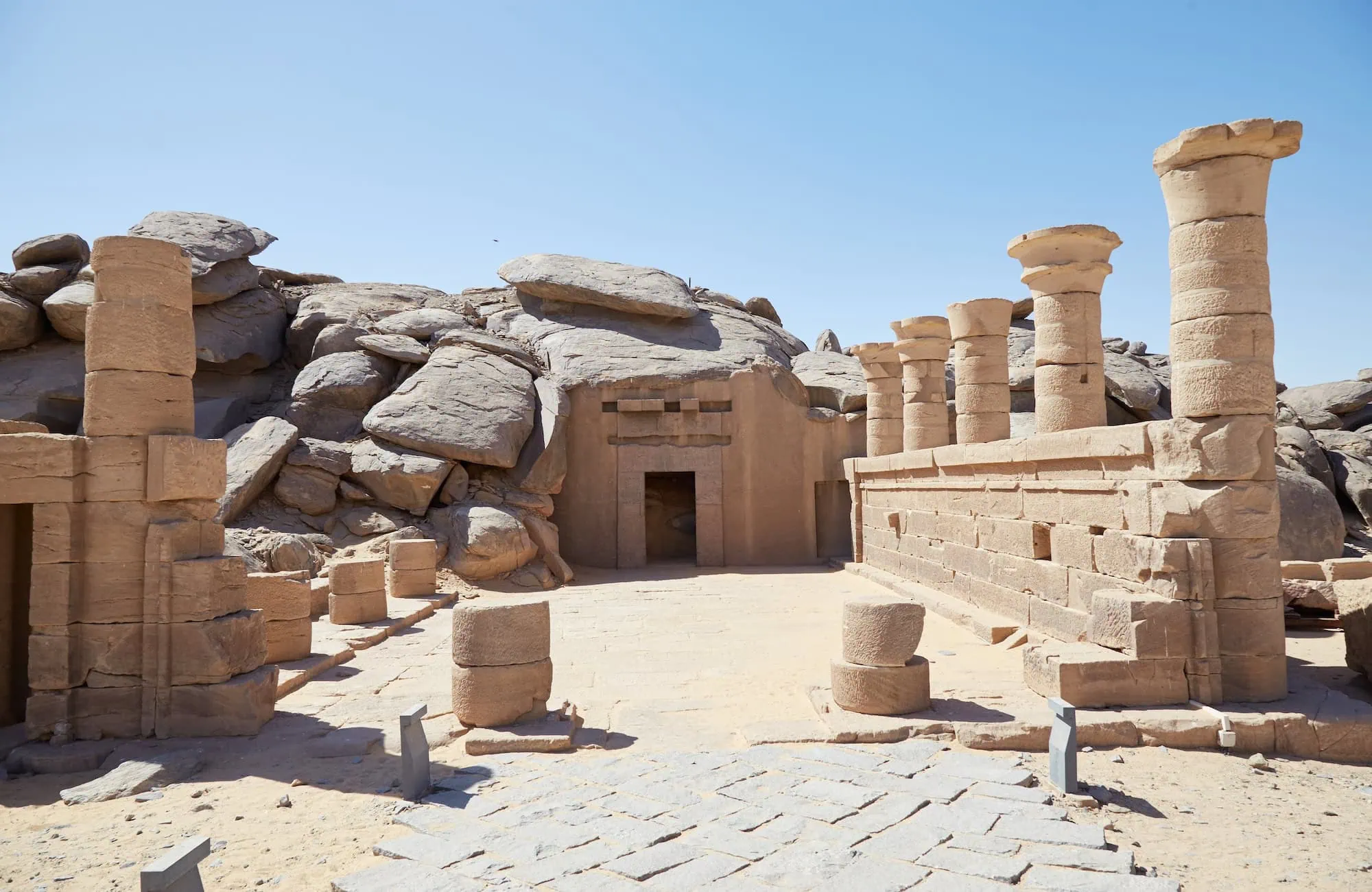
The Temple of Beit El Wali stands as one of ancient Egypt’s most remarkable preservation success stories. Built during the reign of Ramesses II in the 13th century BCE, this rock-cut temple originally overlooked the Nile from its clifftop position near modern-day Aswan. When the construction of the Aswan High Dam threatened to submerge this archaeological treasure forever, an international rescue effort relocated the entire structure to safety. Today, visitors can explore the temple’s intricate reliefs and witness firsthand the artistic mastery that defined the New Kingdom period.
We guide travelers through Egypt’s most significant archaeological sites, including this remarkable testament to both ancient craftsmanship and modern preservation efforts.
Table of Contents
Historical Significance of Ramesses II’s Nubian Campaign
The Temple of Beit El Wali represents one of the early Nubian monuments Ramesses II commissioned throughout Nubia to demonstrate Egyptian control over this strategically vital region. Archaeological evidence suggests the pharaoh launched extensive military campaigns into Nubian territory during the early years of his reign, securing trade routes and tribute that would fund his ambitious building projects across the empire.
Military Conquests Depicted in Stone
The temple’s walls showcase detailed relief scenes depicting Ramesses II’s victories against Nubian groups, Libyans, and enemies in the Levant. These aren’t mere decorative elements. Each carving served as royal propaganda, communicating Egyptian dominance. The left wall illustrates campaigns against Asiatic peoples, while the right wall focuses on African scenes, creating a narrative of imperial power.
Skilled artisans carved tribute scenes showing exotic animals including lions, giraffes, elephants, and apes being brought to the pharaoh.
Religious Dedication and Divine Authority
Ramesses II dedicated the temple to multiple deities: Amun-Re, Re-Horakhti, Khnum, and Anuket. This combination reflects the syncretic nature of Egyptian religion during the New Kingdom, where local Nubian deities merged with traditional Egyptian gods. The pharaoh positioned himself as the divine intermediary, reinforcing his legitimacy through religious authority alongside military might.
The temple’s compact size—measuring just 13 meters (43 feet) in length and 6 meters (20 feet) in width—creates an intimate sacred space totaling approximately 75 square meters (807 square feet). Two polygonal pillars support the colonnaded hall, leading to the Holy of Holies where the most sacred rituals took place.
Architectural Design and Construction Techniques
Rock-cut temple construction required exceptional engineering skills and artistic vision. Workers carved the entire Temple of Beit El Wali directly into the sandstone cliff face, creating a permanent structure that merged seamlessly with the natural landscape. This technique allowed builders to create stable, long-lasting monuments without requiring extensive foundation work or transported materials.
The temple follows traditional Egyptian design principles with three main sections: a forecourt for public ceremonies, a colonnaded hall for priesthood activities, and an inner sanctuary reserved for the pharaoh and high priests. Natural lighting was carefully planned to illuminate specific relief scenes during different times of day, enhancing the dramatic impact of the carved narratives.
Original paint pigments remain visible on many relief surfaces, protected by the dry Nubian climate and the temple’s sheltered position. These surviving colors provide invaluable insights into ancient Egyptian artistic techniques and the visual impact these monuments would have had on contemporary viewers.
The UNESCO Rescue Mission
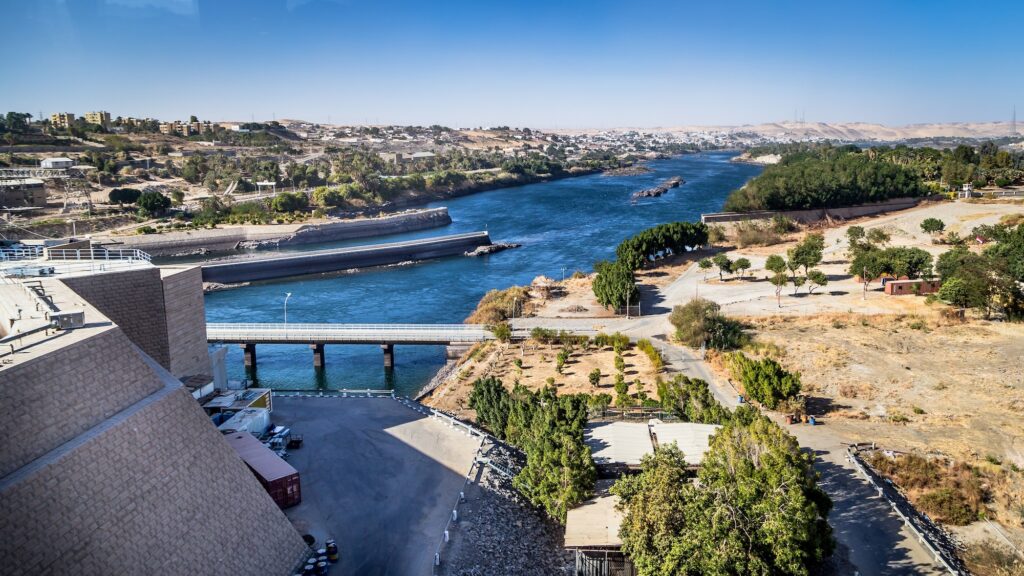
When Egypt began construction of the Aswan High Dam in the 1960s, rising waters threatened to permanently submerge numerous archaeological sites throughout Nubia. UNESCO launched an unprecedented international campaign to save these monuments, bringing together archaeologists, engineers, and construction specialists from around the world.
International Collaboration
The University of Chicago’s Oriental Institute played a crucial role in documenting and relocating the Temple of Beit El Wali. Herbert Ricke, George Hughes, and Edward Wente led the four-year concession from 1960-1964, conducting detailed surveys and publishing ten volumes of research that preserve complete records of the original site. Their work ensured that even relocated monuments retained their historical context through comprehensive documentation.
Polish archaeologists provided specialized expertise in stone cutting and reconstruction techniques. The collaborative effort demonstrated how international cooperation could preserve cultural heritage for future generations, establishing precedents for similar projects worldwide.
Technical Challenges and Solutions
Relocating the temple required cutting the rock-cut structure into manageable blocks while preserving the integrity of delicate relief carvings. Engineers developed innovative techniques for supporting carved surfaces during transport and reassembly. at the New Kalabsha site near Aswan, where it can be visited alongside Kalabsha Temple and other relocated monuments.
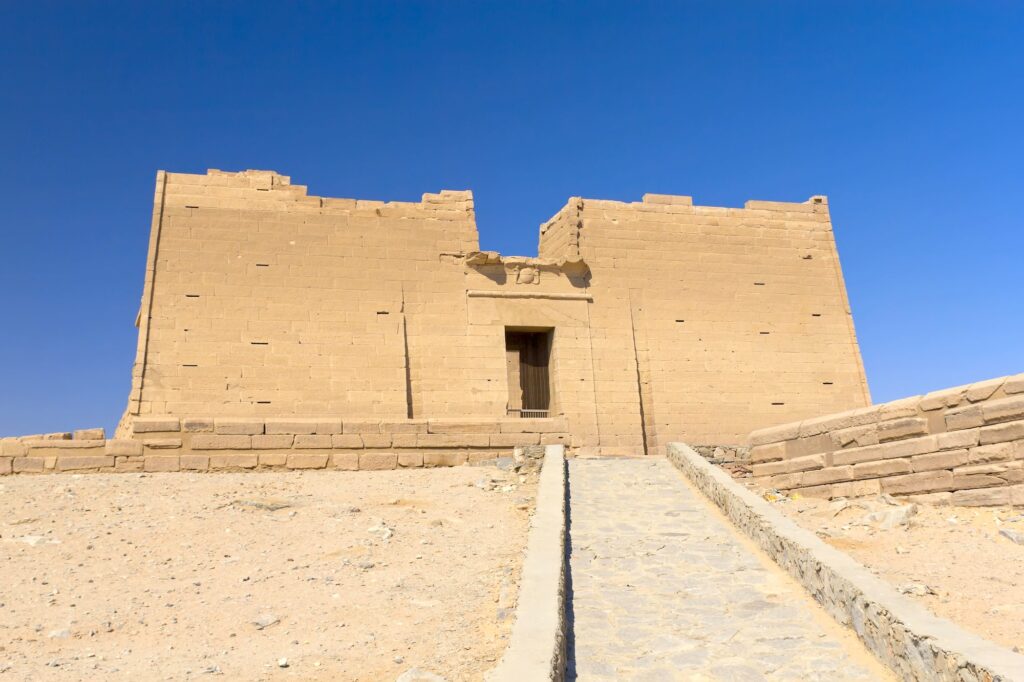
The rescue operation covered the period from 1960 to 1980, ultimately saving four major temple complexes: the Kalabsha Island area, New Seboua region, New Amda area, and the Abu Simbel temples. Each site required customized solutions based on size, structural complexity, and artistic significance.
Visiting the Temple Today
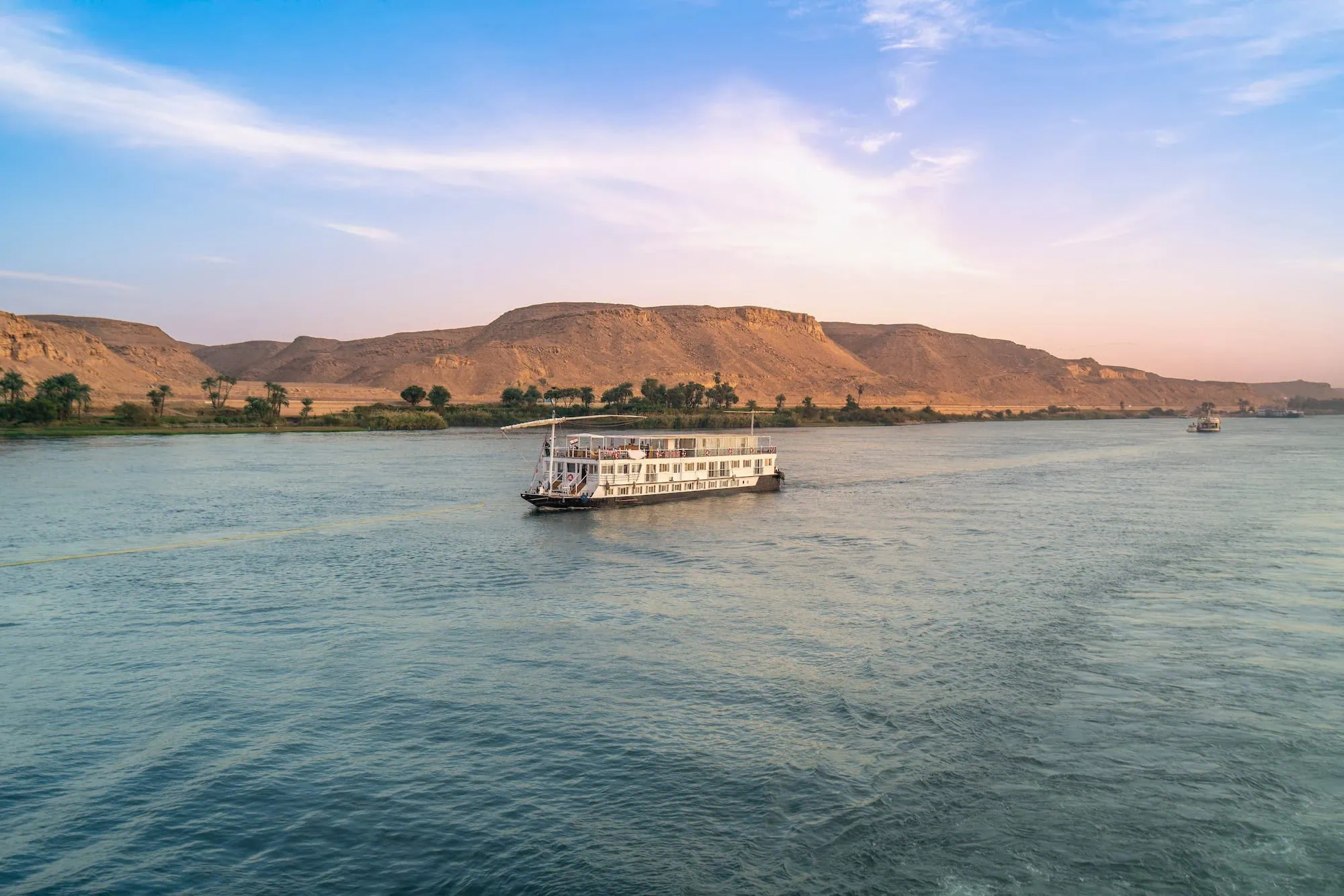
Modern travelers can reach the Temple of Beit El Wali as part of day trips from Aswan or extended Nile cruise itineraries that explore Lake Nasser. The temple’s location near other relocated monuments creates opportunities to visit multiple archaeological sites during a single excursion.
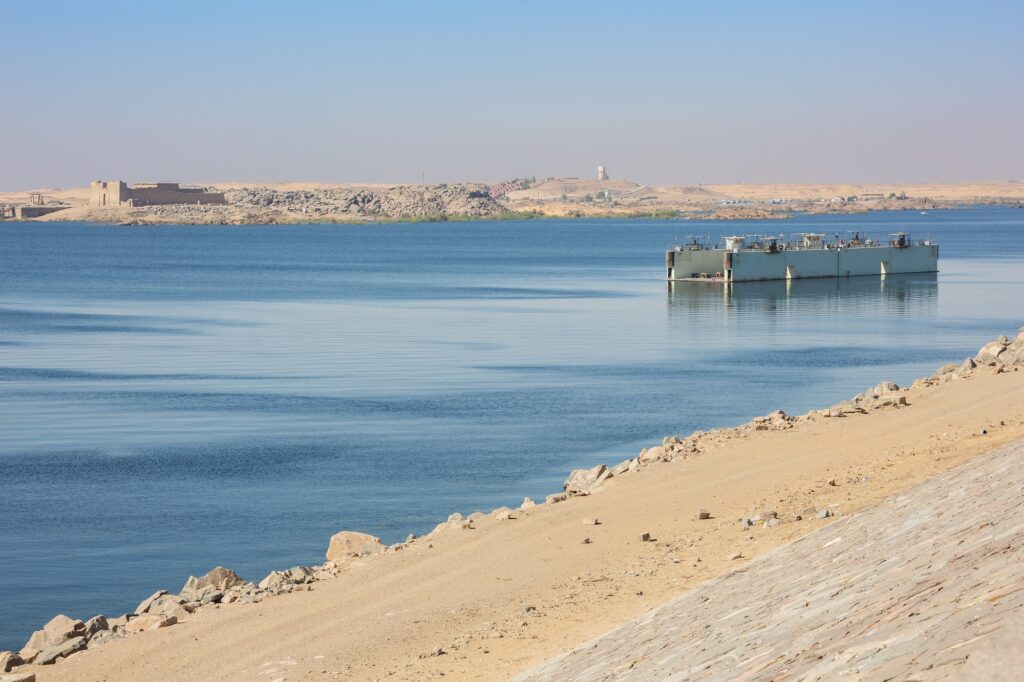
Most visitors arrive by boat, as the temple sits on Kalabsha Island surrounded by the waters of Lake Nasser. The journey provides spectacular views of the Nubian landscape and helps visitors understand the dramatic changes created by the Aswan High Dam project.
The temple remains well-preserved thanks to its protected environment and ongoing conservation efforts. Visitors can examine the detailed relief carvings up close, including the famous tribute scenes that showcase the artistic achievements of Ramesses II’s craftsmen. Photography is permitted, allowing travelers to document their experience with this remarkable ancient monument.
We arrange private guided visits that provide historical context and archaeological insights beyond what typical tour groups experience. Our qualified Egyptologists explain the significance of specific relief scenes, religious symbolism, and construction techniques that make the Temple of Beit El Wali unique among Egypt’s ancient monuments.
The Broader Context of Nubian Temples
The Temple of Beit El Wali forms part of a wider network of monuments commissioned by Ramesses II throughout Nubia to reinforce Egyptian authority in this economically and strategically important region. These temples were deliberately placed along key stretches of the Nile to serve religious, administrative, and symbolic purposes, ensuring a strong and visible Egyptian presence far south of the traditional heartland.
Beyond their religious function, Nubian temples acted as focal points for imperial administration. They supported the collection of tribute, regulated trade moving between Egypt and sub-Saharan Africa, and communicated royal ideology to local populations. Their prominent locations along the river ensured accessibility for officials, travelers, and regional communities alike.
Archaeological research conducted during the UNESCO Nubian salvage campaign revealed that several of these monuments were later adapted or reused during the Graeco-Roman and Christian periods. Some temples were partially converted for new religious practices, creating layered archaeological evidence that reflects continuity, transformation, and adaptation over more than a millennium.
The preservation of sites such as Beit El Wali allows modern visitors to trace the evolution of Egyptian imperial strategy, religious expression, and artistic tradition in Nubia. Together, these monuments provide a rare opportunity to understand how ancient states balanced political control, economic interests, and cultural integration across a vast and diverse frontier.
Uncover The Stories Within Beit El Wali
The Temple of Beit El Wali offers a more intimate and detailed glimpse into Egypt’s past—where vivid reliefs and a peaceful setting create a deeper connection to ancient history. With EgyptToursPlus, we seamlessly include this hidden gem in a private journey that blends Lake Nasser’s lesser-known treasures with Egypt’s most iconic highlights.
You choose your travel dates, your pace, and the experiences that shape your route. Whether you’re exploring southern Egypt in depth or combining it with a broader itinerary, we tailor every detail around your preferences—ensuring a smooth, refined, and deeply personal travel experience from start to finish.
Frequently Asked Questions
Most visitors spend 45 to 60 minutes exploring the Temple of Beit El Wali itself, although combined excursions around New Kalabsha Island typically last 2 to 3 hours including boat transfers and nearby monuments. The temple is relatively compact compared to Abu Simbel, but its detailed Ramesside reliefs reward slow exploration and close viewing. Many itineraries combine Beit El Wali with Kalabsha Temple and the Kiosk of Qertassi. Early morning visits generally offer cooler temperatures and softer lighting for photography.
Yes, the Temple of Beit El Wali remains open year-round, although winter months from November through March provide the most comfortable weather for sightseeing around Lake Nasser and Aswan. Summer temperatures regularly exceed 40°C (104°F), especially between June and August, which can make exposed archaeological sites uncomfortable during midday hours. Boat transportation continues throughout the year, but schedules sometimes vary depending on seasonal tourism demand and water conditions. Morning departures usually provide calmer conditions and better photography opportunities.
The Temple of Beit El Wali presents moderate accessibility challenges because visitors must walk across uneven stone surfaces, navigate outdoor terrain, and climb several steps near the entrance and surrounding pathways. Compared with modern museum sites, infrastructure remains limited due to the archaeological setting on New Kalabsha Island. Visitors with reduced mobility can still enjoy parts of the site with assistance and slower-paced private tours. Comfortable footwear and support during boat boarding significantly improve the experience for travelers needing extra stability.
The Temple of Beit El Wali sits on New Kalabsha Island alongside Kalabsha Temple and the Kiosk of Qertassi, creating one of Upper Egypt’s most important relocated Nubian monument clusters. Kalabsha Temple is the largest surviving free-standing Nubian temple, while Qertassi preserves elegant Roman-era Hathor columns and unfinished architectural details. All three monuments were relocated during the UNESCO rescue campaign following construction of the Aswan High Dam. Visiting them together provides a broader understanding of Nubian religion, Roman influence, and ancient Egyptian frontier culture.
No special permits are required to visit the Temple of Beit El Wali beyond the standard archaeological site entrance tickets normally included in organized excursions to New Kalabsha Island. Independent travelers can also purchase tickets through official antiquities channels near the boat departure area in Aswan. Commercial filming, drones, or professional photography equipment may require separate authorization from Egyptian authorities. Most visitors simply need valid identification, comfortable clothing, and advance transportation arrangements because access depends on boat transfers across Lake Nasser.
The best time to visit the Temple of Beit El Wali is between 8:00 and 11:00 am, when temperatures are cooler and sunlight creates stronger contrast on the carved sandstone reliefs. Morning light also improves photography inside shaded sections of the temple, especially for scenes depicting Ramses II’s military campaigns in Nubia. Afternoon visits can become uncomfortable during warmer months because the island offers limited natural shade. Early departures from Aswan additionally help visitors avoid larger tour-group arrival times later in the day.
The Temple of Beit El Wali lies approximately 55 kilometers (34 miles) south of Aswan near the western shore of Lake Nasser on New Kalabsha Island. Reaching the site normally involves a road transfer followed by a short boat ride from the marina area near the Aswan High Dam. Total travel time from central Aswan usually ranges between 1.5 and 2 hours depending on traffic and boat schedules. Most travelers combine the journey with nearby Nubian monuments during a half-day excursion.
Yes, guided tours to the Temple of Beit El Wali are widely available and typically include licensed Egyptologists specializing in ancient Egyptian and Nubian history. Professional guides explain the temple’s military reliefs, Ramses II propaganda scenes, and the UNESCO relocation process that preserved the monument during the 1960s. Without interpretation, many visitors miss smaller symbolic details carved into the sandstone walls. Private guided visits also allow more flexible pacing and easier coordination of boat schedules and nearby Kalabsha Island monuments.
Photography is generally permitted inside the Temple of Beit El Wali for personal use, although flash photography may be restricted in areas containing fragile pigments or delicate carved reliefs. The temple’s interior scenes depicting Ramses II’s Nubian campaigns are especially popular with photographers because many carvings remain sharply defined despite their age. Professional filming equipment, tripods, or commercial photography projects may require additional permits from Egyptian antiquities authorities. Morning visits typically provide the best natural lighting conditions for detailed interior photography.
Visitors to the Temple of Beit El Wali should bring comfortable walking shoes, sunscreen, sunglasses, bottled water, and a hat because New Kalabsha Island has limited shade and minimal visitor facilities. Lightweight cotton clothing works best in Upper Egypt’s dry desert climate, particularly between April and October when daytime temperatures rise significantly. A camera or smartphone with extra battery life is also recommended for photographing Nubian monuments and Lake Nasser scenery. Travelers should carry cash for small purchases and boat-related expenses.
The Temple of Beit El Wali is much smaller than Abu Simbel, but it offers a more intimate viewing experience with visitors able to stand close to detailed Ramesside reliefs and military scenes. Abu Simbel impresses through monumental scale and colossal statues, while Beit El Wali rewards travelers interested in fine carving details and Nubian frontier history. Both temples were built during the reign of Ramses II and relocated during the UNESCO rescue campaign. Beit El Wali also tends to be quieter and less crowded.
The Temple of Beit El Wali was relocated during the 1960s to save it from permanent flooding caused by the creation of Lake Nasser after construction of the Aswan High Dam. UNESCO coordinated an international rescue campaign that dismantled and reconstructed numerous Nubian monuments on higher ground throughout southern Egypt and northern Sudan. Engineers carefully documented and moved the temple block by block to preserve its original layout and reliefs. Without relocation, the monument would now lie submerged beneath the reservoir waters.
Design Your Custom Tour
Explore Egypt your way by selecting only the attractions you want to visit