

Aswan High Dam – The Construction Project that Changed the Face of Egypt
Standing before one of humanity’s most ambitious engineering achievements feels surreal.
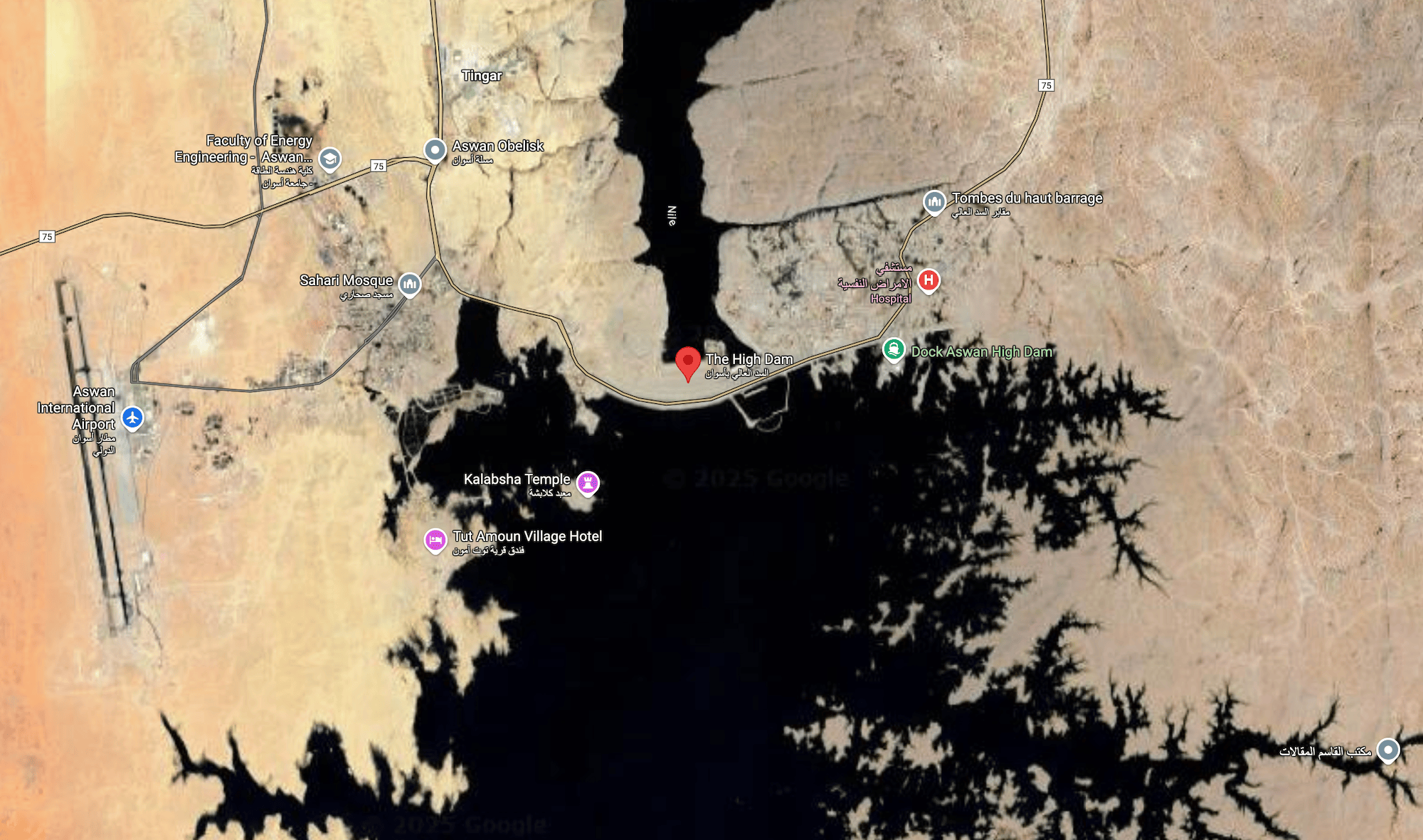
When Egypt’s leaders envisioned controlling the mighty Nile River in the 1950s, they unleashed a project that would reshape the future of the area around Aswan and the nation as a whole. The Aswan High Dam transformed Egypt’s ancient relationship with its lifeblood river, creating Lake Nasser while generating enough electricity to power millions of homes. Yet this monumental structure also displaced thousands of Nubians and fundamentally altered the Nile’s natural flow patterns that had nourished Egyptian civilization for millennia.
This massive concrete barrier continues to define Egypt’s modern identity. Understanding its complex legacy reveals how ambitious infrastructure projects can simultaneously solve critical problems and create unforeseen challenges for generations.
Table of Contents
Engineering Specifications that Defy Imagination
The numbers behind the Aswan High Dam reveal human determination at its finest. This colossal structure spans 3.83 km (2.36 miles) across the Nile and rises 111 m (364 ft) above the riverbed, with a base thickness of 980 m (3,215 ft). Between 1960 and 1970, construction crews moved an estimated 57 million cubic meters (2.0 billion cubic feet) of material, creating what was once the world’s largest embankment dam.
Reservoir Capacity and Lake Nasser Formation
Lake Nasser emerged as Africa’s largest artificial reservoir, holding 132 billion cubic meters of water when full. The reservoir extends 310 miles upstream from the dam, reaching deep into Sudan where locals call it Lake Nubia. During peak flood seasons, this massive body of water prevents devastating downstream flooding while storing precious water for drought years.
Engineers designed the spillway system to withstand extreme flood conditions, capable of releasing 11,000 cubic meters per second (388,000 cubic feet per second). The dam’s crest width of 40 m (131 ft) is wide enough for vehicle traffic, allowing travelers to cross between Egypt’s eastern and western banks and serving as a vital transportation link.
Power Generation Infrastructure
Twelve massive turbines generate 2.1 gigawatts of electricity, supplying roughly half of Egypt’s total power needs. Each generator weighs over 400 tons and operates with remarkable efficiency considering the technology available during construction. The powerhouse stretches along the dam’s base, housing sophisticated equipment that converts the Nile’s flow into electricity for Cairo, Alexandria, and countless rural communities.
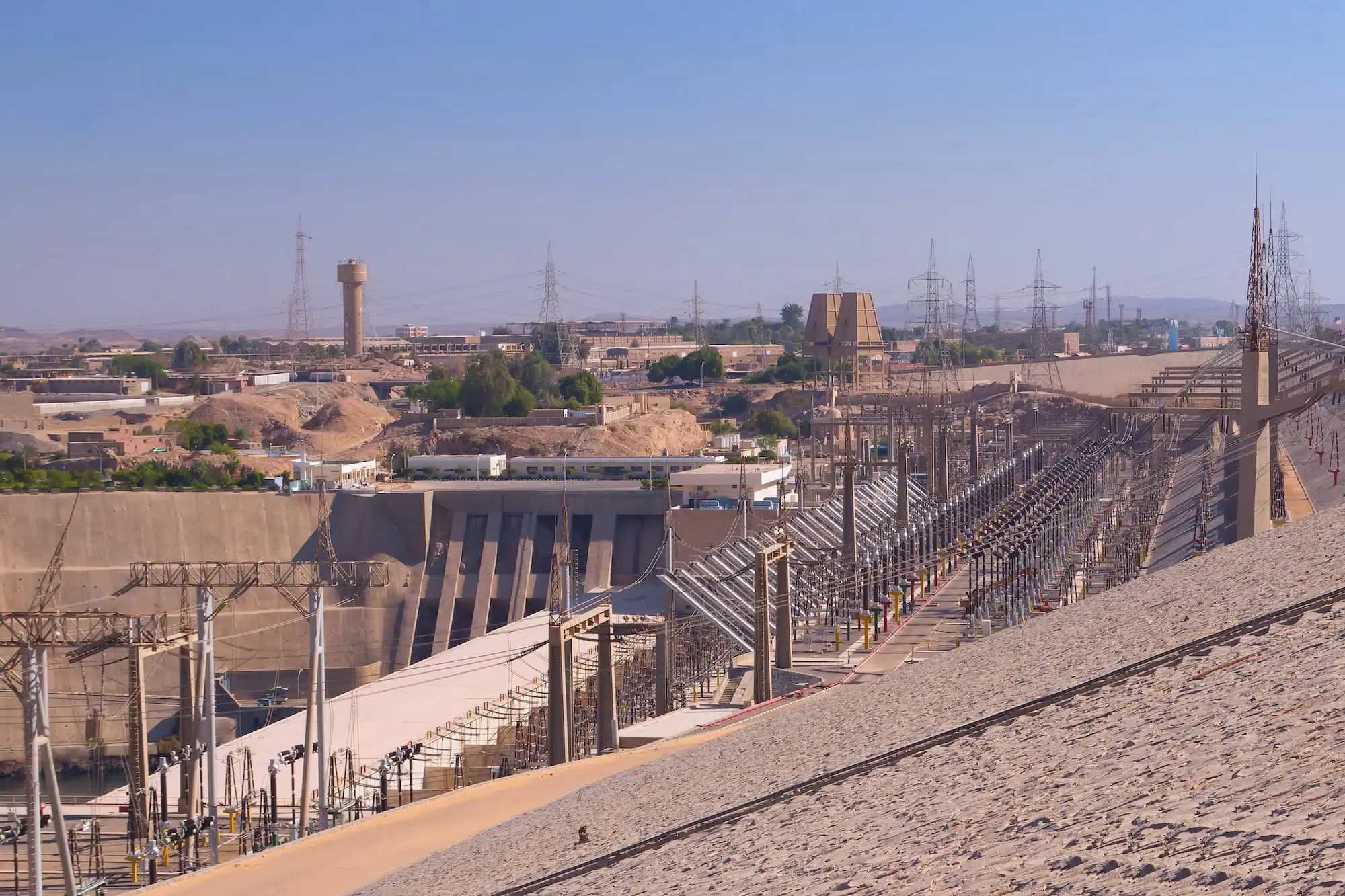
Soviet engineers provided technical expertise and financing worth $1.3 billion, making this project a symbol of Cold War geopolitical maneuvering. The partnership between Egypt and the Soviet Union fundamentally changed Middle Eastern political dynamics during Gamal Abdel Nasser’s presidency.
Political Drama that Shaped Construction
President Nasser’s bold vision for Egyptian modernization triggered an international crisis that nearly prevented the dam’s construction. When the United States and Britain withdrew funding offers in 1956, citing concerns about Egypt’s relationship with communist nations, Nasser nationalized the Suez Canal to generate revenue. This decision sparked the Suez Crisis, involving military intervention by Israel, France, and Britain.
The Soviet Union stepped forward with crucial financing and technical support, transforming the Aswan High Dam into a Cold War battleground. Czechoslovakia provided additional equipment while Soviet engineers worked alongside Egyptian construction teams throughout the decade-long building process. This partnership demonstrated how infrastructure projects become entangled with global political tensions.
Nasser’s government promoted the dam as a symbol of Arab nationalism and technological progress. State media portrayed the project as proof that developing nations could achieve massive engineering feats without Western assistance, inspiring similar projects across Africa and Asia.
Environmental Consequences Nobody Anticipated
The dam’s impact on Egypt’s environment created problems that persist today. Before construction, annual Nile floods deposited nutrient-rich silt across farmlands, naturally fertilizing crops for thousands of years. The dam now traps this fertile sediment in Lake Nasser, forcing Egyptian farmers to rely heavily on artificial fertilizers.
Agricultural productivity initially increased due to year-round irrigation, but soil quality gradually declined without natural silt deposits. The Nile Delta, deprived of sediment replenishment, now experiences erosion along its Mediterranean coastline. Salt water intrusion threatens agricultural areas as the delta slowly shrinks.
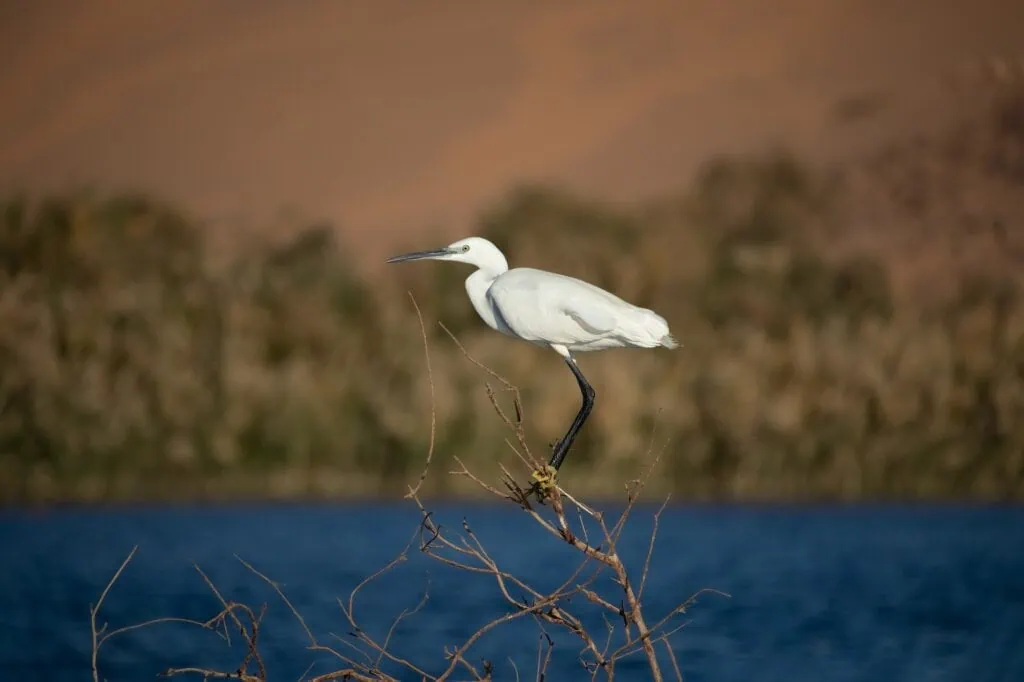
Fish populations throughout the Nile system changed dramatically after dam completion. Species that migrated upstream for spawning could no longer reach traditional breeding grounds, while new fish varieties adapted to the calmer reservoir environment. Mediterranean anchovy populations collapsed when nutrient-rich Nile water stopped flowing into the sea during flood seasons.
Health Impacts in Rural Communities
Slower-moving water in irrigation canals created ideal breeding conditions for disease-carrying snails. Schistosomiasis infections increased significantly in rural Egypt, affecting hundreds of thousands of people. The parasitic disease causes chronic health problems and reduced work capacity in farming communities.
Standing water also provided breeding grounds for mosquitoes, leading to increased malaria transmission in Upper Egypt. Public health officials struggled to control these vector-borne diseases in newly irrigated areas where populations had little previous exposure.
Water quality issues emerged as agricultural runoff containing fertilizers and pesticides accumulated in the slower-flowing river system. These chemicals eventually reached Lake Nasser, creating algae blooms that affected water treatment facilities serving major cities.
Social Upheaval and the Nubian Displacement
Creating Lake Nasser required flooding vast areas of Nubia, forcing approximately 120,000 people to abandon their ancestral homeland. Most affected families were Nubian, an ethnic group with distinct cultural traditions and languages different from mainstream Egyptian society. The government promised adequate compensation and modern housing, but reality fell far short of these commitments.
Relocated families received small plots of land near Kawm Umbu Valley, far from the fertile Nile banks they had farmed for generations. The soil quality was poor compared to their flooded homeland, and many Nubians struggled to maintain their traditional agricultural practices. Cultural identity eroded as communities scattered across different relocation sites, disrupting social networks built over centuries.
Archaeological Treasures Nearly Lost Forever
The rising waters threatened to submerge countless ancient monuments, including the magnificent Abu Simbel temples built by Ramses II. UNESCO launched an unprecedented international campaign to save these irreplaceable treasures, ultimately moving Abu Simbel’s massive statues to higher ground in a remarkable engineering feat.
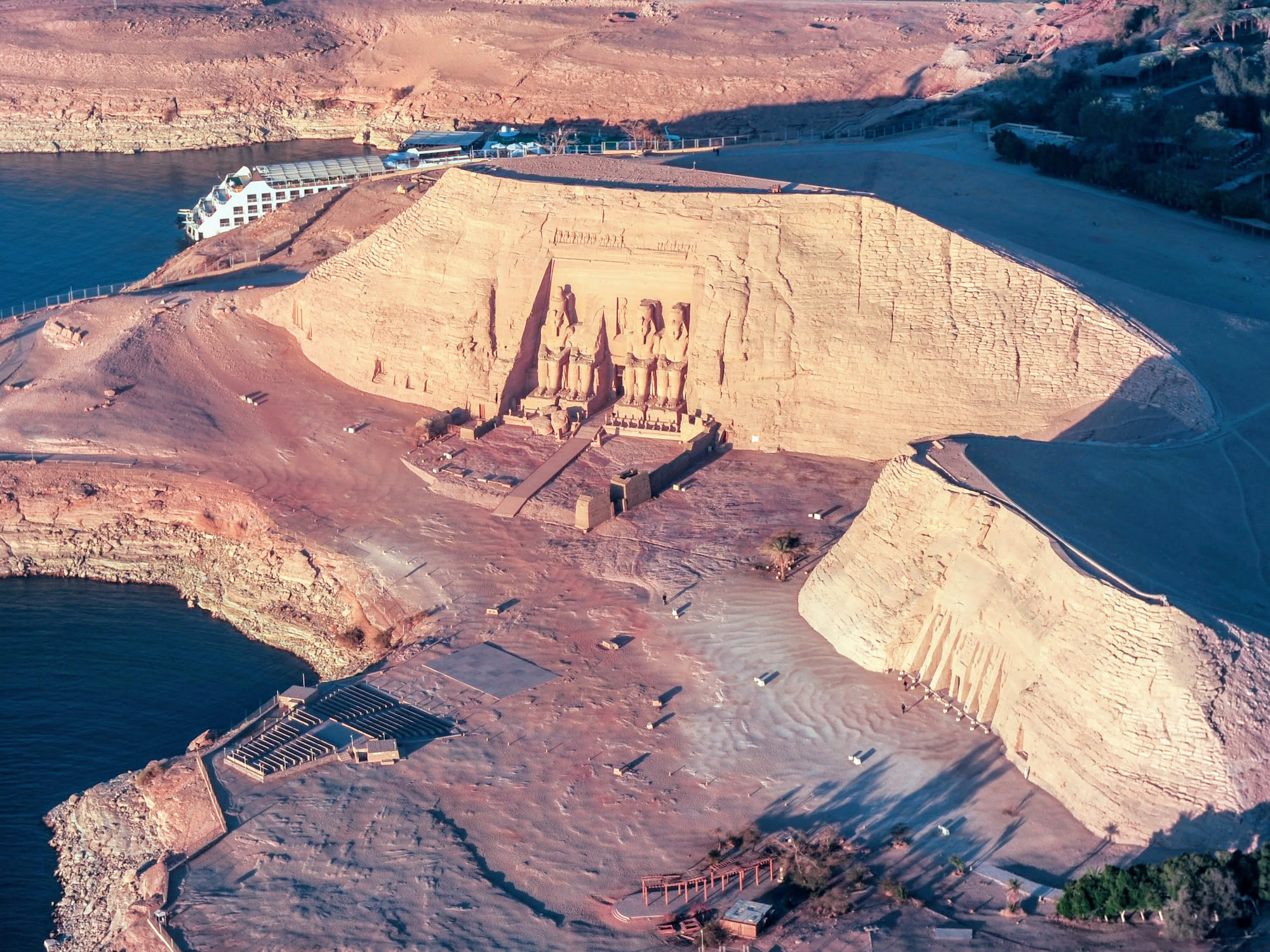
Twenty-two monuments were carefully dismantled and reconstructed above the future waterline, preserving Egypt’s pharaonic heritage for future generations. This massive operation cost $80 million and involved experts from dozens of countries, demonstrating how modern technology could rescue ancient wonders.
Some smaller sites couldn’t be saved and now rest beneath Lake Nasser’s waters. Archaeologists rushed to document these locations before flooding, but countless artifacts and structures were inevitably lost. The submerged landscape contained thousands of years of human history that future generations will never experience.
Economic Transformation and Modern Benefits
Egypt’s economy gained tremendous advantages from reliable water control and electricity generation. The dam enabled year-round irrigation of 1.8 million acres of previously desert land, expanding agricultural production significantly. Cotton exports increased as farmers could plant multiple crops annually instead of depending on seasonal floods.
Industrial development accelerated with abundant electricity powering factories throughout the Nile Valley. Cairo’s population swelled as rural residents migrated to cities offering new employment opportunities in manufacturing and services. The aluminum industry established major facilities near Aswan, taking advantage of cheap hydroelectric power.
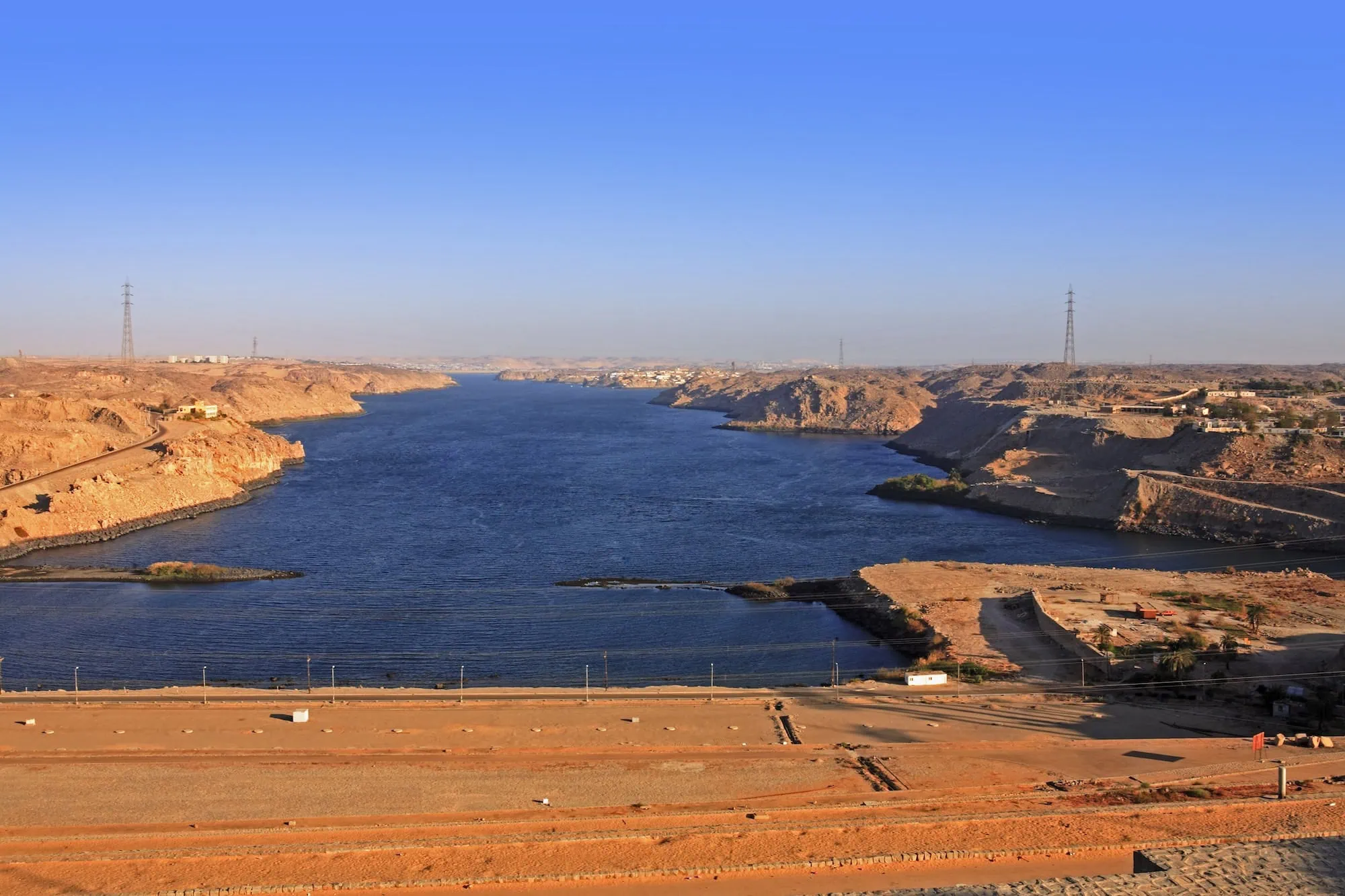
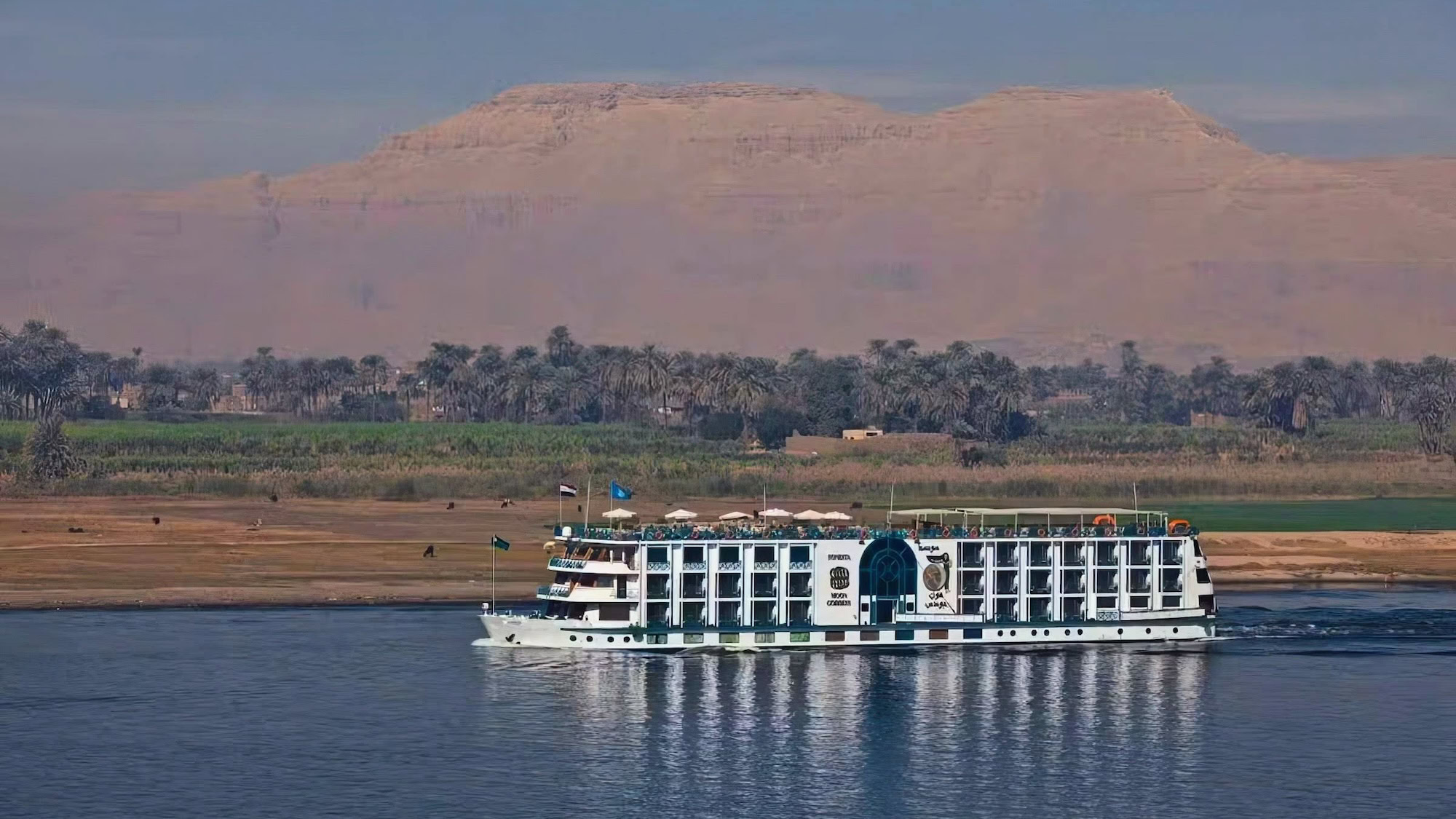
Navigation along the Nile improved dramatically, making the dam a key stop on Egypt tours that include a traditional Nile cruise or more intimate dahabiya Nile cruises through Upper Egypt. Large cargo vessels can now travel year-round between Aswan and Cairo, reducing transportation costs for agricultural products and manufactured goods. Tourist boats continue to cruise Lake Nasser, generating revenue for local communities through fishing and hospitality services.
Tourism Revenue and Regional Development
The dam itself attracts thousands of international visitors annually, contributing millions of dollars to tourism alongside well-known attractions around Aswan. Visitors appreciate the structure’s impressive scale and the stunning views across Lake Nasser. Local guides explain the dam’s history while boats offer scenic tours of the massive reservoir.
Hotels and restaurants near Aswan expanded to accommodate increased tourist traffic, creating employment opportunities for Nubian communities displaced by construction. Fishing operations on Lake Nasser developed into a significant industry, providing protein sources for Egyptian markets and export revenue.
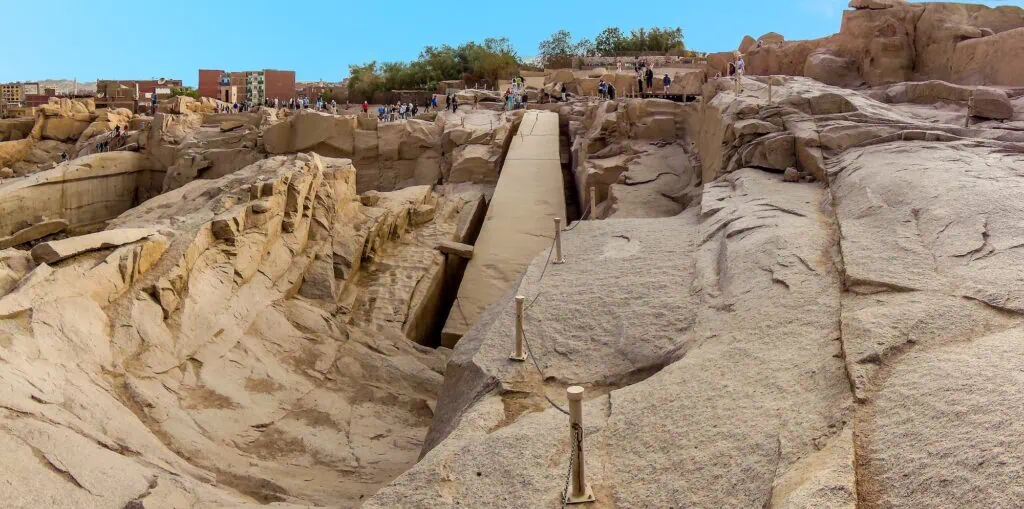
The nearby Old Aswan Dam, completed in 1902, now serves as a historical landmark showcasing the evolution of Nile River control, much like the ancient stone-cutting techniques revealed at the Unfinished Obelisk. Together, these structures tell the story of Egypt’s century-long effort to harness its most important natural resource.
Long-term Challenges and Maintenance Issues
Sediment accumulation poses the dam’s greatest long-term threat. Lake Nasser loses approximately 0.1% of its capacity annually as silt settles on the reservoir bottom. Scientists estimate the dam could lose significant effectiveness within 300-500 years without intervention, though technological solutions may emerge.
Seismic activity concerns engineers monitoring the structure’s stability. The massive weight of Lake Nasser has triggered minor earthquakes in a region historically considered geologically stable. Regular inspections ensure the dam can withstand natural forces, but earthquake risks require constant vigilance.
Climate change introduces new uncertainties about Nile River flow patterns. Extended droughts in Ethiopia and Sudan could reduce water levels in Lake Nasser, affecting both power generation and irrigation capabilities. Conversely, extreme flooding events might test the dam’s structural limits and spillway capacity.
International Water Rights Disputes
Ethiopia’s construction of the Grand Ethiopian Renaissance Dam upstream has created tensions over Nile water allocation. Egypt depends heavily on Nile flow for agriculture, electricity, and drinking water, while Ethiopia seeks to generate power for its growing population. These competing interests require careful diplomatic negotiation to prevent regional conflicts.
Sudan’s position between the two larger nations complicates water management discussions. All three countries need reliable access to Nile water, but climate variability and population growth intensify competition for this finite resource. International mediation efforts continue seeking sustainable solutions.
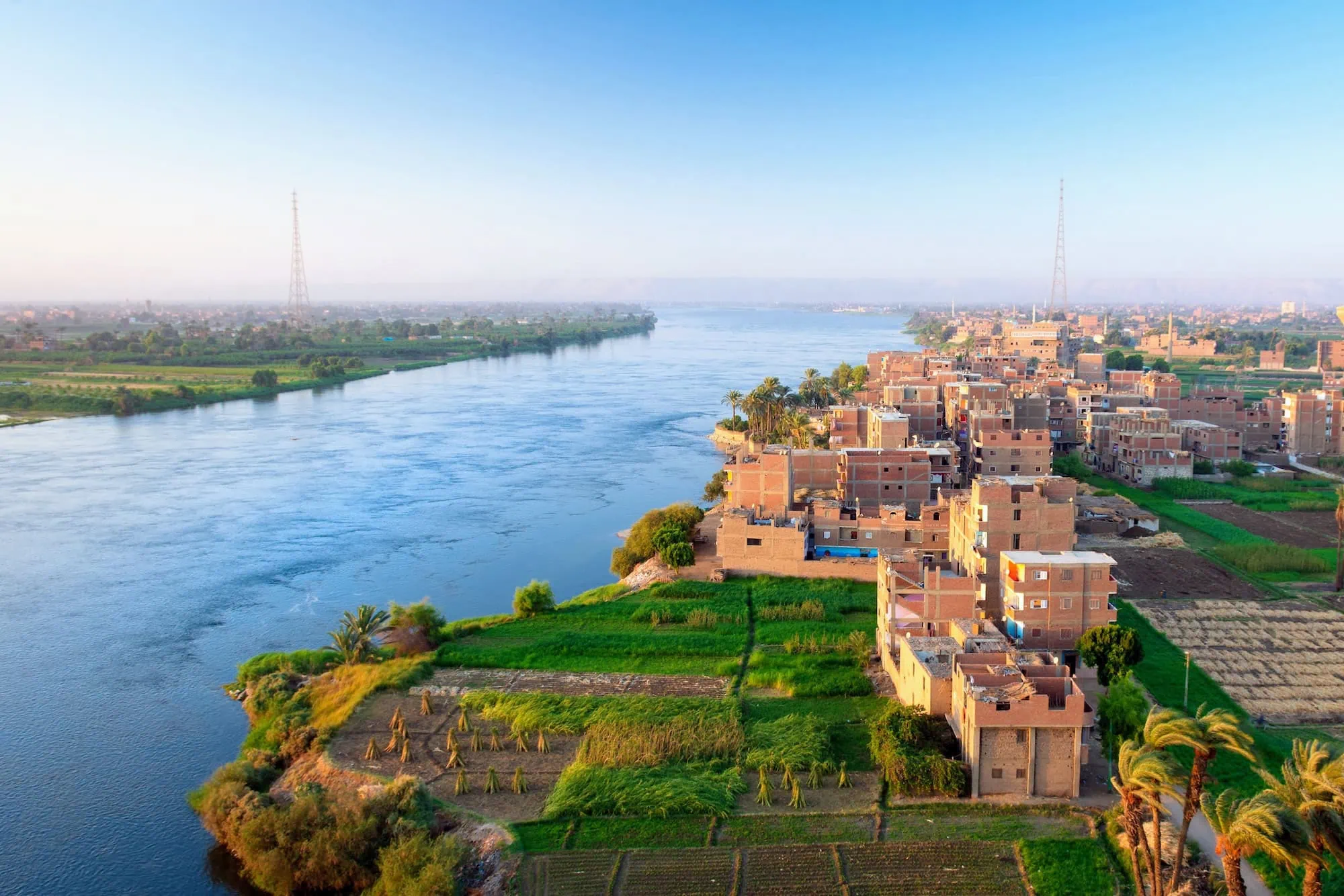
The Aswan High Dam remains central to Egypt’s water security strategy. Any significant changes to upstream flow patterns could force difficult decisions about water conservation, agricultural practices, and energy production priorities.
Visiting the Aswan High Dam Today
We recommend experiencing this engineering marvel during your Egyptian journey, particularly when combined with visits to nearby Abu Simbel temples. The visitor center provides excellent context about construction challenges and environmental impacts through interactive displays and documentary films.
Our private guides explain the dam’s complex legacy while you appreciate sweeping views across Lake Nasser. The contrast between ancient Nubian villages and modern infrastructure creates powerful moments for reflection about progress and its costs. Professional drivers ensure comfortable transportation from Aswan hotels, typically requiring 2-3 hours for the complete experience.
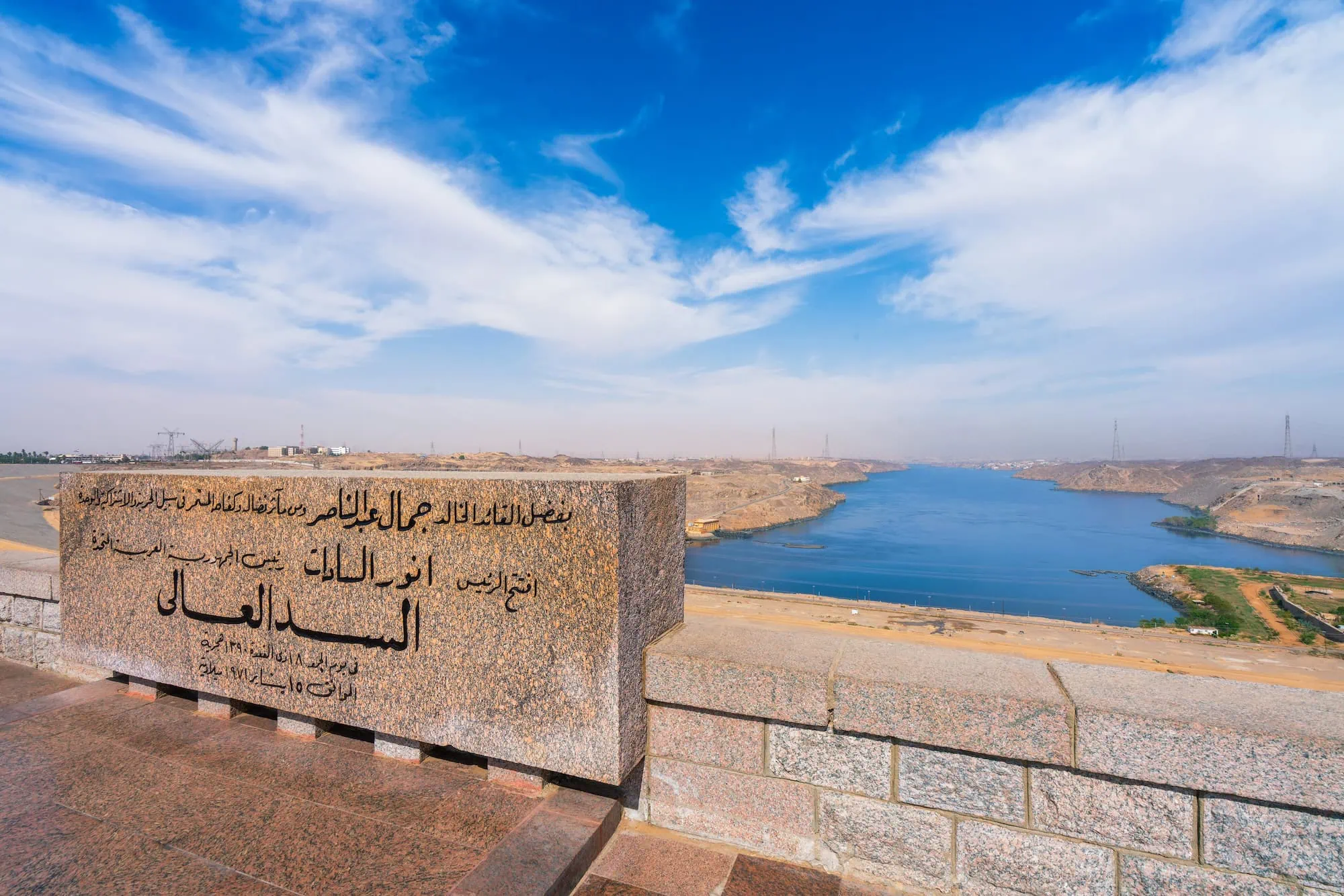
The best photography opportunities occur during early morning or late afternoon when dramatic shadows highlight the structure’s massive scale. Sunrise views across the reservoir are particularly spectacular, with the surrounding desert landscape creating striking visual contrasts.
See Modern Egypt At Its Most Impressive
The Aswan High Dam stands as a powerful symbol of modern Egypt—where engineering, ambition, and the Nile come together on a monumental scale. With EgyptToursPlus, we seamlessly include this landmark in a private journey that connects Aswan’s contemporary achievements with its ancient wonders and timeless landscapes.
You choose your travel dates, your pace, and the experiences that shape your route. From Nile-side exploration to cultural highlights and refined comfort throughout, we tailor every detail around your preferences—ensuring a smooth, expertly planned, and deeply personal travel experience.
Frequently Asked Questions
Construction of the Aswan High Dam lasted 10 years, beginning in 1960 and officially concluding in 1970 under President Gamal Abdel Nasser. The project involved tens of thousands of Egyptian workers alongside Soviet engineers and technicians during one of the Cold War’s largest infrastructure collaborations in the Middle East. Built across the Nile south of Aswan, the dam stretches approximately 3.8 kilometers (2.4 miles) long and transformed Egypt’s economy, agriculture, and electricity production. Visitors usually spend 30-60 minutes at the observation area overlooking Lake Nasser.
The creation of Lake Nasser displaced approximately 100,000-120,000 Nubians from southern Egypt and northern Sudan as rising waters submerged ancestral villages along the Nile Valley. Egyptian Nubian communities were relocated mainly to Kom Ombo north of Aswan, while Sudanese Nubians moved near New Halfa. Many families struggled initially because desert soil, climate conditions, and economic opportunities differed sharply from traditional riverbank life. Today, Nubian cultural preservation remains an important issue tied directly to the dam’s historical legacy.
The Aswan High Dam originally generated around 2.1 gigawatts of hydroelectric power through 12 turbines, making it one of the world’s largest hydroelectric projects when completed in 1970. During its early decades, the dam supplied nearly half of Egypt’s electricity needs and accelerated industrial growth across the country. Although Egypt now relies on additional energy sources such as natural gas and solar power, the dam still contributes significant renewable electricity to the national grid. The project fundamentally modernized Egypt’s energy infrastructure.
The United States and Britain withdrew financial support for the Aswan High Dam in 1956 after political tensions intensified over Egypt’s foreign policy and growing ties with the Soviet Union. President Gamal Abdel Nasser’s recognition of Communist China and arms agreements with Eastern Bloc nations alarmed Western governments during the Cold War. In response, the Soviet Union stepped in with technical expertise and major funding assistance. The funding crisis also contributed directly to Nasser’s nationalization of the Suez Canal later that same year.
The Aswan High Dam created major environmental changes including reduced Nile silt deposits, increased soil salinity, coastal erosion in the Nile Delta, and shifts in fish populations within the Mediterranean and Lake Nasser ecosystems. Before the dam, annual Nile floods naturally fertilized farmland with nutrient-rich sediment carried from East Africa. Farmers now rely far more heavily on chemical fertilizers to maintain agricultural productivity. Scientists also link stagnant irrigation canals after dam construction to increased transmission of waterborne diseases such as schistosomiasis.
Yes, tourists can visit the Aswan High Dam through guided tours or private excursions from central Aswan, with most visits lasting 30-60 minutes including stops at panoramic viewpoints overlooking Lake Nasser. The dam sits approximately 15 kilometers (9 miles) south of Aswan city and is easily combined with nearby attractions such as Philae Temple and the Unfinished Obelisk. Security checks are standard because the dam remains strategically important infrastructure. Early morning visits usually provide cooler temperatures and clearer views across the reservoir.
The Aswan High Dam transformed Egyptian agriculture by enabling year-round irrigation instead of dependence on seasonal Nile flooding, which significantly expanded cultivated farmland and crop production. Reliable water storage from Lake Nasser allowed farmers to grow multiple harvests annually, especially cotton, wheat, and sugarcane. However, blocking the Nile’s natural silt forced increased dependence on artificial fertilizers and modern irrigation systems. The dam also reduced devastating flood damage that historically threatened villages and agricultural land across Upper and Lower Egypt.
UNESCO’s international rescue campaign saved 22 major Nubian monuments threatened by Lake Nasser, including Abu Simbel, Philae Temple, Kalabsha Temple, Amada Temple, and the Temple of Derr. Between the 1960s and early 1980s, engineers dismantled and relocated entire temples block by block to higher ground above the future reservoir. More than 50 countries contributed funding, expertise, or equipment to the preservation effort. The Abu Simbel relocation alone involved cutting the temples into over 1,000 massive stone sections before reconstruction.
Yes, the Aswan High Dam continues providing major economic benefits through hydroelectric power generation, flood control, improved Nile navigation, water storage, and agricultural irrigation supporting millions of Egyptians. Lake Nasser, one of the world’s largest artificial lakes at roughly 500 kilometers (310 miles) long, also supports commercial fishing and tourism industries in southern Egypt. The dam’s reliable electricity supply helped fuel industrial development for decades after completion. Its long-term economic value remains central to Egypt’s modern infrastructure strategy.
The Aswan High Dam currently faces challenges including sediment accumulation in Lake Nasser, climate change impacts on Nile water flow, regional water disputes, and ongoing structural monitoring requirements. Upstream projects such as Ethiopia’s Grand Ethiopian Renaissance Dam (GERD) have intensified concerns about long-term water management across the Nile Basin. Engineers also continuously monitor seismic activity and turbine efficiency to maintain safe operations. Because Egypt depends heavily on Nile water for agriculture and drinking supplies, the dam remains strategically critical to national security.
Ancient Wonders of Aswan, Modern Comfort
Sail the Nile Through Aswan Like a Pharaoh

Design Your Custom Tour
Explore Egypt your way by selecting only the attractions you want to visit