

Temple of Nadura – A Mysterious Roman Temple Left to Die
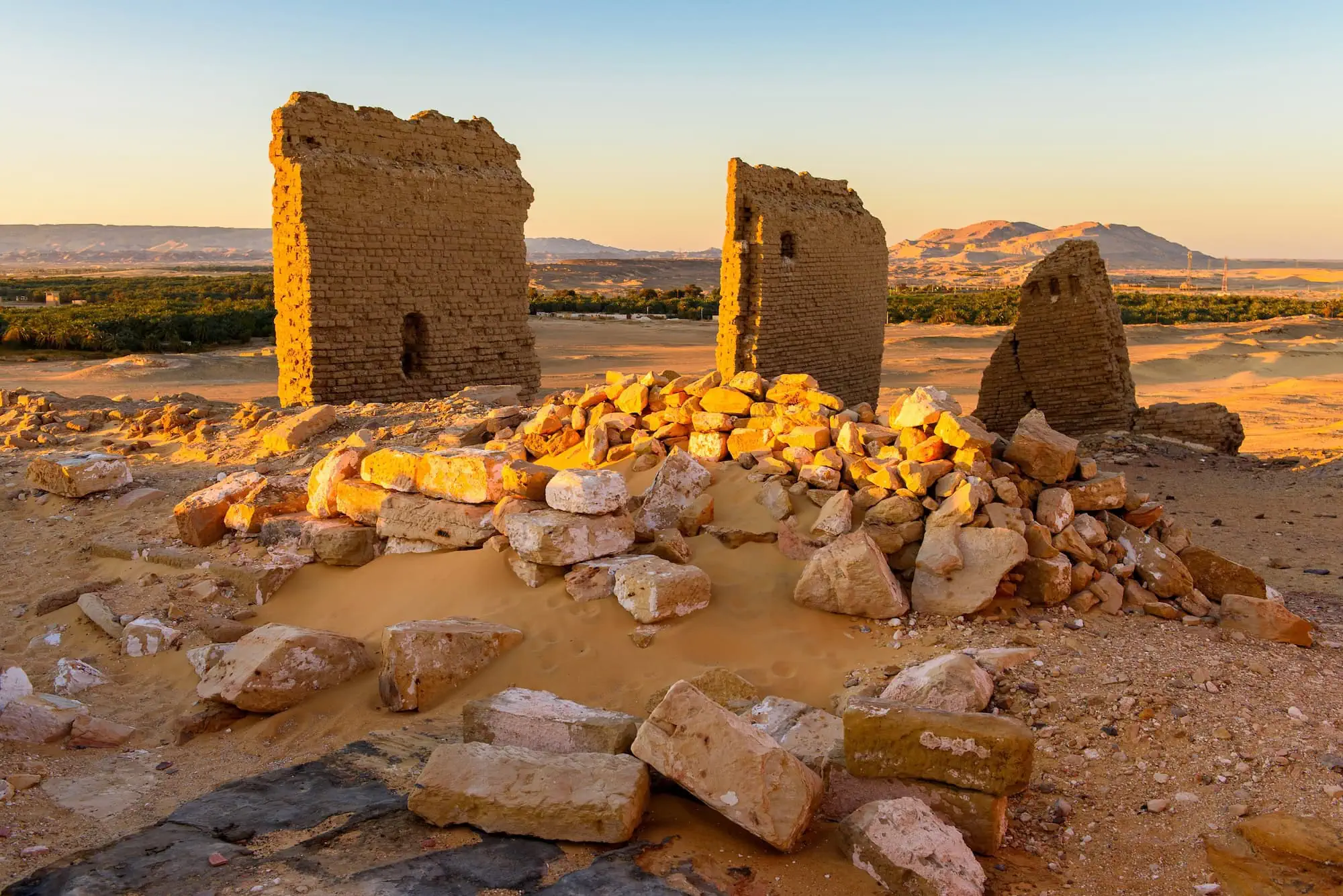
Few Roman structures capture the imagination quite like this weathered sentinel. Rising from the desert floor near Al Kharga, the Temple of Nadura represents one of Egypt’s most intriguing architectural mysteries.
Built during the reign of Emperor Antoninus Pius between AD 138-161, this fortified religious complex once commanded sweeping views across the entire Kharga Oasis. Despite centuries of erosion and neglect, the temple continues to fascinate archaeologists, historians, and travelers drawn to its unique blend of spiritual and strategic purposes.
Understanding this remarkable site requires looking beyond its current ruined state to envision its original grandeur and significance in the Roman Empire’s southernmost frontier.
Table of Contents
Strategic Fortress Disguised as Sacred Space
The Romans knew exactly what they were building when they chose this elevated position overlooking Kharga Oasis. At 105 meters (344 feet) above sea level, the Temple of Nadura functioned as both religious sanctuary and military watchtower.
This dual purpose reflects the Romans’ practical approach to frontier management – combining spiritual authority with tactical advantage. From this vantage point, guards could monitor trade routes, spot approaching threats, and coordinate defensive responses across the entire oasis network.
Military Architecture Meets Religious Design
The temple’s fortified structure reveals sophisticated Roman engineering adapted for desert conditions. Thick stone walls provided protection against both human enemies and relentless sandstorms that sweep across the Western Desert.
Strategic openings offered clear sightlines while minimizing exposure to the elements. Archaeological evidence suggests the complex included living quarters for guards, storage areas for supplies, and communication systems linking it to other Roman outposts.
Commanding Views Across Ancient Landscapes
Visitors today can still appreciate why Roman military planners selected this specific location. The panoramic views extend in every direction, encompassing the modern town of Al Kharga, surrounding agricultural areas, and distant desert horizons.
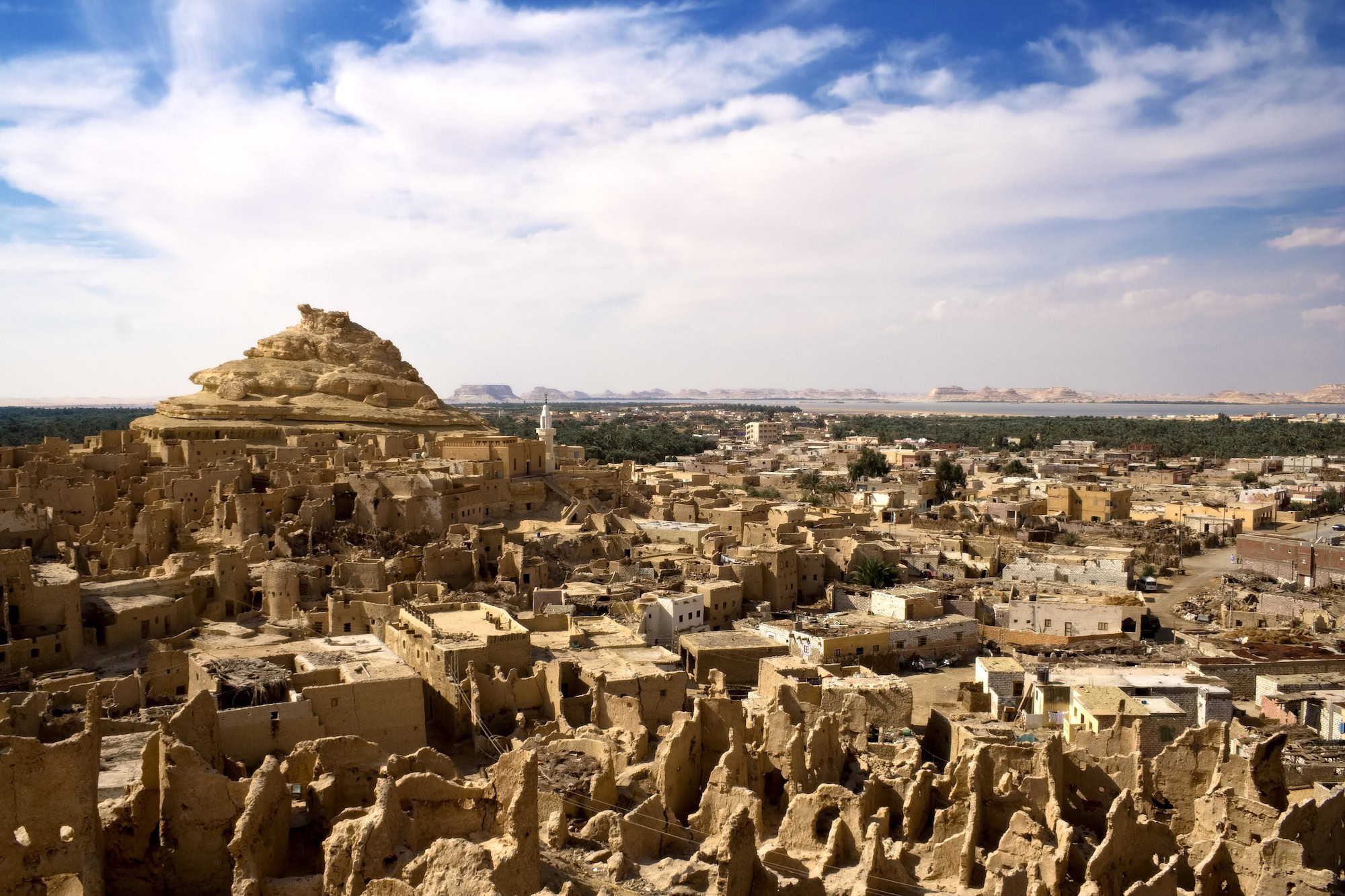
During sunset, the elevated position transforms into a spectacular natural observatory, offering some of the region’s most dramatic vistas.
Connection to Broader Roman Defensive Strategy
The Temple of Nadura formed part of a larger network of Roman military installations throughout the Western Desert. These interconnected outposts protected vital trade connections between the Nile Valley and sub-Saharan Africa.
Safe passage for caravans carrying gold, ivory, and exotic goods northward to Alexandria and beyond was ensured through this strategic positioning.
Sacred Dedication and Divine Mysteries
Chonsu emerges from hieroglyphic evidence as the temple’s primary divine patron. The Yale Nadura Temple Project’s extensive epigraphic documentation reveals fascinating details about the site’s religious function.
Inscriptions throughout the complex consistently reference Chonsu, the Egyptian moon god associated with healing, protection, and divine judgment. This dedication aligns perfectly with the temple’s frontier location, where travelers and soldiers alike would have sought divine protection before venturing into the dangerous desert.
Religious ceremonies likely incorporated elements of the Myth of the Wandering Goddess, with musical performances and ritual offerings designed to ensure divine favor. These practices created a spiritual atmosphere that complemented the site’s strategic military role.
Yale Archaeological Documentation Project
Since beginning systematic documentation efforts, Yale researchers have revolutionized our understanding of this enigmatic structure. The Yale Nadura Temple Project represents one of modern archaeology’s most important contributions to Roman Egyptian studies.
Using advanced photographic techniques, precise measurement tools, and careful hieroglyphic analysis, the team has created comprehensive records of inscriptions and architectural features that continue deteriorating due to wind erosion and environmental factors. Their work has revealed previously unknown details about construction techniques, religious practices, and daily life at this remote outpost.
Racing Against Time and Elements
Documentation efforts face constant challenges from the harsh desert environment. Wind-driven sand gradually erases delicate carved details, while temperature fluctuations cause stone expansion and contraction that accelerates structural deterioration.
Some decorated blocks have already disappeared entirely, making the Yale team’s preservation work critically important for historical scholarship.
Revealing Religious and Political Connections
Careful analysis of surviving inscriptions has uncovered unexpected connections between the Temple of Nadura and other religious sites throughout the Roman Empire. References to imperial ceremonies, distant deities, and administrative officials provide insights into how Rome managed its diverse religious landscape across different provinces and cultures.
Current Condition and Conservation Challenges
Only outer walls remain standing today, bearing silent witness to centuries of abandonment and natural destruction. The temple’s current state tells a sobering story of cultural heritage loss.
What once stood as an impressive multi-story complex has been reduced to partial wall foundations and scattered stone blocks. Looters have removed many decorated elements over the centuries, while relentless desert winds continue their patient work of erasure.
Despite extensive damage, the site retains significant archaeological value. Foundation patterns reveal the original floor plan, while surviving wall sections preserve important architectural details and inscriptions. Temperature extremes present ongoing threats to structural stability.
UNESCO Recognition and Global Heritage Value
Inclusion on UNESCO’s Tentative List acknowledges the Temple of Nadura’s international significance within the broader Kharga Oasis cultural landscape. This designation represents more than symbolic recognition – it opens pathways for international conservation funding and technical expertise.
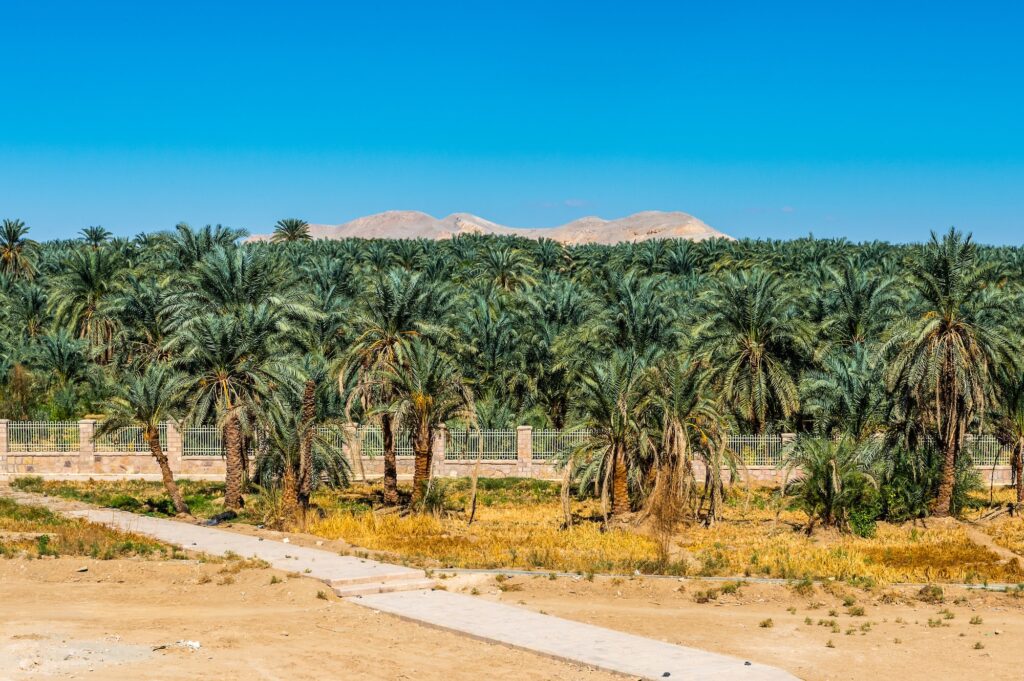
The tentative listing considers the temple alongside other Kharga Oasis monuments, recognizing their collective importance as evidence of Roman frontier life and cross-cultural exchange in ancient Egypt.
Part of Larger Heritage Narrative
The Temple of Nadura gains additional significance when considered alongside nearby archaeological sites including the Temple of Hibis, Al-Bagawat Christian cemetery, and various Roman period settlements. Together, these locations tell the story of religious and cultural continuity spanning multiple civilizations.
International Collaboration Opportunities
UNESCO recognition creates opportunities for collaborative conservation projects involving Egyptian authorities, international archaeological teams, and heritage preservation specialists. Such partnerships could develop new techniques for protecting desert monuments while advancing our understanding of Roman frontier architecture.
Planning Your Visit to Remote Wonder
We recommend combining the Temple of Nadura with other Kharga Oasis attractions for a comprehensive Western Desert experience. Reaching this remote site requires careful planning and appropriate transportation.
Most visitors access the temple through organized Tours to Egypt’s Western Desert that include professional drivers familiar with desert navigation and safety protocols. The journey from Al Kharga takes approximately 45 minutes by four-wheel drive vehicle, passing through varied desert landscapes.
Best Times for Photography
Early morning visits offer optimal lighting conditions for photography while avoiding midday heat that can make exploration uncomfortable. Late afternoon timing allows visitors to experience the spectacular sunset views that made this location so appealing to ancient observers.
Combining with Regional Attractions
The Temple of Hibis, located closer to Al Kharga town center, provides excellent historical context for understanding Roman period architecture and religious practices.
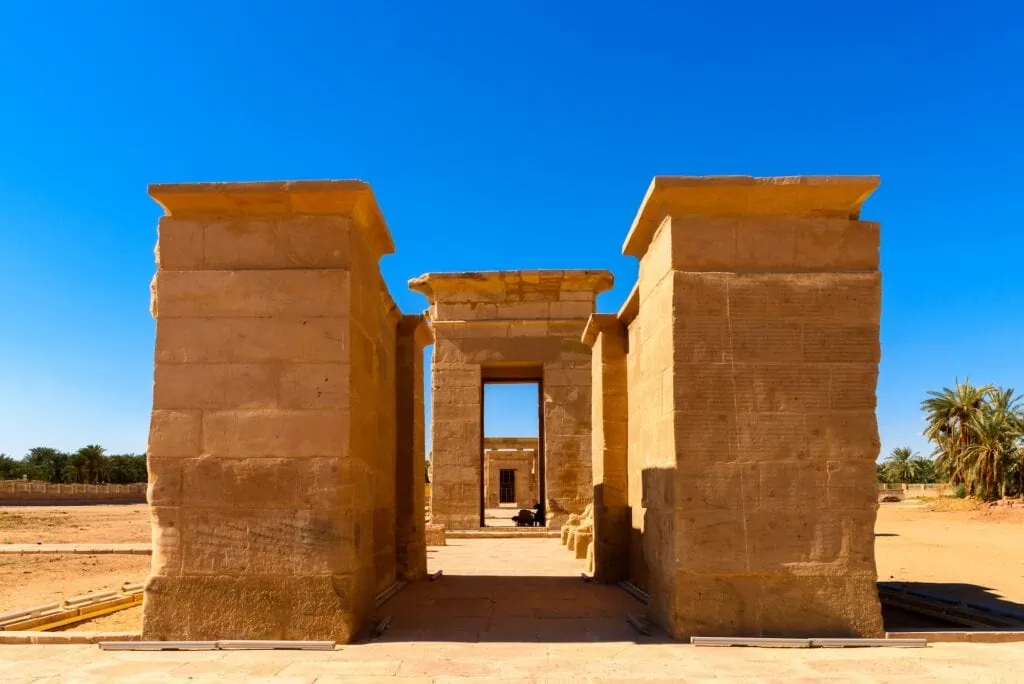
The Al-Bagawat Christian cemetery offers insights into later cultural developments, while local museums display artifacts recovered from various Kharga Oasis archaeological sites.
Safety and Preparation Considerations
Desert conditions require appropriate preparation including sun protection, adequate water supplies, and sturdy footwear suitable for uneven terrain. Temperatures can vary dramatically between seasons, making seasonal clothing recommendations important for visitor comfort and safety.
Architectural Legacy and Historical Significance
The Temple of Nadura represents a unique fusion of Roman military engineering and Egyptian religious architecture that reflects the complex cultural dynamics of imperial frontier society. Its elevated position and fortified design demonstrate Roman pragmatism in adapting Mediterranean architectural traditions to African desert conditions.
The integration of local religious practices with imperial political authority shows how successful empires managed cultural diversity across vast territories. Modern visitors can appreciate how this modest temple complex embodied larger historical forces – the expansion of Roman power southward, the persistence of Egyptian religious traditions, and the practical challenges of governing remote frontier regions.
Watch History Unfold At The Temple Of Nadura
Perched above the Kharga Oasis, the Temple of Nadura offers sweeping desert views and a quiet sense of timelessness—especially at sunset, when the landscape turns golden. With EgyptToursPlus, we incorporate this elevated, off-the-beaten-path site into a wider private journey that connects Egypt’s remote oases with its most iconic highlights.
You decide when to travel, how fast to move, and what experiences to include along the way. From desert discoveries to cultural landmarks and comfortable stays, we tailor every detail to your preferences—ensuring a seamless, refined, and deeply personal travel experience.
Frequently Asked Questions
Reaching the Temple of Nadura from Al Kharga typically requires a private four-wheel-drive vehicle and takes about 45 minutes across desert tracks west of the oasis. Standard sedans are not recommended because sections of the route include loose sand, uneven terrain, and minimal roadside infrastructure. Most visitors arrange transportation through local guides or organized Western Desert tours that combine multiple archaeological sites in one itinerary. Early departures are best because desert temperatures rise quickly after 10:00 am.
Early morning and late afternoon provide the best photography conditions at the Temple of Nadura because softer desert light enhances the sandstone textures and surviving architectural details. Midday sunlight in Kharga Oasis can become extremely harsh, especially between May and September when temperatures may exceed 45°C (113°F). Sunrise and golden-hour visits also reduce heat distortion in landscape photography and create stronger contrast against the surrounding desert plateau. Bring lens protection because desert wind can carry fine sand particles unexpectedly.
Independent visits to the Temple of Nadura are technically possible, but professional guides are strongly recommended due to the site’s remote desert setting and limited signage. Local guides provide historical interpretation about Roman frontier defense systems and help navigate isolated roads around Kharga Oasis safely. Visitors traveling without experience in Egypt’s Western Desert may struggle with navigation, fuel planning, and extreme weather conditions. Guided excursions also make it easier to combine Nadura with Hibis Temple and Al-Bagawat in a single day.
Most travelers should allow 2 to 3 hours for a Temple of Nadura visit, including time for photography, walking the ruins, and enjoying panoramic desert views above Kharga Oasis. The archaeological remains themselves are relatively compact, but the surrounding landscape and elevated position reward slower exploration. Additional travel time from Al Kharga usually adds another 90 minutes round-trip depending on road conditions. Visitors combining several oasis sites often dedicate a full day to the wider Kharga archaeological circuit.
The Temple of Nadura presents challenges for visitors with mobility limitations because the site includes uneven desert terrain, rocky surfaces, and minimal modern accessibility infrastructure. There are no paved visitor pathways, ramps, or handrails comparable to those at larger Egyptian tourist attractions. Reaching certain viewing areas may require short uphill walks across loose sand and stone. Travelers with moderate mobility concerns can still enjoy portions of the site with assistance, but advance planning and private transportation are highly recommended.
Kharga Oasis contains several major historical attractions beyond the Temple of Nadura, including the Temple of Hibis, the early Christian necropolis of Al-Bagawat, and local archaeological museums documenting Roman and Pharaonic desert history. These sites lie within manageable driving distance of one another and are commonly combined into one- or two-day itineraries. Hibis Temple is especially important because it preserves some of the best Late Period inscriptions in Egypt’s Western Desert. Multi-site visits provide broader historical context for oasis civilization.
Standard Egyptian archaeological entrance fees apply at the Temple of Nadura, although pricing and access conditions may change during conservation work or severe weather periods. Certain areas may occasionally close to protect fragile ruins or accommodate documentation projects conducted by archaeological teams. Visitors carrying professional video equipment, drones, or commercial photography gear may need additional permits from Egyptian authorities. Carrying cash in Egyptian pounds is advisable because remote oasis sites often lack reliable electronic payment systems.
Visitors to the Temple of Nadura should bring sunscreen, sunglasses, sturdy walking shoes, a wide-brimmed hat, and at least 1 to 2 liters of water per person for desert conditions. Kharga Oasis experiences large temperature swings between daytime heat and cooler evenings, especially from November through February. Lightweight long sleeves help protect against sun exposure and blowing sand during windy periods. Mobile phone coverage can become inconsistent outside town, so organized transportation and offline navigation tools are useful precautions.
The Temple of Nadura is historically important because it combined military observation and religious functions within Rome’s Western Desert frontier network. Unlike larger ceremonial temples along the Nile, Nadura occupied a strategic elevated position overlooking caravan routes and oasis settlements in Kharga. Archaeologists value the site for understanding how Roman authorities integrated defense infrastructure with local Egyptian religious traditions during the 1st and 2nd centuries CE. Its remote desert setting also preserves a stronger sense of isolation than heavily visited Nile Valley monuments.
Climbing on the Temple of Nadura’s remaining walls and foundations is prohibited because the ruins are fragile and vulnerable to structural damage from visitor pressure. Many surviving stones have already suffered erosion from centuries of desert wind exposure and temperature fluctuation. Egyptian antiquities authorities enforce restrictions to preserve the site for future archaeological research and conservation work. Visitors can still access several elevated viewpoints nearby that provide excellent panoramic photography without endangering the ancient masonry.
Standard personal photography is generally permitted throughout the Temple of Nadura complex, including exterior ruins and surrounding desert viewpoints. Flash photography is discouraged near fragile carved surfaces because repeated exposure can contribute to pigment deterioration over time. Travelers using commercial filming equipment, tripods, or drones may require special authorization from Egypt’s Ministry of Tourism and Antiquities. Morning visits usually provide the clearest atmospheric conditions and strongest visibility for landscape photography across Kharga Oasis.
Conservation and documentation efforts at the Temple of Nadura continue through ongoing archaeological surveys and international academic cooperation, including research associated with Yale University projects in Egypt’s Western Desert. Much of the work currently focuses on recording inscriptions, stabilizing vulnerable masonry, and protecting the site from erosion rather than full-scale reconstruction. Funding limitations and the temple’s remote location slow major restoration initiatives compared to higher-profile Egyptian monuments. Visitors today still see the temple in a largely authentic and minimally reconstructed state.
Design Your Private Western Desert Adventure
Travel with your own expert guide, private 4×4 vehicle, and a route tailored to you.