What to Wear to the Pyramids in Egypt
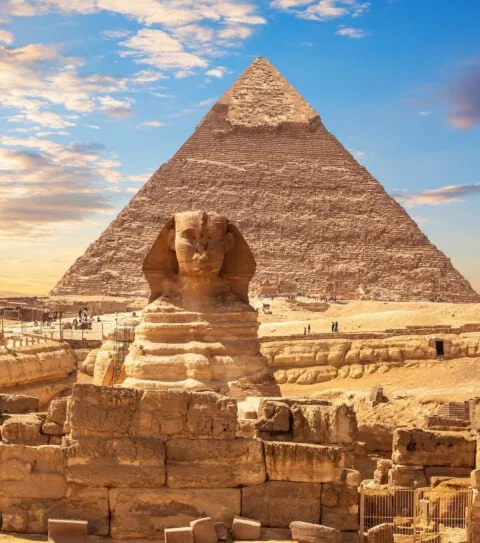
Standing before the Great Pyramid, you’ll want comfort over fashion. The Egyptian desert presents unique challenges that catch many travelers off guard.
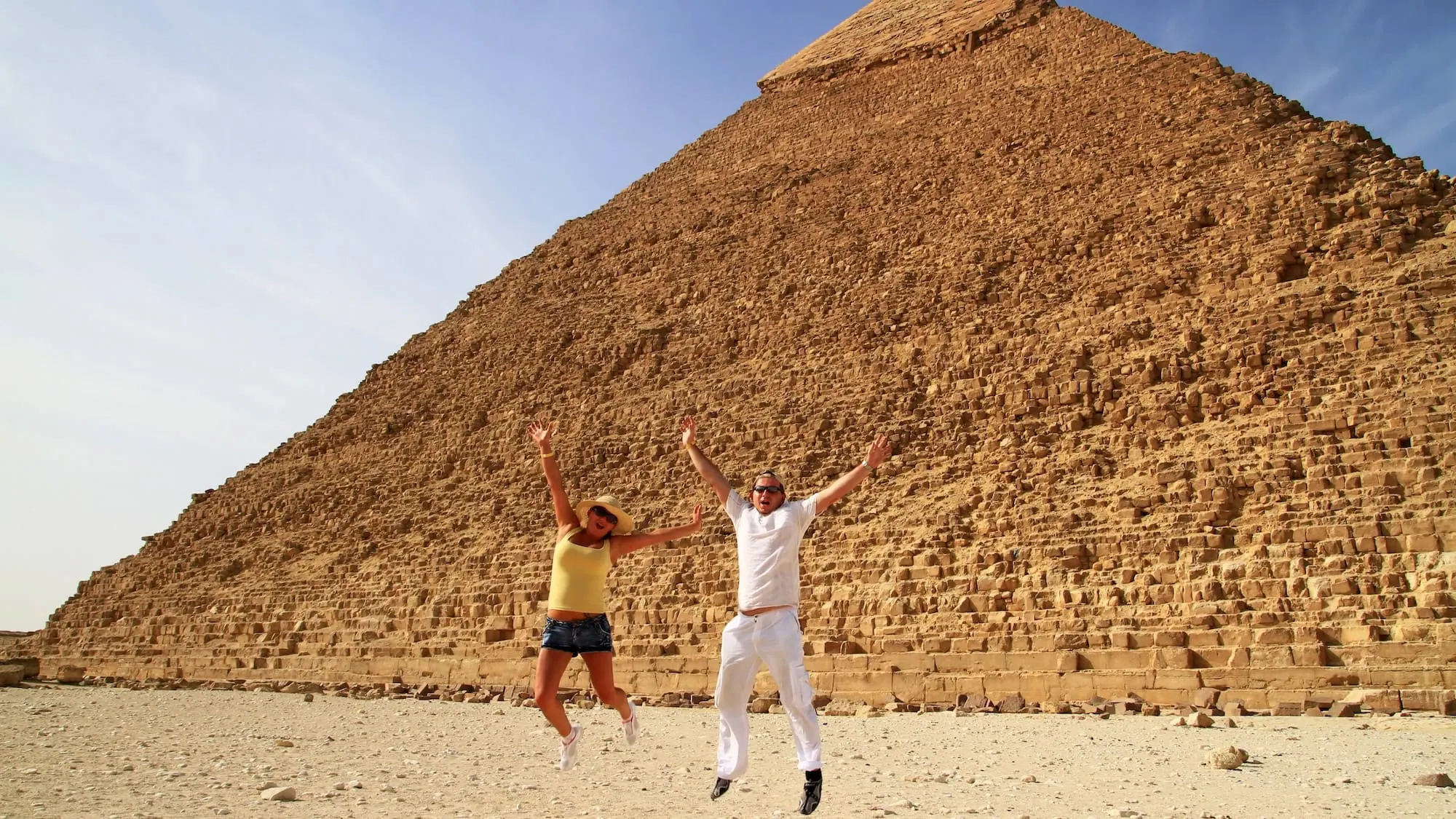
Temperatures can swing dramatically from scorching midday heat to surprisingly cool evenings, while the sandy terrain and cultural expectations shape what works best. We’ve guided thousands of visitors through the Giza plateau and learned exactly what keeps travelers comfortable, respectful, and photo-ready during their pyramid adventure.
Your clothing choices can make or break this bucket-list experience. The right outfit protects you from harsh desert conditions while showing respect for local customs.
Table of Contents
Choose Breathable Fabrics That Actually Work
Cotton and linen reign supreme in the Egyptian heat. These natural fibers allow air circulation and wick moisture away from your skin, keeping you comfortable during long exploration sessions around the pyramid complex.
Cotton: Your Desert Friend
Pure cotton clothing offers the perfect balance of breathability and durability. T-shirts, loose-fitting pants, and cotton dresses provide excellent coverage while preventing overheating. The fabric handles sweat effectively and dries quickly when you step into shaded areas between the ancient monuments.
Cotton also photographs beautifully against the golden limestone, creating those stunning shots you’ll treasure forever.
Linen: Lightweight Champion
Linen takes breathability to another level. This fabric practically floats in desert breezes, making it ideal for the Sahara’s intense conditions. Linen pants or a loose linen shirt will keep you significantly cooler than synthetic alternatives.
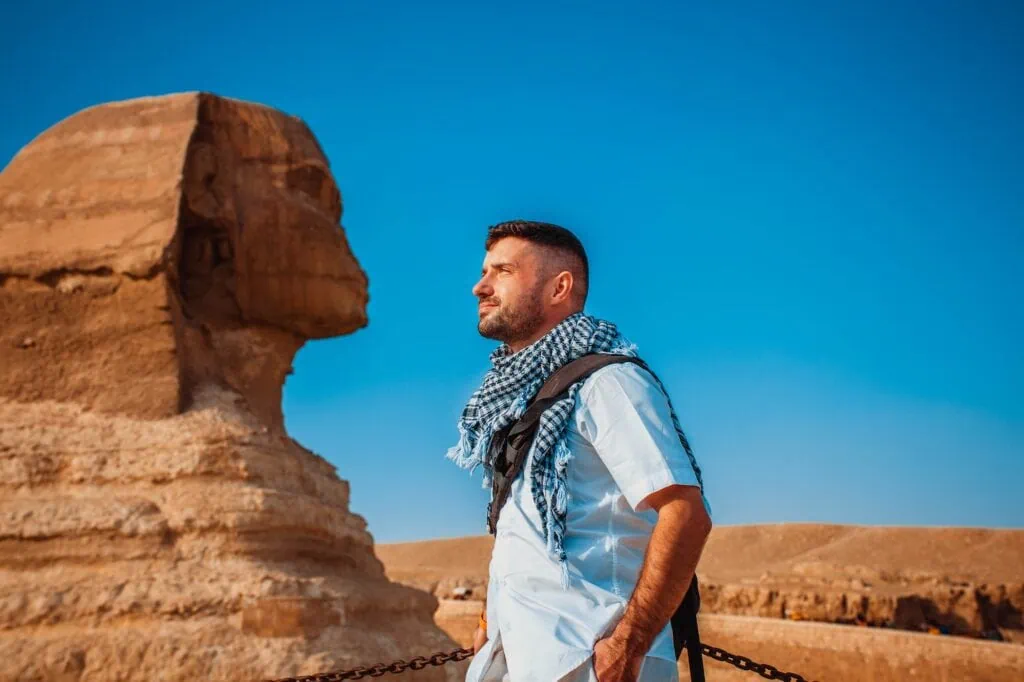
The natural wrinkles in linen actually add character to your travel photos, giving that effortless, well-traveled look.
Avoid Synthetic Disasters
Polyester and other man-made fabrics trap heat like a personal sauna. They don’t breathe, leading to uncomfortable sweating and potential heat exhaustion during your pyramid visit. Skip anything labeled “moisture-wicking” athletic wear – it’s designed for gym air conditioning, not desert exploration.
Essential Sun Protection Strategy
The desert sun is relentless. Even in winter months, UV exposure at Giza can cause serious burns within 30 minutes of unprotected exposure.
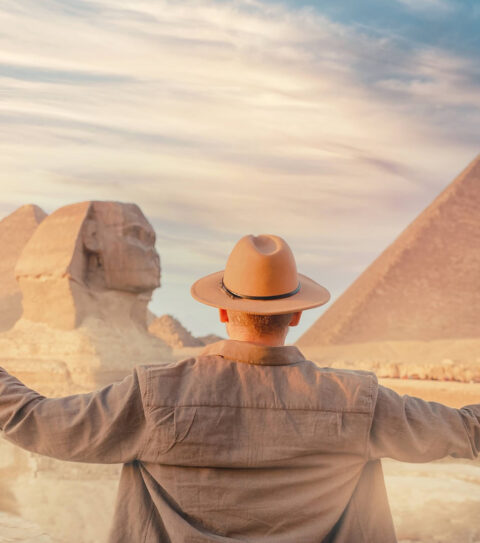
Wide-brimmed hats provide crucial face and neck protection while adding a stylish element to your outfit. Choose one that stays secure in desert winds – many visitors lose their hats while climbing around the pyramid entrance areas.
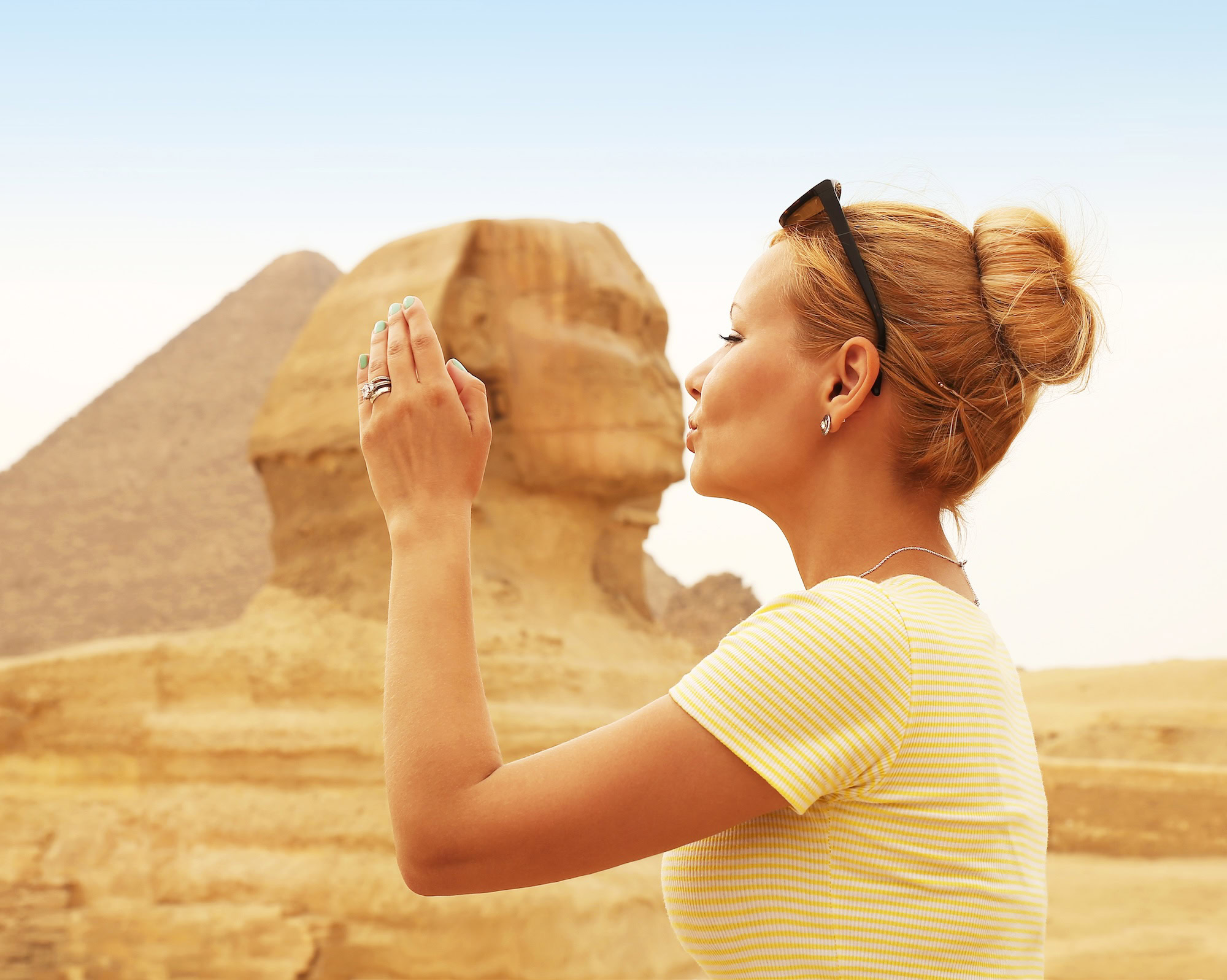
Sunglasses aren’t just accessories here; they’re survival gear. The bright sand reflects sunlight intensely, creating glare that can cause headaches and squinting in all your photos. Wraparound styles offer the best protection for your peripheral vision.
Long sleeves might seem counterintuitive in hot weather, but they’re actually cooler than exposed skin in direct sunlight. A lightweight cotton or linen shirt with rolled sleeves gives you options throughout the day as shade conditions change around the monuments.
Don’t forget sunscreen on any exposed skin. The combination of altitude, dry air, and reflective sand creates burning conditions unlike anywhere else.
Footwear That Handles Desert Terrain
Closed-Toe Shoes Essential
Sandals seem logical for hot weather, but they’re a recipe for disaster at the pyramids. Sand gets everywhere, creating uncomfortable friction and potential blisters. Hot sand can actually burn exposed feet, and loose straps catch on uneven limestone blocks.
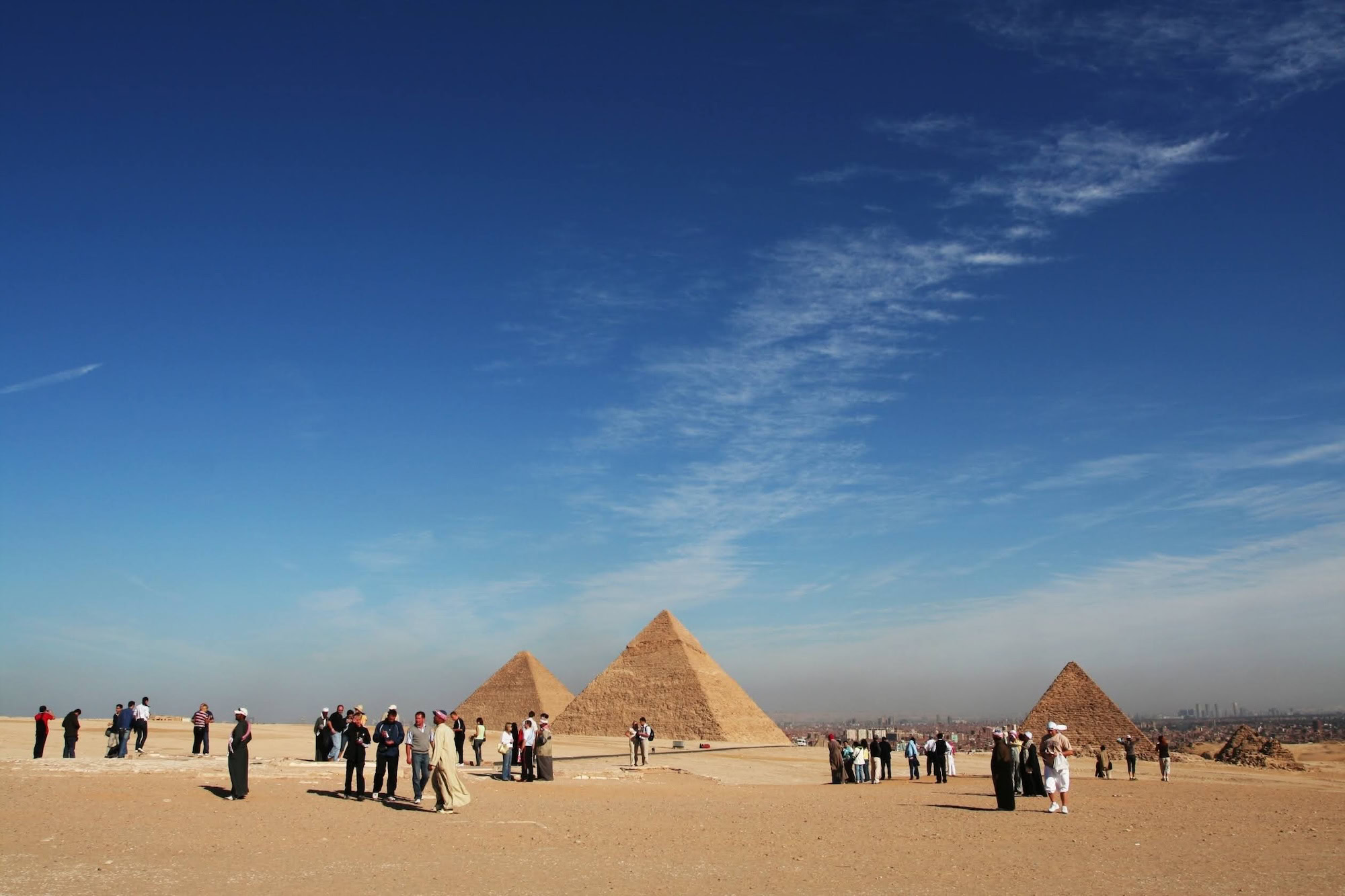
Comfortable walking shoes or lightweight hiking boots provide the protection and support you need. Choose shoes you’ve already broken in – this isn’t the place to test new footwear.
Ankle Support Matters
The terrain around the pyramids is surprisingly uneven. Ancient limestone blocks, sandy paths, and occasional steps require stable footing. Shoes with good ankle support prevent twisted ankles that could ruin your entire Egypt adventure.
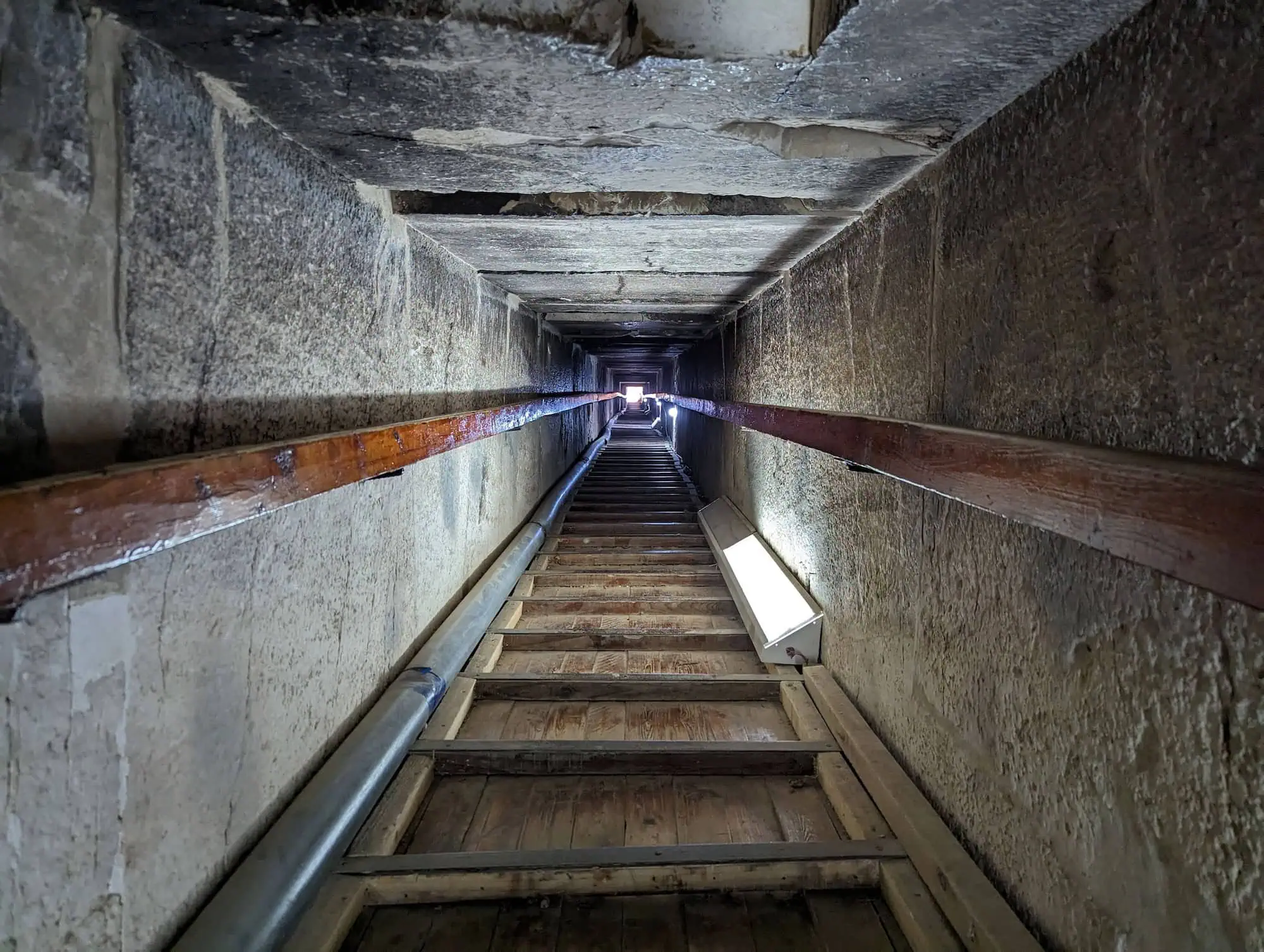
Consider the pyramid interior tours if you’re planning to enter. The passages inside are steep, narrow, and require sure footing on smooth limestone surfaces.
Cultural Sensitivity Through Smart Dressing
Egypt is a predominantly Muslim country where modest dress shows respect for local customs and religious beliefs. This applies to all visitors regardless of their own religious background.
For women, covering shoulders and knees is essential. Long pants or maxi dresses work perfectly and actually provide better sun protection than shorts. Avoid low necklines or tight-fitting clothes that might draw unwanted attention.
Men should also dress conservatively. Long pants are preferred over shorts, and tank tops should be avoided. A collared shirt or simple t-shirt strikes the right balance between comfort and respectability.
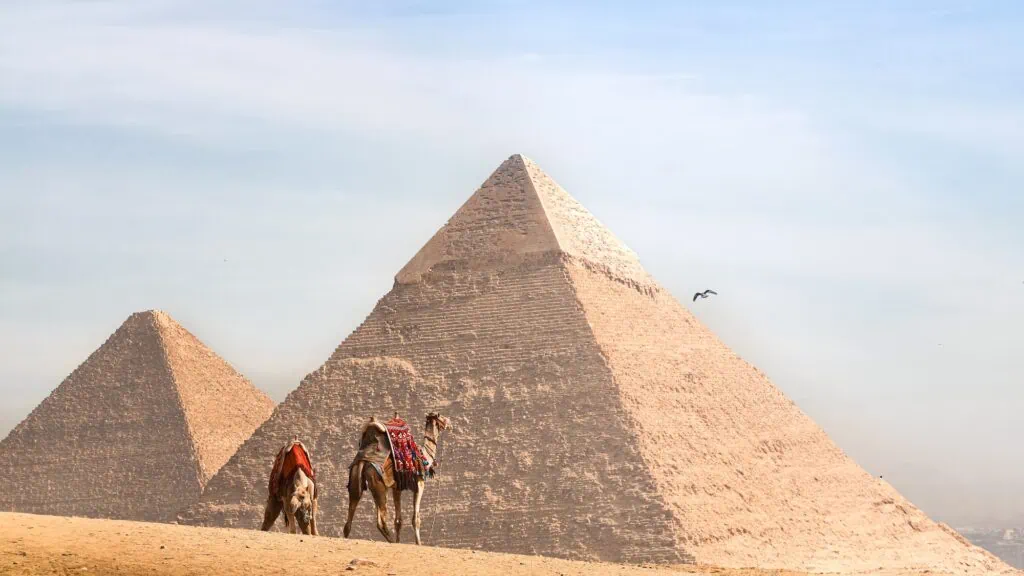
These guidelines aren’t just about cultural sensitivity – they’re practical. Modest clothing keeps you cooler in desert conditions and helps you blend in with other tourists and locals.
The dress code becomes even more important if you plan to visit nearby mosques or religious sites during your pyramid tour. Many Cairo tours combine the pyramids with the historic mosques of Islamic Cairo on the same day.
Seasonal Clothing Adjustments
Winter Visits Strategy
Desert winters surprise many travelers with their coolness. Daytime temperatures hover around 20°C (68°F), perfect for exploring. But mornings and evenings can drop to 10°C (50°F) or lower.
Layer strategically for winter pyramid visits. Start with a base layer, add a light sweater or jacket for morning coolness, then strip down as the day warms up. A lightweight scarf provides neck protection from both cold morning breezes and afternoon sun.
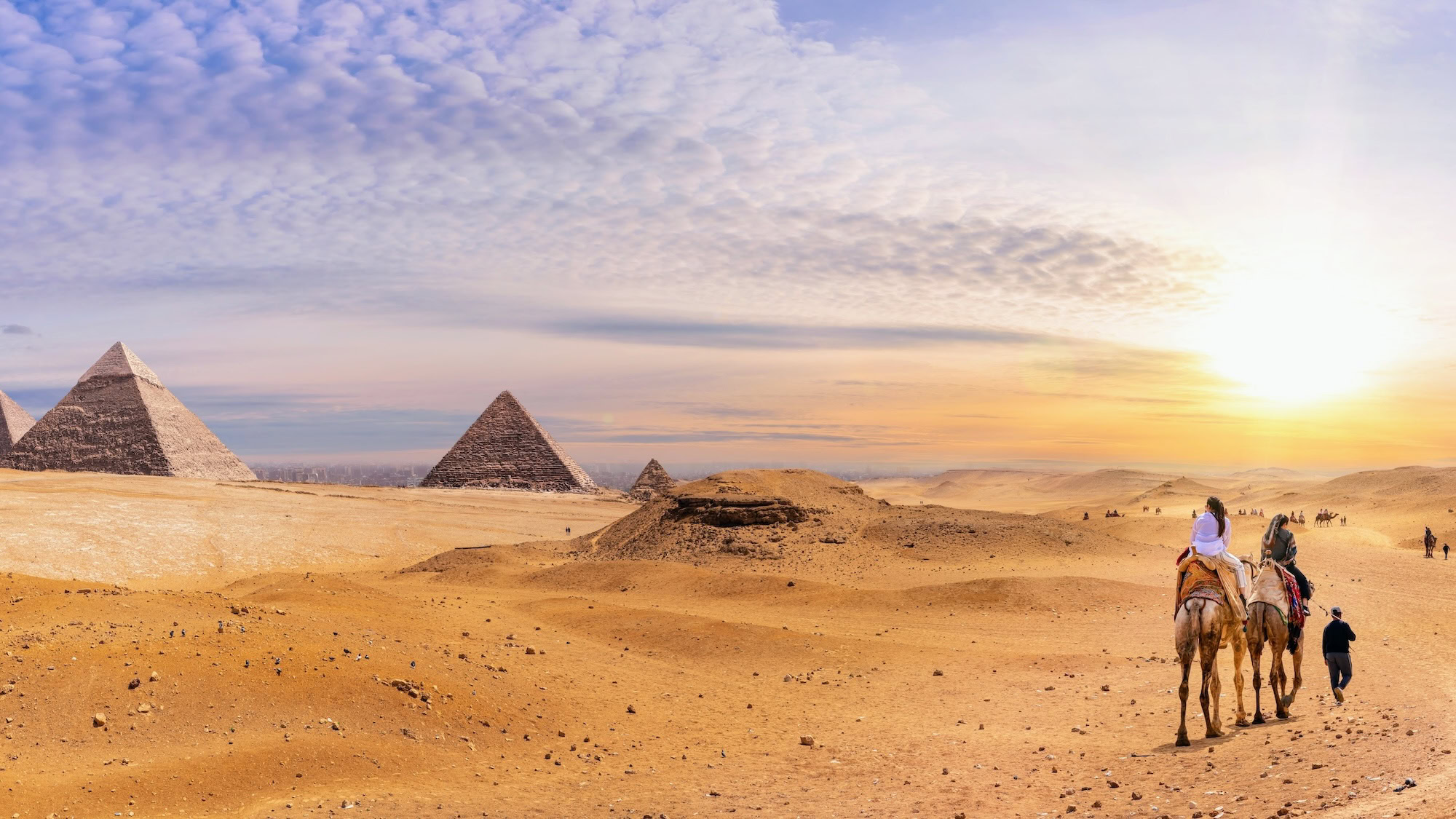
Desert nights turn genuinely chilly. If you’re planning sunset photography sessions or evening Sound and Light shows, bring a warm jacket.
Summer Strategy
Summer heat at the pyramids is intense. Temperatures regularly exceed 35°C (95°F) by midday, with some days reaching 40°C (104°F) or higher.
Start your pyramid visit as early as possible – ideally at sunrise when temperatures are most manageable. The golden lighting at dawn creates the best photography conditions anyway.
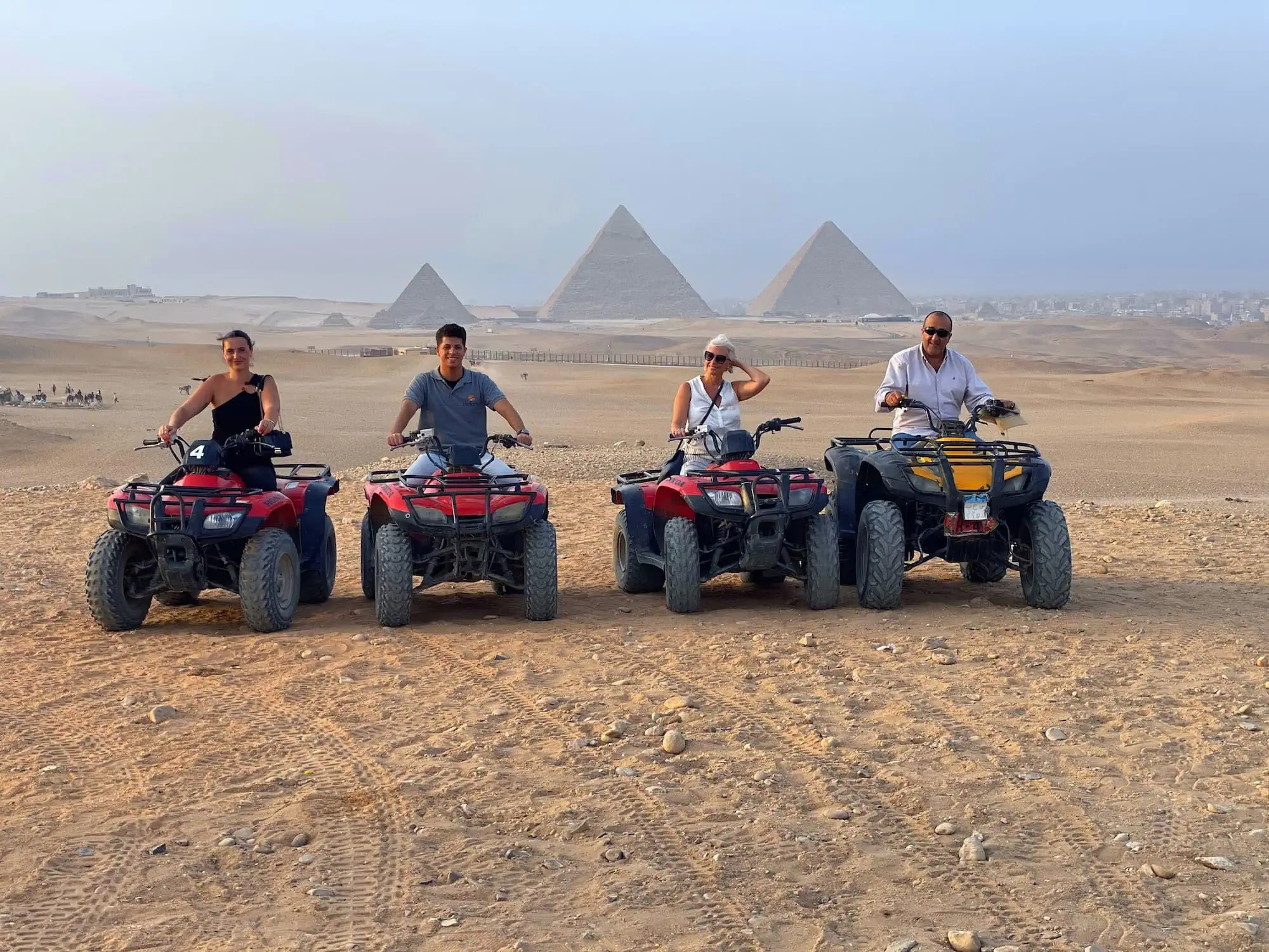
Choose the lightest colors possible for summer visits. White and pale colors reflect heat, while dark clothing absorbs it and becomes uncomfortably hot to wear.
Stay hydrated constantly. The dry desert air makes you dehydrate faster than you realize, and heavy clothing makes this worse.
Shoulder Season Benefits
These months offer the best balance of comfortable temperatures and clear skies. Daytime highs range from 25-30°C (77-86°F), perfect for extended exploration.
Light layers work best during shoulder seasons. A cotton t-shirt with a light cardigan gives you flexibility as conditions change throughout the day.
Spring months occasionally bring sandstorms, so having a light scarf to cover your face can be helpful.
Practical Accessories That Make Difference
A small backpack or crossbody bag keeps essentials secure while leaving your hands free for photography and pyramid exploration. Choose one with multiple compartments to organize water, snacks, camera equipment, and personal items.
Comfortable socks prevent blisters during long walking sessions. Choose moisture-wicking materials that won’t bunch up inside your shoes.
A light scarf serves multiple purposes: sun protection for your neck, dust protection during windy conditions, and a modest cover-up when entering religious sites.
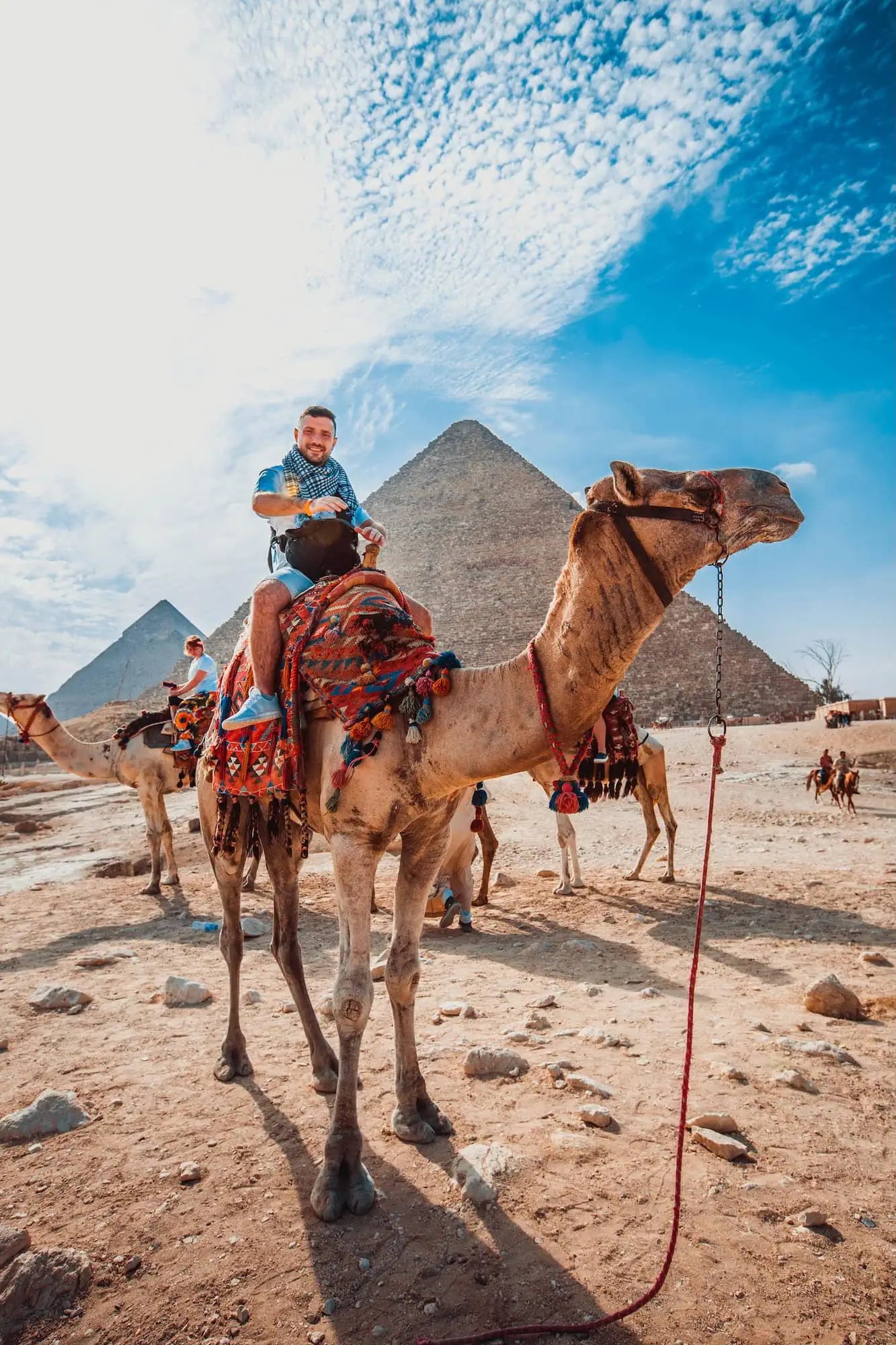
Consider pockets carefully. Secure zippered pockets keep valuables safe, while cargo pockets on pants provide extra storage for small items you’ll want quick access to.
Photography-Friendly Outfit Planning
Solid colors photograph better than busy patterns against the pyramid backdrop. Earth tones like beige, olive, and rust complement the desert landscape beautifully.
Avoid clothing with large logos or writing that dates your photos. Classic, simple styles create timeless images you’ll love looking at years later.
Flowing fabrics like loose dresses or pants create dramatic movement in photos, especially during the windy conditions common around the Giza plateau.
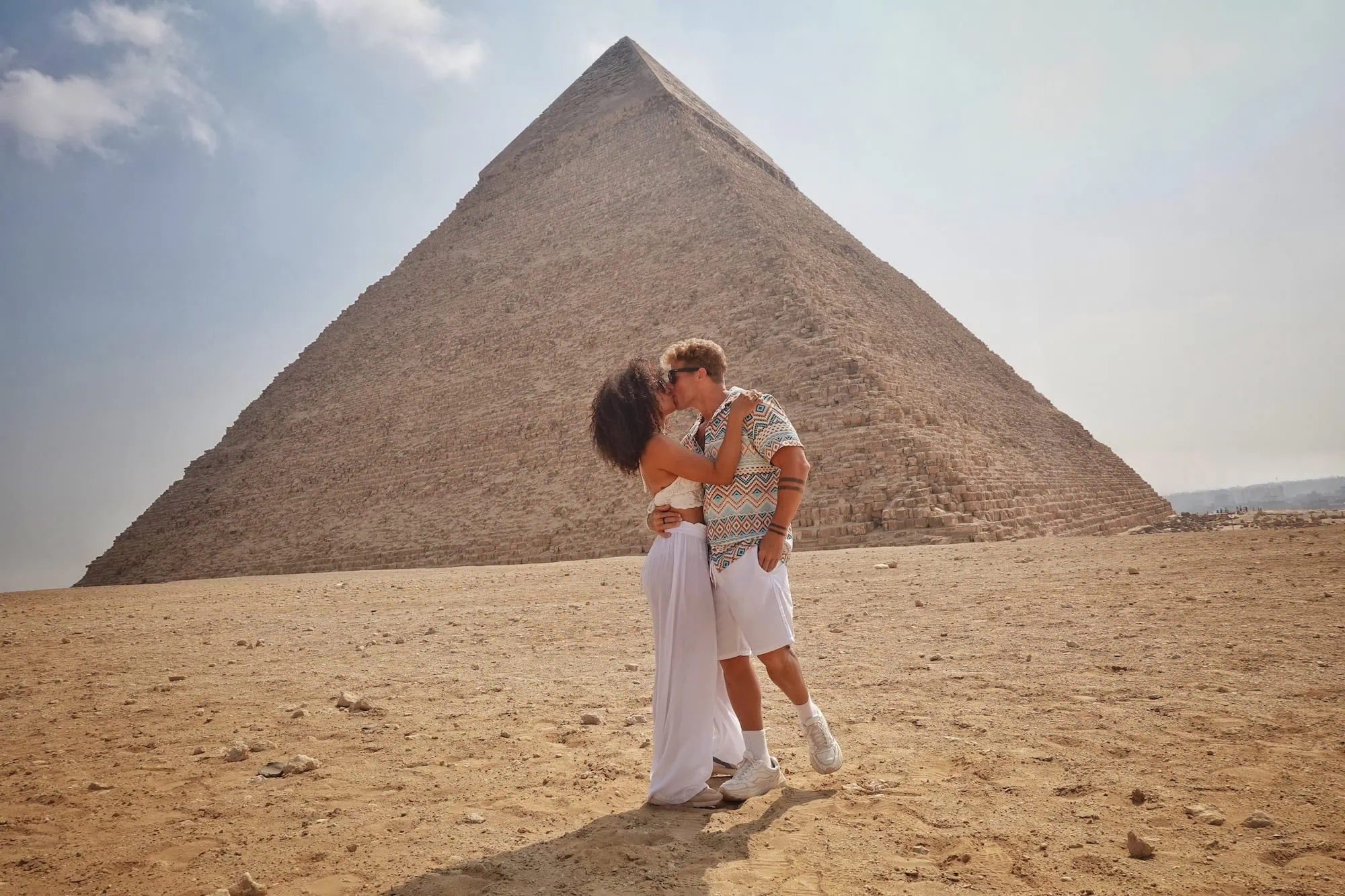
Consider bringing a costume change for different photo opportunities. A flowing scarf or light jacket can completely transform your look between the Great Pyramid and the Sphinx photo sessions.
Common Mistakes to Avoid
Overdressing for the heat leads to miserable experiences and poor photos. Many visitors arrive wearing too many layers or inappropriate fabrics, then spend their pyramid visit uncomfortable and sweaty.
Underdressing for cultural expectations creates awkward situations and potential problems with local authorities or other tourists. Research shows respect and makes your visit smoother.
New shoes cause blisters and pain that can cut your pyramid exploration short. Always wear comfortable, broken-in footwear for walking tours.
Forgetting sun protection results in painful burns that affect the rest of your Egypt vacation. The desert sun is stronger than most travelers expect.
All-black outfits absorb heat and make you noticeably uncomfortable in desert conditions. Save dark colors for evening activities instead.
Special Activity Considerations
Camel Riding Adventures
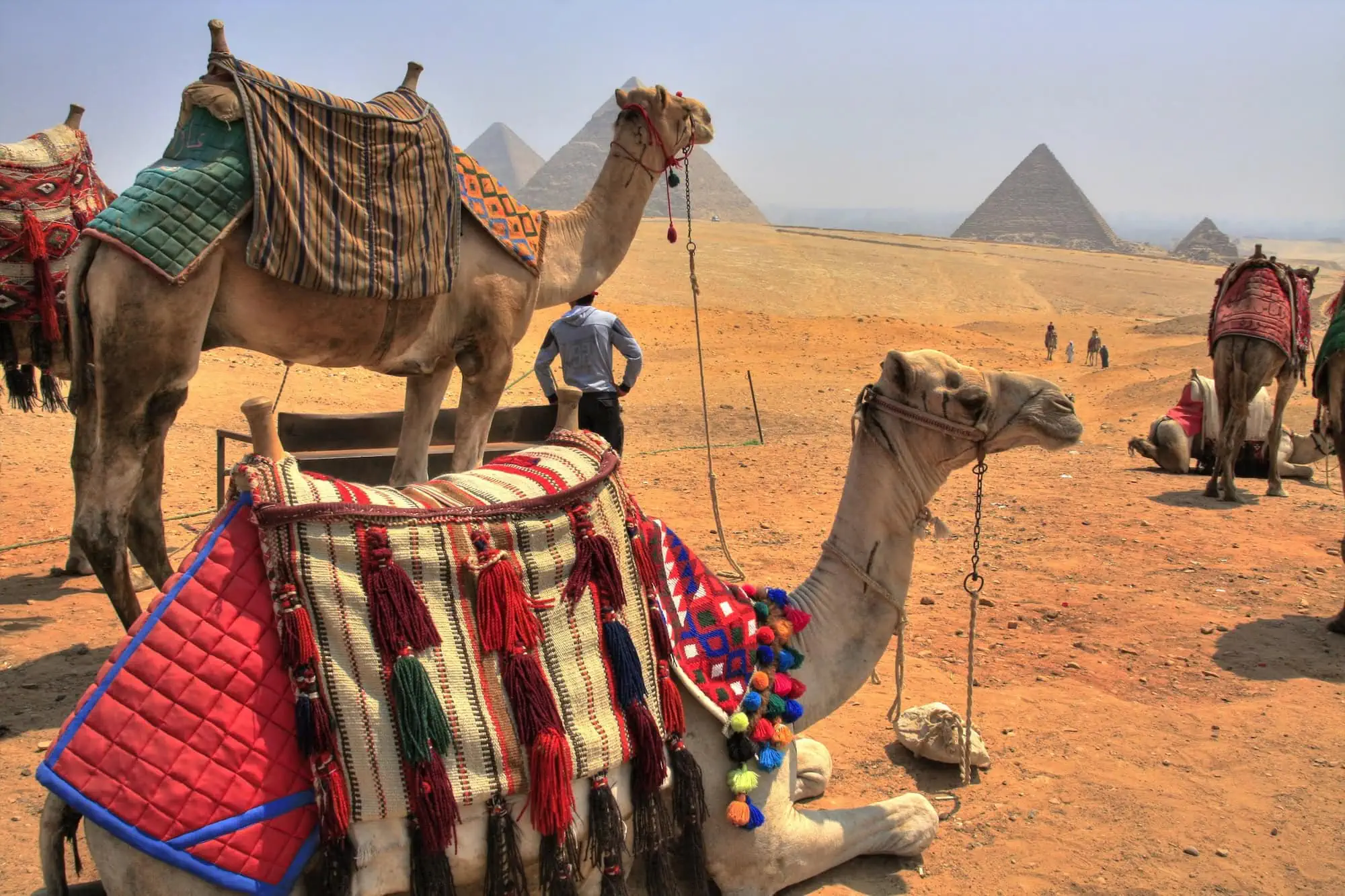
If your pyramid visit includes camel riding, choose pants over dresses or skirts. The sitting position on camels makes modest leg coverage essential for comfort and dignity.
Secure any loose accessories that might fall during mounting or dismounting. Camels are taller than most people expect, and lost items in desert sand are rarely recovered.
Interior Pyramid Tours
The passages inside the Great Pyramid are narrow, steep, and sometimes slippery. Non-slip shoes become crucial for safety during these tours.
Avoid loose clothing that might catch on the narrow passage walls. Fitted but comfortable clothing works best for pyramid interior exploration.
The temperature inside the pyramids stays cool year-round, providing relief from outside heat but requiring a light layer during cooler months.
Evening Entertainment
Sound and Light shows at the pyramids happen after sunset when temperatures drop significantly. Bring a jacket or shawl even during summer months.
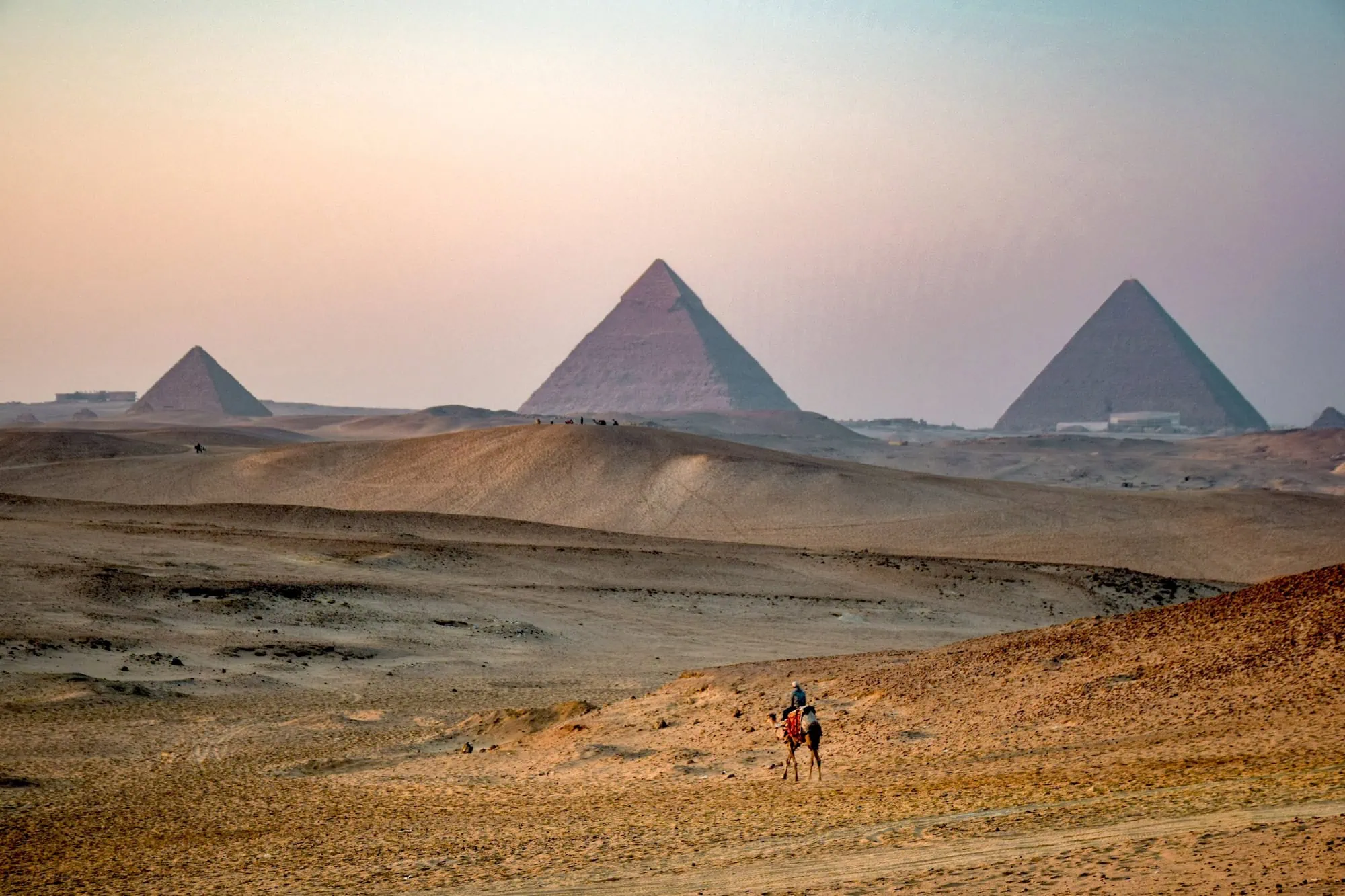
Evening photography sessions require stable footing in reduced visibility. Comfortable, secure shoes become even more important after dark.
Day Bag Packing Essentials
Water bottles are essential – more than you think you’ll need. The dry desert air dehydrates you quickly, and pyramid exploration involves significant walking.
Extra sunscreen for reapplication throughout the day. The intense sun and reflective sand create conditions that burn through initial applications.
A small towel for wiping away sand and sweat. Desert exploration gets dusty, and you’ll want to clean up for photos.
Basic first aid supplies including blister pads and pain relievers. Long walking days on uneven terrain can create minor injuries that simple preparation prevents.
Snacks to maintain energy during extended touring. The pyramid complex is large, and food options are limited once you’re exploring the monuments.
Frequently Asked Questions
Comfortable walking shoes or lightweight hiking shoes with good grip are the best choice for exploring the Pyramids of Giza. Visitors often walk several kilometers across uneven stone paths, sandy terrain, and sloped viewing areas during a typical 3-4 hour visit. Closed-toe footwear provides better protection from dust, loose rocks, and hot ground surfaces than sandals. Break in new shoes before your trip to avoid discomfort during extended sightseeing.
Yes, tourists can wear shorts at the Pyramids of Giza, but long pants or lightweight trousers are often the more practical option. Longer clothing provides better protection from the sun, dust, and occasional wind on the open Giza Plateau. Knee-length shorts are generally acceptable for visitors, especially during summer. Travelers planning to visit mosques or religious sites later in the day may find long pants more versatile and culturally appropriate.
Avoid very dark colors, particularly black, when visiting the pyramids because they absorb more heat under Egypt’s strong desert sun. During warmer months, temperatures on the Giza Plateau can exceed 95°F (35°C), making dark clothing noticeably less comfortable. Light shades such as beige, white, light gray, and khaki reflect sunlight more effectively and photograph well against the golden limestone backdrop. Choosing lighter colors can improve comfort throughout the visit.
No, head coverings are not required at the Pyramids of Giza, but wearing a hat is strongly recommended for sun protection. The site offers limited natural shade, and visitors may spend several hours outdoors exploring the Great Pyramid, the Sphinx, and surrounding viewpoints. A wide-brimmed hat helps protect the face, neck, and ears from UV exposure. Combining a hat with sunscreen and sunglasses provides the most effective protection.
Natural fabrics such as cotton and linen are the best materials for visiting the pyramids because they are lightweight, breathable, and well suited to Egypt’s dry climate. These fabrics allow air circulation and help reduce discomfort during long periods of outdoor sightseeing. Synthetic materials often trap heat and moisture, especially during warmer months between May and September. Loose-fitting cotton or linen clothing is generally the most comfortable choice for a full day at Giza.
While sandals are permitted at the pyramids, closed-toe walking shoes are generally the better option for comfort and protection. The Giza Plateau includes sandy areas, uneven stones, and occasionally loose gravel that can make open footwear less practical. Closed shoes help protect feet from dust, hot surfaces, and minor scrapes while providing greater stability during extended walking. If you choose sandals, sturdy walking sandals with secure straps are preferable.
Yes, winter visits to the pyramids often require layers because temperatures can vary significantly throughout the day. Between December and February, early morning temperatures may fall to around 50-59°F (10-15°C), while afternoons often reach 68-77°F (20-25°C). A lightweight jacket or sweater is useful during cooler hours and can be removed later in the day. Layering provides flexibility without adding excessive bulk to your travel wardrobe.
A wide-brimmed hat, quality sunglasses, SPF 30+ sunscreen, and lightweight long sleeves provide the most effective sun protection at the pyramids. The Giza Plateau sits in an exposed desert environment with very limited shade and strong UV levels throughout the year. Reapplying sunscreen every few hours is important during extended visits. Carrying a reusable water bottle also helps prevent dehydration during outdoor exploration.
There is no strict dress code for entering the pyramids, but modest clothing that covers the shoulders and knees is generally recommended. Visitors from around the world explore the site in a variety of attire, but respectful clothing aligns well with local cultural norms. Practical considerations are equally important because the site involves walking, climbing steps, and spending time in direct sunlight. Comfortable, breathable clothing remains the best overall choice.
A well-prepared day bag should include water, sunscreen, sunglasses, a hat, snacks, and a portable phone charger for a comfortable pyramid visit. Most travelers spend several hours exploring the Giza Plateau, and facilities may not always be nearby when needed. A small first-aid kit, tissues, and a lightweight extra layer can also be useful. Pack lightly but prioritize hydration, sun protection, and essential personal items.
Explore our most popular guides and expert tips to make your trip safe, smooth, and unforgettable.
Plan Your Egypt Adventure with Confidence
How to Plan a Trip Egypt
Step-by-step guide to help you plan the perfect Egypt trip — from routes and budget to booking.
Best Time to Visit Egypt
Learn the best months to visit Egypt based on weather, crowds, and local travel experiences.
Must Visit Places in Egypt
Explore Egypt’s top sights — from pyramids to temples — and hidden gems worth seeing.
Top-Rated Egypt Tours
Handpicked private tours with local guides — our most loved and best-reviewed experiences.
How Many Days to Visit Egypt?
Find out how many days you need in Egypt — from quick trips to full itineraries.
Egypt Visa Requirements
Check if you need a visa and get simple, up-to-date entry info based on your nationality.
Is it Safe to Travel to Egypt?
Is Egypt safe? Get honest safety tips, area advice, and what to know before you travel.
What to Pack for Egypt
A quick packing guide with essentials, cultural tips, and clothing advice for your Egypt trip.
Design Your Custom Tour
Explore Egypt your way by selecting only the attractions you want to visit