Is April a Good Time to Visit Egypt?
April strikes that perfect balance between Egypt’s peak winter crowds and scorching summer heat.
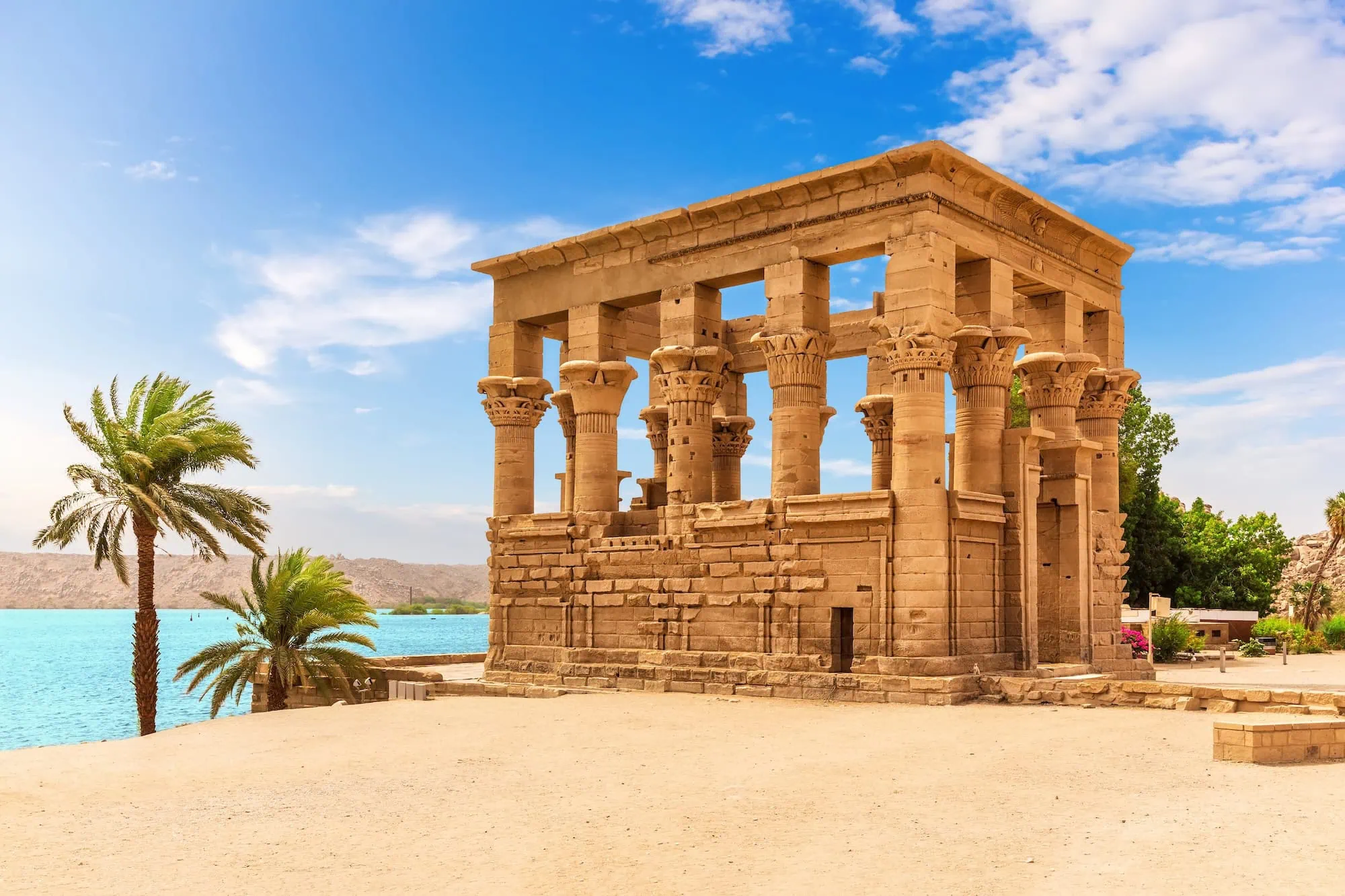
We’ve guided thousands of travelers to Egypt across all seasons, and consistently see April deliver some of the most satisfying experiences. The weather remains comfortable for sightseeing, tourist numbers drop significantly after Easter, and you’ll find Egypt’s attractions at their most accessible. While temperatures do climb as the month progresses, the trade-offs often work in your favor.
This timing puts you right in Egypt’s shoulder season – when smart travelers get the best of both worlds without the compromises.
Table of Contents
April Weather: What to Actually Expect
April brings noticeable warming, but stays manageable for most activities. Daytime temperatures in Cairo typically reach 26-30°C (79-86°F), while evenings cool to around 15-18°C (59-64°F). You’ll want that light jacket for dinner cruises along the Nile.
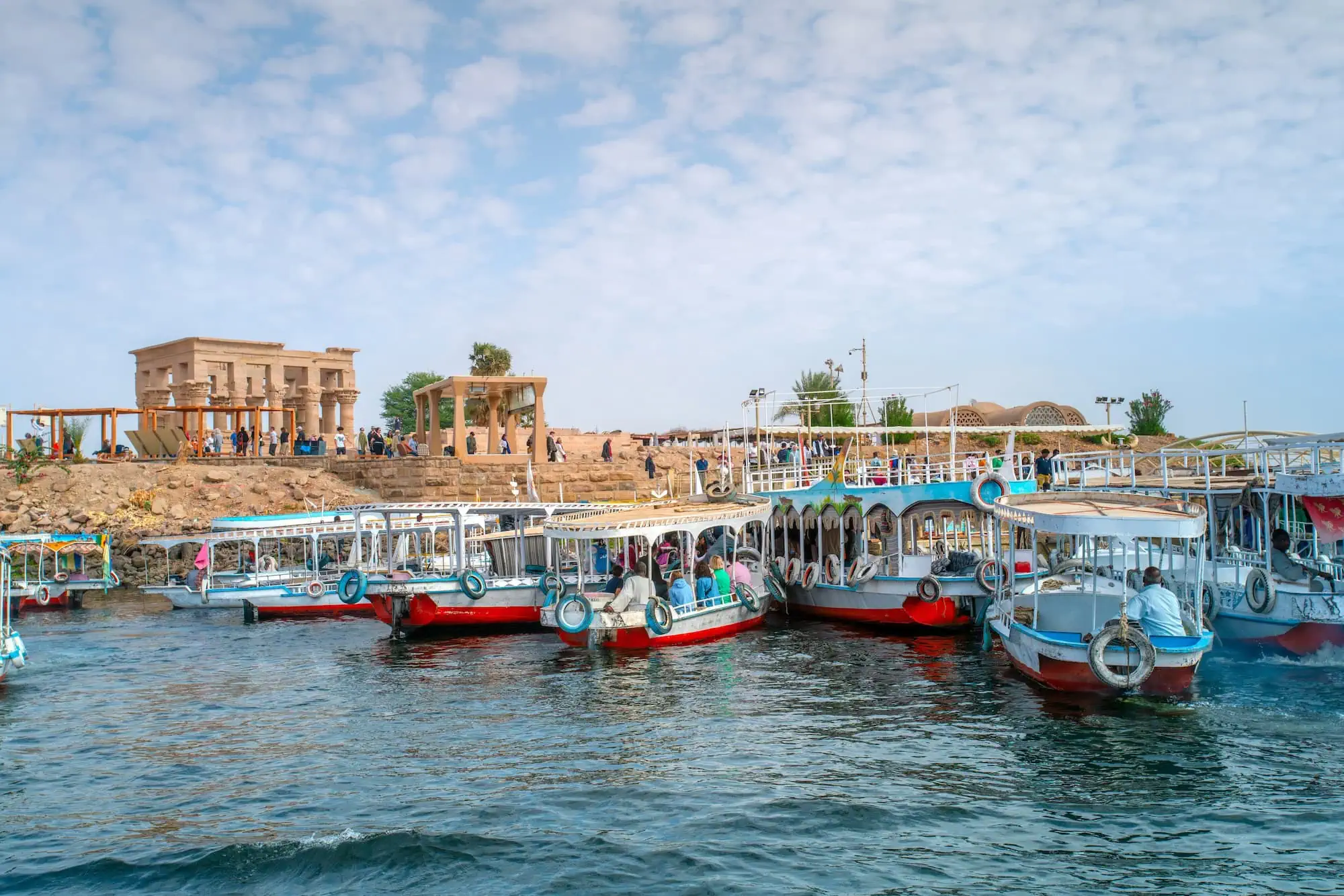
Southern Egypt runs considerably hotter than the north. Luxor averages 33-39°C (91-102°F) during the day, and Aswan can hit 40°C (104°F). These temperatures make early morning temple visits essential – we typically schedule our private guides for 6:00 am (06:00) starts at Abu Simbel and Philae Temple.
Managing the Khamsin Factor
The khamsin winds present April’s biggest weather wildcard. These southerly currents can create sandstorms that reduce visibility and make outdoor activities unpleasant. Weather reports become your friend during this month.
Most khamsin episodes last 24-48 hours. Our local guides monitor conditions closely and can adjust itineraries on short notice. Having flexible indoor alternatives – like the Egyptian Museum or Khan el-Khalili bazaar – keeps your Egypt adventure on track.
Coastal Advantages in April
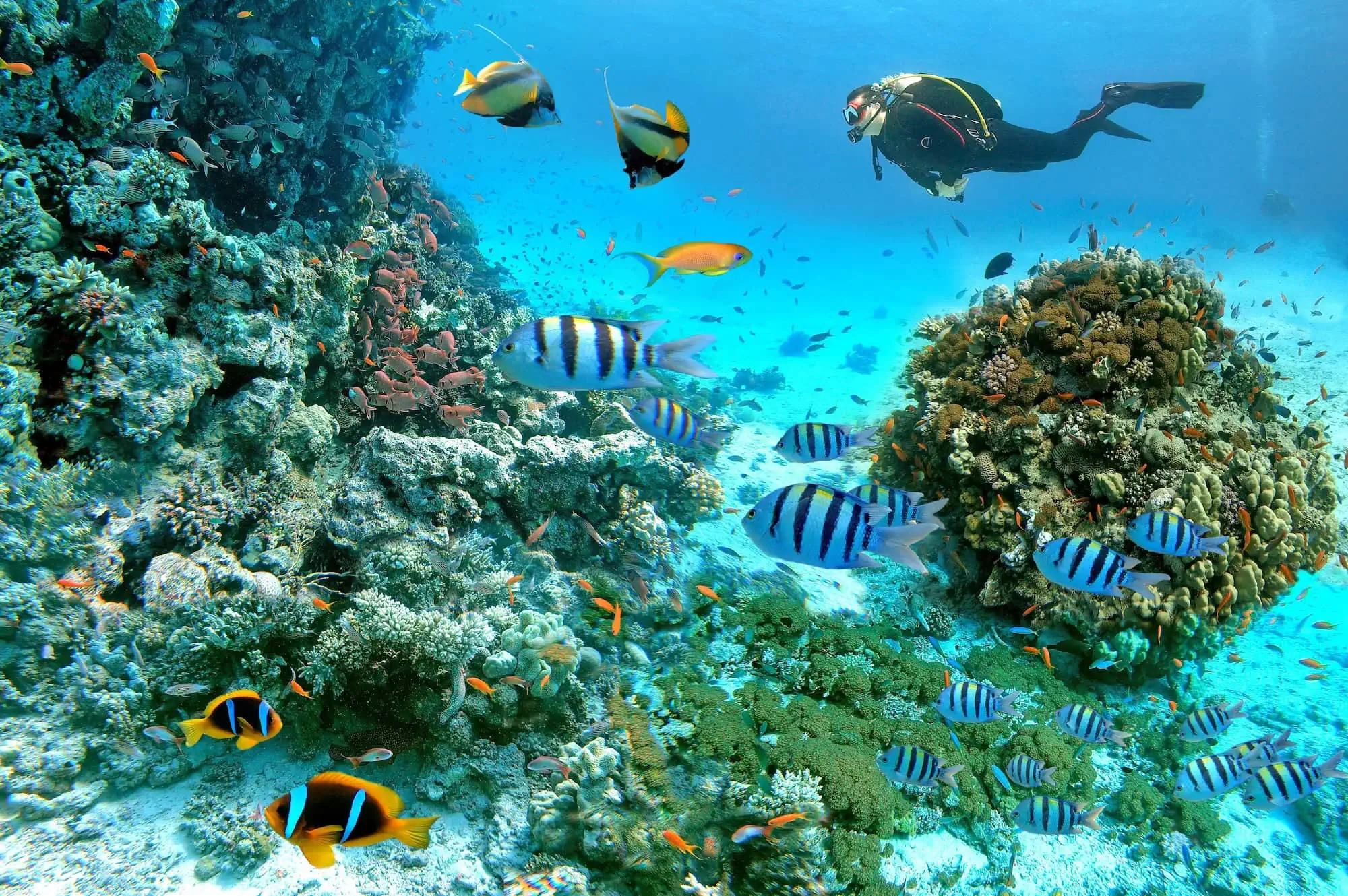
Egypt’s Red Sea coast offers relief from inland heat. Hurghada and Sharm el-Sheikh maintain pleasant 24-28°C (75-82°F) temperatures, perfect for snorkeling and diving. Water temperatures hold steady around 22°C (72°F) – comfortable without wetsuits for most people.
Crowds and Pricing: Why April Works
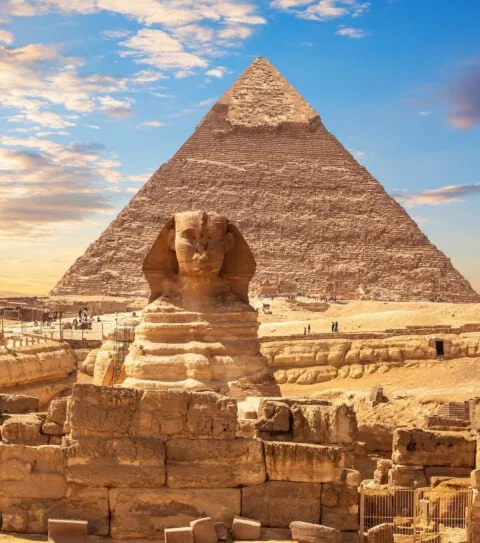
Tourist numbers drop dramatically after Easter crowds disperse. Popular sites like the Pyramids of Giza and Valley of the Kings become significantly more manageable. Photography opportunities improve, and you’ll spend less time waiting in lines.
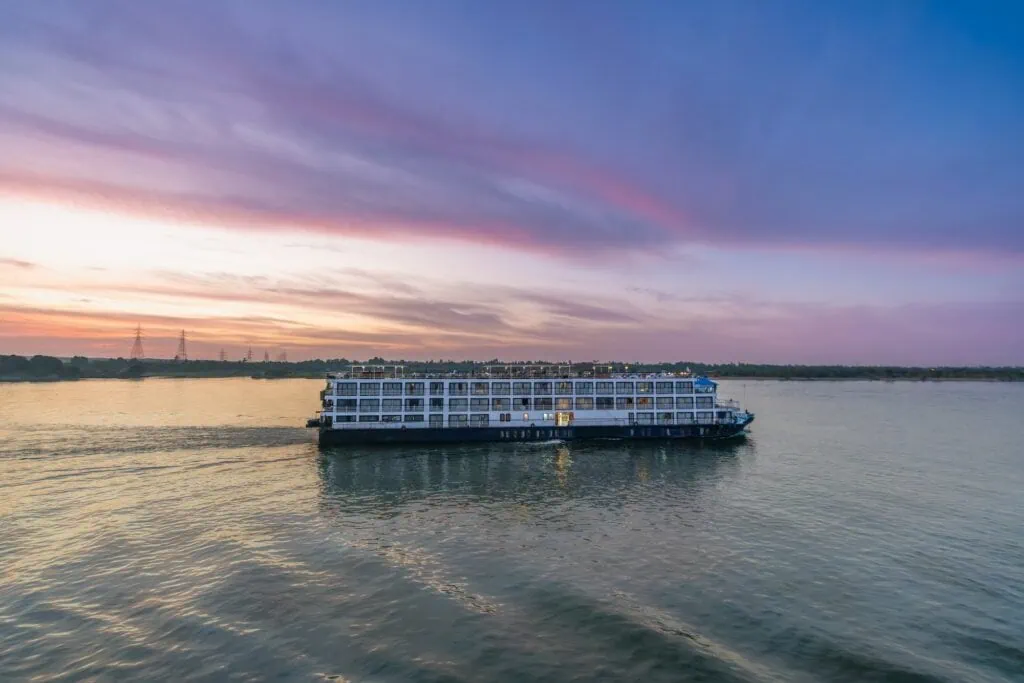
Accommodation rates decrease from peak winter pricing but haven’t reached summer lows yet. This creates substantial savings compared to December through March. Five-star Nile cruise cabins often cost 20-30% less than peak season, while maintaining full service standards.
Easter timing affects early April specifically. When Easter falls late in April, you might encounter lingering crowds and elevated prices during the first week. Planning for mid-to-late April typically avoids these issues entirely.
Regional Considerations for April Travel
Cairo maintains the most comfortable conditions throughout April. Our guests consistently rate April as ideal for exploring the city’s outdoor attractions. The Citadel, Islamic Cairo walking tours, and pyramid visits all benefit from moderate temperatures and excellent visibility.
Upper Egypt Requires Strategic Planning
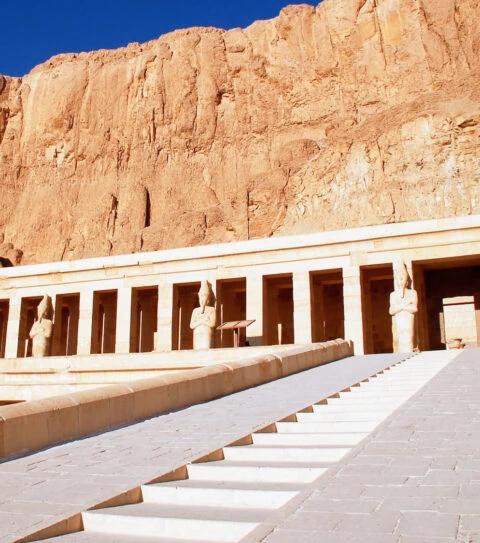
Luxor and Aswan demand early starts by April. Temple visits work best between 6:00 am-10:00 am (06:00-10:00) and after 4:00 pm (16:00). The midday heat makes outdoor exploration challenging, but provides perfect timing for air-conditioned museum visits or relaxing aboard your Nile cruise.
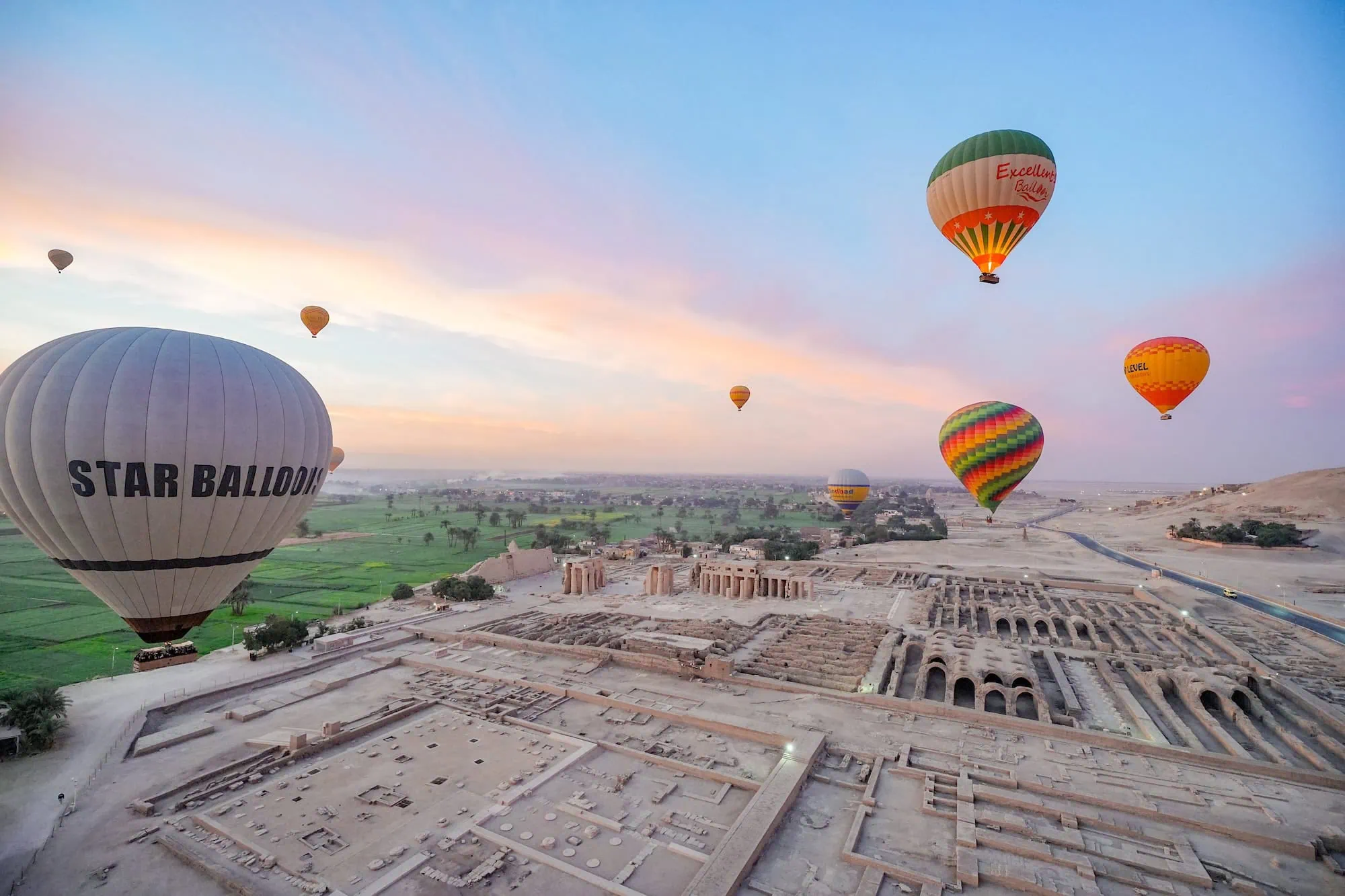
Valley of the Kings becomes particularly demanding after 10:00 am (10:00). We recommend booking tomb visits for the earliest possible slots. The reduced crowds during shoulder season make these premium time slots more accessible than in peak winter.
Alexandria and Northern Coast Excellence
Egypt’s Mediterranean coastline shines in April. Alexandria offers perfect weather for exploring ancient sites like the Catacombs of Kom el Shoqafa and the modern Bibliotheca Alexandrina. Coastal temperatures stay 3-5°C cooler than Cairo, making full-day sightseeing comfortable.
Cultural Events and Considerations
Sham el-Nessim typically falls in April, marking Egypt’s ancient spring festival. This celebration brings locals outdoors for picnics and family gatherings. Hotels and restaurants often prepare special menus featuring traditional foods like salted fish and colored eggs.
Ramadan dates shift yearly but can overlap with April. Restaurant operations change during daylight hours, though tourist-focused establishments usually remain open. Alcohol availability becomes limited outside hotels and tourist areas.
Our local guides provide excellent insight into cultural celebrations and help you participate respectfully when appropriate.
Activities That Excel in April
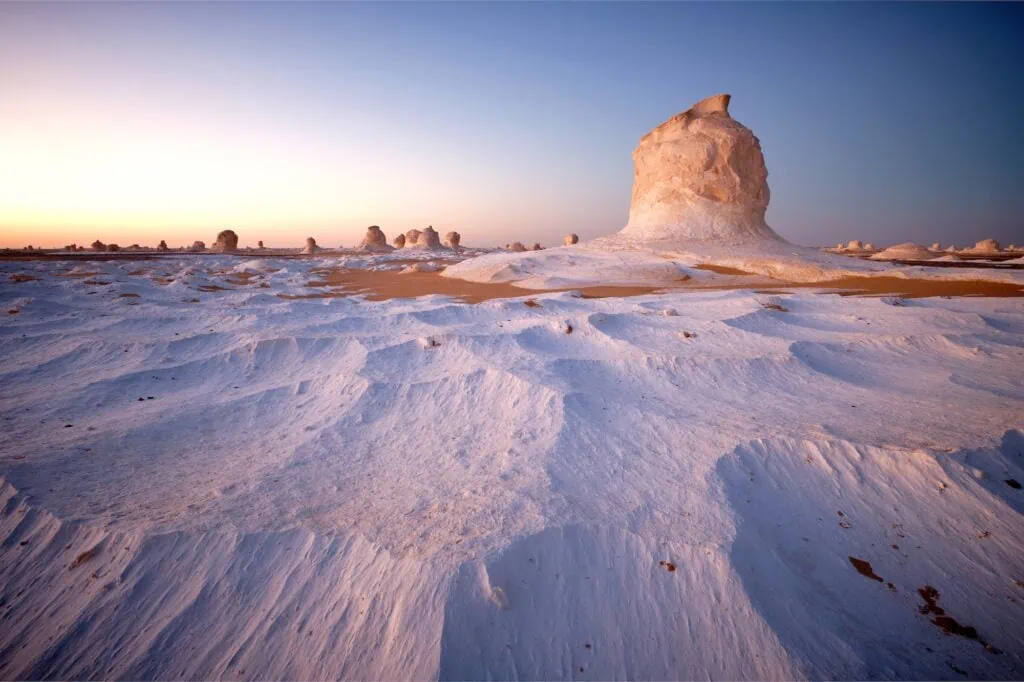
Desert excursions become challenging as temperatures rise. Early April works for White Desert camping trips, but late April heat makes overnight desert adventures uncomfortable. We typically recommend shifting desert exploration to October through March.
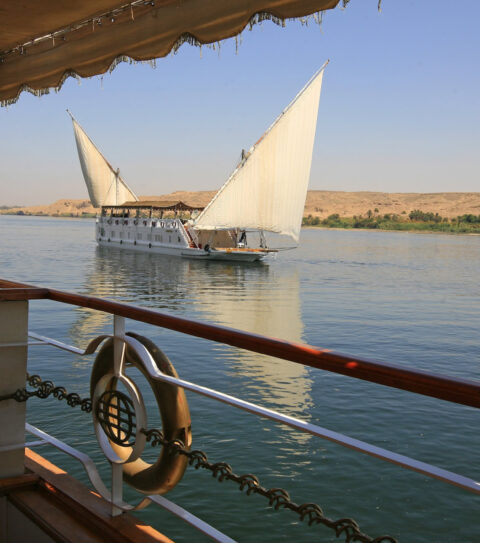
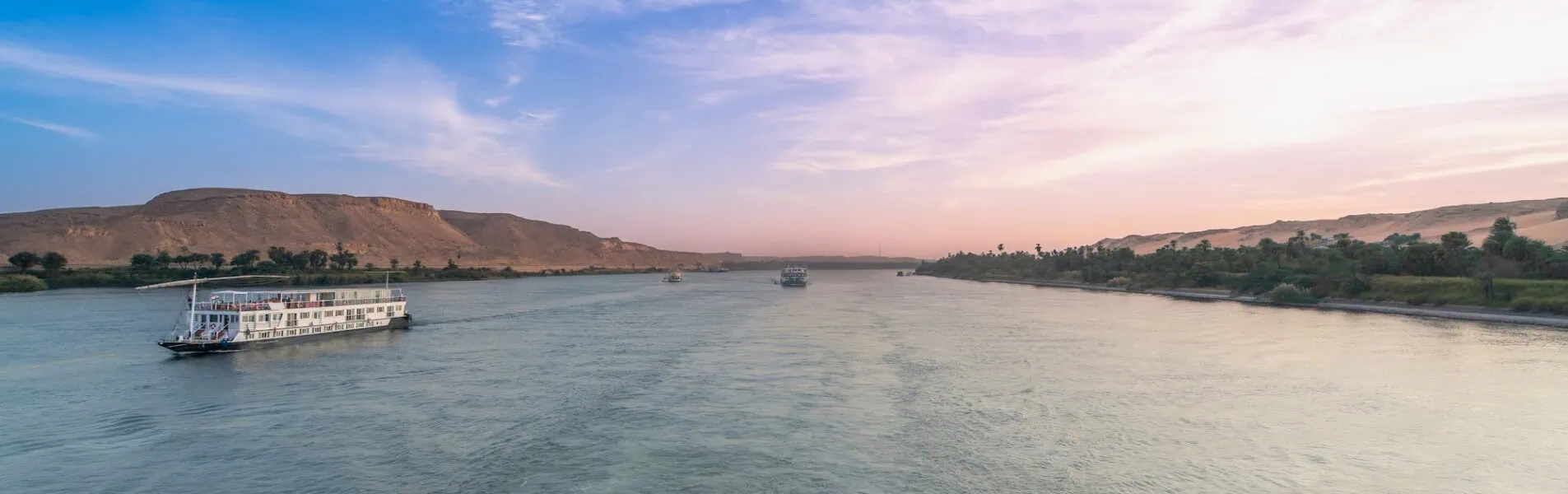
Nile cruising hits its stride during April. River breezes provide natural cooling, and the comfortable evenings make deck dining exceptional. Our small-group shore excursions (limited to 12 guests) take advantage of the moderate weather and reduced crowds at riverside temples.
Red Sea Adventures Peak in April
Diving and snorkeling conditions excel during April. Water clarity improves as winter storms subside, and marine life becomes increasingly active. Popular dive sites like Ras Mohammed and the SS Thistlegorm wreck offer excellent visibility and comfortable water temperatures.

Coastal resort stays work perfectly for families during April. Children can enjoy beach activities without excessive heat concerns, while parents appreciate the reduced crowds and better service ratios.
Packing Essentials for April in Egypt
Layer-friendly clothing proves most versatile. Lightweight long pants and shirts work for temple visits while providing sun protection. Bring at least one warm layer for evening activities – desert temperatures can drop surprisingly quickly after sunset.
Sunscreen becomes critical as UV intensity increases throughout April. SPF 30 minimum is essential, with SPF 50 recommended for Red Sea coastal activities. Wide-brimmed hats provide crucial face and neck protection during outdoor exploration.
Comfortable walking shoes with breathable materials make temple and museum visits enjoyable. Avoid heavy boots – lightweight hiking shoes or quality sneakers handle Egypt’s varied terrain while keeping feet comfortable in rising temperatures.
Comparing April to Other Shoulder Season Months
October typically offers better overall conditions than April. Autumn brings falling temperatures rather than rising heat, and khamsin winds rarely affect October travel. However, October attracts higher tourist numbers as travelers seek to avoid summer’s intense heat.
March provides cooler temperatures but attracts peak winter crowds. Hotel rates remain elevated, and popular attractions stay busy throughout the month. April’s crowd reduction often compensates for slightly warmer weather.
May brings significantly more heat while maintaining April’s lower tourist numbers. We generally recommend April over May unless you’re specifically targeting the hottest possible weather or planning exclusively coastal activities.
Making April Work for Your Egypt Journey
Book accommodations with reliable air conditioning. While hotels throughout Egypt maintain cooling systems year-round, April’s warming trend makes climate control essential for comfort. Five-star properties and established four-star hotels provide the most consistent cooling performance.
Plan major outdoor activities for early morning hours. Temple complexes, pyramid visits, and walking tours work best before 11:00 am (11:00). Reserve afternoons for indoor attractions, shopping, or relaxing at your hotel pool.
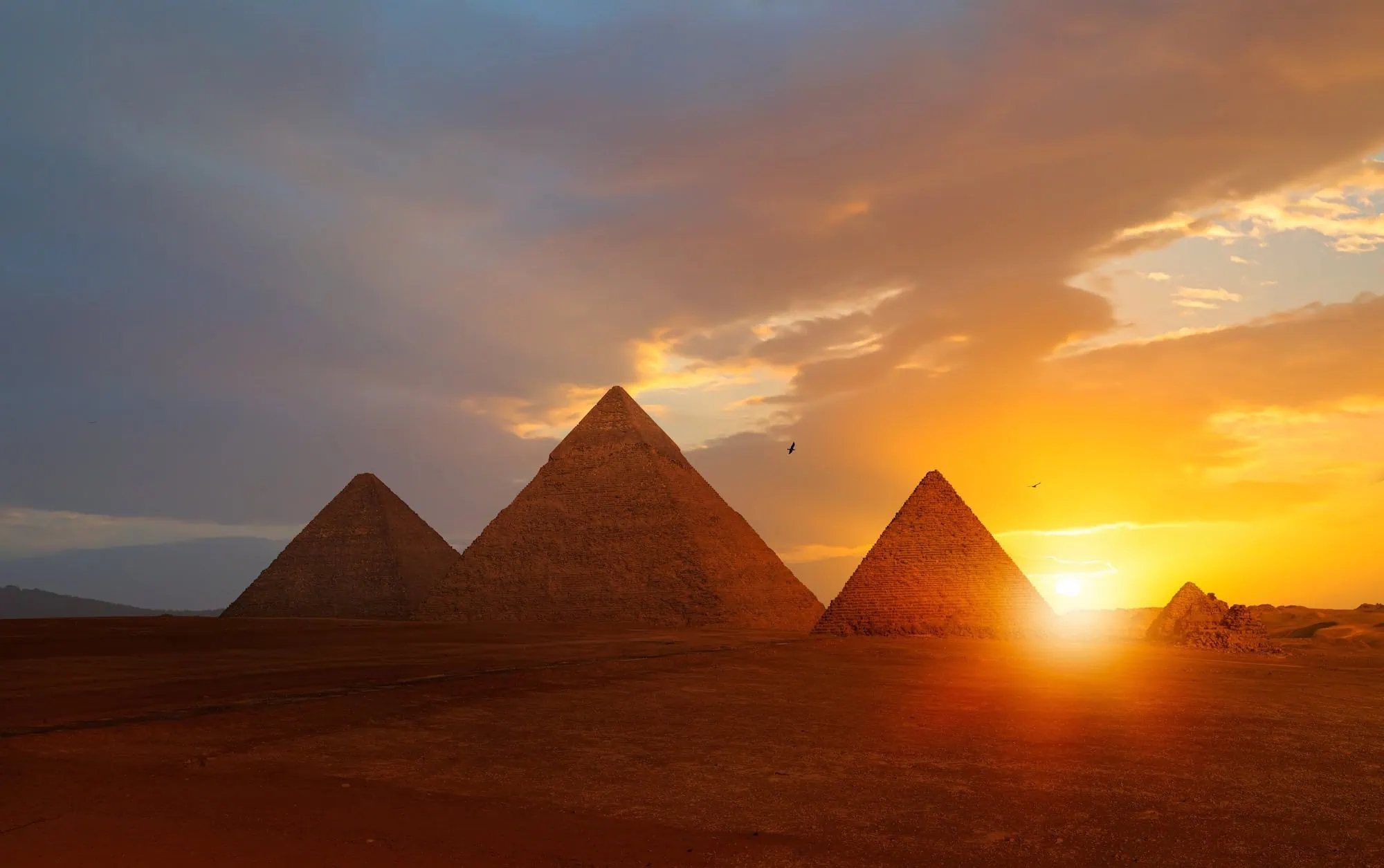
Consider splitting your itinerary between regions. Start in southern Egypt (Luxor/Aswan) early in your trip when tolerance for heat runs highest. Finish in Cairo or Alexandria where conditions remain more moderate throughout April.
Our local expertise becomes particularly valuable during April transitions. We monitor weather patterns daily and adjust touring schedules to optimize your experience. This flexibility proves crucial when khamsin winds or unexpected temperature spikes affect original plans.
Frequently Asked Questions
Egypt enjoys warm spring weather in April, with Cairo typically reaching 26-30°C (79-86°F) during the day, while Luxor and Aswan often see highs between 33-40°C (91-104°F). Alexandria and other Mediterranean coastal cities are usually 3-5°C cooler thanks to sea breezes. This temperature range makes April one of the last months before summer heat intensifies across the country. Travelers visiting Upper Egypt should plan outdoor sightseeing early in the day.
No, khamsin winds do not affect every April visit to Egypt, although they remain a possibility throughout the spring season. These hot, dry desert winds can occasionally bring dust and reduced visibility for 24-48 hours, particularly between March and May. Most travelers experience little or no disruption, and hotels, museums, and indoor attractions continue operating normally. Flexible scheduling helps minimize inconvenience if a weather event occurs during your trip.
No, April is generally considered a shoulder-season month in Egypt rather than peak season. Visitor numbers are often lower than during the busiest winter months of December through February, especially after Easter travel concludes. Travelers benefit from a combination of favorable weather, shorter queues at major attractions, and more competitive hotel rates. April is frequently regarded as one of the best-value months for balancing comfort, crowd levels, and pricing.
Yes, April is an excellent month for swimming in the Red Sea, with water temperatures averaging around 22°C (72°F). Resorts in Hurghada, Marsa Alam, and Sharm El Sheikh enjoy warm sunshine and generally calm sea conditions. Most visitors find the water comfortable for swimming, snorkeling, and diving without requiring a wetsuit. The combination of pleasant air temperatures and clear visibility makes April one of the strongest months for Red Sea activities.
Lightweight, breathable clothing with flexible layering is ideal for Egypt in April. Daytime temperatures can exceed 30°C (86°F) in many areas, while evenings may feel noticeably cooler, particularly in desert regions and along the Nile. Long pants, cotton or linen shirts, comfortable walking shoes, and a light sweater or jacket for evenings work well. A hat, sunglasses, and high-SPF sunscreen are essential because the spring sun can still be intense.
Ramadan can affect April travel if the Islamic holy month falls during that year, as its dates shift annually according to the lunar calendar. During Ramadan, some local restaurants and cafes reduce daytime operations, while evening activity increases significantly after sunset. Tourist hotels, major attractions, and most tourism services continue functioning normally. Visitors often gain a unique cultural experience through Ramadan celebrations, special meals, and lively evening atmospheres.
Yes, desert excursions are possible in April, particularly during the first half of the month when temperatures remain more manageable. Destinations such as the White Desert, Bahariya Oasis, and Siwa Oasis are still popular for camping and outdoor exploration. However, temperatures rise steadily as April progresses, making late-month daytime activities more challenging. Early departures and overnight experiences are generally more comfortable than midday excursions.
The best time to begin sightseeing in April is between 6:00 am and 8:00 am, especially in southern destinations such as Luxor and Aswan. Starting early allows visitors to explore major sites like Karnak Temple and the Valley of the Kings before temperatures reach their daily peak. Afternoon heat can become significant, particularly in Upper Egypt. Schedule museums, lunch breaks, or hotel relaxation during the hottest part of the day.
April prices are often 20-30% lower than peak winter rates while still offering favorable weather conditions. Many hotels, Nile cruises, and tour providers reduce pricing after the busiest winter travel period ends. Travelers frequently enjoy better room availability and more flexible booking options compared to December and January. April is often viewed as a strong value month because visitors receive near-peak weather without peak-season costs.
Cairo and Alexandria typically offer the most comfortable weather in April, combining warm temperatures with relatively pleasant conditions for walking and sightseeing. Red Sea destinations such as Hurghada and Sharm El Sheikh are excellent for beach vacations, diving, and snorkeling. Luxor and Aswan remain rewarding but require earlier sightseeing schedules because temperatures rise more quickly. A multi-destination itinerary works particularly well during this transitional spring month.
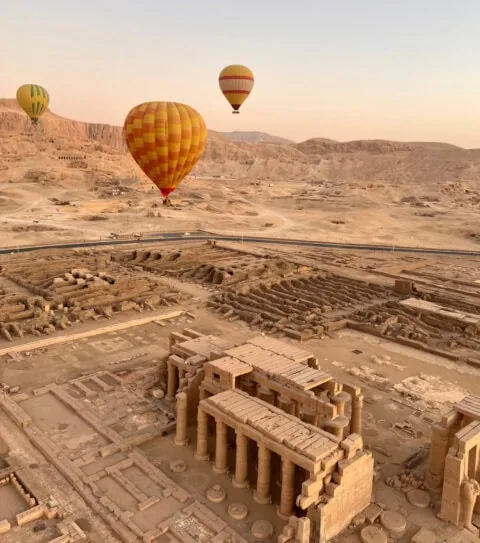
Yes, booking tours in advance is recommended for April, especially for popular experiences such as Luxor hot air balloon flights, premium Nile cruises, and exclusive tomb visits. While availability is generally better than during peak winter months, sought-after excursions can still sell out. Advance reservations also provide greater flexibility when choosing preferred departure times. Booking several weeks ahead helps secure the best combination of pricing and availability.
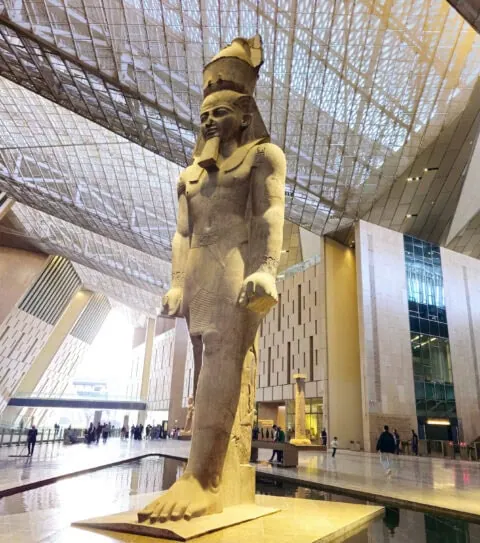
Egypt offers several excellent indoor options for hot April afternoons, including the Egyptian Museum in Cairo, the Grand Egyptian Museum, Khan el-Khalili’s covered market areas, shopping centers, and air-conditioned restaurants. Many travelers use midday hours to visit museums and return outdoors later when temperatures begin to drop. Hotel pools and spa facilities are also popular choices. This approach helps maximize comfort while maintaining a full sightseeing schedule.
Explore our most popular guides and expert tips to make your trip safe, smooth, and unforgettable.
Plan Your Egypt Adventure with Confidence
How to Plan a Trip Egypt
Step-by-step guide to help you plan the perfect Egypt trip — from routes and budget to booking.
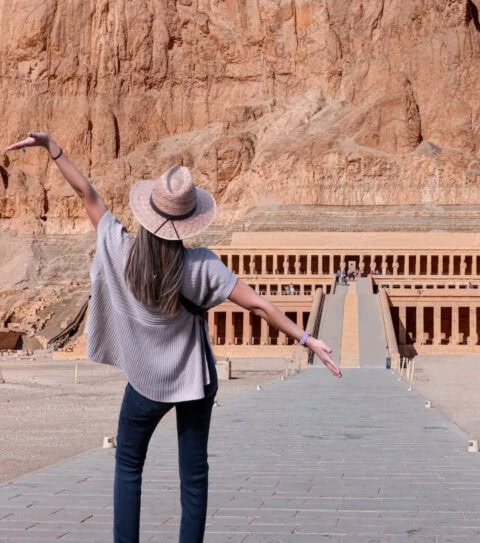
Best Time to Visit Egypt
Learn the best months to visit Egypt based on weather, crowds, and local travel experiences.
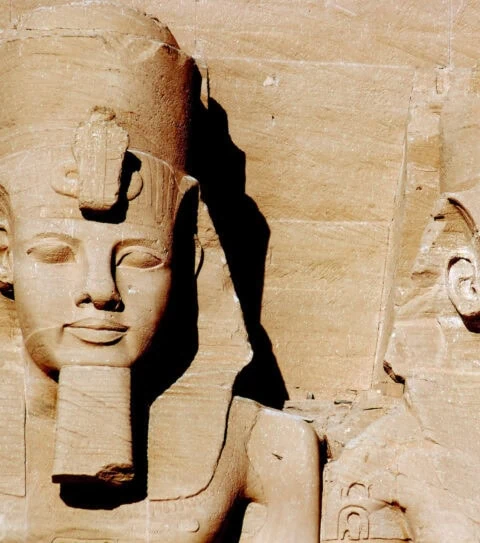
Must Visit Places in Egypt
Explore Egypt’s top sights — from pyramids to temples — and hidden gems worth seeing.
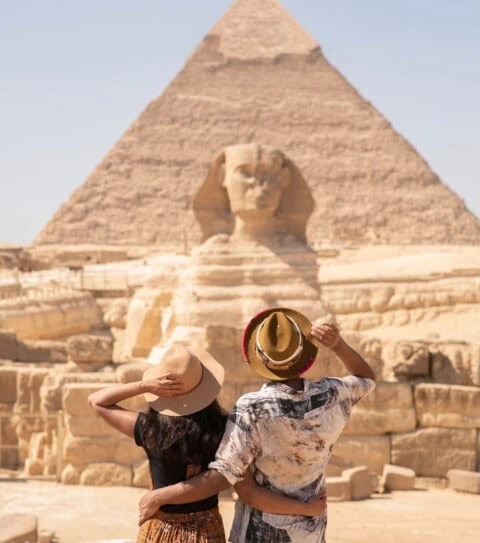
Top-Rated Egypt Tours
Handpicked private tours with local guides — our most loved and best-reviewed experiences.
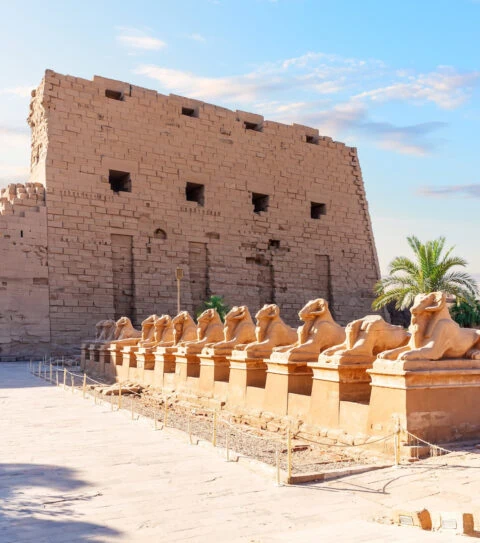
How Many Days to Visit Egypt?
Find out how many days you need in Egypt — from quick trips to full itineraries.
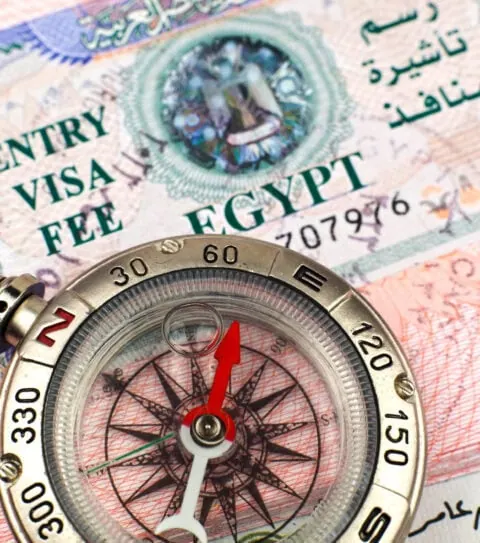
Egypt Visa Requirements
Check if you need a visa and get simple, up-to-date entry info based on your nationality.

Is it Safe to Travel to Egypt?
Is Egypt safe? Get honest safety tips, area advice, and what to know before you travel.
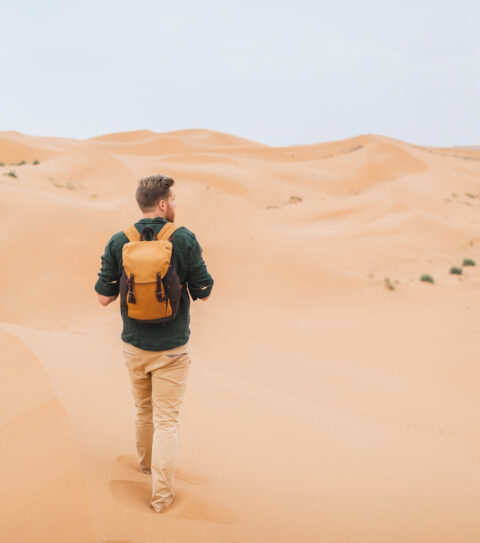
What to Pack for Egypt
A quick packing guide with essentials, cultural tips, and clothing advice for your Egypt trip.
Design Your Custom Tour
Explore Egypt your way by selecting only the attractions you want to visit