

How Much to Tip on a Nile Cruise?
Tipping on a Nile cruise isn’t optional—it’s an essential part of Egyptian culture and your crew’s livelihood.
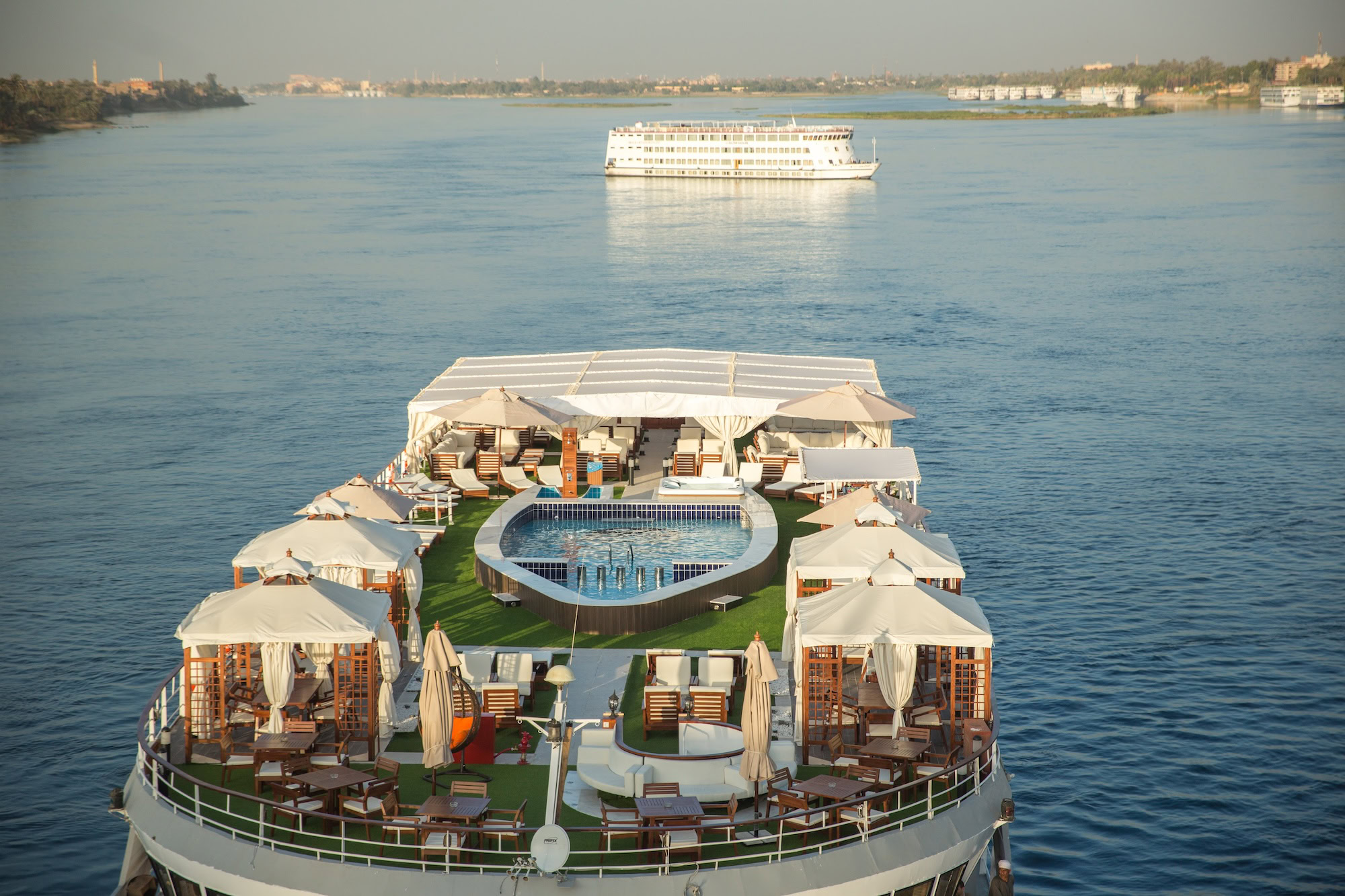
Understanding proper gratuity etiquette transforms your Nile river experience from good to exceptional. Egyptian hospitality depends on tipping traditions that have existed for centuries, creating a system where excellent service meets fair compensation. Your cruise staff, from cabin attendants to restaurant servers, rely heavily on tips to supplement modest base wages. We’ve guided thousands of travelers through Egypt’s tipping customs, ensuring both guests and staff feel respected throughout the journey.
Most first-time visitors underestimate how significantly proper tipping affects service quality, crew morale, and overall cruise satisfaction during their Egyptian adventure.
Table of Contents
Essential Tipping Amounts for Nile Cruise Staff
Plan $10-15 USD per person per day for total cruise gratuities.
Cabin Steward Tips
Your cabin steward deserves $3-4 USD daily for maintaining your accommodation. These dedicated professionals clean rooms twice daily, arrange towel art, restock amenities, and handle special requests with genuine care. Many stewards work 12-hour shifts, seven days a week during cruise season to ensure guest comfort.
Present cabin steward tips directly each morning or collect the full amount for the final day. Personal handover creates meaningful connections and shows appreciation for their hard work.
Restaurant and Bar Staff
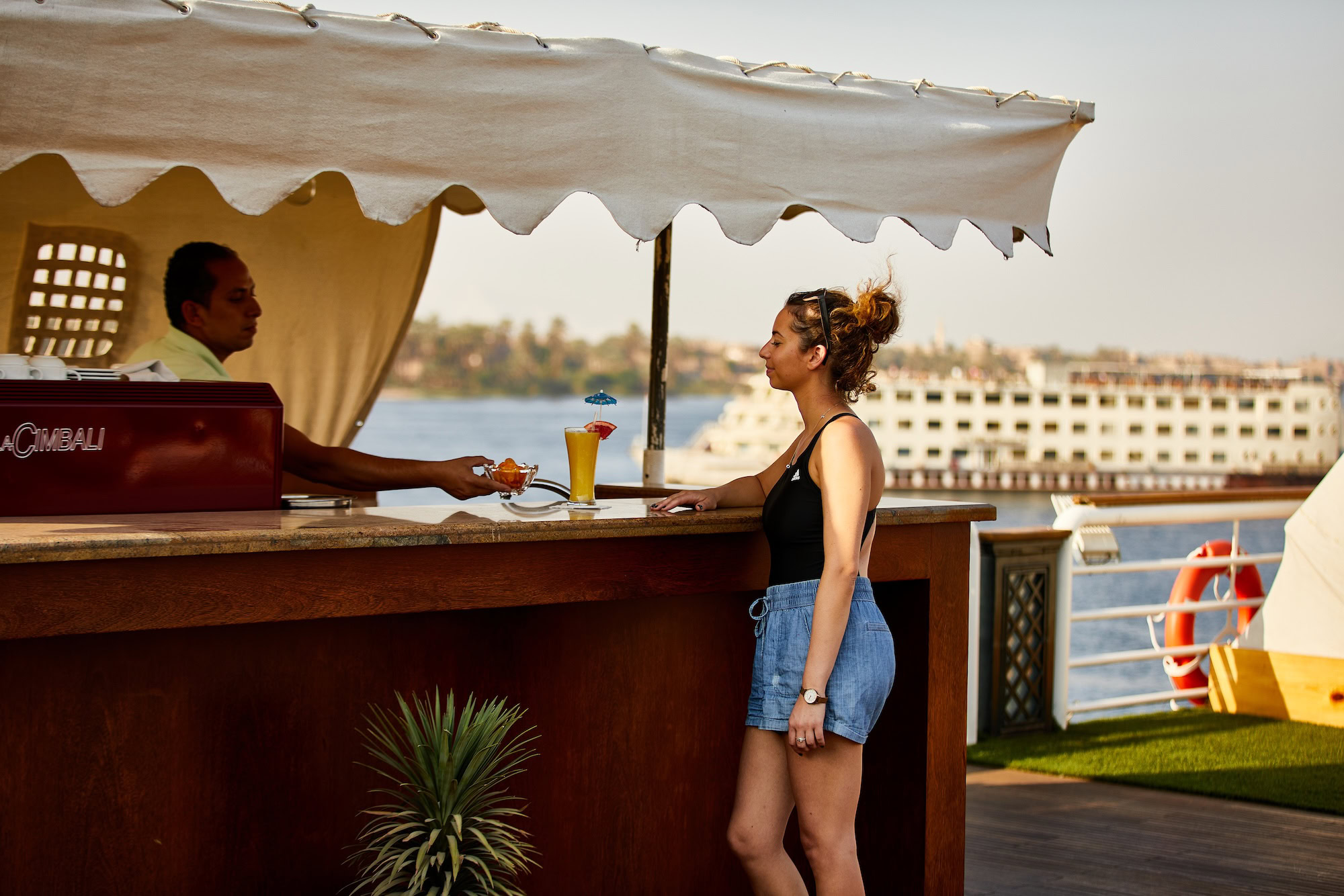
Dining room servers earn $2-3 USD per day, while bartenders receive $1-2 USD daily based on service frequency. Egyptian cruise dining involves multiple courses, special dietary accommodations, and attentive beverage service throughout each meal. Restaurant staff often remember guest preferences, creating personalized dining experiences that enhance your Nile journey.
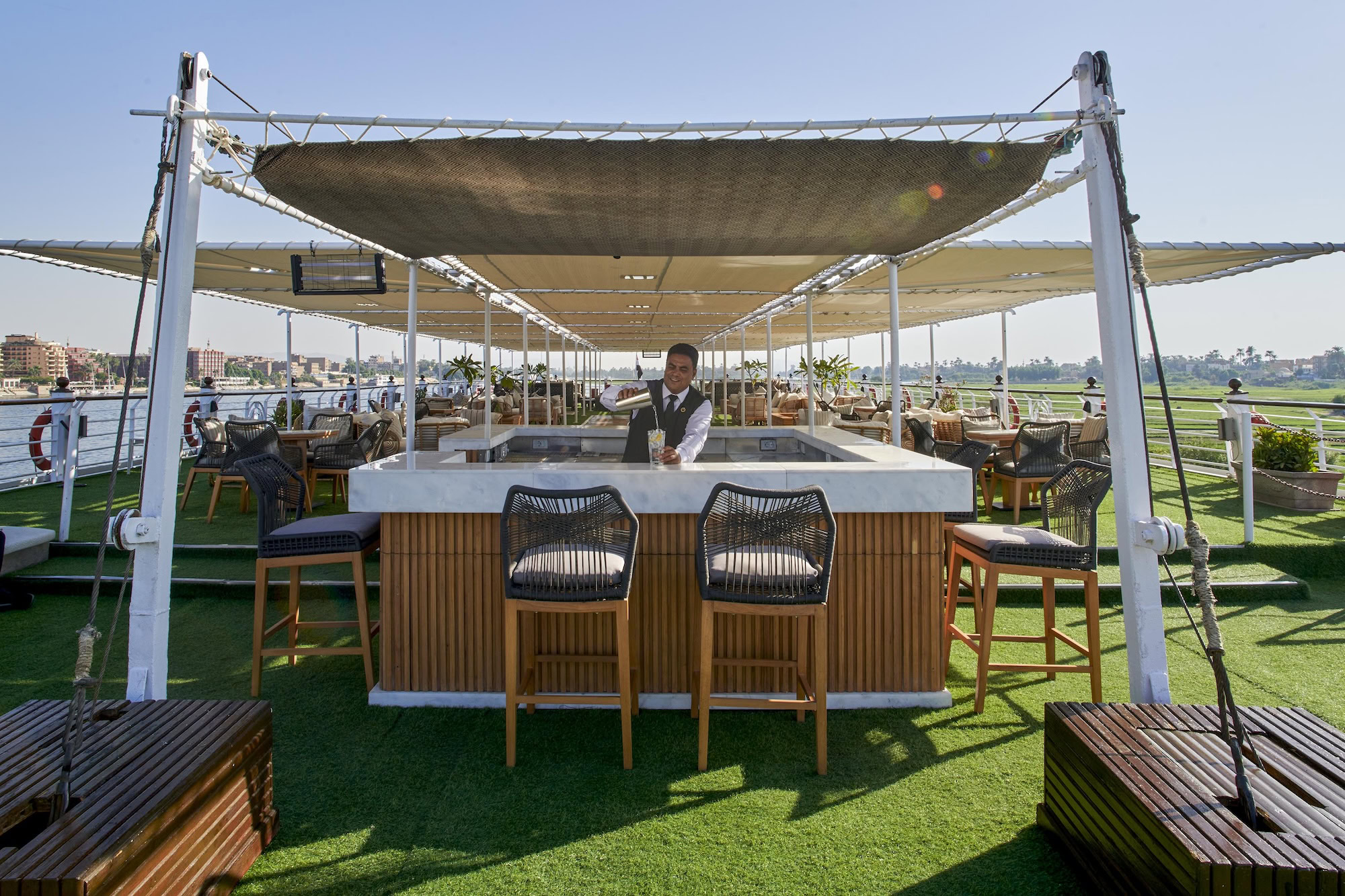
Bar staff deserve additional consideration if you frequent deck lounges or enjoy sunset cocktails while sailing past ancient temples.
Tour Guide Gratuities
Licensed Egyptologists guiding shore excursions typically receive $5-7 USD per person per day. These qualified experts transform temple visits into educational adventures, sharing decades of archaeological knowledge and historical insights. Our guides hold university degrees in Egyptology, speak multiple languages fluently, and possess intimate knowledge of sites like Karnak Temple, Valley of the Kings, and Philae Temple.
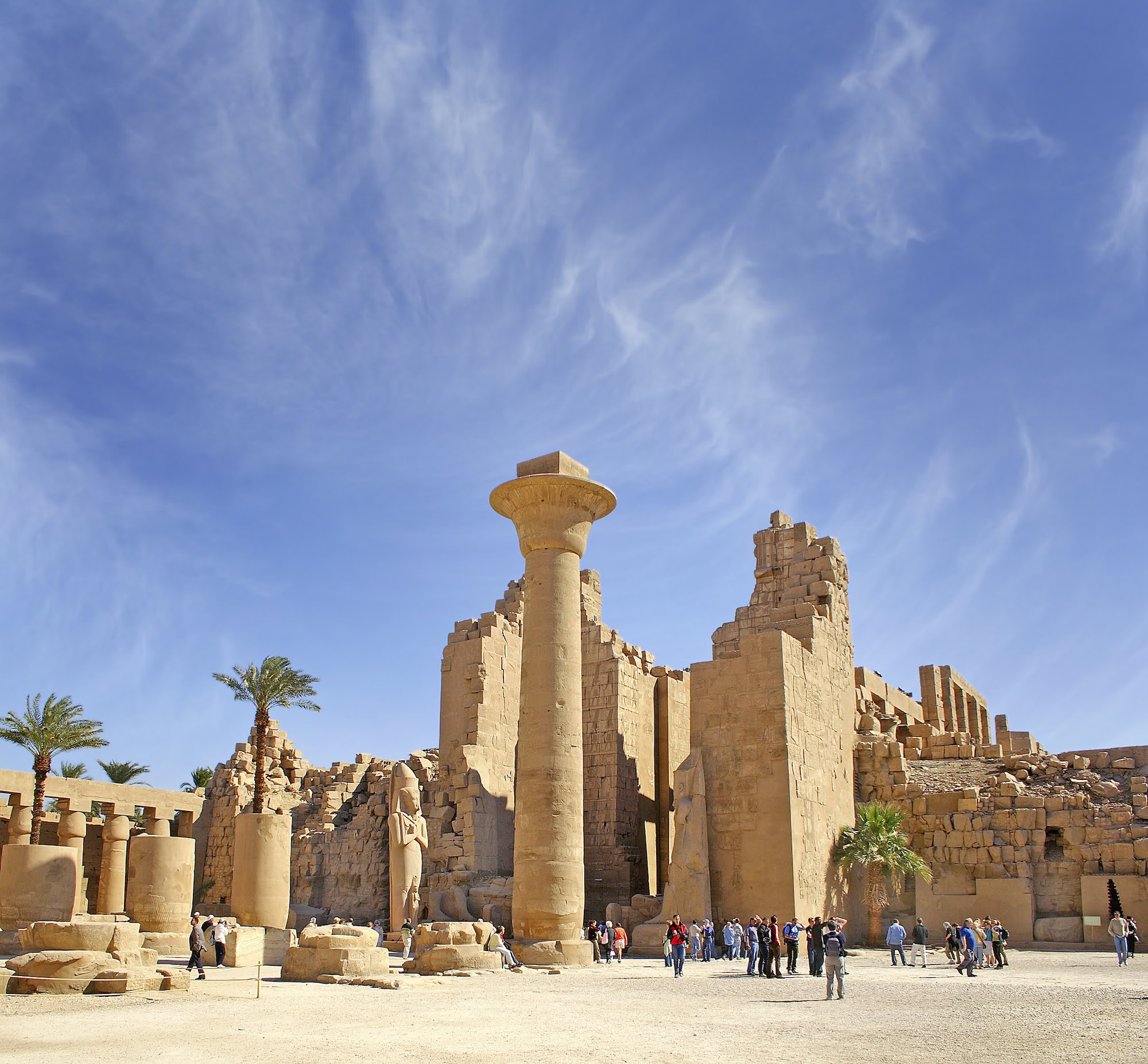
Small group excursions on multi-day cruises include up to 12 participants, creating intimate learning environments where guides can address individual questions and interests.
When and How to Distribute Cruise Tips
Timing your gratuities correctly ensures maximum appreciation and service quality throughout your Egyptian vacation.
Most experienced travelers divide tips into daily distributions and end-of-cruise lump sums. Daily tipping for cabin stewards and frequent-contact staff maintains consistent service levels, while final-day gratuities for shore excursion guides and occasional-contact crew members work perfectly well. This approach balances convenience with relationship building during your Nile river cruise.
Currency considerations matter significantly in Egypt. US dollars remain preferred for tips, though Egyptian pounds are acceptable. Avoid giving worn or damaged bills, as local businesses may refuse them. Bring small denominations specifically for tipping purposes—$1, $5, and $10 bills prove most useful during your cruise vacation.
Create individual envelopes for different staff members to avoid confusion during distribution. Include brief thank-you notes when possible, as personal touches are deeply appreciated in Egyptian culture. Many crew members keep these notes as mementos from grateful guests.
Present tips privately when possible, respecting both staff dignity and other passengers’ comfort levels regarding gratuity amounts.
Understanding Egyptian Service Culture and Expectations
Egyptian hospitality culture views excellent service as a point of personal and national pride.
Cruise staff often work extended contracts away from families, sending earnings home to support loved ones throughout Egypt. Tourism provides crucial income for millions of Egyptians, making respectful tipping practices essential for sustainable travel. Many crew members speak multiple languages, hold specialized certifications, and dedicate careers to ensuring visitor satisfaction during Nile cruises.
Service standards on Egyptian cruises typically exceed expectations when staff feel appreciated through fair compensation. This cultural dynamic creates positive cycles where generous guests receive exceptional attention, memorable experiences, and genuine friendships with Egyptian professionals.
Regional Tipping Customs
Upper Egypt regions around Luxor and Aswan maintain stronger tipping traditions than northern areas. Local wages remain significantly lower than Western standards, making gratuities essential rather than optional. Understanding this economic reality helps visitors appreciate why proper tipping creates such meaningful impacts on service quality and staff morale.

Tourist areas throughout Egypt operate on established tipping systems that support entire communities. Your cruise gratuities contribute to families, local businesses, and regional economic stability in ways that extend far beyond individual transactions.
Special Circumstances and Additional Gratuities
Exceptional service situations require adjusted tipping approaches during your Egyptian cruise experience.
Anniversary celebrations, birthday parties, or special dietary accommodations often warrant additional gratuities. Staff members who arrange surprise decorations, locate specific kosher or vegetarian options, or accommodate mobility needs deserve recognition beyond standard tipping amounts. These extra efforts typically merit $5-10 USD bonuses distributed directly to involved staff members.
Medical assistance situations create unique tipping scenarios. Crew members who help with seasickness, minor injuries, or medication needs should receive additional appreciation. Egyptian cruise staff often go beyond job requirements during guest emergencies, showing genuine concern for passenger welfare.
Shore excursion modifications also generate special tipping considerations. Guides who adjust itineraries for mobility issues, provide extra historical detail for education enthusiasts, or accommodate photography requests deserve bonus gratuities reflecting their flexibility and expertise.
Photography and Special Services
Professional photographers on Nile cruises typically work for tips plus minimal base wages. Traditional costume photography sessions, sunset portraits, or temple documentation services warrant $10-20 USD depending on time invested and image quality. Many photographers provide immediate digital copies or printed memories as cruise souvenirs.
Entertainment staff including musicians, dancers, and cultural performers usually receive collective tips through designated boxes or direct distribution after shows. Traditional Egyptian music and dance performances enhance cruise atmospheres significantly, making modest gratuities appropriate for cultural enrichment.
Budgeting and Planning Your Cruise Gratuities
Smart tipping preparation prevents awkward situations and ensures fair staff compensation throughout your Nile vacation.
Calculate $70-105 USD per person for week-long cruises covering all essential gratuities. This budget includes cabin stewards, dining staff, bar personnel, and shore excursion guides based on standard service levels. Couples should plan $140-210 USD total, while families need proportionally higher amounts depending on group size and service usage patterns.
Pre-cruise cash planning proves crucial since Egyptian ATMs may have daily withdrawal limits or technical issues. Exchange money before departure or during initial Cairo days to ensure adequate small bills for tipping purposes. Many cruise lines provide tipping guidelines during orientation sessions, though amounts often represent minimum suggestions rather than optimal gratuity levels.
Create daily tipping schedules to spread costs evenly throughout your cruise rather than facing large final-day expenses. This approach also maintains consistent service quality and builds positive relationships with crew members who appreciate regular recognition for their efforts.
Currency Exchange Considerations
Egyptian pounds fluctuate against major currencies, affecting tipping value calculations. Check current exchange rates before your cruise to understand local purchasing power of your gratuities. While US dollars remain preferred, understanding pound equivalents helps when interacting with local vendors during shore excursions or market visits.
Bank branches in Luxor and Aswan offer currency exchange services, though hotel concierges often provide better rates with less paperwork. Avoid exchanging money at tourist sites where rates typically favor merchants over visitors.
Credit card usage for tips remains uncommon on Egyptian cruises, making cash planning essential for proper gratuity distribution.
Frequently Asked Questions
Tipping your Nile cruise cabin steward around $3-4 USD per day is considered appropriate and aligns with common expectations on Egyptian river cruises. Cabin stewards clean rooms, replenish supplies, refresh towels, and often assist with special requests throughout a 3- to 7-night voyage. Consistent service has a direct impact on onboard comfort, which is why gratuities are culturally important. Many guests provide the full amount at the end of the cruise as a single payment.
The most practical approach is to tip cabin staff at the end of the cruise and provide gratuities to local guides and drivers as services are completed. Many Nile cruise itineraries include multiple shore excursions between Luxor and Aswan, making end-of-excursion tipping convenient for guides. Some travelers prefer small daily tips for housekeeping staff, but a final gratuity is equally acceptable. Keeping small bills readily available simplifies the process throughout the journey.
Yes, tipping is a well-established part of Egyptian tourism culture and is generally expected on Nile cruises. Cruise staff, guides, drivers, and service personnel often rely on gratuities to supplement their income, particularly in the hospitality sector. While tipping is technically voluntary, most travelers budget for it as part of their overall trip cost. Understanding local customs helps create smoother interactions and acknowledges good service throughout your cruise experience.
Both US dollars and Egyptian pounds are acceptable for tipping on Nile cruises, although many staff members prefer clean, newer US dollar bills. Egyptian pounds are especially practical for smaller gratuities, local purchases, and short shore excursions. Avoid torn, heavily worn, or marked foreign currency because some businesses and banks may refuse damaged notes. Carrying a mix of small denominations in both currencies provides the greatest flexibility throughout your trip.
An additional $5-10 USD is a thoughtful way to recognize exceptional service that goes beyond normal expectations. Examples include staff who organize special celebrations, assist with unexpected travel issues, or consistently provide personalized attention throughout the voyage. Exceptional service is highly valued in Egypt’s hospitality industry, and modest bonus gratuities are always appreciated. The amount should reflect your satisfaction rather than follow a strict formula.
Yes, many travelers choose to tip the cruise director separately, typically around $2-3 USD per day of the cruise. The cruise director coordinates schedules, manages guest concerns, oversees excursions, and serves as the primary point of contact throughout the journey. On longer itineraries lasting 4 to 7 nights, their role becomes particularly important in ensuring smooth logistics. A separate gratuity acknowledges their organizational responsibilities and guest support.
Shore excursion drivers are typically tipped $1-2 USD per day per guest for safe transportation and assistance during sightseeing tours. Drivers often manage long routes between temples such as Karnak, Edfu, Kom Ombo, and Philae while helping passengers board and disembark comfortably. Although the amount is modest, it reflects appreciation for reliable service and local driving expertise. Small-denomination bills make these gratuities easy to provide.
If kitchen staff consistently accommodate dietary restrictions, an additional gratuity of $5-10 USD is a considerate gesture. Preparing meals for guests with allergies, vegetarian diets, vegan preferences, or religious dietary requirements often requires extra planning and coordination. Many Nile cruise kitchens work hard to provide customized meals despite limited supply options during multi-day sailings. A small bonus recognizes that additional effort and attention to detail.
Couples can tip together rather than separately, provided the staff understands the gratuity covers both travelers. Combining tips is common on Nile cruises and simplifies the process when sharing a cabin, guide, or transportation service. For example, a couple might provide a single gratuity that is roughly double the amount suggested for one guest. Clear communication helps avoid confusion and ensures staff understand the intended generosity.
If you’re uncertain about tipping amounts, ask the cruise director or guest relations staff for current guidance. Tipping customs can vary slightly depending on cruise category, itinerary length, and the services provided. Staff who work regularly with international visitors understand current expectations and can provide practical recommendations. Seeking advice helps travelers avoid both under-tipping and unnecessarily excessive gratuities while following local customs appropriately.
Entertainment staff can be tipped through designated tip boxes or by handing them a small gratuity directly after performances. Contributions of approximately $2-5 USD are common for musicians, dancers, and performers who provide cultural entertainment during evening programs. Traditional shows such as Nubian performances or folkloric dance presentations are often highlights of the cruise experience. Direct tips are generally welcomed when offered respectfully after the performance concludes.
There is no formal maximum tipping amount on a Nile cruise, and travelers are free to reward outstanding service according to their budget and satisfaction. However, extremely large gratuities can sometimes create unrealistic expectations or awkward situations among staff and fellow guests. Most visitors follow customary ranges while adding modest bonuses for exceptional service. The most appreciated tips are those that feel fair, thoughtful, and proportionate to the service received.


Design Your Custom Tour
Explore Egypt your way by selecting only the attractions you want to visit