

Karnak Temple: One of the World’s Largest Religious Sites
The world’s most magnificent religious site sits just 3 kilometres (1.9 miles) from Luxor’s center.
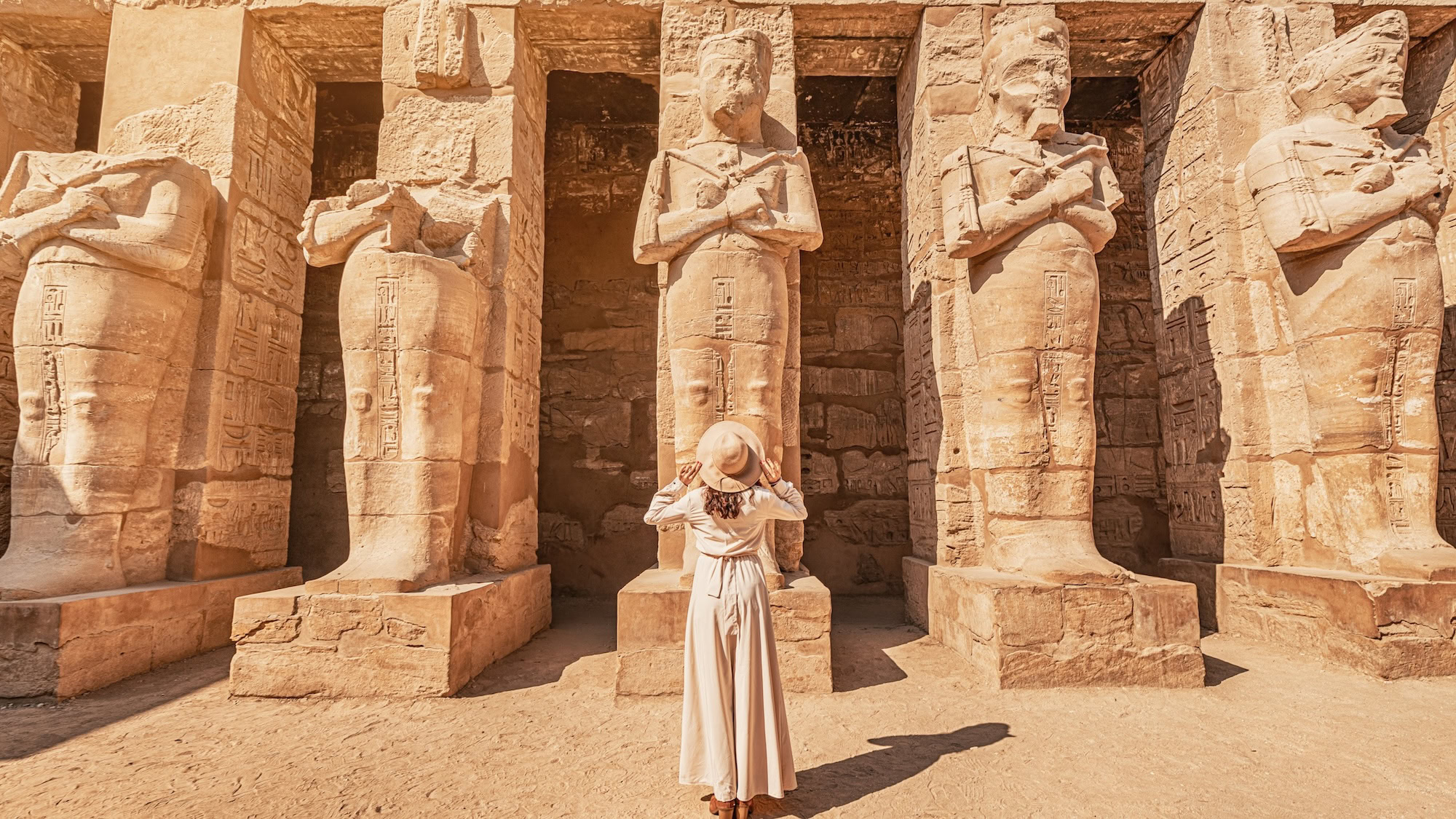
Built across twenty centuries by pharaohs seeking to outshine their predecessors, Karnak Temple Complex represents humanity’s longest continuous construction project. We’ve guided thousands of visitors through these sacred halls over our decades of expertise in Egyptian travel. Each column, each hieroglyph, each weathered stone tells stories of divine worship, political power, and architectural genius that continue captivating modern explorers.
The sheer scale overwhelms first-time visitors – covering 2 square kilometres (0.77 square miles), this ancient city housed temples, chapels, and sacred lakes where priests once performed daily rituals for Egypt’s most powerful gods.
Table of Contents
Sacred Architecture That Defies Imagination
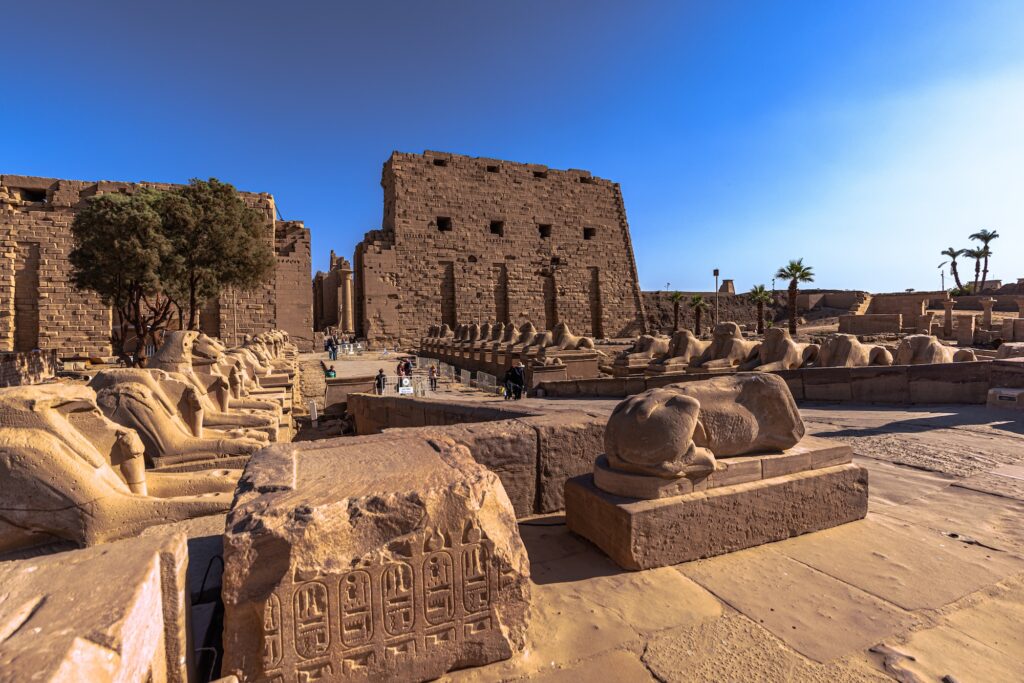
Walking through Karnak’s entrance feels like stepping into another world. The Avenue of Sphinxes stretches ahead, originally connecting this site to Luxor Temple through a ceremonial pathway lined with over 1,000 ram-headed guardians.
The Great Hypostyle Hall: Forest of Stone Giants
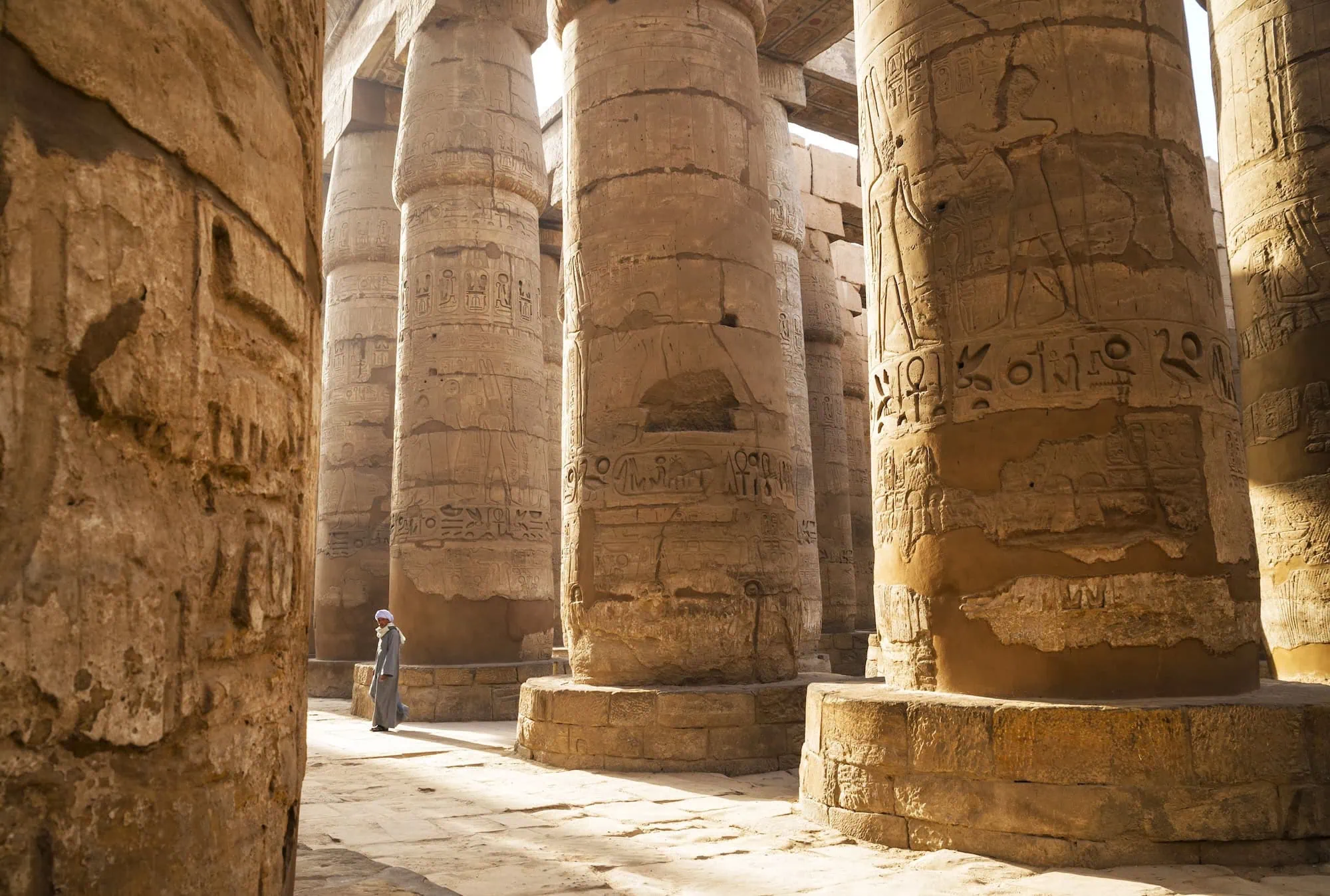
Nothing prepares you for entering the Great Hypostyle Hall. One hundred thirty-four massive columns rise like a stone forest, each carved to represent papyrus plants reaching toward heaven. The central columns tower 23 meters (75 feet) high, their capitals wide enough to hold 100 standing people.
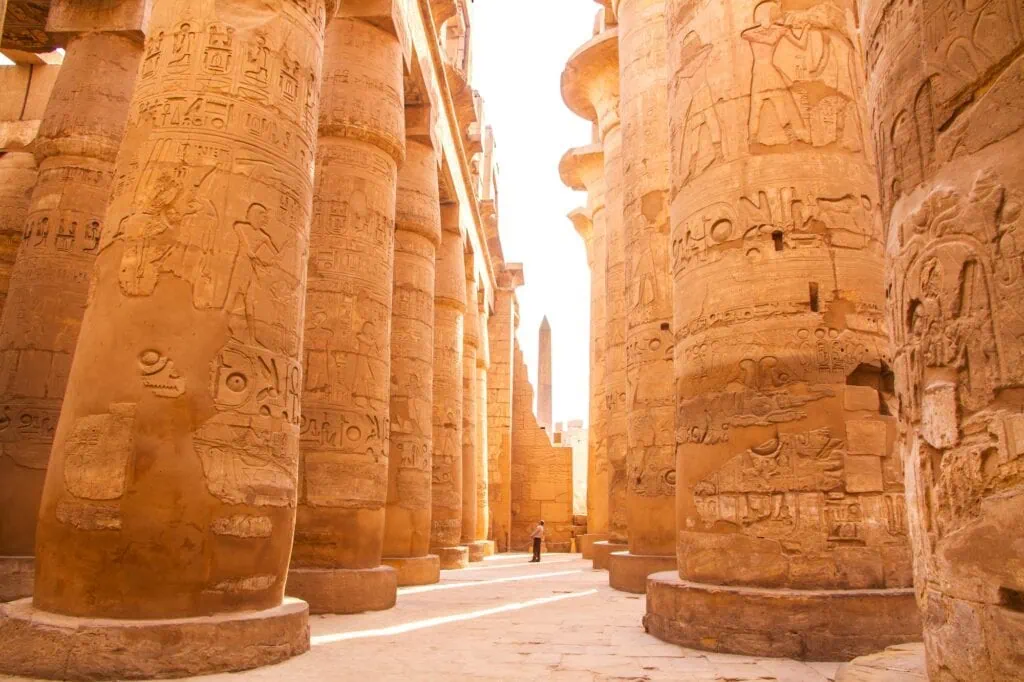
Ancient architects achieved something extraordinary here – creating the world’s largest room supported entirely by columns. We often watch visitors crane their necks in amazement, trying to comprehend how builders 3,400 years ago moved stones weighing hundreds of tons into perfect position.
Sacred Lake and Ritual Spaces
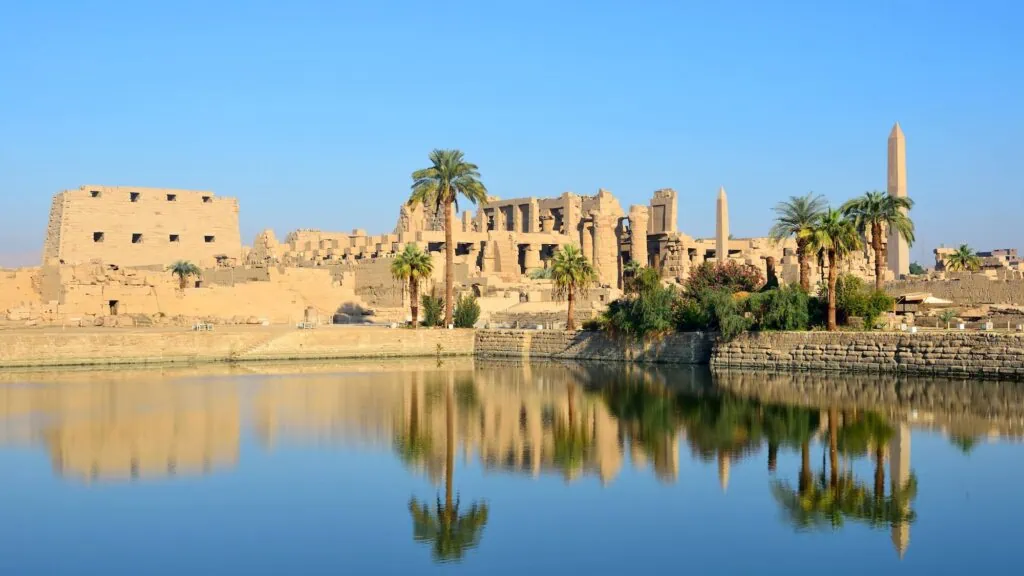
The sacred lake provided purification waters for priests serving the Theban Triad. Measuring 120 by 77 meters (394 by 253 feet), this artificial lake connected to the Nile through underground channels. Priests bathed here each dawn before entering the temple’s most sacred chambers.
Temple Pylons: Gateways to Divinity
Ten massive pylons mark different construction phases across centuries. Each represents a pharaoh’s attempt to expand and beautify this sacred space. The First Pylon, standing 43 meters (141 feet) tall, remained unfinished – evidence of Egypt’s changing fortunes during Ptolemaic times.
Modern visitors often marvel at reliefs carved into these stone gateways, depicting pharaohs presenting offerings to gods or celebrating military victories over foreign enemies.
Divine Residents: The Theban Triad
Amun-Ra reigned supreme as king of Egyptian gods, his presence transforming Karnak into ancient Egypt’s religious capital. As god of air and hidden power, Amun represented the invisible force behind creation itself.
Mut, divine consort and mother goddess, commanded her own temple complex within Karnak’s boundaries. Hundreds of black granite statues depicting her as both woman and lioness once filled her sacred precinct. Archaeological teams continue uncovering these remarkable sculptures, each revealing new details about her worship.
Khonsu completed the divine family as god of the moon and time’s passage. His temple, among Karnak’s best-preserved structures, features perfectly aligned astronomical calculations that guided ancient Egyptian calendar systems. The walls contain some of Egypt’s most detailed religious texts, explaining complex rituals performed during major festivals.
Centuries of Construction and Royal Ambition
Middle Kingdom Foundations
Senusret I initiated Karnak’s construction around 2000 BCE, establishing the original Amun temple on what locals called “Ipet-isut” – the most selected of places. His modest limestone structure would eventually disappear beneath grander additions built by subsequent pharaohs.
Archaeological evidence suggests continuous religious activity at this site even before Senusret’s temple. We often explain to our guests how each pharaoh felt compelled to expand Karnak, believing such construction work pleased the gods and legitimized their divine authority.
New Kingdom Golden Age
Egypt’s most powerful pharaohs transformed Karnak during the New Kingdom period. Thutmose I erected the first pylons. Hatshepsut contributed elegant obelisks, one still standing at 30 meters (97 feet) tall. Her successor Thutmose III enclosed her monuments within his own construction – political rivalry expressed through architecture.
Amenhotep III built the Third Pylon using stones from earlier monuments, recycling royal history into new religious statements. His approach demonstrated how pharaohs balanced respect for predecessors with desires for personal glorification.
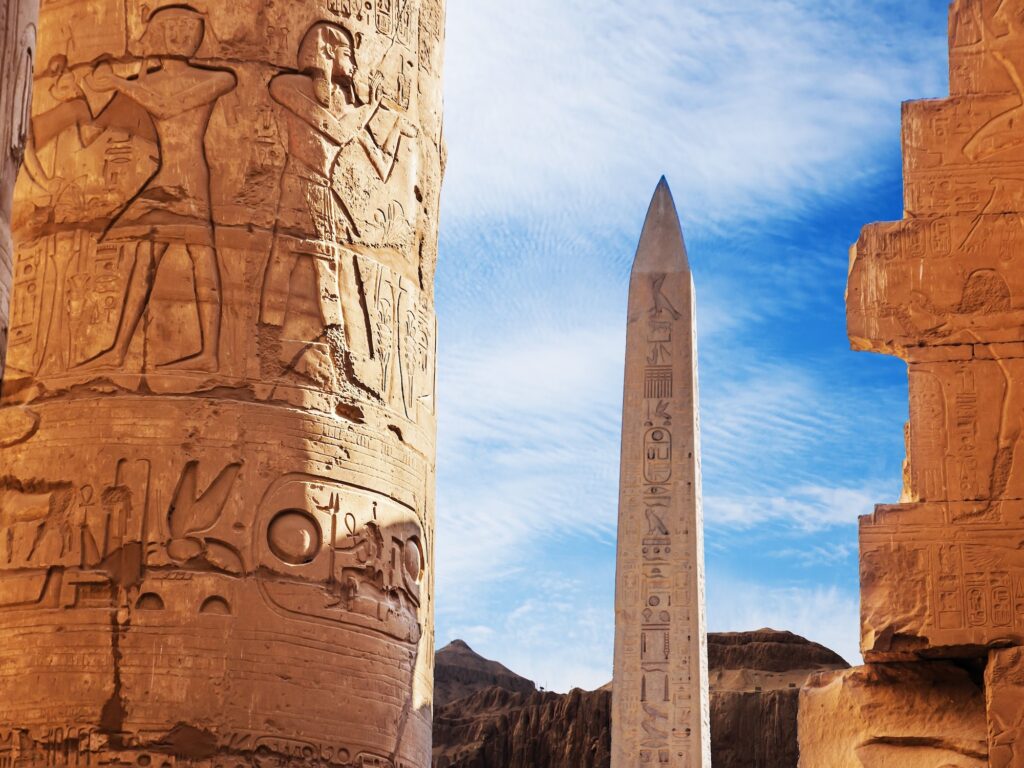
Ramesses II, never modest in his building projects, added his distinctive touch throughout Karnak. His cartouches appear carved over earlier pharaohs’ names, claiming credit for construction work spanning centuries.
Ptolemaic Completion
Greek rulers who inherited Egypt after Alexander’s conquest continued expanding Karnak through Ptolemaic times. They adapted Egyptian religious traditions while introducing Hellenistic architectural elements, creating unique fusion styles visible in later temple additions.
Festival Celebrations and Religious Life
The annual Opet Festival transformed Karnak into Egypt’s most spectacular religious celebration. For twenty-seven days, priests carried sacred statues of the Theban Triad from Karnak to Luxor Temple along the sphinx-lined processional route.
Thousands of Egyptians participated in festivities that included music, dancing, feasting, and religious ceremonies. The pharaoh played central roles, renewing his divine connection through ritual interactions with Amun-Ra’s statue. Hieroglyphic texts describe elaborate boat processions on the Nile, with golden barges carrying divine images between temple complexes.
Temple priests maintained daily worship routines throughout the year. Each morning brought awakening ceremonies where they “woke” the gods with incense, prayers, and food offerings. Only the highest-ranking priests could enter the Holy of Holies, where Amun-Ra’s golden statue resided in absolute darkness except during these sacred rituals.
Planning Your Karnak Temple Experience
Practical Visiting Information
Karnak Temple opens daily from 6:00 am to 5:30 pm (06:00 to 17:30), with ticket sales ending one hour before closing. We recommend arriving early morning to avoid crowds and harsh midday sun. Summer temperatures can exceed 40°C (104°F), making afternoon visits uncomfortable.
Standard admission costs vary for international visitors, with additional fees for photography tickets and access to special areas like the Open Air Museum. Student discounts require valid international student identification cards.
What to Expect During Your Visit
Self-guided exploration typically requires 2-3 hours to cover main highlights. However, we provide private Egyptologist guides who reveal hidden details and historical context that transforms your understanding of this magnificent site. Our guides explain hieroglyphic meanings, point out architectural innovations, and share stories that bring ancient Egypt to life.
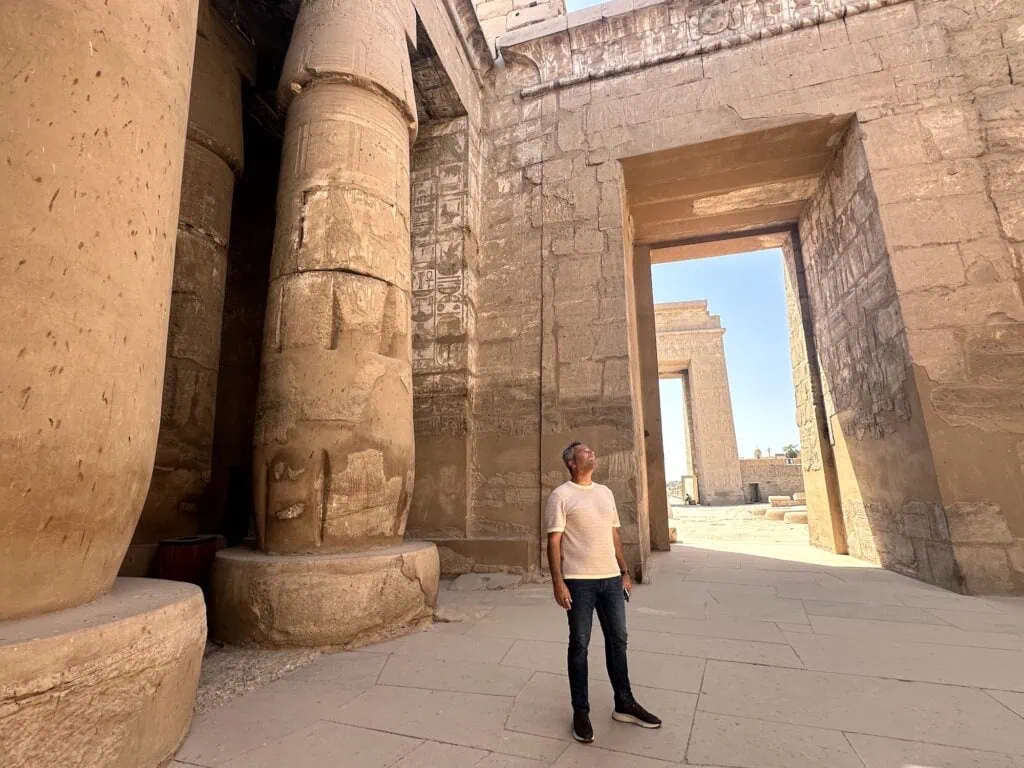
The site involves considerable walking on uneven stone surfaces. Comfortable shoes with good grip prevent slips on polished limestone floors. Bring sun protection, water, and cameras with extra batteries – you’ll capture hundreds of photos documenting this incredible experience.
Sound and Light Show
Evening Sound and Light Show presentations illuminate Karnak’s temples with dramatic lighting while narrating Egypt’s ancient history. Shows run in multiple languages throughout the week. We can arrange tickets and transportation for guests staying in Luxor hotels, creating magical nighttime memories of your Egyptian adventure.
Transportation and Location
Located in modern Luxor (ancient Thebes), Karnak sits on the Nile’s east bank in Upper Egypt. Most international visitors fly into Luxor International Airport, just 15 minutes from the temple complex. We provide private air-conditioned vehicles with professional drivers who navigate local traffic while sharing insights about contemporary Egyptian life.
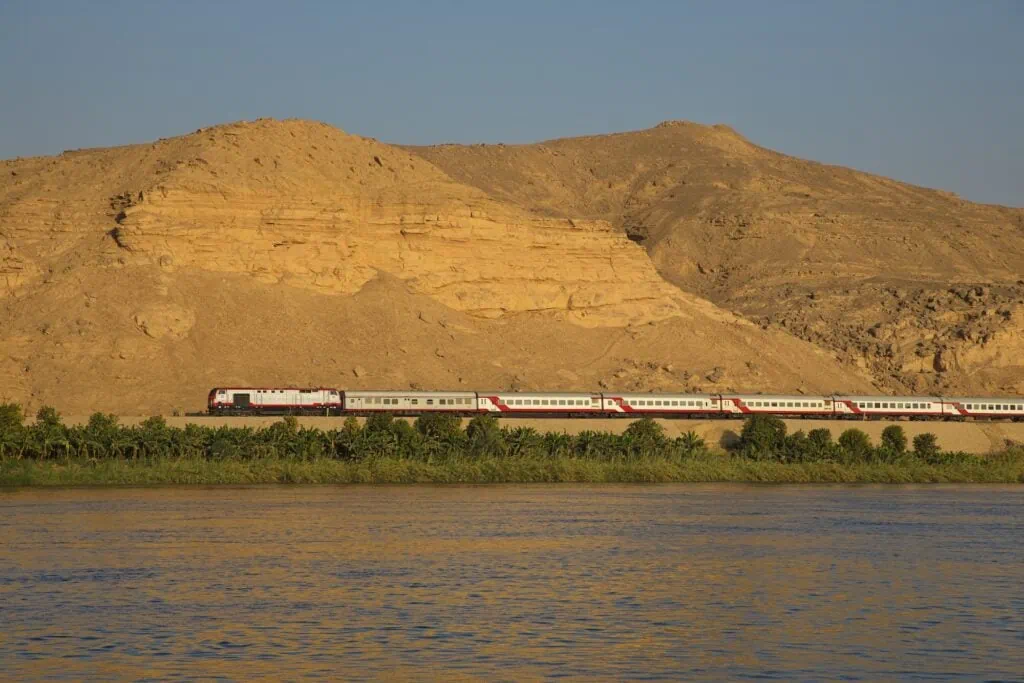
Train connections from Cairo take approximately 10-12 hours, offering scenic Nile Valley views during daylight journeys. First-class sleeper compartments provide comfortable overnight travel options for visitors combining Karnak with other Egyptian destinations.
Walk Through The Grandeur Of Karnak Temple
Karnak Temple is not just a site—it’s an entire world of towering columns, sacred lakes, and monumental history that unfolds with every step. With EgyptToursPlus, we transform this iconic experience into part of a private, expertly designed journey that connects Luxor’s greatest treasures with the very best of Egypt.
You choose your travel dates, your pace, and the experiences that shape your route. From in-depth temple exploration and Nile cruises to refined comfort throughout, we tailor every detail around your preferences—ensuring a seamless, immersive, and deeply personal journey from start to finish.
Frequently Asked Questions
Karnak Temple Complex began construction around 2000 BCE during Egypt’s Middle Kingdom and continued expanding for nearly 2,000 years through the Ptolemaic era. More than 30 pharaohs contributed temples, pylons, obelisks, and chapels, including Seti I, Ramesses II, Hatshepsut, and Thutmose III. The site therefore preserves architectural layers spanning almost every major phase of ancient Egyptian civilization. Visitors walking through Karnak effectively move across two millennia of religious and political history in a single archaeological complex.
Karnak differs from other Egyptian temples because it functions as a vast religious city rather than a single temple structure, covering more than 100 hectares on Luxor’s East Bank. The complex contains multiple sanctuaries, sacred lakes, obelisks, pylons, and processional avenues built over roughly 2,000 years by successive dynasties. Its famous Great Hypostyle Hall alone contains 134 giant sandstone columns, some reaching 21 meters high. No other Egyptian temple combines comparable scale, chronological depth, and architectural diversity in one site.
No, climbing on Karnak’s walls, columns, statues, or temple structures is strictly prohibited to protect fragile carvings and prevent irreversible damage to ancient sandstone surfaces. Many reliefs and inscriptions at Karnak are more than 3,000 years old, and even minor pressure from shoes or hands accelerates erosion. Egyptian antiquities authorities actively monitor visitor movement throughout the complex, particularly around the Great Hypostyle Hall and sacred lake areas. Visitors seeking elevated views should use designated pathways and approved viewing points only.
Most travelers need at least 2-3 hours to explore Karnak Temple’s main highlights, although history-focused visitors and photographers often spend a full day examining the complex in detail. The site includes the Great Hypostyle Hall, Sacred Lake, multiple pylons, obelisks, and the Temple of Amun-Ra spread across a massive archaeological zone. Guided visits significantly improve orientation because the layout can feel overwhelming without historical context. Arriving at opening time helps avoid the heavy tour-group congestion that builds by late morning.
Karnak Temple is more accessible than many Egyptian archaeological sites because its primary processional routes and central courtyards are relatively flat and wide enough for wheelchair movement. However, some secondary chapels, raised thresholds, and older stone pathways remain uneven and difficult for visitors with significant mobility limitations. The complex covers a very large area, often requiring several kilometers of walking during a full visit. Early morning tours are strongly recommended because cooler temperatures reduce fatigue and improve comfort substantially.
The best time to visit Karnak Temple is between October and April, when daytime temperatures in Luxor typically range from 68°F to 86°F (20°C to 30°C). Summer conditions from June through August regularly exceed 104°F (40°C), making midday exploration exhausting and less enjoyable. Winter mornings offer especially comfortable walking conditions and softer lighting for photography across the temple’s sandstone columns and reliefs. Visitors during hotter months should arrive immediately after opening hours around 6:00 am whenever possible.
Karnak Temple has limited refreshment facilities near the main entrance, including small cafés, snack stands, and drink vendors, but no large full-service restaurants inside the archaeological complex itself. Most visitors eat before or after touring the site at nearby Luxor restaurants along the Nile Corniche or East Bank hotel district. Carrying bottled water is highly recommended because the complex is enormous and shaded seating remains limited. During summer afternoons, hydration becomes especially important due to Luxor’s intense desert heat.
Yes, licensed guides are commonly available near Karnak Temple’s entrance, although quality and language fluency can vary depending on availability and season. Certified Egyptologist guides arranged through Egypt Tours Plus or established operators usually provide deeper historical interpretation and more structured itineraries. Karnak’s enormous scale and complex chronology make guided explanations especially valuable for understanding dynastic additions, religious symbolism, and ceremonial pathways. Visitors without guides often miss important details hidden among the vast number of reliefs and structures.
Karnak Temple was historically connected to Luxor Temple by the Avenue of Sphinxes, a ceremonial route stretching roughly 3 km through ancient Thebes. During the annual Opet Festival, priests carried sacred statues of Amun, Mut, and Khonsu along this avenue in elaborate processions celebrating royal legitimacy and divine renewal. Karnak also connects thematically to Luxor’s West Bank tombs and mortuary temples, creating a complete picture of ancient Egyptian religious and funerary life. Many visitors combine Karnak and Luxor Temple in one day.
Visitors photographing Karnak Temple should bring a camera with strong dynamic range, extra batteries, sun protection, and wide-angle lenses capable of capturing the scale of the Great Hypostyle Hall and towering pylons. Mobile phone photography is generally permitted for personal use, although professional filming equipment may require special permits. Flash photography is discouraged near fragile painted surfaces and darker interior chambers. Early morning and late afternoon produce the best lighting because harsh midday sunlight can flatten architectural detail.
Yes, Karnak Temple has large parking areas designed to accommodate private vehicles, taxis, and full-size tour buses arriving throughout the day. The parking zone sits near the visitor entrance and is monitored by security personnel during operating hours. During peak winter tourism months and major holiday periods, traffic congestion around Karnak can become significant by midmorning. Travelers using private transportation should aim for arrival before 8:00 am to secure easier access and avoid long vehicle queues near the entrance gates.
Yes, many travelers successfully combine Karnak Temple and the Valley of the Kings in a single full-day Luxor itinerary, especially when using private transportation and efficient scheduling. A common route starts with Karnak early in the morning on the East Bank before crossing the Nile to visit royal tombs on the West Bank later in the day. The two sites together provide a strong overview of ancient Egyptian religion, kingship, and burial traditions. Comfortable shoes and careful pacing are essential because both sites involve extensive walking.
Design Your Custom Tour
Explore Egypt your way by selecting only the attractions you want to visit