

The Unfinished Obelisk in Aswan – The World’s Biggest, But Never Completed
Hidden beneath layers of sand for centuries, the world’s largest stone monument lies abandoned in its granite quarry.
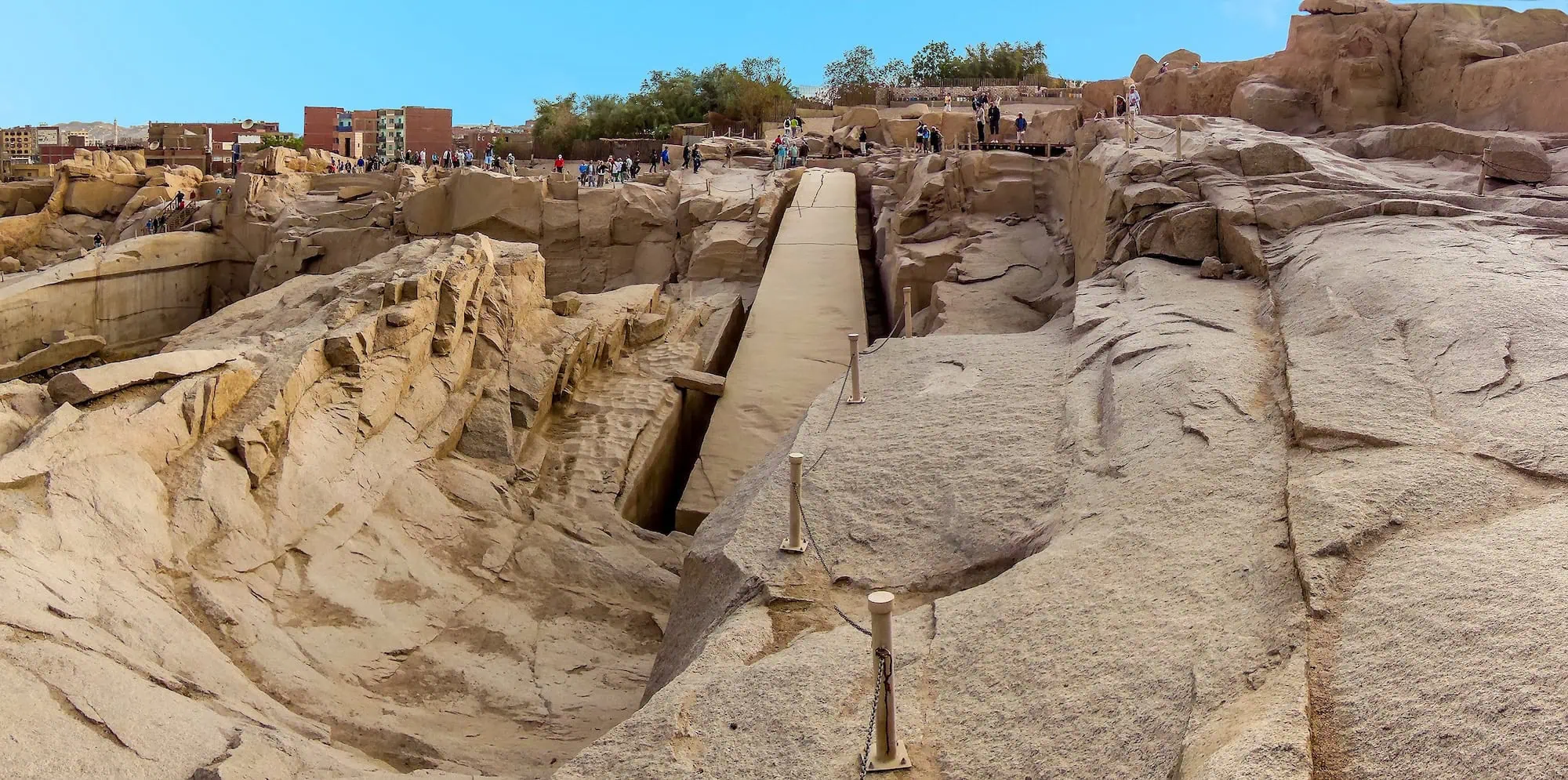
Weighing over 1,200 metric tons (1,323 short tons) and stretching 42 m (138 ft) in length, the Unfinished Obelisk stands as one of ancient Egypt’s most ambitious engineering projects in southern Egypt near Aswan. Commissioned during Queen Hatshepsut’s reign in the 15th century BC, this colossal granite monument would have towered above every other obelisk if completed. Instead, deep structural cracks forced workers to abandon it mid-carving — leaving behind a priceless window into the tools, techniques, and craftsmanship that shaped Egypt’s greatest monuments.
Today, this remarkable site functions as an open-air museum and is considered one of the most fascinating Aswan attractions, allowing visitors to witness firsthand the sophisticated techniques used by ancient craftsmen. Preserved tool marks and abandoned copper implements tell a compelling story of human ambition confronting the formidable strength of Aswan granite.
Table of Contents
Engineering Marvel of the New Kingdom Period
Ancient Egyptian builders possessed remarkable knowledge of stone quarrying and monument construction. The unfinished obelisk demonstrates their sophisticated understanding of granite properties and structural engineering principles.
Revolutionary Construction Techniques
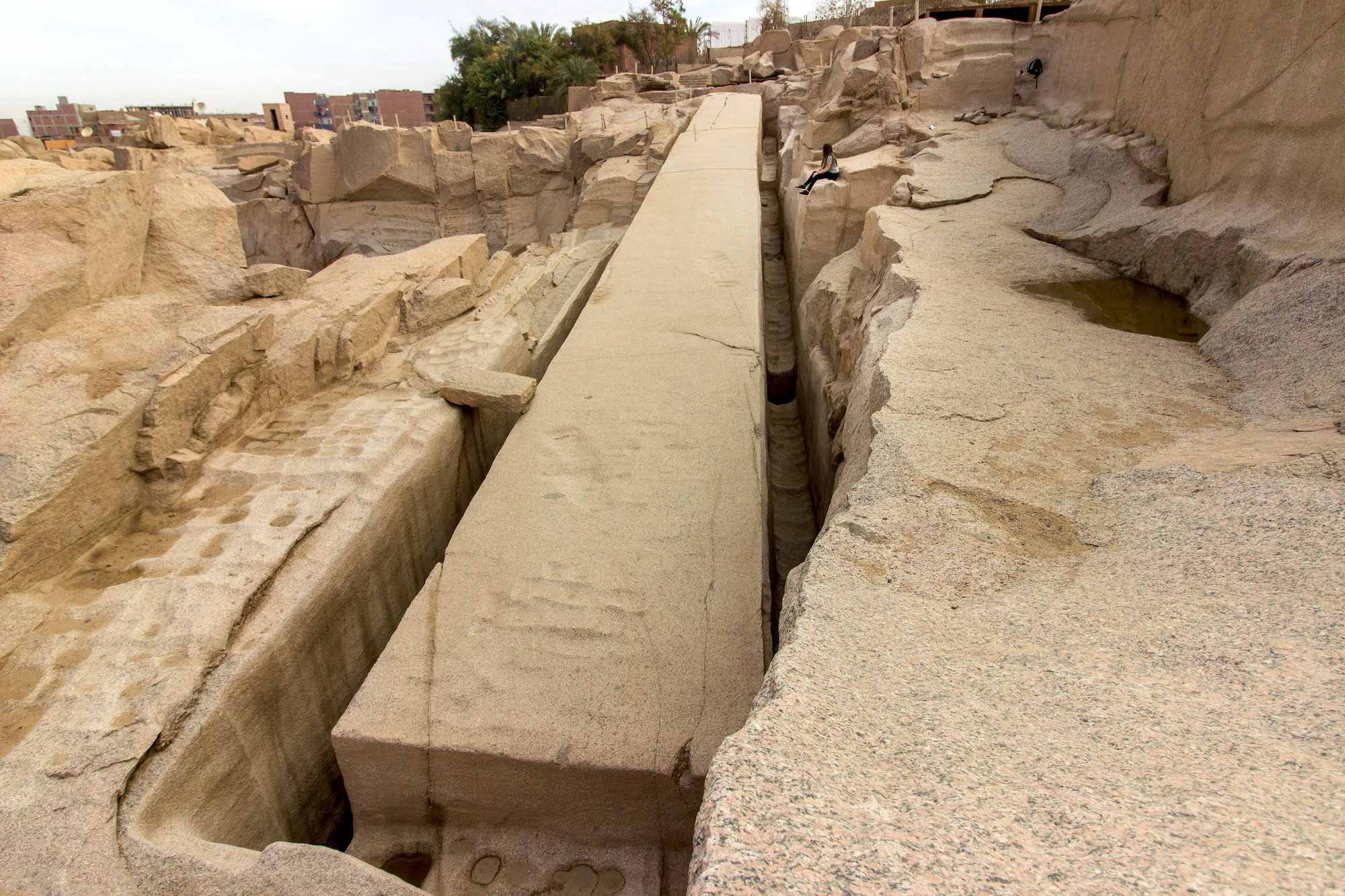
Workers employed dolerite balls—extremely hard stones—to pound channels around the obelisk’s perimeter. This painstaking process required teams of craftsmen working in coordinated shifts, gradually deepening the trenches that would eventually free the monument from its granite foundation. Archaeological evidence suggests hundreds of workers participated in this massive undertaking.
The precision achieved through these primitive tools astounds modern engineers. Measurements reveal variations of less than a centimeter across the entire 42-meter length, demonstrating exceptional skill in maintaining straight lines and consistent angles without modern surveying equipment.
Innovative Wooden Wedge System
Once the trenching work progressed sufficiently, workers inserted wooden wedges into carefully carved slots. Desert heat and periodic water application caused the wood to expand, creating tremendous pressure that gradually split the granite along predetermined lines. This method required perfect timing and coordination to prevent uncontrolled fracturing.
Copper tools, though softer than granite, proved essential for detailed finishing work. Craftsmen used bronze chisels and copper saws to refine surfaces and create the precise angles necessary for the obelisk’s pyramidion top. Tool marks preserved on the monument’s surface reveal the methodical approach taken by these master stoneworkers.
The Fateful Crack Discovery
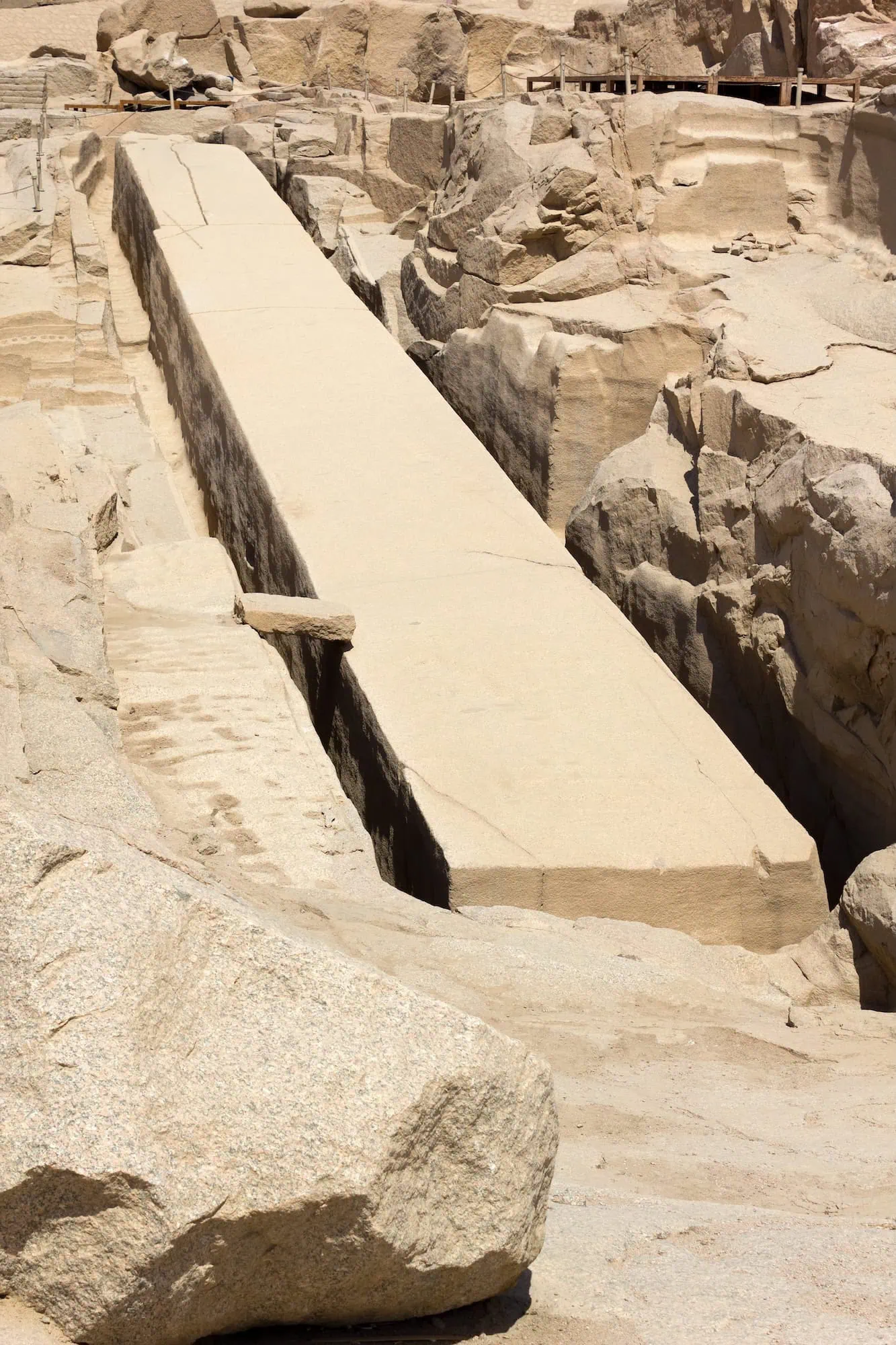
During the final stages of extraction, workers discovered significant fissures developing across the obelisk’s surface. These cracks, likely caused by natural flaws in the granite or excessive stress during the separation process, rendered the monument structurally unsound. Rather than risk catastrophic failure during transport, royal architects made the difficult decision to abandon the project entirely.
Sacred Symbolism and Religious Significance
Egyptian obelisks represented far more than architectural achievements—they embodied profound spiritual connections between earth and sky.
The ancient Egyptians called obelisks “tekhenu,” meaning “to pierce the sky.” These monuments served as physical manifestations of the primordial mound, the first land to emerge from the cosmic waters during creation. At their apex sat the pyramidion, a small pyramid covered in gold or electrum that captured and reflected the sun god Ra’s divine light across the landscape.
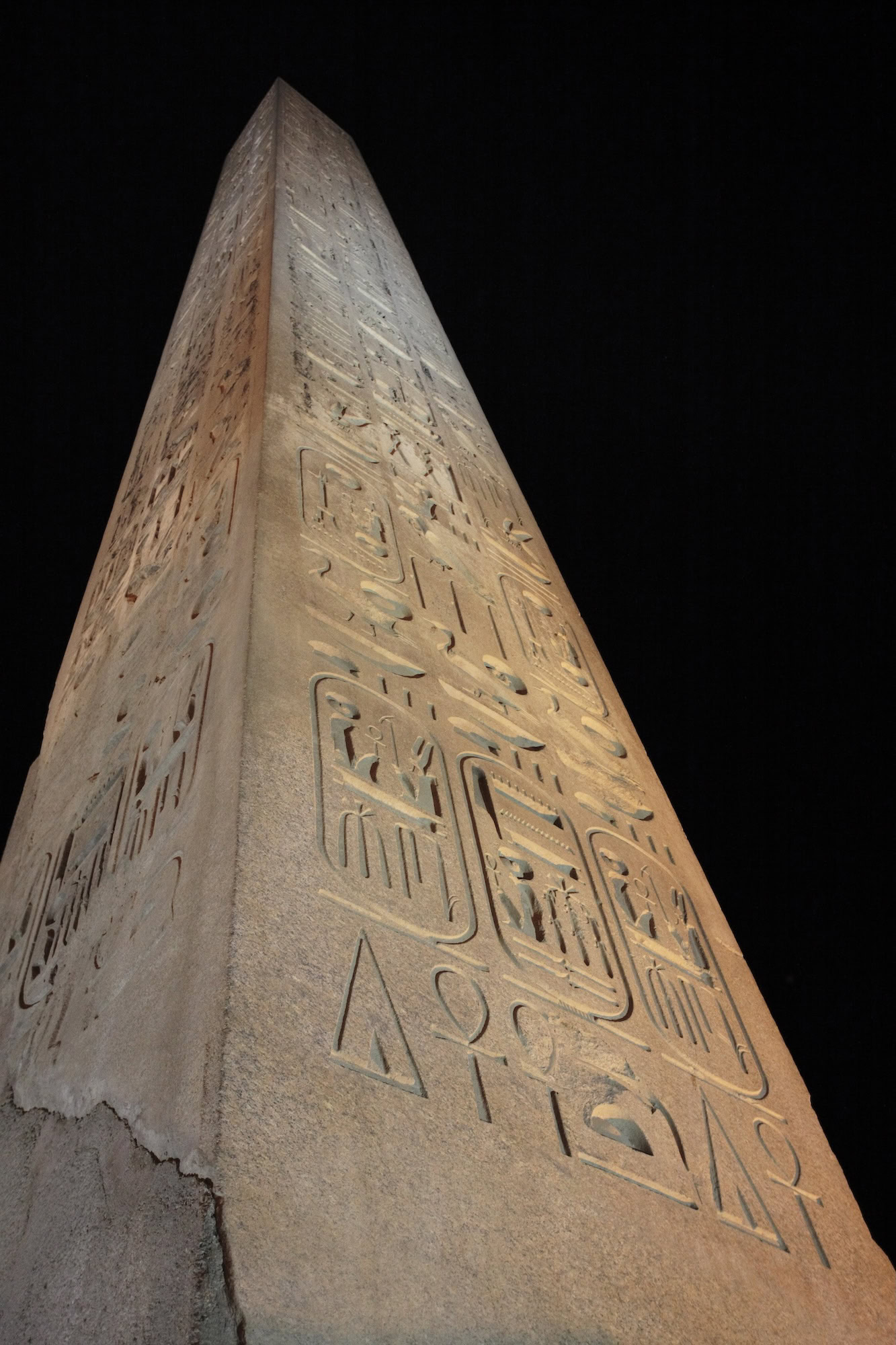
Religious texts describe obelisks as petrified rays of sunlight, eternal connections between the pharaoh’s earthly realm and Ra’s celestial domain. The unfinished obelisk was intended to strengthen this divine link, amplifying Queen Hatshepsut’s legitimacy as a ruler chosen by the gods. Its massive size would have made it the most powerful solar symbol ever created.
The abandonment of such a significant religious monument likely carried spiritual implications beyond mere construction costs. Ancient Egyptians might have interpreted the structural failure as divine intervention, perhaps suggesting the gods deemed the project inappropriate or the timing inauspicious. This interpretation could explain why no immediate attempts were made to quarry a replacement monument of similar scale.
Queen Hatshepsut’s Architectural Legacy
Hatshepsut’s reign marked an extraordinary period of architectural innovation and monument construction throughout Egypt.
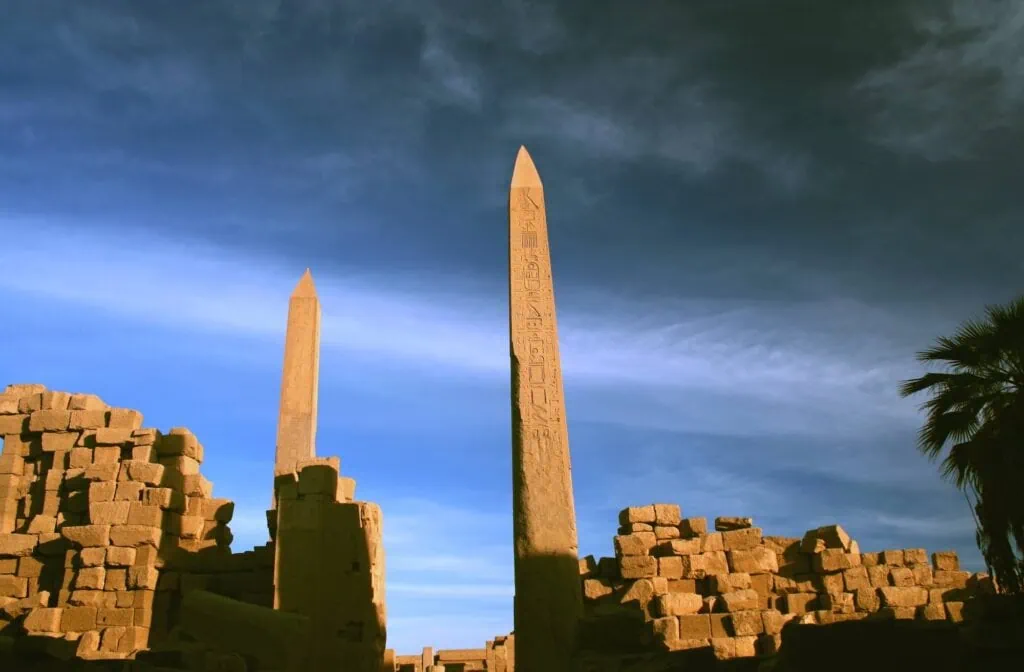
As one of history’s most successful female pharaohs, Hatshepsut used monumental architecture to legitimize her rule and demonstrate Egypt’s prosperity under her leadership. The unfinished obelisk represented the culmination of her building program, intended to surpass all previous monuments in scale and grandeur. Her completed obelisks at Karnak Temple remain among Egypt’s finest examples of ancient engineering excellence.
Political Motivations Behind the Monument
The massive scale of the Aswan obelisk served clear political purposes beyond religious devotion. By commissioning the world’s largest obelisk, Hatshepsut aimed to surpass the achievements of her male predecessors and successors, including Thutmose III. The monument’s completion would have sent an unmistakable message about her divine authority and Egypt’s unprecedented prosperity.
Construction records suggest the project employed thousands of workers over several years, providing significant economic benefits to the surrounding area. The abandonment of such a costly undertaking likely reflected not only technical challenges but also changing political priorities as Hatshepsut’s reign progressed.
Modern Archaeological Discovery and Preservation
The unfinished obelisk remained buried under desert sand until the early 20th century brought systematic archaeological excavation to the Aswan quarries.
British archaeologists first identified the monument’s outline in the 1920s, but complete excavation required decades of careful work to remove accumulated sediment without damaging the preserved surfaces. Each layer of sand removal revealed new details about ancient construction methods and tool technology.
Egyptian authorities recognized the site’s exceptional educational value and designated it as a protected archaeological zone. Unlike many ancient monuments that have suffered from environmental damage or human interference, the unfinished obelisk retains remarkable detail in its surface textures and tool marks.
Conservation Challenges and Solutions
Desert conditions pose ongoing threats to the monument’s preservation. Temperature fluctuations cause granite expansion and contraction, potentially widening existing cracks. Sand erosion gradually wears away surface details that provide crucial evidence about ancient construction techniques.
Modern conservation efforts focus on documenting every detail of the monument’s surface while implementing protective measures against further deterioration. Digital scanning technology creates precise three-dimensional records that preserve information for future research even if physical deterioration continues.
The Egyptian Ministry of Tourism and Antiquities maintains the site as an open-air museum, balancing public access with conservation requirements. Walkways and viewing platforms allow visitors to observe the monument from multiple angles without compromising the granite surfaces.
Significance for Understanding Ancient Technology
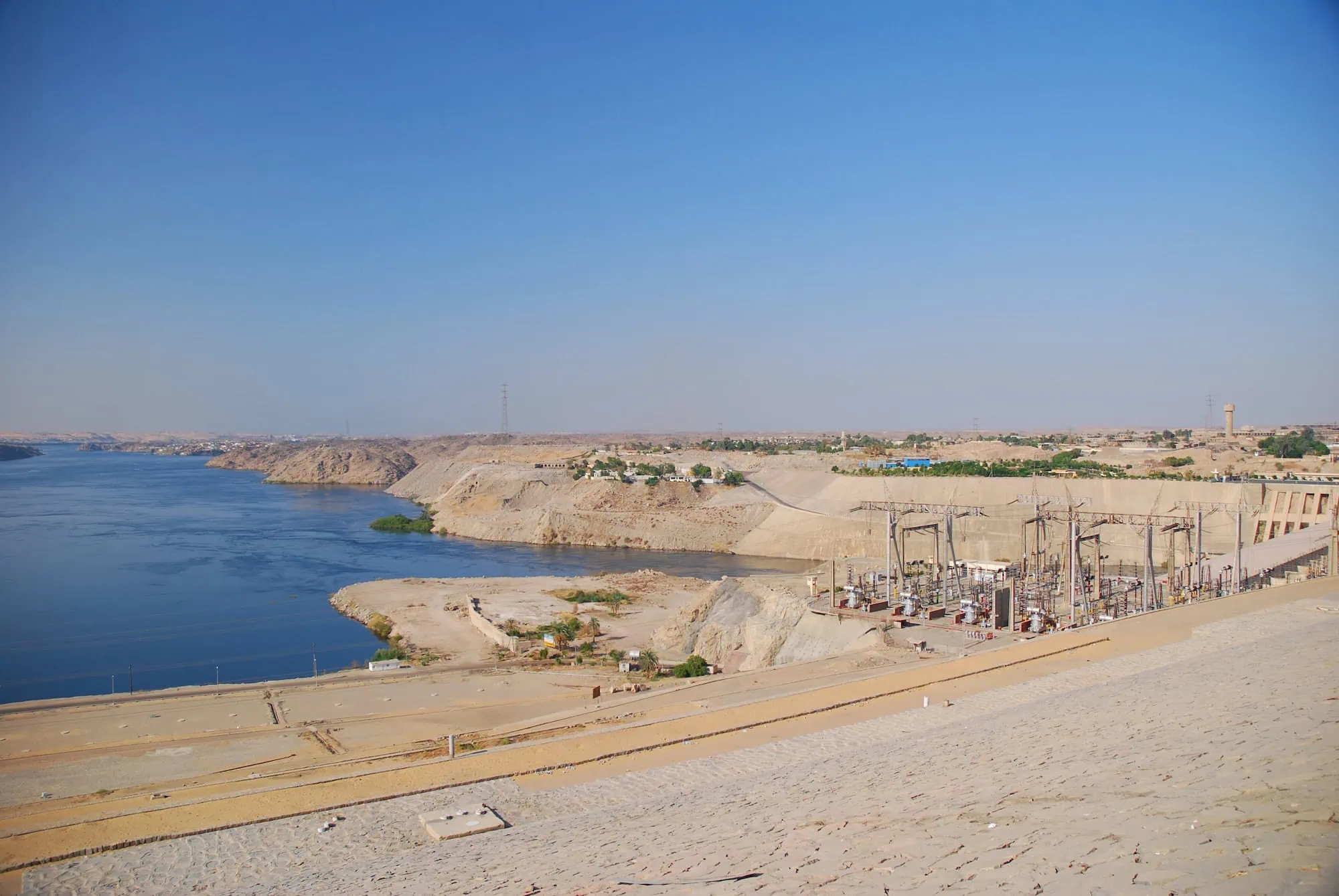
Few archaeological sites provide such comprehensive insight into ancient construction methods as the unfinished obelisk, offering a striking contrast to modern engineering landmarks like the Aswan High Dam.
Evidence of Advanced Planning Capabilities
The monument’s precise dimensions and consistent angles demonstrate sophisticated mathematical knowledge among ancient Egyptian architects. Calculations required to achieve the obelisk’s proportions involved complex geometric relationships that modern engineers still find impressive.
Tool marks preserved across the granite surface reveal systematic work patterns and quality control measures. Workers followed standardized procedures for surface preparation and finishing, suggesting formal training programs and established craft traditions passed down through generations.
Insights into Labor Organization
Archaeological analysis of the work patterns indicates highly organized labor management systems. Different teams specialized in specific aspects of the construction process, from initial quarrying to detailed finishing work. This specialization allowed for efficient use of skilled craftsmen while maintaining consistent quality standards throughout the project.
Evidence suggests a hierarchical structure with master craftsmen overseeing teams of apprentices and laborers. The complexity of coordinating such a massive undertaking required administrative systems comparable to modern project management approaches.
Visiting the Unfinished Obelisk Today
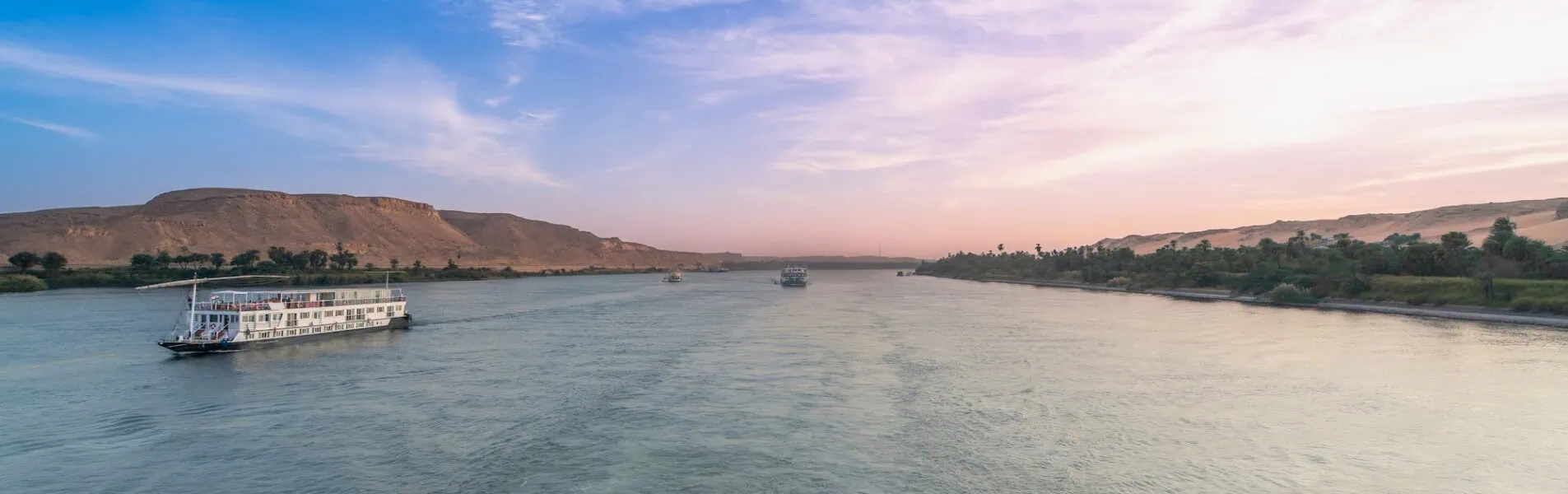
We provide private guided tours of the Unfinished Obelisk that combine in-depth historical insight with comfortable travel arrangements, often included in journeys that feature a classic Nile cruise or a more intimate Nile dahabiya cruise through Upper Egypt.
The site offers extraordinary opportunities for photography and historical reflection. Our expert Egyptologist guides explain the technical aspects of ancient construction while sharing stories about Queen Hatshepsut’s remarkable reign and the religious significance of obelisk monuments.
Access to the quarry involves walking on uneven granite surfaces, so comfortable footwear is essential for all visitors. The site lacks shade structures, making early morning or late afternoon visits most comfortable during warmer months. We ensure our tour timing maximizes both comfort and photographic opportunities.
See Ancient Ambition At The Unfinished Obelisk
The Unfinished Obelisk reveals the raw process behind Egypt’s greatest monuments—offering a rare, behind-the-scenes look at ancient craftsmanship on a monumental scale. With EgyptToursPlus, we seamlessly include this fascinating site in a private journey that connects Aswan’s unique insights with Egypt’s most iconic historical highlights.
You choose your travel dates, your pace, and the experiences that shape your route. From hands-on history to Nile-side exploration and refined comfort throughout, we tailor every detail around your preferences—ensuring a smooth, expertly planned, and deeply personal travel experience.
Frequently Asked Questions
If completed, the Unfinished Obelisk in Aswan would have reached approximately 42 meters (137 feet) in height and weighed an estimated 1,200 tons, making it the largest known obelisk ever attempted in ancient Egypt. By comparison, the Lateran Obelisk in Rome, originally from Karnak, stands about 32 meters tall. The scale demonstrates the extraordinary ambitions of Queen Hatshepsut’s building program during the 18th Dynasty. Standing beside the carved granite trench helps visitors grasp the immense engineering challenge ancient quarry workers faced.
Ancient workers abandoned the Unfinished Obelisk after major structural cracks appeared in the granite during carving, making the monument too unstable to transport or erect safely. The fractures are still visible today inside the Aswan quarry and provide direct evidence of quality control in ancient Egyptian stoneworking. Because a single crack could cause catastrophic failure during transport along the Nile, abandoning the project was more practical than risking collapse. The site offers one of the clearest surviving records of ancient construction problems.
Most Egyptologists attribute the Unfinished Obelisk to Queen Hatshepsut, who ruled during Egypt’s 18th Dynasty around 1473-1458 BCE and commissioned numerous monumental construction projects across Egypt. Hatshepsut also erected towering granite obelisks at Karnak Temple in Luxor, several of which still survive today. The unfinished monument in Aswan reflects her preference for large-scale ceremonial architecture connected to the sun god Amun-Ra. Its enormous size suggests it was intended for a major temple complex, likely Karnak.
Ancient Egyptian quarry workers primarily used hard dolerite pounding stones to carve granite, along with wooden wedges, copper chisels, and abrasive sand for smoothing surfaces. At the Aswan quarries, visitors can still see rounded dolerite hammer stones scattered around partially cut monuments. Granite is significantly harder than limestone, so workers relied on repeated pounding rather than cutting alone. The preserved tool marks around the Unfinished Obelisk provide archaeologists with unusually detailed evidence of Bronze Age engineering techniques and labor organization.
The Unfinished Obelisk became widely studied during the early 20th century when British and Egyptian archaeologists cleared centuries of accumulated sand and quarry debris from the site. Although local residents always knew of the Aswan granite quarries, systematic archaeological documentation revealed the monument’s full dimensions and preserved construction details. The obelisk had remained partially buried for nearly 3,000 years after work abruptly stopped. Today it serves as one of Egypt’s most important open-air archaeological sites for studying ancient engineering methods.
Yes, visitors can walk around elevated pathways surrounding the Unfinished Obelisk, allowing views from multiple angles while protecting the fragile granite surfaces from direct contact. The designated viewing routes inside the northern Aswan quarry reveal the obelisk’s carved sides, visible cracks, and the trench where workers attempted to separate it from bedrock. Most visits take 45-60 minutes depending on crowd levels and guided explanations. Morning visits are usually more comfortable because exposed granite surfaces absorb intense afternoon heat.
The Unfinished Obelisk is one of the most important archaeological sites for understanding ancient Egyptian engineering because it preserves unfinished construction stages rarely visible elsewhere. Visitors can examine original tool marks, quarry trenches, and cracked stone surfaces exactly where workers abandoned the project more than 3,400 years ago. Unlike completed monuments moved to temples, this site reveals the actual extraction process inside an active granite quarry. Archaeologists use the evidence here to reconstruct labor systems, transport planning, and stoneworking techniques.
The Unfinished Obelisk would have surpassed every surviving Egyptian obelisk in both height and weight had it been completed successfully. At approximately 42 meters tall, it would have exceeded famous monuments at Karnak Temple, Luxor Temple, and even the Lateran Obelisk now standing in Rome. Most completed Egyptian obelisks weigh between 300 and 500 tons, while this project approached 1,200 tons. The comparison highlights the remarkable ambition of New Kingdom royal construction programs during Hatshepsut’s reign.
Yes, the Unfinished Obelisk is protected by Egypt’s Ministry of Tourism and Antiquities as part of the historic Aswan quarry zone and functions as an open-air archaeological museum. Conservation measures include controlled walkways, visitor barriers, drainage monitoring, and restrictions on direct contact with granite surfaces. The site also falls within broader heritage preservation efforts connected to Upper Egypt’s ancient monuments. Ongoing maintenance is essential because temperature fluctuations and tourism pressure can gradually damage exposed stone over time.
In ancient Egyptian religion, obelisks symbolized petrified rays of sunlight and were closely associated with the sun god Ra and later Amun-Ra. Pairs of granite obelisks commonly stood at temple entrances, especially during the New Kingdom, representing divine power, royal legitimacy, and cosmic order. Their pointed pyramid-shaped tops, known as pyramidions, were often covered in electrum to reflect sunlight dramatically. Massive monuments like the Unfinished Obelisk also demonstrated a pharaoh’s ability to command labor, wealth, and sacred building resources.
Yes, the Aswan granite quarries contain several unfinished statues, stone blocks, and partially carved architectural elements beyond the famous Unfinished Obelisk. Archaeologists have identified abandoned columns, sarcophagi, and smaller obelisk projects scattered throughout the quarry landscape near the Nile’s east bank. These remains reveal how ancient workers adapted when cracks, transport difficulties, or political changes interrupted construction. Exploring multiple quarry zones helps visitors understand that Aswan served as Egypt’s primary granite source for more than 2,000 years.
Modern engineers and archaeologists continue to express admiration for the precision ancient Egyptians achieved using relatively simple tools and manual labor. Moving granite monuments weighing hundreds of tons without steel machinery remains an extraordinary logistical accomplishment even by modern standards. Studies of the Unfinished Obelisk show sophisticated planning involving quarry geometry, transport calculations, and workforce coordination. The site is frequently referenced in engineering and archaeological research because it preserves direct physical evidence of large-scale ancient construction methods.
Ancient Wonders of Aswan, Modern Comfort
Sail the Nile Through Aswan Like a Pharaoh



Design Your Custom Tour
Explore Egypt your way by selecting only the attractions you want to visit