

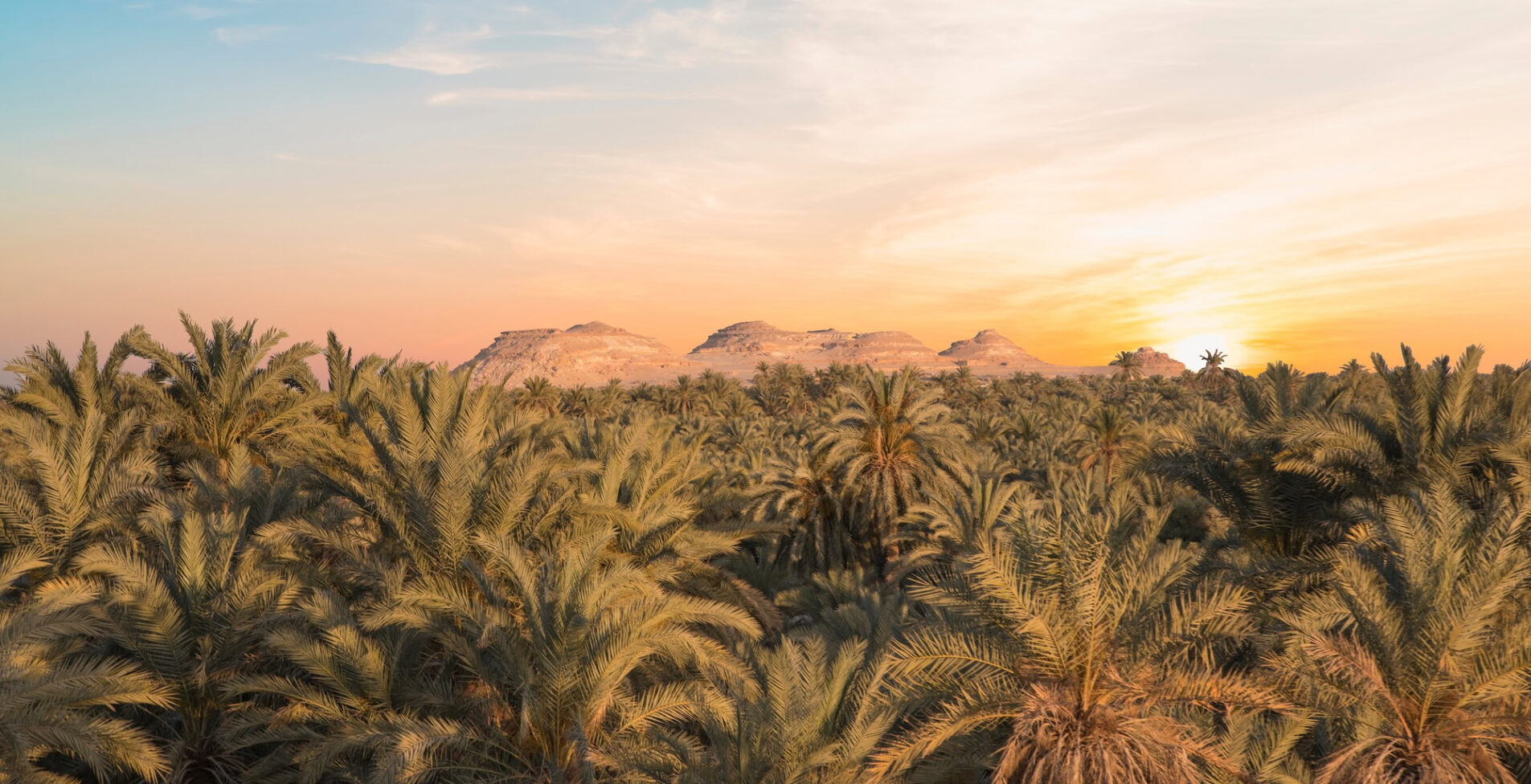
Egypt’s remote oasis of salt lakes and sand seas
Siwa Oasis Tours
Journey to Egypt’s most remote sanctuary with our Siwa Oasis Tours. Near the Libyan border, 560 km west of Cairo, Siwa offers floating in mineral-rich salt lakes, the dunes of the Great Sand Sea, the Oracle Temple that drew Alexander the Great, and a living Amazigh (Berber) culture found nowhere else in Egypt. Travel privately with your own guide and driver, staying four nights in the oasis or combining Siwa with the wider Western Desert.
Your Guide to Visiting Siwa Oasis
Most travelers rush past Siwa Oasis, missing Egypt’s most enchanting secret.
This remote sanctuary lies 560 km (350 miles) west of Cairo, near the Libyan border, where endless dunes meet crystal-clear springs and ancient history whispers through palm groves. We’ve spent decades perfecting tours to this extraordinary destination, watching countless visitors fall under Siwa’s spell. The oasis offers something genuinely different from Egypt’s famous monuments – here, you’ll discover a living Amazigh (Berber) culture, float effortlessly in mineral-rich salt lakes, and sleep under some of the clearest night skies on Earth.
Planning your Siwa adventure requires insider knowledge, from timing your visit to selecting the best Egypt tour package. Our comprehensive guide reveals everything you need to know about exploring this desert paradise.
Table of Contents
Best Time to Visit Siwa Oasis
Spring transforms Siwa into a green paradise. March through May offers perfect temperatures ranging from 18°C to 28°C (64°F to 82°F), with date palms in full bloom and wildflowers dotting the landscape. We recommend these months for first-time visitors who want comfortable weather for outdoor activities.
Peak Season Advantages
Winter months from December to February deliver crisp, pleasant days around 20°C (68°F) and cool nights perfect for stargazing. This period attracts the most visitors, so book accommodations well in advance. Desert activities like sandboarding and camel trekking become incredibly enjoyable when temperatures stay moderate throughout the day.
Summer Considerations
June through August brings intense heat, with daytime temperatures soaring above 40°C (104°F). However, summer offers unique advantages for budget travelers. Hotel rates drop significantly, and you’ll have popular sites nearly to yourself during early morning and evening hours.
Autumn Sweet Spot
September through November provides excellent compromise weather. Temperatures gradually cool from summer highs while maintaining warm, sunny days ideal for photography. Date harvest season occurs during autumn, offering visitors authentic cultural experiences and the freshest local produce.
Essential Siwa Oasis Attractions
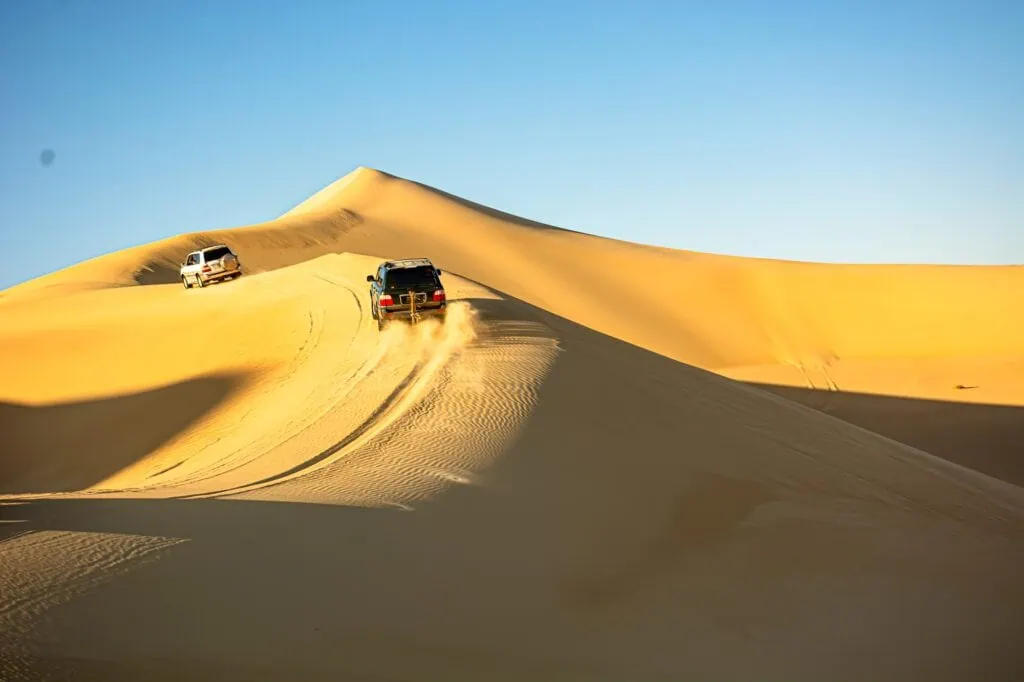
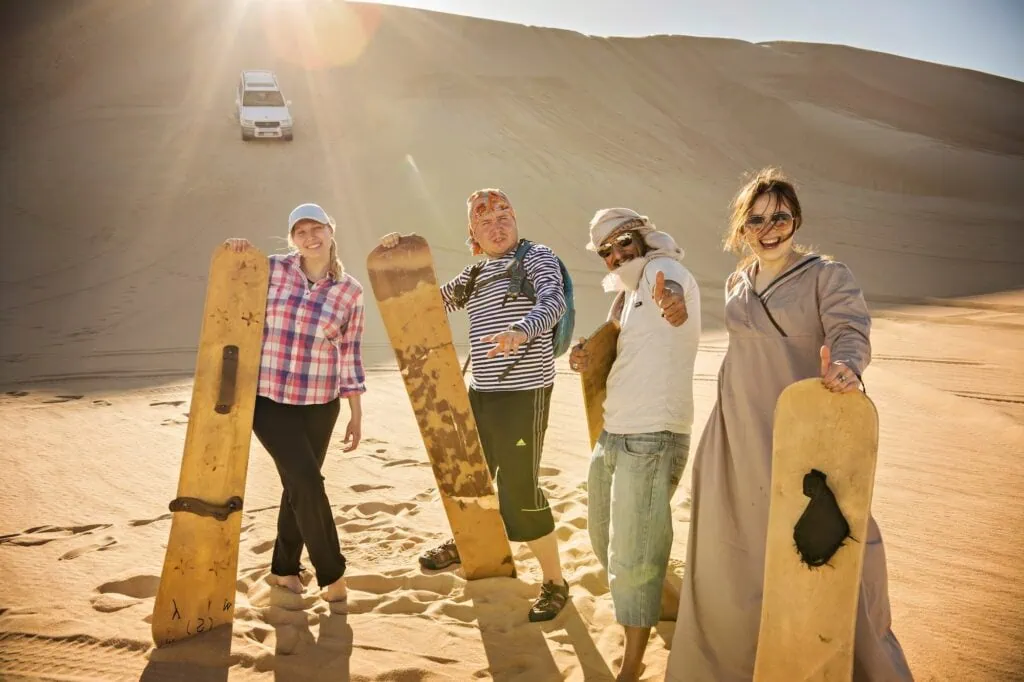
The Great Sand Sea stretches endlessly westward, creating one of Earth’s most pristine desert landscapes. Our private guides lead small groups deep into these dunes for sandboarding adventures and overnight camping experiences. The silence here feels almost supernatural – many visitors describe it as profoundly moving.
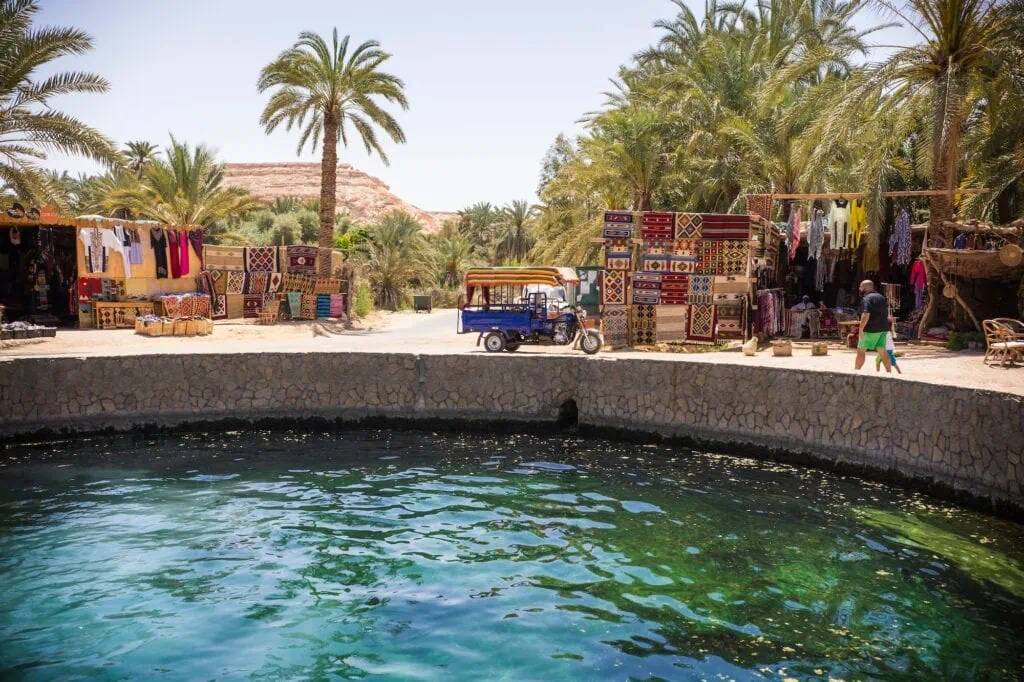
Cleopatra’s Pool remains Siwa’s most photographed attraction. This natural spring maintains a constant temperature of 28°C (82°F) year-round, surrounded by towering palm trees. Local legend claims the famous queen herself bathed in these waters during her visits to consult the Oracle of Amun.
Historical Sites
Shali Fortress dominates Siwa’s skyline with its crumbling mud-brick walls. Built in the 13th century from kershef (a mixture of salt, clay, and palm wood), this ancient citadel housed the entire population during tribal conflicts. Climb to the top during sunset for panoramic views across the oasis and surrounding desert.
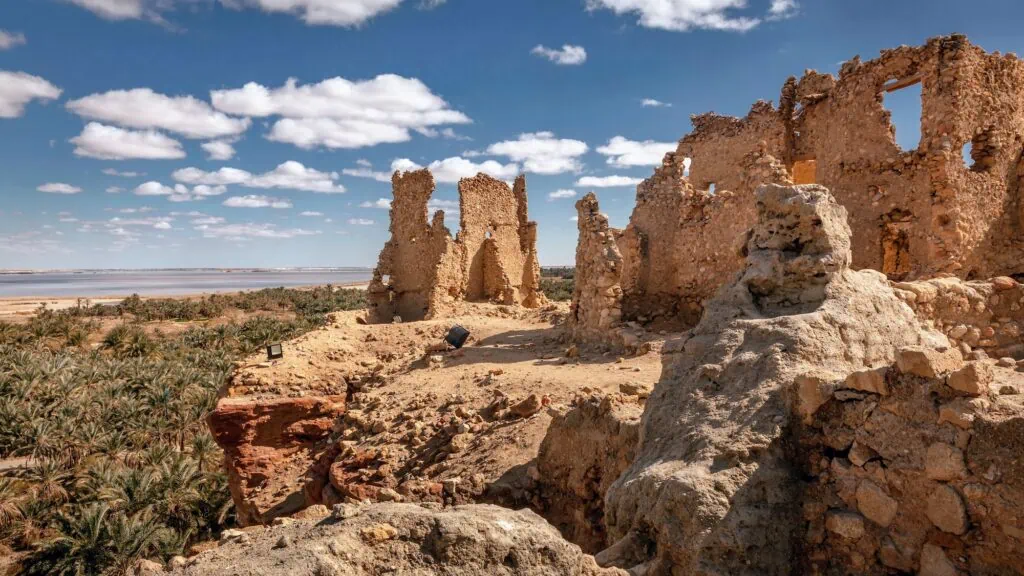
The Oracle Temple of Amun attracted pilgrims from across the ancient world, including Alexander the Great in 331 BCE. Archaeological evidence suggests this site operated as a religious center for over 1,000 years. Our expert guides share fascinating stories about the priests’ prophecies and their influence on ancient politics.
Natural Wonders
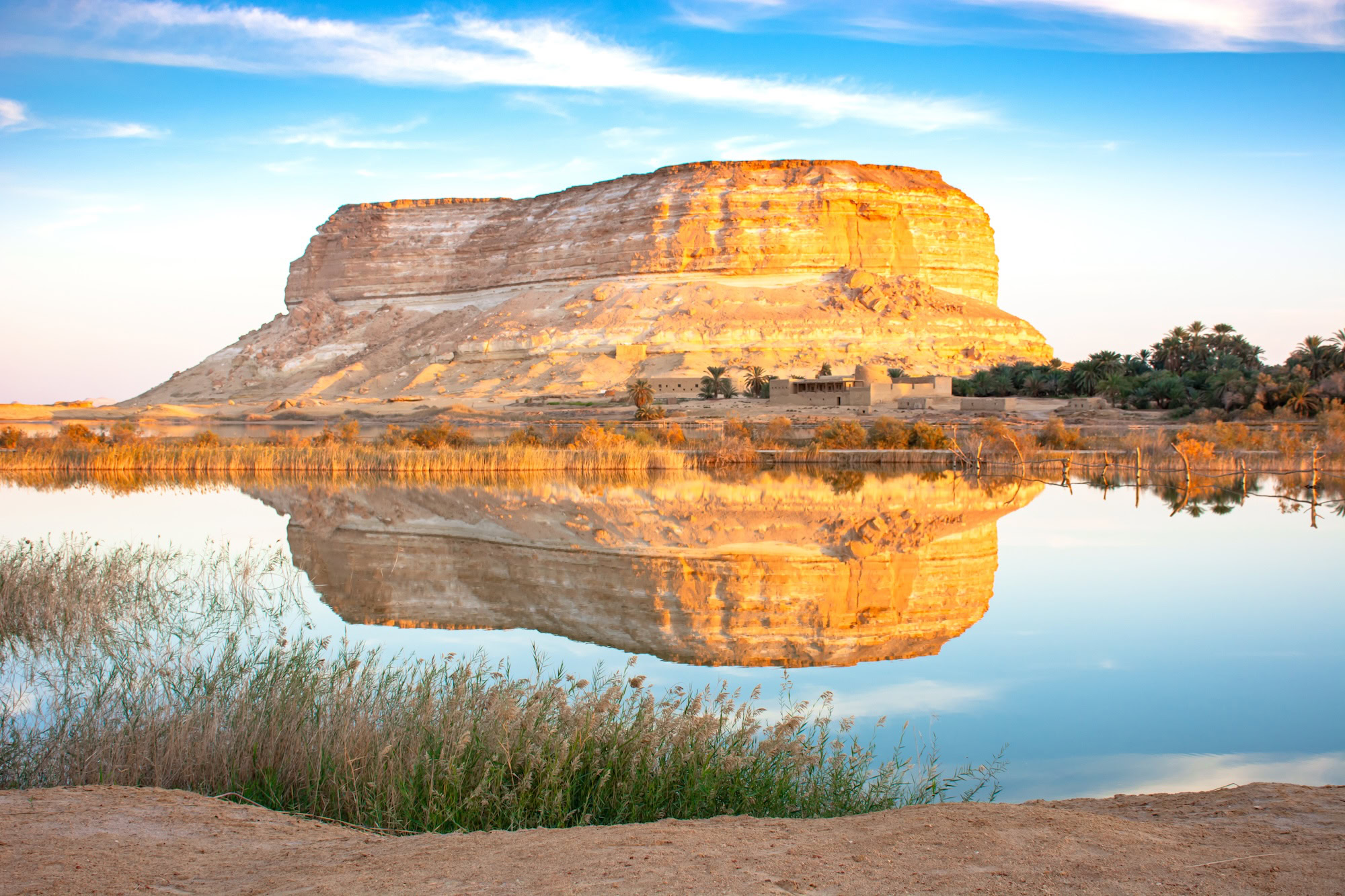
Salt lakes scattered throughout Siwa provide therapeutic floating experiences similar to the Dead Sea. Lake Siwa, the largest, contains water so dense with minerals that swimming becomes effortless floating. The high salt content creates stunning mirror reflections during calm weather, particularly striking at dawn and dusk.
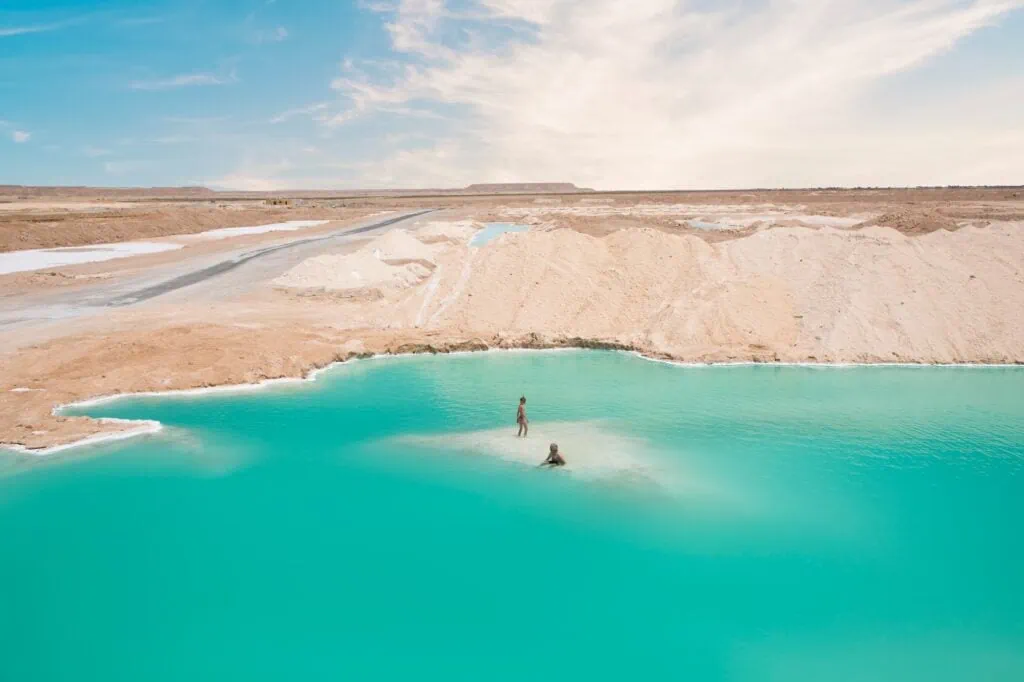
Bir Wahed Hot Spring offers a completely different water experience. Located 12 km (7.5 miles) from town center, this sulfur-rich spring maintains temperatures around 35°C (95°F). Many visitors combine hot spring soaking with cold lake floating for a natural spa day.
Types of Siwa Oasis Tours
Siwa is not a day-trip destination. At 560 km (350 miles) from Cairo, the journey takes 8 to 10 hours each way, so every visit is built around at least one overnight stay, and most travellers stay considerably longer to truly appreciate Siwa’s magic.
Multi-day packages allow proper exploration of both major sites and hidden gems. Our 4-day Cairo to Siwa tour covers the salt lakes, the Great Sand Sea, and the oasis’s key attractions, while the 8-day itinerary spends four full nights in Siwa for deeper cultural immersion and time to simply slow down. Siwa also combines naturally with the White Desert and the wider oasis circuit.
Private tours offer complete flexibility in scheduling and activities. Your dedicated guide adapts the itinerary based on your interests, whether focusing on history, adventure activities, or photography. Because you travel only with your own party, you receive personal attention throughout your visit.
Adventure-focused tours emphasize outdoor activities like sandboarding, desert hiking, and multi-day camping expeditions. These packages suit active travelers seeking adrenaline alongside cultural discovery. We provide all necessary equipment and experienced guides familiar with desert safety protocols.
Cultural immersion tours concentrate on traditional Berber lifestyle, crafts workshops, and extended time with local families. Participants learn traditional weaving techniques, help with date harvesting, and share authentic meals prepared using centuries-old recipes. This option particularly appeals to travelers interested in anthropology and sustainable tourism.
Planning Your Siwa Desert Safari
Desert safaris require careful preparation and experienced guidance. The Great Sand Sea presents real navigation challenges – GPS devices often fail, and weather conditions change rapidly. Our safari guides possess decades of desert experience and maintain constant communication with our Cairo headquarters for safety monitoring.
Safari Duration Options
Half-day safaris cover nearby dune fields and provide introduction to desert environments. These tours include sandboarding instruction, short camel rides, and traditional Bedouin tea preparation. Perfect for families with young children or visitors with limited time.
Full-day expeditions venture deeper into pristine dune areas where you’ll encounter dramatic landscape formations and complete silence. Lunch gets prepared over open fires using traditional methods. Most participants describe the experience as transformative.
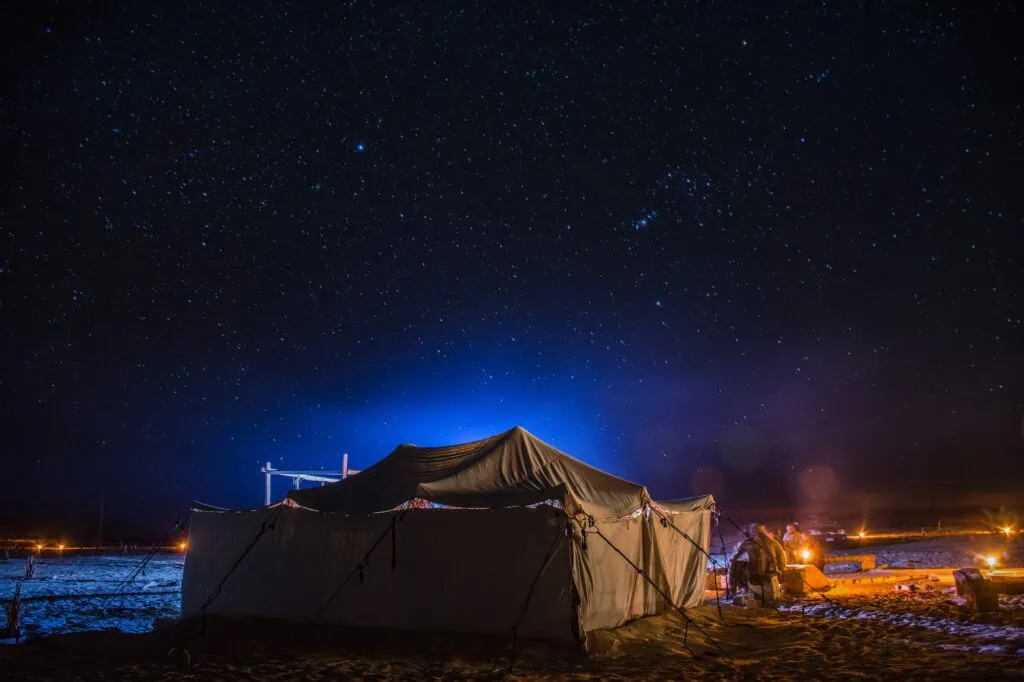
Multi-day camping safaris represent the ultimate desert adventure. Sleep under brilliant star displays, wake to spectacular sunrises, and experience the desert’s changing moods throughout different times of day. Our guides share desert survival knowledge, astronomy insights, and Bedouin folklore around evening campfires.
Safety Protocols
All safari vehicles undergo rigorous maintenance checks and carry emergency communication equipment. Each group travels with backup vehicles during extended expeditions. Our guides complete advanced first aid training and possess extensive knowledge of desert hazards and weather patterns.
Emergency supplies include extra water, food, medical supplies, and navigation equipment. We maintain detailed route plans and check-in schedules with our operations center. Satellite phones ensure communication capability even in remote areas where cellular service doesn’t exist.
Accommodation Options in Siwa
Luxury eco-lodges offer sustainable comfort without compromising environmental principles. These properties utilize solar power, natural cooling systems, and locally-sourced materials. Rooms typically feature traditional architectural elements combined with modern amenities like private bathrooms and air conditioning.
Traditional guesthouses provide authentic experiences at budget-friendly prices. Family-run establishments offer simple but clean accommodations, home-cooked meals, and opportunities to interact closely with local residents. Many visitors prefer this option for cultural immersion benefits.
Desert Camps
Permanent desert camps combine adventure with basic comfort amenities. Located in scenic dune areas, these camps feature traditional Bedouin-style tents with proper beds, shared bathroom facilities, and communal dining areas. Solar panels provide limited electricity for essential lighting.
Luxury camping experiences elevate desert stays with spacious tents, private bathrooms, gourmet meals, and professional entertainment. Some camps offer massage services, organized astronomy sessions, and cultural performances. These options suit travelers wanting adventure without sacrificing comfort.
Wild camping involves sleeping directly under stars with minimal facilities. Our guides provide all necessary equipment including tents, sleeping bags, and cooking gear. This option appeals to serious adventurers seeking authentic desert experiences and unmatched solitude.
Cultural Experiences and Local Traditions
Berber communities in Siwa maintain traditions largely unchanged for centuries. Women continue practicing intricate embroidery techniques, creating stunning textiles using traditional patterns passed down through generations. Many families welcome visitors for hands-on workshops teaching these ancient crafts.
Olive oil production represents Siwa’s most important agricultural activity. Local varieties produce oil with distinctive flavors influenced by the desert climate and natural spring water irrigation. Harvest season from October to December offers opportunities to participate in traditional collection and pressing methods.
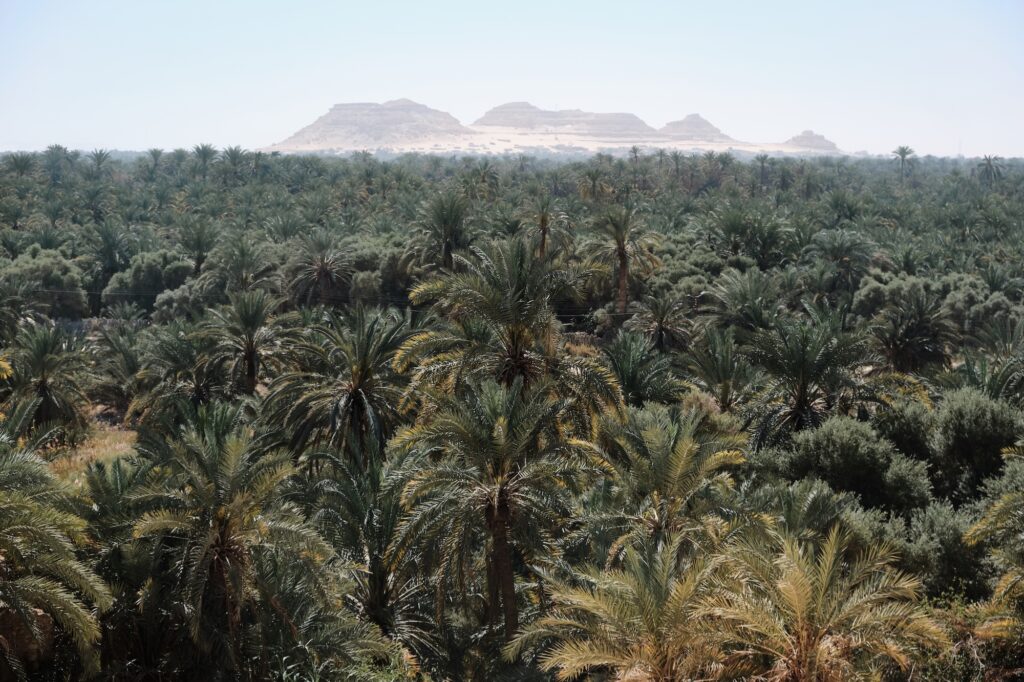
Date farming sustains Siwa’s economy and provides the foundation for numerous local dishes. Over 200,000 palm trees produce various date varieties, each with unique characteristics. Farmers gladly explain cultivation techniques, harvesting methods, and traditional preservation processes during guided visits.
Traditional architecture utilizes locally available materials perfectly suited to desert conditions. Kershef construction provides excellent insulation against extreme temperatures while remaining environmentally sustainable. Local builders demonstrate these techniques during cultural tours, explaining how ancient knowledge solves modern challenges.
Religious Practices
Islam reached Siwa in the centuries after the Arab conquest of Egypt, blending with existing Amazigh traditions to create unique local customs. The community maintains several ancient mosques featuring distinctive architectural elements. Friday prayers provide glimpses into daily spiritual life, though visitors should respect religious protocols.
Sufi traditions influence local music and ceremonial practices. Evening gatherings sometimes feature traditional drumming, chanting, and dancing that creates hypnotic atmospheres under desert stars. These experiences offer profound insights into North African spiritual cultures.
Transportation and Logistics
Road access to Siwa requires traversing challenging desert highways with limited services along the route. The journey from Cairo takes approximately 8-10 hours depending on road conditions and rest stops. We provide comfortable, air-conditioned vehicles with experienced drivers familiar with desert driving requirements.
Alternative routes through Alexandria offer Mediterranean coastal scenery but add travel time. This option appeals to travelers wanting varied landscape experiences during their journey. The total distance increases to approximately 600 km (375 miles) from Alexandria.
Vehicle Requirements
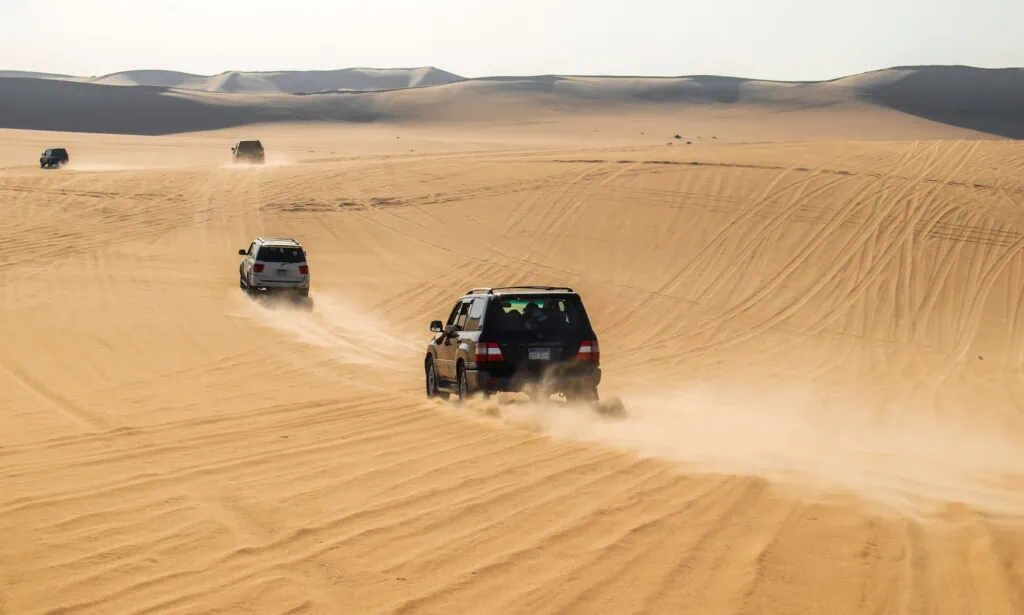
Four-wheel drive vehicles become necessary for desert safari activities and reaching remote attractions. Standard cars can handle main roads within the oasis but cannot access dune areas or certain springs. Our fleet includes modern 4WD vehicles equipped with GPS navigation, communication equipment, and emergency supplies.
Camel transportation provides traditional desert travel experiences for shorter distances. Local guides maintain well-trained animals suitable for tourists of varying riding experience levels. Camel treks typically cover 5-15 km (3-9 miles) depending on planned activities and participant preferences.
Design Your Siwa Oasis Journey, Your Way
From the remote beauty of Siwa’s salt lakes and desert landscapes to the timeless wonders of Cairo and the Nile, your Egypt trip should feel seamless, personal, and truly unforgettable. With a fully tailored itinerary, you can include Siwa Oasis exactly the way you want it, whether as a peaceful escape, a cultural deep dive, or part of a wider adventure across Egypt.
Choose your travel dates, pace, and experiences while we handle every detail behind the scenes, from private transportation and experienced local guides to carefully selected stays that match your style.
Frequently Asked Questions
Most travelers should spend at least 3 to 4 days in Siwa Oasis to experience its main attractions without rushing between long desert drives and cultural sites. That timeframe allows visits to the Temple of the Oracle, Mountain of the Dead, Cleopatra’s Pool, salt lakes, and a full Great Sand Sea safari. Siwa lies roughly 560 km from Cairo, so travel time alone consumes much of the first and last day. Travelers interested in photography or desert camping often extend their stay to 5 days.
Siwa Oasis is considered one of Egypt’s safest tourist destinations, with low crime rates, strong community traditions, and an economy closely tied to tourism and agriculture. The oasis remains relatively isolated in Egypt’s Western Desert, approximately 50 km from the Libyan border, but tourist routes are well established and regularly monitored. Local Berber communities are known for hospitality, and organized tours provide additional logistical and transportation support. Travelers should still follow normal precautions regarding hydration, desert driving, and remote-area travel.
Visitors to Siwa Oasis should pack lightweight long-sleeved clothing, sunscreen, sunglasses, a hat, comfortable walking shoes, and warm layers for nighttime desert temperatures that can drop below 10°C (50°F) in winter. Swimwear is useful for salt lakes and Cleopatra’s Pool, though modest cover-ups are appreciated in local villages because Siwa remains culturally conservative. Portable power banks and cash are also important because infrastructure is more limited than in Cairo or Luxor. Soft, breathable fabrics work best in desert conditions year-round.
Independent travel to Siwa Oasis is possible by private car or long-distance bus from Cairo, but organized tours simplify transportation, permits, and access to remote desert attractions. Many major experiences, including Great Sand Sea safaris and isolated salt lakes, require four-wheel-drive vehicles driven by guides familiar with desert terrain and navigation. Local knowledge also improves cultural access because Siwa has distinct Berber traditions and customs unfamiliar to many first-time visitors. Independent travelers should plan routes carefully because fuel stations and services are limited outside the oasis.
Siwa’s salt lakes provide floating experiences throughout the year because mineral concentrations are significantly higher than standard seawater, but spring and autumn usually offer the most comfortable conditions. Water temperatures during those seasons typically range between 22°C and 30°C (72°F to 86°F), creating ideal swimming and photography conditions without extreme summer heat. Early morning and late afternoon visits also improve visibility because sunlight intensifies the lakes’ turquoise and white mineral colors. Avoid midday visits during summer when temperatures can exceed 40°C (104°F).
Siwa Oasis has a limited number of ATMs concentrated mainly around Siwa town center, but machines occasionally run out of cash or experience connection problems. Visitors should arrive with sufficient Egyptian pounds to cover accommodation, guides, entrance fees, tips, and shopping because many smaller businesses do not accept international cards. Reliable banking infrastructure is far more limited than in Cairo, Alexandria, or Sharm El Sheikh. Carrying smaller bills is also useful because local shops and cafés may struggle to provide change for large denominations.
Most professional Siwa Oasis guides speak Arabic and English, while many tourism-focused operators also provide German, French, Italian, or Spanish-speaking guides depending on availability. Multilingual guiding is especially common during Egypt’s winter tourism season between October and March when European visitor numbers increase significantly. Local guides also help interpret Siwa’s unique Berber culture, traditions, and architecture, which differ noticeably from mainstream Nile Valley Egypt. Travelers needing specialized language support should arrange guide availability before finalizing reservations.
Desert safari experiences from Siwa Oasis typically require between 4 and 10 hours depending on whether travelers choose half-day dune excursions or full-day Great Sand Sea expeditions. Shorter safaris usually include sandboarding, hot springs, and sunset viewpoints, while full-day tours explore deeper desert areas near fossil fields and isolated dunes. Travel distances are substantial because the Great Sand Sea stretches across thousands of square kilometers between Egypt and Libya. Sunset safaris remain especially popular because temperatures cool rapidly after late afternoon.
Children can participate in most Siwa Oasis tours, particularly cultural visits, salt lake swimming, and shorter desert excursions designed for families. Many operators recommend children be at least 6 to 8 years old for extended four-wheel-drive safaris because long off-road drives and heat exposure can become tiring. Activities involving steep dunes or overnight desert camping may be better suited for older children with stronger stamina. Winter travel months provide safer and more comfortable conditions for families visiting the Western Desert.
Siwa Oasis stands apart from other Egyptian destinations because of its distinct Berber heritage, remote Western Desert setting, salt lakes, and mud-brick architecture built from kershef, a mixture of salt and clay. Unlike Luxor or Cairo, Siwa focuses less on monumental pharaonic temples and more on cultural immersion, desert landscapes, and slower-paced travel experiences. The oasis also preserves a unique Siwi language and traditions that differ from mainstream Egyptian Arabic culture. Its isolation helped protect local customs for centuries.
Vegetarian meals are widely available in Siwa Oasis because traditional local cuisine naturally includes olives, dates, lentils, beans, vegetables, rice, and freshly baked bread. Many guesthouses and eco-lodges also prepare vegan-friendly meals upon request, especially for international travelers visiting during peak tourism seasons. Organic farming remains important to Siwa’s economy, so produce is often locally grown within the oasis itself. Travelers with strict dietary requirements should still notify accommodations in advance because imported specialty products can be difficult to source locally.
Travelers planning Siwa Oasis tours during peak season should ideally book 2 to 3 months in advance, especially between October and March when demand for desert safaris and eco-lodges rises sharply. Winter weekends and holiday periods often sell out first because accommodation capacity in Siwa remains limited compared to major Egyptian resort cities. Shoulder seasons usually allow more flexibility, with 4 to 6 weeks often sufficient for standard itineraries. Early booking also improves access to experienced multilingual guides and private desert vehicles.
Design Your Private Western Desert Adventure
Travel with your own expert guide, private 4×4 vehicle, and a route tailored to you.