

Wadi Al Hitan – The Fascinating Desert Valley of Whales
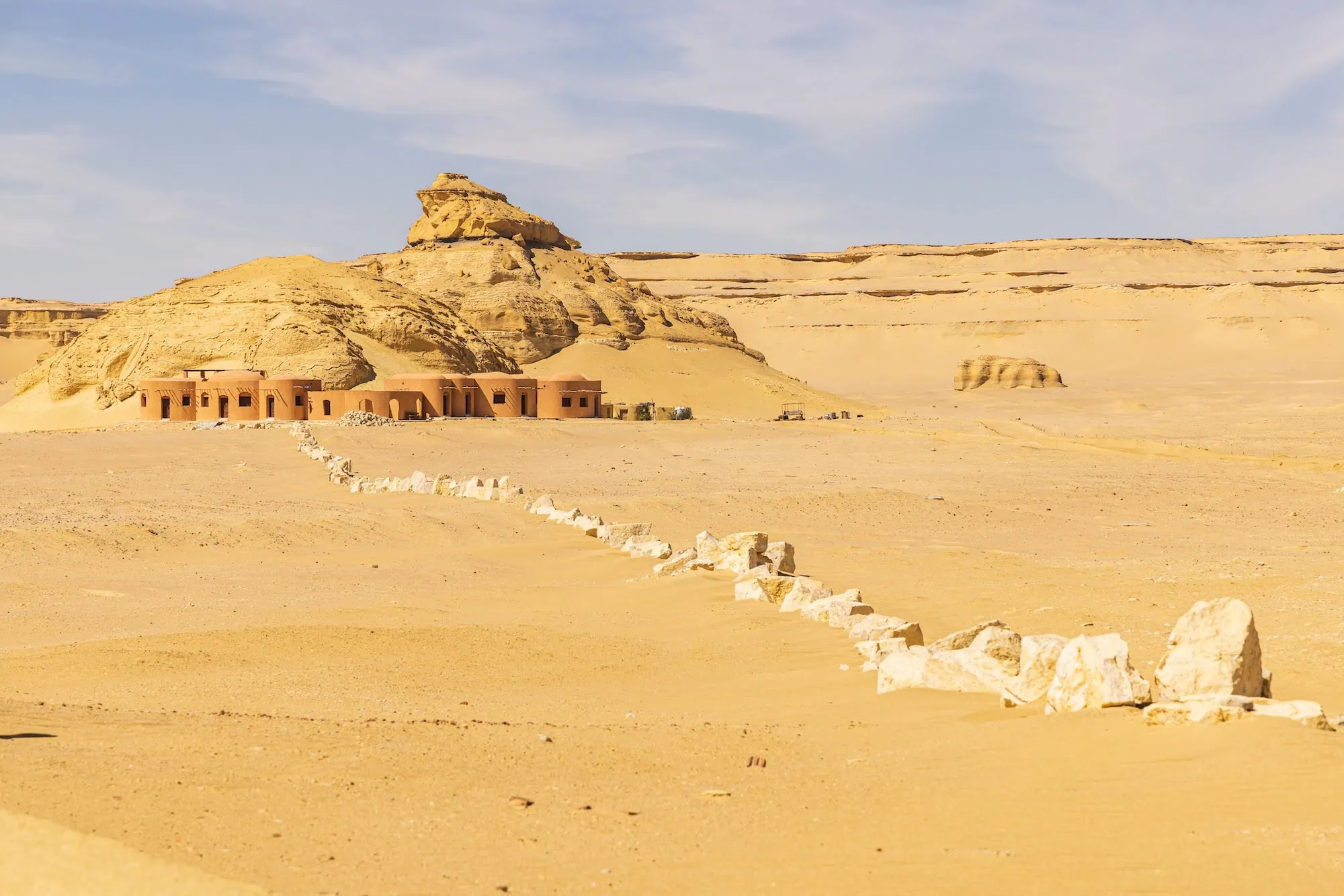
Forty million years ago, whales walked on land in what is now Egypt’s Western Desert. Today, Wadi Al Hitan stands as one of the most remarkable paleontological sites on Earth, where fossilized remains of archaeoceti – the earliest whale species – tell the extraordinary story of evolution itself.
This UNESCO World Heritage Site, located 150 kilometers (93 miles) southwest of Cairo in the Fayum Governorate, preserves the most complete record of whale evolution from land mammals to ocean-dwelling giants. The site’s exceptional fossil concentration and quality make it unparalleled globally for understanding this pivotal evolutionary transition.
We’ve spent decades guiding visitors through Egypt’s most fascinating destinations, and few places offer the same combination of scientific wonder and natural beauty as this ancient fossil site. Our expert guides bring these prehistoric stories to life while ensuring you experience every aspect of this desert treasure.
Table of Contents
Discovering the Evolutionary Marvel of Ancient Egypt
The journey to Wadi Al Hitan begins long before you arrive at the fossil site itself. This protected landscape emerged during the Middle to Late Eocene period, when the entire region lay beneath warm, shallow seas teeming with prehistoric marine life.
The Basilosaurus and Dorudon Legacy
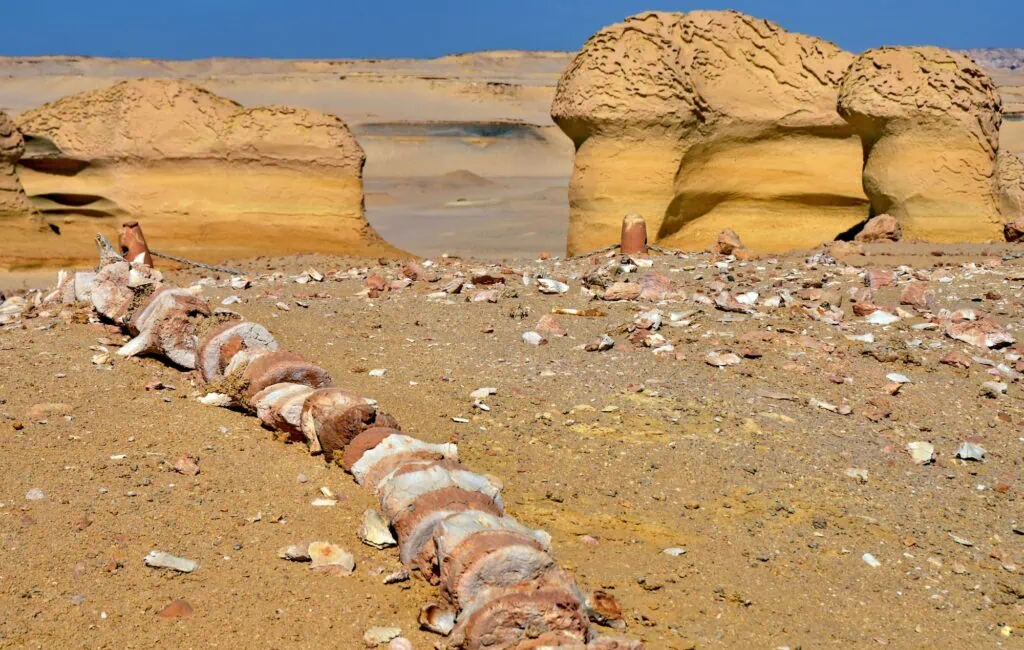
Walking among these ancient whale fossils feels like stepping into a natural history museum without walls. The site preserves complete skeletons of Basilosaurus and Dorudon species, including their distinctive hind limbs and pelvic bones that prove these ocean giants once moved across land. These archaeoceti specimens show perfectly preserved anatomical features – from elongated skulls to vestigial legs – that document the remarkable transformation from terrestrial to aquatic life.
The quality of preservation here surpasses most other fossil sites worldwide. Many specimens retain not just bones but also evidence of soft tissues and stomach contents, providing unprecedented insight into these ancient creatures’ daily lives and diets.
Geological Formation and Time Periods
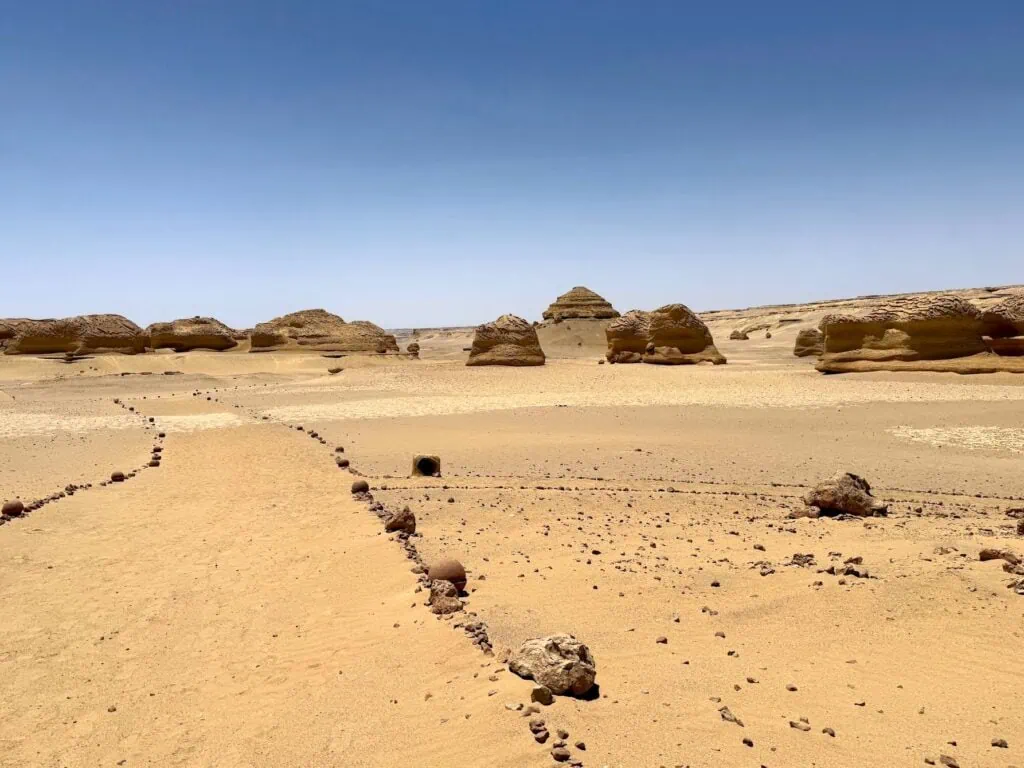
The yellowish marine sandstones of the Birket Qarun Formation create the perfect backdrop for fossil discovery. These sedimentary layers built up over millions of years as ancient rivers carried mineral-rich deposits into the prehistoric sea. Today’s visitors can literally touch rock formations that preserve evidence of climate changes, ocean chemistry, and the gradual environmental shifts that drove whale evolution.
Erosion patterns throughout the valley continue revealing new specimens, making each visit potentially unique as research teams uncover fresh evidence of this evolutionary milestone.
UNESCO World Heritage Recognition
In July 2005, UNESCO recognized Wadi Al Hitan’s outstanding universal value for demonstrating one of the most significant evolutionary transitions in Earth’s history. Featured in our Ultimate Guide to UNESCO World Heritage Sites, this designation ensures legal protection under Egyptian environmental law while promoting international scientific collaboration and responsible tourism development.
Planning Your Desert Adventure
Our three decades of organizing Egypt expeditions have taught us that successful Wadi Al Hitan visits require careful preparation and local expertise. The site’s remote desert location presents both opportunities and challenges that shape every aspect of your experience.
The 4WD vehicle journey from Cairo takes approximately 2.5 to 3 hours, winding through changing landscapes from Nile Delta agriculture to pure Western Desert terrain. We provide modern, air-conditioned vehicles with experienced drivers familiar with desert conditions and the specific access routes to the protected area. Most visitors combine their fossil valley exploration with other Fayoum Oasis attractions, creating comprehensive day trips that maximize travel time while offering diverse experiences.
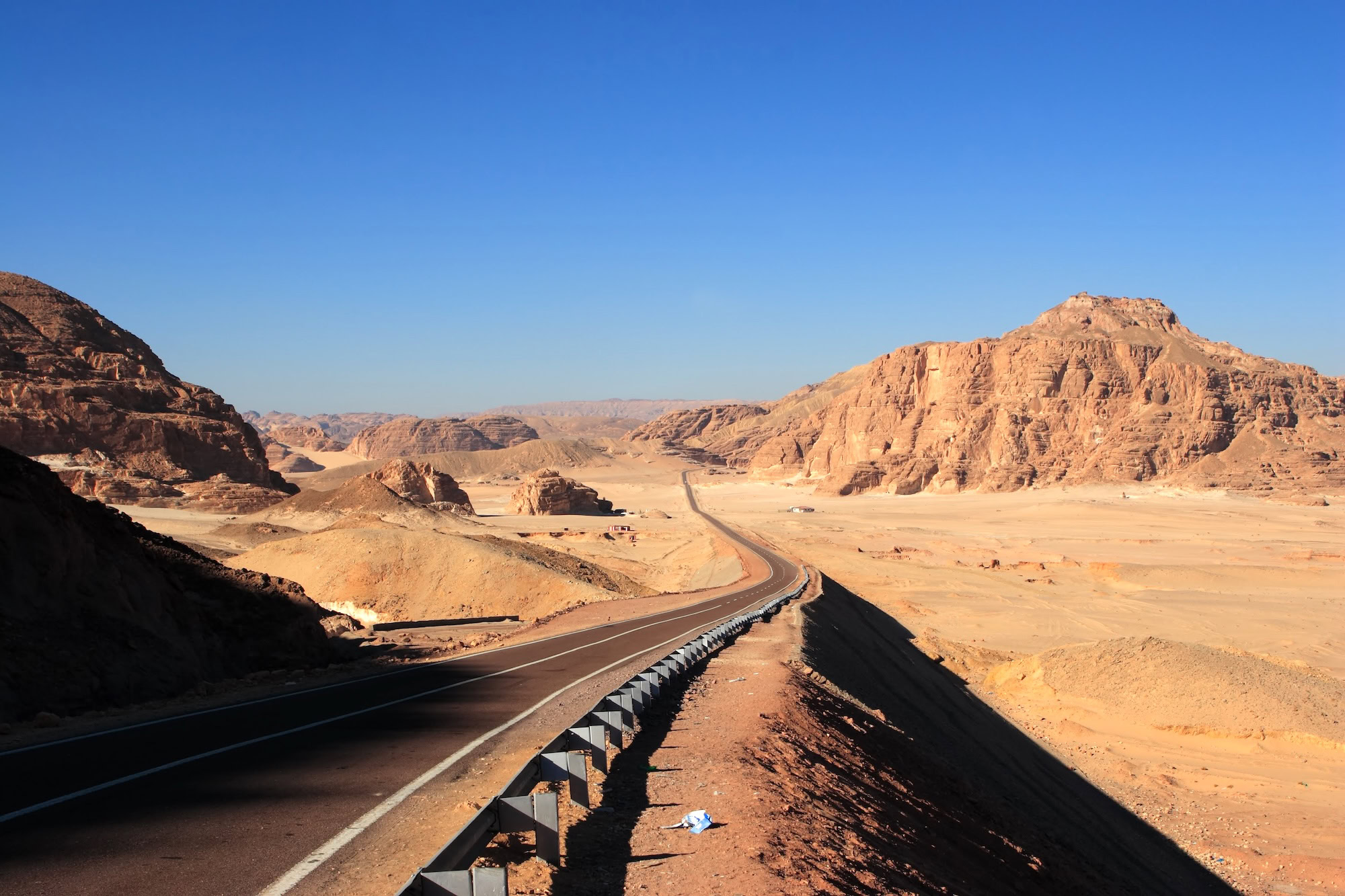
Weather considerations significantly impact visit planning, especially during summer months when temperatures can exceed 40°C (104°F). Winter visits from November through March provide the most comfortable conditions, with daytime temperatures around 20-25°C (68-77°F) and cool desert nights perfect for stargazing. Spring and autumn offer moderate conditions but require sun protection and adequate hydration planning.
The site opens daily from 8:00 am (08:00) to 4:00 pm (16:00), with last entry at 3:00 pm (15:00). Entry requires special permits that we handle as part of our comprehensive tour arrangements, ensuring seamless access without bureaucratic delays that can disrupt independent travel attempts.
Exploring the Outdoor Fossil Museum
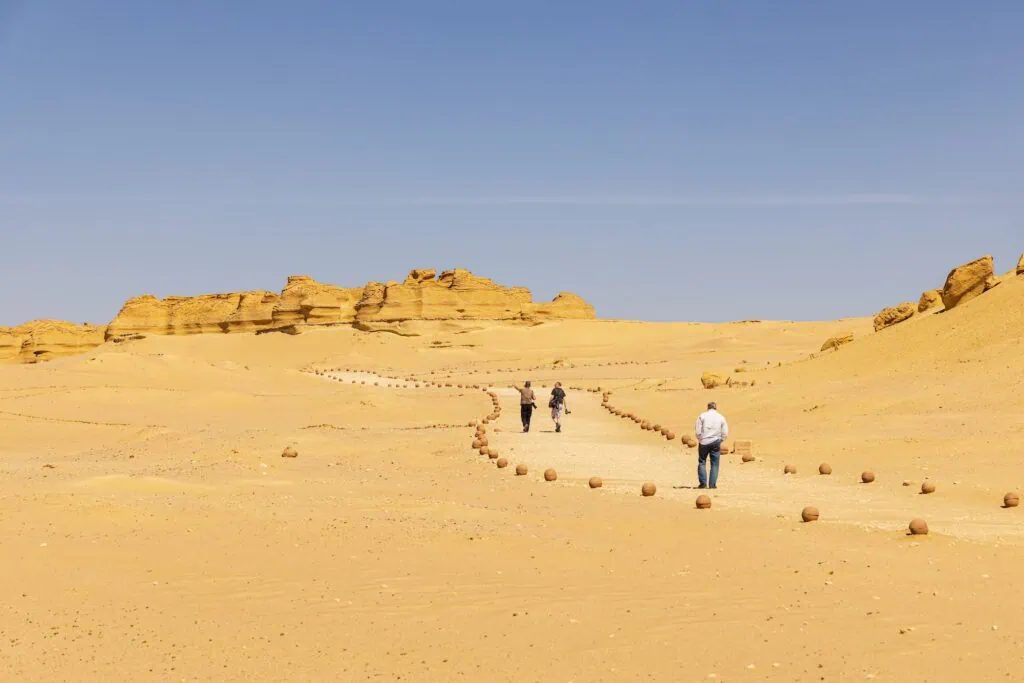
The protected area spans multiple walking trails that wind between exposed fossil sites and interpretive displays. Unlike traditional indoor museums, this open-air experience lets you observe specimens in their original geological context while learning about the excavation and preservation processes that make scientific study possible.
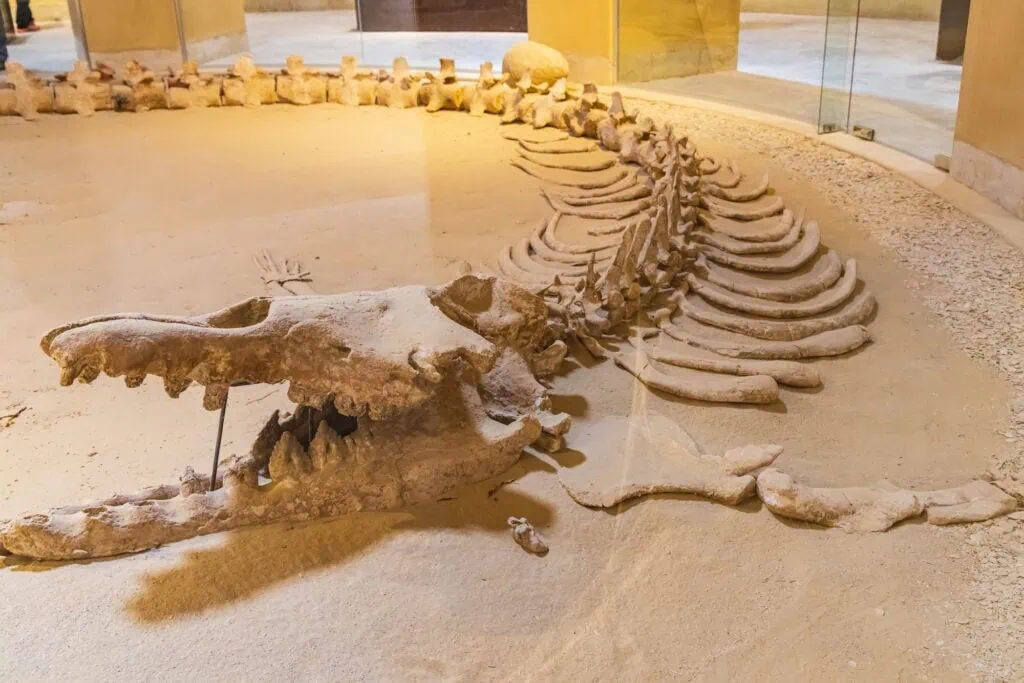
The Fossil Trail Experience
The main trail system covers approximately 2 kilometers (1.2 miles) of wooden walkways designed to protect both fossils and visitors. Each major specimen includes detailed signage explaining anatomical features, estimated age, and evolutionary significance. The trail design allows close observation without disturbing these irreplaceable scientific resources.
Photography opportunities abound throughout the walking route, with dramatic desert backdrops framing the whale skeletons against expansive sky views. Early morning and late afternoon lighting create particularly striking contrasts between the dark fossil bones and golden sandstone formations.
Underground Museum Complex
The site’s distinctive dome-shaped museum houses additional specimens too fragile for outdoor display, along with interactive exhibits explaining whale evolution through multimedia presentations. Climate-controlled environments preserve delicate fossils while providing comfortable spaces for detailed study and educational programs.
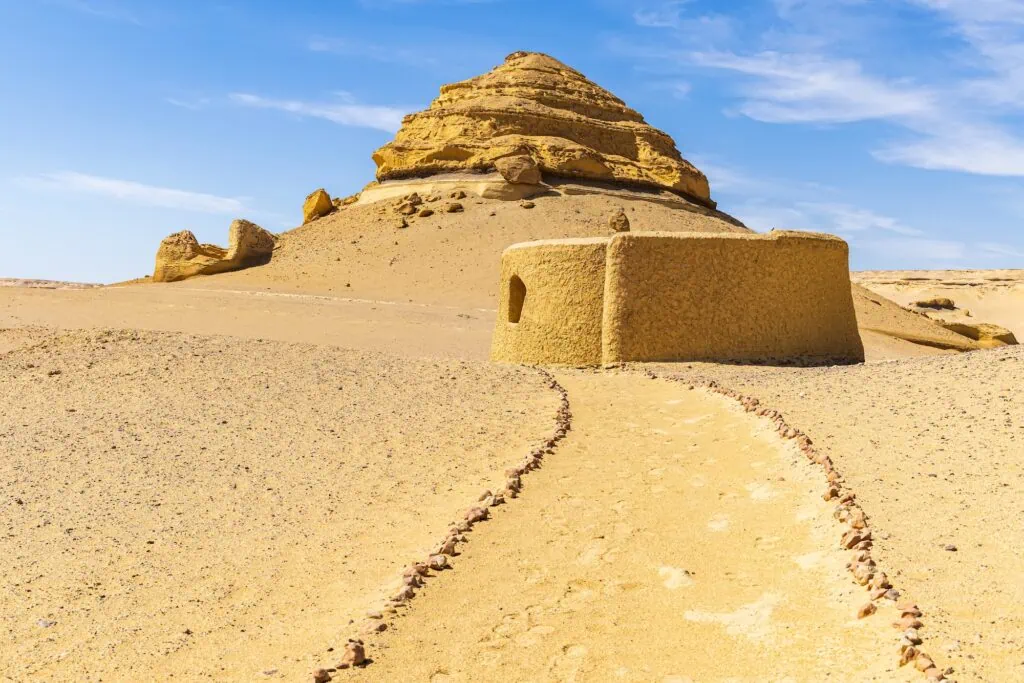
This subterranean facility showcases reconstructed whale skeletons alongside geological samples, timeline displays, and comparative anatomy exhibits that help visitors understand the broader context of archaeoceti evolution. The museum’s design incorporates sustainable architecture principles that minimize environmental impact while maximizing educational value.
Research and Conservation Areas
Active research continues throughout Wadi Al Hitan under international scientific collaboration agreements. Visitors may observe excavation work in progress, depending on seasonal research schedules and ongoing projects. These active dig sites demonstrate the meticulous techniques paleontologists use to extract and preserve specimens for future study.
Conservation efforts focus on protecting exposed fossils from erosion and human impact while maintaining public access for educational purposes. The balance between scientific research, preservation, and tourism requires constant management attention supported by Egypt’s Nature Conservation Sector.
Complete Fayoum Region Adventures
Most travelers find that Wadi Al Hitan pairs perfectly with other Fayoum attractions, creating full-day adventures that showcase the region’s diverse natural and cultural heritage. We design these combination tours to maximize your desert experience while providing varied activities that appeal to different interests and energy levels.
Wadi El Rayan’s waterfalls and lakes offer refreshing contrasts to the fossil site’s desert environment. These protected wetlands support diverse bird species and provide opportunities for nature photography and peaceful reflection. The area’s unique geography created Egypt’s only waterfalls, fed by agricultural drainage that forms two connected lakes in the desert depression.
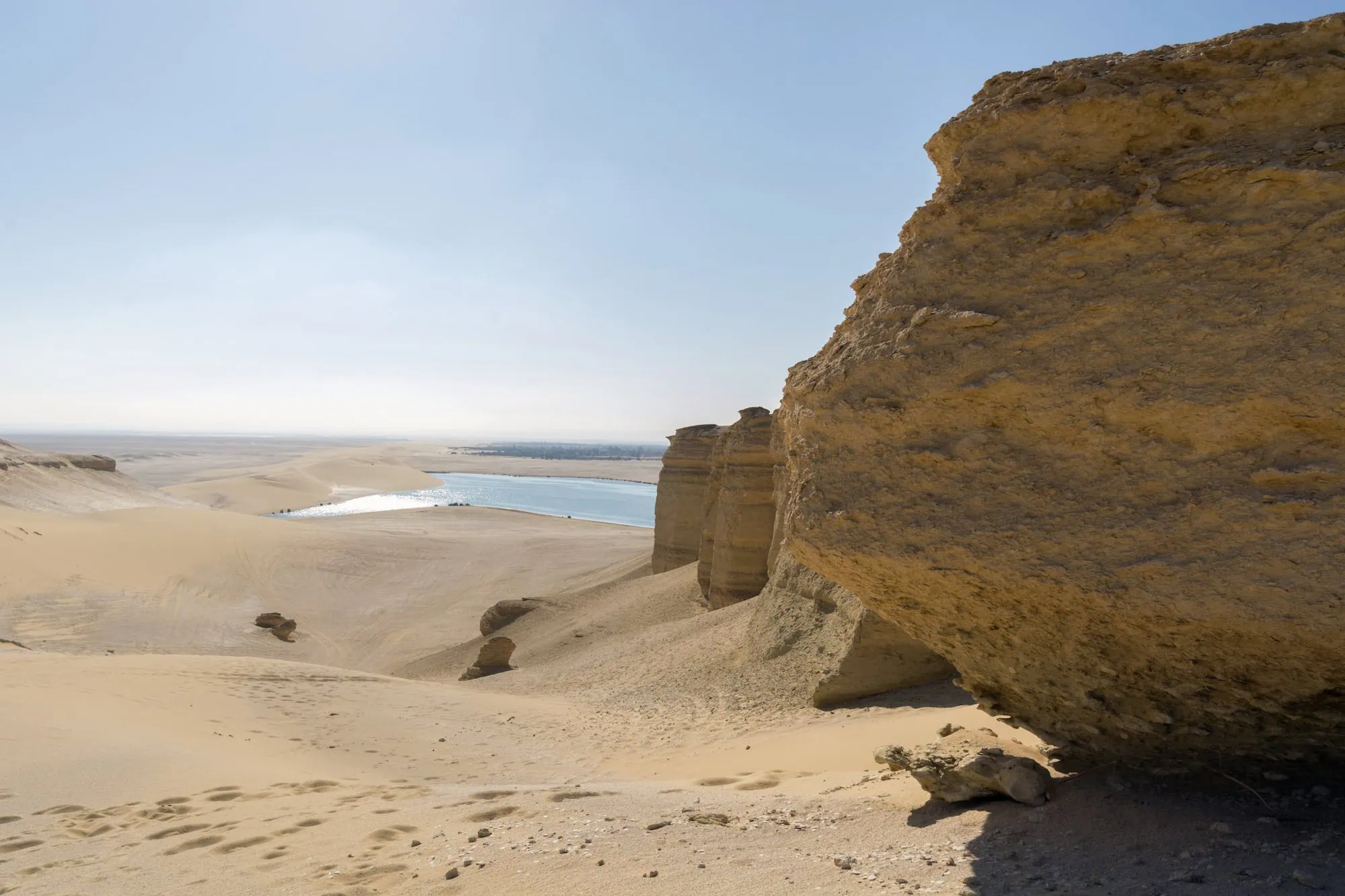
Magic Lake’s changing colors create stunning photographic opportunities, especially during golden hour lighting conditions. The lake’s mineral content produces brilliant blue-green hues that shift throughout the day as light angles change. Sandboarding opportunities around the lake add adventure elements for visitors seeking active desert experiences.
Fayoum Oasis towns preserve traditional Egyptian culture away from major tourist centers. Local pottery workshops, traditional markets, and authentic restaurants provide cultural immersion opportunities that complement the natural attractions. We arrange visits to family-run businesses that welcome visitors while supporting local economic development.
The combination of paleontological wonders, natural beauty, cultural experiences, and adventure activities creates comprehensive regional exploration that appeals to diverse travel interests. Our flexible tour designs accommodate different group sizes, physical abilities, and specific interests while ensuring efficient travel logistics and expert local guidance.
Practical Visitor Information and Tour Logistics
Transportation and Access Requirements
All visitors must use 4WD vehicles for the final approach to Wadi Al Hitan due to sandy terrain and unmarked desert tracks. We provide professional drivers with GPS navigation and desert safety equipment, eliminating navigation concerns while ensuring reliable transportation. Vehicle capacity typically accommodates 4-6 passengers comfortably with space for water, snacks, and photography equipment.
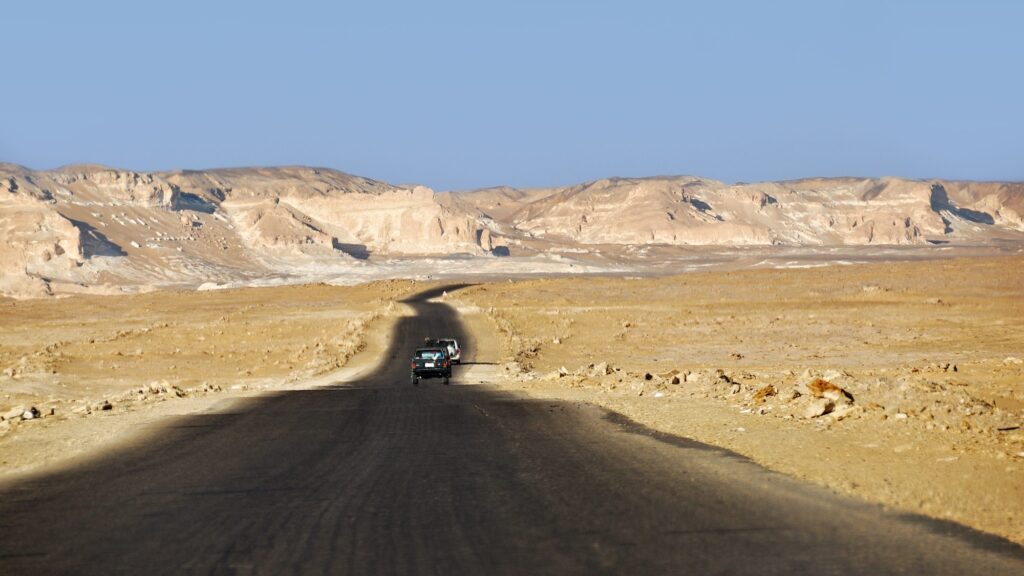
Permit requirements vary for Egyptian nationals versus international visitors, with processing handled through our established relationships with park authorities. These advance arrangements prevent delays and ensure guaranteed access during your preferred visit dates.
What to Bring and Expect
Desert conditions require specific preparation regardless of season. Essential items include sun hats, sunglasses, sunscreen (SPF 30 minimum), comfortable walking shoes with ankle support, and layered clothing for temperature variations. We recommend bringing personal water bottles in addition to our provided refreshments, especially for extended photography sessions or detailed fossil study.
Camera equipment benefits from dust protection and extra battery power, as desert conditions can drain batteries faster than normal use. The site offers exceptional photography opportunities from sunrise through sunset, with different lighting conditions highlighting various geological features and fossil details.
Duration and Activity Level
Standard visits require 2-3 hours at the fossil site itself, with total tour duration of 8-10 hours including transportation and optional combination activities. Walking distances remain moderate, with most trails suitable for average fitness levels. However, desert terrain and uneven surfaces require careful footing and steady balance.
Rest areas and shade structures provide relief during longer visits, though the desert environment means most time is spent in direct sunlight. We schedule visits to minimize midday heat exposure while maximizing optimal lighting for both fossil observation and photography.
Group Sizes and Private Options
Our Wadi Al Hitan tours accommodate various group preferences from intimate private experiences to small group adventures with up to 12 participants. Private tours offer maximum flexibility for photography enthusiasts, researchers, or families with specific interests or schedules. Small groups provide social interaction opportunities while maintaining personalized attention from expert guides.
Educational group visits require advance coordination to ensure appropriate facilities and specialized presentations. We work with schools, universities, and scientific organizations to design programs that meet specific learning objectives while respecting site conservation requirements.
Turn Wadi Al Hitan Into The Highlight Of Your Egypt Journey
Imagine standing among ancient whale fossils in the golden silence of Wadi Al Hitan—then continuing your journey through Egypt’s most iconic landscapes, all seamlessly connected in one private, curated experience. With EgyptToursPlus, this extraordinary UNESCO site becomes part of a larger story designed entirely around you.
Choose your travel dates, set your own pace, and decide exactly how your journey unfolds—from desert adventures to Nile cruises and cultural landmarks. Our experts handle every detail, ensuring a smooth, comfortable, and deeply personal experience from start to finish.
Frequently Asked Questions
The drive from Cairo to Wadi Al Hitan typically takes 2.5 to 3.5 hours depending on traffic, weather, and road conditions, with the final section requiring four-wheel-drive access across desert terrain. Most of the route follows paved highways through Fayoum before transitioning to sandy tracks near the UNESCO World Heritage zone. The journey itself is not technically difficult for experienced desert drivers, but independent travelers unfamiliar with desert navigation should avoid attempting the route without local guidance or proper vehicles.
Children can safely visit Wadi Al Hitan, especially those over age 8 who can comfortably handle walking trails, desert heat, and extended outdoor exposure. The main fossil paths are relatively manageable, but the environment offers little natural shade and daytime temperatures can rise quickly even during cooler months. Families should bring hats, sunscreen, snacks, and extra water because hydration becomes critical in the dry desert climate. Morning visits are generally best for younger travelers because temperatures remain significantly lower before midday.
November through March provides the best conditions for visiting Wadi Al Hitan, with daytime temperatures usually ranging between 20°C and 25°C (68°F to 77°F). Cooler weather improves hiking comfort, photography conditions, and visibility across the desert landscape surrounding the fossil beds. Summer temperatures in Fayoum regularly exceed 40°C (104°F), which can make outdoor exploration physically exhausting. Winter mornings also create softer lighting for photographing fossil skeletons and sandstone formations across the UNESCO-protected reserve.
The whale fossils displayed at Wadi Al Hitan are authentic prehistoric specimens preserved in their original geological context rather than reconstructed replicas or museum reproductions. Many skeletons date back roughly 40 million years to the Eocene epoch and include visible hind limbs that document the evolutionary transition from land mammals to marine whales. This level of preservation is one reason UNESCO designated Wadi Al Hitan a World Heritage Site in 2005. Visitors c
Travelers should allow approximately 8 to 10 hours for a complete Wadi Al Hitan experience, including round-trip transportation from Cairo or Fayoum plus 2 to 3 hours exploring the fossil trails and visitor center. Many itineraries also combine the site with Wadi El Rayan waterfalls, desert activities, or Tunis Village pottery workshops during the same day. Visitors focused on photography, paleontology, or slower-paced hiking may prefer overnight stays nearby. Early departures help avoid both Cairo traffic and peak afternoon desert temperatures.
Photography is generally allowed throughout Wadi Al Hitan for personal use, including along fossil trails, desert viewpoints, and most outdoor areas surrounding the whale skeletons. Professional filming, drone operations, or commercial photography projects may require additional permits from Egyptian environmental and antiquities authorities. Flash restrictions occasionally apply inside enclosed exhibit spaces to protect sensitive displays and interpretive materials. Sunrise and late afternoon usually provide the strongest lighting conditions because lower sun angles emphasize fossil textures and surrounding desert formations.
Wadi Al Hitan is internationally significant because it preserves complete ancient whale skeletons with visible hind limbs, clearly documenting one of evolution’s most important biological transitions from land mammals to marine animals. Few fossil sites worldwide present specimens in such exceptional condition and within their original desert setting. UNESCO recognized the area as a World Heritage Site specifically for its scientific importance to paleontology and evolutionary biology. The combination of geology, open desert scenery, and accessible fossils makes the experience unusually immersive.
Independent visits to Wadi Al Hitan are possible, but guided tours remain strongly recommended because the reserve sits deep within protected desert terrain requiring navigation across unmarked sandy roads. Guides also explain the evolutionary significance of the fossils, which dramatically improves the educational value of the visit beyond simply viewing skeletons. Entry logistics, environmental regulations, and transportation coordination are easier through organized excursions. Travelers unfamiliar with desert conditions should especially avoid self-driving without a reliable four-wheel-drive vehicle and navigation experience.
Wadi Al Hitan’s visitor center provides basic restroom facilities, shaded rest areas, and limited refreshments, although services are far more limited than those found at major Egyptian tourism destinations. Visitors should still carry extra drinking water, light snacks, and sun protection because the fossil trails extend through exposed desert terrain with minimal commercial infrastructure. Facilities may also vary seasonally depending on visitor numbers and maintenance schedules. Travelers spending a full day in Fayoum generally benefit from bringing backup supplies regardless of planned stops.
The main fossil trail at Wadi Al Hitan requires moderate physical effort, with walking distances around 2 kilometers (1.2 miles) across uneven desert surfaces and exposed open terrain. Most reasonably fit visitors can complete the route comfortably, although midday heat increases fatigue significantly during warmer months. Wooden walkways and designated rest areas improve accessibility compared to many desert archaeological sites. Travelers with mobility limitations can still enjoy shorter sections near the visitor center while avoiding the longer walking loops deeper into the reserve.
Most organized Wadi Al Hitan tours include four-wheel-drive transportation, entry permits, bottled water, an experienced desert guide, and visits to key fossil viewing areas within the UNESCO reserve. Many itineraries also include lunch, stops at Wadi El Rayan waterfalls, or cultural visits to Fayoum villages depending on the package structure. Egypt Tours Plus commonly designs flexible itineraries that allow additional photography time or slower-paced exploration for travelers interested in paleontology and desert landscapes. Confirm exact inclusions before departure because amenities vary between operators.
Wadi Al Hitan combines easily with other Egyptian destinations because Fayoum Oasis sits relatively close to Cairo and connects naturally with desert, cultural, and archaeological itineraries. Travelers frequently pair the site with Wadi El Rayan, Tunis Village, the Pyramids of Giza, Nile cruises, or Red Sea extensions depending on available time. Multi-day combinations work especially well because Fayoum offers a quieter contrast to Egypt’s larger urban tourism centers. Combining destinations also reduces repeated long-distance transportation across the Western Desert region.
Design Your Private Western Desert Adventure
Travel with your own expert guide, private 4×4 vehicle, and a route tailored to you.