

Al Bagawat – A Sprawling Necropolis of Ancient Tombs
Standing among the oldest Christian burial grounds on Earth, Al Bagawat represents a remarkable fusion of Egyptian and early Christian traditions.
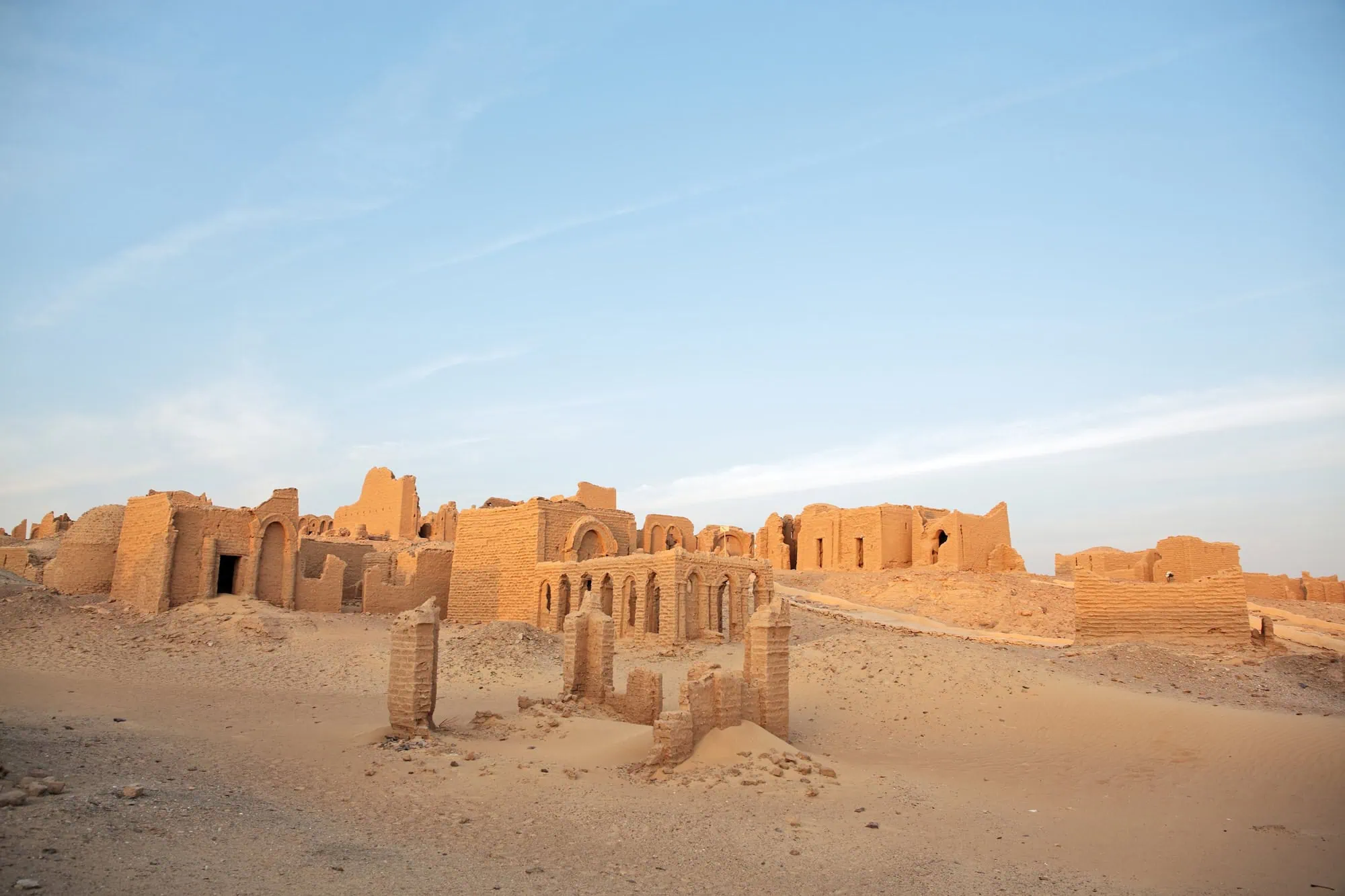
Deep within the Western Desert of Egypt, the Kharga Oasis shelters an extraordinary archaeological treasure that has captivated historians for over a century. This ancient necropolis, known as Al Bagawat or El Bagawat, served as a Christian cemetery from the 3rd to 7th centuries CE, preserving some of the world’s most significant early Christian art.
The site contains 263 mud-brick chapels and tombs, each telling stories of faith, artistic expression, and cultural transformation during one of history’s most pivotal periods. What makes Al Bagawat truly exceptional isn’t just its age or size, but the extraordinary preservation of biblical frescoes and Coptic inscriptions that offer unprecedented insight into early Christian communities in Egypt.
Table of Contents
Discovering Egypt’s Most Sacred Christian Heritage
The journey to Al Bagawat begins with understanding its profound historical significance. Archaeological evidence suggests this remarkable cemetery operated continuously for over four centuries, making it one of the longest-functioning Christian burial sites from the early medieval period.
Foundation of Faith
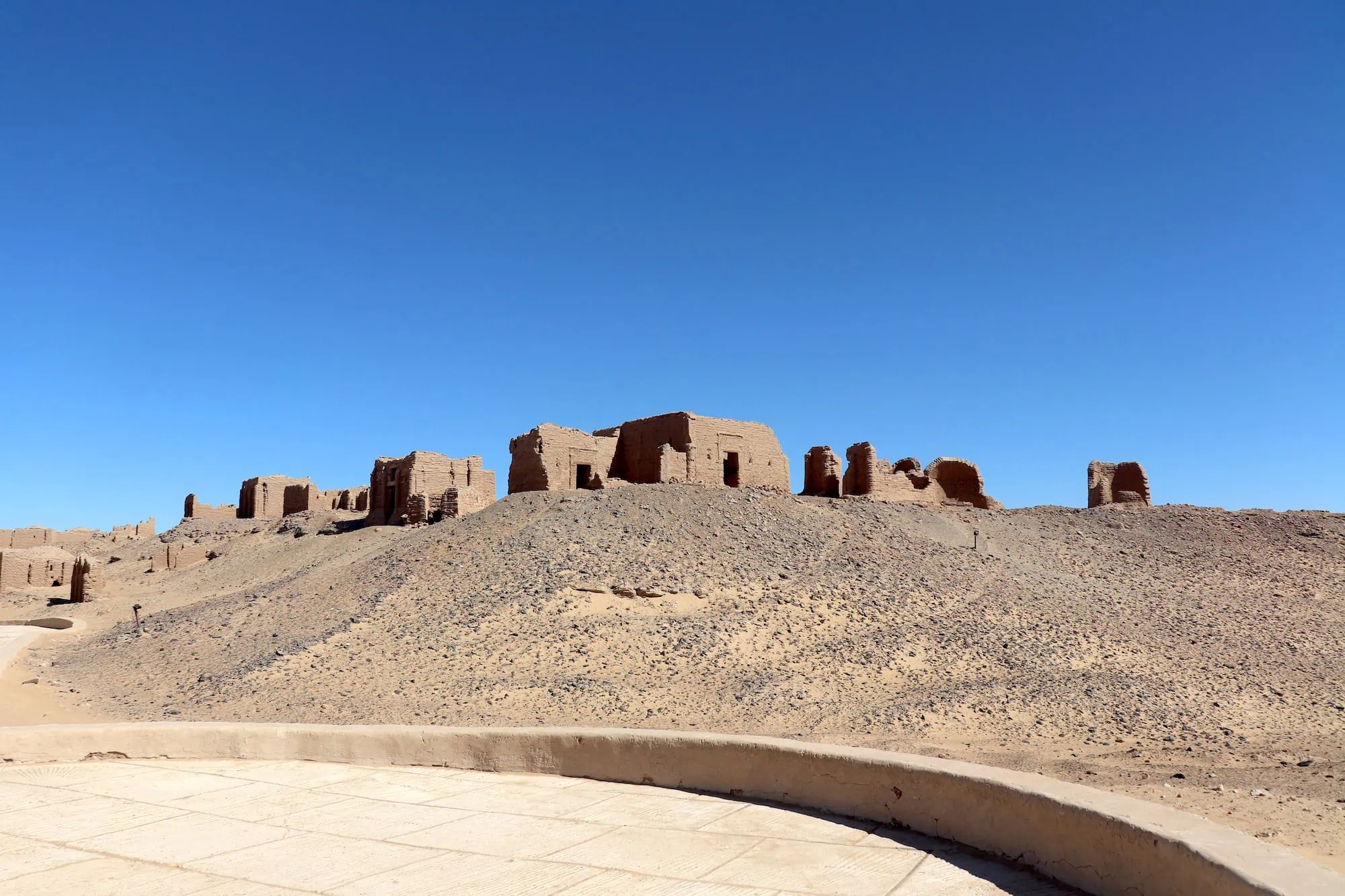
Built upon an earlier Egyptian burial ground, Al Bagawat demonstrates the gradual transformation of religious practices in ancient Egypt. Early Christian communities chose this location strategically, establishing their sacred space in the fertile Kharga Oasis where life could flourish despite the surrounding desert.
The cemetery’s position reflects both practical considerations and spiritual symbolism – a place where eternal life could begin in the midst of apparent desolation. The 263 structures vary dramatically in size and decoration, from simple single-chamber tombs to elaborate multi-room complexes adorned with intricate frescoes.
Architectural Marvel of Christianity
Each chapel at Al Bagawat follows a distinctive architectural pattern that blends Roman, Egyptian, and emerging Christian design elements. The dome-shaped mausoleums, constructed primarily from local mud bricks, demonstrate sophisticated engineering techniques that have withstood over 1,500 years of desert conditions.
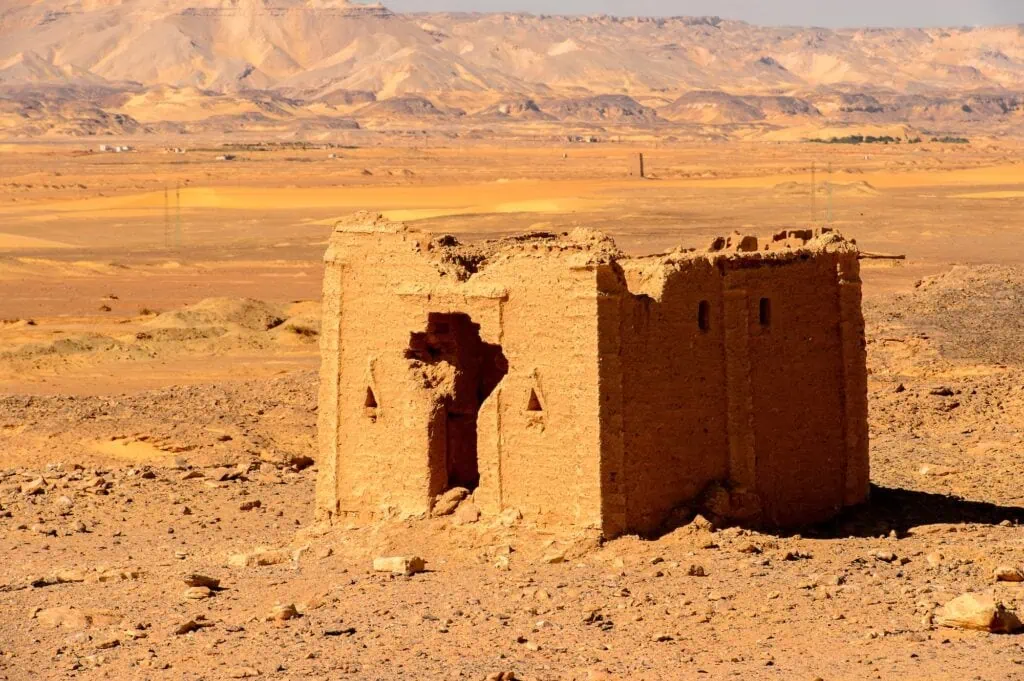
The central church, positioned at the heart of the necropolis, served as the focal point for community gatherings and religious ceremonies. Its placement emphasizes the communal nature of early Christian burial practices, where families and religious communities would gather to commemorate the deceased.
Artistic Treasures Beyond Compare
The frescoes adorning many chapels represent some of the earliest known Christian paintings in Africa. These artistic masterpieces combine traditional Egyptian artistic techniques with new Christian themes, creating a unique visual language that speaks to cultural adaptation and religious innovation.
The paintings reveal not only artistic skill but also theological understanding, as early Christian communities worked to express their faith through familiar cultural forms.
The Famous Exodus Chapel
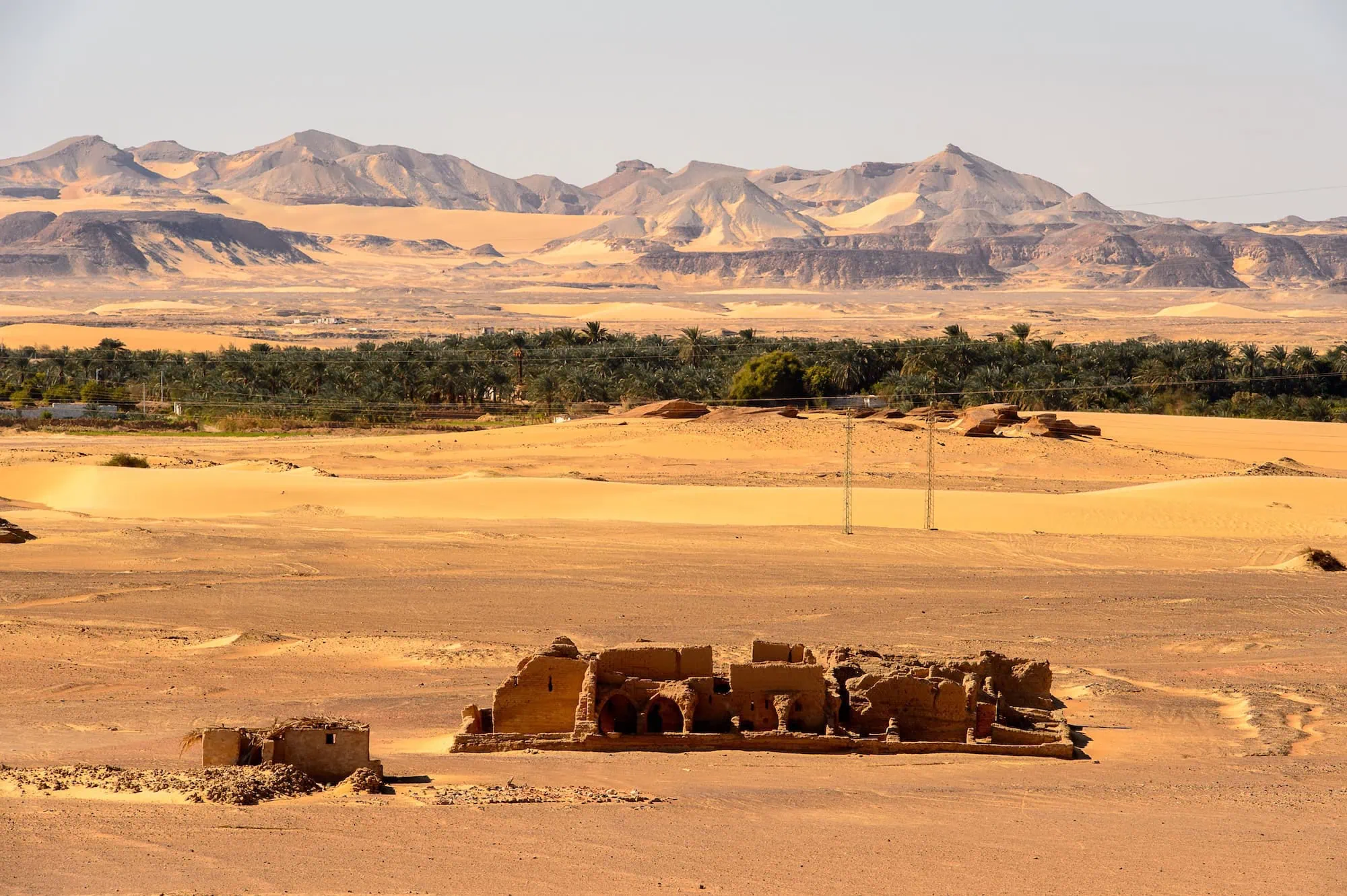
Perhaps no single structure at Al Bagawat captures the imagination quite like the renowned Exodus Chapel. This extraordinary tomb stands as a testament to the sophisticated theological understanding of early Christian communities in Egypt.
The chapel’s walls come alive with vibrant depictions of Moses leading the Israelites out of Egypt – a story that resonated deeply with Christian communities living under Roman rule. These frescoes don’t merely illustrate biblical events; they transform the tomb into a sacred space where spiritual narratives unfold across every surface.
Archaeological analysis reveals that the Exodus Chapel served multiple functions beyond simple burial. Evidence suggests it hosted religious gatherings where community members would contemplate the painted stories while honoring their deceased.
The Peace Chapel
Equally significant is the Peace Chapel, known for its unique iconographic program that includes representations of biblical figures alongside abstract Christian symbols. The frescoes here demonstrate a different artistic approach, emphasizing symbolic rather than narrative elements.
This chapel’s decoration reveals the diversity of early Christian artistic expression at Al Bagawat. While the Exodus Chapel tells stories through dynamic scenes, the Peace Chapel creates mood through carefully chosen symbols and figures.
Apocryphal Connections
Recent academic research has identified connections between some Al Bagawat frescoes and apocryphal Christian literature – religious texts that, while not included in the biblical canon, were widely read and respected in early Christian communities.
Chapel 30, for instance, contains imagery that scholars link to the martyrdom of Thekla, a female saint whose story appears in apocryphal Acts of Paul and Thekla. These connections illuminate the rich theological landscape of early Egyptian Christianity.
Coptic Art and Cultural Fusion
The artistic legacy of Al Bagawat extends far beyond individual chapels to represent one of history’s most successful examples of cultural synthesis. Here, ancient Egyptian artistic traditions merged with Christian theology to create something entirely new.
Coptic inscriptions throughout the cemetery provide crucial information about the people buried here, their families, and their spiritual beliefs. These texts, written in the Coptic script derived from ancient Egyptian hieroglyphs, offer personal glimpses into early Christian life.
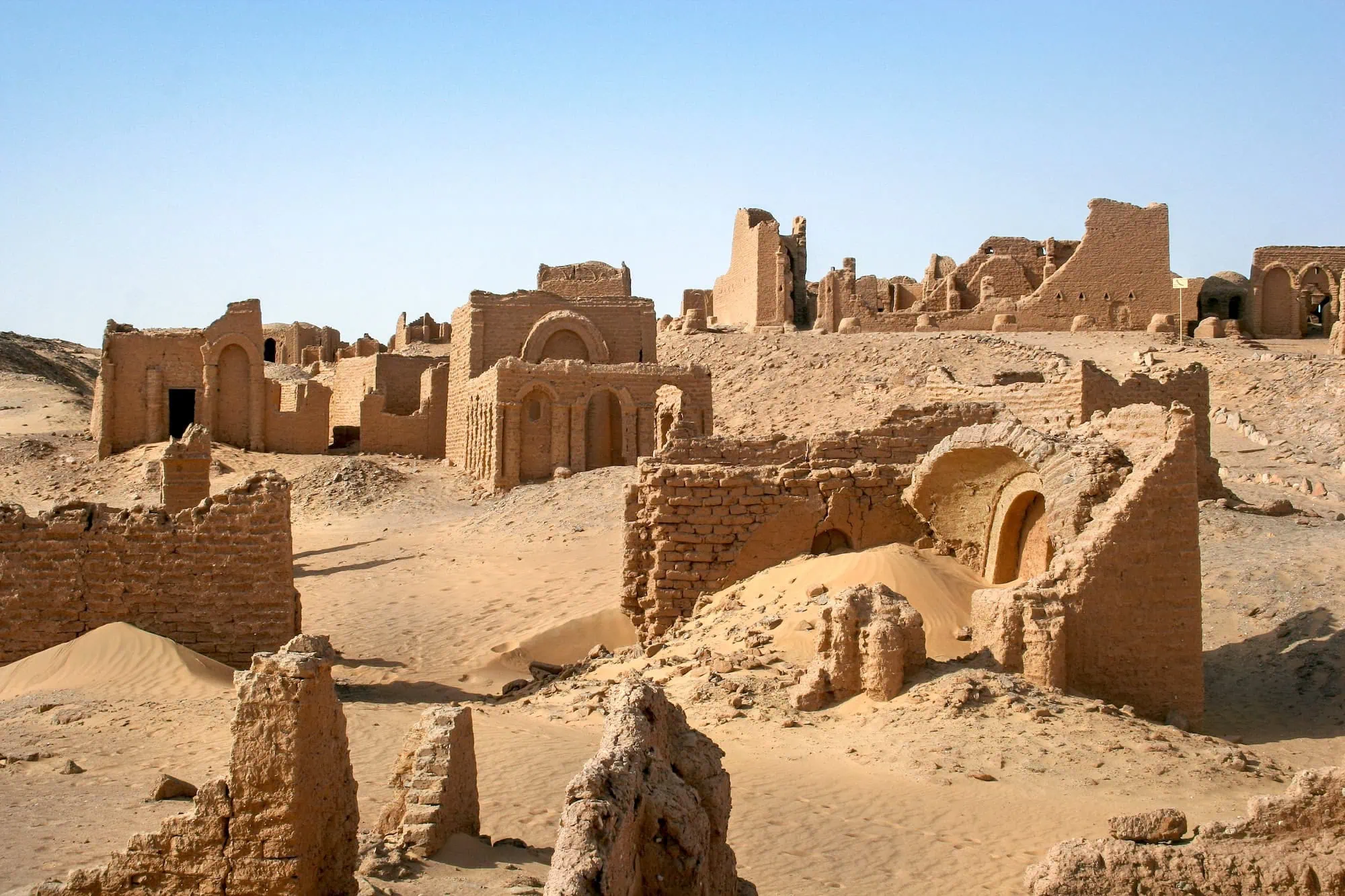
The fusion of Egyptian and Christian artistic elements appears most clearly in the treatment of human figures and symbolic motifs. Artists at Al Bagawat maintained traditional Egyptian proportions and stylistic conventions while adapting them to Christian subjects.
Byzantine influences also appear in later frescoes, particularly those dating from the 6th and 7th centuries. These later works demonstrate the ongoing evolution of artistic styles as Al Bagawat continued to serve Christian communities well into the Byzantine period.
Archaeological Significance and Modern Research
Al Bagawat continues to yield new discoveries as archaeological techniques advance and research methods become more sophisticated. Recent studies have revealed previously unknown details about construction techniques, artistic methods, and the daily life of communities who used this cemetery.
Dating and Chronological Framework
Establishing precise dates for Al Bagawat’s various structures has occupied archaeologists for decades. While the cemetery clearly operated from the 3rd to 7th centuries CE, determining exact construction dates for individual chapels requires careful analysis of artistic styles and construction techniques.
Carbon dating of organic materials found within tombs has provided valuable chronological anchors, while analysis of pottery fragments and other artifacts offers additional temporal markers. This multi-layered approach reveals that Al Bagawat experienced several phases of expansion throughout its active period.
Conservation Challenges and Efforts
The remarkable preservation of Al Bagawat’s frescoes results primarily from the extremely dry climate of the Kharga Oasis. However, modern challenges including tourism pressure, environmental changes, and natural deterioration threaten these ancient artworks.
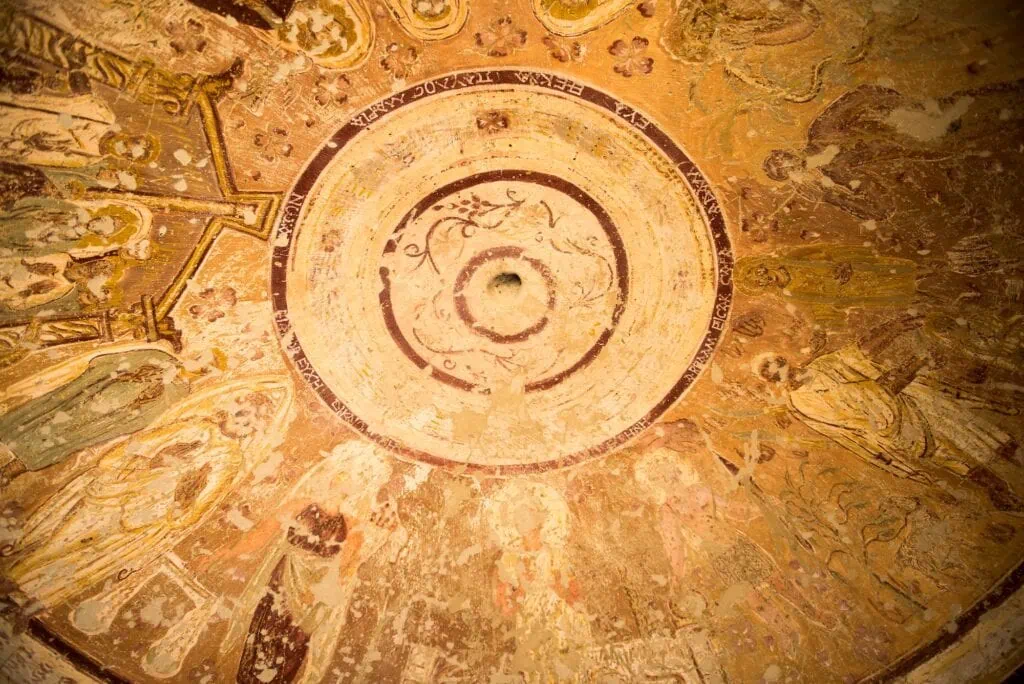
International collaboration between Egyptian authorities and foreign archaeological institutions has facilitated advanced conservation techniques. These efforts include detailed photographic documentation, chemical analysis of pigments, and development of protective measures that balance preservation needs with educational access.
Technological Applications in Research
Modern technology has revolutionized Al Bagawat research. High-resolution photography reveals artistic details invisible to the naked eye, while digital reconstruction techniques help scholars understand damaged or fragmentary frescoes.
Three-dimensional scanning creates permanent digital records of the cemetery’s structures and artwork, ensuring this cultural heritage will survive even if physical deterioration continues. These technological tools also enable virtual visits for scholars and students worldwide who cannot travel to the remote Kharga Oasis.
Planning Your Visit to Al Bagawat
We understand that visiting Al Bagawat represents more than a typical tourist excursion – it’s a journey into one of Christianity’s most significant archaeological sites. Our decades of expertise in Egyptian archaeology and tourism ensure your visit will be both educational and deeply meaningful.
The remote location of Al Bagawat in the Kharga Oasis requires careful planning and local expertise. We provide specialized transportation from Cairo or Luxor, with comfortable modern vehicles equipped for desert travel.
Best Times to Experience
Desert climate considerations make timing crucial for an optimal Al Bagawat experience. We recommend visiting between October and April when temperatures remain comfortable during daytime exploration.
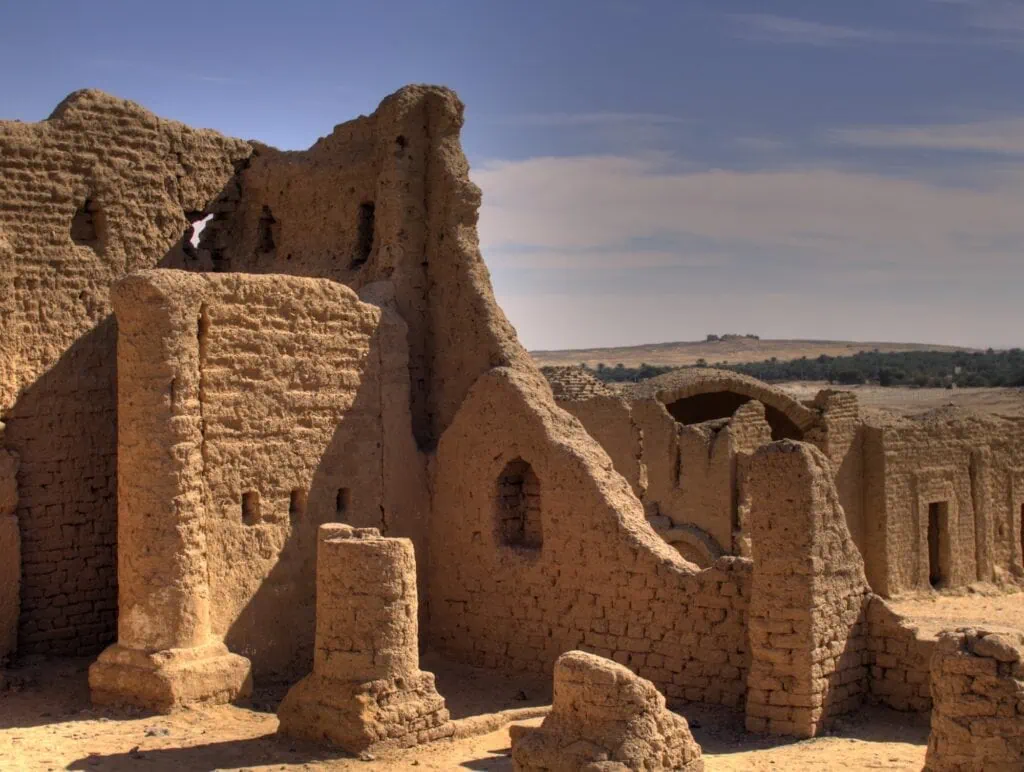
Morning visits from 8:00 am to 11:00 am offer the best lighting for viewing frescoes while avoiding peak heat. Winter months from December through February offer the most pleasant weather, with daytime temperatures around 20-25°C and minimal risk of sandstorms.
Expert Guidance and Interpretation
Al Bagawat’s significance emerges fully only with proper historical and theological context. Our qualified guides possess specialized knowledge of early Christian history, Coptic art, and archaeological methods.
We arrange private guided experiences that allow for detailed exploration of the most significant chapels. Our guides discuss the artistic techniques, religious symbolism, and historical importance of each structure while respecting the sacred nature of this ancient cemetery.
Practical Desert Travel Considerations
The journey to Al Bagawat requires preparation for desert conditions and remote travel. We provide comprehensive pre-travel briefings covering essential items like sun protection, comfortable walking shoes, and appropriate clothing for desert conditions.
For U.S. visitors, a tourist visa is required for Egypt, obtainable upon arrival at Cairo International Airport for $25 USD, valid for 30 days. European travelers follow similar procedures with identical visa costs and validity periods.
Explore The Timeless Spirit Of Al Bagawat
Al Bagawat offers a rare journey into Egypt’s early Christian history—set in the quiet desert, where ancient chapels and tombs tell stories far removed from the usual tourist paths. With Egypt Tours Plus, we seamlessly connect this unique site to a broader private journey, blending hidden historical treasures with Egypt’s most iconic destinations.
You choose your travel dates, your pace, and the experiences that shape your route. From cultural discoveries to desert landscapes and carefully selected comforts, we tailor every detail around your preferences—ensuring a smooth, refined, and deeply personal travel experience from beginning to end.
Frequently Asked Questions
Al Bagawat cemetery dates from approximately the 3rd to 7th centuries CE, making it more than 1,300 years old and one of the oldest surviving Christian cemeteries in the world. Located in Egypt’s Kharga Oasis about 200 km west of Luxor, the necropolis contains over 260 mud-brick chapels and tombs. The site flourished during the late Roman and early Byzantine periods when Christianity spread across Egypt’s Western Desert. Its dry desert climate helped preserve structures rarely surviving elsewhere from the same era.
The Exodus Chapel is famous for its rare early Christian frescoes illustrating biblical scenes such as Moses leading the Israelites out of Egypt and Noah’s Ark. These paintings, created roughly between the 4th and 5th centuries CE, remain among the oldest surviving Christian wall paintings in Egypt. Unlike later Byzantine religious art, the frescoes display a simpler and more symbolic artistic style influenced by both Roman and Egyptian traditions. Art historians consider the chapel one of Al Bagawat’s most significant surviving monuments.
Yes, visitors can still view several original frescoes at Al Bagawat, although access to certain fragile chapels may require permission or guided supervision to protect the artwork. Many paintings survived because Kharga Oasis receives extremely low annual rainfall and maintains dry desert conditions ideal for preservation. The most accessible frescoes appear inside chapels such as the Exodus Chapel and Chapel of Peace. Morning visits provide the best lighting and cooler temperatures for detailed viewing and photography.
A thorough visit to Al Bagawat typically takes 3 to 4 hours, allowing time to explore major chapels, examine frescoes, and walk through the wider cemetery complex. The site spreads across a desert hillside near Kharga Oasis and includes hundreds of mud-brick tomb structures from different historical periods. Travelers combining Al Bagawat with nearby Kharga attractions such as Hibis Temple often spend a full day in the area. Comfortable walking shoes are important because paths remain uneven and sandy.
Yes, Al Bagawat’s remote location in Egypt’s Western Desert makes access more challenging than major Nile Valley attractions such as Luxor or Cairo museums. The cemetery sits near Kharga Oasis, approximately 600 km southwest of Cairo, and most visitors arrive by private vehicle or organized desert tour. Public transportation options remain limited and infrequent compared to Egypt’s main tourist corridors. Travelers usually combine the site with multi-day Western Desert itineraries for more efficient logistics and overnight comfort.
Visitors to Al Bagawat should bring sun protection, bottled water, comfortable walking shoes, sunglasses, and lightweight clothing suitable for desert temperatures. Kharga Oasis regularly experiences temperatures above 35°C (95°F) outside winter months, and the cemetery offers minimal shade across its open archaeological terrain. A flashlight or phone light can also help illuminate darker chapel interiors where frescoes are partially preserved. Carrying cash is advisable because nearby facilities and vendors may not accept credit cards.
October through April offers the best conditions for visiting Al Bagawat, with daytime temperatures typically ranging between 20°C and 25°C (68°F to 77°F). Winter months provide cooler weather for walking through the exposed desert cemetery and exploring nearby Kharga Oasis attractions comfortably. Summer temperatures in Egypt’s Western Desert frequently exceed 40°C (104°F), making midday sightseeing physically demanding. Early morning visits also improve photography conditions and reduce heat exposure during longer archaeological tours.
Yes, many Al Bagawat frescoes still preserve visible red, yellow, blue, and black pigments despite being more than 1,500 years old. The exceptional preservation comes largely from the hyper-arid climate of Egypt’s Western Desert, where minimal rainfall and low humidity slowed deterioration dramatically. Some chapels retain surprisingly detailed biblical scenes and decorative patterns rarely surviving from early Christian Egypt. Conservation restrictions now limit touching and flash photography to help protect the remaining original paint layers.
Al Bagawat is historically important because it preserves one of the earliest and most complete Christian necropolises in the Middle East, documenting how Christianity spread through Roman Egypt. The cemetery’s chapels, inscriptions, and frescoes reveal a blend of Christian theology, local Egyptian traditions, and late Roman artistic influence between the 3rd and 7th centuries CE. Scholars consider the site especially valuable because so few comparable early Christian desert cemeteries survive intact. Its remote location also protected it from later urban development.
Al Bagawat is technically reachable as a long day trip from Luxor or Assiut, but most travelers visit as part of a two-day or multi-day Western Desert itinerary. The cemetery’s remote position near Kharga Oasis requires extensive driving across desert highways, often totaling 10 to 12 hours round-trip from major Nile cities. Overnight stays allow visitors to combine Al Bagawat with nearby sites such as Hibis Temple and the Kharga Museum at a more relaxed pace.
Design Your Private Western Desert Adventure
Travel with your own expert guide, private 4×4 vehicle, and a route tailored to you.