Is February a Good Time to Visit Egypt?
February stands out among Egypt’s travel months for compelling reasons — with one important cultural consideration in 2026.
In 2026, Ramadan is expected to take place from approximately mid-February through mid-March. This means that part of February and all of March will coincide with the holy month of Ramadan, which can influence daily rhythms, opening hours, and the overall travel experience. While Egypt remains fully open to visitors, travelers should be aware of certain cultural and logistical adjustments during this period.
With mild temperatures averaging 25°C (77°F) during the day and 13°C (55°F) at night, February offers comfortable conditions for exploring ancient monuments without the extreme heat that defines summer months. This creates ideal circumstances for extended outdoor activities, from pyramid climbing to temple exploration, while tourist numbers remain manageable compared to December and January peaks. Cairo receives just 5mm of rainfall during February, making it one of the driest months – perfect for our carefully planned itineraries that take you from the bustling streets of Khan el-Khalili to the serene banks of the Nile.
February combines favorable weather with unique cultural events, positioning it as an exceptional time to experience Egypt -particularly for travelers who value authenticity and cultural insight.
Table of Contents
Weather Conditions Make February Outstanding
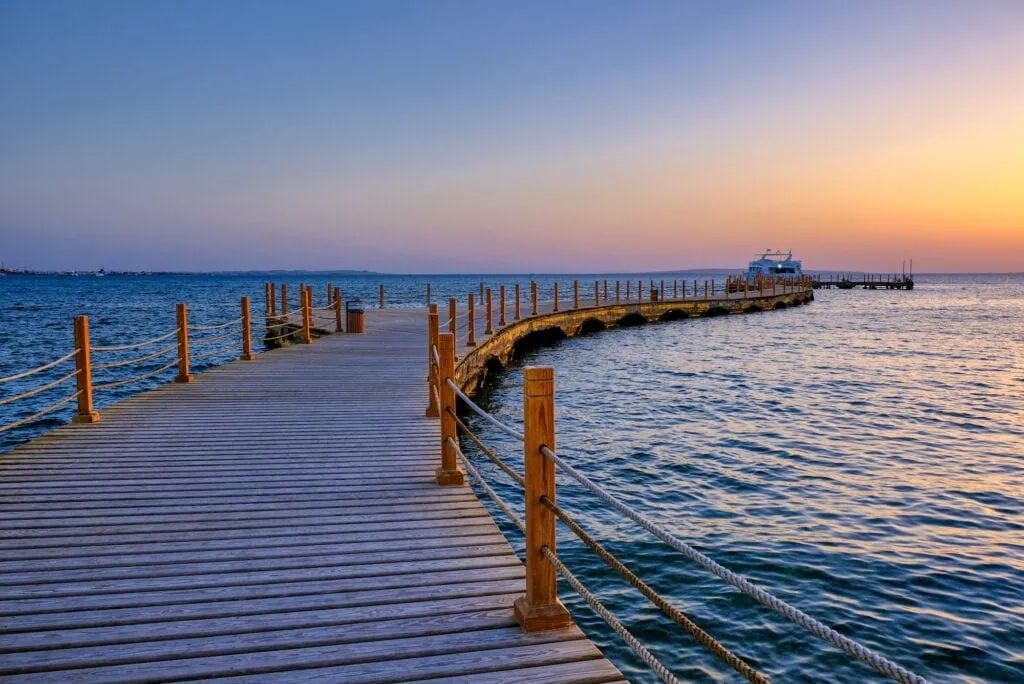
February delivers Egypt’s most comfortable climate for travelers seeking extensive exploration. Daytime temperatures hover around 25°C (77°F) in Cairo and Luxor, while coastal areas like Hurghada and Sharm El Sheikh maintain pleasant 22°C (72°F) water temperatures ideal for Red Sea activities.
Temperature Ranges Across Key Destinations
Cairo experiences delightful morning temperatures of 20°C (68°F), climbing to comfortable 25°C (77°F) afternoons that make walking tours through Islamic Cairo and Coptic areas enjoyable. Evenings cool to 13°C (55°F), perfect for dinner cruises along the Nile or rooftop dining with pyramid views.
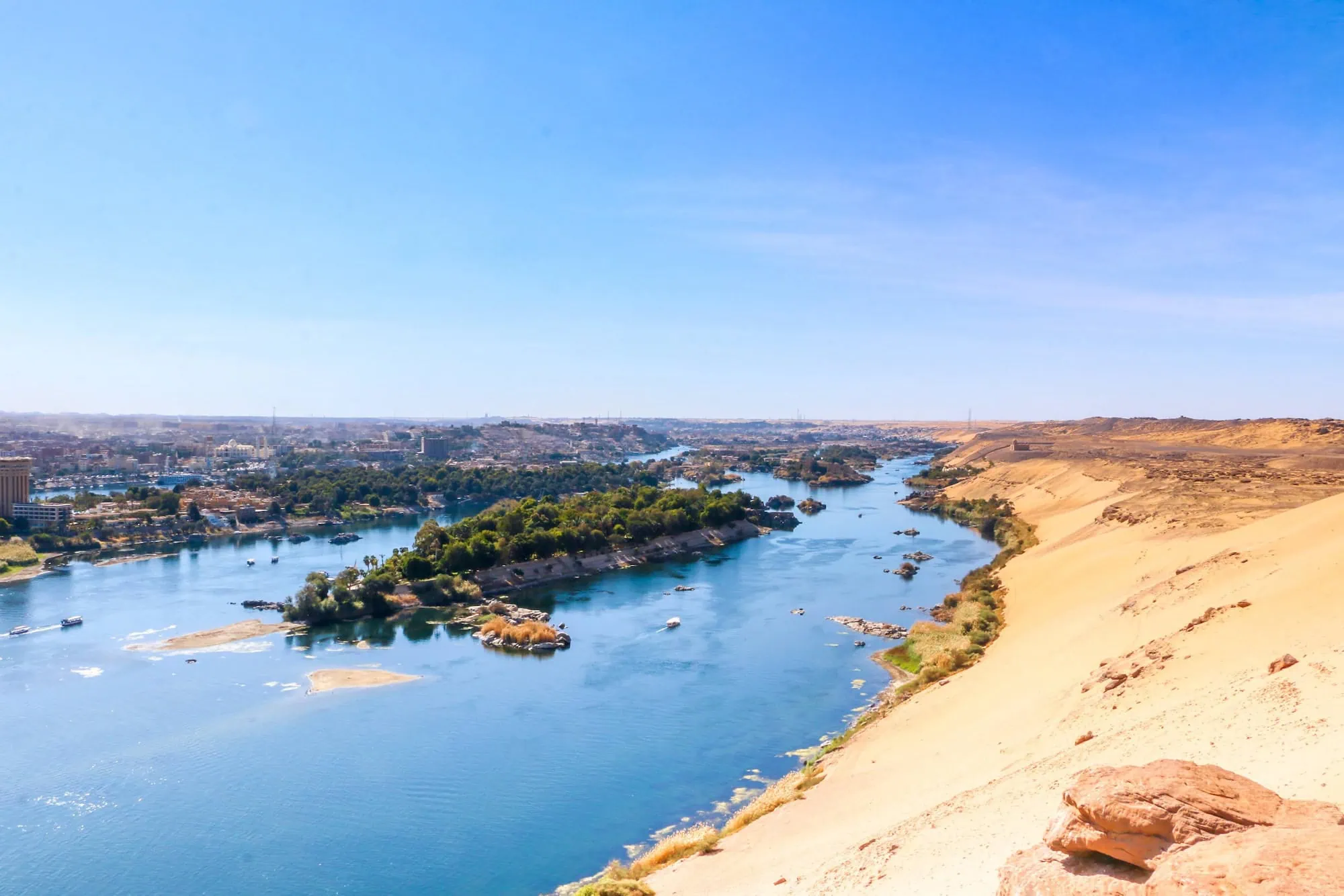
Luxor and Aswan showcase slightly warmer conditions, with daytime highs reaching 27°C (81°F) – ideal for Valley of the Kings explorations that begin at 8:00 am (08:00) to avoid midday intensity. The moderate heat allows comfortable visits to Abu Simbel, where our early morning departures at 4:00 am (04:00) ensure you witness the spectacular sunrise over Lake Nasser.
Alexandria maintains cooler Mediterranean influences, with temperatures ranging from 18°C (64°F) to 23°C (73°F), making February perfect for exploring the Citadel of Qaitbay and Alexandria Library without coastal humidity concerns.
Rainfall and Climate Stability
Egypt receives minimal precipitation in February. Cairo averages just 5mm of rainfall throughout the month, while Upper Egypt destinations like Luxor and Aswan experience virtually zero precipitation. This stability means our outdoor excursions proceed without weather-related modifications.
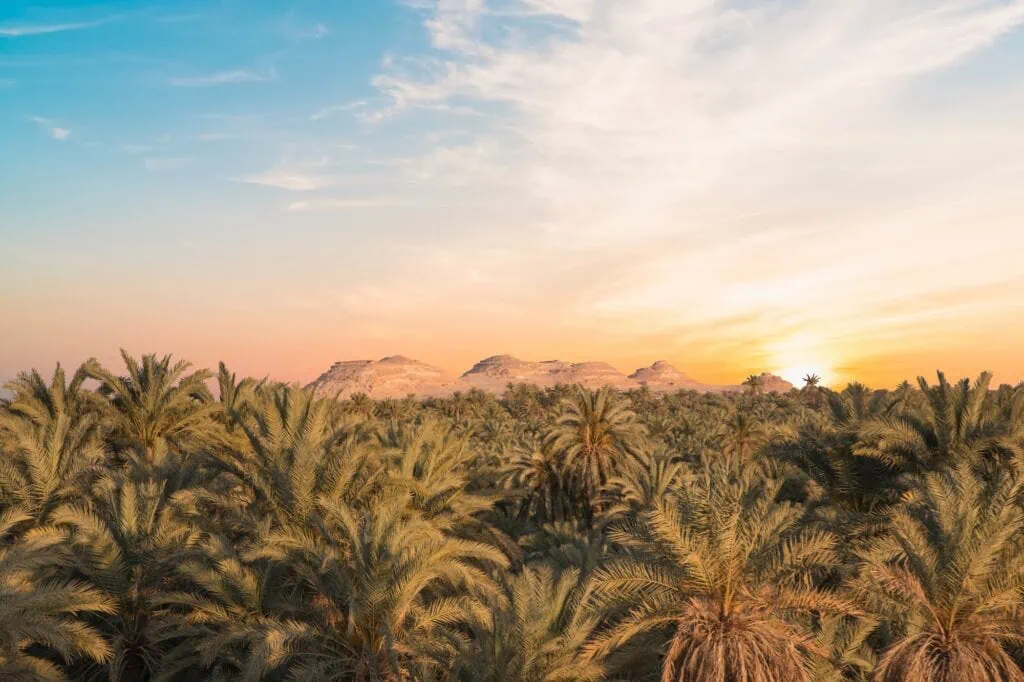
Humidity levels remain comfortable at 45-55% across most destinations, significantly lower than summer months when moisture can exceed 80% near coastal areas. Desert regions maintain their characteristically dry conditions, making Siwa Oasis visits particularly pleasant with clear, star-filled nights perfect for our desert camping experiences.
Tourist Seasons and Crowd Management
February represents Egypt’s high season, bringing both advantages and considerations for discerning travelers.
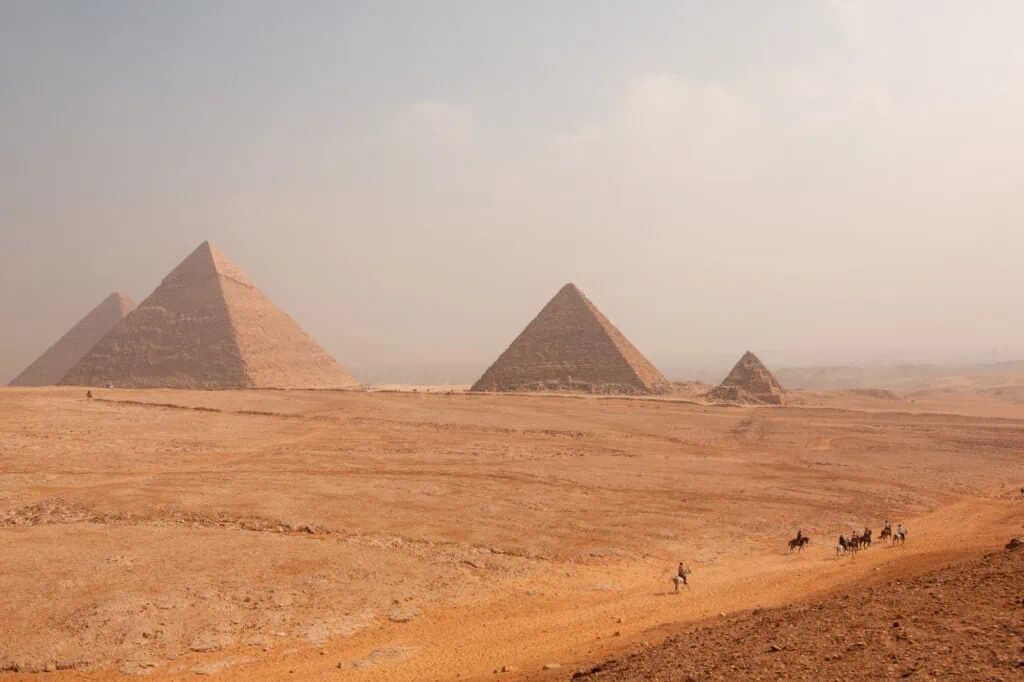
Tourist numbers peak during February, yet remain more manageable than December and January when European Christmas breaks create maximum crowding. Popular sites like the Giza Pyramids and Abu Simbel still attract substantial visitor numbers, but strategic timing and expert local knowledge help navigate crowds effectively. Our private guided tours begin early at 7:00 am (07:00) to secure optimal viewing positions at major monuments before group tours arrive.
Hotel availability becomes limited, particularly in Luxor and Aswan where Nile cruise departures create accommodation pressure. Booking 2-3 months in advance ensures access to preferred properties, while our established relationships with luxury hotels guarantee room availability even during peak periods. Prices increase 20-30% compared to shoulder seasons, reflecting high demand for quality accommodations and services.
Cultural Considerations During Ramadan
During Ramadan, daily life in Egypt follows a different rhythm:
- Some restaurants and cafés may close during daylight hours, particularly outside major hotels
- Tourist sites remain open, but opening hours may be slightly adjusted
- Evenings become lively, with restaurants, cafés, and public spaces reopening after sunset (iftar)
- Alcohol service may be limited in non-hotel venues
- Touring remains fully possible, especially with private guides who adapt schedules accordingly
For travelers, Ramadan offers a more local, authentic atmosphere, fewer daytime crowds at certain sites, and a unique cultural insight into Egyptian traditions. Respectful dress and discretion when eating or drinking in public during daylight hours are appreciated but not strictly enforced in tourist areas.
Maximizing Your February Experience
Private touring provides significant advantages during February’s busy period. While group excursions on multi-day Nile cruises between Luxor and Aswan accommodate up to 12 participants for an intimate experience, our private shore excursions offer complete flexibility and personalized attention from qualified Egyptologists.
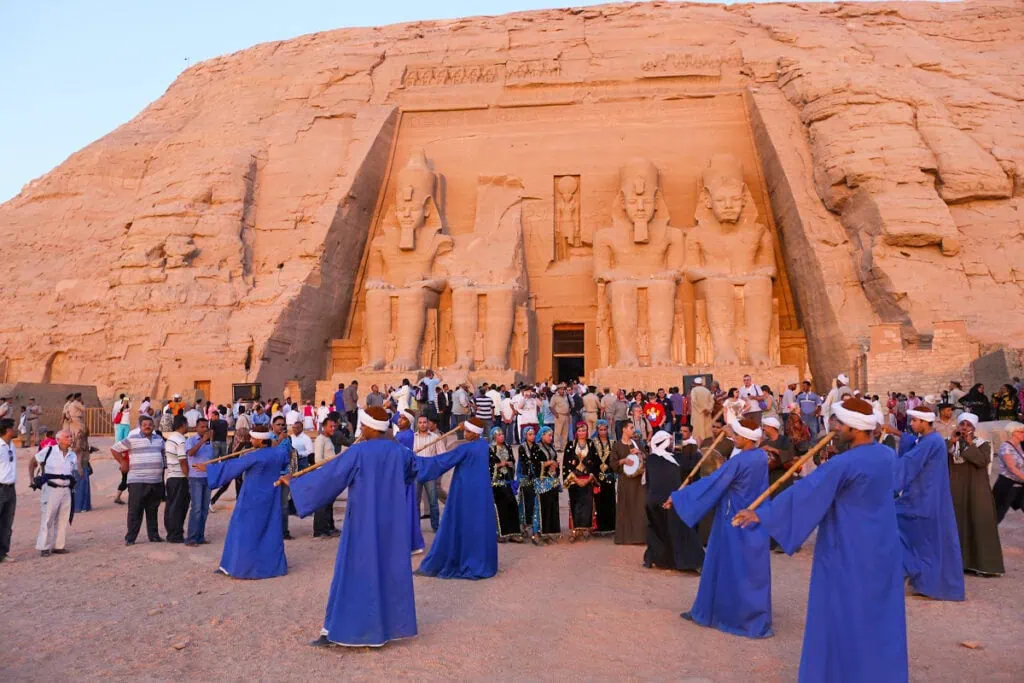
The Abu Simbel Sun Festival on February 22nd creates exceptional photography opportunities as sunlight illuminates Ramses II’s inner sanctuary. This biannual event attracts specialized travelers, making advance reservations essential for witnessing this ancient astronomical marvel.
Restaurant reservations become crucial in major tourist areas, particularly for rooftop dining venues with pyramid views in Giza or traditional Middle Eastern restaurants in Islamic Cairo. Our concierge services handle all dining arrangements, ensuring you experience Egypt’s culinary highlights without availability concerns.
Activities and Attractions in February
February’s moderate temperatures unlock Egypt’s full range of experiences, from intensive archaeological exploration to relaxing Red Sea activities. Desert excursions become particularly appealing when daytime heat remains comfortable for extended outdoor periods.
The month offers exceptional conditions for photography enthusiasts. Clear skies provide brilliant lighting for monument photography, while dust levels remain minimal compared to spring months when khamsin winds begin. Sunrise photography at Abu Simbel or the Giza Pyramids benefits from February’s stable weather patterns and excellent visibility.
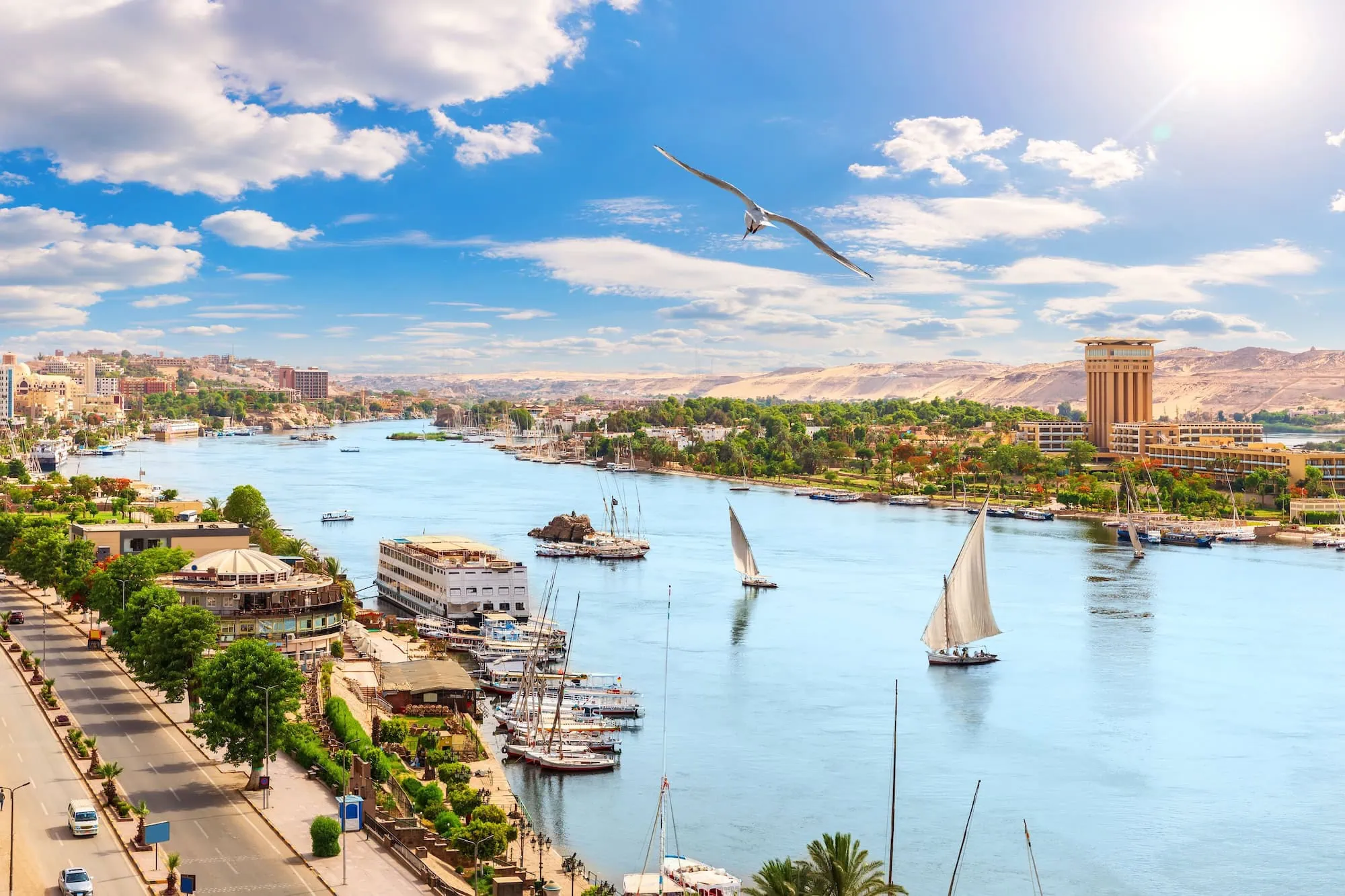
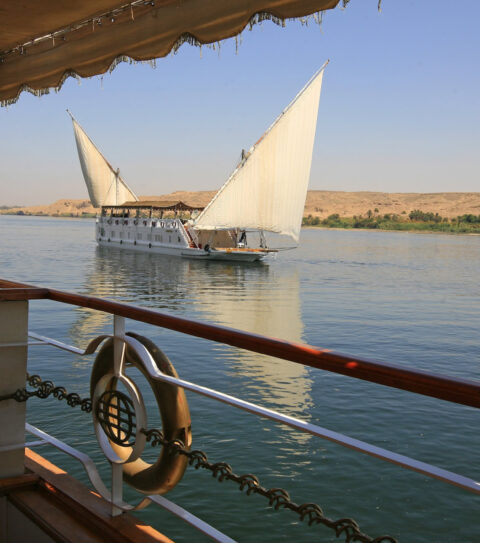
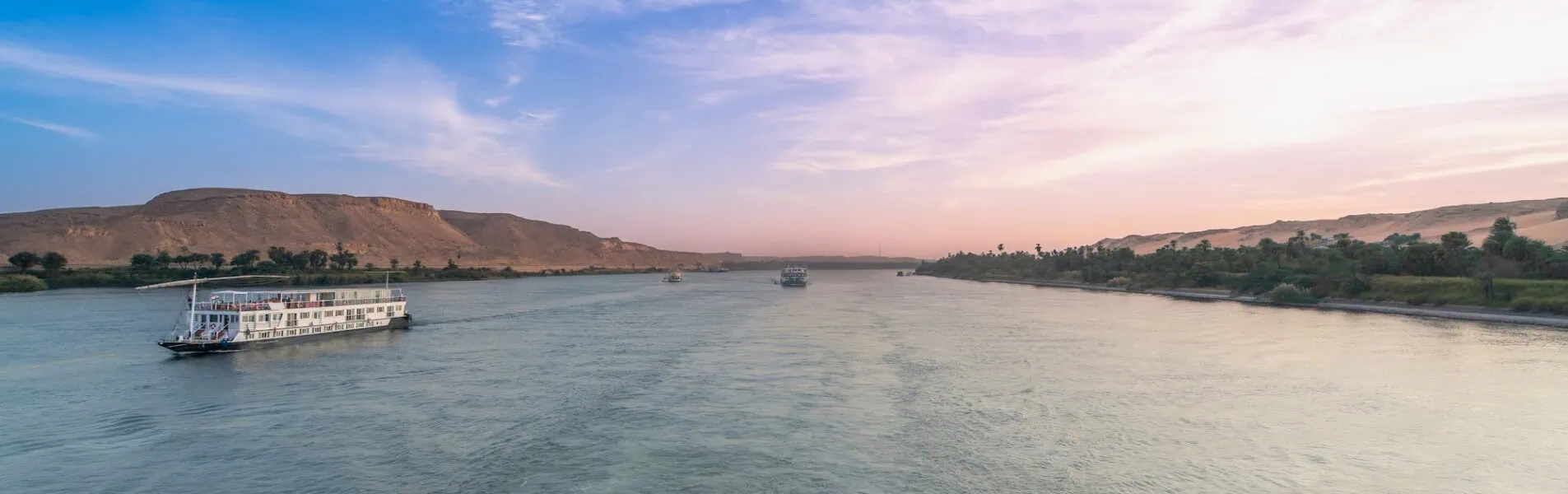
Nile cruising reaches peak comfort during February. River temperatures maintain pleasant levels for evening deck relaxation, while daytime shore excursions proceed comfortably without extreme heat concerns. Our luxury dahabiya cruises offer intimate experiences with just 8-12 guests, providing personalized service while exploring temples along the Nile between Luxor and Aswan.
Archaeological Site Visits
Valley of the Kings benefits tremendously from February’s mild conditions. Underground tomb visits remain comfortable as external temperatures don’t create the stifling heat that makes summer explorations challenging. King Tutankhamun’s tomb and the recently opened tomb of Ramses VI showcase their intricate decorations under optimal viewing conditions.
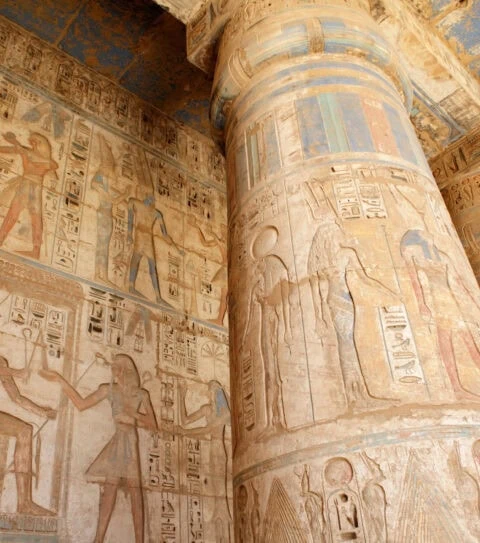
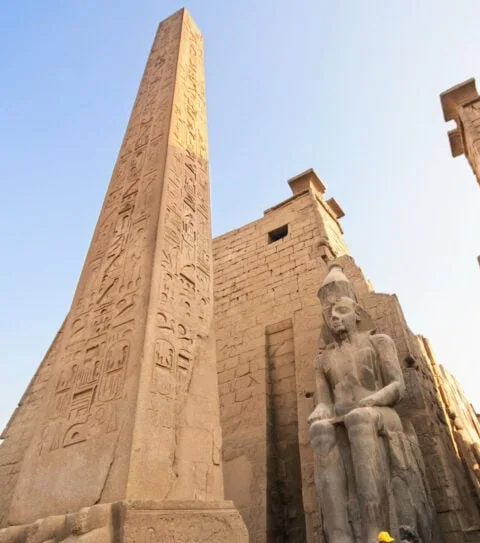
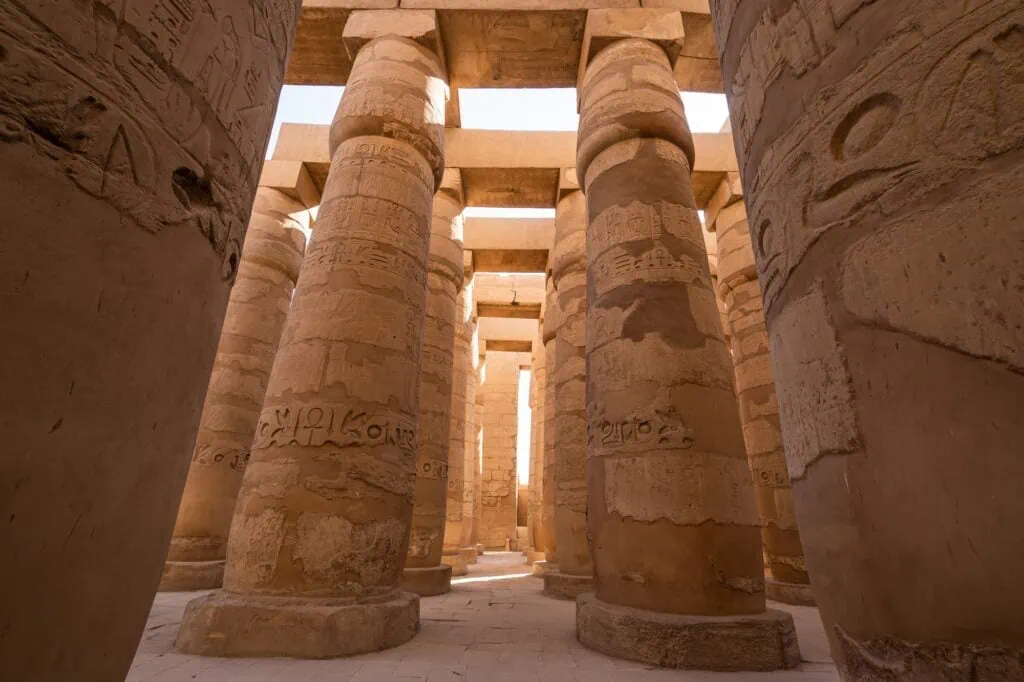
Karnak Temple Complex becomes fully accessible for comprehensive exploration. February’s comfortable temperatures allow time to appreciate the massive hypostyle hall’s 134 columns and the sacred lake area without rushing through due to heat constraints. Evening sound and light shows at 7:00 pm (19:00) showcase the temple’s grandeur under cool, clear skies.
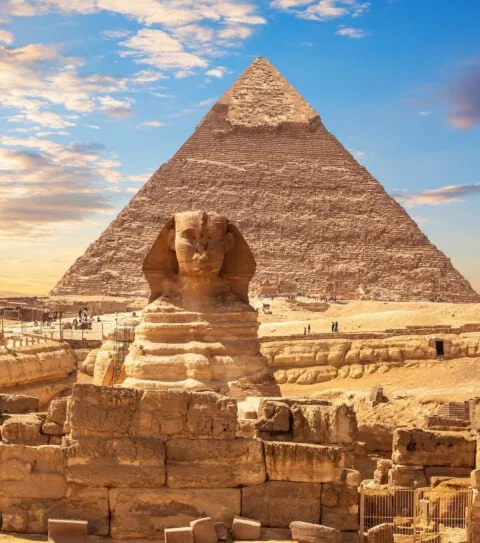
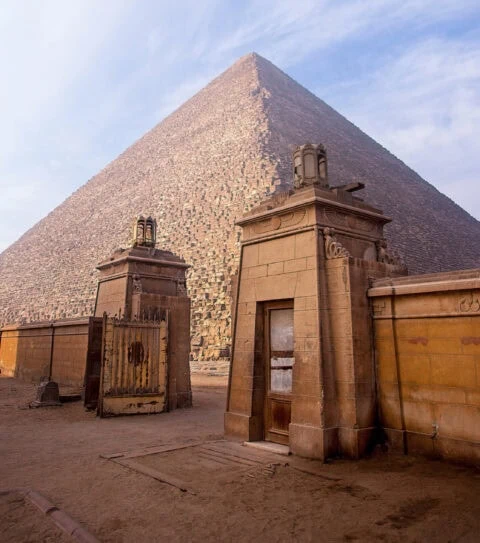
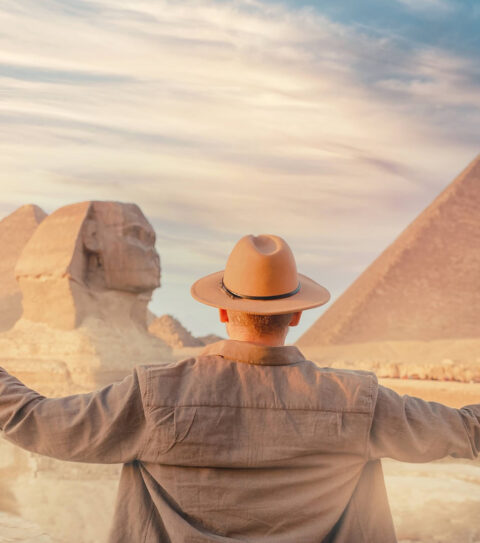
Dahshur’s Red Pyramid and Bent Pyramid offer remarkable experiences with fewer crowds than Giza. February’s pleasant conditions make the pyramid climbs manageable, while photography benefits from excellent lighting conditions throughout the day.
Red Sea and Coastal Activities
Hurghada and Sharm El Sheikh maintain water temperatures around 22°C (72°F), perfect for snorkeling and diving activities. February marks excellent underwater visibility with calm sea conditions ideal for exploring coral reefs without weather-related cancellations.
Beach resorts operate at full capacity with all water sports available. Windsurfing conditions remain favorable, while boat trips to offshore reefs proceed reliably without the choppy conditions that occasionally affect winter months.
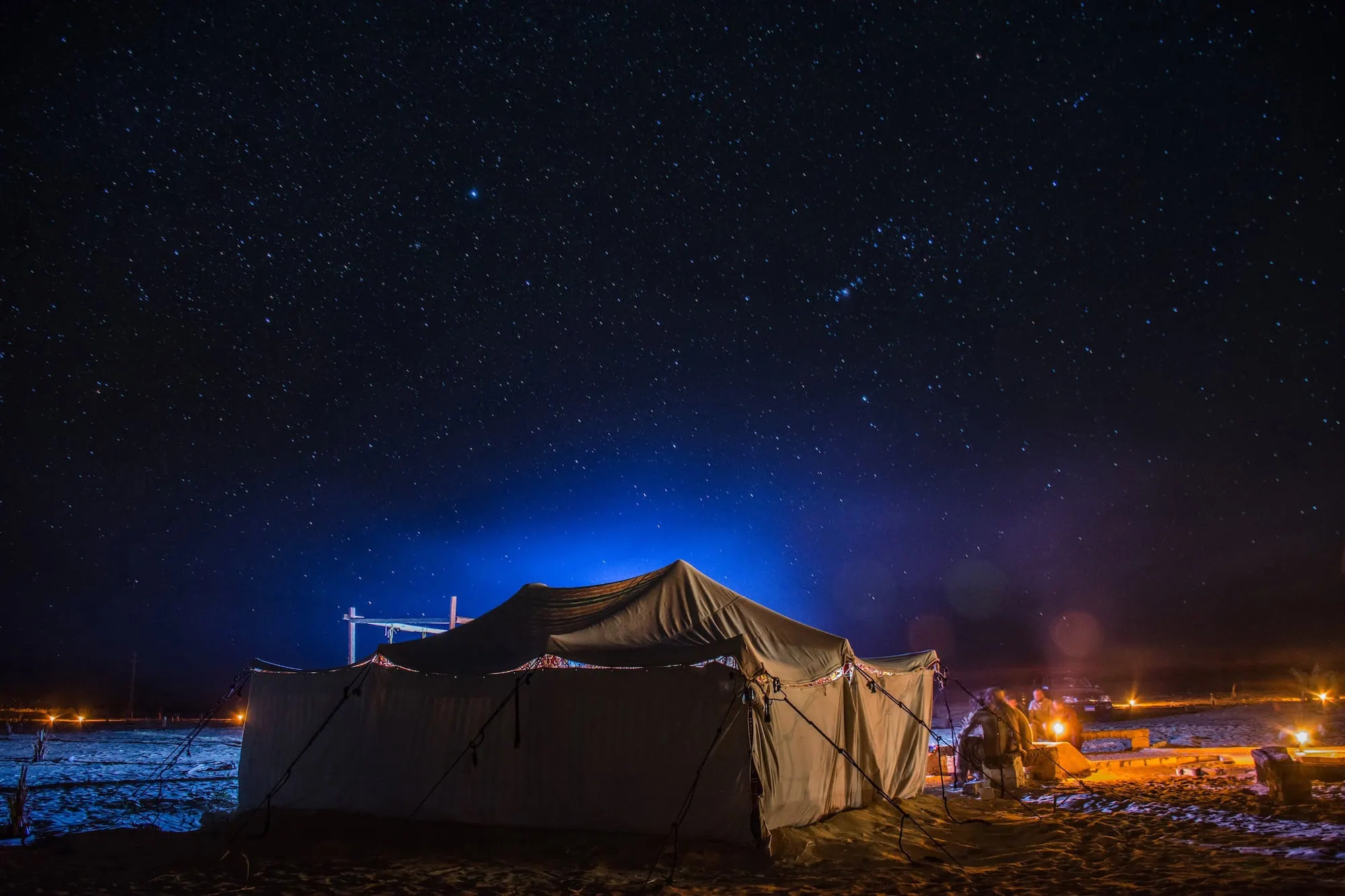
Desert safaris from Red Sea bases become highlights during February. Quad biking and camel trekking in the Eastern Desert proceed comfortably, while overnight camping under star-filled skies provides magical experiences impossible during summer’s intense heat.
Special Events and Cultural Highlights
February hosts Egypt’s most significant cultural celebration – the Abu Simbel Sun Festival on February 22nd. This phenomenon occurs twice yearly when sunlight penetrates the temple’s inner sanctuary, illuminating statues of Ramses II and the gods Ra-Horakhty and Amun-Ra, while leaving Ptah in shadow.
The festival attracts photographers and cultural enthusiasts worldwide. Arriving at Abu Simbel by 6:00 am (06:00) ensures optimal positioning for witnessing and photographing this ancient astronomical achievement. Our specialized tours include expert Egyptologists who explain the temple’s construction and the precise calculations required to achieve this solar alignment.
Cultural Experiences and Local Events
February coincides with cooler temperatures that make traditional cultural activities more enjoyable. Cooking classes in Cairo proceed comfortably, while spice market tours through Khan el-Khalili benefit from pleasant weather conditions that encourage extended exploration.
Traditional felucca sailing on the Nile reaches peak enjoyment during February evenings. These authentic sailboats provide peaceful experiences as gentle breezes and comfortable temperatures create ideal conditions for sunset sailing around Luxor or Aswan.
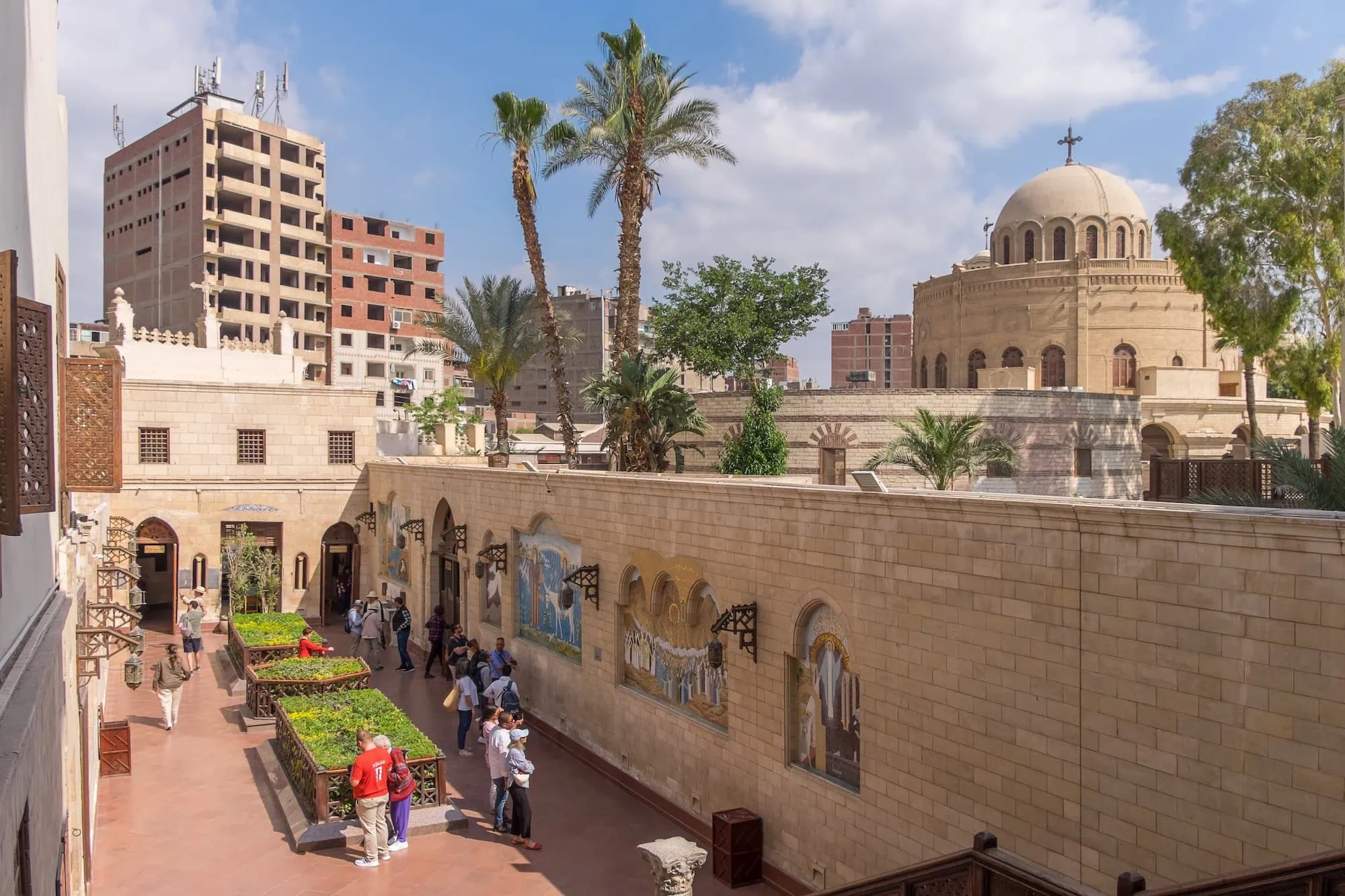
Coptic Christian celebrations occasionally occur during February, providing insights into Egypt’s diverse religious heritage. Old Cairo’s Christian quarter becomes particularly interesting for cultural exploration, with comfortable weather encouraging extended walking tours through this historic area.
Practical Considerations for February Travel
Packing for February requires versatile clothing options. Daytime exploration demands lightweight, breathable fabrics in neutral colors that photograph well against monument backgrounds. Evening temperatures necessitate light sweaters or jackets, particularly for Nile cruise dinners and outdoor restaurant dining.
Sunscreen remains essential despite moderate temperatures. Egypt’s clear skies and reflective desert sand create strong UV exposure that can surprise travelers accustomed to associating sun protection only with hot weather. SPF 30+ provides adequate protection for extended outdoor activities.
Visa and Entry Requirements
U.S. visitors require tourist visas available upon arrival at Cairo International Airport for $25 USD, or through online e-visa applications prior to travel. The process takes 15-20 minutes at arrival, though pre-arranged visas eliminate airport waiting times. European travelers follow identical procedures, while Latin American visitors should verify specific requirements as some nationalities need advance visa arrangements through Egyptian consulates.
Entry stamps permit 30-day stays, renewable through immigration offices in major cities. Our ground services include airport assistance to expedite visa processing and customs clearance, ensuring smooth arrival experiences.
Transportation and Logistics
Domestic flights between Cairo, Luxor, Aswan, and Red Sea destinations operate full schedules during February’s high season. EgyptAir provides multiple daily connections, while our private transfers include modern, air-conditioned vehicles with experienced drivers familiar with tourist requirements.
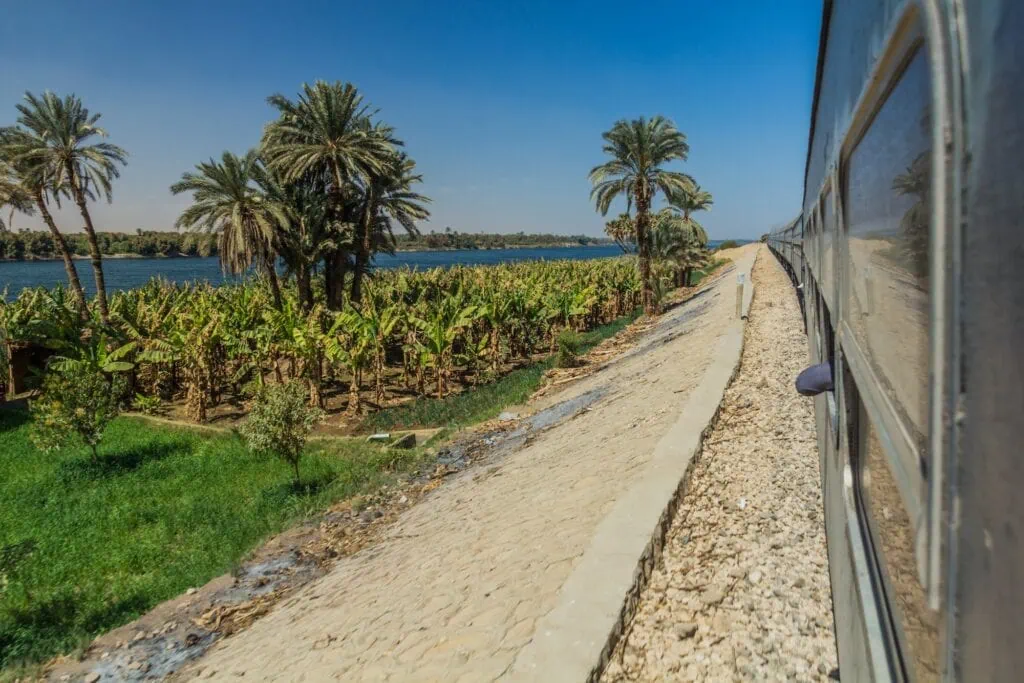
Train services between Cairo and Luxor/Aswan operate reliably during February, though advance reservations become essential during peak travel periods. Our luxury train bookings include first-class sleeping compartments for overnight journeys with full meal service.
Hotel standards remain consistently high during February as properties operate at full staffing levels to accommodate peak season demands. Our partnerships with luxury hotels ensure room upgrades when available and priority restaurant reservations.
Road conditions remain excellent throughout February as cooler temperatures prevent the road surface issues that can occur during extreme summer heat. Private vehicle transfers between destinations proceed smoothly with comfortable travel conditions.
Frequently Asked Questions
February attracts significant tourist numbers but remains manageable with proper planning and early morning visits to major sites.
Pack layers for February because temperatures can vary significantly between morning, afternoon, and evening. Cairo often ranges from 10-22°C (50-72°F), while Luxor and Aswan are usually warmer during the day. Lightweight shirts, comfortable walking shoes, sunscreen, sunglasses, and a light jacket or sweater are essential. Visitors planning Nile cruises or desert excursions should also bring an extra layer for cooler evenings on open decks.
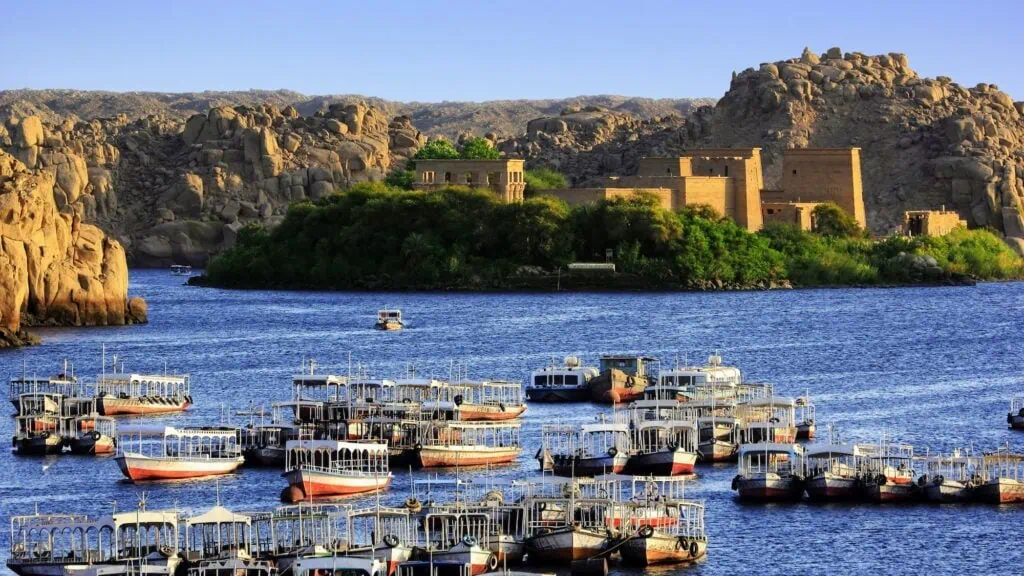
Yes, February is widely considered one of the most comfortable months for Nile cruises between Luxor and Aswan. Daytime temperatures are pleasant for visiting outdoor sites such as Edfu Temple, Kom Ombo Temple, and Philae Temple, while evenings remain cool without being cold. Rainfall is extremely rare along Upper Egypt’s Nile corridor. The combination of mild weather, clear skies, and full cruise schedules makes February a favorite month for first-time visitors.
Egypt is typically 20-30% more expensive in February than during shoulder-season months such as May or September. Higher demand affects hotel rates, Nile cruise pricing, and premium guided tours because February offers some of the country’s best weather. Popular destinations including Cairo, Luxor, and Aswan often experience strong occupancy levels. Travelers willing to book several months ahead can usually secure better rates despite the seasonal premium.
Yes, the Red Sea remains comfortable for swimming in February, with water temperatures averaging around 22°C (72°F). Resorts in Hurghada, Sharm El Sheikh, and Marsa Alam continue operating at full capacity during winter because diving, snorkeling, and beach activities remain enjoyable. Visibility is often excellent for underwater photography and marine life viewing. Many visitors consider February one of the best months for combining cultural touring with a Red Sea stay.
Yes, the Abu Simbel Sun Festival on February 22 is one of Egypt’s most remarkable cultural and astronomical events. On this date, sunlight penetrates the Great Temple of Ramses II and illuminates the inner sanctuary, recreating a phenomenon linked to the temple’s ancient design. Thousands of visitors travel to Abu Simbel, located roughly 280 km south of Aswan, to witness the event. Book accommodations and transportation well in advance because demand rises sharply.
February offers some of the best desert touring conditions in Egypt. Destinations such as the White Desert, Bahariya Oasis, and Siwa Oasis enjoy mild daytime temperatures that are far more comfortable than the extreme heat of summer. Activities including camel trekking, overnight camping, and 4×4 excursions are popular during this period. Cooler evenings make campfire experiences especially enjoyable, so February is often considered peak season for desert adventures.
Booking two to three months in advance is recommended for February travel to Egypt. February falls within the country’s high season, and sought-after Nile cruises, luxury hotels, and domestic flights can sell out well before departure dates. Popular destinations such as Cairo, Luxor, Aswan, and Abu Simbel experience particularly strong demand. Travelers planning around school holidays or the Abu Simbel Sun Festival should consider booking even earlier.
Starting your sightseeing between 7:00 am and 8:00 am provides the best balance of light crowds and comfortable temperatures. Major attractions such as the Giza Pyramids, Valley of the Kings, and Karnak Temple are generally quietest shortly after opening. Early visits also offer softer natural light for photography and a more relaxed experience. Reaching popular sites before large tour buses arrive can significantly improve your visit.
Yes, virtually all major Egyptian attractions operate normal schedules throughout February. Visitors can access sites including the Pyramids of Giza, Egyptian Museum collections, Abu Simbel, Karnak Temple, and the Valley of the Kings during this peak tourism month. Because February is part of the high season, attractions are fully staffed and tourism services run at full capacity. Some popular sites may even offer extended visitor hours depending on demand.
Yes, advance reservations are advisable for popular restaurants during February, especially in Cairo, Luxor, and upscale Red Sea resorts. Venues with pyramid views, Nile-front locations, or traditional entertainment often experience heavy demand during the winter tourism season. Booking one to three days ahead is usually sufficient for most restaurants, while special dining experiences may require longer notice. Planning ahead helps secure preferred dining times and locations.
Yes, February is one of the best months for first-time visitors to Egypt. Comfortable temperatures, full attraction access, reliable transportation schedules, and strong tourism infrastructure make travel straightforward and enjoyable. Destinations such as Cairo, Luxor, Aswan, and the Red Sea can all be visited comfortably within the same trip. Although prices and visitor numbers are higher than in low season, the excellent weather often makes February worth the additional cost.
Explore our most popular guides and expert tips to make your trip safe, smooth, and unforgettable.
Plan Your Egypt Adventure with Confidence
How to Plan a Trip Egypt
Step-by-step guide to help you plan the perfect Egypt trip — from routes and budget to booking.
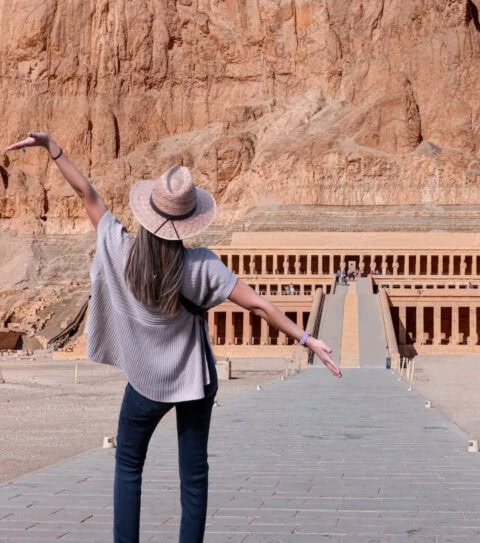
Best Time to Visit Egypt
Learn the best months to visit Egypt based on weather, crowds, and local travel experiences.
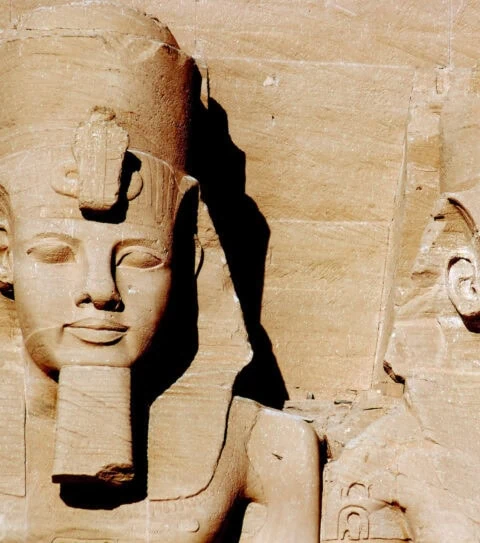
Must Visit Places in Egypt
Explore Egypt’s top sights — from pyramids to temples — and hidden gems worth seeing.
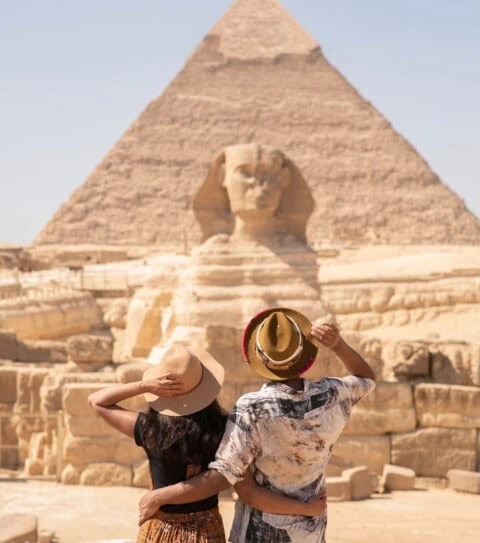
Top-Rated Egypt Tours
Handpicked private tours with local guides — our most loved and best-reviewed experiences.
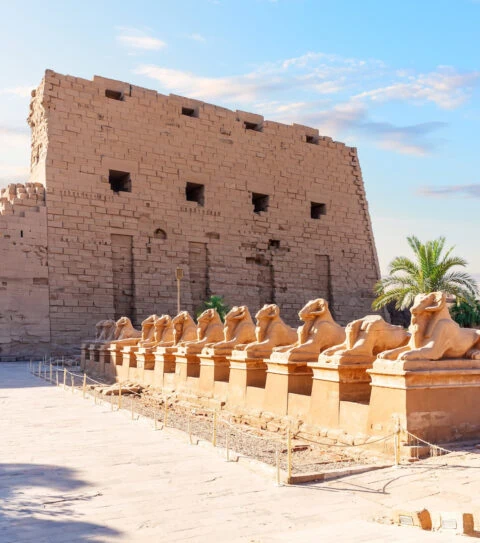
How Many Days to Visit Egypt?
Find out how many days you need in Egypt — from quick trips to full itineraries.
Egypt Visa Requirements
Check if you need a visa and get simple, up-to-date entry info based on your nationality.
Is it Safe to Travel to Egypt?
Is Egypt safe? Get honest safety tips, area advice, and what to know before you travel.
What to Pack for Egypt
A quick packing guide with essentials, cultural tips, and clothing advice for your Egypt trip.
Design Your Custom Tour
Explore Egypt your way by selecting only the attractions you want to visit