What are the Requirements to Travel to Egypt?

Planning your first Egyptian adventure? We understand the excitement of experiencing this bucket-list destination.
Visiting Egypt requires specific documentation and preparation, but the process isn’t as complicated as many travelers fear. From obtaining the proper visa to ensuring your passport meets validity requirements, we’ve guided thousands of visitors through these essential steps. The ancient wonders awaiting you – from the pyramids of Giza to the temples of Luxor – make every preparation step worthwhile.
Understanding Egypt’s entry requirements before you travel prevents delays and ensures smooth arrival at Cairo International Airport or other Egyptian ports of entry.
Table of Contents
Essential Visa Requirements for Egypt Travel
U.S. citizens must obtain a visa before entering Egypt – no exceptions apply regardless of your travel purpose or duration of stay.
Tourist Visa Options and Processing
The Egyptian tourist visa allows stays up to 30 days and comes in two primary formats. Single-entry visas cost $27 and permit one visit, while multiple-entry visas cost $62 for travelers planning multiple trips within the validity period. Most American travelers find the single-entry option sufficient for vacation purposes.
Electronic visas (e-visas) offer the fastest processing method, typically approved within 5 business days through the official Egyptian government portal. Traditional visa applications through Egyptian consulates require at least 10 business days for processing, making advance planning essential during peak travel seasons.
Visa Application Documents and Process
Your visa application requires a completed form, recent passport-style photographs, and your actual passport plus two copies of the photo page. Non-U.S. citizens must provide additional documentation including proof of legal residence status such as a green card or valid work visa.
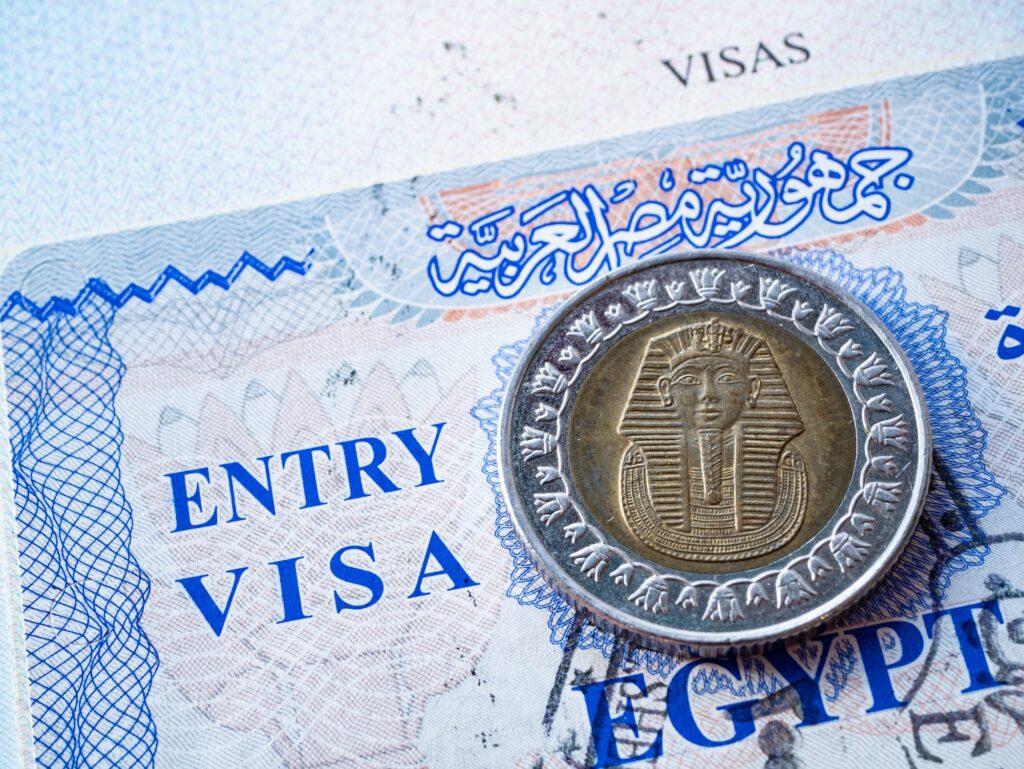
Payment methods vary by application type – consulate applications accept cashier’s checks or money orders, while e-visa applications process credit card payments securely online. We recommend applying 2-3 weeks before your planned departure date to allow sufficient processing time.
Special Visa Exemptions for Resort Areas
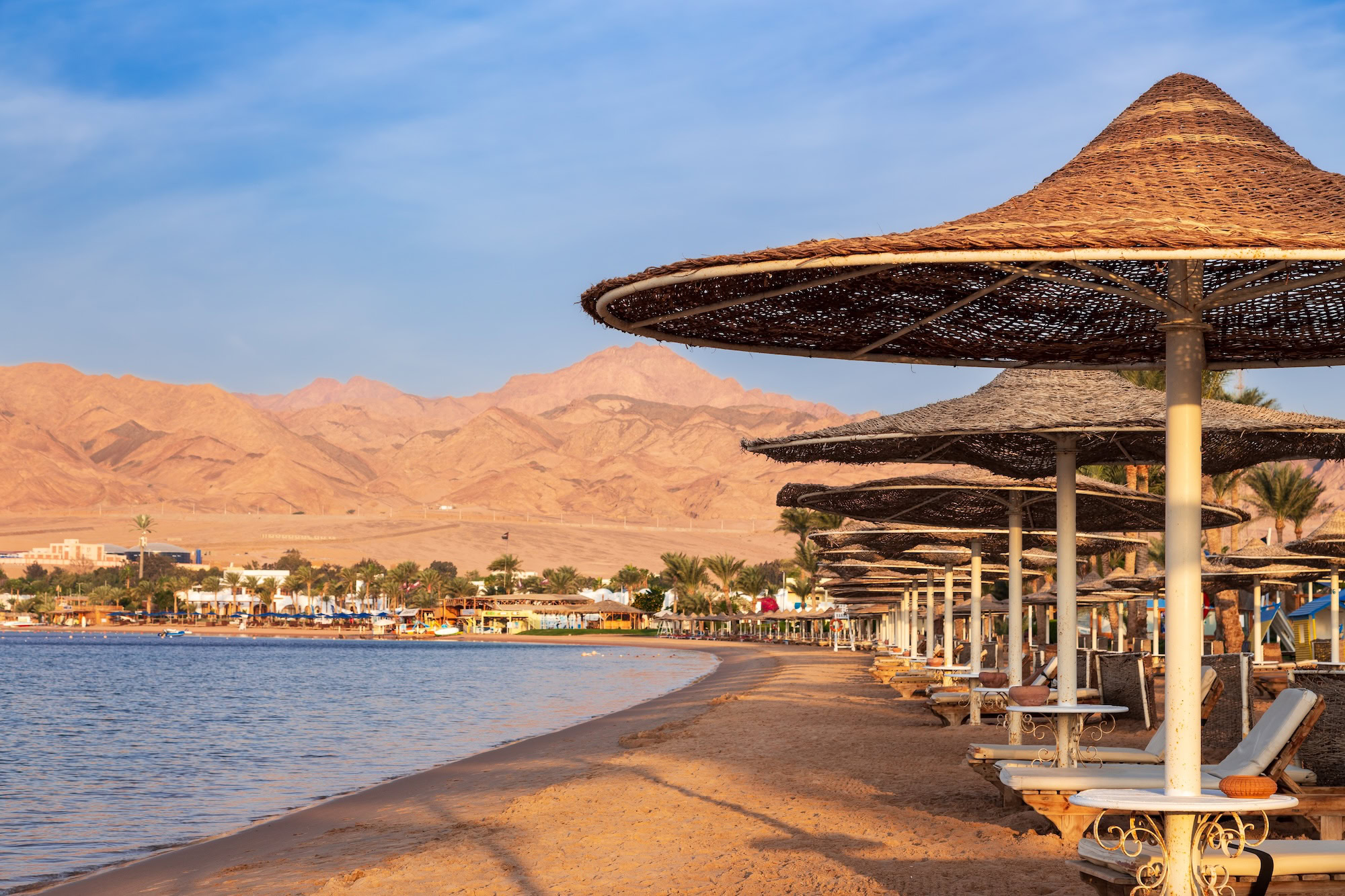
Sharm El Sheikh and select Red Sea resort destinations offer 15-day visa exemptions for tourists staying within designated resort areas. This exemption applies to Dahab, Nuweiba, and Taba as well, but restricts movement outside these specific regions. Travelers planning to visit Cairo, Alexandria, or other areas must obtain the standard Egyptian visa regardless of their initial entry point.
Passport Requirements and Validity Rules
Your passport must remain valid for at least six months beyond your planned return date from Egypt. This requirement applies to all nationalities and cannot be waived under any circumstances.
Egyptian immigration officials require two completely blank visa pages in your passport – pages with any stamps, even from previous Egyptian visits, don’t qualify. If your passport lacks sufficient blank pages, renewal becomes necessary before travel. Processing times for passport renewals vary significantly, so we recommend checking page availability at least 8-12 weeks before departure.

Diplomatic and official passport holders follow different procedures but must still meet the six-month validity requirement. Children traveling on their own passports need the same validity period as adult travelers.
Health and Vaccination Requirements
Yellow fever vaccination certificates are mandatory only for travelers arriving from yellow fever-infected areas in Africa or South America. The Centers for Disease Control doesn’t require yellow fever vaccination for direct travel from the United States to Egypt.
Routine vaccinations including measles, mumps, rubella, diphtheria, tetanus, pertussis, and seasonal flu should be current before international travel. The CDC recommends hepatitis A and typhoid vaccines for most travelers to Egypt, regardless of planned activities or accommodations. Hepatitis B vaccination is advised for travelers who might engage in activities involving blood exposure or intimate contact.
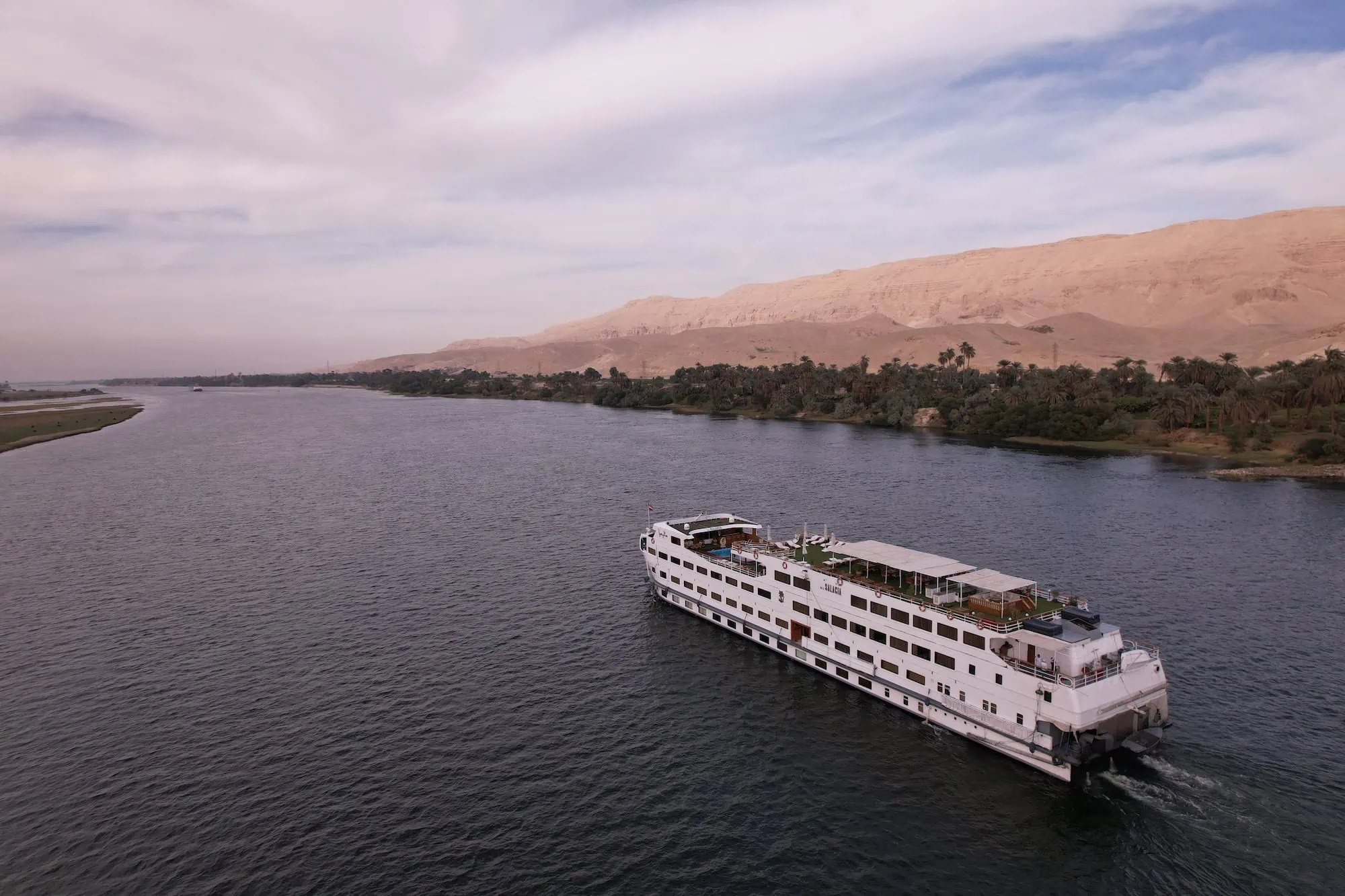
Malaria prophylaxis isn’t required for most Egyptian destinations, though travelers visiting remote areas along the Nile River should consult their physicians about prevention measures. We work with experienced local guides who understand regional health considerations and can provide current information about any area-specific precautions.
Security Considerations and Travel Advisories
The U.S. State Department maintains a Level 2 travel advisory for Egypt, recommending increased caution due to terrorism and civil unrest possibilities. This advisory level indicates manageable risks with proper precautions rather than advising against travel entirely.
Northern and Middle Sinai provinces remain off-limits to tourists due to ongoing security operations. The Western Desert border areas near Libya also have travel restrictions that our local partners monitor continuously. Tourist areas including Cairo, Alexandria, Luxor, Aswan, and Red Sea resort destinations maintain strong security presences and welcome international visitors.

Our decades of experience operating in Egypt means we understand current security situations and adjust itineraries when necessary. We maintain 24/7 communication with local authorities and can provide real-time updates about any areas of concern during your visit.
Special Requirements for Minors and Families
Children age 17 and younger traveling without both parents need additional documentation beyond standard passport and visa requirements.
Minors traveling with one parent must carry a notarized letter from the absent parent granting permission for international travel. This letter should include travel dates, destinations, and contact information for the traveling parent. Single parents should carry certified copies of custody documents or death certificates if applicable.
Unaccompanied minors face additional restrictions and must use airline-supervised programs. Egyptian immigration requires detailed itineraries and local contact information for minors traveling alone. Birth certificates for all children help verify relationships and ages when parents have different surnames or when children appear older than stated ages.

Our family travel specialists understand these requirements thoroughly and provide detailed checklists for parents planning Egyptian adventures with children.
Documentation for Different Nationalities
European Union citizens enjoy streamlined visa processes through Egyptian consulates in their home countries. Processing times often run shorter than U.S. applications, typically 5-7 business days for standard tourist visas. EU passport holders still need six-month validity and blank pages as outlined for American travelers.
Latin American visitors should verify their specific country’s agreements with Egypt, as some nations have reciprocal visa arrangements that affect fees or processing requirements. Canadian and Australian citizens follow similar procedures to U.S. travelers but may find different fee structures through their regional Egyptian diplomatic missions.
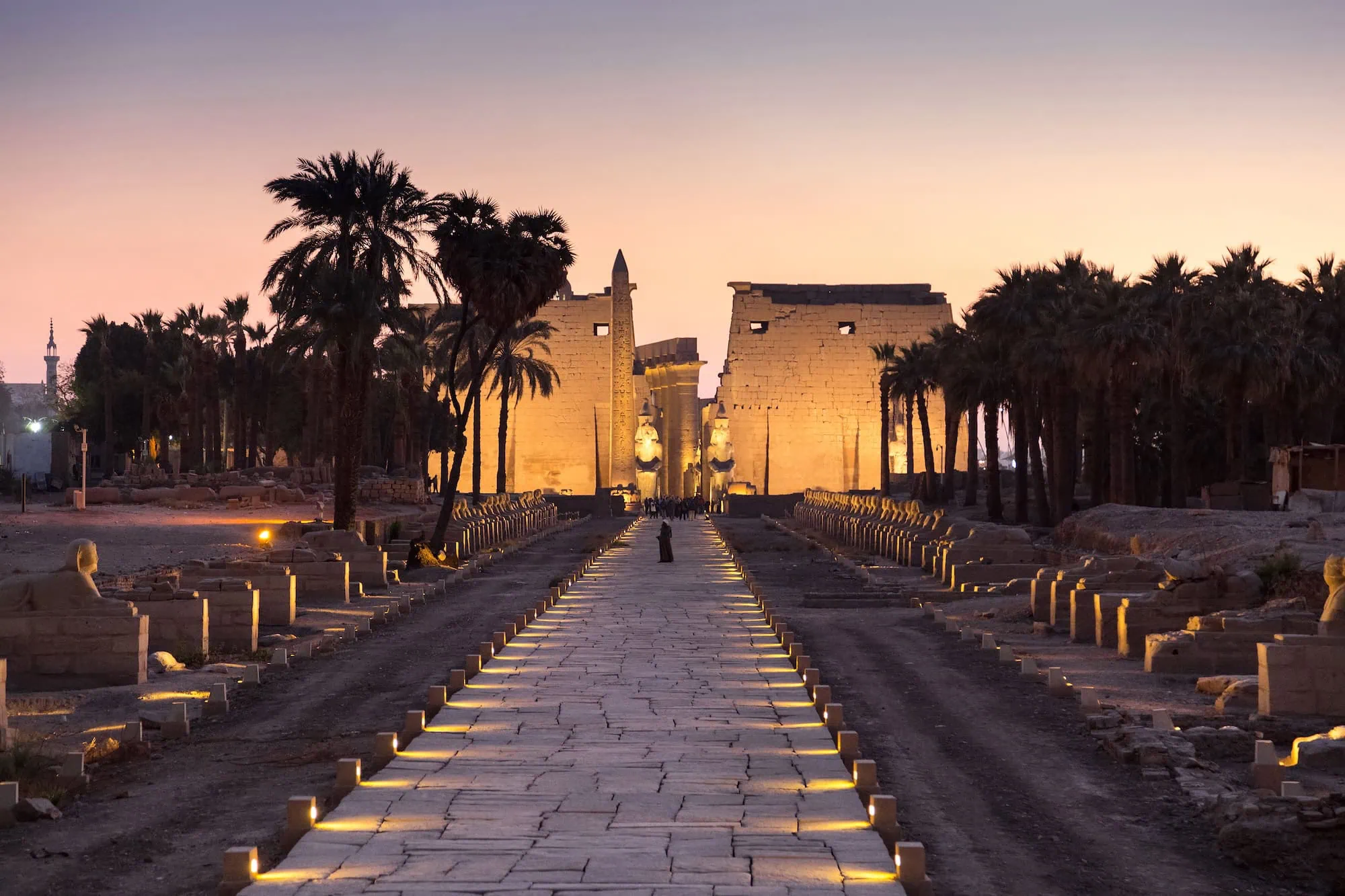
Asian travelers often benefit from group visa arrangements when booking through established tour operators, though individual requirements remain identical to other nationalities. Our international partnerships help streamline documentation processes regardless of your passport’s origin country.
Entry Process and Airport Procedures
Arrival at Cairo International Airport begins with immigration document review before baggage collection. Officers verify passport validity, visa authenticity, and may ask basic questions about your visit purpose and planned duration. Having hotel confirmations and return flight details readily available speeds this process considerably.
Visa-on-arrival services exist at major Egyptian airports but create longer wait times and potential complications if documentation issues arise. We strongly recommend obtaining visas in advance rather than relying on airport services, especially during peak tourist seasons when lines extend significantly.

Our airport meet-and-assist services provide English-speaking representatives who help navigate immigration procedures and coordinate ground transportation to your accommodations. This service proves particularly valuable for first-time Egypt visitors or travelers with tight connection schedules.
Frequently Asked Questions
Yes, all U.S. citizens need a visa to enter Egypt, whether traveling for tourism, business, or other purposes. Most visitors obtain either an e-Visa before departure or a visa on arrival at major international airports such as Cairo International Airport and Hurghada International Airport. Tourist visas are generally valid for stays of up to 30 days. Applying before travel helps avoid airport queues and reduces the risk of documentation issues upon arrival.
Egypt e-Visas are typically processed within about five business days, while visa applications submitted through an Egyptian consulate often require at least 10 business days. Processing times can increase during peak travel periods, public holidays, or when additional documentation is requested. Travelers should submit applications at least two to four weeks before departure to allow for unexpected delays and ensure approval is received before international travel begins.
If your passport has less than six months of validity remaining from your planned arrival date, you should renew it before traveling to Egypt. Egyptian immigration authorities routinely enforce the six-month validity requirement, and airlines may deny boarding before departure if the passport does not meet entry rules. The requirement helps ensure travelers have valid documentation throughout their stay and for any unforeseen travel disruptions.
Yes, U.S. citizens and many other nationalities can obtain a visa on arrival at major Egyptian airports, including Cairo, Hurghada, Sharm El Sheikh, and Alexandria. The process is generally straightforward, but travelers may encounter long lines during busy arrival periods. Obtaining an e-Visa before departure provides an additional layer of certainty and can significantly reduce airport processing time after landing.
Yes, every traveler entering Egypt, including infants and children, must have an individual visa unless specifically exempt under current immigration regulations. Children are subject to the same entry requirements as adults and must also travel with a valid passport. Families should verify that each child’s passport meets Egypt’s six-month validity requirement well before departure to avoid boarding or entry complications.
Egypt does not generally require vaccinations for travelers arriving from the United States, Europe, or most other countries. A yellow fever vaccination certificate is only required for travelers arriving from or transiting through countries where yellow fever is present. Health authorities such as the CDC recommend keeping routine vaccinations current, including tetanus, measles-mumps-rubella (MMR), and hepatitis A, which is commonly advised for international travel.
Travel insurance is not legally required for entry into Egypt, but it is strongly recommended for international visitors. A comprehensive policy can cover medical emergencies, trip cancellations, lost baggage, and evacuation costs, which can reach thousands of dollars in unexpected situations. Travelers visiting remote destinations such as the Western Desert, Abu Simbel, or diving sites along the Red Sea often benefit from additional coverage for specialized activities.
A standard Egyptian tourist visa generally costs US$25 for a single-entry visa and US$60 for a multiple-entry visa. These fees apply to many nationalities, including U.S. citizens, whether obtaining an e-Visa or a visa on arrival. Visa fees are subject to change by Egyptian authorities, so travelers should verify the latest rates through official government channels before submitting an application or departing for Egypt.
Yes, tourist visas can often be extended after arrival through designated Egyptian immigration offices, including locations in Cairo and other major cities. Extensions typically require additional paperwork, passport photographs, and government fees. Approval is not automatic and processing times vary depending on the office and individual circumstances. Travelers planning a longer stay should begin the extension process before their current visa expires to avoid penalties.
Most of Egypt’s major tourist destinations are considered accessible to visitors, including Cairo, Luxor, Aswan, Sharm El Sheikh, Hurghada, and Dahab. However, many governments advise against travel to parts of North Sinai, areas near the Gaza border, and sections of the Western Desert close to the Libyan border due to security concerns. Travelers should review the latest official travel advisories before departure and follow local guidance throughout their trip.
Egypt generally requires travelers to have at least one completely blank page available for entry and exit stamps, although having two blank visa pages is strongly recommended. Airlines and immigration officials may deny boarding or entry if there is insufficient space for required stamps and visas. Travelers should check their passports carefully before departure, especially if they have traveled extensively and have limited blank pages remaining.
If your Egyptian visa expires because of a flight disruption or unexpected travel delay, you should contact Egyptian immigration authorities as soon as possible. Overstaying can result in fines, additional paperwork, and delays during departure procedures at the airport. The outcome often depends on the length of the overstay and the circumstances involved. Keeping documentation of airline delays and canceled flights may help support your case during immigration review.
Explore our most popular guides and expert tips to make your trip safe, smooth, and unforgettable.
Plan Your Egypt Adventure with Confidence
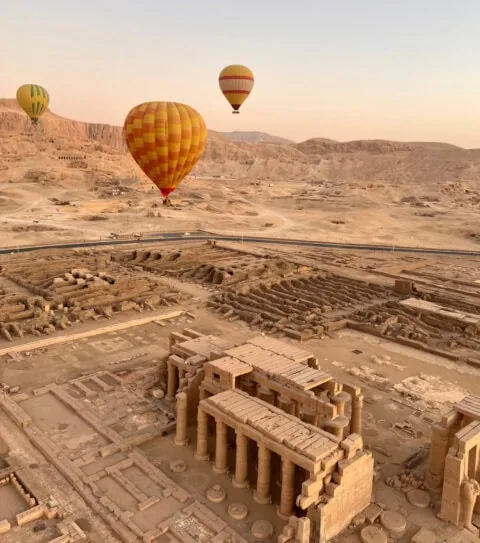
How to Plan a Trip Egypt
Step-by-step guide to help you plan the perfect Egypt trip — from routes and budget to booking.
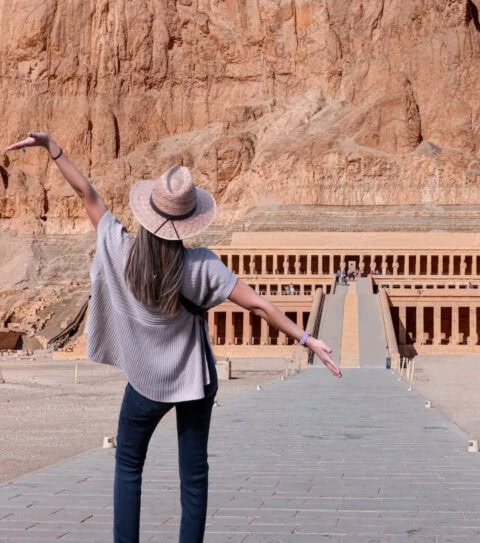
Best Time to Visit Egypt
Learn the best months to visit Egypt based on weather, crowds, and local travel experiences.
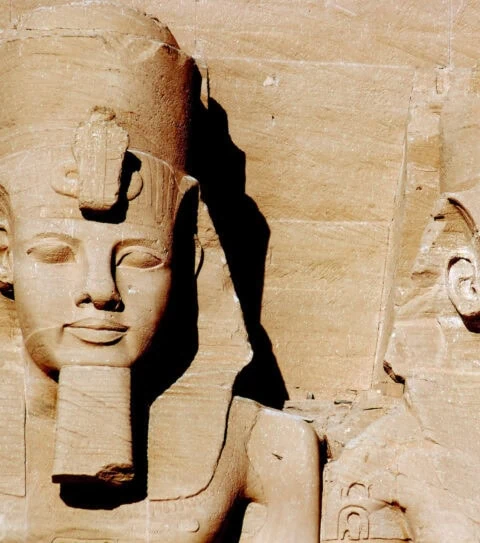
Must Visit Places in Egypt
Explore Egypt’s top sights — from pyramids to temples — and hidden gems worth seeing.
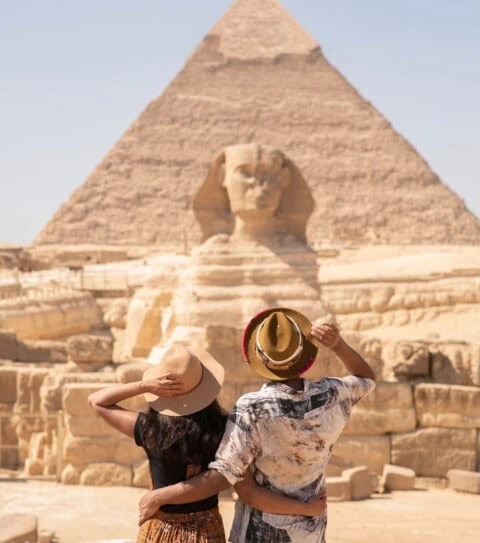
Top-Rated Egypt Tours
Handpicked private tours with local guides — our most loved and best-reviewed experiences.
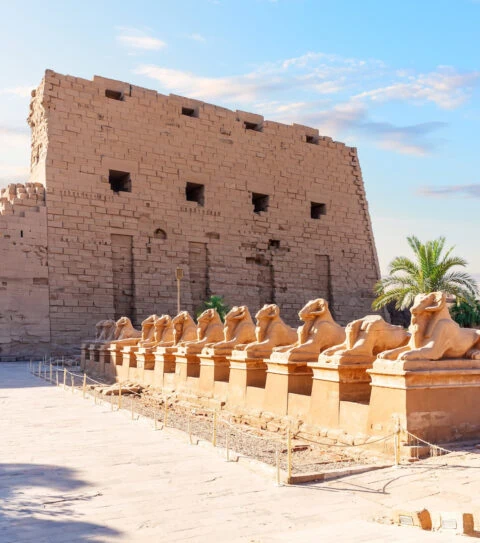
How Many Days to Visit Egypt?
Find out how many days you need in Egypt — from quick trips to full itineraries.
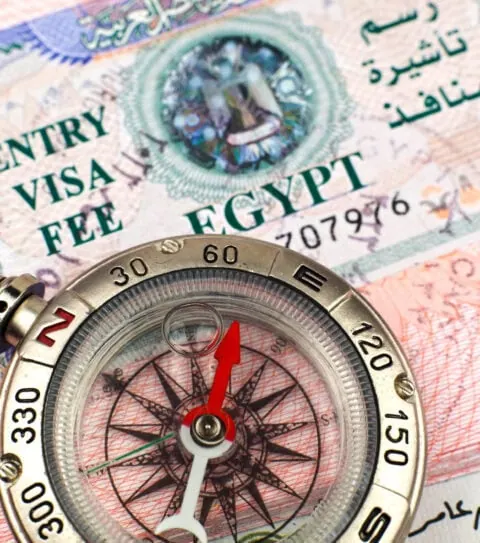
Egypt Visa Requirements
Check if you need a visa and get simple, up-to-date entry info based on your nationality.

Is it Safe to Travel to Egypt?
Is Egypt safe? Get honest safety tips, area advice, and what to know before you travel.

What to Pack for Egypt
A quick packing guide with essentials, cultural tips, and clothing advice for your Egypt trip.


Design Your Custom Tour
Explore Egypt your way by selecting only the attractions you want to visit