Traveling to Egypt with a Criminal Record: What You Need to Know
Good news awaits travelers with past convictions.

Many people assume that having a criminal record automatically bars them from international travel, but Egypt’s entry requirements tell a different story. Unlike some countries that conduct extensive background checks, Egypt focuses primarily on standard tourist documentation and security concerns rather than general criminal history. We’ve helped countless travelers navigate these waters successfully, and the process is more straightforward than most expect.
Understanding Egypt’s approach to visitors with criminal backgrounds can save you worry and help you plan confidently for your dream vacation.
Table of Contents
Egypt’s Entry Requirements: The Reality Check
Egypt operates under a tourist-friendly visa system that doesn’t include criminal background checks for standard applications. When you apply for an Egyptian tourist visa online, you’ll find no questions about your criminal history on the official forms. This represents a significant difference from countries like the United States or Australia, where criminal record disclosures are mandatory.
Standard Tourist Visa Process
The online visa application focuses on basic personal information, travel dates, and accommodation details. Processing typically takes 3-7 business days, and approval depends on standard criteria: valid passport, sufficient funds, and return travel arrangements. Criminal record checks simply aren’t part of this equation.
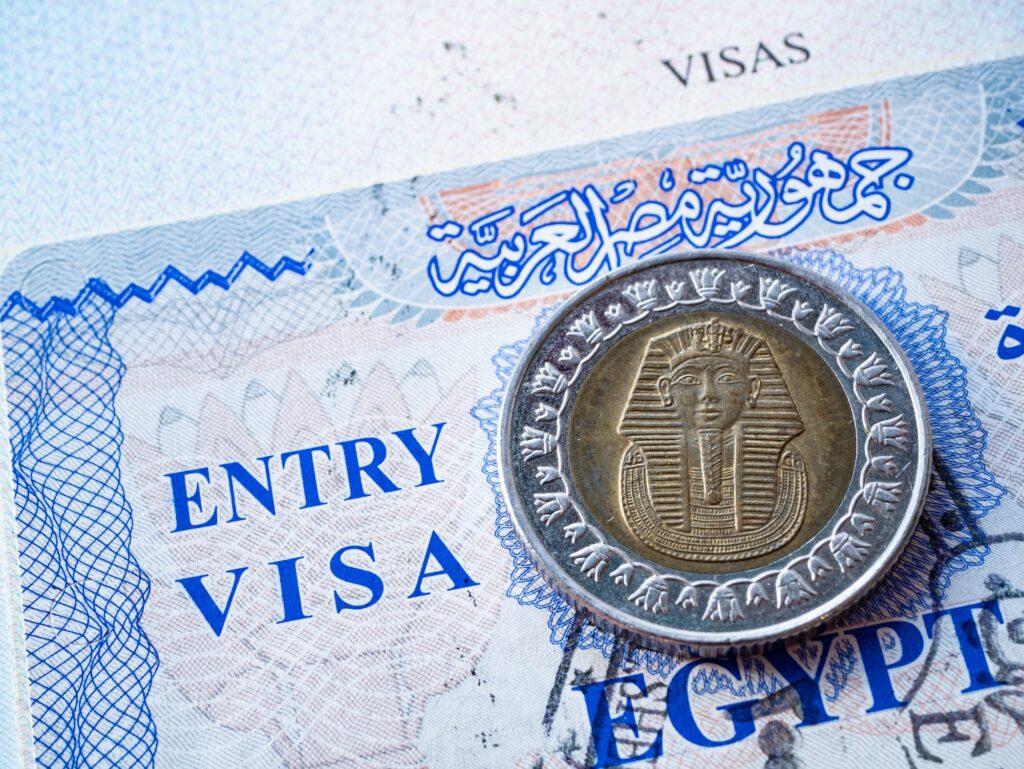
Your passport validity must extend at least six months beyond your planned departure date. For U.S. citizens, the process costs $25 USD for single entry or $60 USD for multiple entries. European travelers pay similar fees, while some nationalities qualify for visa-on-arrival options.
Documentation Requirements
Standard requirements include a digital passport photo, passport scan, and proof of accommodation. Travel insurance isn’t mandatory but highly recommended. Bank statements or financial proof may be requested but aren’t always required for tourist visas.
Processing Timeline and Approval
Most applications receive approval within 72 hours, though peak season can extend processing to seven days. Rejection rates remain extremely low for properly completed applications from eligible countries.
When Criminal Records Might Matter
While general criminal history doesn’t appear on visa applications, certain circumstances warrant special attention.
Egypt maintains heightened security protocols for specific offense categories. Terrorism-related charges, human trafficking convictions, or crimes against state security could trigger additional scrutiny. These cases represent rare exceptions rather than common situations, but awareness helps set realistic expectations. Immigration officials retain discretionary powers at entry points, though standard tourist visits rarely involve detailed questioning about personal history.

Travelers convicted of drug-related offenses face minimal additional risk, as Egypt’s concern centers on current possession rather than past convictions. Similarly, financial crimes, assault charges, or theft convictions don’t typically impact tourist visa approvals or border crossings.
The key distinction lies between general criminal history and security-related concerns. Egypt prioritizes current threat assessment over historical offenses that don’t involve national security implications.
High-Risk Categories
Terrorism connections or extremist activity represent the primary concern for Egyptian authorities. Human trafficking convictions also receive enhanced scrutiny due to Egypt’s geographic position along migration routes. Money laundering charges related to international crime networks might trigger additional review.
Standard Criminal Offenses
Domestic violence charges, DUI convictions, theft, fraud, and assault cases rarely impact travel eligibility. These represent the majority of criminal records and don’t align with Egypt’s security priorities for tourist screening.
Practical Steps for Confident Travel
Start your visa application with complete honesty in required fields while understanding that criminal history questions simply don’t exist on standard forms.
Application Strategy
Complete your online visa application focusing on travel plans, accommodation bookings, and financial capability. Upload clear documentation and double-check all information for accuracy. Many travelers stress unnecessarily about disclosure requirements that don’t exist in Egypt’s system.

Prepare supporting documents including hotel reservations, return flight bookings, and travel insurance policies. These demonstrate legitimate tourist intentions and smooth the approval process regardless of your background.
Border Crossing Preparation
Carry standard documentation: valid passport, printed visa approval, accommodation confirmations, and return tickets. Egyptian immigration typically processes tourists quickly without extensive questioning. Answer questions honestly if asked, but don’t volunteer unnecessary personal information about past convictions unless specifically requested.
Travel Insurance Considerations
Consider comprehensive travel insurance that covers medical emergencies, trip cancellations, and legal assistance. While not directly related to criminal records, good coverage provides peace of mind and demonstrates travel preparedness to authorities if questioned.
Understanding Egypt’s Security Priorities
Egyptian authorities focus on current security threats rather than historical criminal justice outcomes from other countries. This approach reflects Egypt’s tourism-dependent economy and practical immigration policies designed to facilitate legitimate travel while maintaining national security.
Border security emphasizes identifying current risks: weapon smuggling, drug trafficking, human trafficking, and terrorist connections. Past convictions for common crimes don’t align with these priorities, which explains why criminal background checks aren’t standard procedure for tourist visas.
Intelligence sharing between countries focuses on active security threats and watch lists rather than comprehensive criminal history databases. This means your domestic criminal record likely won’t appear in Egyptian immigration systems unless it involves international security concerns.

Egypt processes millions of tourists annually through streamlined systems designed for efficiency. Extensive background investigations would contradict this approach and harm the tourism industry that supports millions of Egyptian jobs.
Tourism Industry Considerations
Egypt’s tourism revenue depends on welcoming international visitors efficiently. Complicated background check requirements would reduce visitor numbers and create unnecessary bureaucratic barriers. Current policies balance security needs with economic realities.

Hotels, tour operators, and tourism businesses operate under the assumption that visa-approved visitors meet entry requirements. This creates a supportive environment for travelers regardless of their personal history.
Special Circumstances and Exceptions
Certain travel scenarios require additional consideration beyond standard tourist visits.
Business travelers seeking work permits or extended stays face different requirements that may include background verification. Educational exchanges, volunteer programs, or religious study visas sometimes require enhanced documentation. These applications fall outside standard tourist categories and may involve criminal record disclosure.
Travelers visiting Israel before Egypt might encounter additional questioning due to regional political sensitivities, though this relates to geopolitics rather than criminal history. Egyptian authorities focus on travel patterns and political connections rather than personal criminal records in these situations.
Long-Term Stays
Residency applications, work permits, and student visas involve different approval processes that may require criminal background checks. These aren’t tourist visas and operate under separate legal frameworks with enhanced documentation requirements.
Multiple Entry Considerations
Frequent travelers to Egypt using multiple-entry visas don’t face additional criminal record scrutiny on subsequent visits. Immigration systems focus on current visa validity and travel patterns rather than conducting repeated background investigations.
Comparing Egypt to Other Destinations
Egypt’s approach contrasts sharply with countries requiring criminal record disclosure.
The United States requires criminal history information on ESTA applications for visa waiver program travelers. Australia’s Electronic Travel Authority asks direct questions about criminal convictions. Canada maintains strict disclosure requirements and can deny entry for various criminal offenses.
European Union countries increasingly share criminal justice information through interconnected databases, though tourist visa applications vary by nation. Some EU countries require criminal record certificates for certain visa categories, while others focus only on current security concerns.
Egypt’s policy aligns more closely with tourist-friendly destinations like Thailand, Morocco, or Turkey, where criminal background checks aren’t standard requirements for short-term visits. This approach prioritizes tourism revenue and practical border management over comprehensive criminal history screening.

New Zealand and Singapore represent stricter approaches, requiring criminal record disclosure and maintaining databases of excluded individuals. Japan falls somewhere in the middle, focusing on specific offense categories rather than comprehensive background checks.
Understanding these differences helps travelers plan itineraries and set realistic expectations for various destinations. Egypt’s relatively permissive approach makes it an accessible destination for travelers with criminal backgrounds who might face restrictions elsewhere.
Frequently Asked Questions
Yes, travelers with felony convictions can generally visit Egypt because Egyptian tourist visa applications do not typically require criminal background checks. In most cases, eligibility is based on nationality, passport validity, and visa requirements rather than past criminal convictions. Many visitors with historical non-violent offenses enter Egypt without issue each year. However, travelers with convictions related to terrorism, national security, or international sanctions may face additional scrutiny and should verify requirements before booking.
No, standard Egyptian tourist visa applications generally do not ask applicants to disclose criminal history or previous convictions. Most applications focus on passport details, travel dates, nationality, and accommodation information rather than background screening. This applies to both e-visas and many traditional tourist visa processes. Travelers should still answer all questions truthfully if additional documentation is requested by a consulate or immigration authority.
Generally, Egyptian immigration officers do not routinely access or review ordinary foreign criminal records for tourists entering the country. Border inspections typically focus on passport validity, visa status, travel documentation, and security concerns. However, Egypt may receive alerts through international law enforcement systems for serious offenses involving terrorism, organized crime, trafficking, or active international warrants. Most travelers with older or unrelated convictions are not subject to enhanced screening.
Crimes connected to terrorism, human trafficking, organized crime, or national security concerns are the most likely to trigger additional review or denial of entry into Egypt. Like many countries, Egypt prioritizes border security and may cooperate with international agencies regarding individuals who appear in security databases. Ordinary historical offenses generally do not affect tourist travel. Travelers with ongoing legal restrictions, active warrants, or sanctions-related issues should seek official guidance before departure.
Yes, being denied entry to another country does not automatically prevent you from visiting Egypt. Egyptian immigration authorities make independent decisions based on their own visa policies, security procedures, and entry requirements. A previous refusal by countries such as the United States, Canada, Australia, or the United Kingdom is not necessarily relevant to an Egyptian tourist visa application. Ensure your passport, visa, and supporting travel documents meet current requirements.
In many cases, past drug convictions do not automatically prevent tourists from entering Egypt or obtaining a standard tourist visa. Egyptian immigration procedures generally do not include routine checks of foreign criminal records for leisure travelers. However, travelers involved in recent trafficking offenses, international investigations, or serious security matters may receive additional scrutiny. Egypt maintains strict drug laws, so visitors should ensure full compliance with all local regulations during their stay.
Visa processing times are usually the same for travelers with criminal records because criminal history is not typically part of Egypt’s tourist visa evaluation process. Egyptian e-visas are often processed within approximately 3 to 7 business days, although processing times can vary by nationality and season. Applicants should still apply early to allow for unexpected delays. Submitting complete and accurate information remains the most important factor for efficient processing.
Most travelers do not need a lawyer when applying for a standard Egyptian tourist visa, even if they have a criminal record. Tourist visa applications are generally straightforward and focus on travel eligibility rather than background history. Legal advice may be worthwhile only in unusual circumstances involving terrorism allegations, active international warrants, sanctions, or ongoing legal proceedings. For most visitors, following official visa instructions is sufficient.
Yes, Egyptian authorities can access certain international security and law enforcement databases when necessary, particularly for border security and counterterrorism purposes. However, routine tourist admissions do not typically involve extensive checks of general foreign criminal records. Security screening is generally focused on serious threats, watchlists, and international alerts rather than historical non-violent convictions. Most leisure travelers experience standard immigration procedures upon arrival.
If Egyptian border officials ask about your criminal history, answer honestly and provide any information requested. Such questioning is uncommon for ordinary tourists and usually occurs only when additional verification is needed. Inconsistent or misleading responses can create more complications than the underlying conviction itself. Travelers carrying valid passports, appropriate visas, and clear travel plans rarely encounter detailed questioning regarding past criminal records.
No, travelers who have been legally admitted to Egypt can generally move freely throughout the country regardless of past criminal convictions. Popular destinations such as Cairo, Luxor, Aswan, Alexandria, Sharm El Sheikh, and Hurghada are accessible under the same rules that apply to other tourists. Certain border regions may have separate security regulations for all visitors, but these restrictions are unrelated to criminal history. Approved entry normally grants standard tourism access.
No, travelers with criminal records generally do not need additional documents related to their criminal history when visiting Egypt as tourists. A valid passport, any required tourist visa, and supporting travel documents such as hotel reservations or return tickets are typically sufficient. Passport validity requirements often include at least six months remaining before expiration. Carrying organized travel documents can help ensure a smooth arrival and immigration process.
Explore our most popular guides and expert tips to make your trip safe, smooth, and unforgettable.
Plan Your Egypt Adventure with Confidence

How to Plan a Trip Egypt
Step-by-step guide to help you plan the perfect Egypt trip — from routes and budget to booking.

Best Time to Visit Egypt
Learn the best months to visit Egypt based on weather, crowds, and local travel experiences.

Must Visit Places in Egypt
Explore Egypt’s top sights — from pyramids to temples — and hidden gems worth seeing.

Top-Rated Egypt Tours
Handpicked private tours with local guides — our most loved and best-reviewed experiences.

How Many Days to Visit Egypt?
Find out how many days you need in Egypt — from quick trips to full itineraries.

Egypt Visa Requirements
Check if you need a visa and get simple, up-to-date entry info based on your nationality.

Is it Safe to Travel to Egypt?
Is Egypt safe? Get honest safety tips, area advice, and what to know before you travel.

What to Pack for Egypt
A quick packing guide with essentials, cultural tips, and clothing advice for your Egypt trip.



Design Your Custom Tour
Explore Egypt your way by selecting only the attractions you want to visit