Egypt’s highlights, in just a few days
Egypt Short Breaks
Make the most of your time with a private Egypt short break, built around your dates and your interests. Whether it’s a weekend among ancient wonders, a quick Nile escape, or a mix of culture and time by the water, every itinerary is tailored to your schedule. With your own Egyptologist guide and personal driver, even a few days feel like a complete trip.
Private short itineraries that pack Egypt’s highlights into a few well-paced days
Egypt Weekend & Short Breaks
What a Short Break in Egypt Actually Covers
A few well-planned days are enough for the Pyramids and the Grand Egyptian Museum, with room left for either Cairo’s old quarter or a flight south.
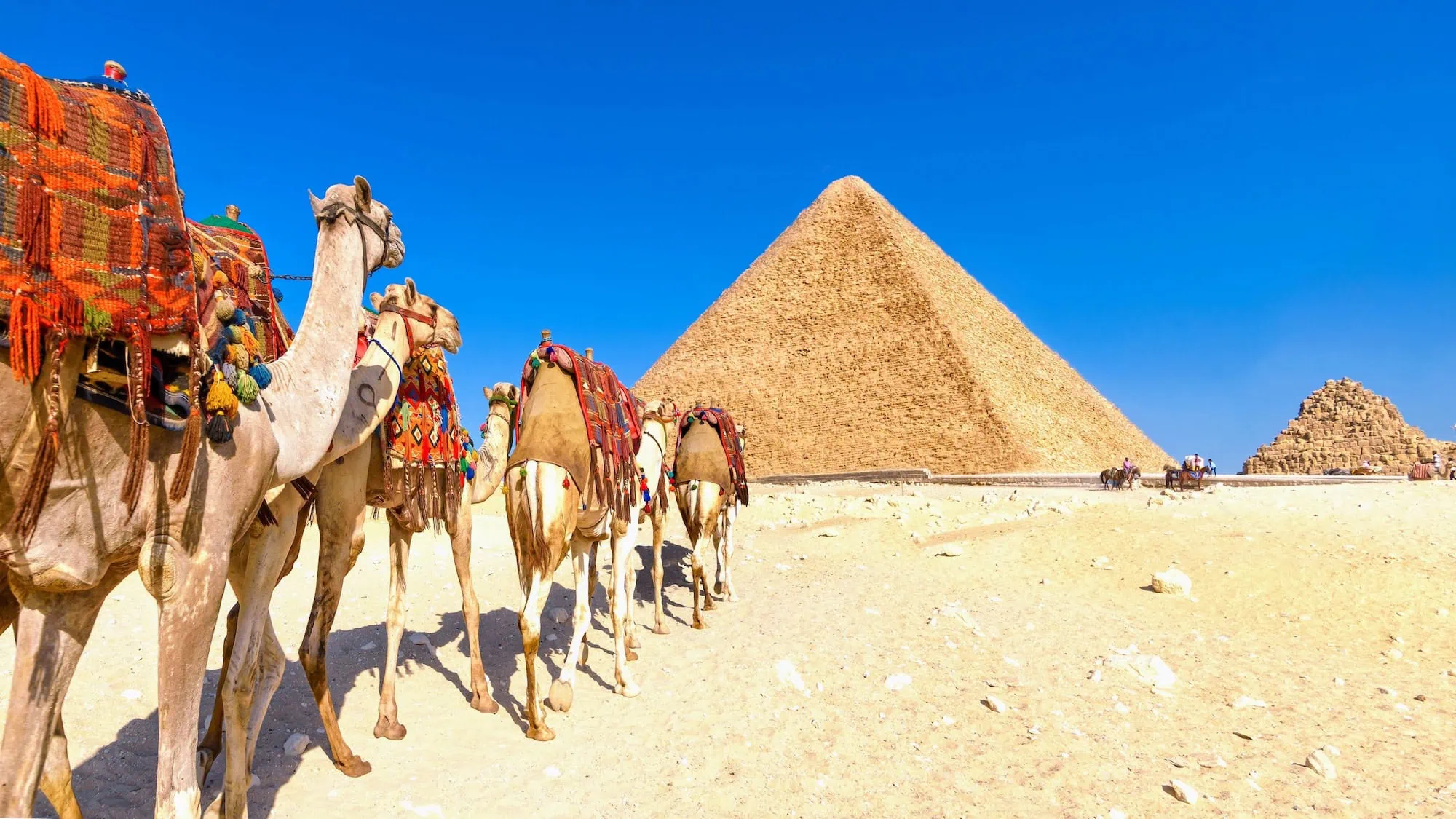
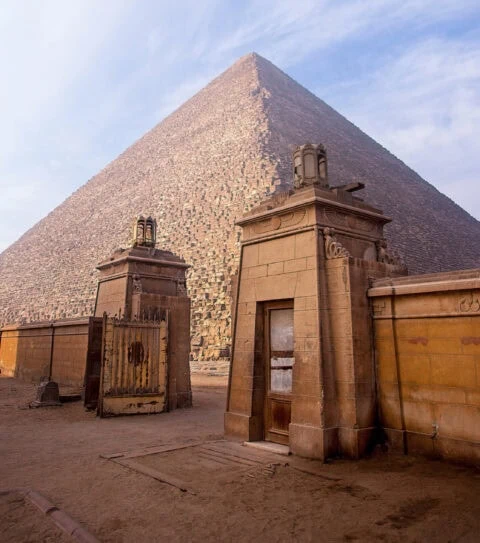
Picture yourself standing before the Great Pyramid of Giza in the morning light, with 4,500 years of history rising from the desert in front of you. Or gliding down the Nile as temples and tombs drift past your window. Short Egypt breaks make these moments possible, even with limited vacation time.
Many travellers assume Egypt needs weeks to explore properly. With private guiding, careful sequencing, and a clear focus, a 3 to 5-day visit becomes a complete journey through ancient wonders and contemporary culture rather than a rushed sampler.
Since 1955, we have arranged short Egyptian breaks for travellers on stopovers, long weekends, and tight schedules. The pattern that works is always the same: pick one or two regions, go deep, and let your dedicated Travel Concierge handle the logistics so the days themselves stay yours.
Table of Contents
Why Egypt Works for Short Breaks
Egypt’s tourism infrastructure makes rapid exploration surprisingly smooth. Most international flights arrive in Cairo, positioning you within an hour of the Giza Pyramids and mere minutes from world-class museums.
The country’s compact geography along the Nile corridor means you can experience pharaonic temples, Islamic architecture, and modern Egyptian life without extensive travel time.
Strategic Location Benefits
Cairo International Airport connects to a wide range of destinations across Europe, the Middle East, Africa, and Asia, which makes Egypt a natural stopover on longer journeys. Some airlines offer extended-stopover programmes from time to time, worth checking when you book your international flights.
The airport sits within easy reach of both central Cairo and the Giza plateau, so once you have cleared the VIP arrivals service with your representative, the Pyramids can be on your itinerary the same day.
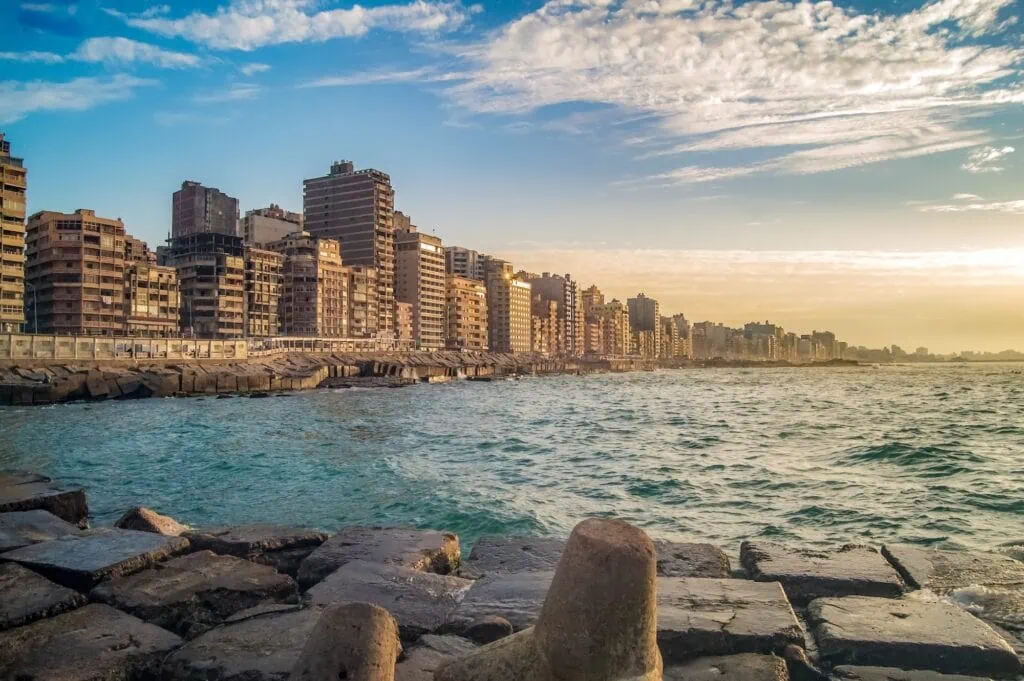
Alexandria lies just 3 hours north by road, while domestic flights reach Luxor and Aswan in under 90 minutes. This accessibility lets you combine multiple experiences (ancient monuments, Mediterranean coastline, and Nile River cruising) within a single short break.
Weather Advantage
Egypt enjoys consistent sunshine year-round, with over 300 sunny days annually. The October-to-April window offers daytime temperatures between 20 and 25°C (68-77°F), ideal for outdoor exploration without the summer heat. Spring and autumn months strike the best balance of mild conditions and thinner queues, while even summer mornings and evenings stay comfortable for sightseeing if you start early.
Crafting Your Ideal 3-5 Day Itinerary
Short Egyptian breaks succeed through focused planning rather than rushed sightseeing. We recommend choosing one primary base, typically Cairo or Luxor, then adding complementary experiences that minimize travel time while maximizing impact.
Three days allows thorough exploration of Cairo and Giza, including the Grand Egyptian Museum and Islamic Cairo’s medieval streets. Four days opens possibilities for day trips to Saqqara or Alexandria. Five days lets you add a short flight to Luxor and Aswan for the southern temples, or pair Cairo with a few days on the Red Sea.
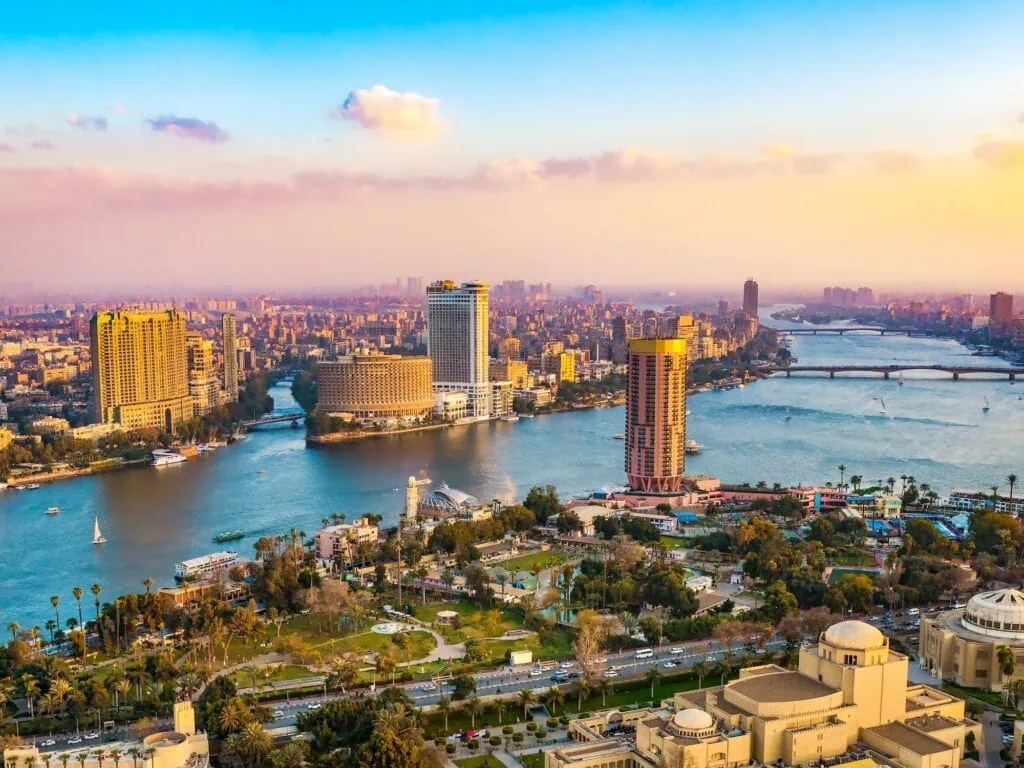
The key lies in balancing iconic sights with spontaneous discoveries that make travel memorable.
Start each day early to beat crowds and heat. Egyptian sites open at 8:00 am (08:00), when lighting conditions are optimal for photography and temperatures remain pleasant.
Late afternoon brings magical golden hour illumination, particularly stunning at the Giza complex where sunset views are spectacular.
Consider hiring private guides who speak your language fluently. Local expertise transforms simple sightseeing into engaging historical narratives. Our qualified Egyptologists provide context that brings ancient stones to life, explaining construction techniques, religious significance, and daily life in pharaonic times.
Cairo-Focused Itineraries
Cairo deserves at least two full days for proper exploration. Begin with the Giza Pyramids and Sphinx, allowing 4-5 hours including internal pyramid visits.
Entering the Great Pyramid’s interior chambers is an optional add-on with a separate ticket. The ascent involves low, steep passages and is not for everyone, but for travellers up to the climb, standing inside the largest of the Giza pyramids is an experience few forget.
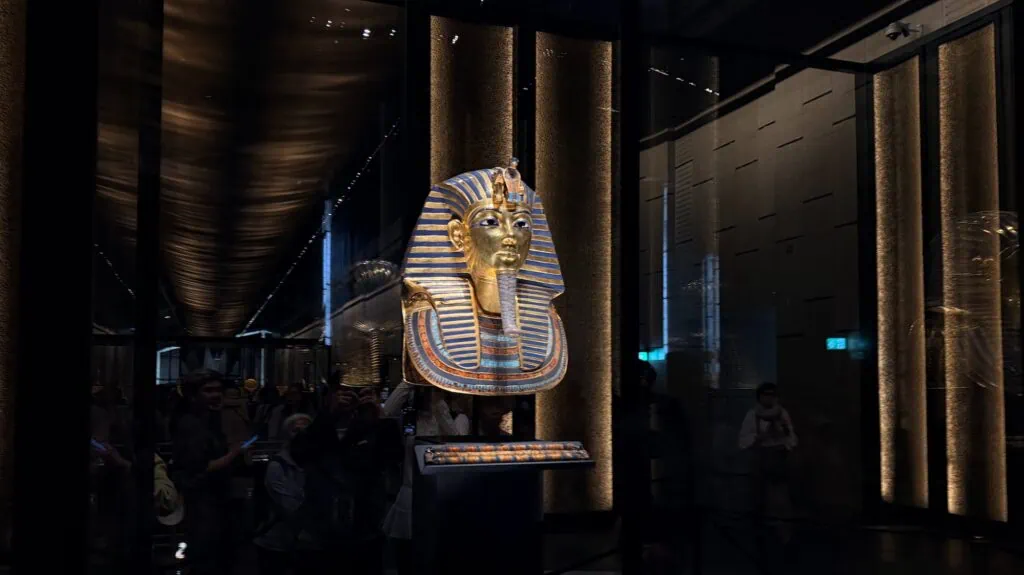
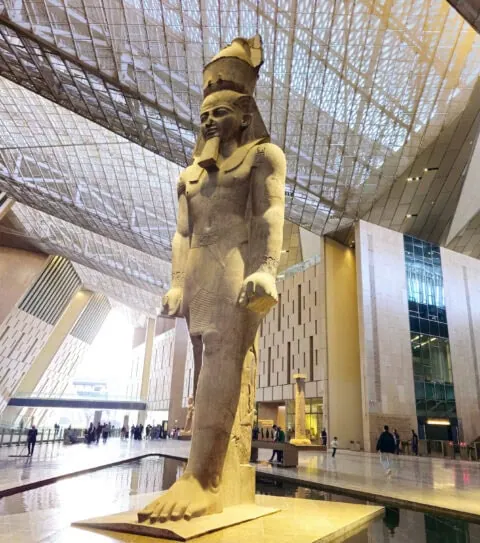
Dedicate your second day to the Grand Egyptian Museum at the foot of the Giza plateau, now Egypt’s primary museum. The complete Tutankhamun collection sits here for the first time in history, including the golden mask, the inner shrines, and more than 5,000 items from the tomb. In total the museum holds over 100,000 objects spanning 5,000 years of civilization, and most travellers plan 3 to 4 hours to do it justice.
Beyond the Tutankhamun galleries, highlights include colossal royal statuary, exquisite jewellery, and the vast Grand Staircase lined with kings and gods on the way up to the main collections.
Luxor Extensions
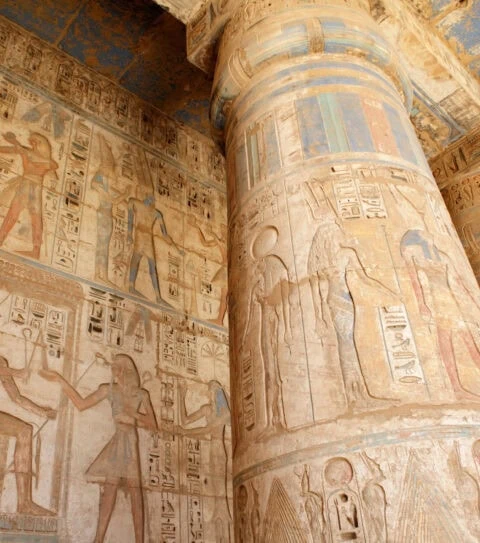
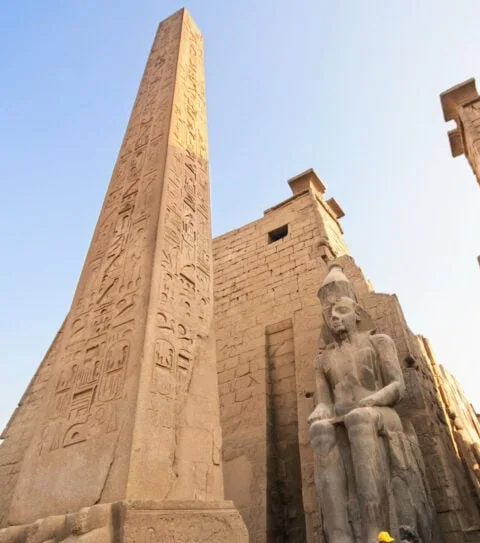
Adding Luxor to your itinerary unlocks Egypt’s greatest concentration of monuments. The Valley of the Kings houses over 60 royal tombs, while Karnak Temple represents the world’s largest religious complex.
Consider an overnight stay to experience both East and West Bank attractions properly.
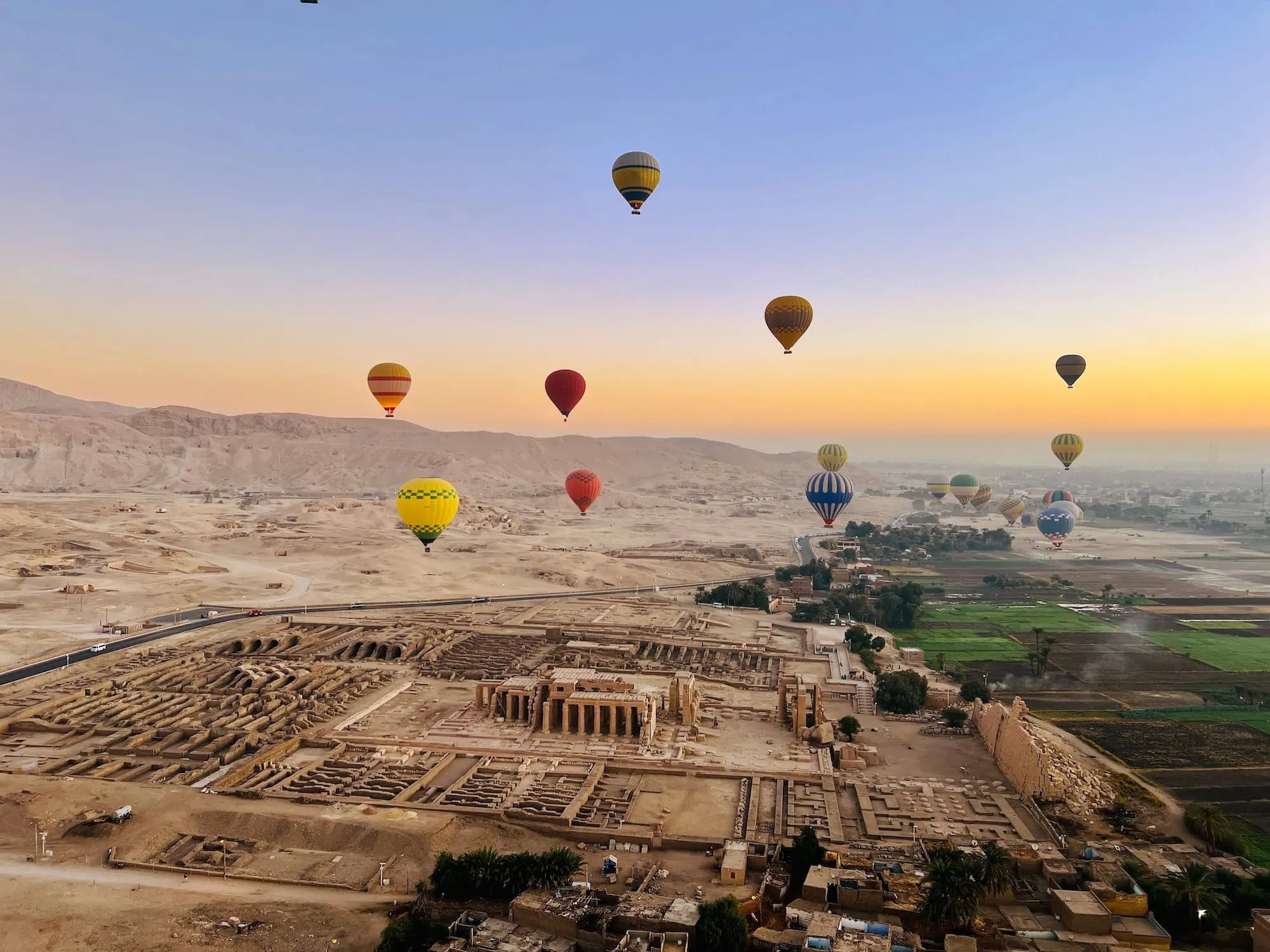
Morning flights from Cairo reach Luxor in 1 hour 15 minutes, making same-day returns feasible for tight schedules. However, staying overnight allows sunrise balloon flights over the Valley of the Kings – an unforgettable perspective on ancient Egypt’s royal necropolis.
Essential Experiences for Short Visits
Every Egypt short break should include certain unmissable experiences that define the country’s appeal. The Great Pyramid remains the world’s sole surviving ancient wonder, while the Egyptian Museum houses treasures found nowhere else on Earth.
Beyond these obvious highlights, consider experiences that reveal contemporary Egyptian culture alongside ancient heritage.
Pyramid Complex Exploration
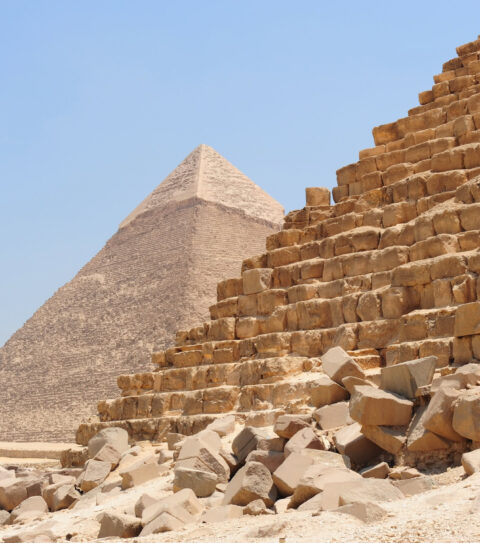
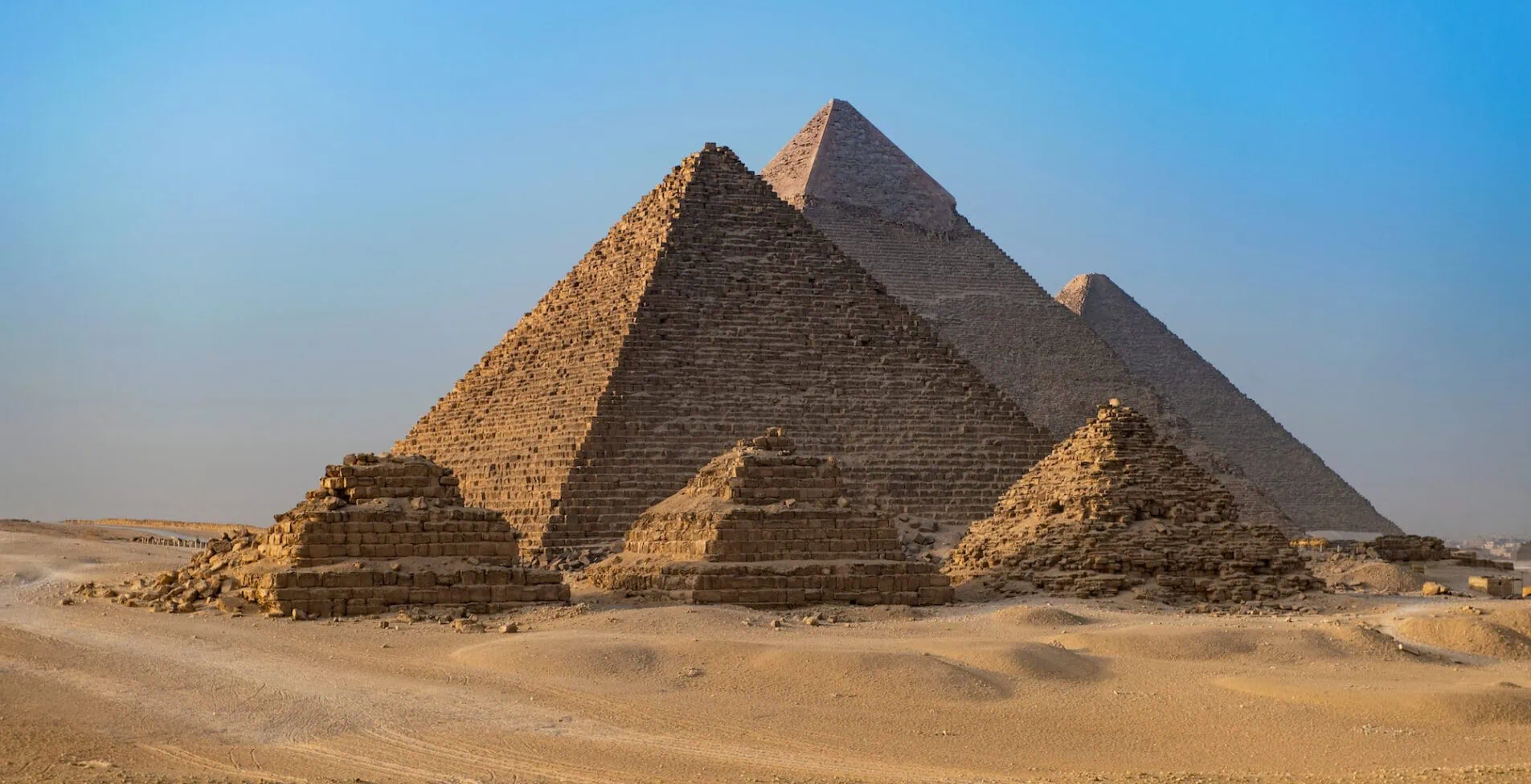
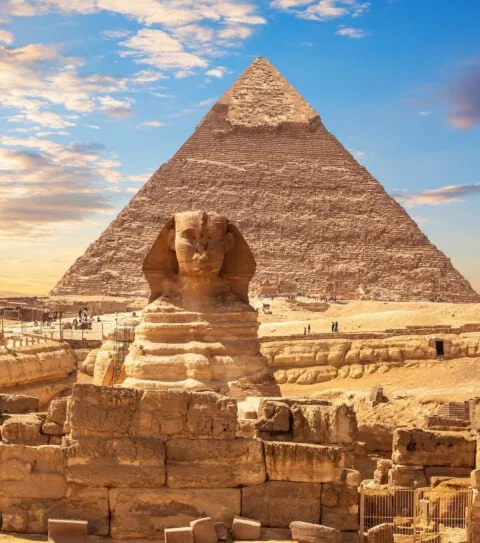
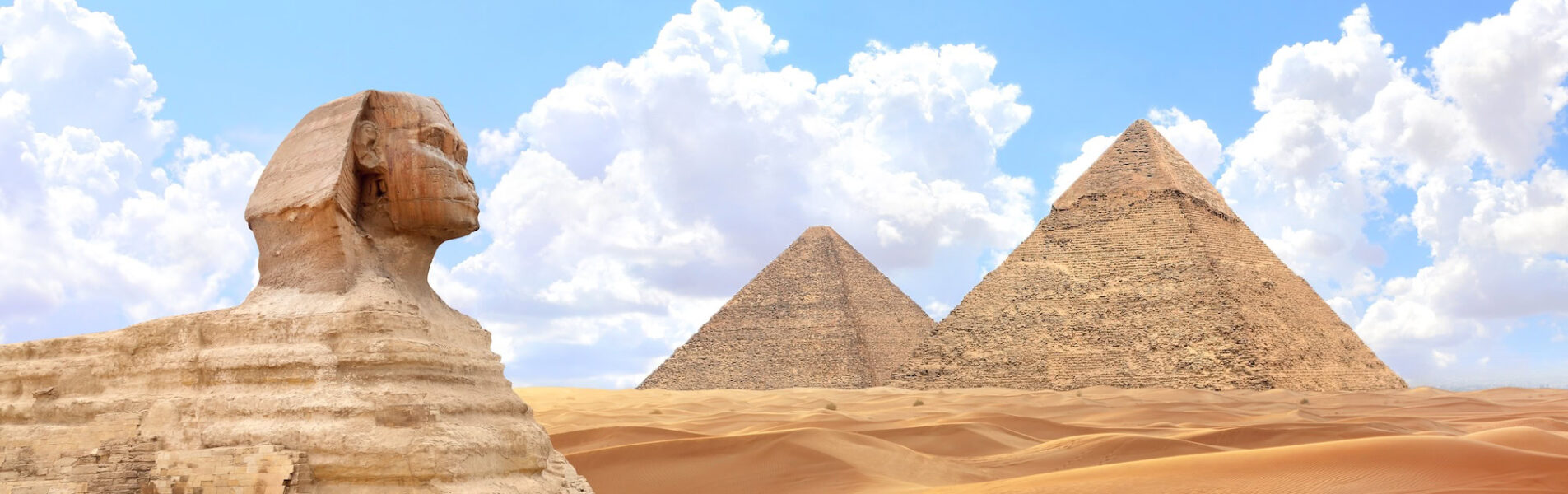
The Giza Plateau contains three major pyramids, the Sphinx, and several smaller structures, all built around 4,500 years ago during the Old Kingdom’s Fourth Dynasty. Allow 4 to 6 hours for comprehensive exploration of the plateau, with optional interior access to the Great Pyramid available as a separate ticket for travellers up to the climb.
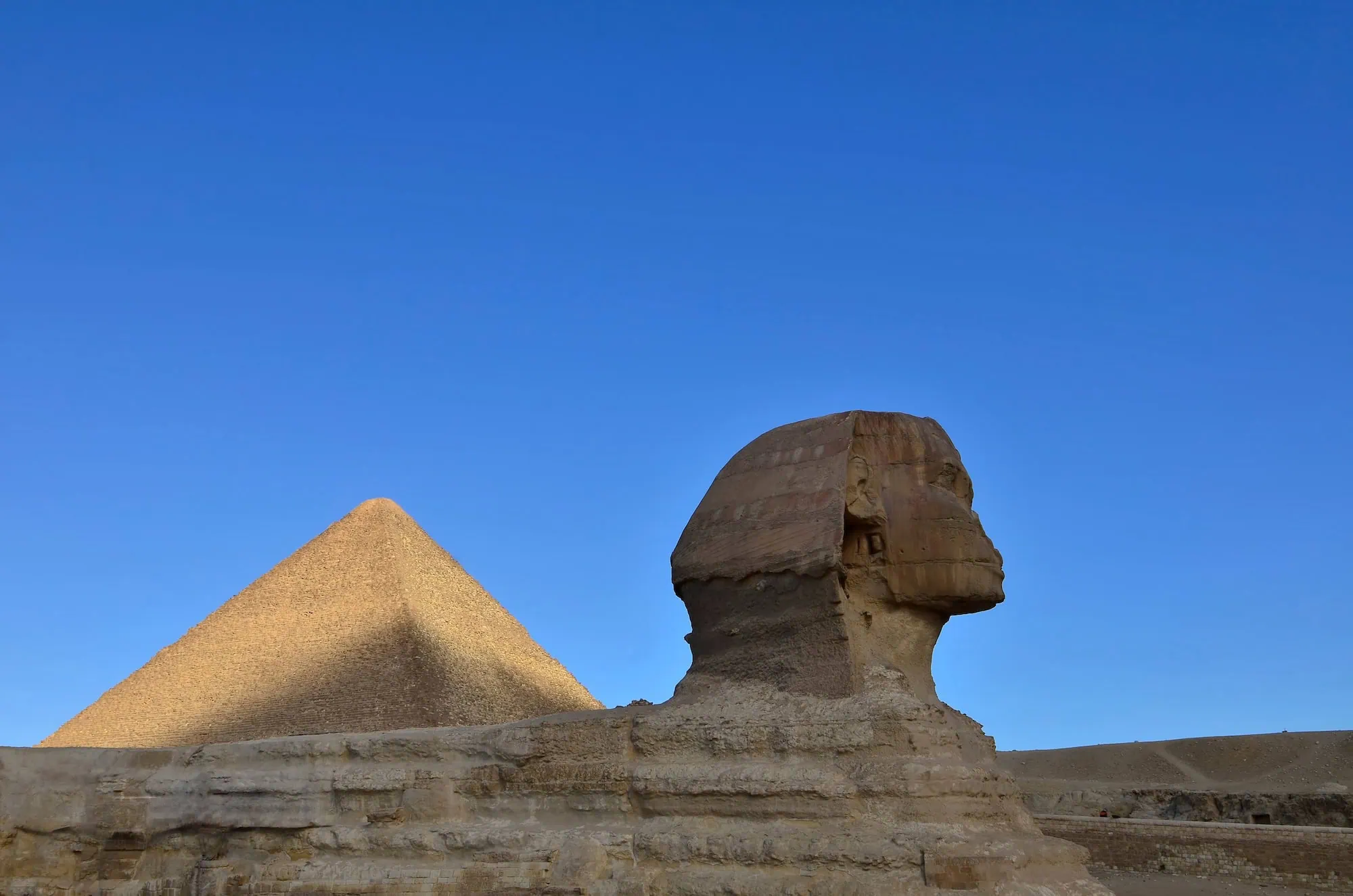
Entering the Great Pyramid’s interior is an optional add-on, with stooped, steep passages that require moderate fitness. For travellers up to it, the chambers inside offer a perspective on ancient engineering you cannot get from the outside.
Photography enthusiasts should visit during golden hour – approximately 5:00 pm (17:00) in winter and 6:00 pm (18:00) in summer. The western-facing monuments catch warm light beautifully, while crowds thin considerably after 4:00 pm (16:00).
Nile River Experiences
Even a brief visit should include time on the Nile, whether through a Cairo dinner cruise, a felucca sail in Aswan, or a short cruise segment if your dates allow. The river that created Egyptian civilization still flows past temples, villages, and modern cities, often within sight of each other.
A Nile dinner cruise in Cairo or a felucca sail at sunset in Cairo, Aswan or Luxor adds an easy, relaxed counterpoint to the monument-heavy daytime schedule.
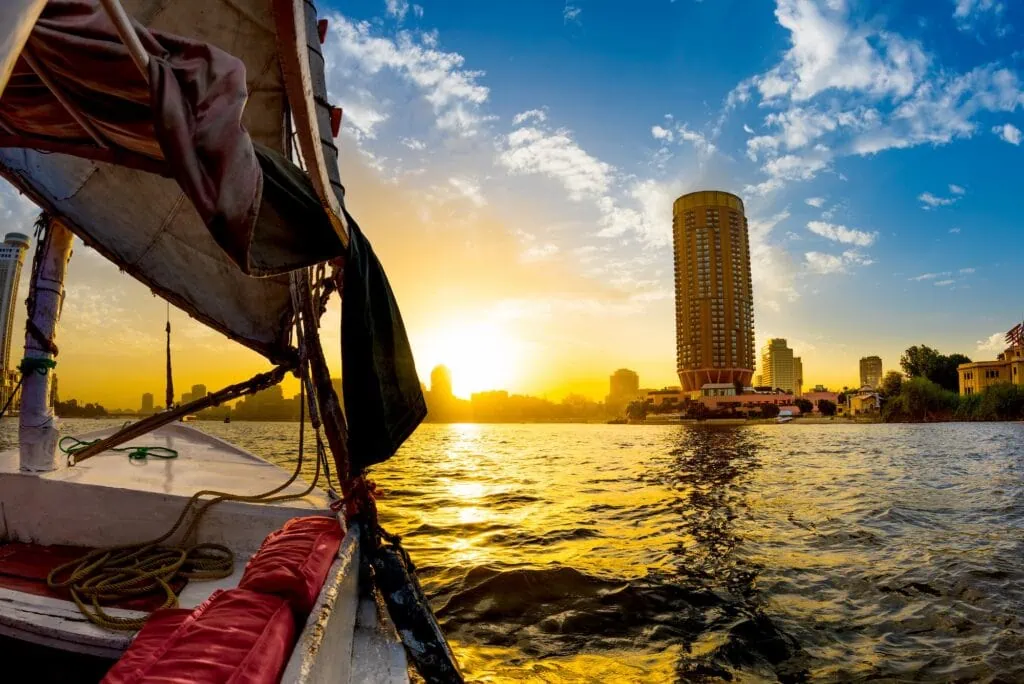
Traditional felucca boats offer authentic sailing experiences. These wind-powered vessels have transported goods and people along the Nile for thousands of years. Modern versions accommodate tourists comfortably while maintaining historical authenticity.
Cultural Immersion
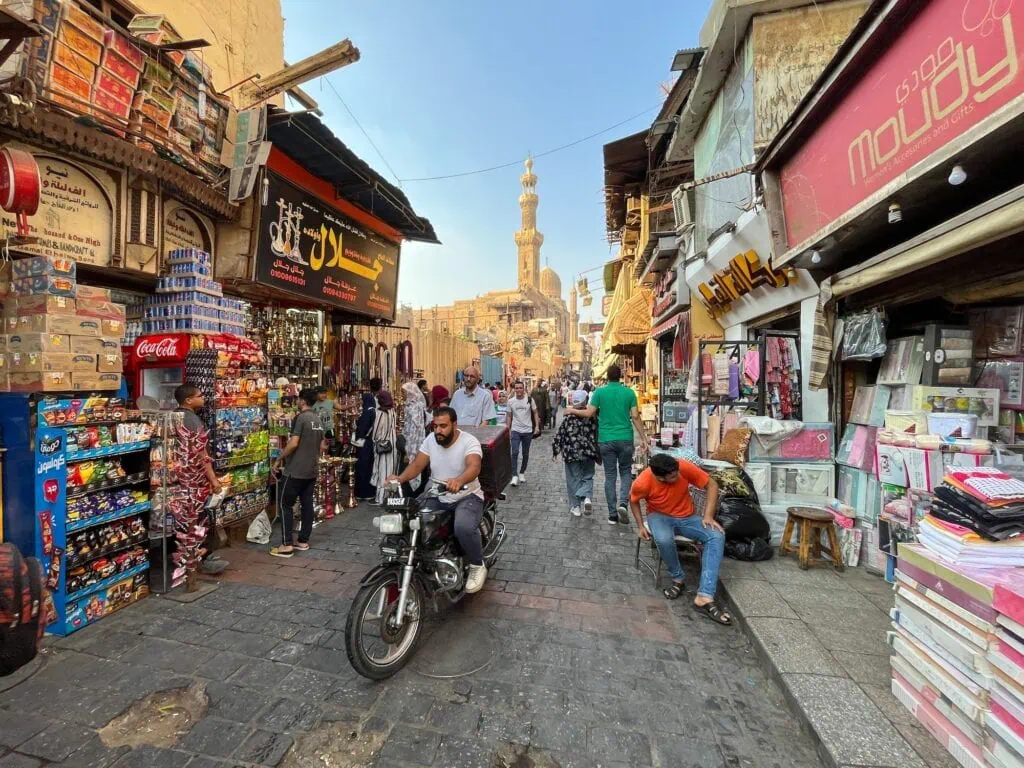
Khan El Khalili bazaar in Islamic Cairo offers an experience that goes well beyond the usual tourist market. Local families have shopped its alleys for everything from spices to household goods alongside the souvenir stalls for centuries.
Haggling is part of the rhythm of the place, and most stallholders enjoy a good-natured back and forth. Your guide can help you read fair prices and avoid the common tourist mark-ups.
Traditional coffee houses serve strong Egyptian coffee and fruit juices while offering glimpses of local social life. Many date back centuries and maintain atmospheric interiors with intricate woodwork and vintage furnishings.
Practical Planning Essentials
A successful Egypt short break needs a little advance planning for visas, transport, and accommodation. Most visitors can collect a tourist visa on arrival, though some travellers prefer the e-visa in advance for a smoother arrival.
Most travellers, including US, UK, EU, Canadian, Australian, and many Latin American nationals, can collect a 30-day tourist visa on arrival at Cairo International Airport for $25 USD in cash. Your dedicated Travel Concierge will confirm the right option for your nationality before you travel.
Transportation Solutions
Cairo traffic can be challenging, making private transfers worthwhile for time-conscious travelers. We provide modern, air-conditioned vehicles with professional drivers who understand tourist schedules and monument access requirements.
Journey times between major sites are predictable, allowing precise itinerary planning.
Domestic flights connect major tourist destinations efficiently. EgyptAir operates frequent services between Cairo, Luxor, Aswan, and coastal cities. Flight times rarely exceed 90 minutes, making multi-destination itineraries feasible within short timeframes.
Accommodation Recommendations
Location matters significantly for short breaks. Central Cairo hotels provide easy access to major museums and Islamic Cairo’s historic districts. Giza hotels offer easy access to the Grand Egyptian Museum and pyramid views but require transportation for broader sightseeing.
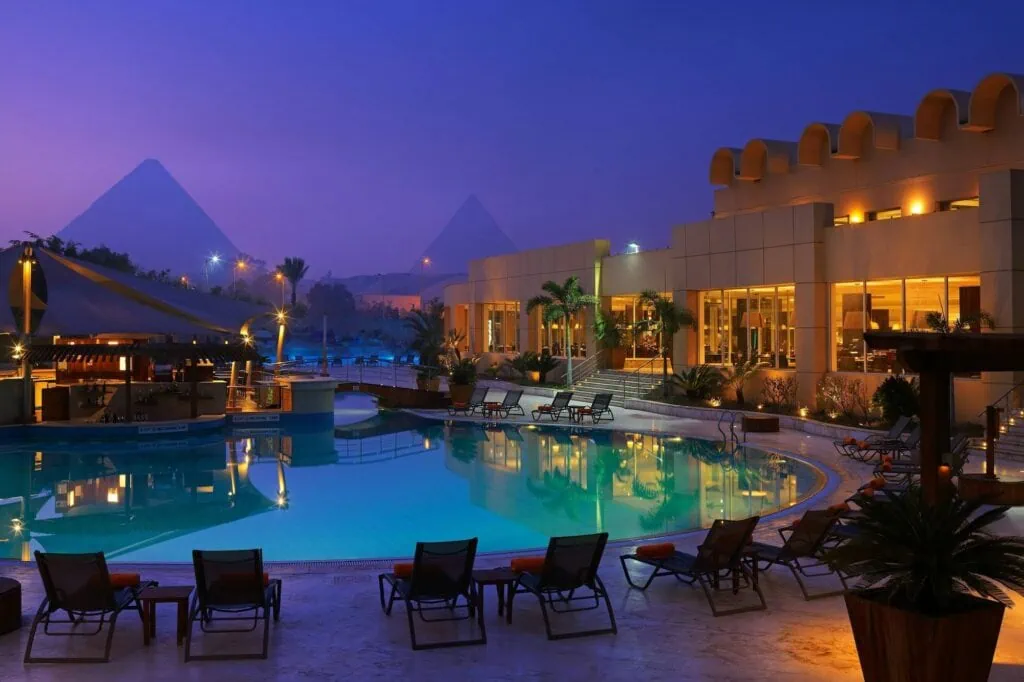
Luxury properties such as the Four Seasons in Cairo or the Sofitel Winter Palace in Luxor, available as upgrades, deliver landmark 5-star standards, while boutique and 4-star hotels offer comfortable Egyptian atmosphere at every price point.
Book accommodations early, particularly during peak season (October through April). Many hotels offer pyramid or Nile views at premium rates, but location convenience often proves more valuable than scenic windows for active sightseers.
Health and Safety
Egypt’s tourist sites operate under coordinated tourist police presence, and the private escorted format adds a practical layer on top, because you are never trying to navigate alone. Your guide and driver handle the routes, the timing, and the everyday small frictions independent travellers sometimes struggle with.
Egypt Tours Plus has operated short and long Egyptian itineraries since 1955, with full in-country support and 24/7 assistance throughout your trip.
Drink bottled water throughout (your driver carries a chilled supply in the vehicle) and stick to cooked food and peeled fruit at first. Egyptian cuisine is excellent at most established restaurants, and your guide can recommend the places worth a visit.
Maximizing Your Short Break Budget
Egypt offers exceptional value compared to many European or American destinations. A private guided tour, with your own Egyptologist and personal driver, often costs less than travellers expect for the level of service, and the daily rate scales with hotel category, party size, and inclusions rather than a fixed tariff. Your Travel Concierge will send a tailored quote within 1 to 12 hours, with no obligation to book.
Cost-Effective Strategies
Combination tickets are available for several site clusters, including the Giza plateau with Saqqara and Memphis, and Luxor’s east and west banks. Your Egyptologist guide knows which combinations are worth it for your itinerary and which are not.
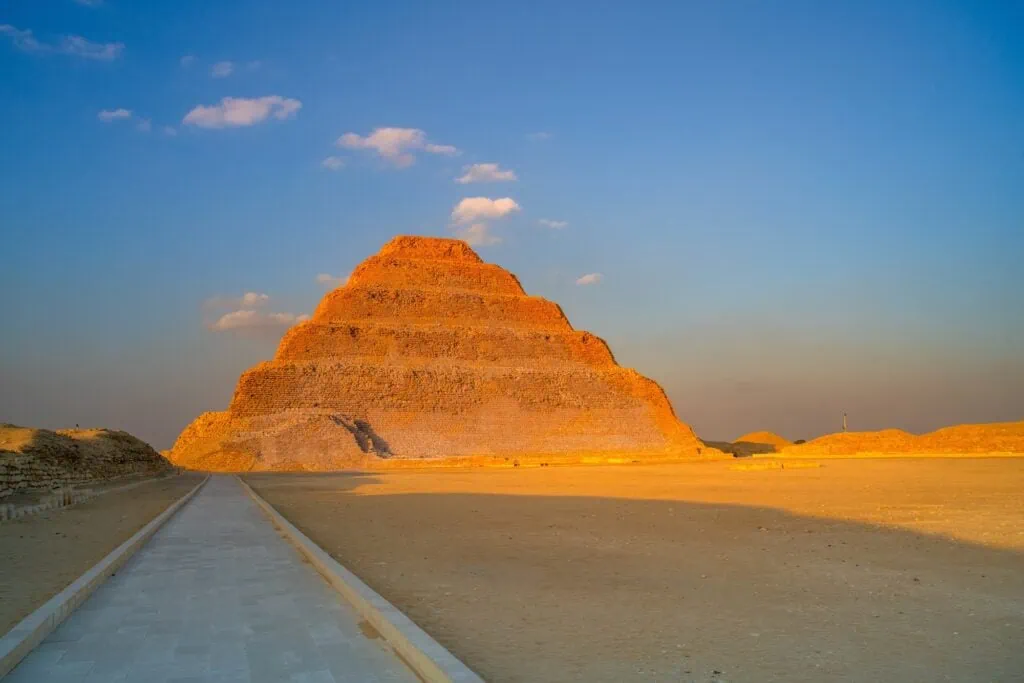
Similarly, Luxor’s East and West Bank sites offer package pricing that rewards comprehensive exploration.
Dining costs vary widely between hotel restaurants, tourist-oriented venues, and family-run local establishments. Most travellers find that the more local the kitchen, the better the food, and your guide can point you to the places worth a visit.
Luxury Upgrade Opportunities
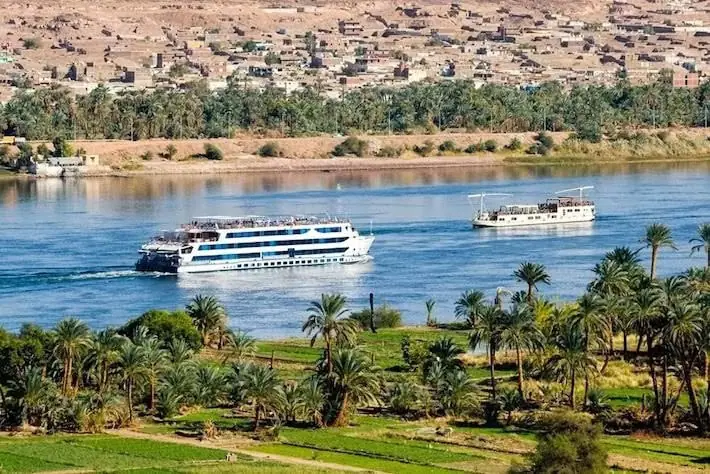
Egypt’s luxury tourism rivals any global destination. A 5-star Luxury Nile Cruise vessel combines refined dining, spa facilities, sun-deck pools, and expert shore-excursion guiding, with the standard route running Luxor to Aswan over four days and three nights, or seven nights for the longer upgrade.
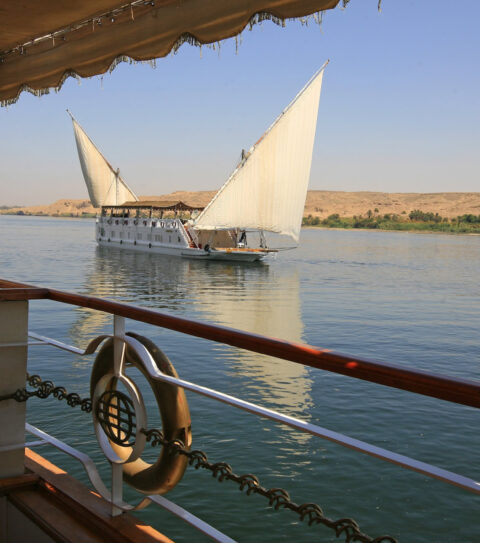
For a quieter, more intimate format, a dahabiya cruise carries just 8 to 16 guests on a traditional twin-mast sailing vessel between Luxor or Esna and Aswan, with gourmet meals prepared on board.
Private charter flights are also possible for travellers who want to skip commercial schedules entirely, which can be useful when fitting a southern site like Abu Simbel into a tight short-break itinerary.
Best Times for Egypt Breaks
Seasonal timing significantly impacts your Egyptian experience. October through April offers ideal weather with comfortable temperatures and minimal rainfall.
December and January represent peak season with higher prices but guaranteed sunshine. March and April provide excellent conditions with fewer crowds and moderate pricing.
Seasonal Advantages
Winter months (December to February) feature daytime temperatures of 20-25°C (68-77°F) with cool evenings requiring light jackets. This proves perfect for outdoor exploration without summer heat exhaustion. Christmas is a magical time to travel, though prices peak during the festive season.
However, popular sites experience peak crowding during European winter holidays.
Spring (March to May) offers warmer temperatures and blooming landscapes along the Nile. Tourist numbers decrease after Easter, providing more intimate experiences at major sites. Pricing typically drops 15-20% compared to peak winter rates.
Summer visits from June through August call for careful planning, with temperatures regularly exceeding 35°C (95°F) and running higher in Upper Egypt. Red Sea coastal areas stay more pleasant thanks to the sea breezes. On a private tour, your guide manages early starts, late-afternoon resumes, and air-conditioned transport between sites so the heat stays bearable.
Festival and Event Timing
Ramadan affects tourist services and dining availability, though major attractions remain open. The holy month moves annually through the calendar, requiring advance planning for travel dates.
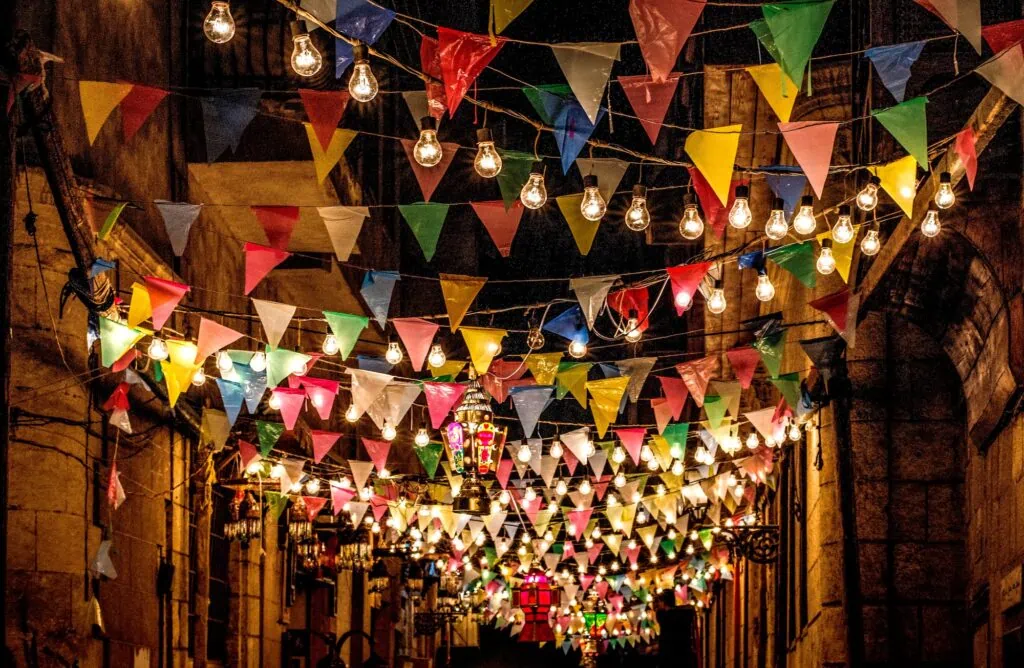
Post-Ramadan celebrations create festive atmospheres but may impact some service schedules.
Egyptian holidays like Coptic Christmas (January 7) and Sham el-Nessim (spring festival) showcase local traditions but can affect museum hours and transportation services. These cultural observances provide authentic experiences for visitors comfortable with adjusted schedules.
Creating Lasting Memories
Egypt short breaks work best when balanced between structured sightseeing and spontaneous experiences. Leave time for unexpected discoveries, like a beautiful mosque tucked away in Islamic Cairo, a family-run restaurant serving exceptional koshari, or conversations with locals eager to share their country’s stories.
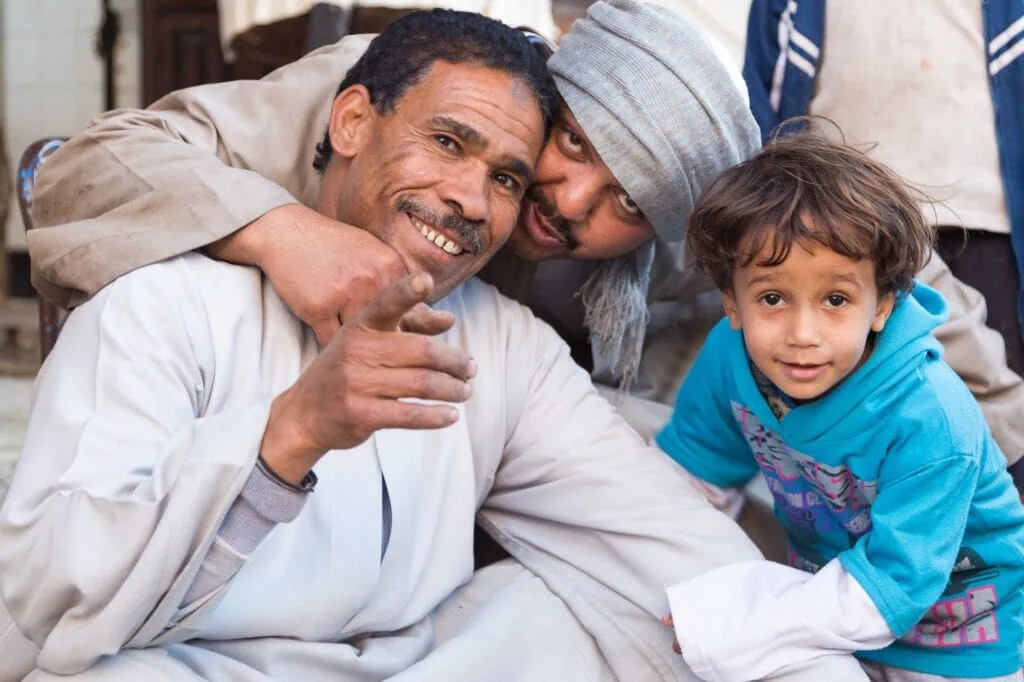
Photography opportunities abound throughout Egypt, but respect local customs regarding people photography. Always ask permission before photographing individuals, particularly women or religious figures. Many locals enjoy sharing their culture with respectful visitors.
Consider purchasing authentic souvenirs that tell stories beyond typical tourist shops. Handwoven textiles from traditional looms, spices from local markets, or books about Egyptian history provide meaningful mementos.
Quality papyrus paintings make beautiful wall art while supporting traditional crafts.
Document your journey beyond photographs. Keep a travel journal noting daily experiences, conversations with locals, and personal reflections on ancient sites. These written memories often prove more valuable than photographs for recalling specific moments and emotions.
Your Egypt Short Break, Designed Around You
Tell us your dates and what you most want to see, and we will design the itinerary around it. Whether you have a tight long weekend, a stopover of a few days, or five days carved out of a longer trip, your dedicated Travel Concierge designs the itinerary around what matters to you. The private format means every choice is yours: the focus, the hotels, the pace, the order.
We will send your first-draft itinerary within 1 to 12 hours, and we will keep refining it together until you are certain it is the trip you want.
Frequently Asked Questions
For a first visit that covers Cairo and one southern region, plan on at least 5 to 7 days. That gives you the Pyramids, the Great Sphinx, the Grand Egyptian Museum, and Islamic Cairo, plus time to fly south to Luxor or Aswan for the temples and royal tombs.
If you want the full classic combination of Cairo, a Nile cruise, and Abu Simbel, plan on 8 to 10 days. Adding the Red Sea, Alexandria, or the Western Desert on top usually means 10 days or more so nothing feels rushed.
A 3 to 5-day short break works well when you focus on Cairo and Giza, or pair Cairo with a single day-trip extension. It is not the right length to see the whole country, but it is plenty for a genuinely memorable first taste.
The simplest and safest option is a private transfer arranged in advance. With your Egypt Tours Plus VIP arrivals service, your representative meets you in the arrivals area at Cairo International Airport, walks you through immigration, baggage, and customs, and hands you over to your private driver waiting outside.
From the airport, the drive to the Giza plateau takes around 45 minutes to an hour, depending on traffic. Your private vehicle is modern and air-conditioned, with bottled water on board, so you can start the trip without worrying about navigation or negotiation. Many travellers visit the Pyramids the same day they land, especially if they arrive in the morning.
Yes, and the private format makes a big difference. Families set their own pace, take rest breaks when needed, and skip anything that does not suit younger travellers, all without holding up a larger group. The Pyramids, the Great Sphinx, and the Grand Egyptian Museum are usually firm favourites with children, especially when an Egyptologist guide turns the visit into a story rather than a lecture.
Logistics matter on a short trip with kids. Your private driver handles transfers, your guide adjusts pace and content, and hotels can be chosen for family-friendly facilities. Your Travel Concierge can also build in lighter days, such as a Nile dinner cruise or a felucca sail, to balance the more intensive temple days.
Comfort and modesty are the two priorities. Lightweight, breathable clothing works best in the heat, and loose-fitting trousers and shoulder-covering tops are appropriate for both men and women at temples, mosques, and outdoor sites. A wide-brimmed hat, sunglasses, and high-SPF sunscreen are essential year-round.
For mosques, both men and women cover their legs and arms, and women cover their hair with a scarf. Shoes that slip on and off easily save time at sites where you remove them at the entrance. Solid walking shoes are best for archaeological sites, where surfaces are uneven, sandy, or stepped.
Yes, though it depends on how short. A 3-day trip is best spent focused on one city, usually Cairo. A 4 or 5-day trip can comfortably combine Cairo with one other region, with the most popular options being a flight south to Luxor or Aswan, a drive north to Alexandria, or a flight east to Hurghada or Sharm El Sheikh for the Red Sea.
Domestic flights between Cairo and Luxor or Aswan take little more than an hour, so you spend the time at the sites rather than on the road. Your Travel Concierge will tell you honestly which combinations work at your trip length and which are better saved for a longer visit.
Egypt’s mainstream tourist regions, including Cairo, Luxor, Aswan, Alexandria, and the Red Sea resorts, have welcomed international visitors without significant incident for many years, and operate under coordinated tourist police presence. The one region we do not tour is North Sinai. The rest of the country sits well within standard travel advisories from US, UK, EU, Canadian, and Australian governments.
That said, a private guided tour adds real practical value beyond pure safety. You skip the navigation, the negotiation, and the language friction, and you have someone on your side for the everyday small situations independent travellers sometimes struggle with. Most short-break visitors find Egypt noticeably more comfortable than they expected.
A private Egypt short break with Egypt Tours Plus includes your private Egyptologist guide on every land-touring day, a personal driver with a modern air-conditioned vehicle, all major site entrance fees on your itinerary, hotel pickups and drop-offs, and 24/7 in-country support. Accommodation is included at your chosen hotel category with breakfast, and any internal flights in your plan are arranged and timed for you.
Not included are international flights to and from Egypt, the $25 USD entry visa, travel insurance, lunches and dinners outside any included meals, drinks, gratuities, and optional add-ons. Common add-ons include entering the Great Pyramid, special-access tombs, a sunrise hot air balloon flight over Luxor, a Nile dinner cruise in Cairo, or a felucca sail in Aswan. Your Travel Concierge quotes any extras separately.
For a short, flexible itinerary, two to three weeks is usually enough to arrange visas, hotels, and any internal flights comfortably. Peak season from October through March books up earlier, and the best hotels and optional extras such as hot air balloon flights can sell out four to six months ahead during the busiest weeks.
Booking earlier also gives you more time to refine the itinerary with your Travel Concierge through the usual two to four rounds of revisions, so the final plan genuinely fits what you want. If your dates are fixed around a stopover or long weekend, the sooner you start the conversation, the more options you will have.
No vaccinations are required for entry into Egypt for most travellers. Some choose to discuss routine boosters with their GP before departure, particularly hepatitis A and typhoid for travellers who plan to eat widely outside hotel restaurants. Travellers arriving from countries with yellow fever transmission may need to show a yellow fever certificate.
Egypt’s private hospitals in Cairo and major tourist centres meet international standards, and 24/7 in-country support means you have someone to call regardless of where you are or what time it is. Drinking bottled water throughout is the simplest precaution.
Cairo is the natural anchor for a short break, with the Pyramids of Giza, the Great Sphinx, the Grand Egyptian Museum, and the medieval streets of Islamic Cairo all reachable within a day or two of touring. It is also where most international flights land, which saves time on a short trip.
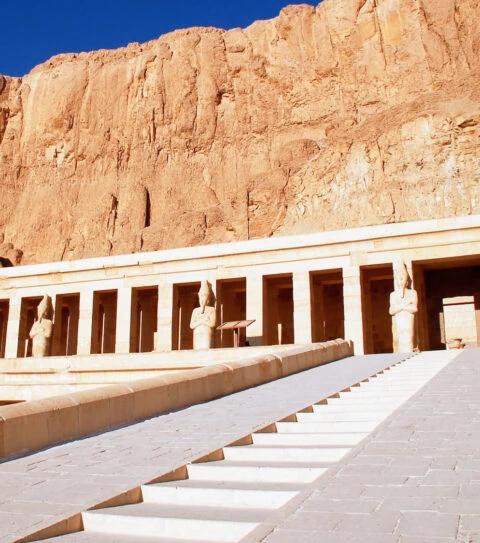
Luxor offers the densest concentration of ancient monuments anywhere in Egypt, split between the east bank (Karnak, Luxor Temple) and the west bank (Valley of the Kings, Hatshepsut’s temple). A short flight from Cairo gets you there in around 1 hour 15 minutes, so a 4 or 5-day break can combine the two cities comfortably.
For a 3-day trip, picking one or the other and going deep usually delivers a more satisfying experience than splitting them.
Major hotels, restaurants, and established tourist sites accept international credit cards reliably. Smaller restaurants, markets like Khan El Khalili, and most street vendors prefer cash, usually in Egyptian pounds. ATMs are widely available in cities and tourist areas, and most foreign debit cards work without issue.
Carrying some Egyptian pounds for tips, market purchases, and small expenses is sensible. You can change money at official bank branches or authorized exchange offices, which generally offer better rates than airport kiosks. Your driver and guide can point you to reliable options if you need to change cash during the trip.
Meal costs vary widely depending on where you eat. Hotel restaurants and tourist-oriented venues sit at the higher end, while family-run local establishments offer authentic Egyptian food for a fraction of the price. Most travellers find that the more local the kitchen, the better the food.
Your Egypt Tours Plus package includes breakfast at your hotels. Lunches and dinners outside any included meals are at your own cost, and your guide can recommend restaurants at every price level that match what you want, whether that is a traditional koshari counter or a Nile-view dining experience.
Design Your Custom Tour
Explore Egypt your way by selecting only the attractions you want to visit