Is June a Good Time to Visit Egypt?
Egypt in June isn’t for everyone.
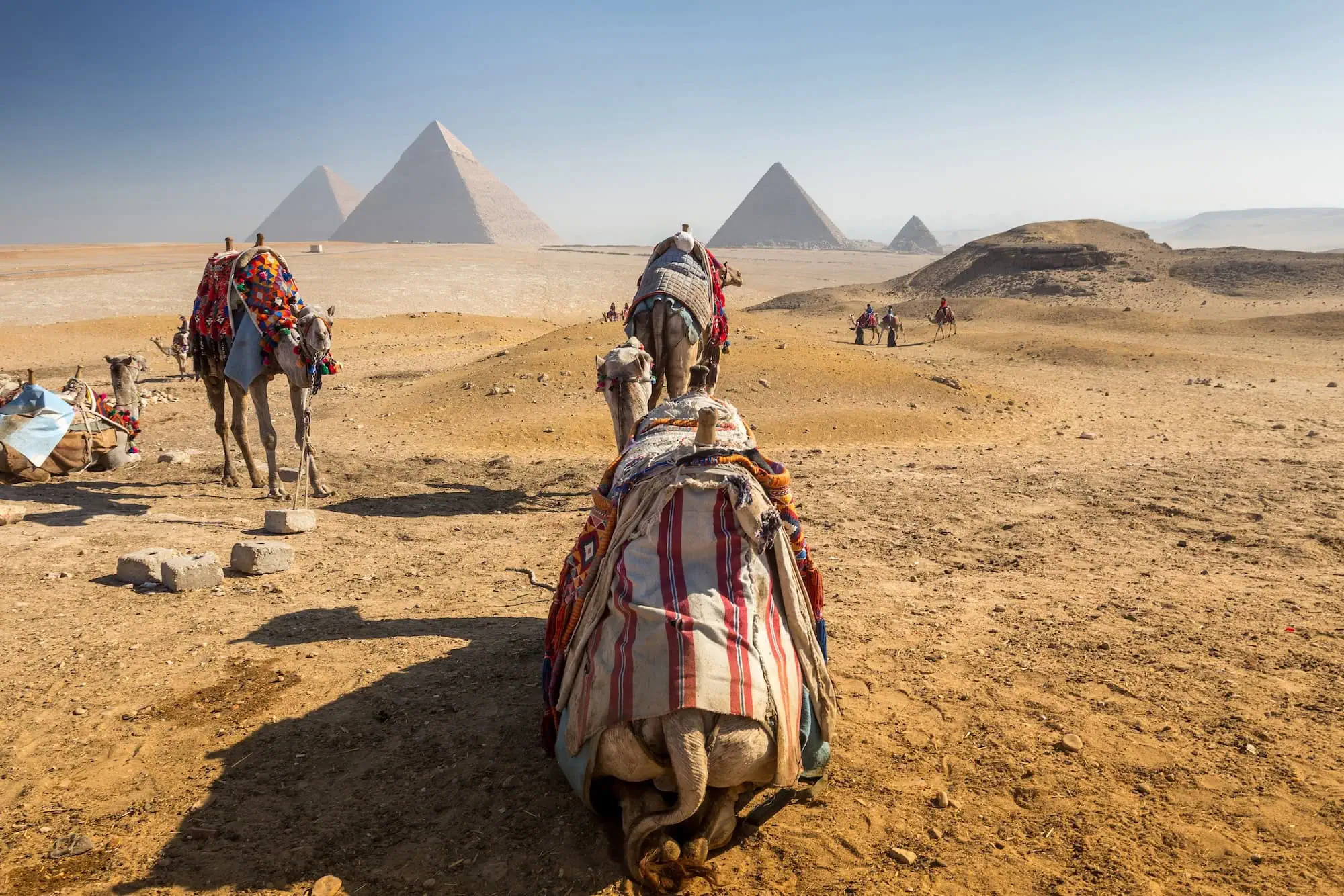
We’ve guided travelers through Egypt’s desert heat for decades, watching some thrive while others struggle with the intense summer conditions. June brings temperatures that can soar above 40°C (104°F) in Cairo and even hotter in southern destinations like Luxor and Aswan. Yet thousands of visitors still choose this month for their Egyptian adventure, drawn by significantly lower prices, empty tourist sites, and unique coastal opportunities along the Red Sea.
Understanding what June really offers – beyond just the heat warnings – helps you make the right choice for your travel style and budget.
Table of Contents
Weather Reality: What June Actually Feels Like
June marks Egypt’s entry into full summer mode, with daytime temperatures ranging from 35°C to 45°C (95°F to 113°F) across most destinations. Cairo typically hits 38°C (100°F) during midday, while Luxor and Aswan push toward 42°C (108°F) or higher. The heat feels relentless between 11:00 am (11:00) and 4:00 pm (16:00), making outdoor sightseeing genuinely challenging.
Humidity adds another layer of discomfort, especially in coastal areas like Alexandria where it can reach 70%. Desert locations stay drier but offer little relief from the blazing sun.
Nighttime Brings Welcome Relief
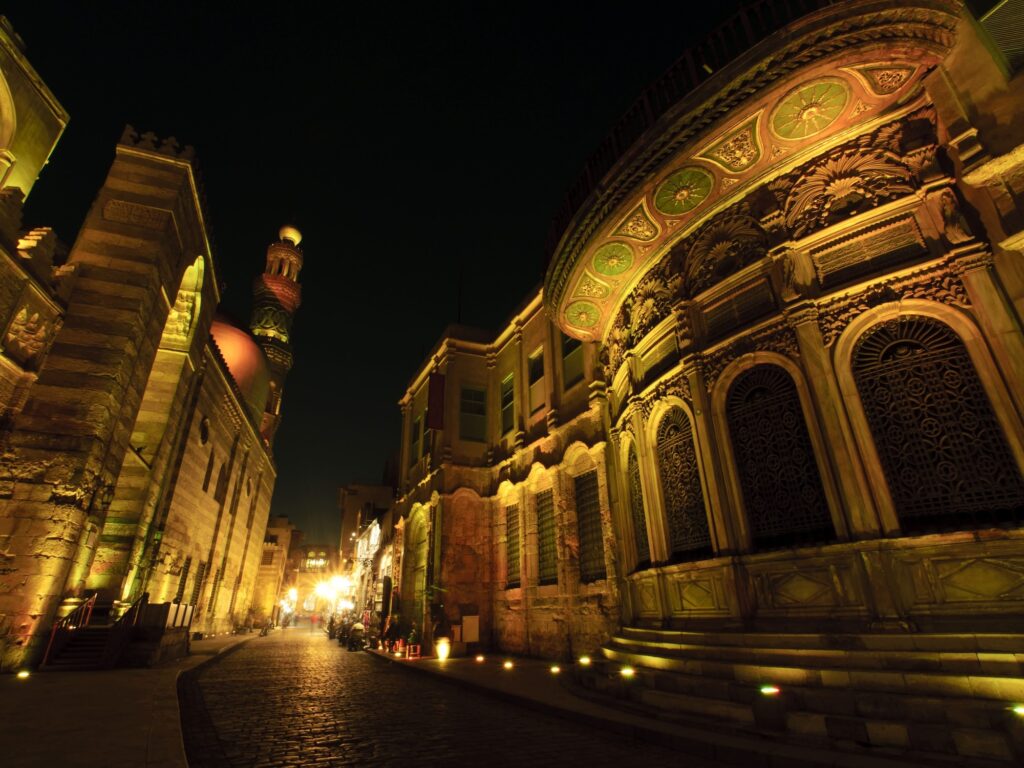
Temperatures drop to more manageable levels after sunset, typically falling to 22°C to 28°C (72°F to 82°F). Evening hours become prime time for walking, dining outdoors, and exploring local neighborhoods without the crushing heat.
Rainfall: Practically Nonexistent
June receives virtually zero rainfall throughout Egypt. Clear skies dominate, with occasional dust storms that can reduce visibility and create uncomfortable conditions for photography or outdoor activities.
Where to Go and Where to Avoid
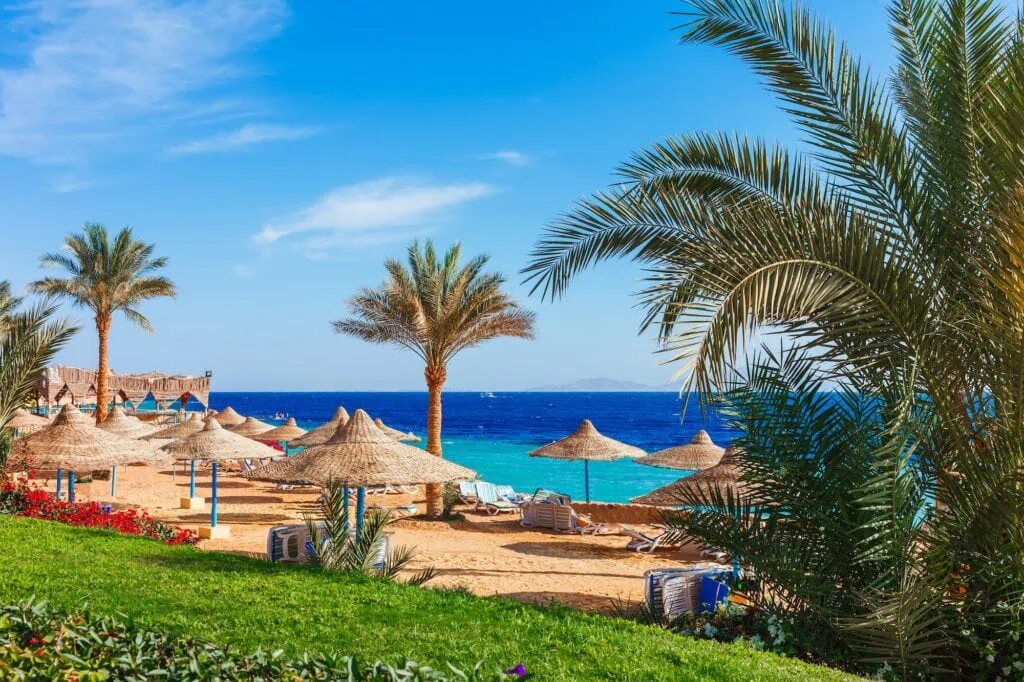
Coastal destinations become your lifeline during Egypt’s hottest month. The Red Sea coast, particularly around Hurghada and Sharm El Sheikh, benefits from steady sea breezes that make 35°C (95°F) feel more tolerable than 30°C (86°F) in Cairo’s still air.
Alexandria offers another coastal escape with temperatures 3-5°C cooler than inland cities. The Mediterranean breeze provides natural air conditioning, especially along the Corniche waterfront.
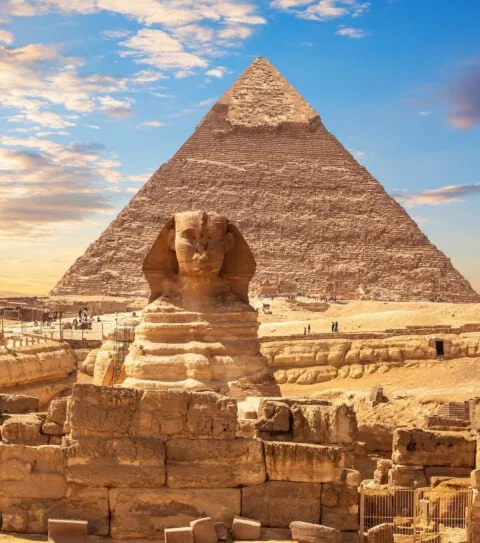
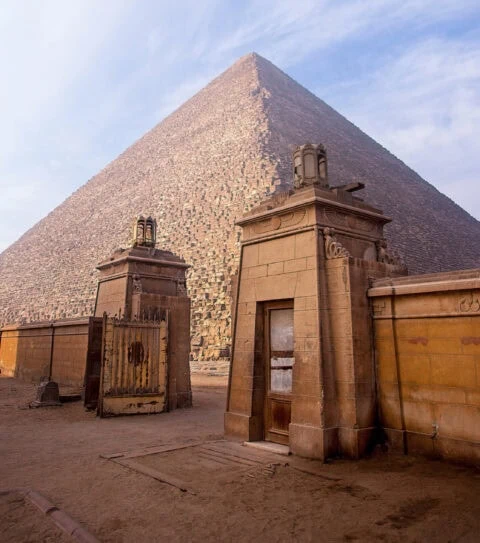
Stay away from inland archaeological sites during peak heat hours. Pyramids of Giza, Valley of the Kings, and Karnak Temple become furnaces between late morning and late afternoon. If you must visit these iconic destinations, arrive before 8:00 am (08:00) or after 5:00 pm (17:00).
Red Sea: Your Summer Sanctuary
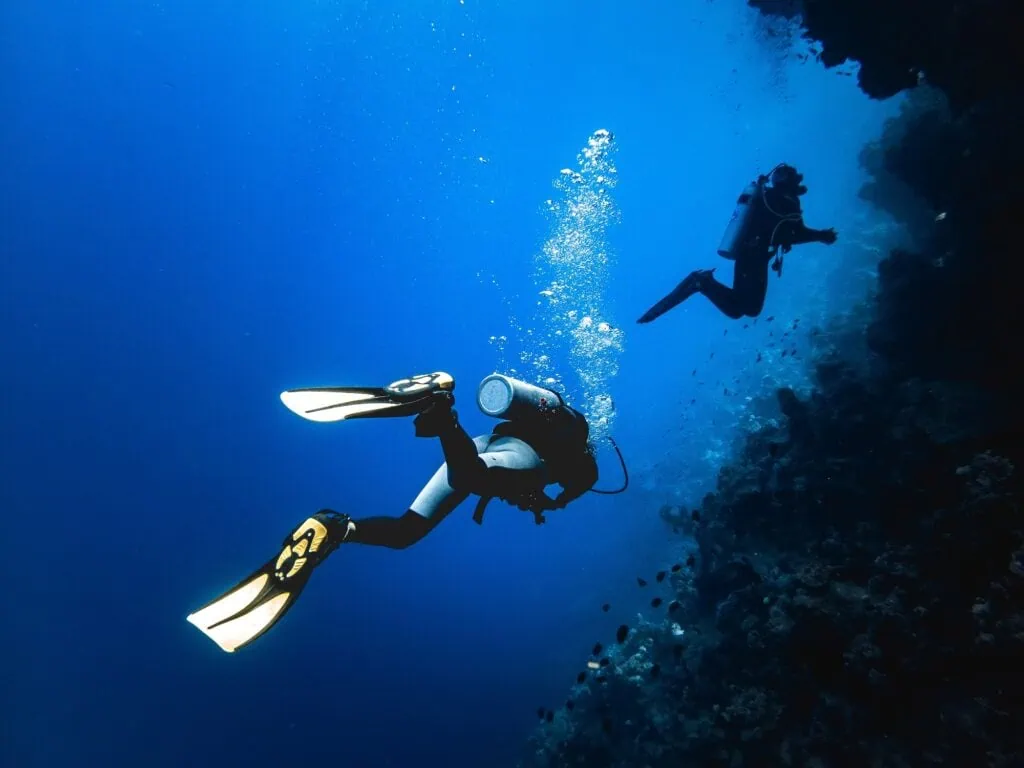
Diving and snorkeling conditions reach their peak in June. Water temperatures warm to a comfortable 26°C to 28°C (79°F to 82°F), perfect for extended underwater exploration. Coral reefs burst with marine life, and visibility often exceeds 30 meters.
Coastal resorts offer pools, air-conditioned restaurants, and easy beach access – essential infrastructure for surviving Egypt’s summer heat.
The Upside: Empty Sites and Lower Prices
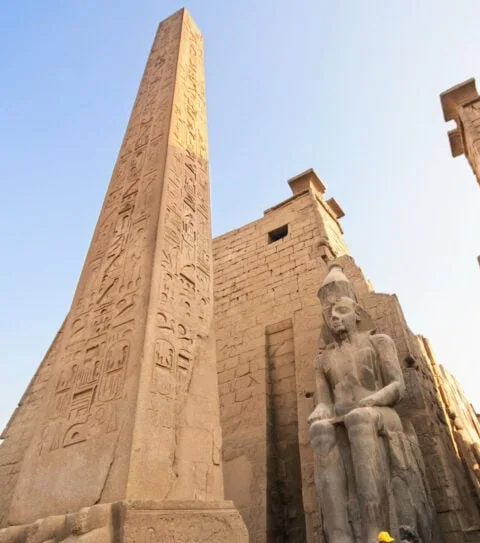
Tourist crowds vanish in June, creating almost private experiences at famous monuments. We’ve seen travelers have the Great Pyramid practically to themselves at sunset, or explore Luxor Temple with just a handful of other visitors.
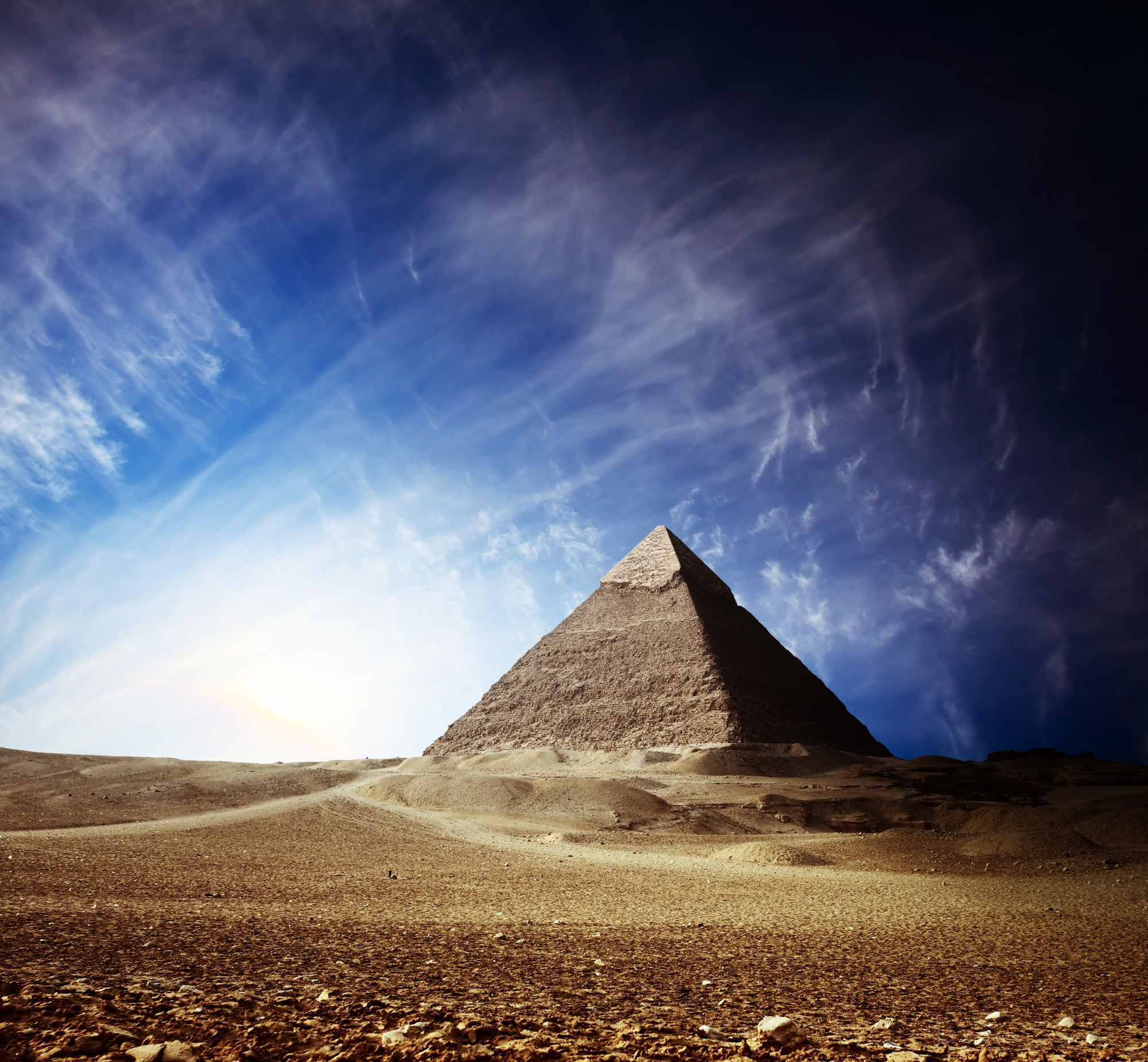
Hotel rates drop by 40-60% compared to peak winter months. Five-star Nile cruise packages that cost $200 per night in January often fall to $80-100 in June. Flight prices from Europe and North America also decrease significantly as demand drops.
Restaurant terraces and bazaars operate with reduced crowds, giving you authentic interactions with locals and more relaxed bargaining opportunities in markets like Khan el-Khalili.
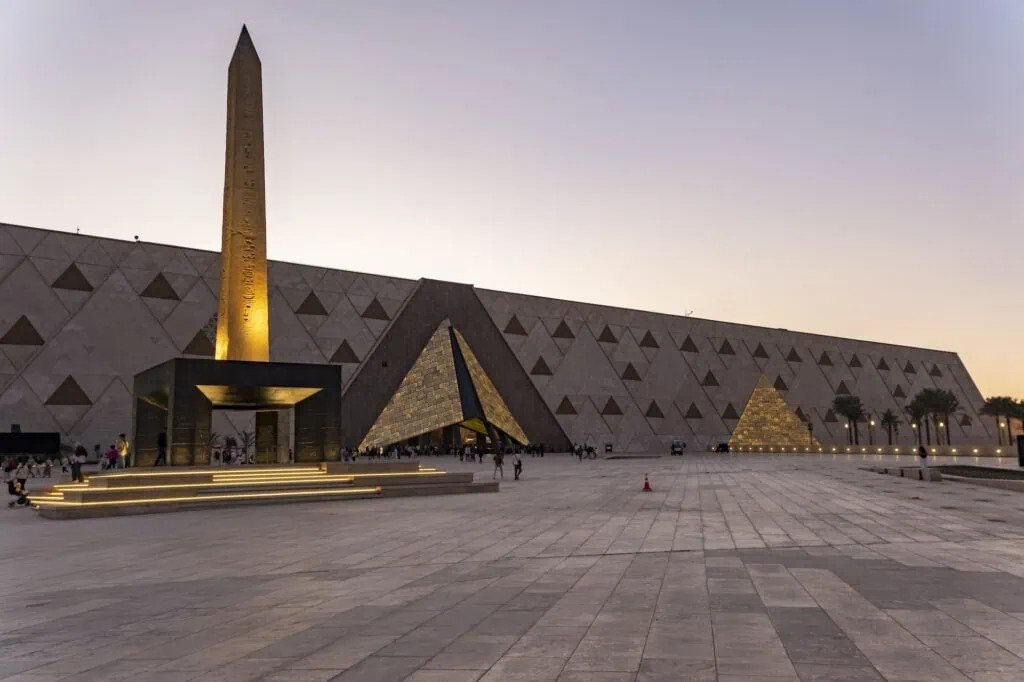
Popular attractions maintain shorter operating hours but eliminate the need for advance reservations. Museum visits become leisurely affairs without fighting through tour groups for prime viewing spots.
Photography Benefits
Harsh summer light creates dramatic shadows and golden hour effects that many photographers prefer. Desert landscapes take on an otherworldly appearance under intense sunlight, while sunrise and sunset periods offer softer conditions for classic monument shots.
Surviving the Heat: Essential Strategies
Hydration becomes a survival skill rather than a suggestion. Plan to drink 4-5 liters of water daily – more if you’re active outdoors. We always recommend carrying electrolyte supplements since water alone won’t replace what you lose through constant sweating.
Timing transforms your entire experience. Rise at 5:30 am (05:30) to catch sunrise at the pyramids or Valley of the Kings before heat builds. Return to air-conditioned spaces between 10:00 am (10:00) and 4:00 pm (16:00), then venture out again for evening explorations.
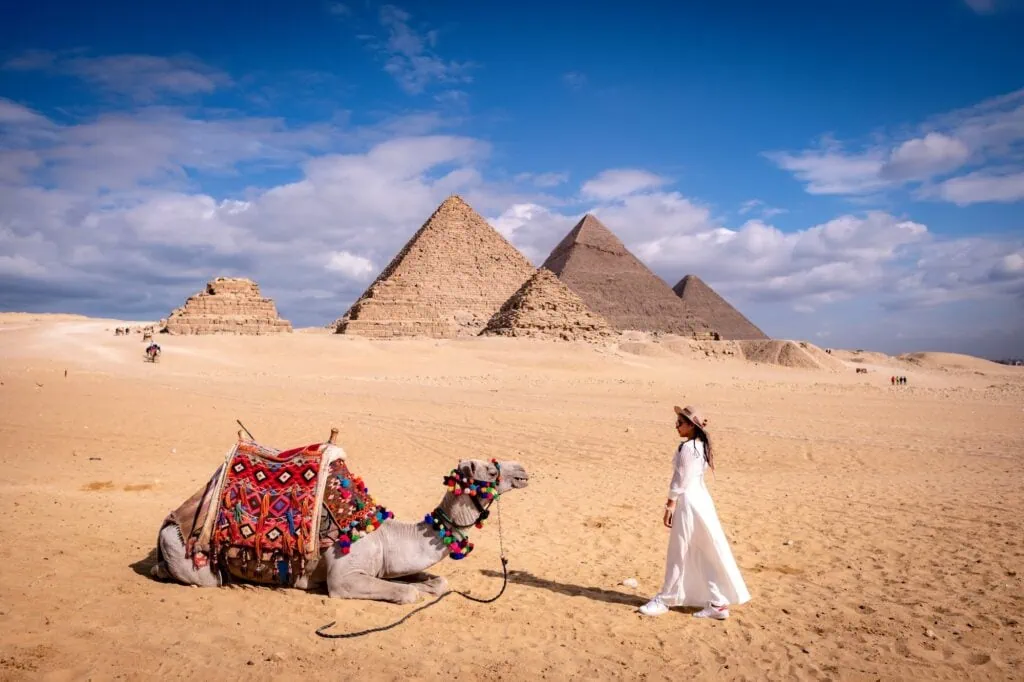
Clothing choices matter enormously. Light-colored, loose-fitting cotton or linen provides the best protection while allowing air circulation. Long sleeves actually help by blocking direct sun exposure – counterintuitive but effective.
Indoor Alternatives for Midday Hours
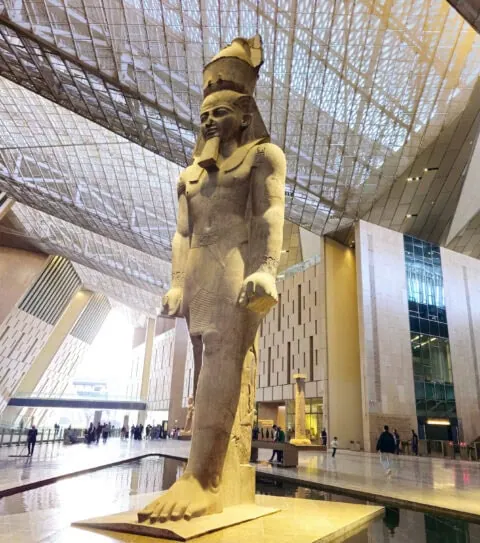
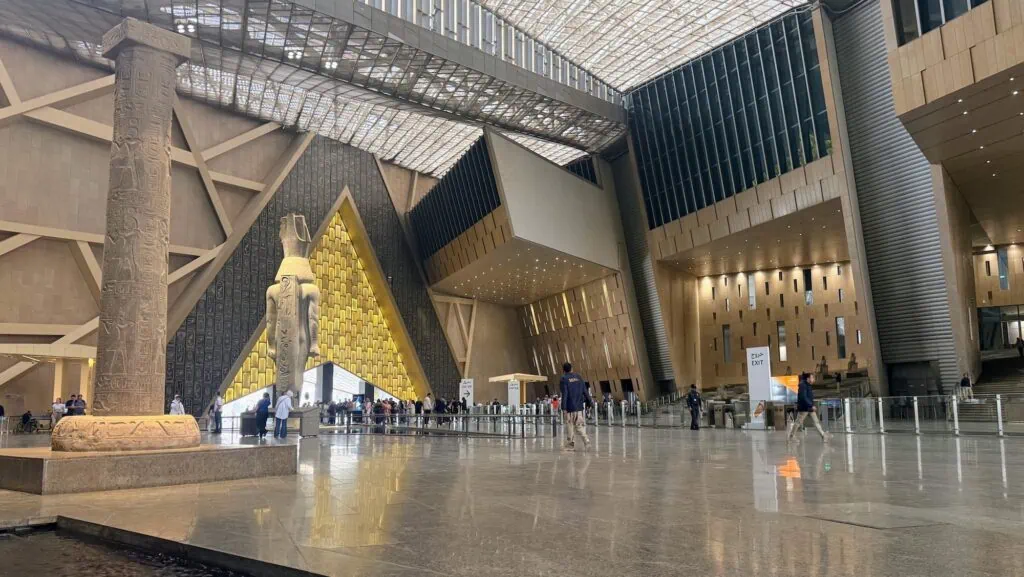
Giza’s Grand Egyptian Museum offers world-class air conditioning alongside incredible collections. Spend your hottest hours exploring King Tut’s treasures or the museum’s innovative climate-controlled galleries designed specifically for Egypt’s extreme temperatures.
Traditional hammams (Turkish baths) provide cooling relief while offering authentic cultural experiences. Many historic bathhouses in Cairo and Alexandria maintain naturally cool temperatures even during summer months.
Nile Cruises: A Different June Experience
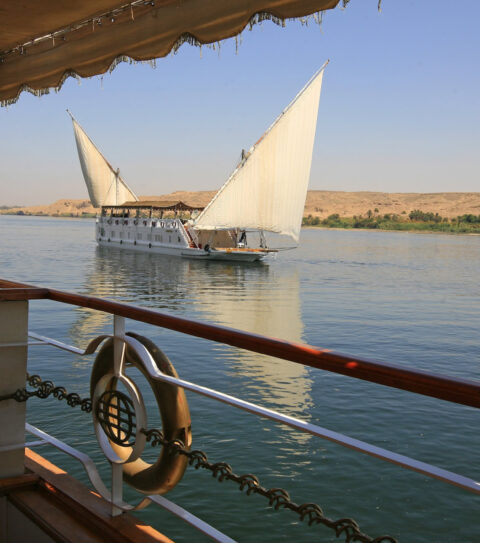
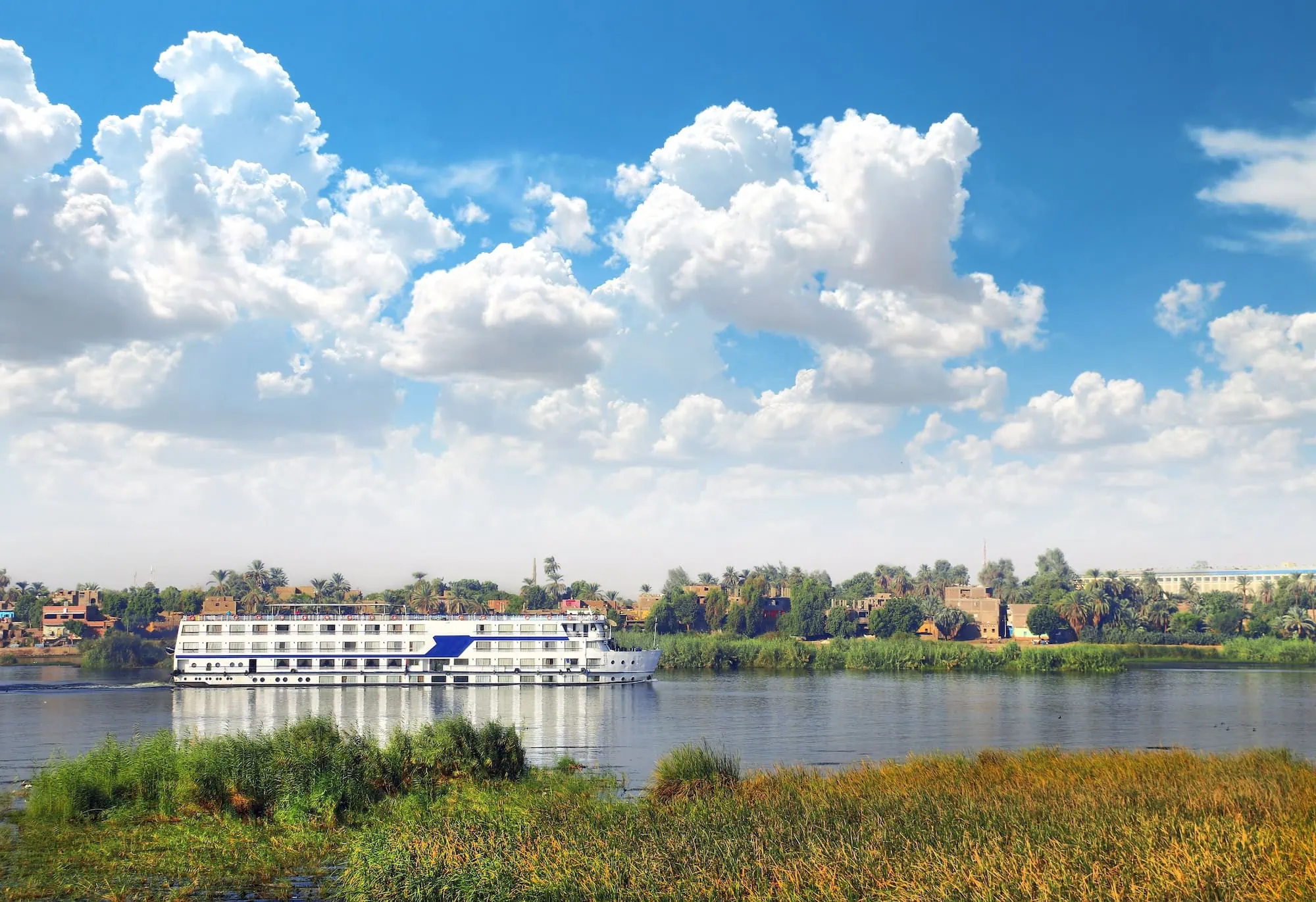
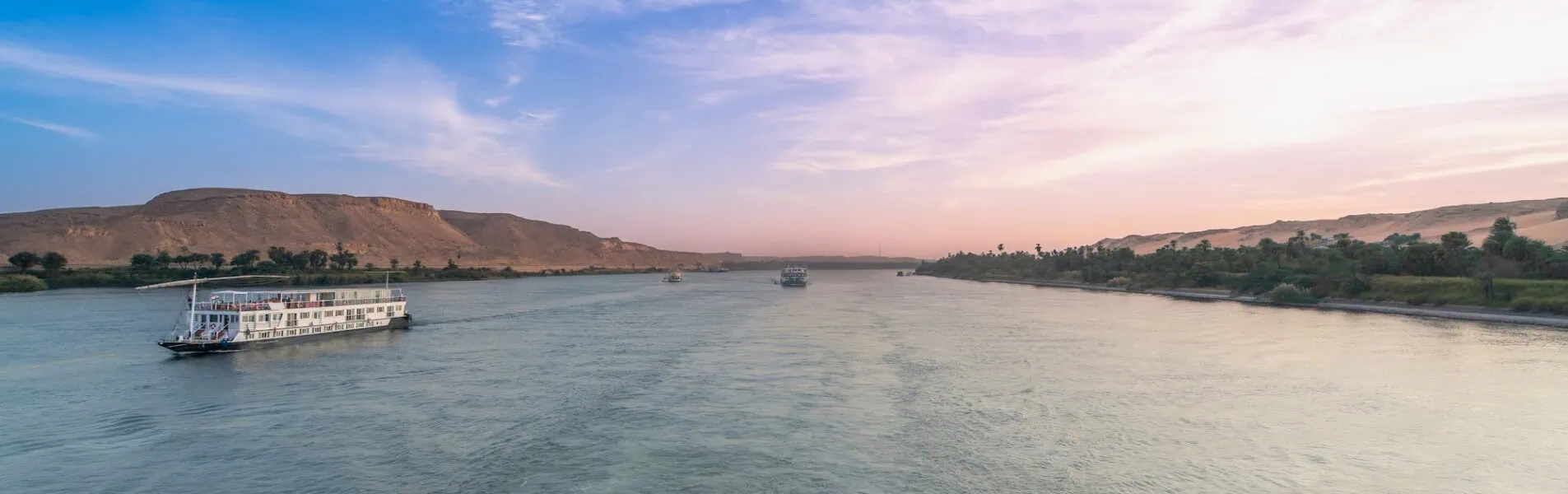
Nile cruises between Luxor and Aswan face unique challenges in June. Temperatures aboard ship can feel oppressive during midday sailing, despite air conditioning in cabins and dining areas.
However, early morning and evening deck time becomes magical. Sunrise over the Nile with empty riverbanks creates unforgettable moments without winter’s crowded viewing areas.
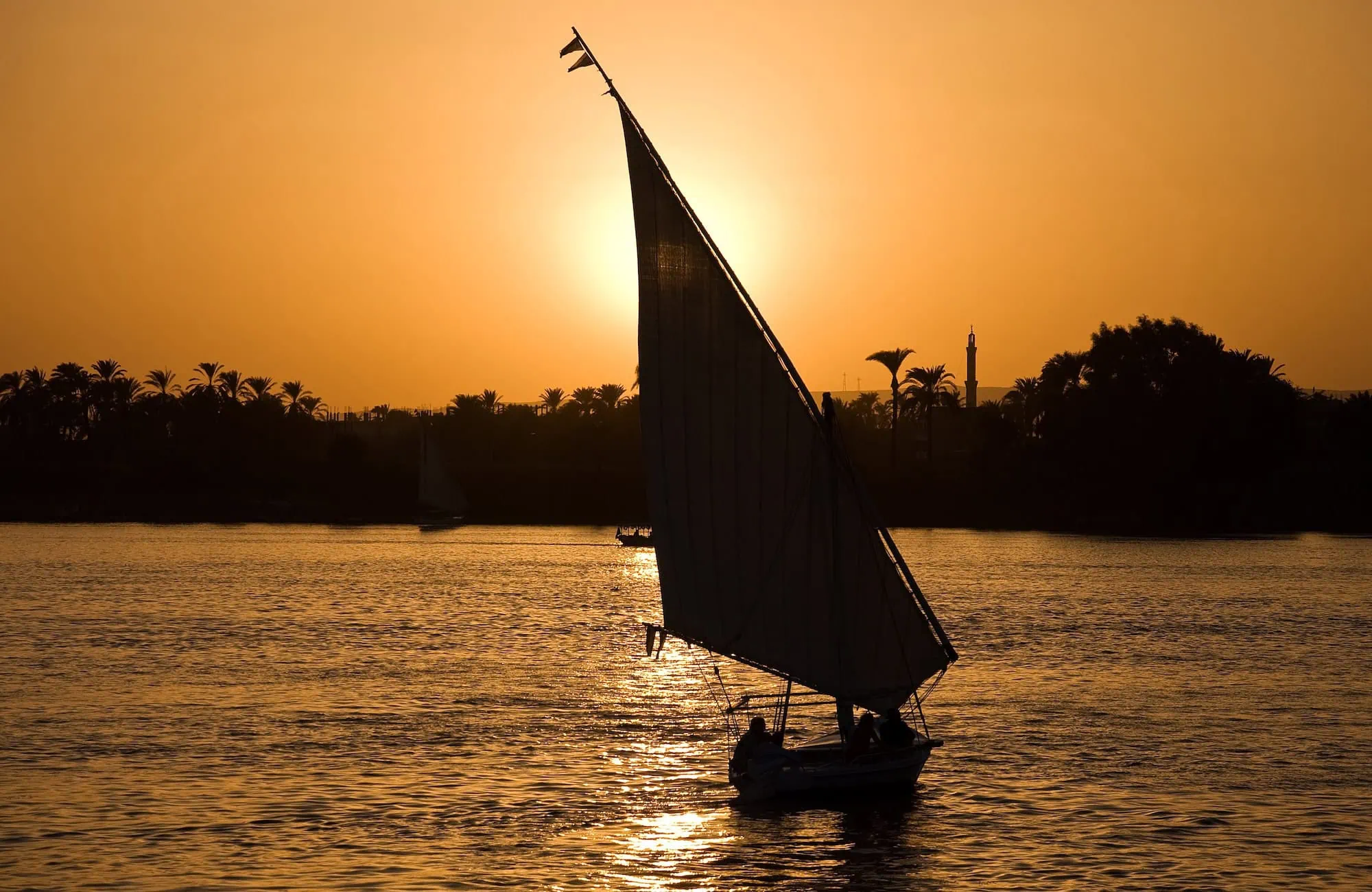
Shore excursions require careful timing. We typically schedule temple visits for dawn or late afternoon, allowing guests to rest in air-conditioned comfort during peak heat hours.
River breezes provide some relief while sailing, though they can’t compete with Red Sea coastal winds for comfort. Pool areas on cruise ships become essential gathering spots during afternoon hours.
Special Considerations for Nile Cruising
Book cruises with reliable air conditioning systems – older vessels may struggle with June’s extreme temperatures. Modern ships with efficient cooling systems make the experience much more comfortable.
Expect modified excursion schedules focused on very early morning or late afternoon temple visits. This actually enhances the experience by providing dramatic lighting conditions and cooler exploration temperatures.
Making June Work: Practical Trip Planning
Split your time between coastal and inland destinations to balance must-see monuments with heat relief. Spend 3-4 days along the Red Sea or in Alexandria, then tackle Cairo and southern Egypt during the coolest parts of your trip.
Book accommodations with excellent air conditioning – this isn’t negotiable in June. Read recent reviews specifically mentioning cooling systems, as older hotels may struggle with extreme temperatures.
Consider shorter trip durations. A week in Egypt during June often provides more enjoyable experiences than two weeks of battling heat exhaustion.
Transportation Considerations
Private vehicles with reliable air conditioning become essential rather than convenient. Our modern fleet maintains consistent cooling even during the hottest conditions, but budget transportation options may leave you uncomfortable between destinations.

Domestic flights between Cairo, Luxor, and Aswan offer quick escapes from ground transportation in extreme heat. Flight schedules remain reliable, and airports provide air-conditioned comfort during connections.
Frequently Asked Questions
June temperatures in Egypt can exceed 113°F (45°C) in southern destinations such as Aswan and Luxor, making it one of the hottest periods of the year. Cairo typically experiences daytime highs between 100°F and 104°F (38°C to 40°C), while desert regions can feel even hotter under direct sunlight. Heat intensity is greatest during the afternoon. Travelers should schedule outdoor activities for early morning or evening hours whenever possible.
Yes, the Pyramids of Giza remain fully accessible during June, but timing is critical for comfort and safety. Temperatures on the exposed Giza Plateau rise rapidly after sunrise and can exceed 100°F (38°C) by late morning. Most experienced visitors arrive when the site opens and complete outdoor exploration before 8:00 am or return after 5:00 pm. Early visits also provide better photography conditions and fewer crowds around key viewpoints.
No, June is considered one of the best months for swimming in the Red Sea. Water temperatures generally range from 79°F to 82°F (26°C to 28°C), creating comfortable conditions for swimming, snorkeling, scuba diving, and other water sports. Popular destinations such as Hurghada, Sharm El Sheikh, Marsa Alam, and Dahab benefit from warm water and excellent underwater visibility. Many travelers find June conditions ideal compared with cooler winter months.
Yes, hotel prices in June are often substantially lower than during Egypt’s peak tourism season. Discounts of 40% to 60% compared with winter rates are common, particularly at luxury properties in Cairo, Luxor, Aswan, and Red Sea resorts. Lower demand during the summer allows travelers to access higher-end accommodations at more affordable prices. June is often one of the strongest value months for visitors seeking premium experiences on a moderate budget.
Most travelers should aim to drink at least 4 to 5 liters of water per day while visiting Egypt in June. High temperatures, dry air, and extended sightseeing can significantly increase fluid loss, especially at outdoor sites such as the Pyramids of Giza, Karnak Temple, and Abu Simbel. Electrolyte replacement can also be beneficial during particularly active days. Drinking water consistently throughout the day is more effective than waiting until thirst develops.
No, many museums and indoor attractions experience noticeably lighter visitor numbers during June compared with the winter tourism season. Sites such as the Grand Egyptian Museum, the Egyptian Museum in Cairo, and various archaeological museums often feel less crowded, allowing for a more relaxed experience. Lower visitor volumes can mean shorter lines and more time to view exhibits comfortably. June is particularly appealing for travelers who prefer quieter sightseeing conditions.
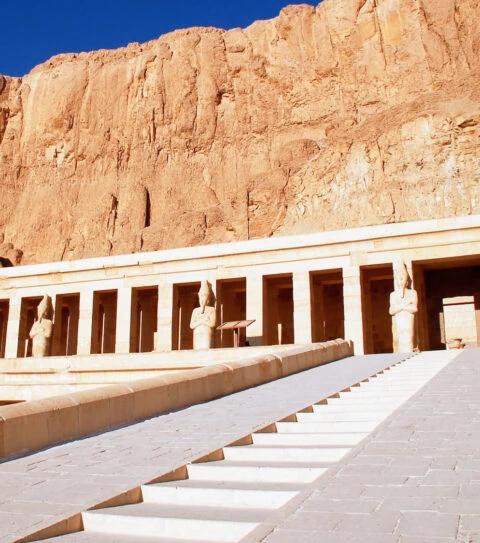
Yes, Luxor and Aswan can be visited safely in June when travelers adapt their schedules to the climate. Temperatures frequently exceed 104°F (40°C), so most sightseeing is best completed shortly after sunrise or in the late afternoon. Major attractions including the Valley of the Kings, Karnak Temple, Philae Temple, and Abu Simbel remain open and accessible. Midday hours are generally best reserved for rest, meals, or indoor activities in air-conditioned environments.
Lightweight, loose-fitting clothing made from cotton or linen is ideal for Egypt in June. Light-colored fabrics help reflect sunlight, while long sleeves and lightweight trousers provide additional protection from direct sun exposure. A wide-brimmed hat, quality sunglasses, and breathable walking shoes are also highly recommended. Because UV levels are extremely high during the summer, protective clothing often provides more reliable comfort than sunscreen alone.
Yes, Nile cruises continue operating throughout June and remain a popular way to visit Upper Egypt. Modern cruise vessels are equipped with air-conditioned cabins, restaurants, and public spaces that provide relief from outdoor temperatures. Shore excursions to sites such as Edfu Temple, Kom Ombo Temple, and the Valley of the Kings are typically scheduled during cooler morning and late-afternoon periods. This adjusted timing helps passengers explore comfortably despite the summer heat.
Yes, Alexandria is generally cooler than Cairo during June thanks to its Mediterranean coastal location. Sea breezes often keep daytime temperatures approximately 5°F to 9°F (3°C to 5°C) lower than those experienced in the capital. While Cairo commonly reaches around 100°F (38°C), Alexandria frequently remains in the upper 80s°F to low 90s°F (31°C to 34°C). This makes Alexandria one of Egypt’s most comfortable urban destinations during early summer.
The most challenging heat in Egypt during June typically occurs between 11:00 am and 4:00 pm, when solar intensity and temperatures reach their daily peak. In southern cities such as Luxor and Aswan, conditions during these hours can exceed 104°F (40°C) and feel even hotter in direct sunlight. Shade offers only limited relief during the hottest part of the day. Planning indoor activities during this period is often the most comfortable strategy.
Yes, June offers several advantages, including lower prices, fewer crowds, and excellent conditions for Red Sea activities. Travelers often find major attractions such as the Pyramids of Giza, Karnak Temple, and the Valley of the Kings significantly less crowded than during winter. Hotel discounts can reach 40% to 60%, and diving conditions in destinations such as Hurghada and Sharm El Sheikh are often outstanding. Photographers also benefit from clear skies and dramatic desert light.
Explore our most popular guides and expert tips to make your trip safe, smooth, and unforgettable.
Plan Your Egypt Adventure with Confidence
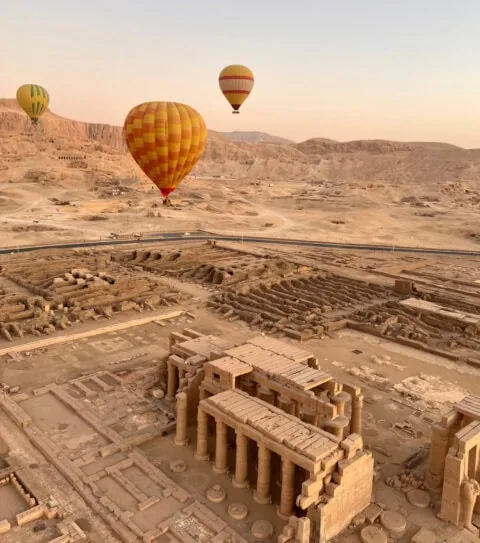
How to Plan a Trip Egypt
Step-by-step guide to help you plan the perfect Egypt trip — from routes and budget to booking.
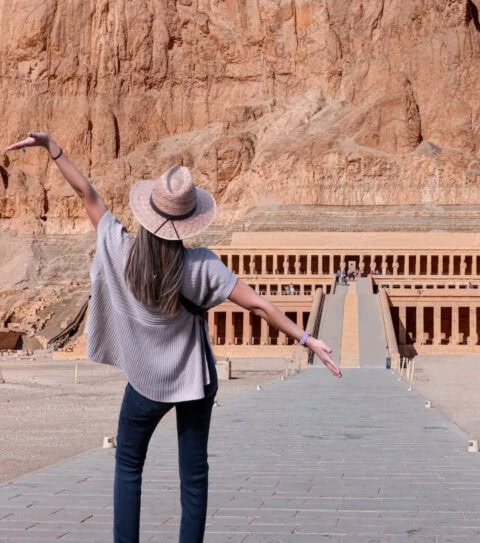
Best Time to Visit Egypt
Learn the best months to visit Egypt based on weather, crowds, and local travel experiences.
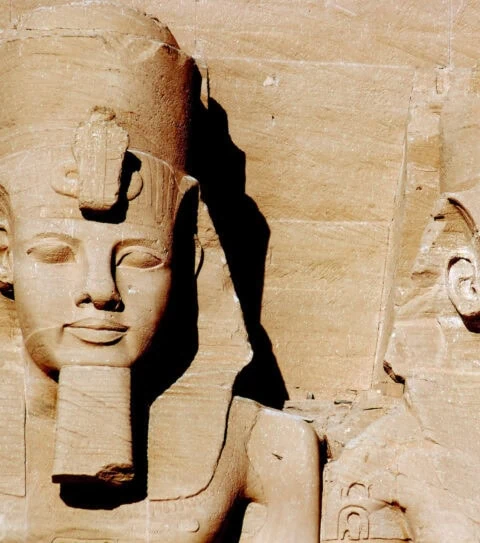
Must Visit Places in Egypt
Explore Egypt’s top sights — from pyramids to temples — and hidden gems worth seeing.
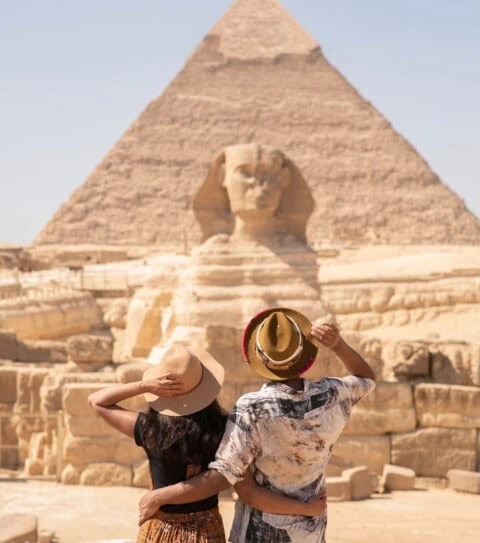
Top-Rated Egypt Tours
Handpicked private tours with local guides — our most loved and best-reviewed experiences.
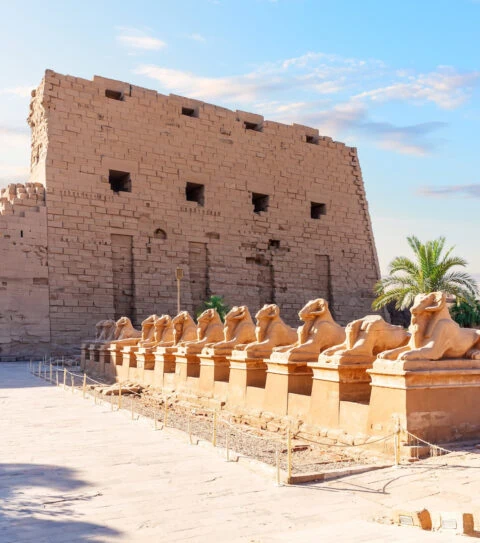
How Many Days to Visit Egypt?
Find out how many days you need in Egypt — from quick trips to full itineraries.
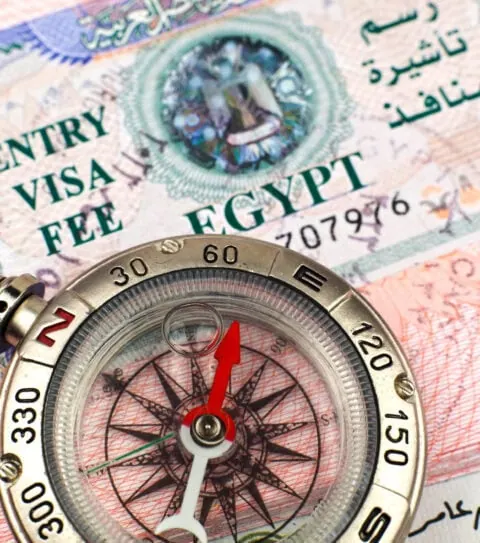
Egypt Visa Requirements
Check if you need a visa and get simple, up-to-date entry info based on your nationality.
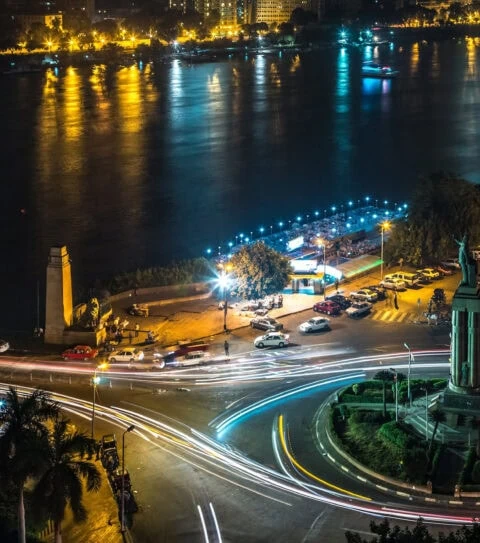
Is it Safe to Travel to Egypt?
Is Egypt safe? Get honest safety tips, area advice, and what to know before you travel.
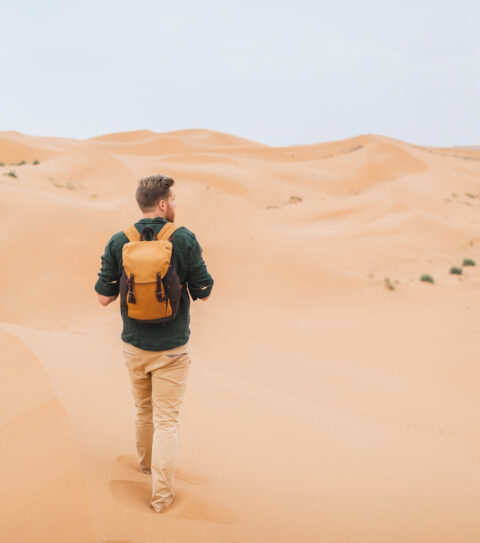
What to Pack for Egypt
A quick packing guide with essentials, cultural tips, and clothing advice for your Egypt trip.
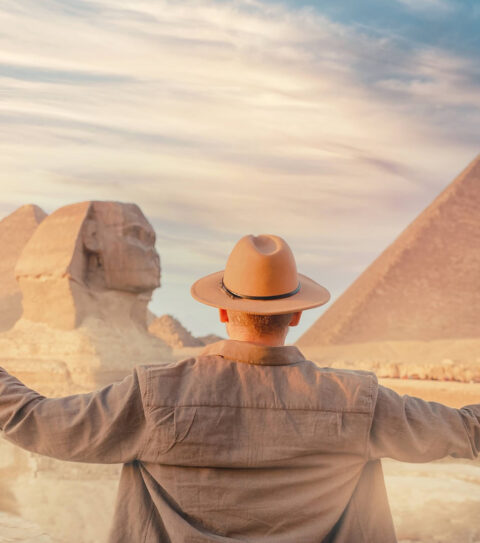
Design Your Custom Tour
Explore Egypt your way by selecting only the attractions you want to visit