

Tahrir Square – The Brief Guide to Cairo’s Infamous Square
Tahrir Square stands as Cairo’s beating heart. This iconic square has witnessed Egyptian history unfold for over a century, from the 1919 revolution to the powerful Arab Spring demonstrations of 2011.
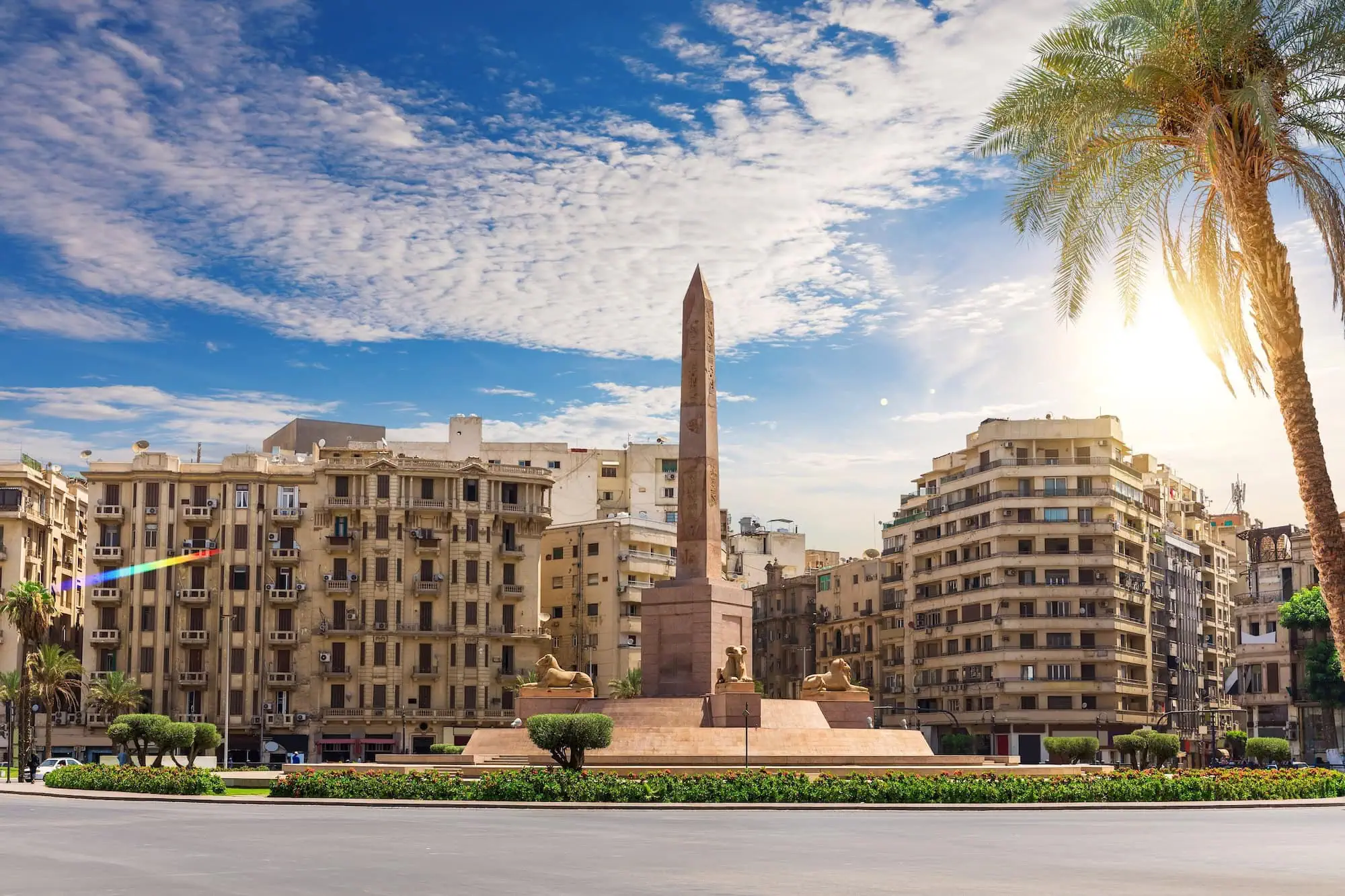
Located in downtown Cairo, the square connects major city axes and serves as both a political symbol and cultural landmark. Whether you’re drawn by its revolutionary heritage or planning to visit nearby attractions like the Egyptian Museum, understanding Tahrir Square’s significance enriches any Cairo experience.
We’ve explored every corner of this historic space to bring you the essential information for your visit.
Table of Contents
The Revolutionary Heart of Modern Egypt
The name “Tahrir” means liberation in Arabic, perfectly capturing this square’s role in Egyptian political history.
From Ismailia Square to Liberation Square
Originally called Ismailia Square after Khedive Ismail, the area underwent dramatic transformation in the mid-20th century. The square received its current name following the July 23rd revolution of 1952, symbolizing Egypt’s independence from colonial rule. This renaming reflected broader changes sweeping through Egyptian society during this pivotal period.
The square’s evolution mirrors Egypt’s own journey toward self-determination.
The 2011 Egyptian Revolution Legacy
January 25, 2011 marked the beginning of 18 days that changed Egypt forever. Hundreds of thousands gathered in Tahrir Square, facing water cannon, tear gas, and bullets while demanding political change. Personal stories from protesters like Abdelrahman Ashraf reveal the human dimension of these historic events.
The demonstrations continued until President Hosni Mubarak stepped down, making Tahrir Square synonymous with the Arab Spring movement. These events transformed the square from a traffic hub into a global symbol of peaceful resistance.
Political Demonstrations Through History
Beyond 2011, Tahrir Square hosted numerous significant political gatherings throughout the 20th century. The 1919 revolution against British rule saw early demonstrations here, establishing a tradition of political expression that continues today. Various Egyptian political movements have chosen this central location for rallies, protests, and celebrations over the decades.
The square’s open design and central location make it ideal for large gatherings.
Architectural Significance and Urban Design
Tahrir Square functions as downtown Cairo’s primary traffic circle, connecting multiple major streets and serving as a transportation hub. The circular design facilitates traffic flow while creating space for the Egyptian Museum and surrounding landmarks.
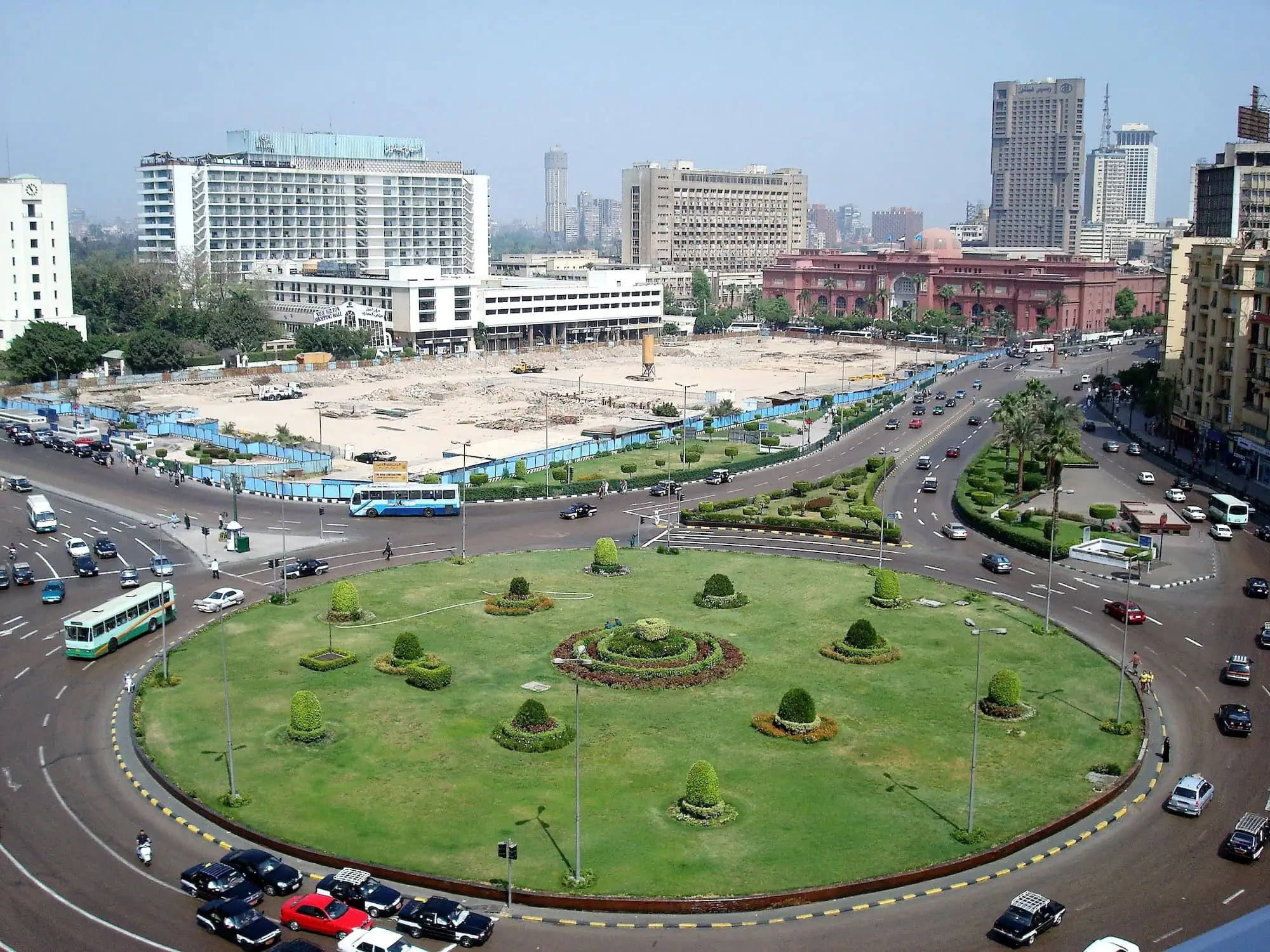
Modern urban planning efforts have focused on improving pedestrian access, though the busy traffic remains a defining characteristic. Underground passages and the nearby metro station help visitors navigate safely around the perimeter. Khedive Ismail’s original vision for Cairo included this central gathering space as part of his European-inspired urban design. The square’s layout reflects 19th-century city planning principles adapted to local needs and customs.
Monument and Landmark Integration
Several important monuments enhance the square’s visual impact and cultural significance. The Omar Makram statue honors a key figure in Egyptian resistance to Napoleon’s occupation. Ancient monuments, including relocated sphinxes and obelisks, connect modern Cairo to its pharaonic past.
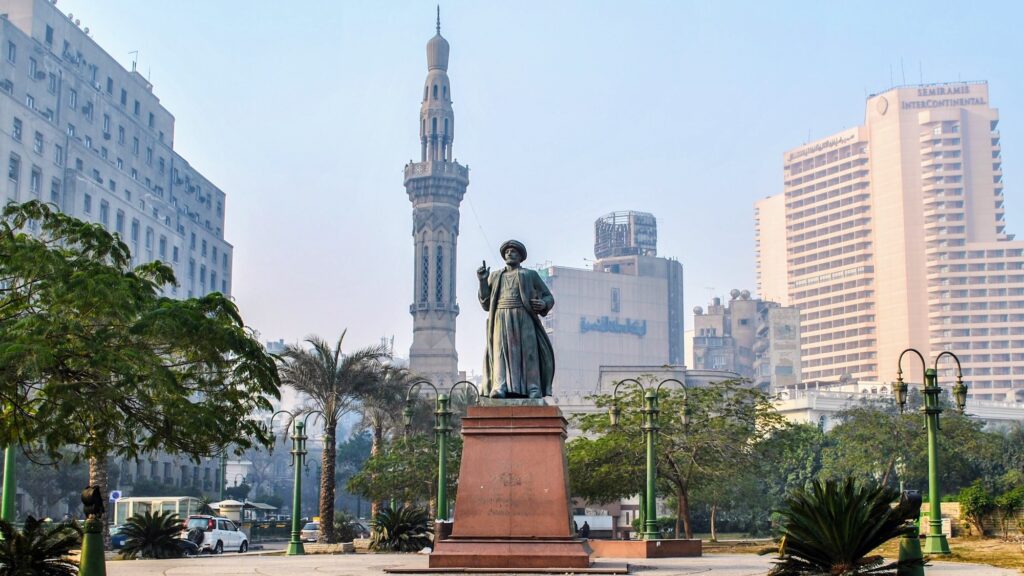
These installations create layers of historical meaning within the urban landscape. The proximity to the Egyptian Museum reinforces the area’s role as Cairo’s cultural center.
Visiting Tahrir Square: Practical Information
Most visitors combine Tahrir Square with Egyptian Museum visits or broader downtown Cairo exploration. The square itself requires minimal time to experience, but its historical significance and central location make it worth including in any Cairo itinerary. Metro access via Sadat Station provides convenient underground arrival, avoiding surface traffic complications.
Street-level crossing requires careful attention to traffic patterns. The busy circle accommodates cars, buses, and pedestrians simultaneously, creating controlled chaos typical of Cairo’s urban rhythm. Security presence reflects the square’s political importance, though normal tourist activities proceed without interference. Photography is generally permitted, though sensitive areas may have restrictions during certain periods.
Best Times to Visit
Early morning hours offer calmer traffic conditions and better opportunities for photography. Sunset visits provide dramatic lighting for the surrounding architecture and monuments. Weekend afternoons often see increased local activity and cultural events.
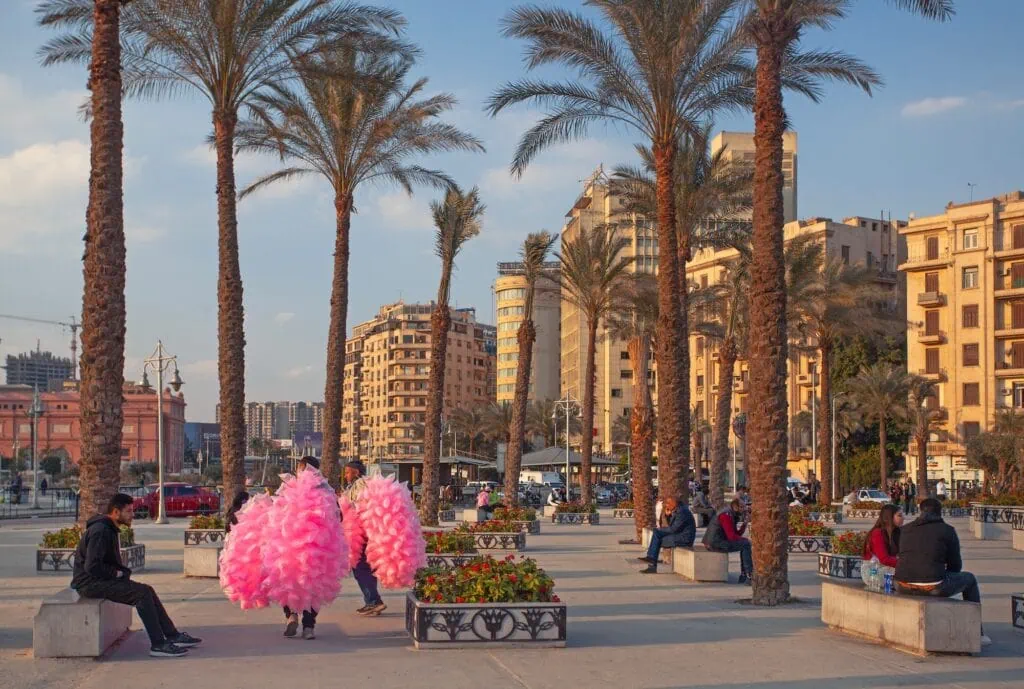
Weather considerations matter year-round, with summer visits requiring sun protection and adequate hydration.
Nearby Attractions and Transportation
The Egyptian Museum of Antiquities sits directly adjacent to Tahrir Square, housing world-famous collections. Walking distances to other downtown attractions like the Islamic Cairo district remain manageable for most visitors. The Grand Egyptian Museum near the pyramids offers a modern complement to the traditional museum experience.
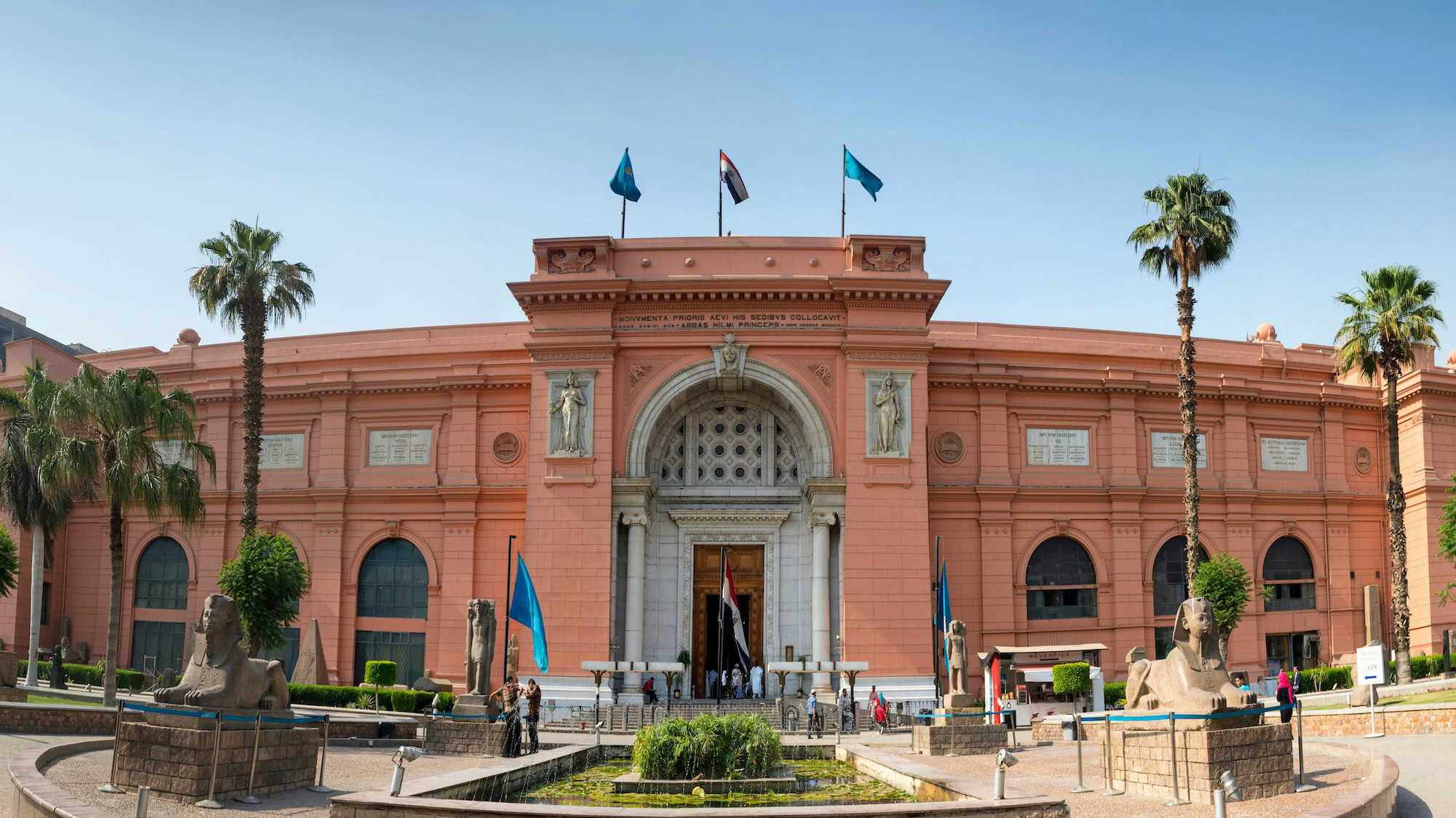
Metro connections link Tahrir to both Old Cairo and newer districts. Taxi and ride-sharing services provide alternative transportation, though traffic congestion affects journey times throughout downtown areas.
Cultural Impact Beyond Politics
Tahrir Square’s influence extends beyond political demonstrations into Egyptian cultural identity and artistic expression. Writers, filmmakers, and artists have drawn inspiration from events witnessed in this space. The square appears in contemporary Egyptian cinema and literature as a symbol of national identity and social change.
International media coverage during the Arab Spring brought global attention to this previously lesser-known Cairo landmark. Local residents maintain emotional connections to the square regardless of political affiliations. Families often include Tahrir in their Cairo explorations, sharing historical stories with younger generations. The space serves multiple functions simultaneously – transportation hub, historical site, and community gathering place.
Street vendors and local businesses around the perimeter depend economically on the constant foot traffic generated by the square’s importance. This creates a vibrant commercial ecosystem supporting both tourism and daily life for Cairo residents.
Tourist Experience vs. Local Daily Life
Visitors often focus on historical and political aspects while locals primarily use the square for practical transportation needs. This dual nature creates interesting dynamics where revolutionary history coexists with everyday commerce and commuting.
Tourism peaks during cooler months, affecting the rhythm and character of surrounding streets. Local merchants adapt their offerings based on seasonal visitor patterns while maintaining services for year-round residents.
Planning Your Egypt Adventure with Expert Support
Understanding Tahrir Square’s significance enhances appreciation for Egypt’s complex modern history and ongoing cultural development. We combine decades of expertise with award-winning service to create personalized itineraries that include meaningful historical sites alongside classic attractions. Our private guides provide context and stories that bring locations like Tahrir Square to life beyond surface-level visits.
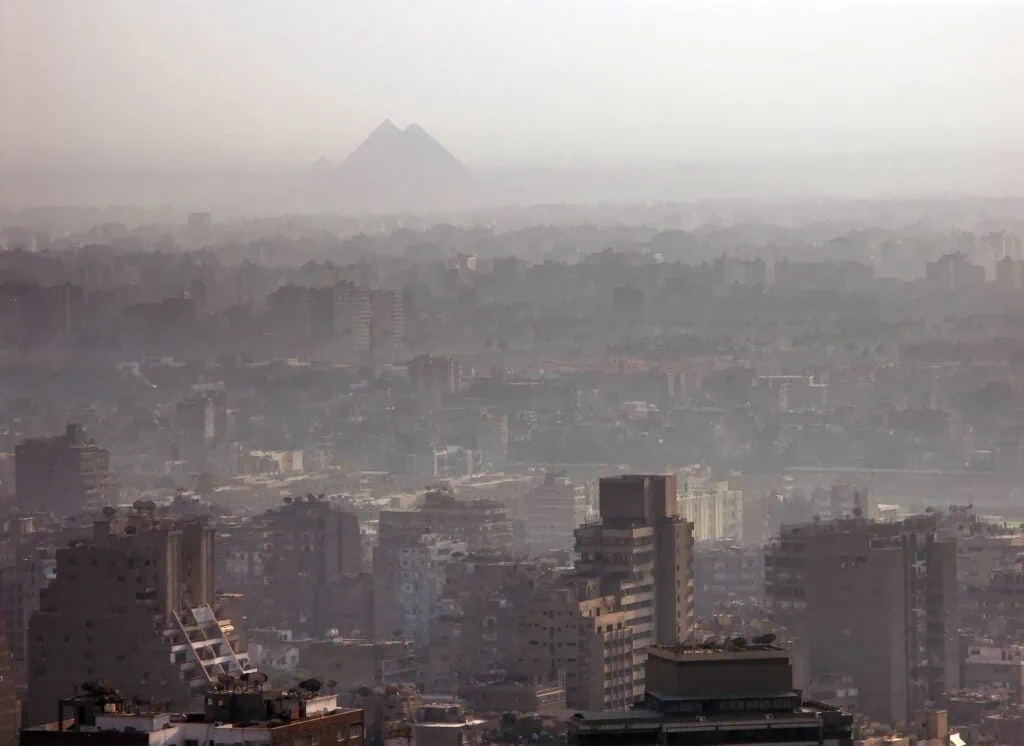
With tailored itineraries, modern vehicles, and 24/7 customer support, we ensure your Egyptian adventure balances historical exploration with comfort and safety. Personal drivers navigate Cairo’s busy streets while you focus on absorbing the incredible stories and sights surrounding you.
Stand At The Center Of Modern Cairo
Tahrir Square is more than a landmark—it’s the pulse of modern Egypt, where history, culture, and everyday life intersect in the heart of Cairo. With Egypt Tours Plus, we connect experiences like this to a wider journey, blending iconic sights, cultural depth, and carefully curated moments across the country.
You choose your travel dates, your pace, and the experiences that shape your route. From private guided touring and seamless city navigation to premium stays and expert planning, we tailor every detail to you—ensuring a smooth, comfortable, and fully personalized Egypt experience.
Frequently Asked Questions
Most visitors spend 30-45 minutes exploring Tahrir Square itself, though many stay longer when combining the area with nearby attractions like the Egyptian Museum or Nile Corniche. The square sits at the heart of downtown Cairo and functions more as a historical and political landmark than a traditional sightseeing attraction. Walking the perimeter, photographing the central obelisk, and observing daily Cairo life usually fits comfortably into under an hour. Early morning visits offer lighter traffic and more manageable crowds.
Yes, Tahrir Square is generally safe for tourists during normal daytime and evening visits, with visible police presence and regular pedestrian activity throughout the area. As one of Cairo’s busiest transportation and civic hubs, the square receives constant local and international visitor traffic. Standard urban precautions still apply, especially regarding personal belongings and traffic when crossing major roads surrounding the square. Visitors unfamiliar with Cairo often find guided walking tours useful because downtown intersections can feel overwhelming during peak hours.
Photography is generally permitted in Tahrir Square, including street scenes, monuments, nearby architecture, and views toward the Egyptian Museum and Nile area. Visitors should avoid photographing military personnel, security checkpoints, or sensitive government facilities without permission because restrictions can change depending on local security conditions. Smartphones and standard cameras rarely create issues during casual sightseeing. Morning and late afternoon light usually produce the clearest city photographs while avoiding the harsh midday Cairo sun and atmospheric haze.
Sadat Metro Station provides the easiest and most efficient access to Tahrir Square because it connects directly to Cairo Metro Lines 1 and 2 beneath the square itself. Using the metro helps visitors avoid downtown Cairo’s heavy traffic congestion, particularly between 8:00-10:00 am and 4:00-7:00 pm. Taxis and ride-sharing services also stop nearby, but travel times can fluctuate dramatically depending on traffic conditions. The square’s central location makes it a practical starting point for broader Cairo sightseeing itineraries.
Yes, the Egyptian Museum sits directly beside Tahrir Square and remains one of Cairo’s essential historical attractions, housing more than 100,000 ancient Egyptian artifacts. Highlights include royal mummies, colossal statues, and many treasures from Tutankhamun’s tomb discovered by Howard Carter in 1922. Because the museum entrance is only a short walk from the square, combining both locations is logistically simple and highly recommended. Visitors should allow at least 2-3 additional hours for a meaningful museum visit.
Political demonstrations in Tahrir Square are unpredictable and usually tied to major national events, anniversaries, or current political developments rather than fixed schedules. Most days function normally with regular traffic, commuters, tourists, and local businesses operating without disruption. Security measures often increase around important dates such as January 25 or major elections because of the square’s symbolic role in Egypt’s modern political history. Visitors should monitor local news and follow hotel or guide recommendations during sensitive periods.
Numerous restaurants, cafes, and hotel dining venues surround Tahrir Square, ranging from inexpensive Egyptian eateries to upscale international restaurants inside major downtown hotels. Nearby neighborhoods such as Garden City and downtown Cairo offer traditional dishes like koshary, grilled meats, and mezze within walking distance of the square. Several Nile-view restaurants are also located a few minutes away by taxi or on foot. Evening visits work particularly well because many nearby cafes remain active late into the night.
Tahrir Square’s central downtown location and direct metro connections make it one of Cairo’s best transportation hubs for reaching major attractions across the city. Islamic Cairo, Coptic Cairo, Zamalek, the Cairo Citadel, and the Nile Corniche are all accessible within 10-30 minutes depending on traffic and transportation choice. Sadat Metro Station simplifies movement between districts without relying entirely on road transport. Many full-day Cairo itineraries use Tahrir Square as a convenient midpoint between ancient, Islamic, and modern landmarks.
Professional tour guides in Cairo commonly speak English and Arabic, while many licensed Egyptologists also offer tours in French, German, Spanish, Italian, or other European languages. Multilingual guiding is especially common at major attractions near Tahrir Square, including the Egyptian Museum and downtown heritage sites. Egypt Tours Plus regularly arranges private guides matched to visitor language preferences and subject interests. Booking specialized language guides in advance is advisable during peak tourism months between October and April.
Yes, children can visit Tahrir Square safely when supervised carefully, particularly because the area contains heavy traffic, crowded sidewalks, and busy street crossings typical of central Cairo. Families often combine the square with the Egyptian Museum, which offers exhibits that older children and teenagers usually find engaging. Morning visits tend to be calmer and more comfortable, especially during warmer months when afternoon temperatures can exceed 35°C (95°F). Keeping children close near traffic circles and metro entrances is strongly recommended.
Design Your Custom Tour
Explore Egypt your way by selecting only the attractions you want to visit