

The Grand Egyptian Museum: Your Guide to Egypt’s New Archaeological Icon
Opening its doors to visitors represents a milestone in Egyptian heritage preservation.
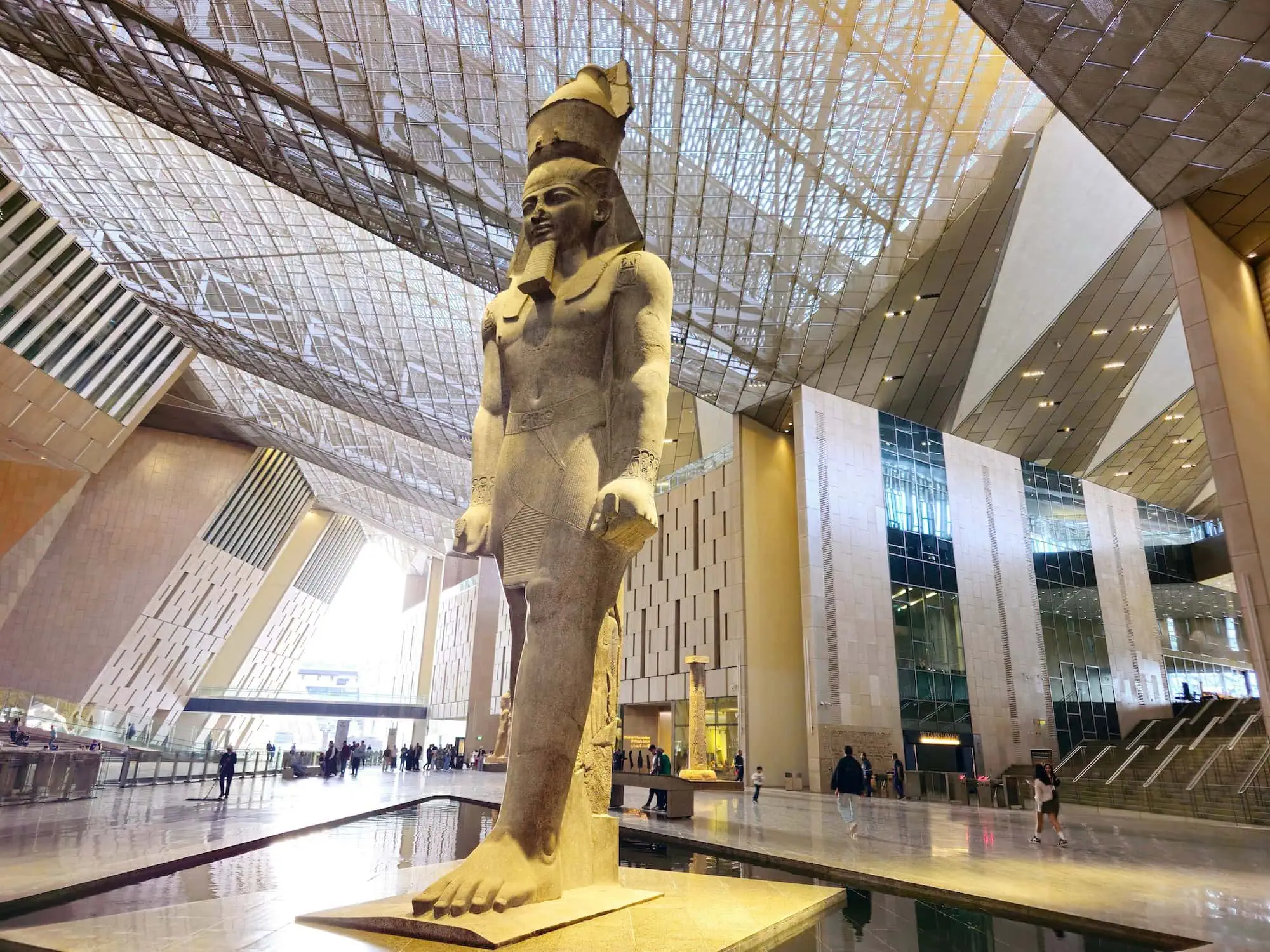
The Grand Egyptian Museum stands as the world’s largest archaeological museum dedicated to a single civilization, housing over 100,000 artifacts that span 5,000 years of ancient Egyptian history. Located near the iconic Giza Pyramids, this state-of-the-art facility transforms how visitors experience Egypt’s magnificent past. From Tutankhamun’s complete treasure collection to interactive exhibitions featuring cutting-edge technology, the museum creates an immersive journey through pharaonic civilization.
Planning a visit to the Grand Egyptian Museum? Let our local experts craft a fully personalized Egypt tour that includes the GEM and all the highlights you’ve been dreaming about. Enjoy your own private guide, a dedicated driver, and seamless support from the moment you arrive.
Start designing your custom journey now!
Table of Contents
Essential Visitor Information
Current access to the Grand Egyptian Museum operates through a phased opening system, with specific galleries available to the public while final preparations continue on other sections. The official website visit-gem.com serves as the only authorized platform for purchasing tickets, ensuring authentic access to this world-class facility.
Ticketing and Reservations
Advance booking through the official channels guarantees entry to the museum, which operates on timed entry slots to manage visitor flow. Standard tickets provide access to the main galleries, including the Grand Hall and atrium areas. Premium experiences include guided tours led by qualified Egyptologists who bring ancient stories to life through expert commentary.
Special exhibition areas require separate tickets, particularly the Tutankhamun galleries which house the complete burial treasure of Egypt’s most famous pharaoh. Photography permits are available for purchase, allowing visitors to capture memories of their archaeological adventure.
Operating Hours and Access
The museum welcomes visitors daily from 9:00 am (09:00) to 6:00 pm (18:00), with last entry at 4:00 pm (16:00). Evening hours extend until 8:00 pm (20:00) on weekends during peak tourist seasons. Location proximity to Cairo International Airport makes the Grand Egyptian Museum an ideal first or final stop for international travelers exploring Egypt.
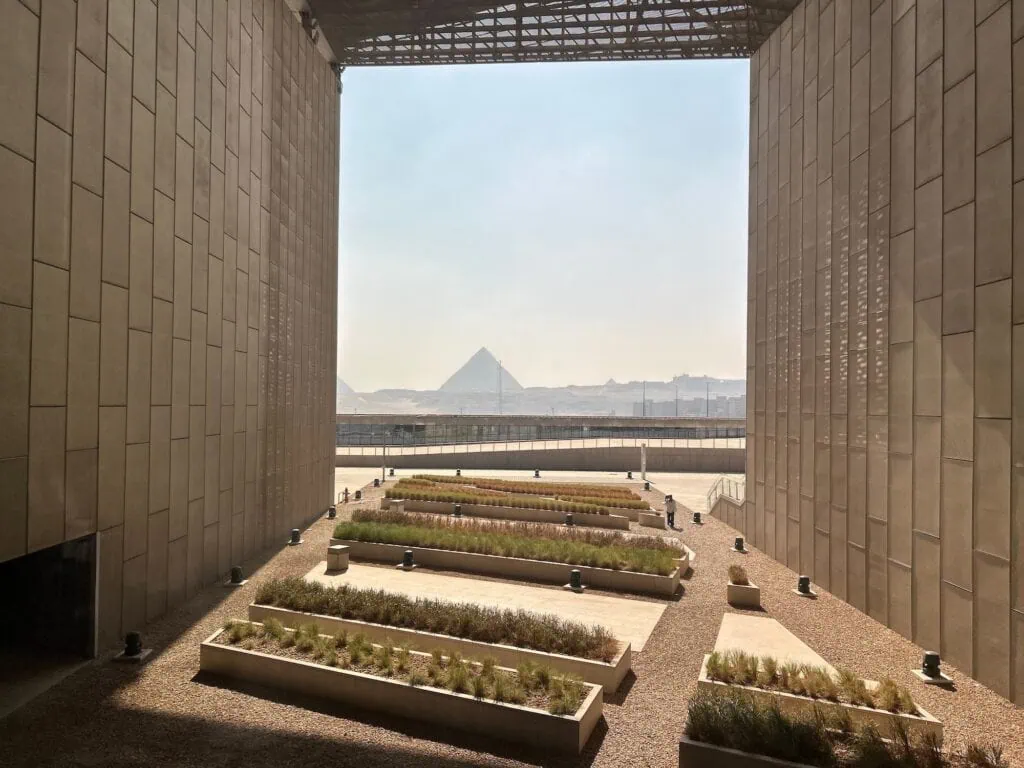
Transportation options include dedicated shuttle services from central Cairo hotels, private transfers, and organized tour packages. The museum’s position on the Giza plateau provides stunning views of the pyramids, creating a dramatic backdrop for your visit.
World-Class Exhibitions and Gallery Highlights
The Grand Egyptian Museum revolutionizes archaeological presentation through innovative display techniques and immersive storytelling. Each gallery section transports visitors through different periods of ancient Egyptian civilization, from predynastic times through the Ptolemaic era.
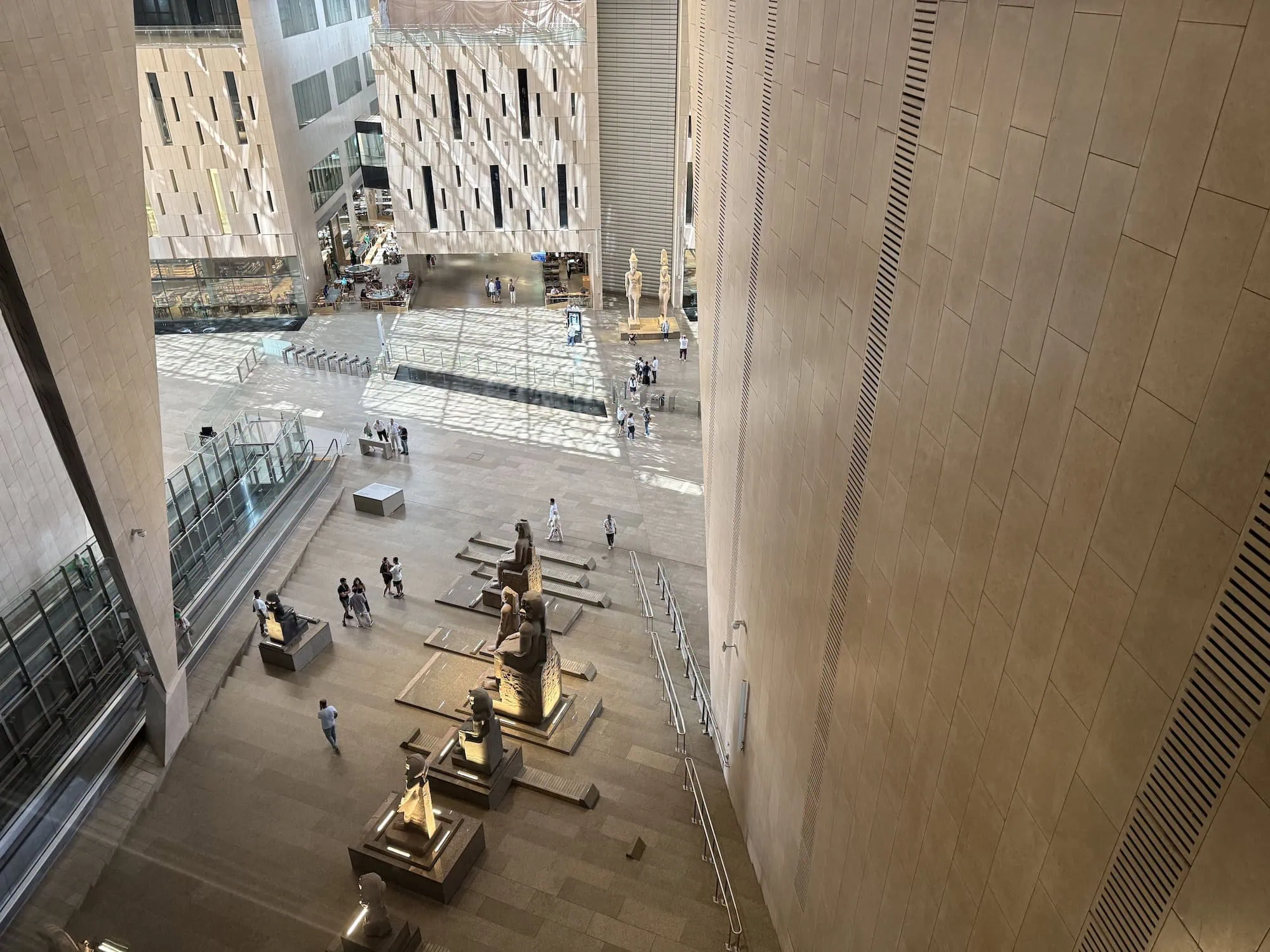
The Grand Hall creates an awe-inspiring entrance experience, featuring colossal statues and monumental artifacts that immediately establish the scale of ancient Egyptian achievement. Natural light floods through carefully designed skylights, illuminating treasures in ways that honor their original sacred contexts.
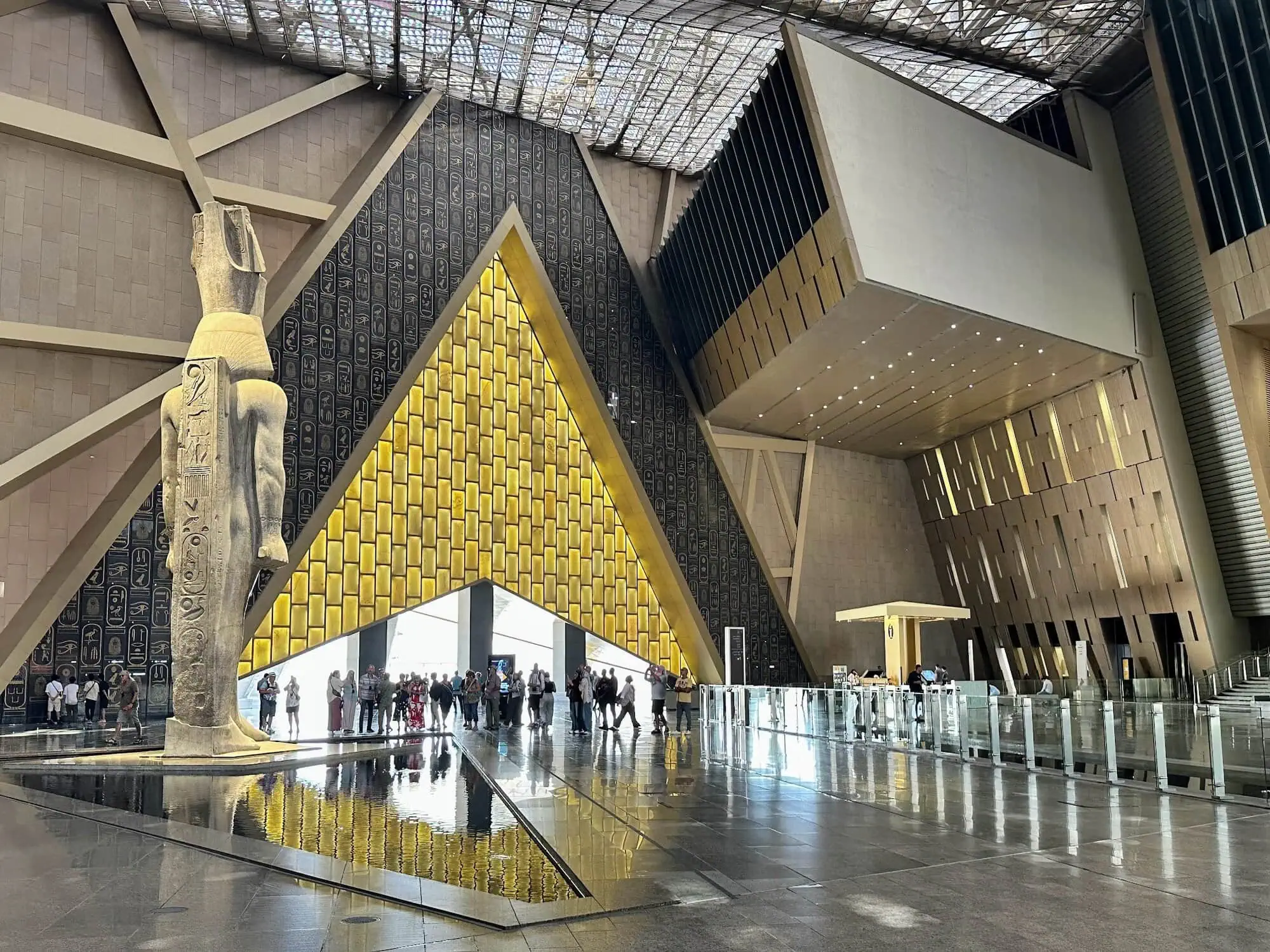
Interactive technology enhances understanding without overwhelming the authentic artifacts. Digital displays provide historical context, while augmented reality features allow deeper exploration of construction techniques and daily life in ancient Egypt. The museum’s modern design seamlessly integrates these technological elements with traditional exhibition methods.
Tutankhamun’s Complete Collection
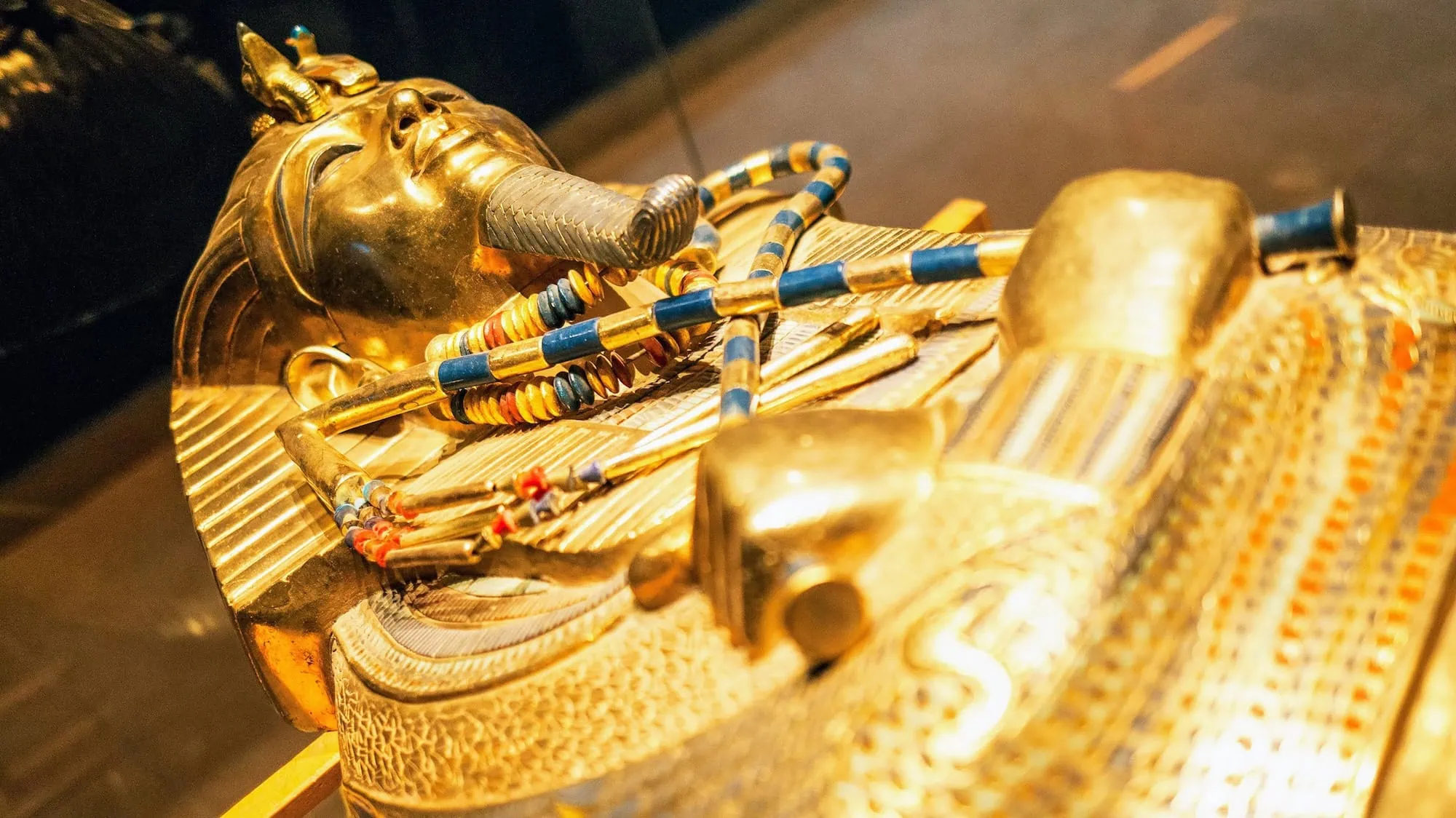
For the first time in history, Tutankhamun’s entire burial treasure collection is displayed together in purpose-built galleries. The boy king’s golden mask, ceremonial beds, chariots, and thousands of personal items create the most comprehensive royal burial exhibition ever assembled.
The experience connects visitors directly to the story of Tutankhamun’s Tomb, where Howard Carter made one of the world’s most remarkable archaeological discoveries in 1922. Climate-controlled environments protect these delicate artifacts while ensuring optimal viewing conditions.
The Tutankhamun galleries guide visitors through the full discovery narrative—from the initial excavation to the meticulous restoration processes that preserved these treasures for future generations. Detailed interpretations also reveal the religious significance of burial objects and their role in ancient Egyptian beliefs about the afterlife..
Main Galleries and Collections
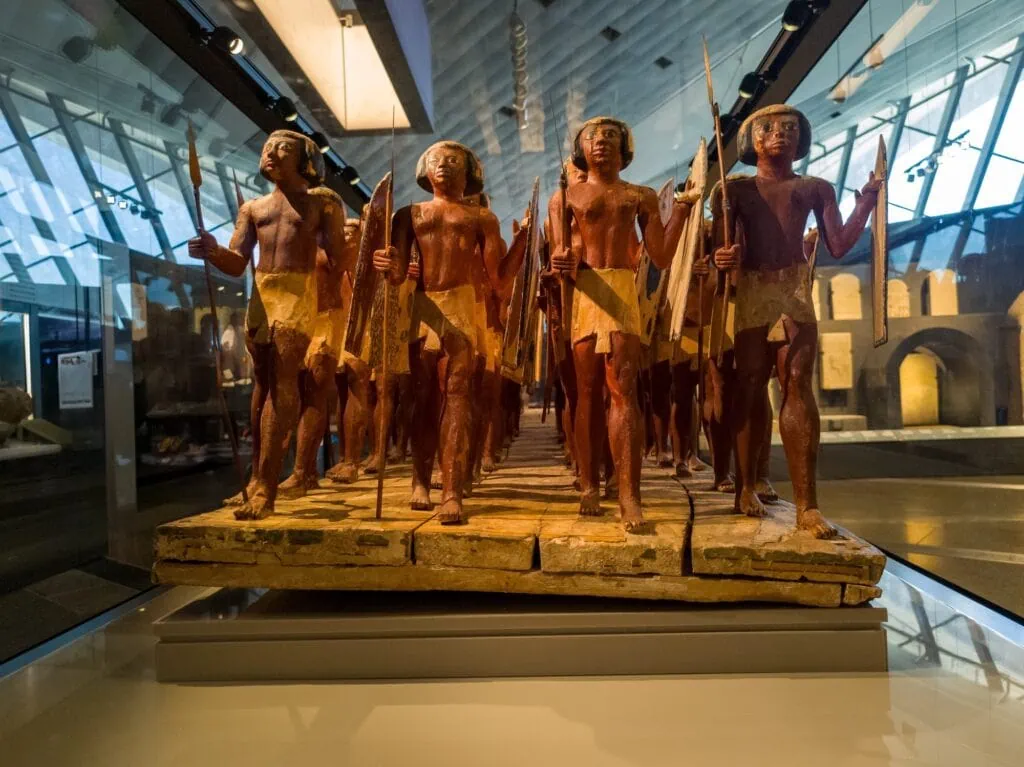
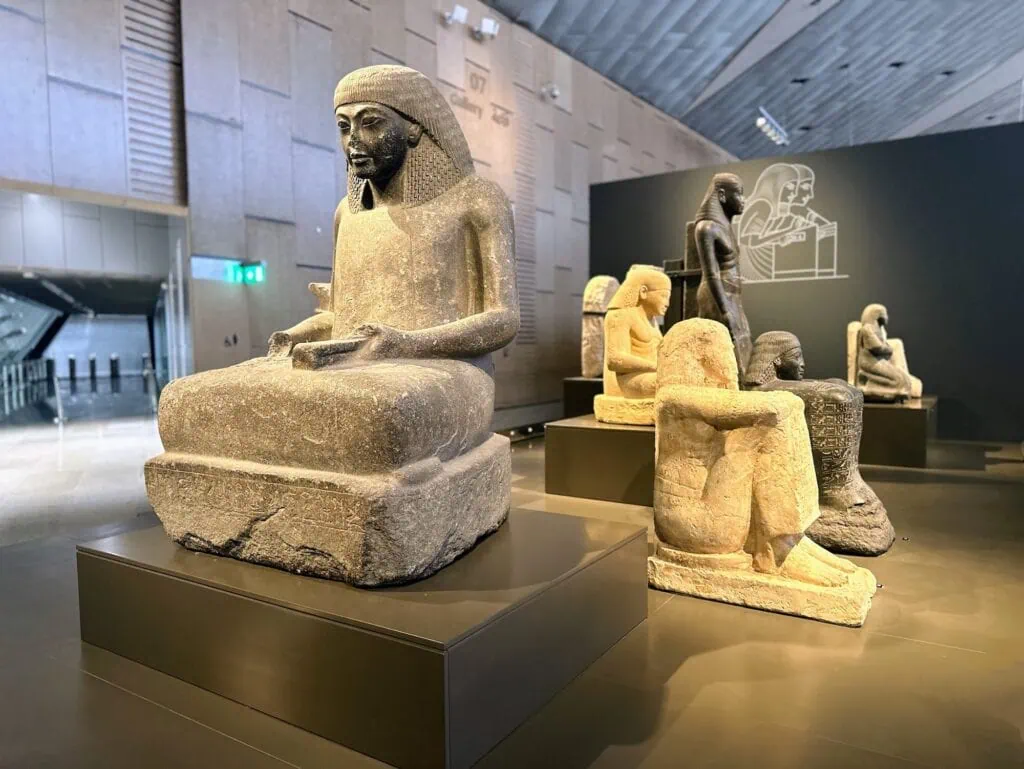
Beyond the Tutankhamun exhibition, the museum houses extensive collections representing all periods of Egyptian history. Royal mummies receive special presentation in dedicated galleries that balance scientific study with cultural sensitivity. Ancient jewelry, religious artifacts, and everyday objects illustrate the sophistication of pharaonic civilization.
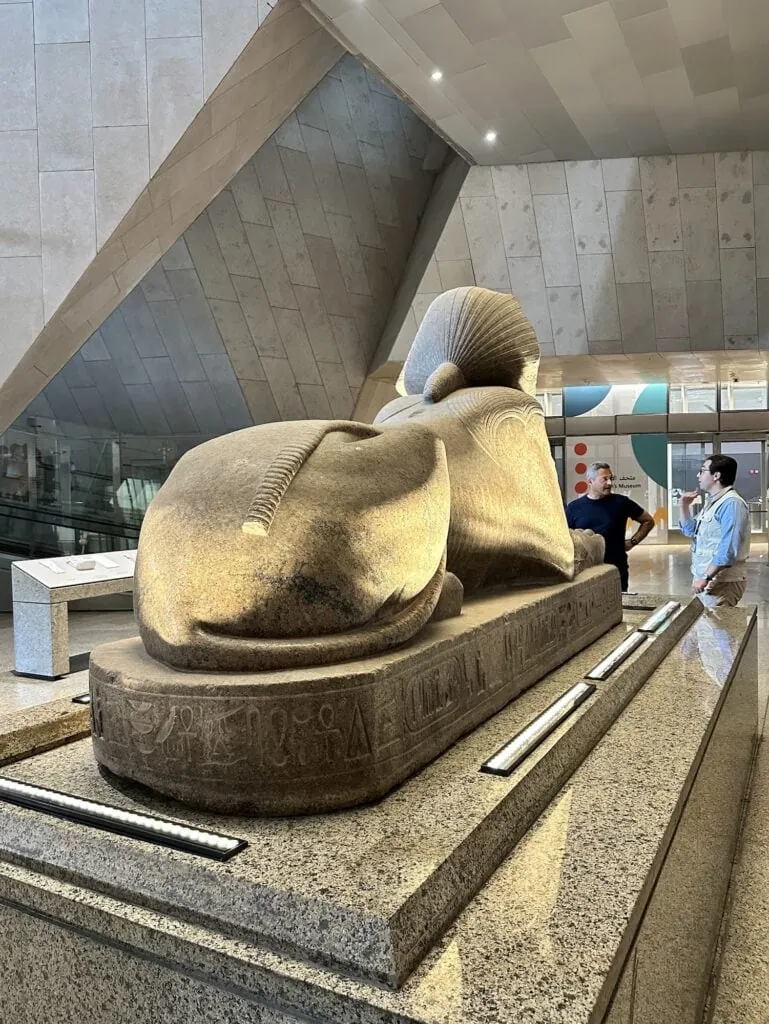
The Khufu boat museum section displays the reconstructed solar barque discovered near the Great Pyramid. This remarkable vessel demonstrates ancient shipbuilding expertise and religious beliefs about the pharaoh’s journey in the afterlife.
Architecture and Modern Museum Design
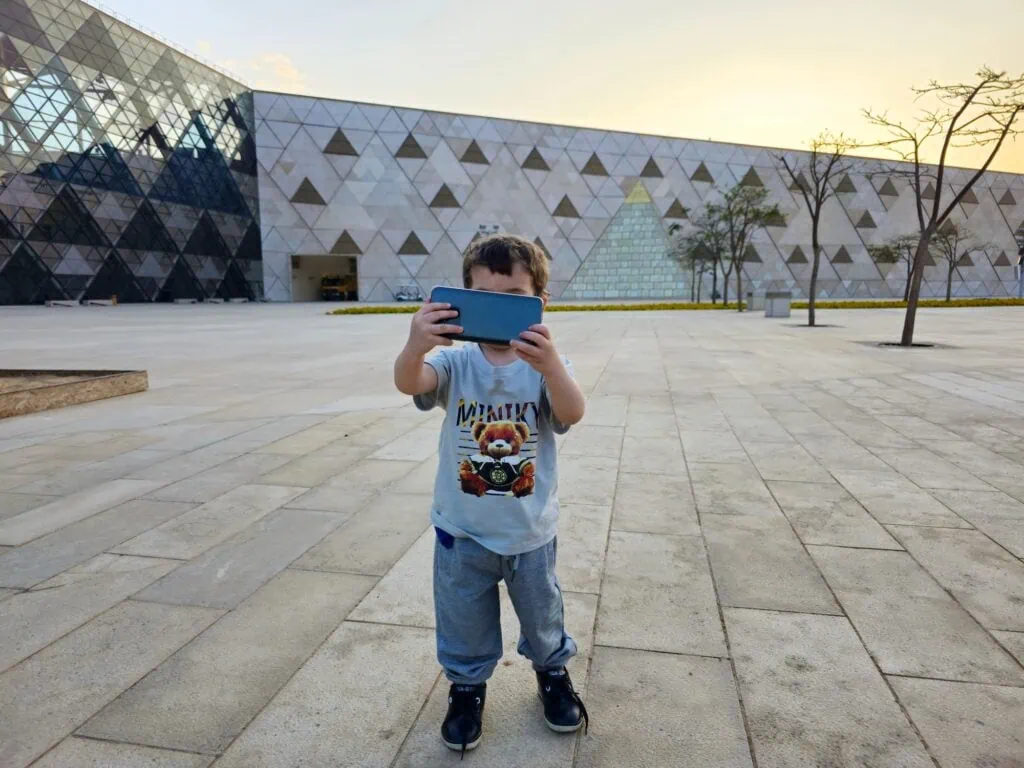
The Grand Egyptian Museum building itself represents architectural excellence, blending contemporary design with references to ancient Egyptian aesthetics. The translucent stone facade changes appearance throughout the day, creating dynamic visual connections to the nearby pyramids and surrounding landscape.
Spacious galleries accommodate large visitor groups without feeling crowded. Natural ventilation systems maintain optimal temperature and humidity levels for artifact preservation while ensuring visitor comfort. The building’s orientation maximizes views of the Giza pyramid complex, creating seamless connections between ancient monuments and modern museum spaces.
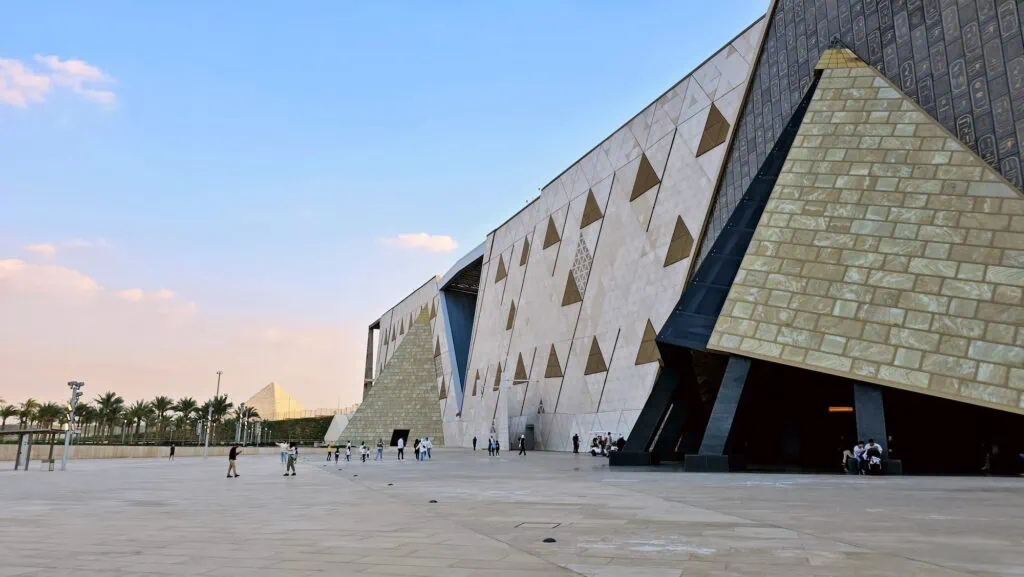
Sustainable design principles guided construction, incorporating solar energy systems and water conservation technologies. These environmental considerations ensure the museum operates responsibly while protecting irreplaceable cultural heritage for future generations.
Commercial areas within the museum complex include authentic Egyptian craft shops, restaurants serving traditional cuisine, and educational bookstores. These facilities enhance the visitor experience while supporting local artisans and cultural preservation efforts. Gift shops offer carefully curated items that reflect the quality and authenticity visitors expect from this world-class institution.
Planning Your Museum Experience
Successful museum visits begin with understanding the various tour options and time requirements for different gallery sections. Most visitors spend 3-4 hours exploring the main exhibitions, though comprehensive visits can easily extend to full-day experiences.
Early morning arrival provides the best photography lighting and smaller crowds in popular gallery areas. The museum’s air-conditioned environment offers comfortable refuge from Cairo’s warm climate, making it an ideal midday destination during summer months when temperatures can reach 95°F (35°C).
Combining with Pyramid Visits
The museum’s location adjacent to the Giza pyramid complex creates natural opportunities for combined itineraries. Many visitors begin with the museum to gain historical context before exploring the pyramids themselves. This sequence enhances understanding of construction techniques, religious purposes, and cultural significance of these ancient wonders.
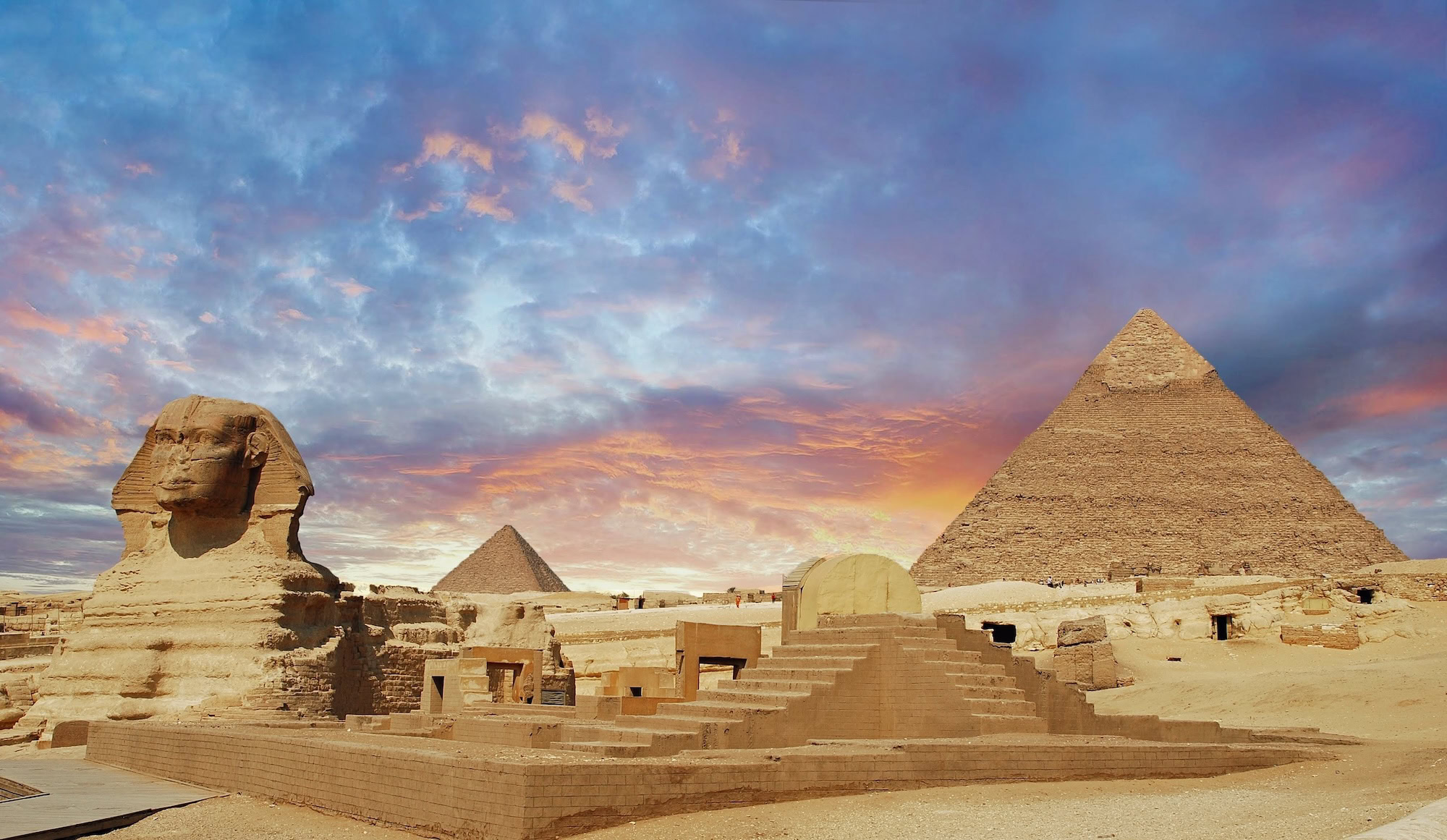
Professional guide services specialize in coordinating museum and pyramid visits, providing seamless transportation and expert commentary throughout the experience. Egypt Tours Plus offers comprehensive packages that include private guides, modern vehicles, and personalized itineraries tailored to individual interests and time constraints.
Accessibility and Family Considerations
The Grand Egyptian Museum welcomes visitors of all ages and abilities through barrier-free design and specialized programs. Wheelchair accessibility extends throughout all public areas, with elevators connecting multiple levels and rest areas strategically positioned for comfort breaks.
Family-friendly features include interactive discovery zones where children can engage with Egyptian history through hands-on activities. Educational programs cater to different age groups, making ancient civilization accessible and exciting for young learners.
Audio guide systems offer multilingual options, ensuring international visitors can fully appreciate exhibition content regardless of their native language. These devices provide detailed information about specific artifacts while allowing self-paced exploration.
Turn Your GEM Inspiration into a Tailor-Made Egypt Journey
Step into the wonders of the Grand Egyptian Museum with a journey crafted by experts who’ve been bringing Egypt to life since 1955. Whether you’re dreaming of exploring the GEM’s unrivaled collection, cruising the Nile, wandering through bustling souks, or standing before Abu Simbel at sunrise, our local specialists make every moment seamless. With your own private guide, dedicated driver, and full 24/7 assistance in English, Portuguese, Spanish, Italian, and more, you’ll experience Egypt with comfort, insight, and flexibility.
Tell us what inspires you, and we’ll design a tailor-made itinerary that matches your pace, interests, and travel style—no fixed routes, no groups, just your perfect Egypt adventure from start to finish. From first contact to your final farewell, we handle every detail so you can simply enjoy the journey.
Experience Egypt’s Greatest Treasures In One Place
The Grand Egyptian Museum is set to redefine how you experience ancient Egypt—bringing together iconic masterpieces, including the full Tutankhamun collection, in a world-class setting near the pyramids. With Egypt Tours Plus, we seamlessly include this extraordinary highlight in a private journey that connects Cairo’s must-see landmarks with the rest of Egypt’s timeless wonders.
You choose your travel dates, your pace, and the experiences that shape your route. From exclusive museum visits and expert-guided insights to Nile cruises and refined comfort throughout, we tailor every detail around your preferences—ensuring a smooth, inspiring, and deeply personal travel experience.
Frequently Asked Questions
The Grand Egyptian Museum is generally open daily from 9:00 am to 6:00 pm, with extended evening hours until around 8:00 pm on selected weekends and peak tourism periods. Located on the Giza Plateau approximately 2 km from the Pyramids of Giza, the museum operates year-round but may adjust schedules during Ramadan, national holidays, or special exhibitions. Visitors should verify same-day timings through the official GEM channels before arrival. Morning entry between 9:00 am and 11:00 am usually offers the lightest crowd levels.
Most visitors need at least 3 to 4 hours to explore the Grand Egyptian Museum’s main galleries, while full-day visits are ideal for detailed viewing. The museum spans roughly 500,000 square meters and houses thousands of artifacts, including the complete Tutankhamun collection, monumental statues, and immersive chronological exhibits. Travelers combining the museum with the nearby Pyramids of Giza should budget a full day for both attractions. Comfortable walking shoes are strongly recommended because distances inside the museum complex are substantial.
Advance booking for the Grand Egyptian Museum is strongly recommended, especially during winter travel months, weekends, and Egyptian public holidays. Online reservations through the official booking platform help visitors avoid long ticket queues and reduce the risk of timed-entry slots selling out during peak periods between October and April. International tour groups visiting from Cairo, Giza, and Nile cruise itineraries often arrive in concentrated morning waves. Booking at least several days ahead generally provides more flexibility for preferred entry times.
Photography permissions at the Grand Egyptian Museum are available, although rules vary depending on the gallery, exhibit type, and equipment used. Standard smartphone photography is typically allowed in many public areas, while professional cameras, tripods, flash equipment, and commercial filming often require separate authorization or additional fees. Sensitive artifacts and temporary exhibitions may also prohibit photography entirely for conservation reasons. Visitors should review current museum policies at entry because regulations can change between exhibition phases and special events.
Standard Grand Egyptian Museum tours generally include entry tickets and basic orientation, while premium tours add Egyptologist-guided interpretation, priority coordination, and deeper historical context. Premium experiences often focus on major collections such as the Tutankhamun treasures, Old Kingdom statuary, and royal mummies, helping visitors understand chronology and symbolism that can be missed during self-guided visits. Egypt Tours Plus and similar operators also commonly include hotel transfers and combined Giza itineraries. Guided tours are especially valuable because the museum’s scale can feel overwhelming for first-time visitors.
The Grand Egyptian Museum includes multiple dining venues ranging from casual cafés to full-service restaurants serving Egyptian and international cuisine. Visitors can expect coffee shops, light snack counters, and larger dining spaces positioned throughout the museum complex overlooking the Giza Plateau. Because a typical visit lasts several hours, many travelers schedule a meal break between gallery sections rather than leaving the site entirely. Lunch hours between approximately 1:00 pm and 3:00 pm are usually the busiest dining periods.
The Grand Egyptian Museum sits on the Giza Plateau approximately 20 km west of central Cairo, with travel times ranging from 35 minutes in light traffic to more than 90 minutes during peak congestion. The museum is located only about 2 km from the Pyramids of Giza, making combined sightseeing itineraries highly practical. Visitors departing from downtown Cairo, Zamalek, or Garden City should allow additional buffer time during weekday rush periods, especially between 7:30–9:30 am and 5:00–7:00 pm.
The Grand Egyptian Museum is designed with modern accessibility features, including elevators, ramps, wheelchair pathways, and accessible restrooms throughout the main complex. Unlike many older archaeological sites in Egypt, the museum’s galleries use wide corridors and gradual inclines that accommodate wheelchairs and mobility aids more comfortably. Staff assistance is often available at major entry points and visitor service areas. Travelers with mobility concerns should still expect substantial walking distances because the museum campus covers hundreds of thousands of square meters.
Tutankhamun gallery tickets provide access to the young pharaoh’s complete funerary collection, including ceremonial furniture, jewelry, chariots, gilded shrines, and the famous golden burial mask. The collection contains more than 5,000 artifacts discovered by Howard Carter in 1922 inside KV62 in the Valley of the Kings at Luxor. Many objects are displayed together for the first time in modern museum history, which significantly expands the context beyond earlier partial exhibitions. Visitors interested in ancient Egyptian royal burial practices should prioritize this section early in their visit.
The Grand Egyptian Museum is exceptionally easy to combine with the Pyramids of Giza because the two attractions sit only a few kilometers apart on the same plateau. Many Cairo itineraries pair the museum with the Great Pyramid of Khufu, the Sphinx, and nearby panoramic viewpoints within a single full-day schedule. Travel time between the museum entrance and pyramid complex is usually under 15 minutes depending on traffic and security checkpoints. Starting with the museum often provides valuable historical context before visiting the monuments themselves.
Multilingual audio guides are available at the Grand Egyptian Museum and provide detailed explanations of key artifacts, dynasties, and exhibition themes. Most systems include major international languages such as English, Arabic, French, German, Spanish, and Italian, although exact availability may vary seasonally. Audio guides are particularly useful for self-guided visitors because the museum contains extensive chronological galleries spanning more than 3,000 years of Egyptian history. Renting one can significantly improve understanding of lesser-known collections beyond the headline exhibits.
Visitors to the Grand Egyptian Museum should avoid bringing oversized bags, professional photography equipment, outside food, drones, and restricted electronic items. Security screening at the museum entrance is similar to airport-style inspection procedures, and prohibited items may need to be stored or denied entry entirely. Tripods and commercial filming gear usually require advance authorization, especially near high-profile exhibits such as the Tutankhamun collection. Carrying only small personal items generally speeds up entry and reduces delays at security checkpoints.
Design Your Custom Tour
Explore Egypt your way by selecting only the attractions you want to visit